
6 min read
Reshaping the nose so that it stops being the first thing you see.
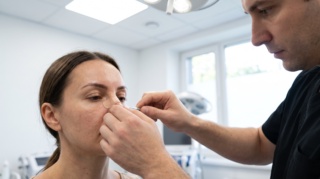
Rhinoplasty is surgery on the bone and cartilage that give the nose its shape, and on the soft tissue over them. What can be changed is the profile, the width, the tip and the angle between nose and lip; what governs how much can be changed is your own anatomy — how thick your skin is, how strong the cartilage is, what a previous operation or an old fracture left behind.
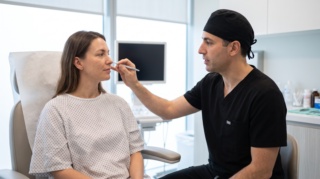
The same request produces different answers on different faces, and that is the part worth understanding before anything else. A nose is not adjusted against a picture of someone else’s; it is planned against the forehead, the chin and the cheekbones it sits between. A result that would be beautiful on another face is exactly how a nose ends up looking operated on.
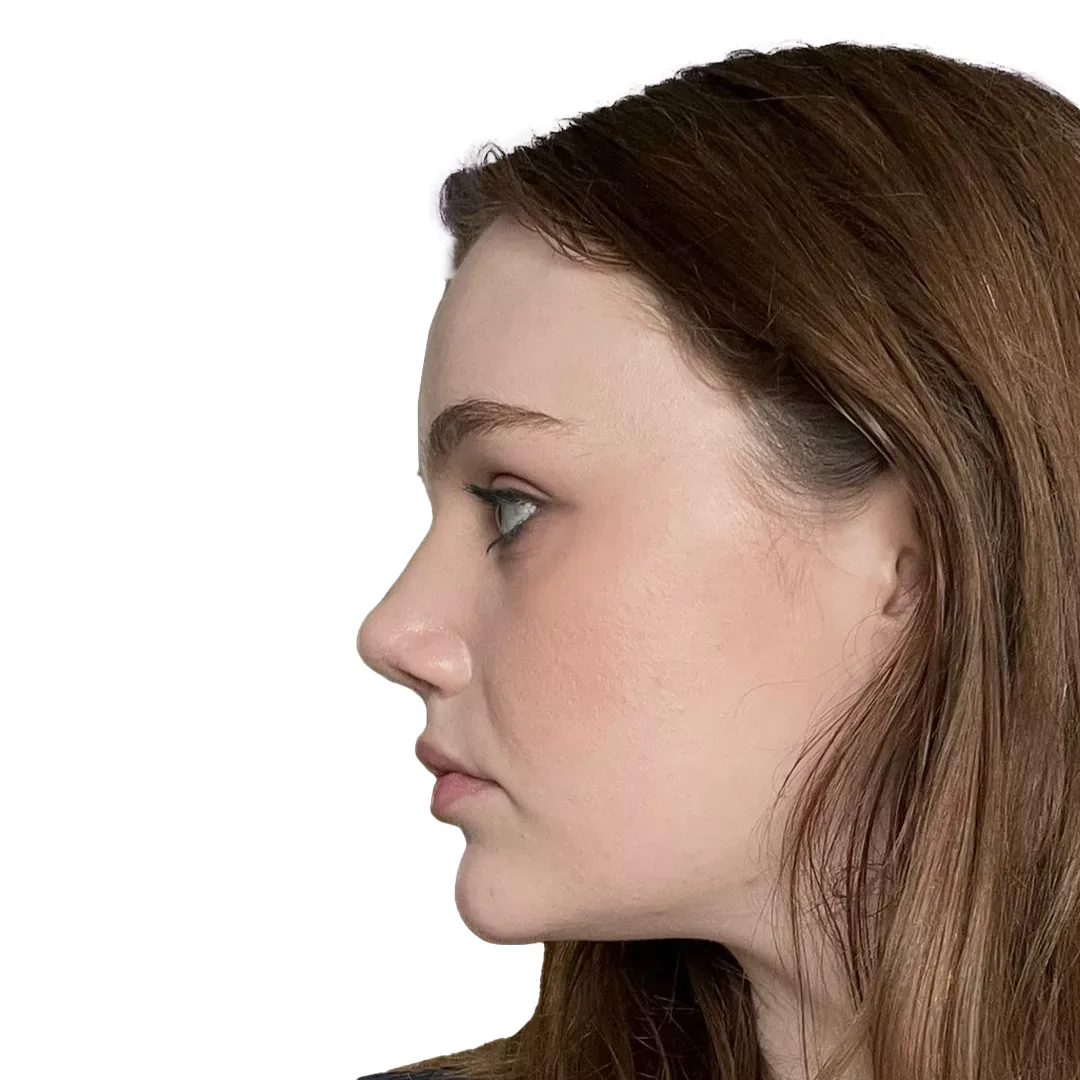
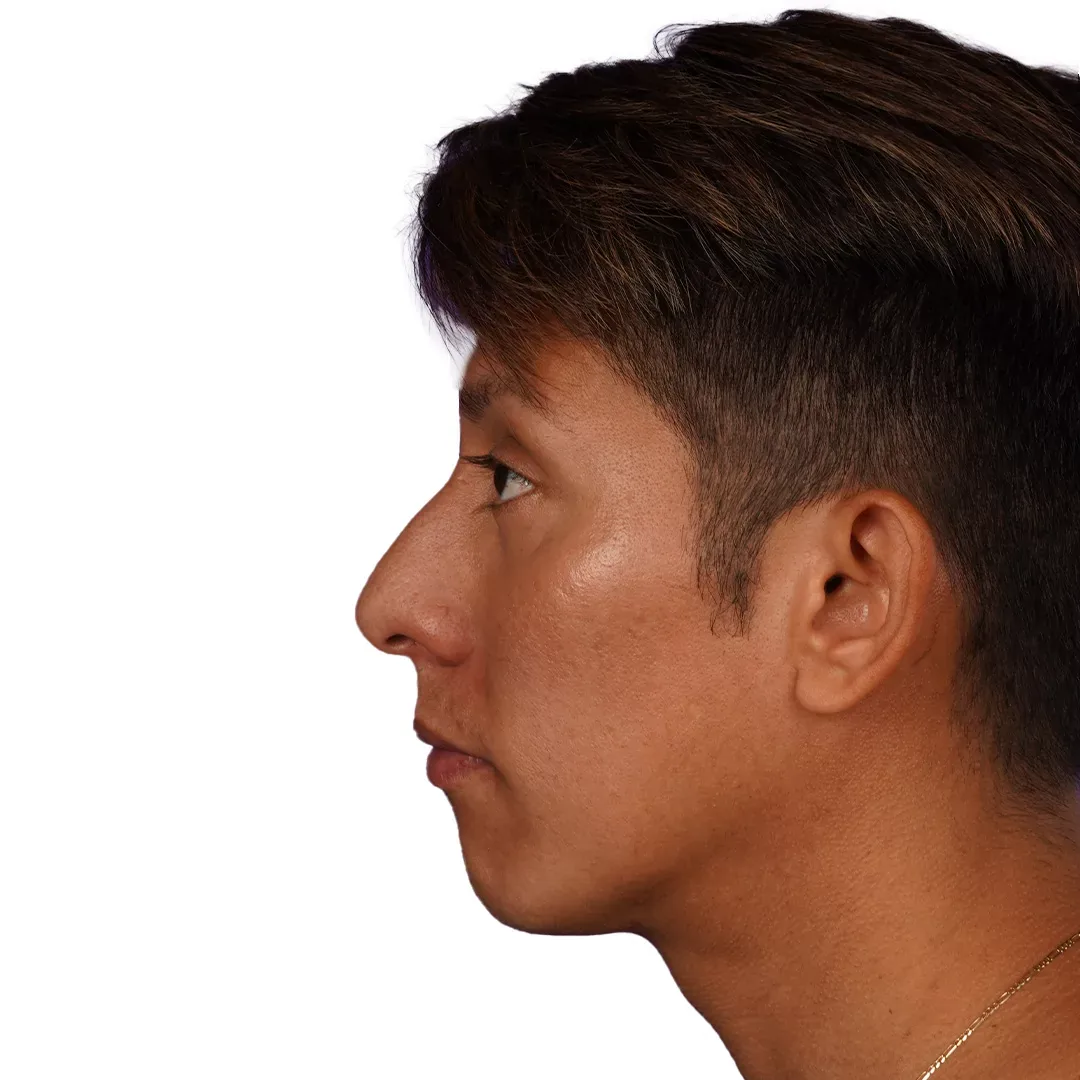
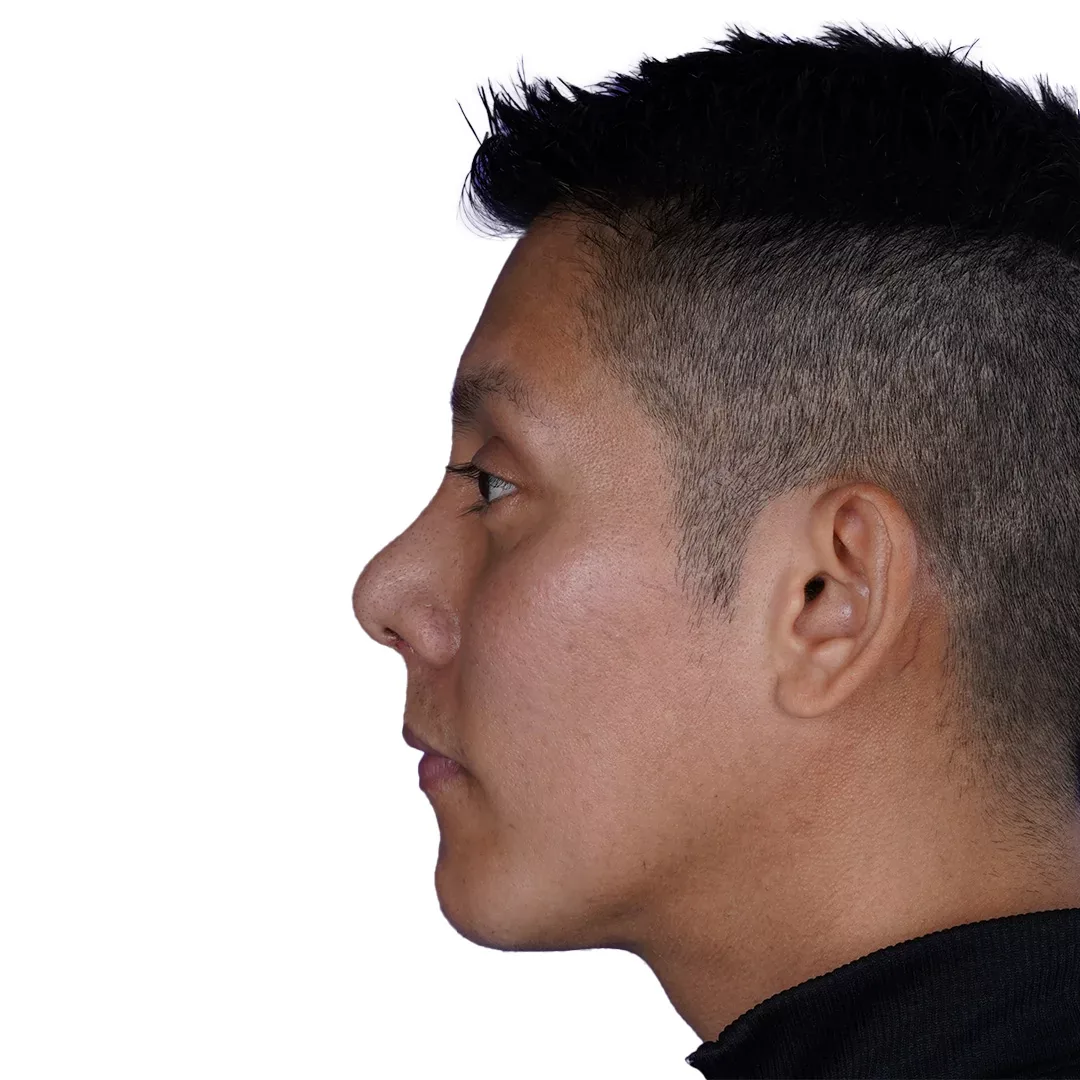
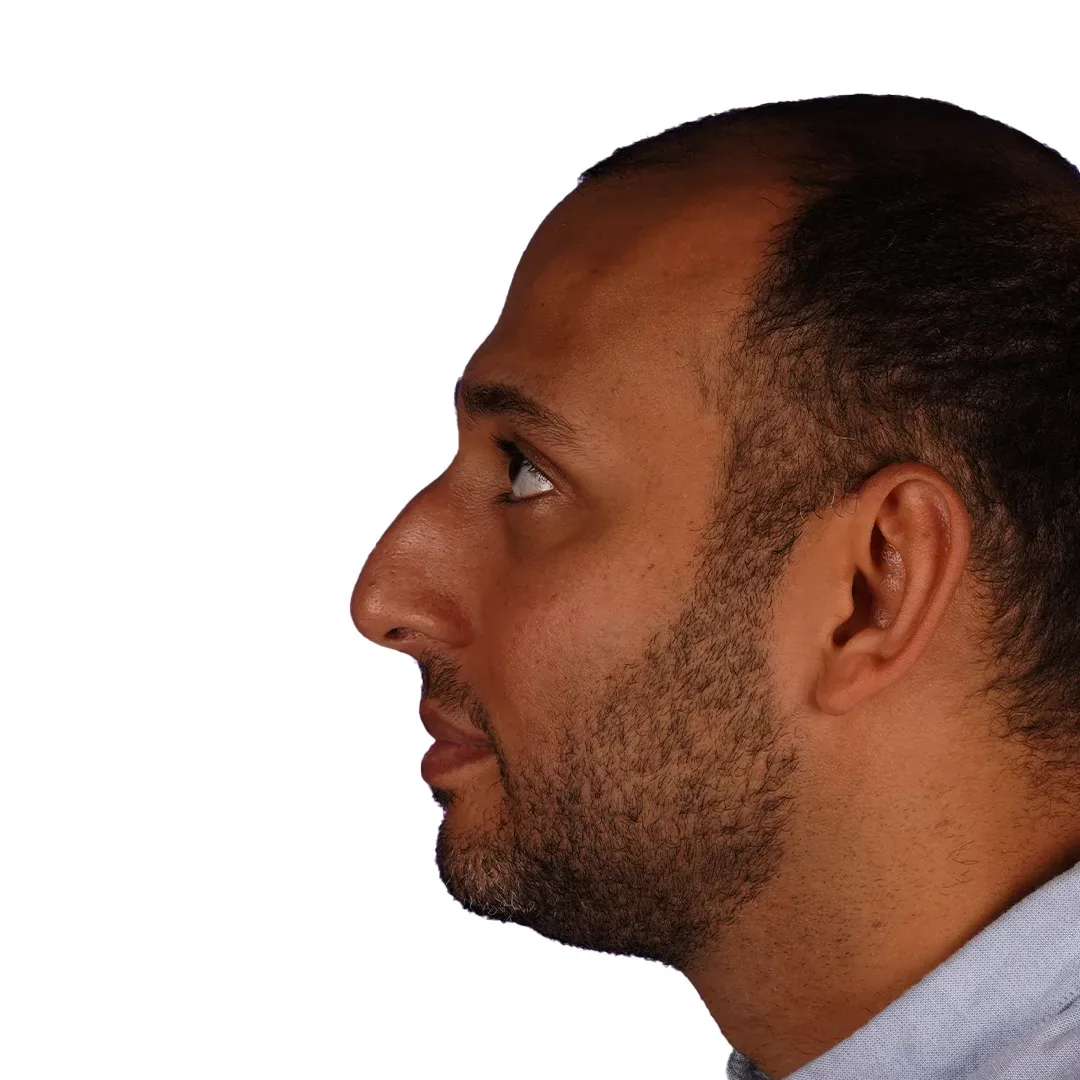
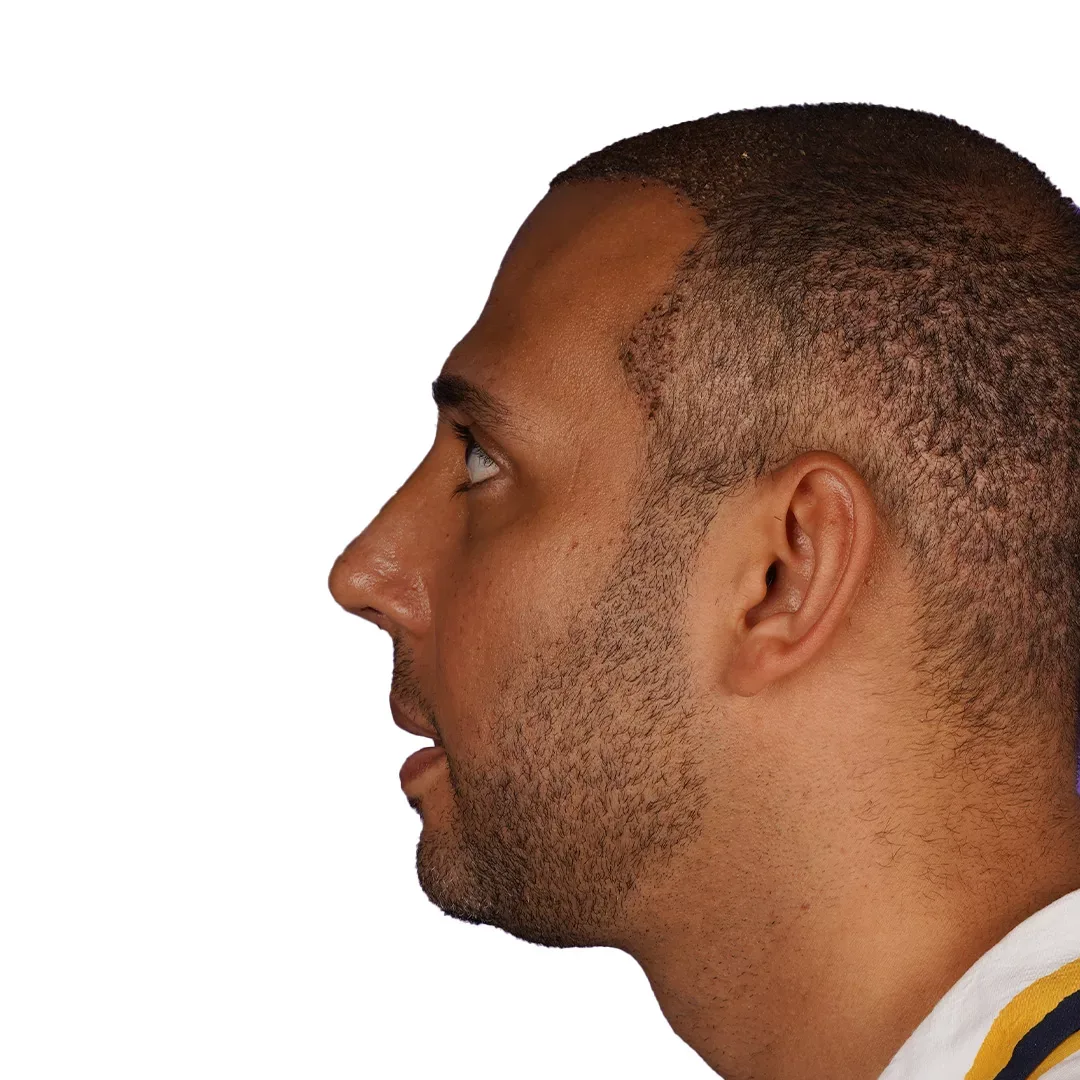
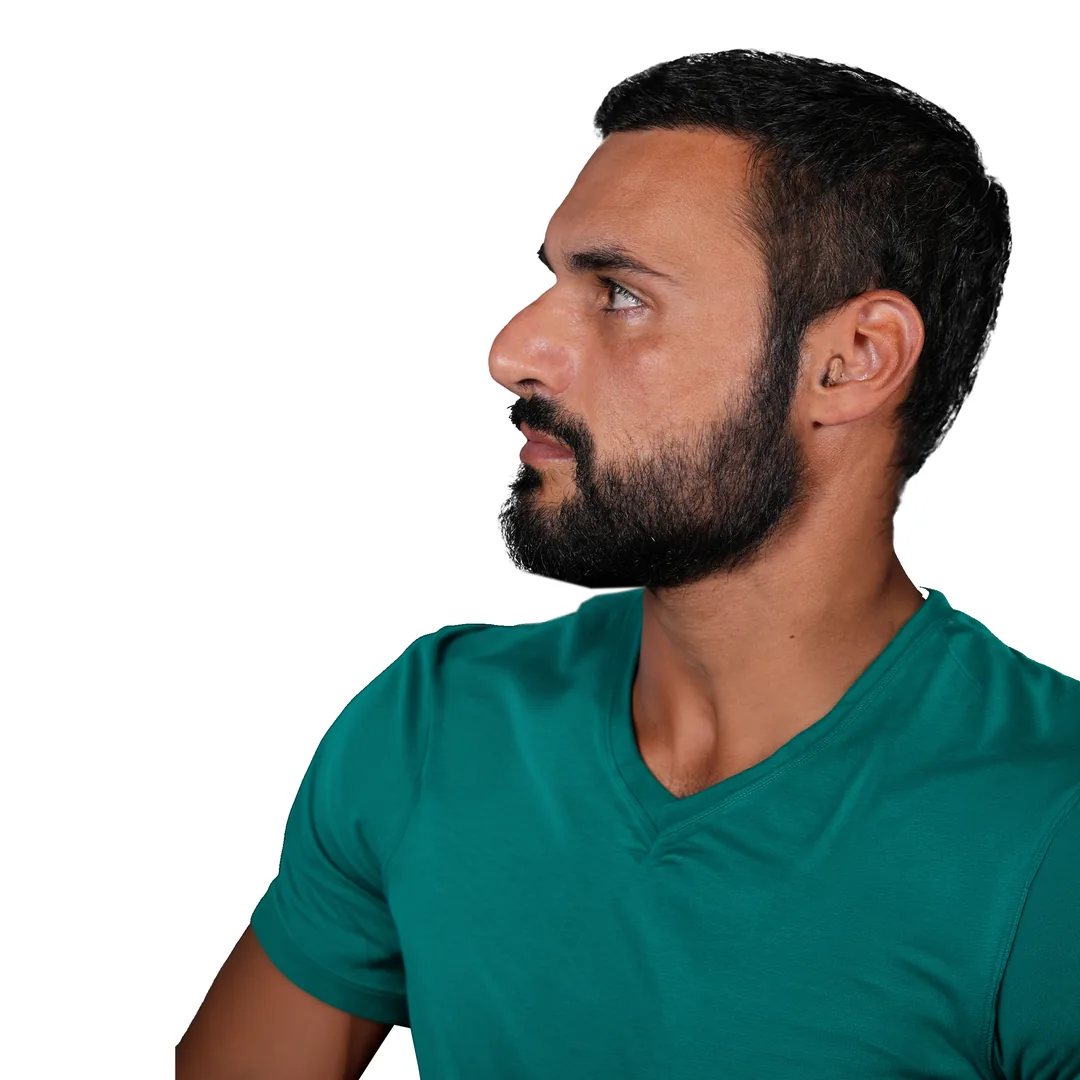
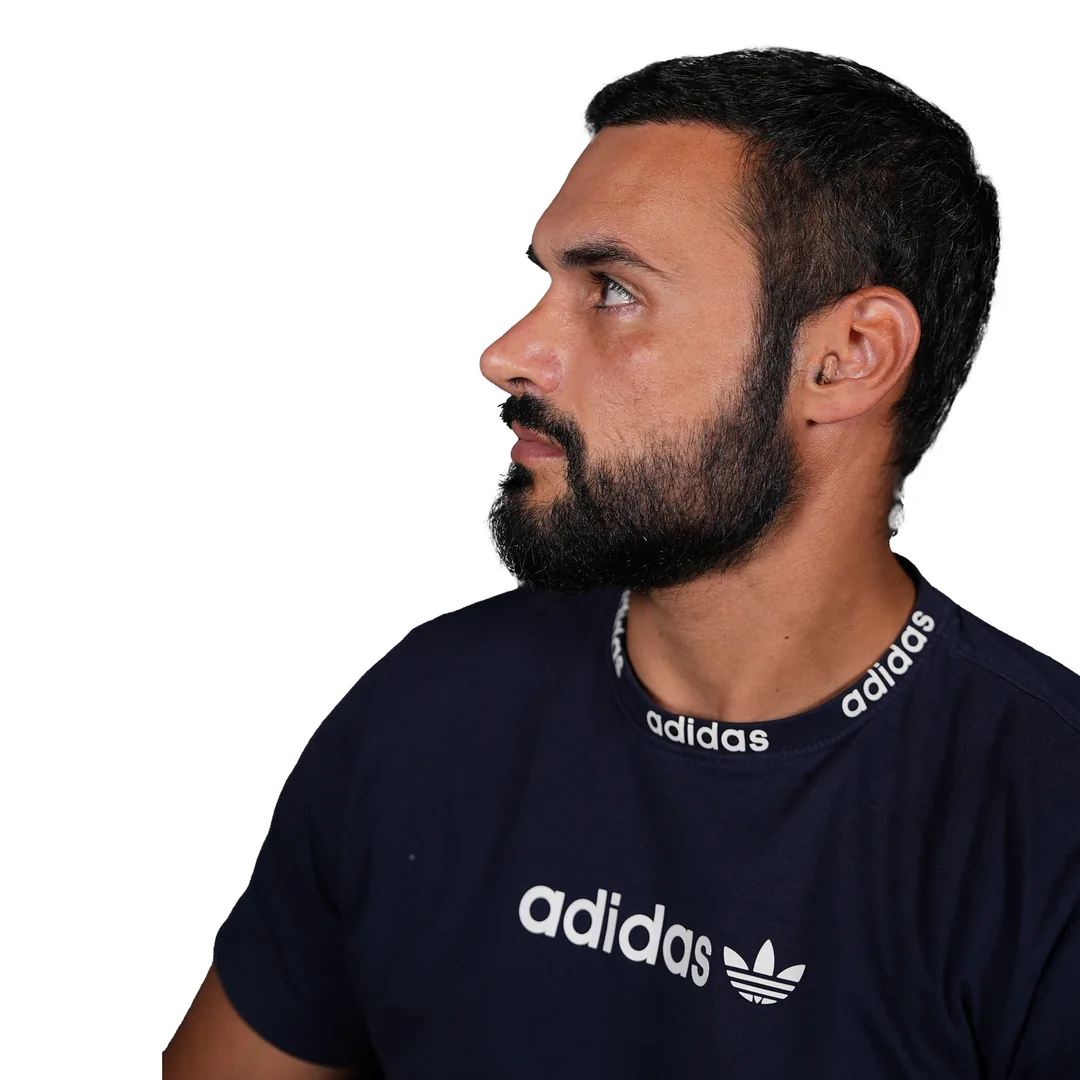
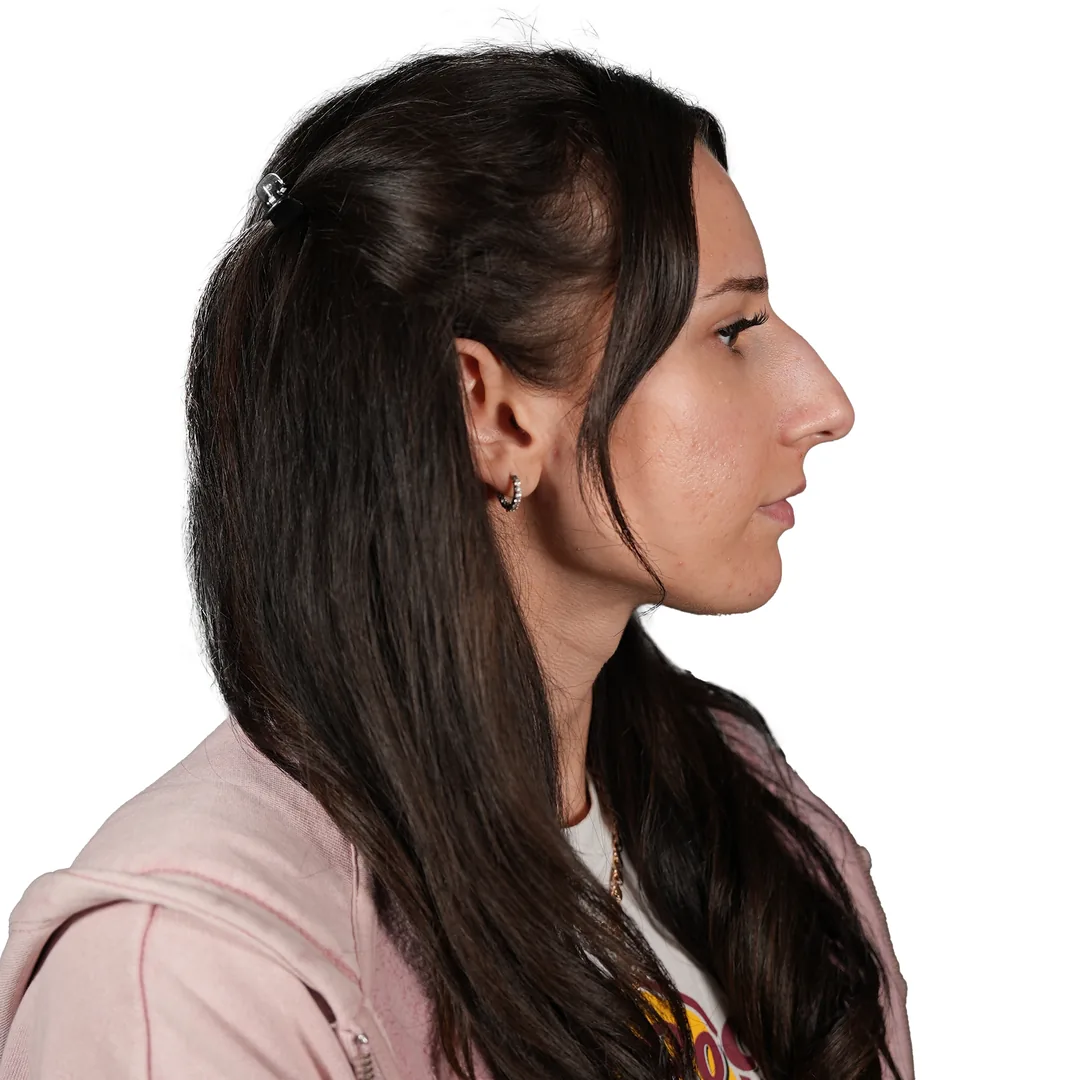
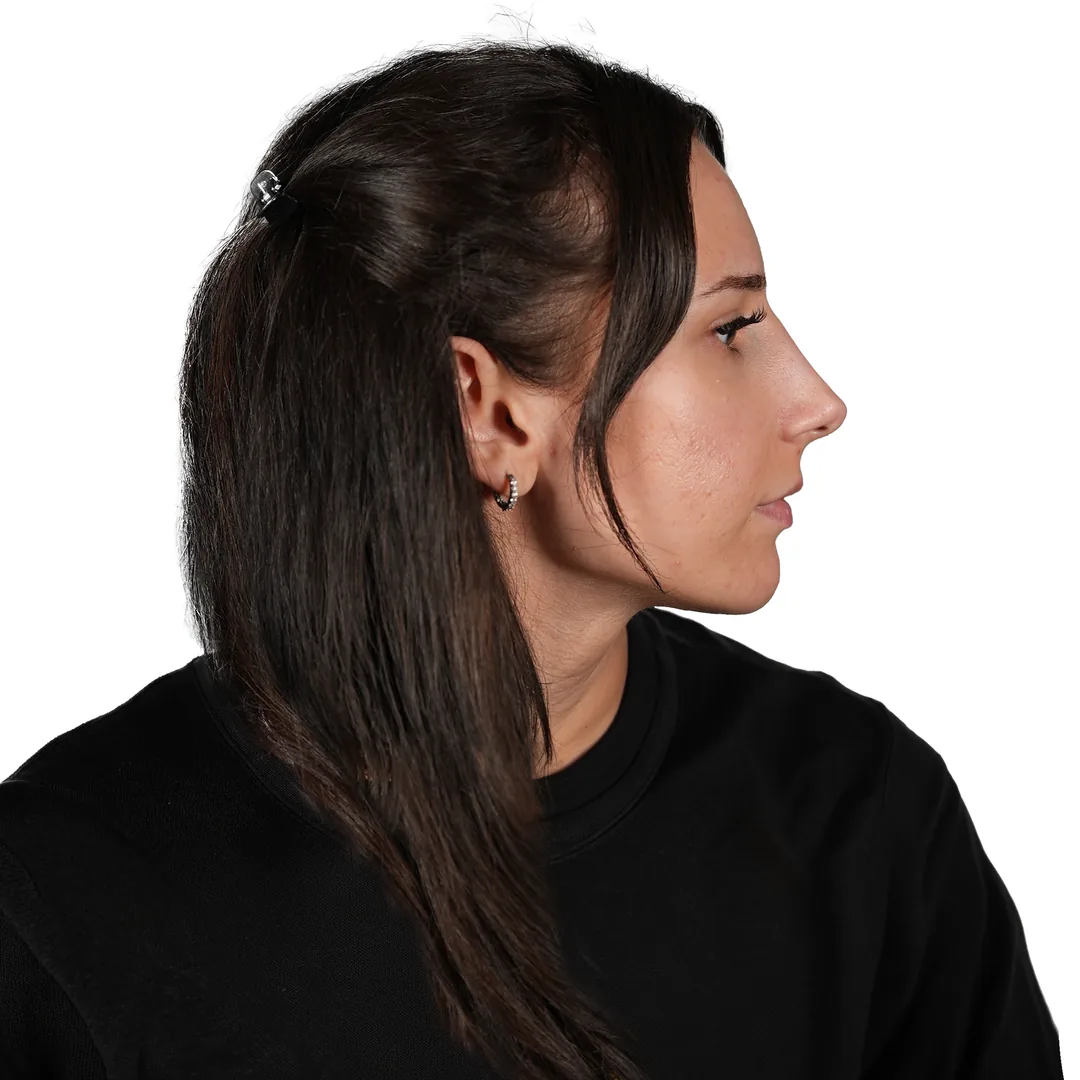
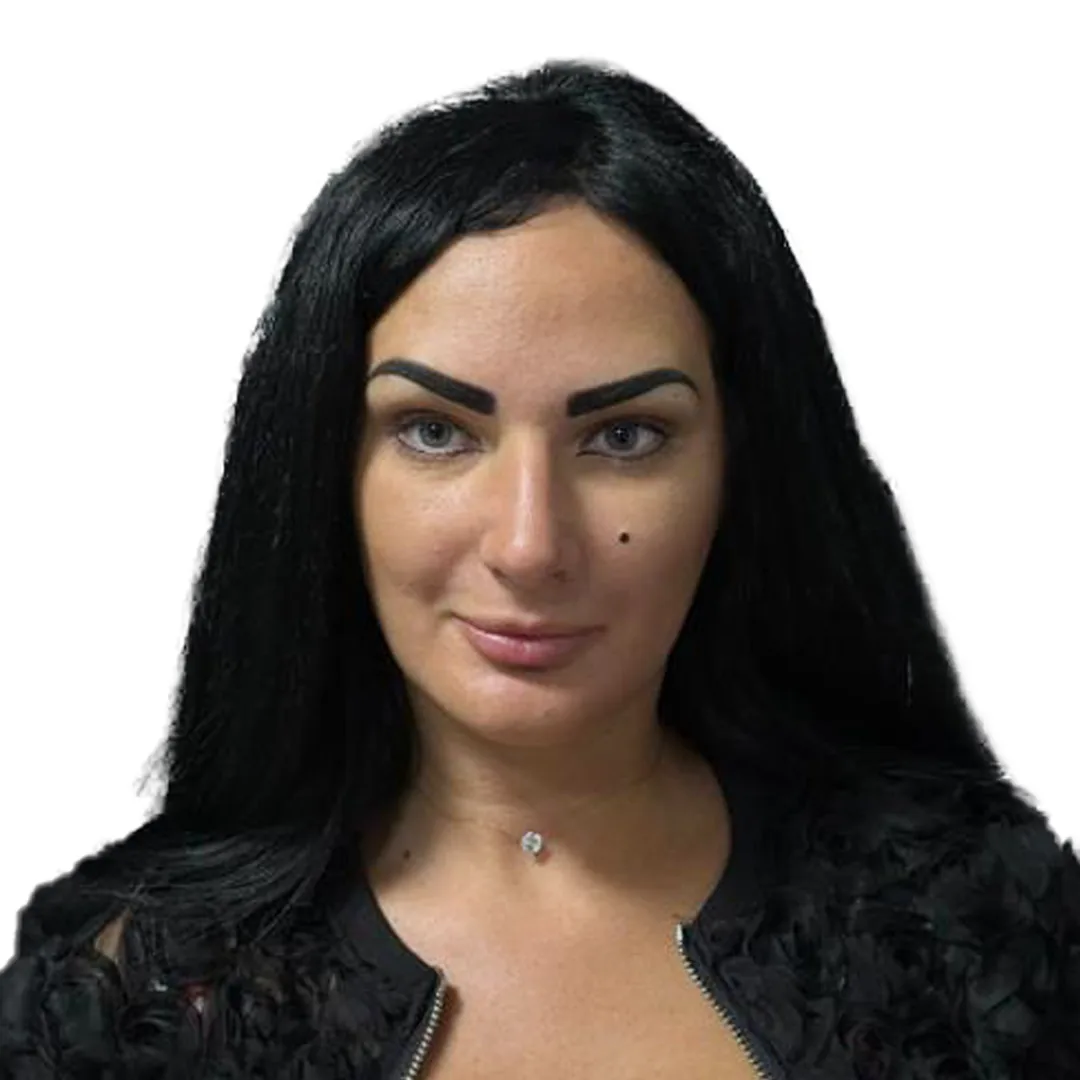
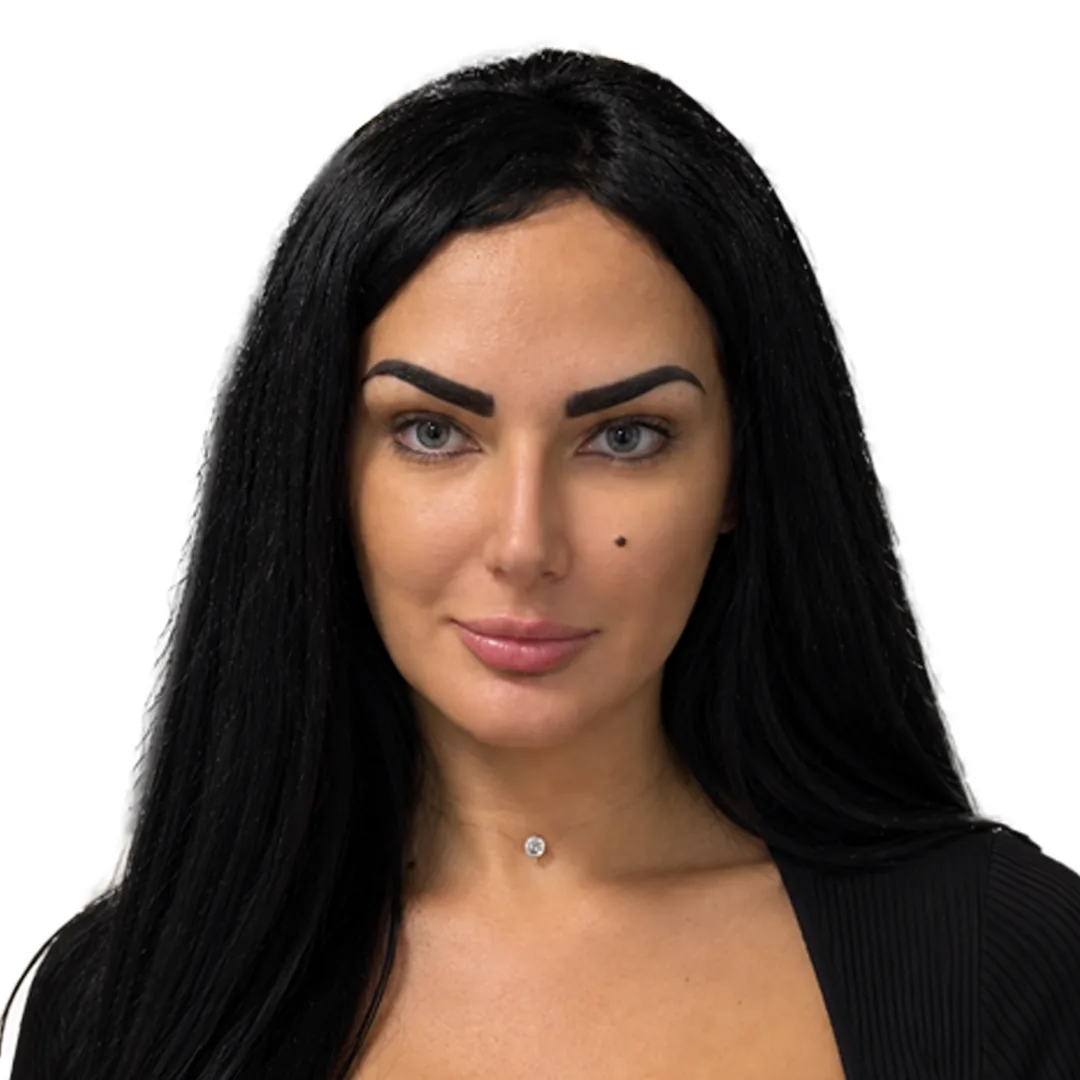
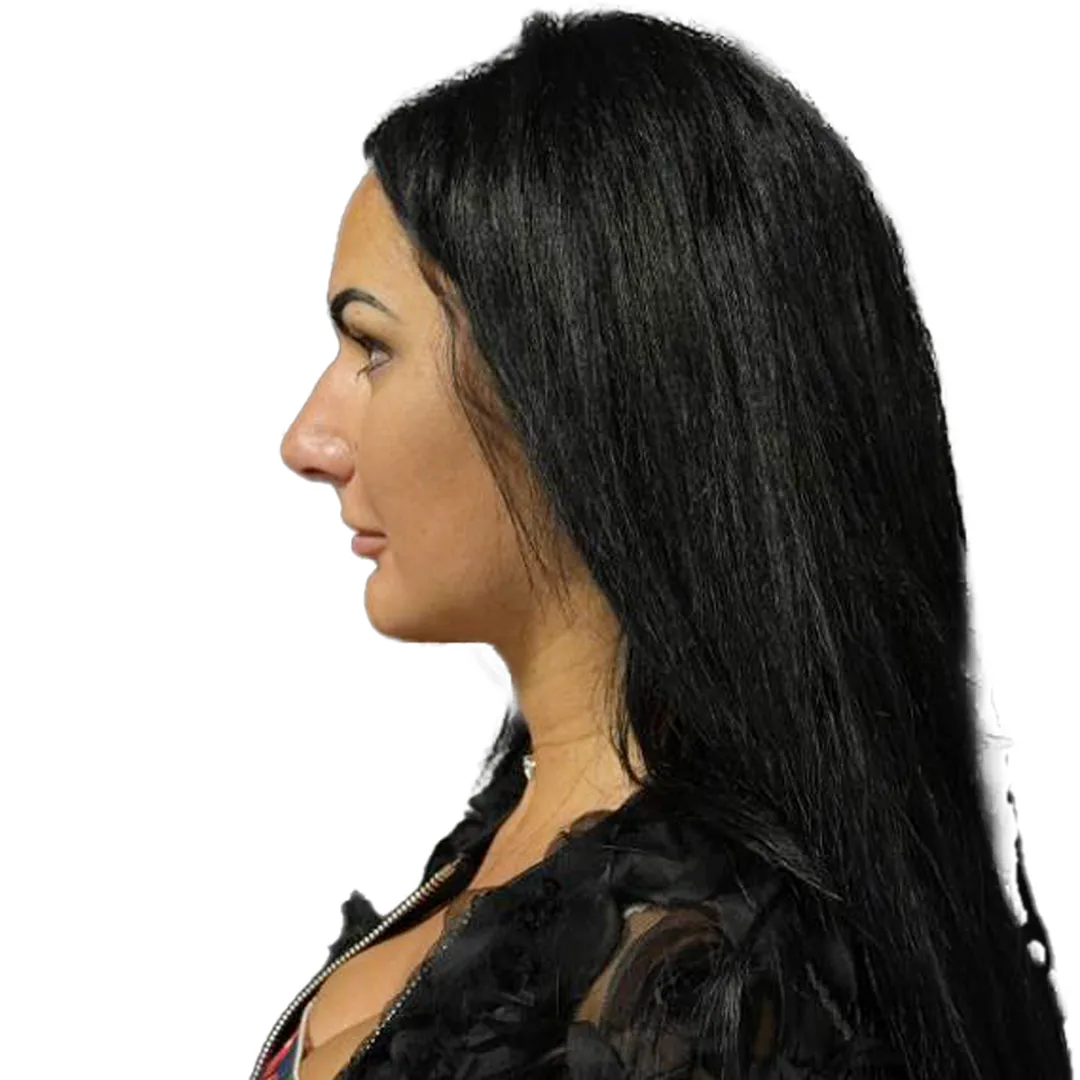
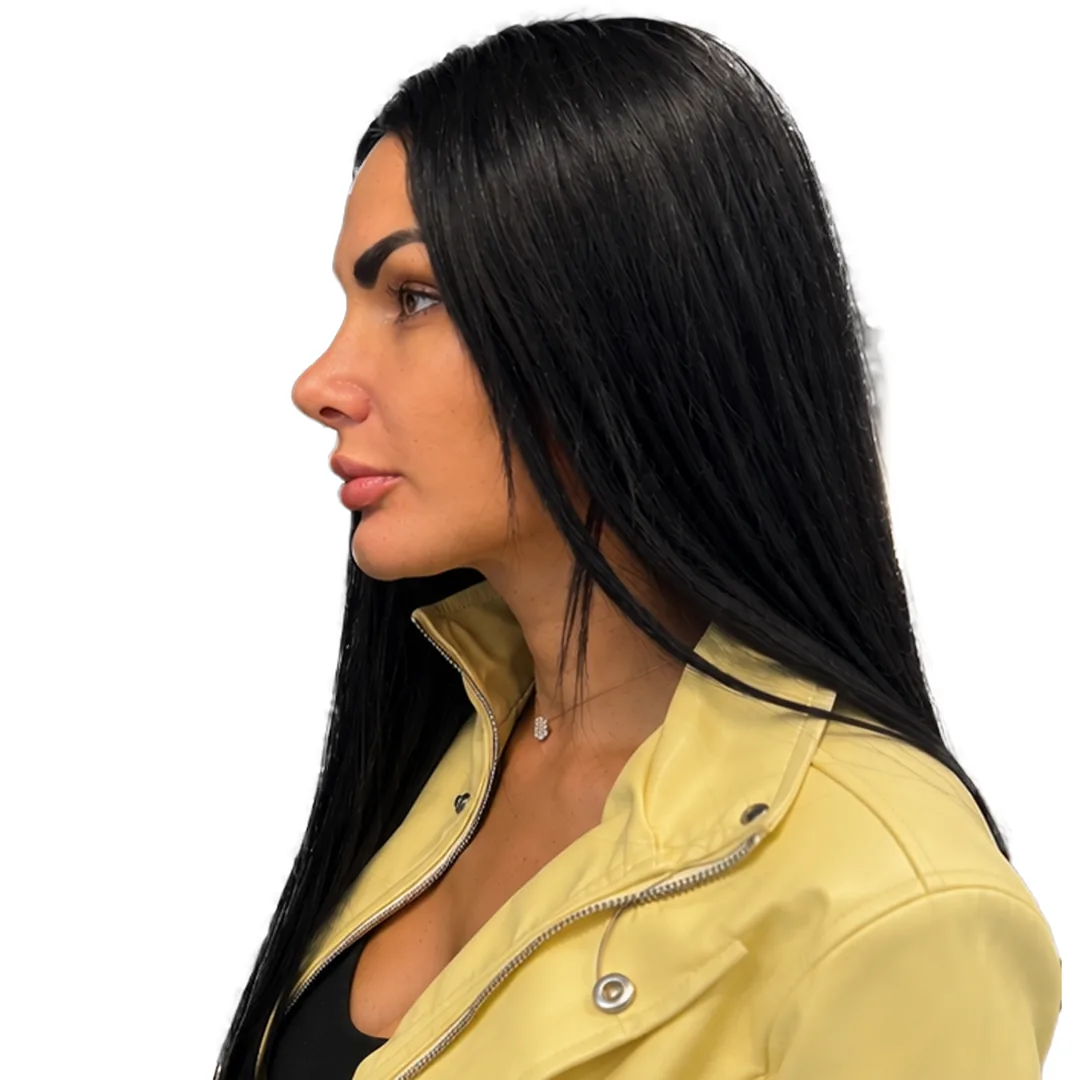
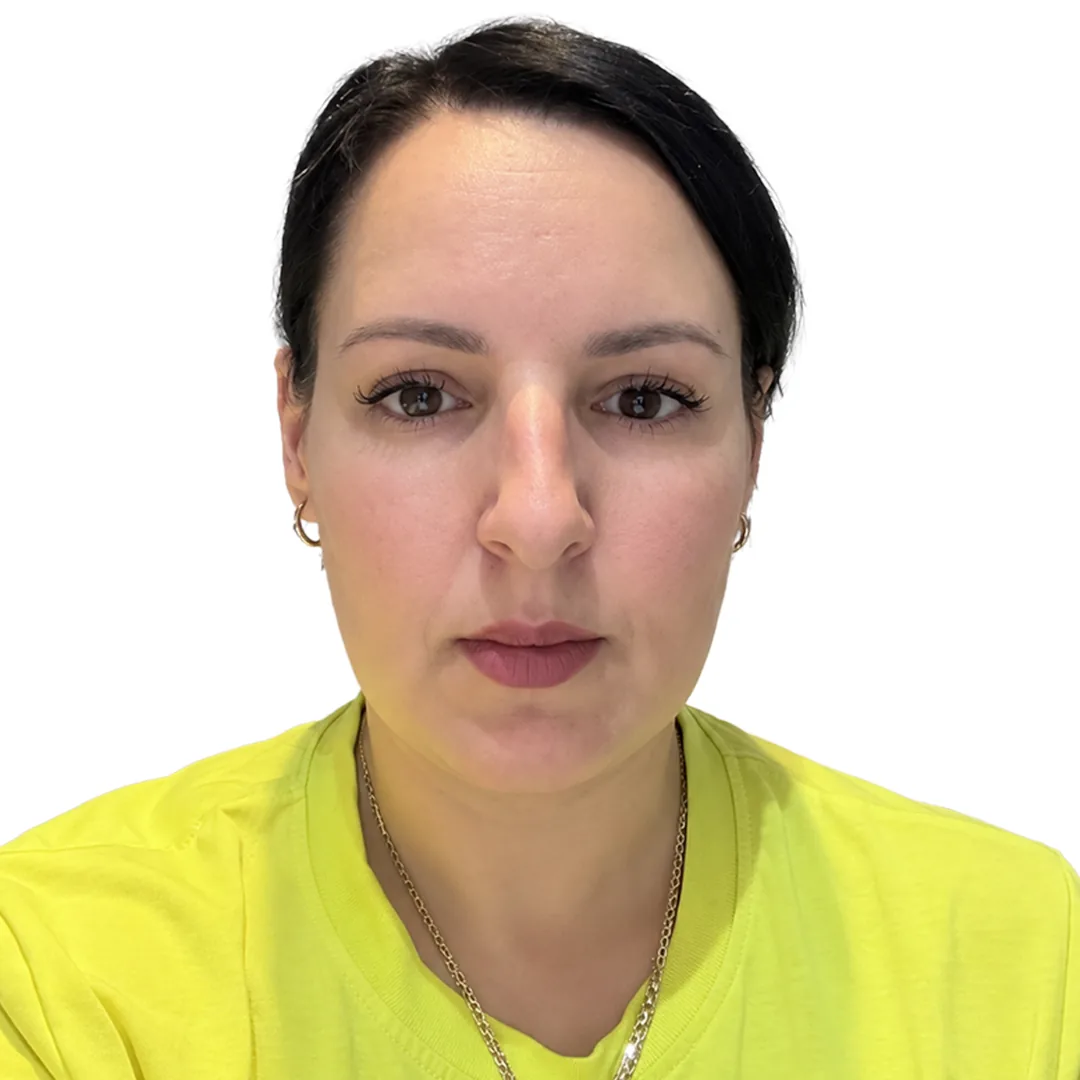
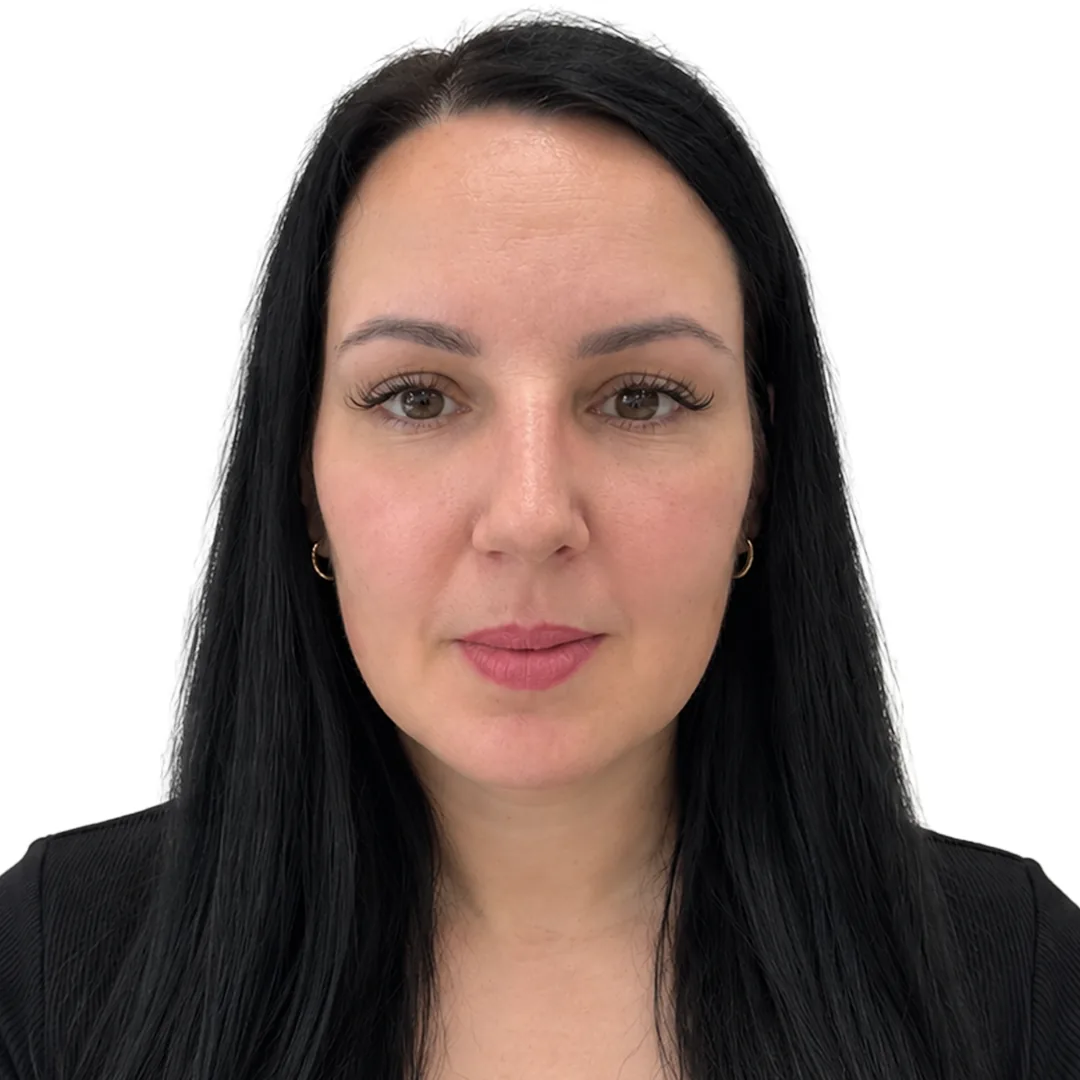
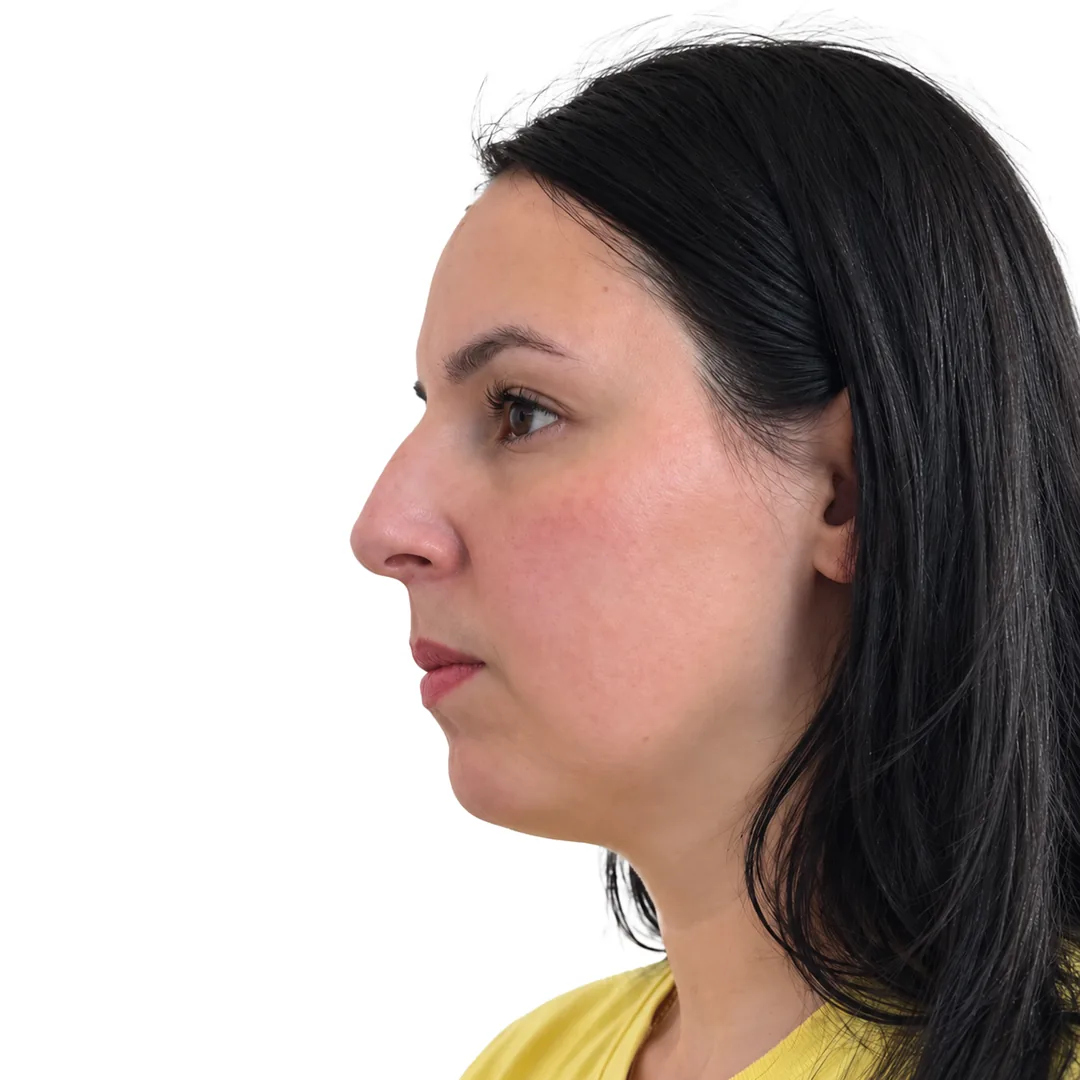
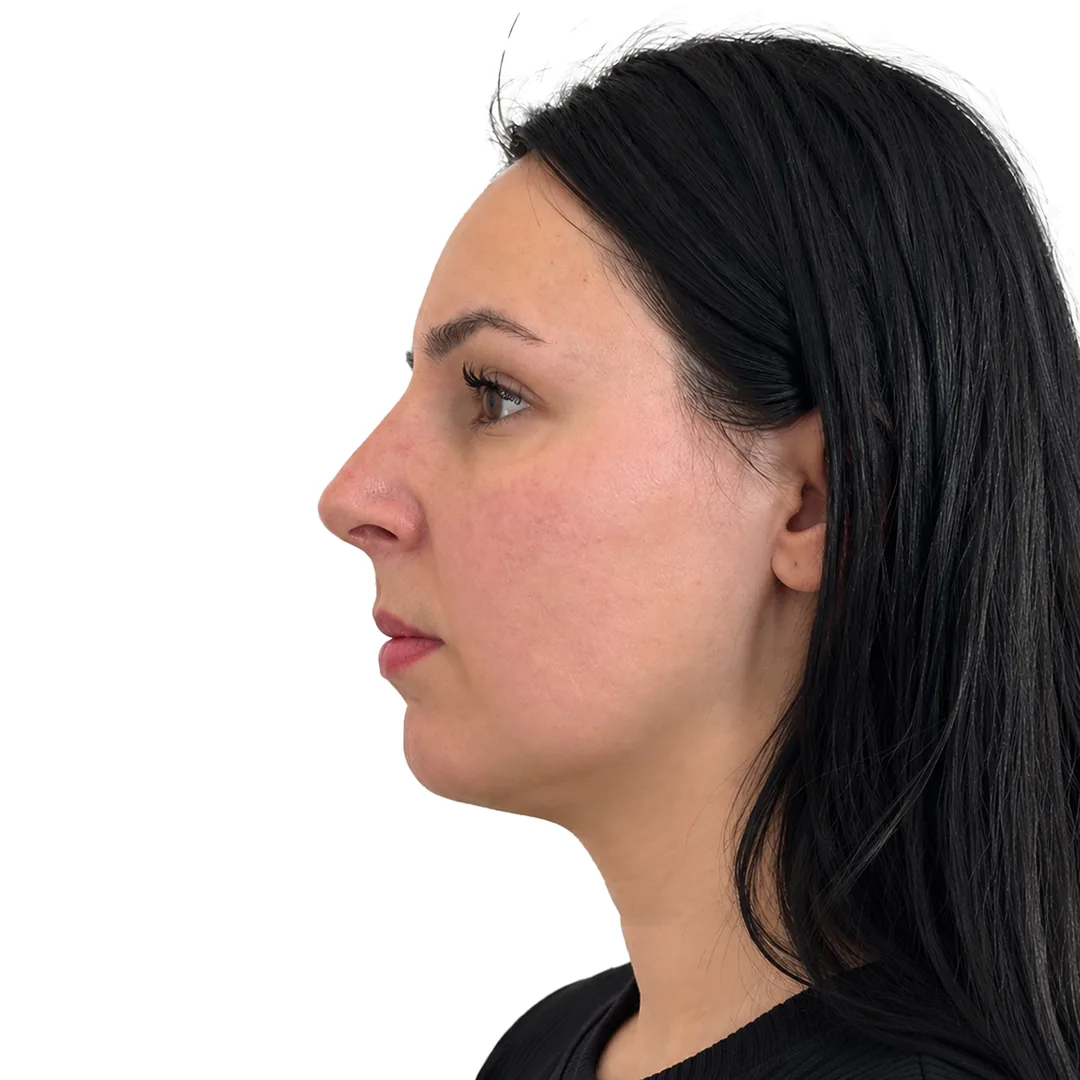
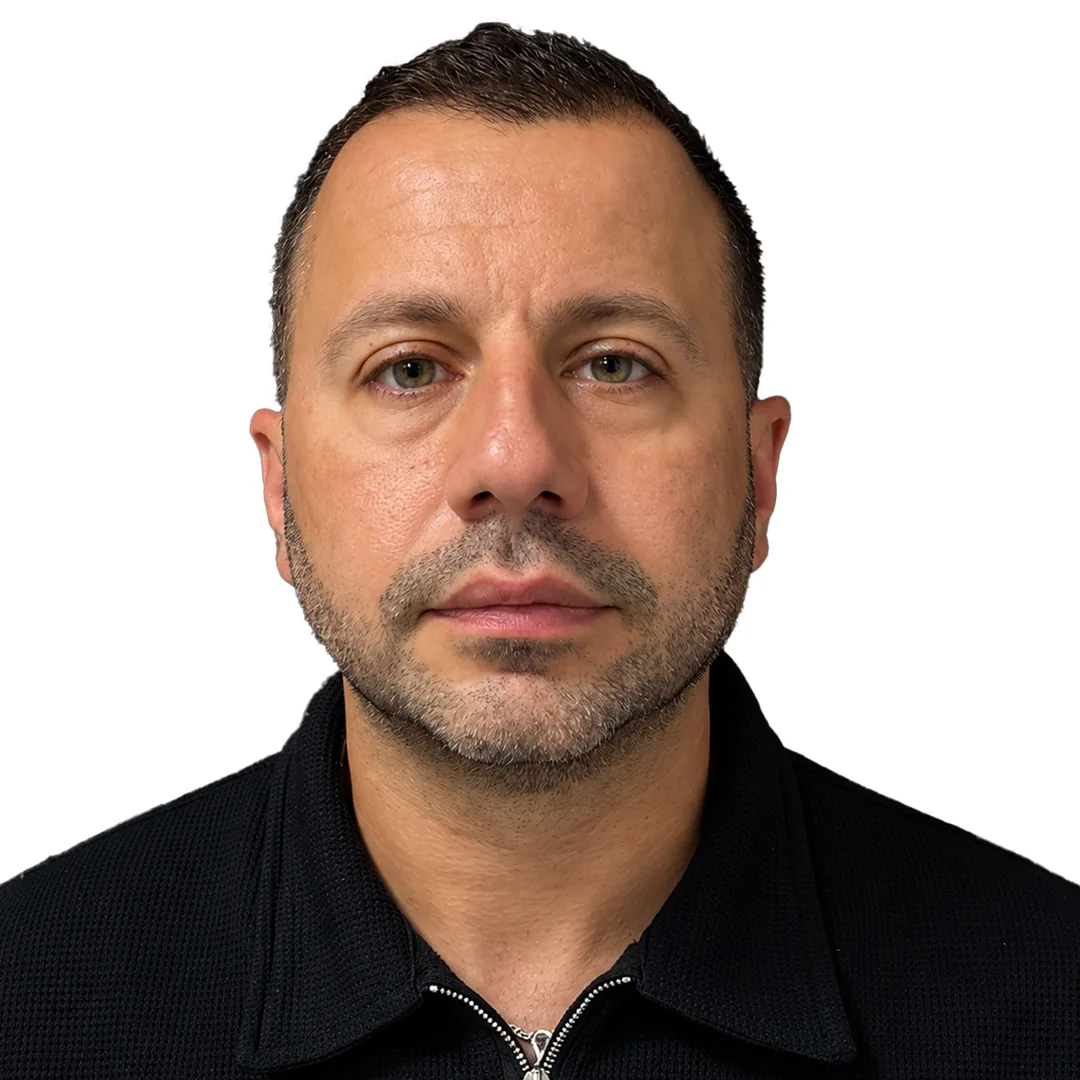
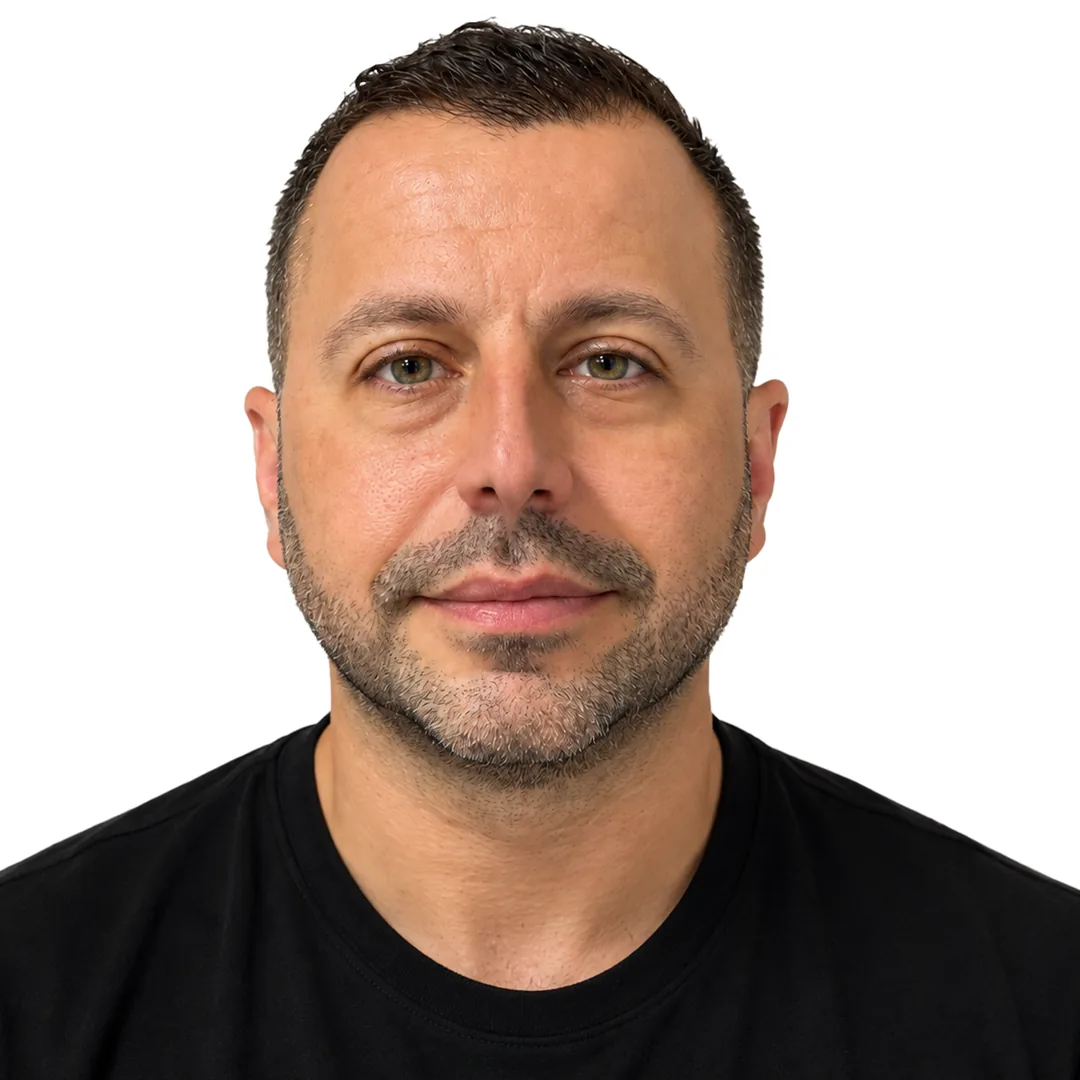
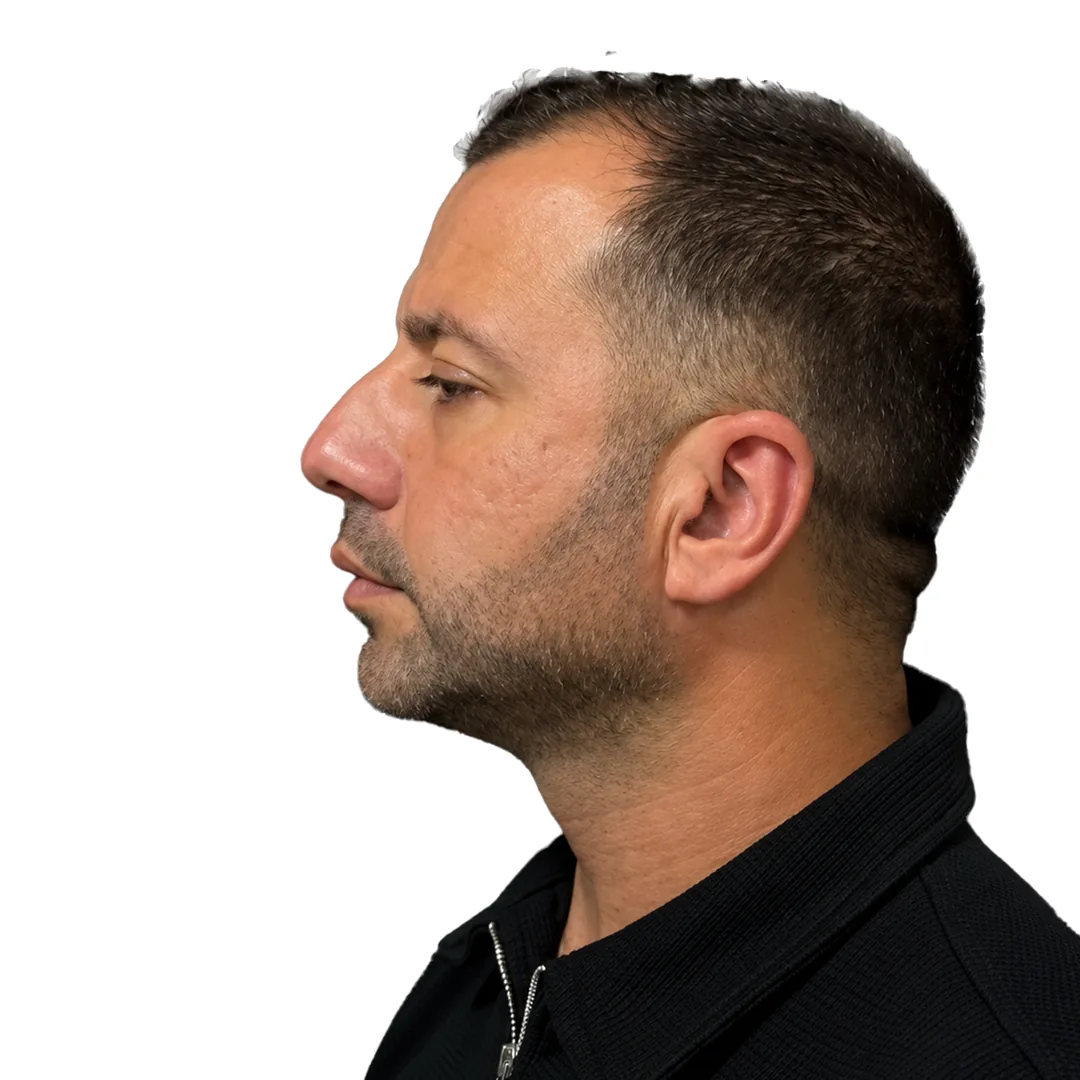
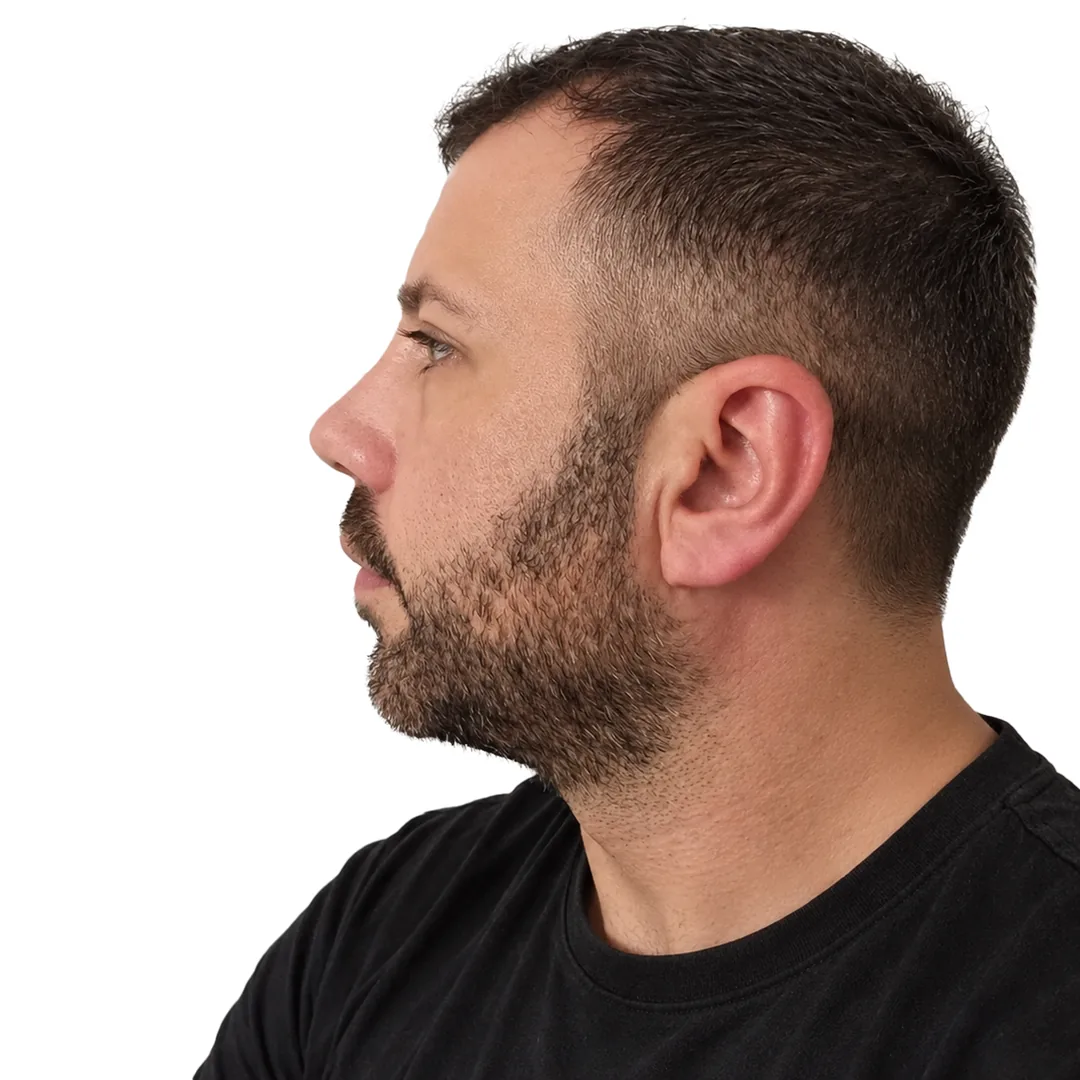
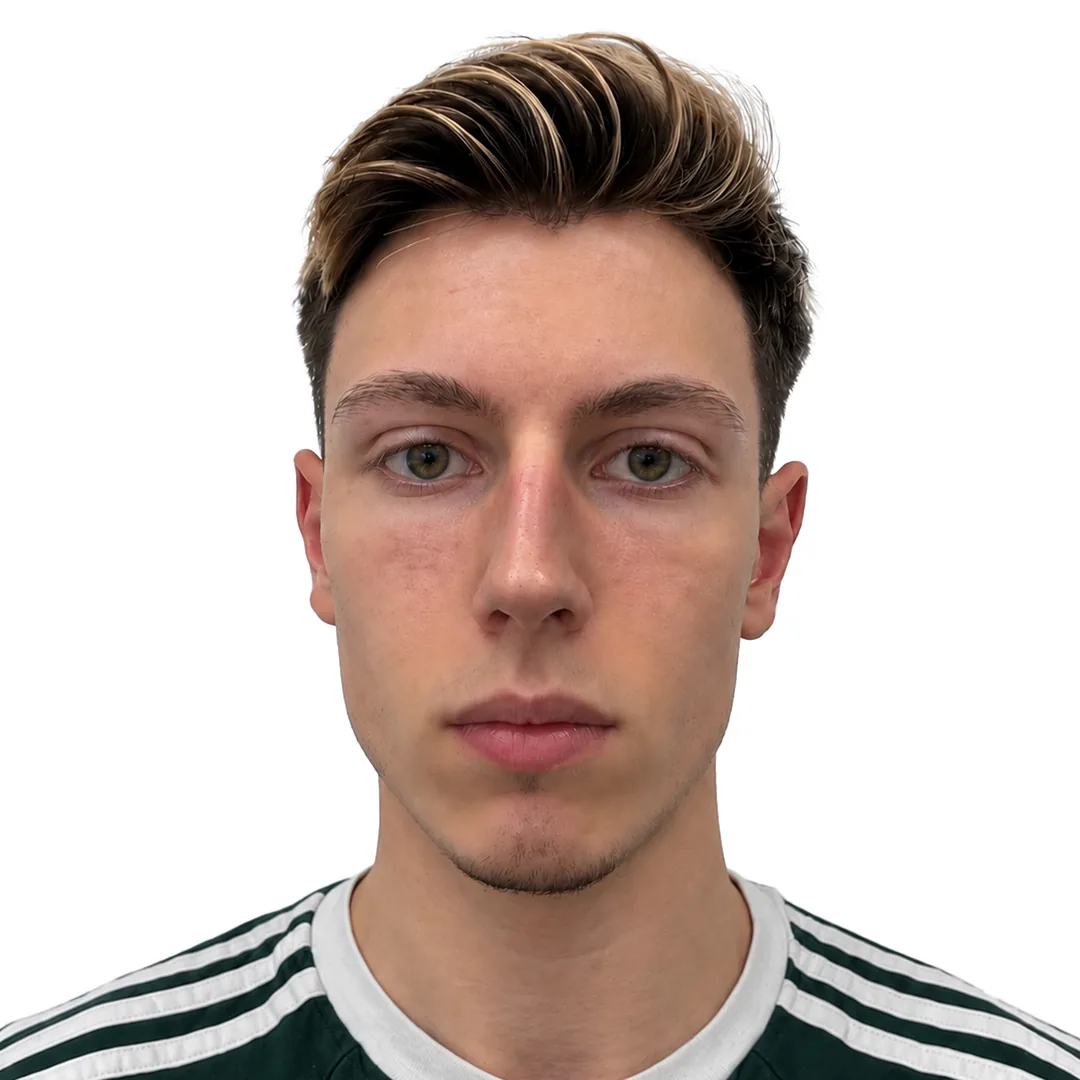
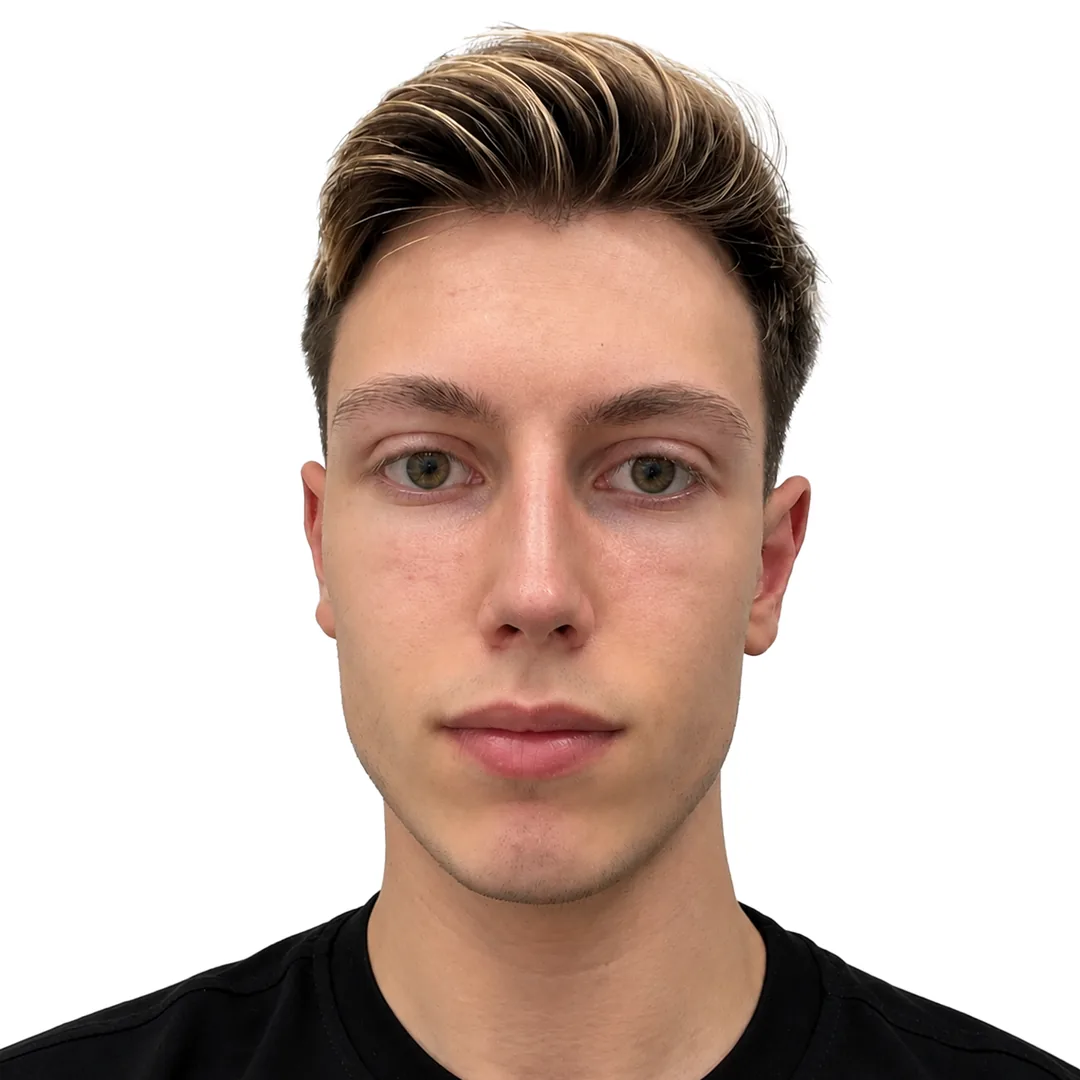
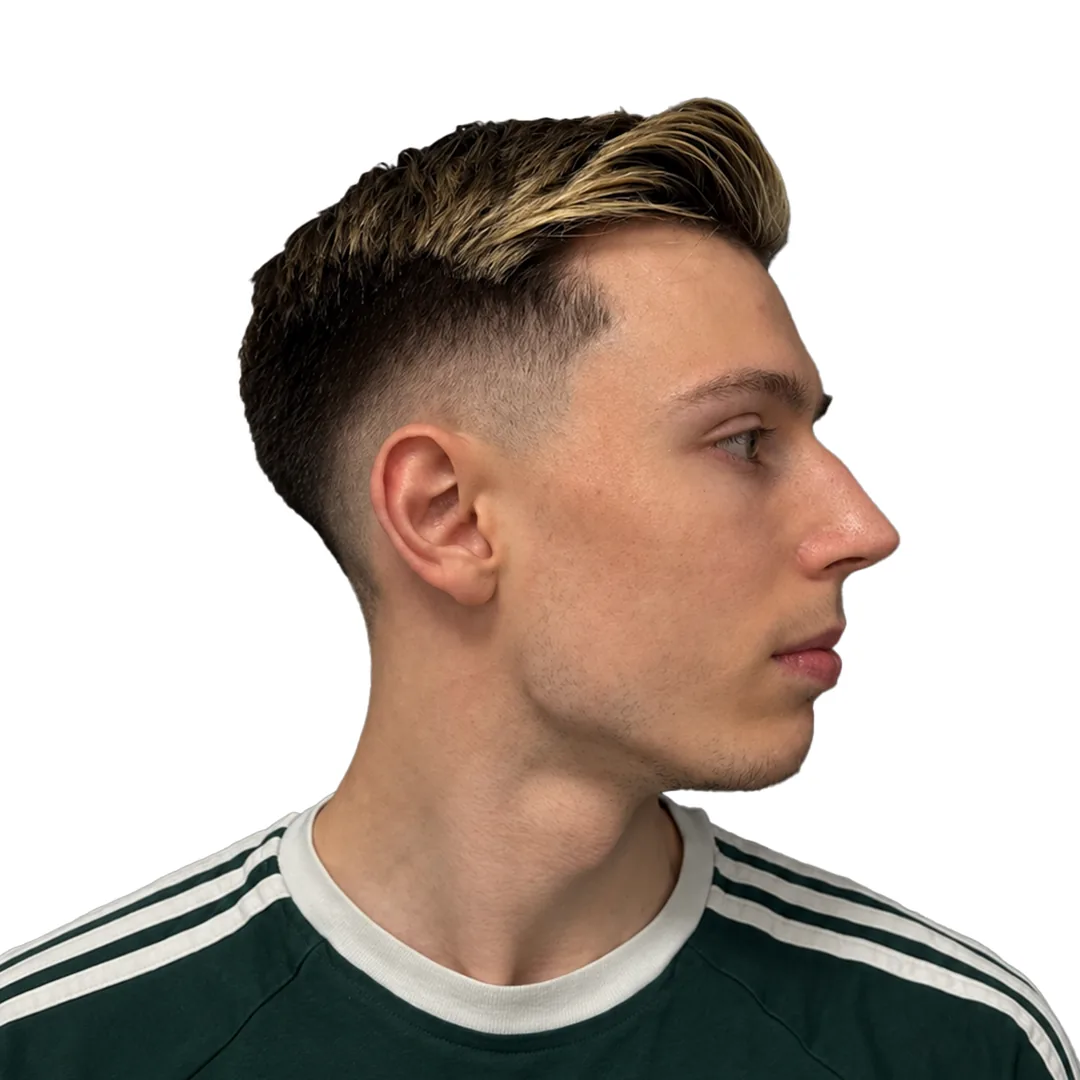
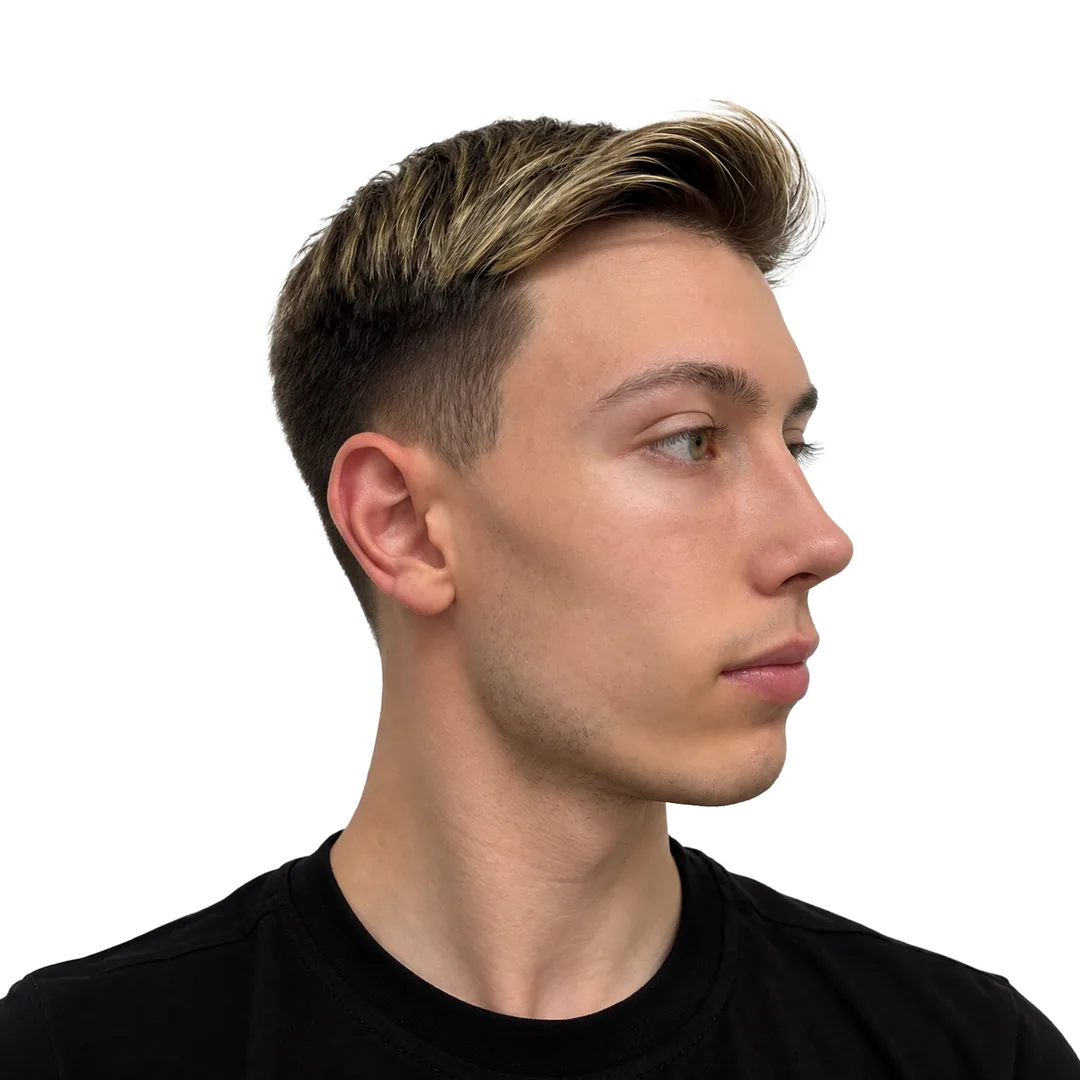
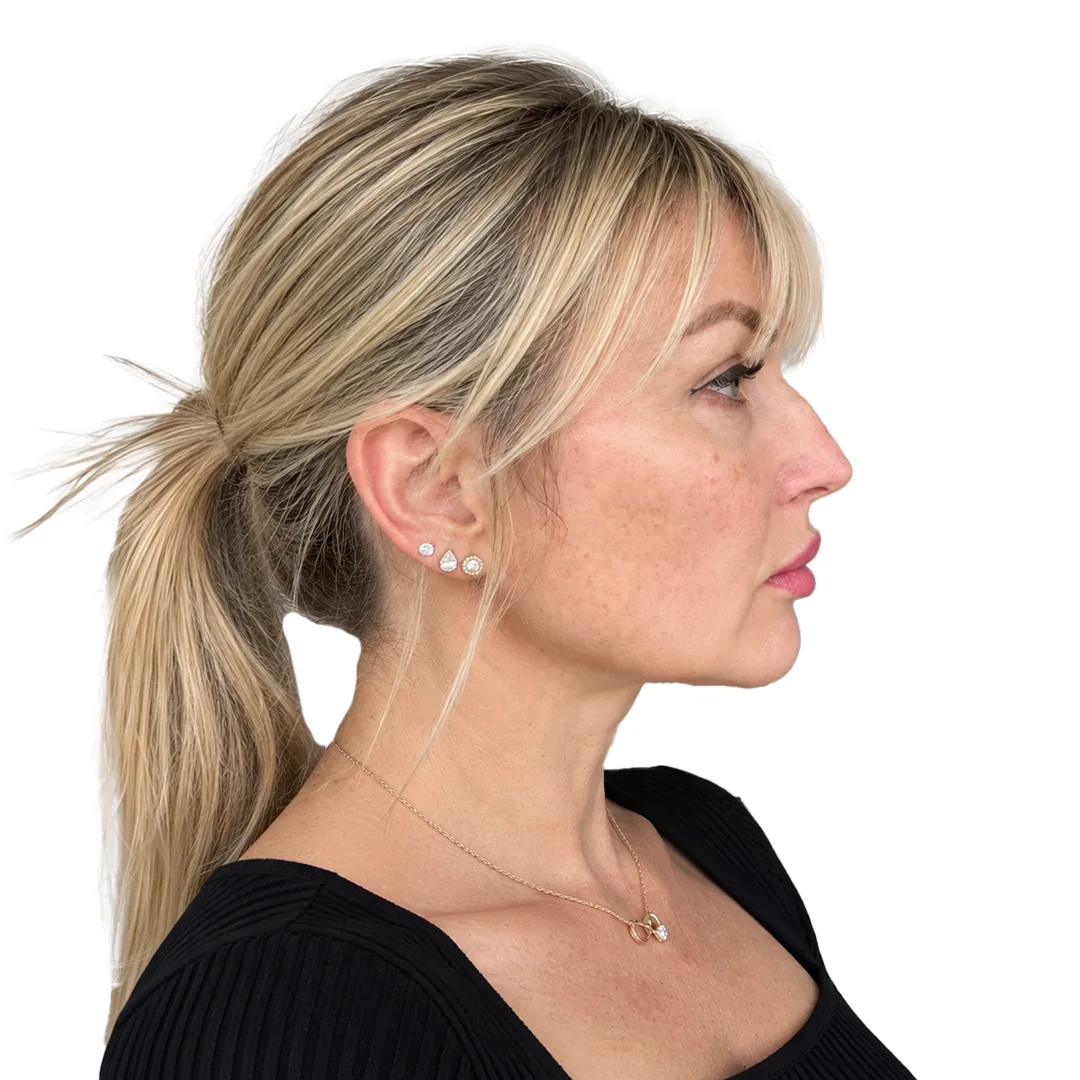
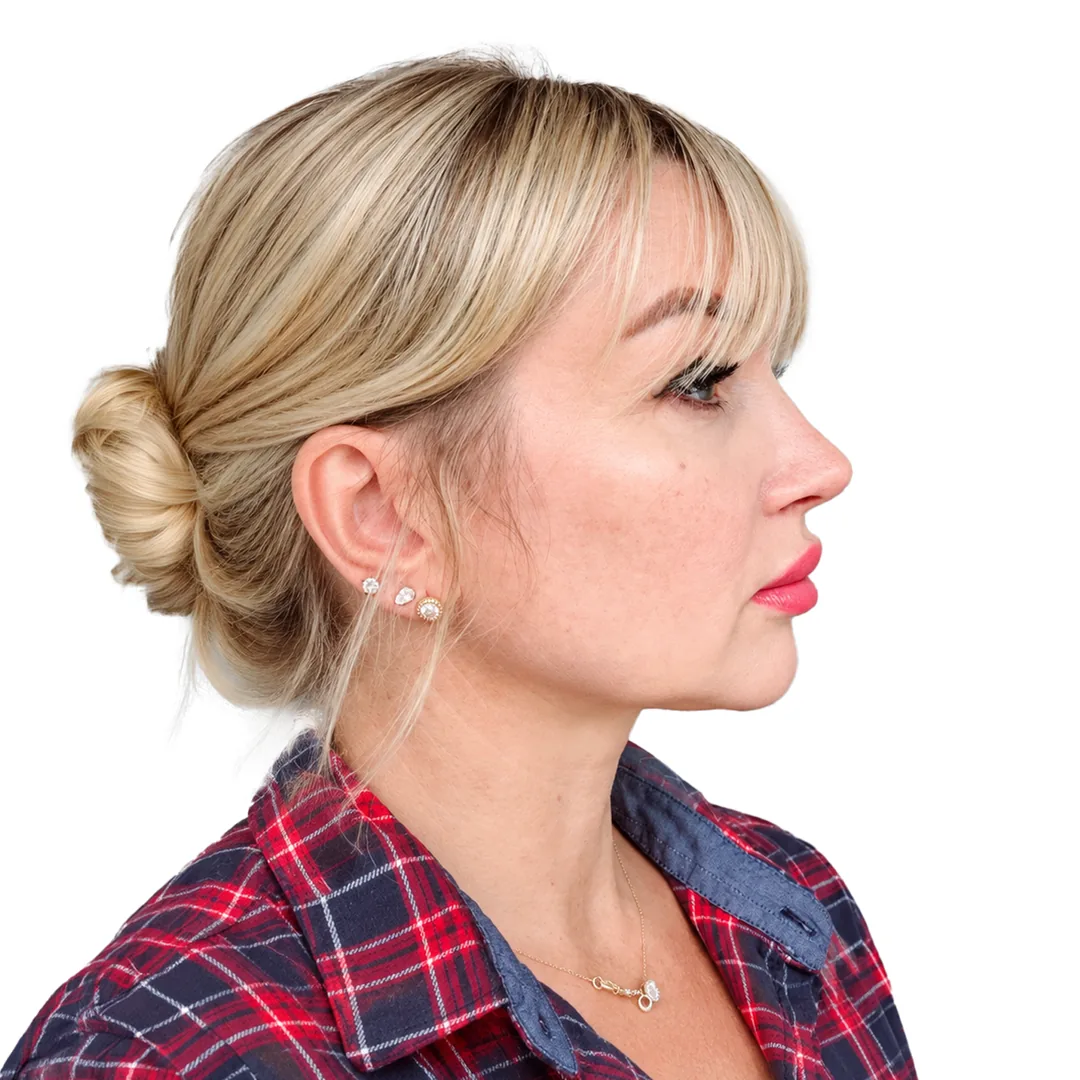
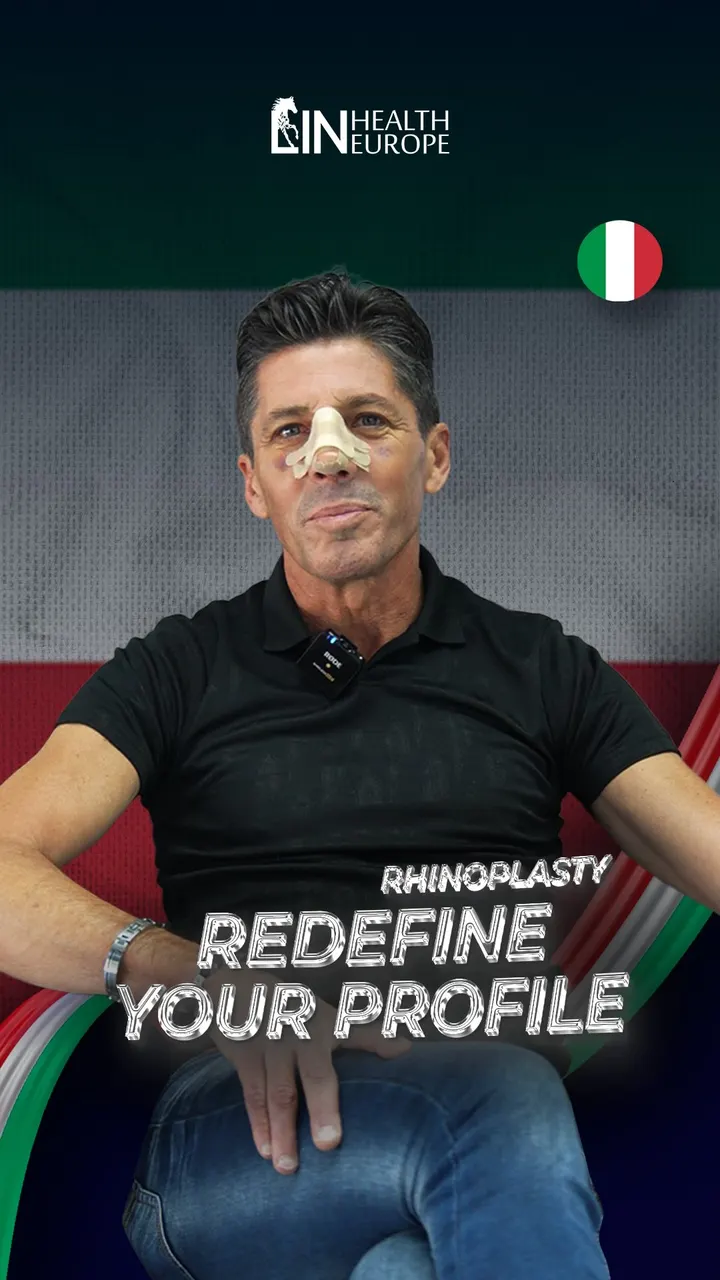
Rhinoplasty
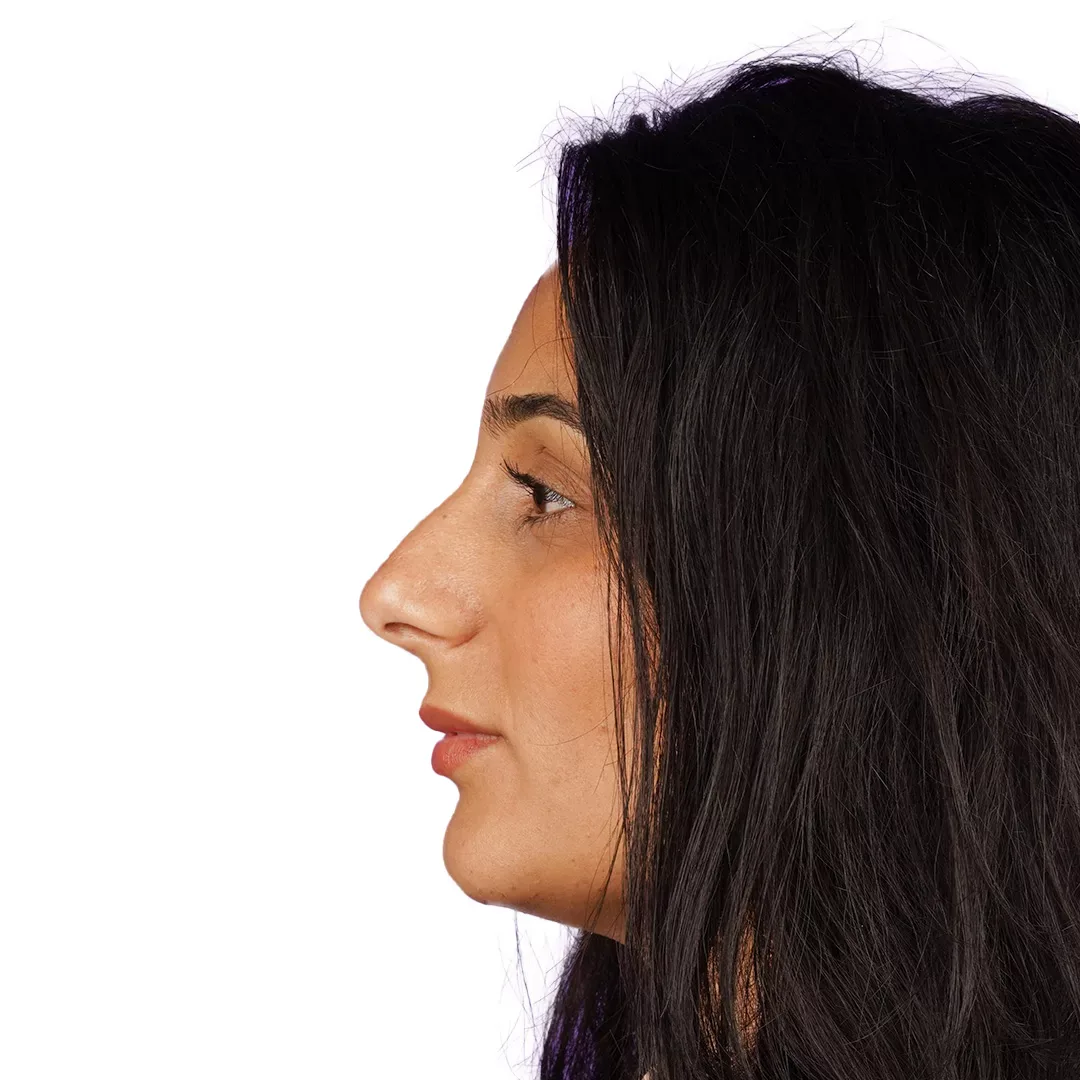
The bridge lowered and the tip refined, judged against the chin and the forehead.
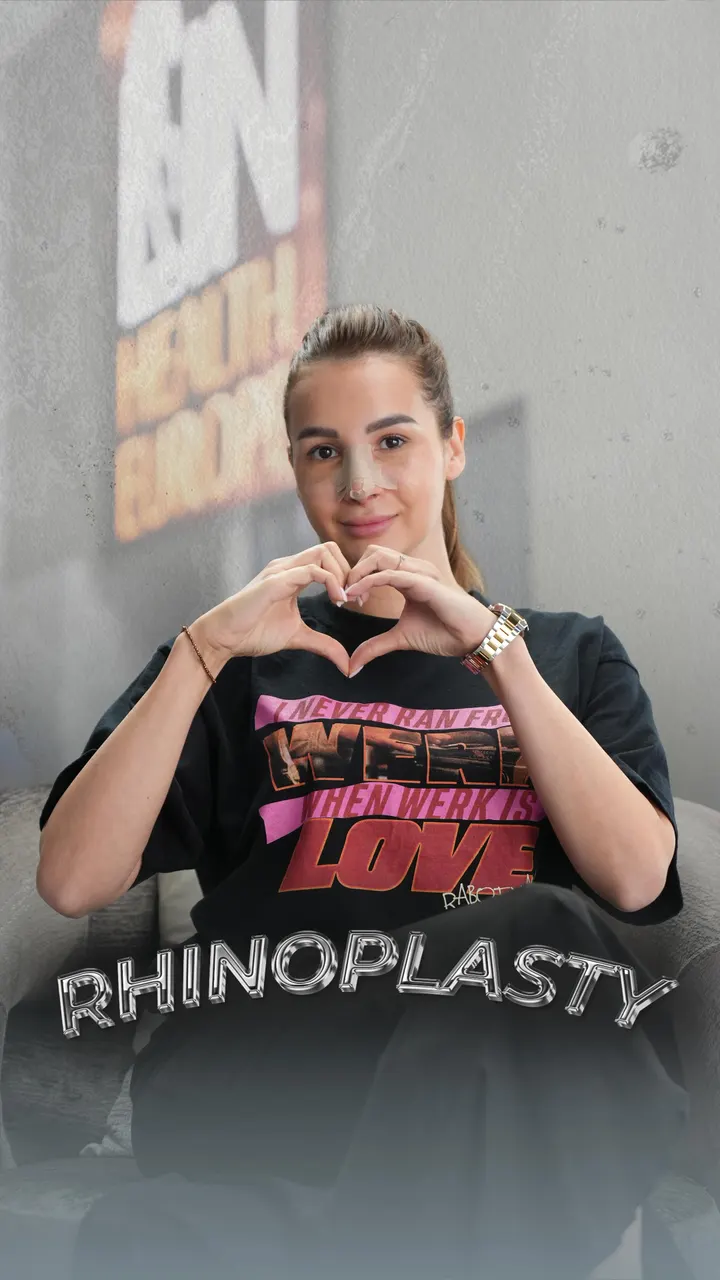
Rhinoplasty
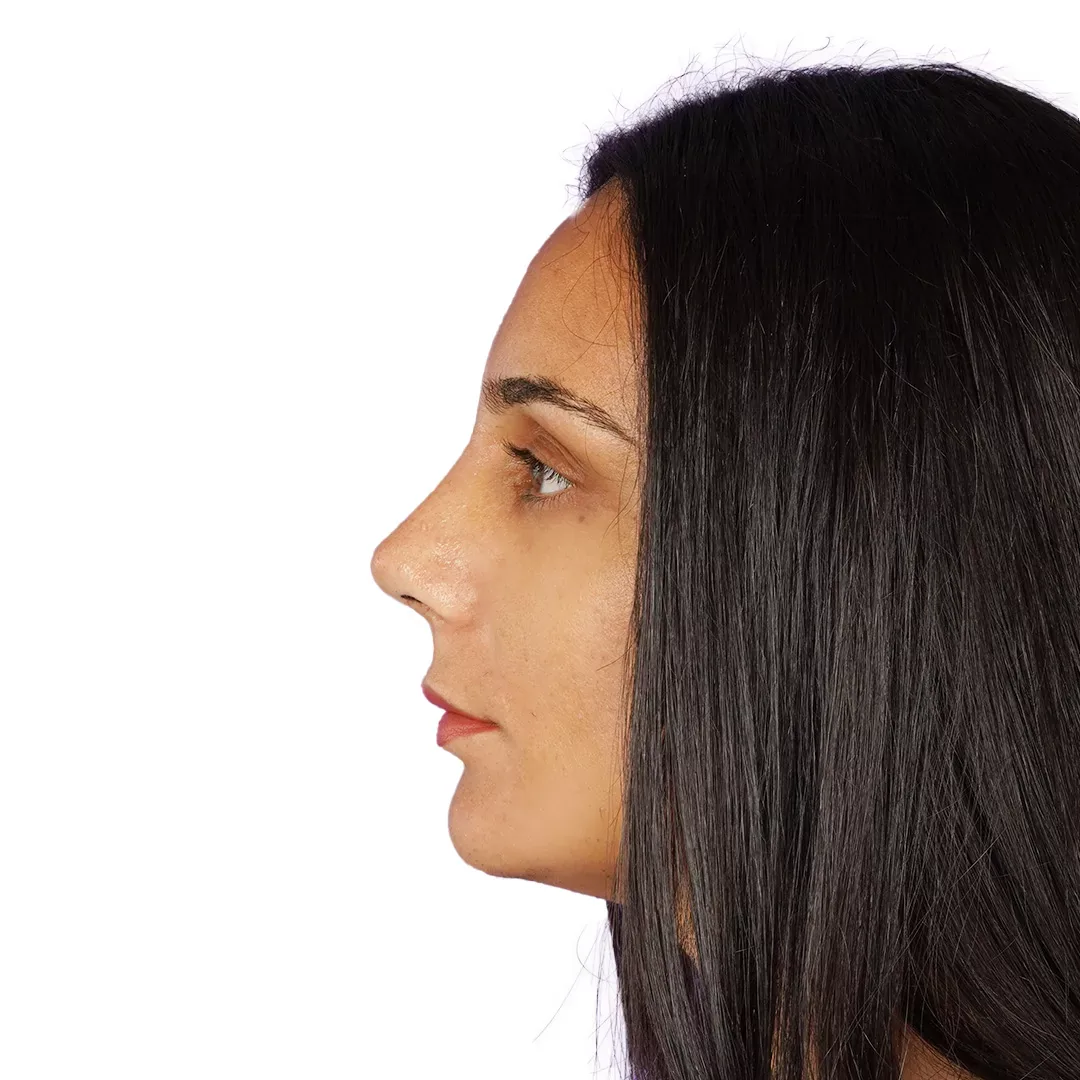
A dorsal hump taken down without leaving a nose that looks operated on.
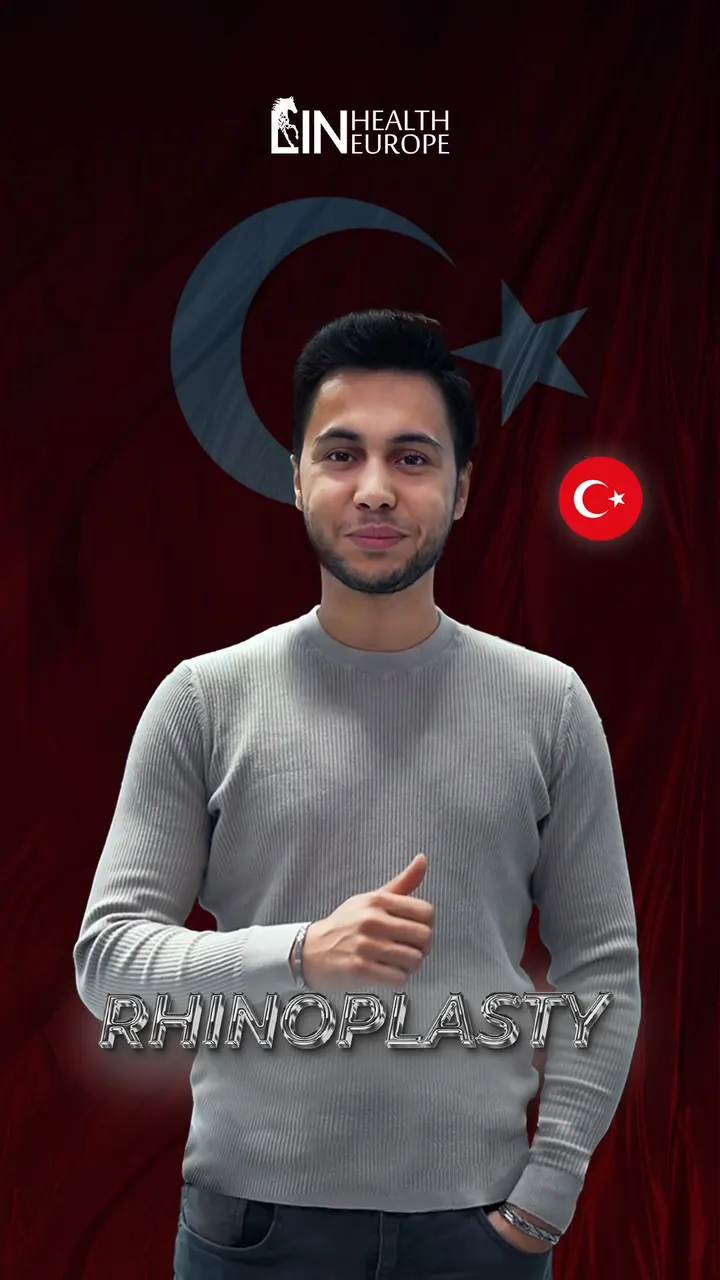
Rhinoplasty
Reshaped so the line still reads as his — a smaller nose is not always the right one.
Rhinoplasty
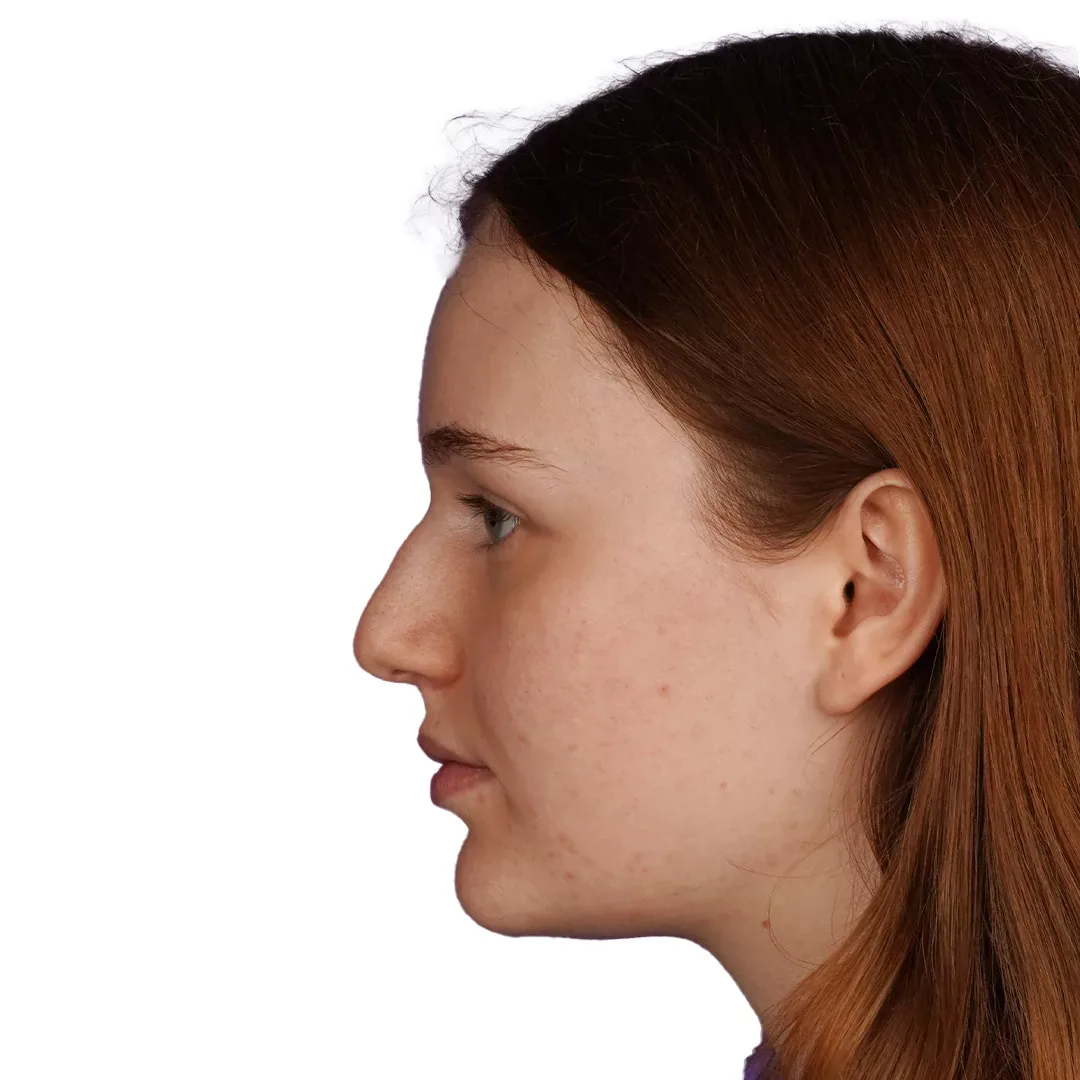
Profile view, where the angle between nose and lip does most of the work.
Rhinoplasty · Three-quarter
Bridge and tip reshaped with the forehead, the lips and the chin in view.
Rhinoplasty · Profile
Bridge and tip reshaped with the forehead, the lips and the chin in view.
Rhinoplasty · Front
Bridge and tip reshaped with the forehead, the lips and the chin in view.
Rhinoplasty · Profile
Bridge and tip reshaped with the forehead, the lips and the chin in view.
Rhinoplasty · Front
Bridge and tip reshaped with the forehead, the lips and the chin in view.
Rhinoplasty · Profile
Bridge and tip reshaped with the forehead, the lips and the chin in view.
Rhinoplasty · Front
Bridge and tip reshaped with the forehead, the lips and the chin in view.
Rhinoplasty · Profile
Bridge and tip reshaped with the forehead, the lips and the chin in view.
Rhinoplasty · Front
Bridge and tip reshaped with the forehead, the lips and the chin in view.
Rhinoplasty · Profile
Bridge and tip reshaped with the forehead, the lips and the chin in view.
Rhinoplasty · Profile
Bridge and tip reshaped with the forehead, the lips and the chin in view.
Where breathing is part of the problem — a deviated septum, collapsed valves, years of one blocked side — that is assessed at the same time and treated in the same operation rather than as a separate matter. A nose that looks right and does not work is a failed operation, whatever the photographs say.
No price list. Every plan is quoted for one person and one anatomy, so a figure only means something once someone has looked at yours — you get one in writing before you commit to anything.
This article is general information, not medical advice, and does not replace a consultation. Every procedure carries risk and outcomes vary from person to person.
Filmed and published with our guests’ consent. Each speaks only for their own treatment — every face heals differently, and these are individual outcomes, not a promise of yours.
Answered as far as they can be answered in writing. Anything that depends on your own anatomy is answered by a surgeon looking at it.
Where the surgeon works from. In a closed rhinoplasty every incision is inside the nostrils. In an open one there is an additional short incision across the columella, the strip of skin between the nostrils, which lifts the skin and shows the framework directly. Neither is the better operation in the abstract — the choice follows what has to be rebuilt, and a nose that needs cartilage grafted or straightened is a different problem from one that needs a hump reduced.
In a closed rhinoplasty the incisions are inside the nose and nothing is visible from outside. In an open one there is a line across the columella, in the skin between the nostrils; it is a few millimetres long and it sits in a fold. How any incision settles is partly your skin and partly how you heal, which is one of the things a surgeon asks about before choosing the approach — no page can tell you how your own scars behave.
They are assessed together rather than as two subjects. A deviated septum, collapsed valves or one side that has been blocked for years are structural problems in the same nose the shape belongs to, and separating them means operating twice on one framework. Say at the consultation which side is worse and whether it has always been that way.
The starting point. A revision is surgery on a nose that has already been operated on, where scar tissue has replaced some of the original planes and the cartilage that would normally provide support may already have been taken. It is planned differently and often needs cartilage brought from elsewhere. If you have had any nose surgery before, however minor and however long ago, it belongs in the conversation.
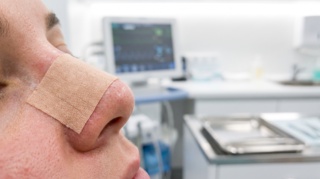
Where the bony part of the nose is being narrowed or a hump taken down, the surgeon makes controlled cuts in the nasal bones — osteotomies — so that they can be moved into a new position. It is not a break in the sense an accident produces one: the lines are planned and the bones are set where they are meant to sit. Not every rhinoplasty involves it; an operation confined to the tip is working on cartilage.
Bring them. They are the clearest way to say what you are after and far more use than an adjective. What they cannot do is set the plan: a nose is drawn against the forehead, the chin and the cheekbones it sits between, so the same photograph gives a different answer on a different face. Expect the conversation to move from the picture to what your own skin thickness and cartilage will carry.
In an accredited Istanbul hospital rather than an office, under general anaesthetic, with an anaesthesia team of its own in the room. The surgeon named to you beforehand is the one who operates. An interpreter is there for everything said to you, and the hospital is written into your plan before you book a flight.
Photographs of yourself from the front and the side in ordinary light, any earlier nose surgery or injury with roughly when it happened, and any imaging you have had. Add the medicines and supplements you take, including anything for allergies or a blocked nose, and a note of how you bruise and scar. If one side has been harder to breathe through, say which one.
Guest Stories
I had my hair transplant at Lin Europe Clinic, and my experience was excellent from start to finish. Everything was well organized, the procedure was smooth, and I didn't feel any pain during the treatment. The entire team was professional, friendly, and very caring. I really appreciated their attention to detail and the level of care they provided.I had the Baby Face Laser treatment at Lin Europe Clinic, and I had a great experience. The team was very professional, friendly, and made me feel comfortable throughout the entire process. They explained everything clearly and took the time to answer all of my questions. The clinic was clean, well-organized, and the treatment was carried out with great care.I had a great experience at LIN Clinic. The staff were welcoming, professional, and made me feel comfortable from the beginning. The clinic was clean and well-organized, and the whole process was smooth. I'm very happy with the care I received and the results.Linspired by you.
Tell us what you are considering. A coordinator who speaks your language will come back to you with an honest assessment of what is realistic — not a sales pitch.
Seven languages · No obligation
We measure how this site is used, and that needs your agreement before anything is stored on your device. Until you choose, nothing is. What is measured