





7 min read
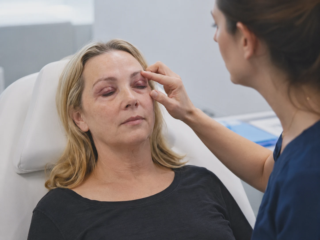
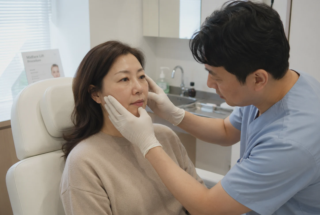
Eyelid surgery is a procedure that removes excess skin, muscle, and fat to structurally alter your upper or lower eyelids.
Eyelid surgery is a surgical operation that addresses structural changes around the ocular area. During the procedure, the surgeon creates incisions to access the tissues surrounding your eyes. For the upper lids, the incision is placed within the natural skin crease. For the lower lids, it is positioned just below the lash line or inside the eyelid. The surgeon then physically excises redundant skin, removes or repositions herniated fat pads, and sometimes tightens the underlying muscle to alter the contour of the area.
The anatomical limits of this surgery depend on your specific facial structure and tissue quality. The elasticity of your periorbital skin and the position of your orbital bones dictate how much tissue modification is possible. If your brow rests low over your eyes, removing eyelid skin cannot structurally correct the heavy appearance caused by the brow. The surgeon calculates the excision carefully; removing too much skin creates a mechanical deficit that prevents your eyelids from closing properly during sleep.
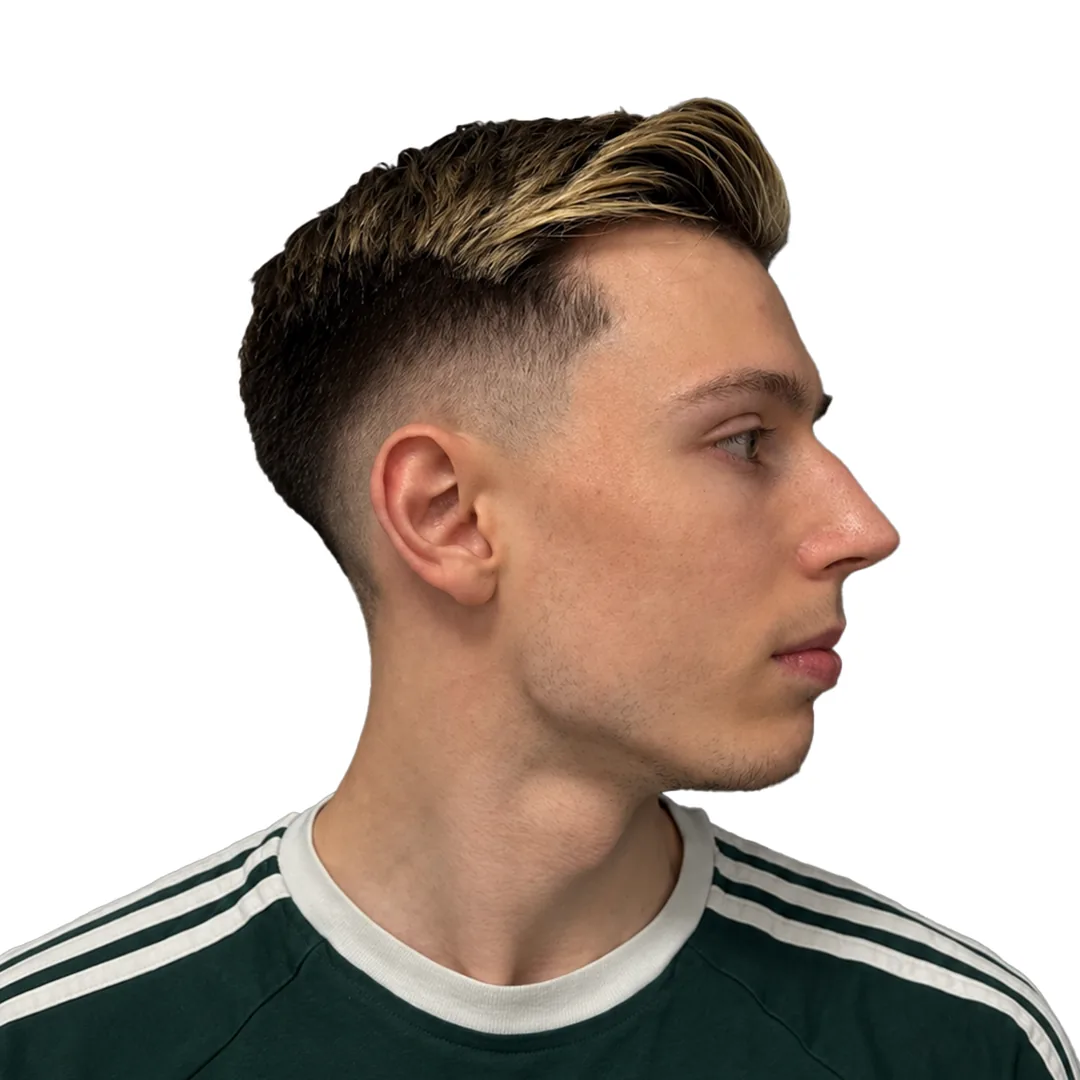
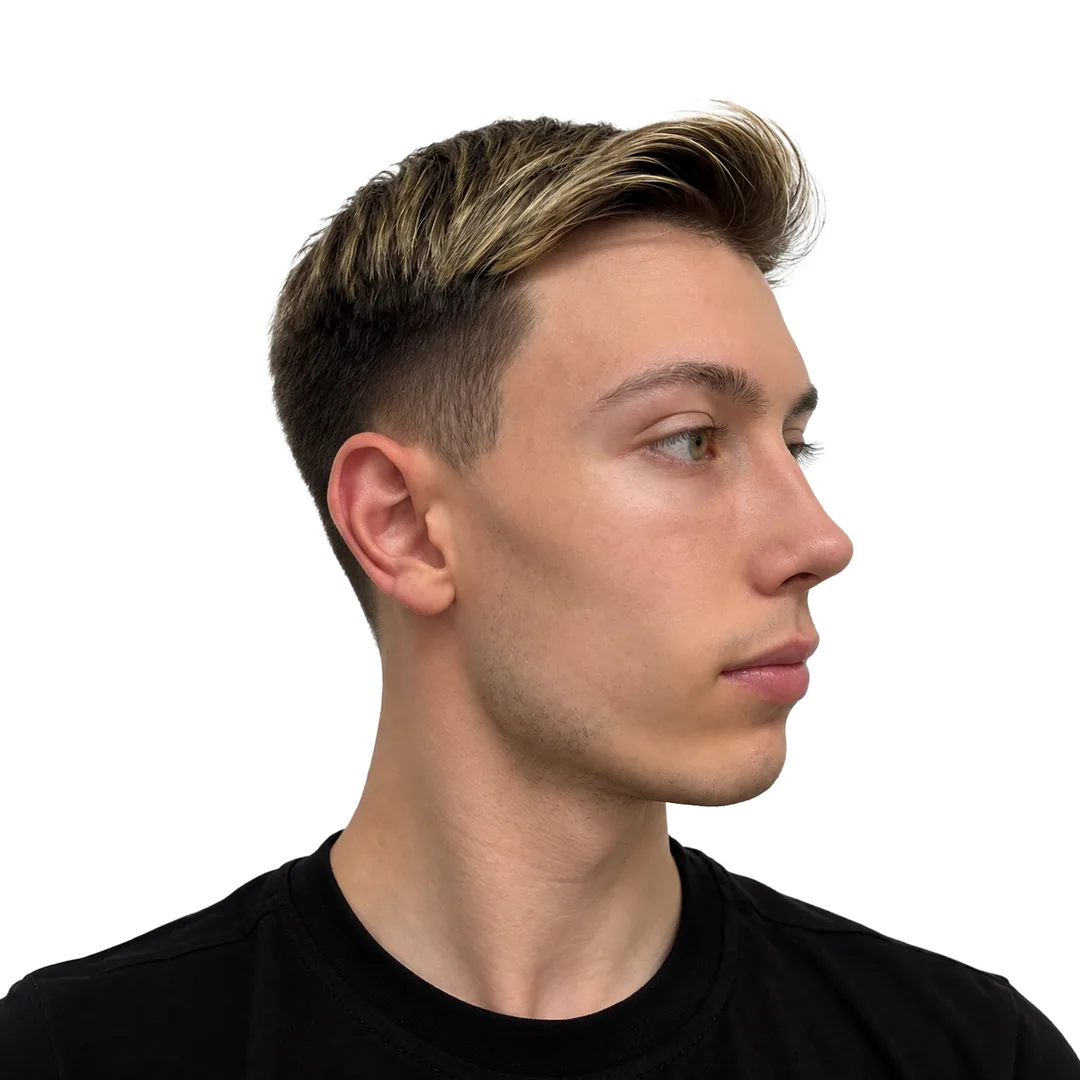
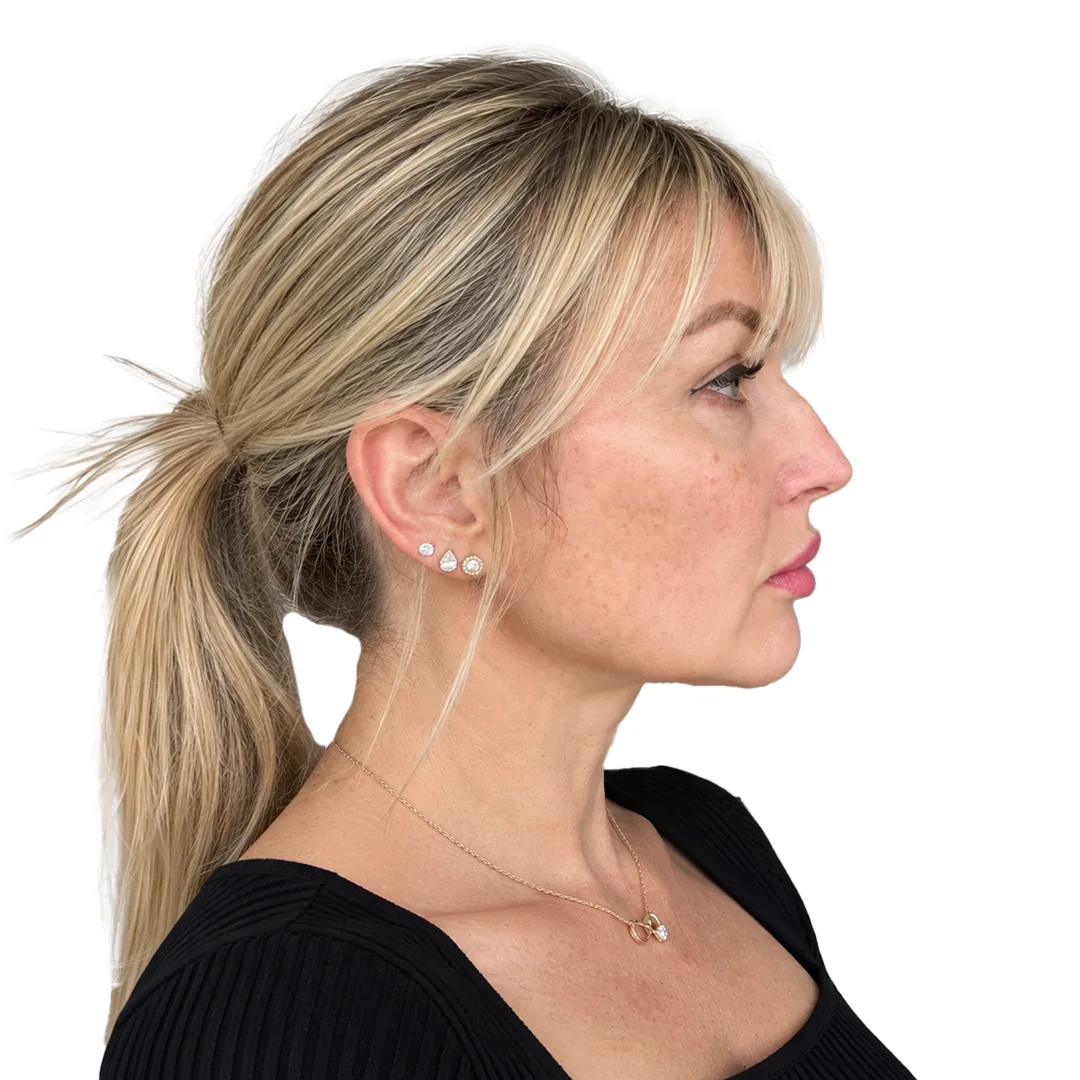
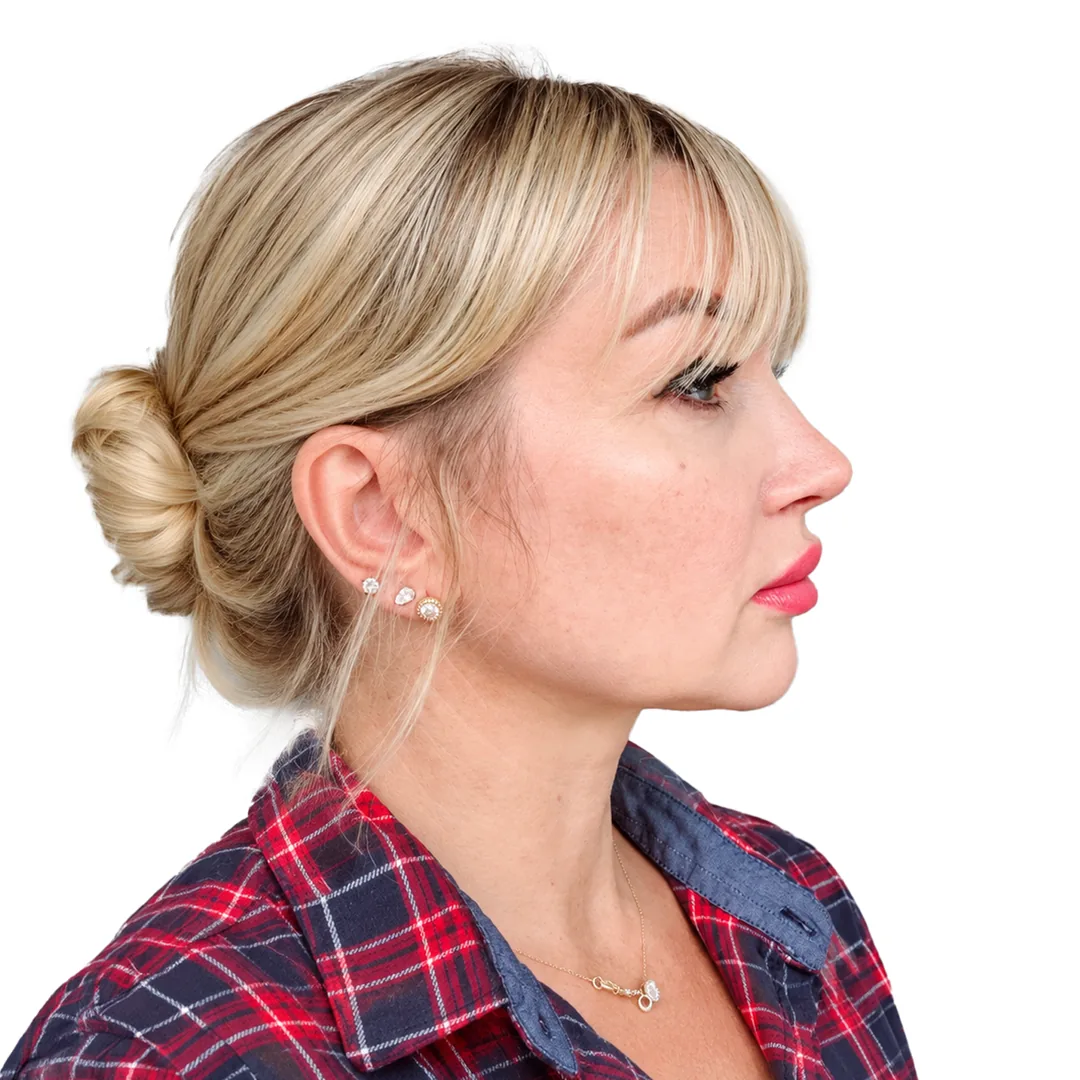
These are facial aesthetics cases performed here, not all of them this operation — some include an uplift, which is a different procedure. Every pair is on the results page with its own description.
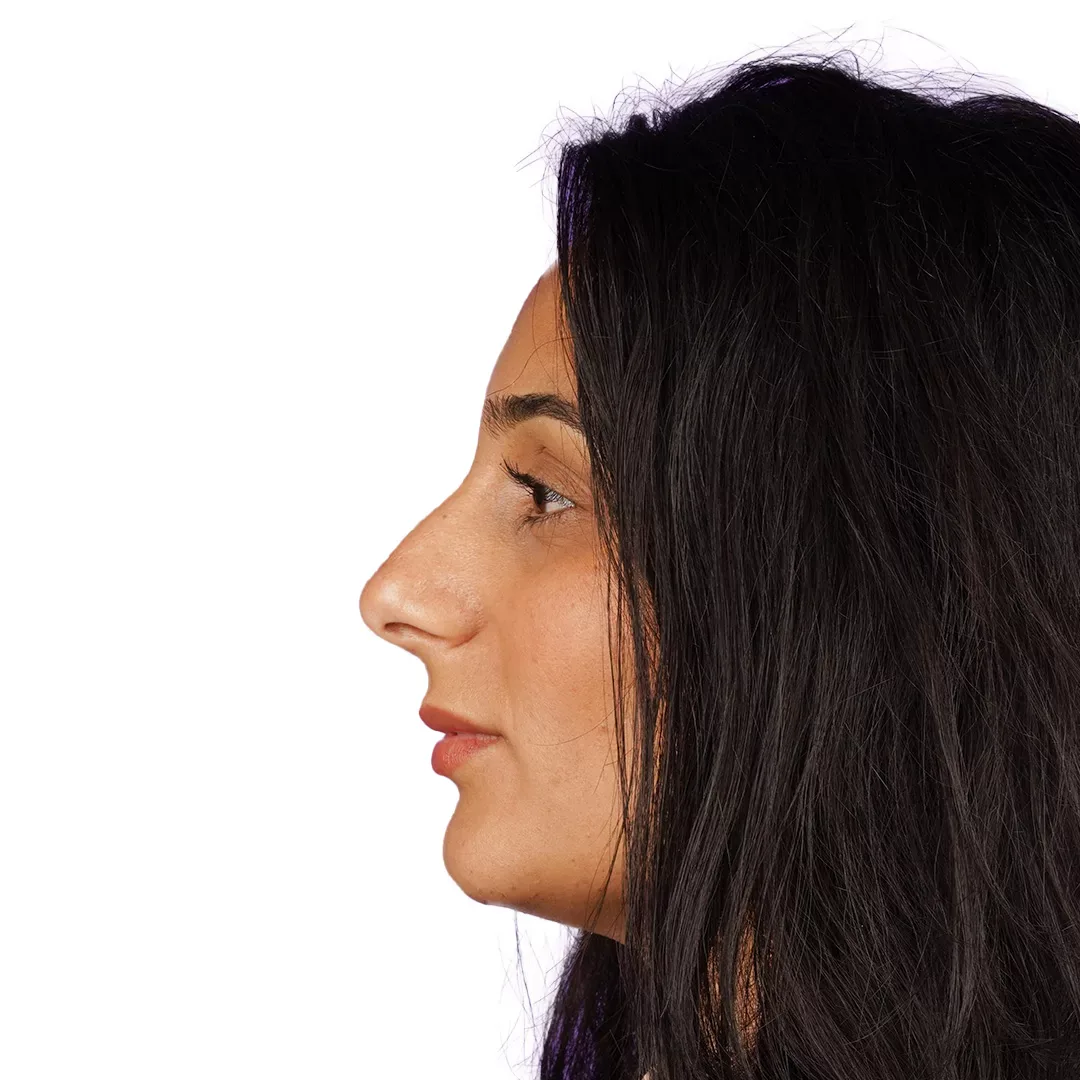
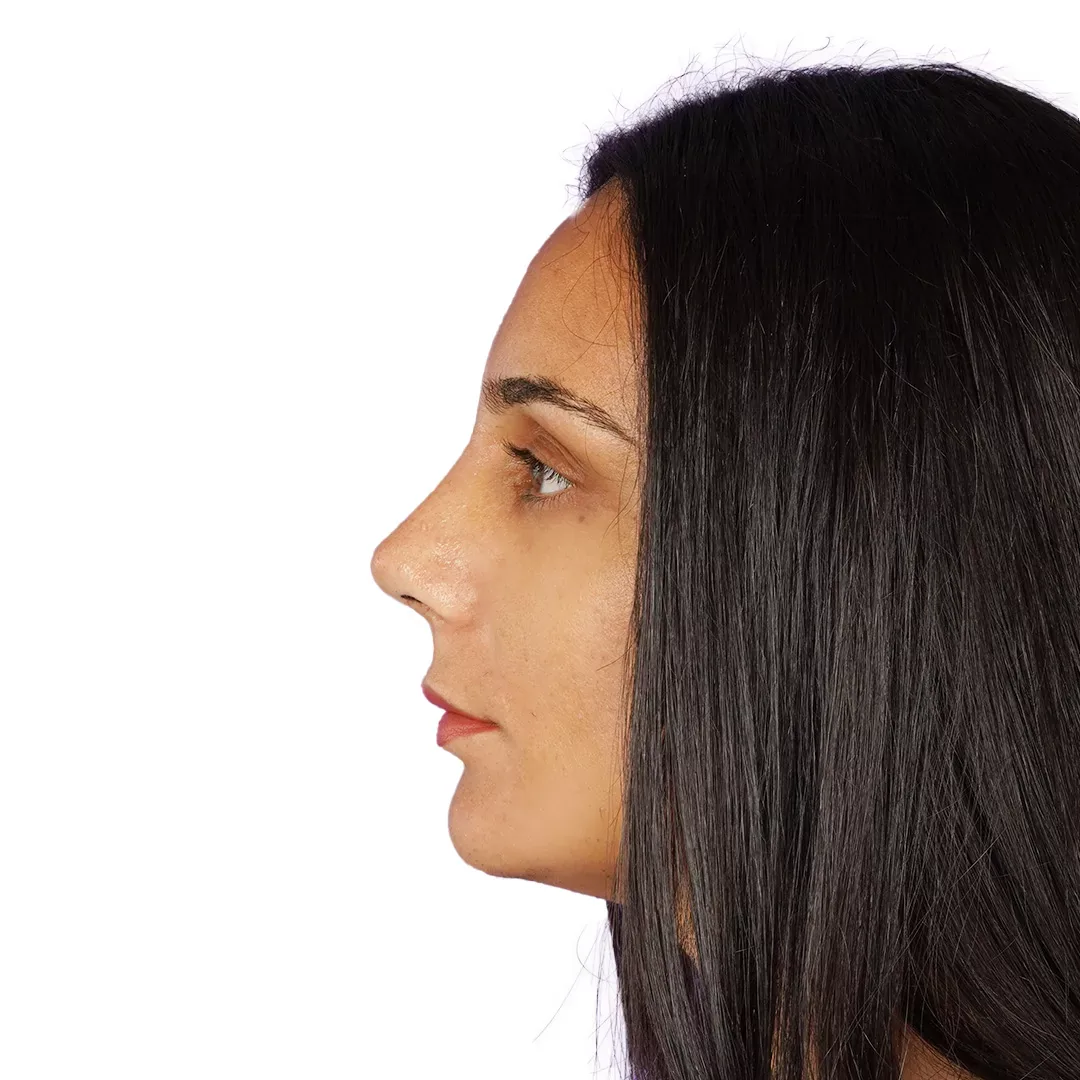
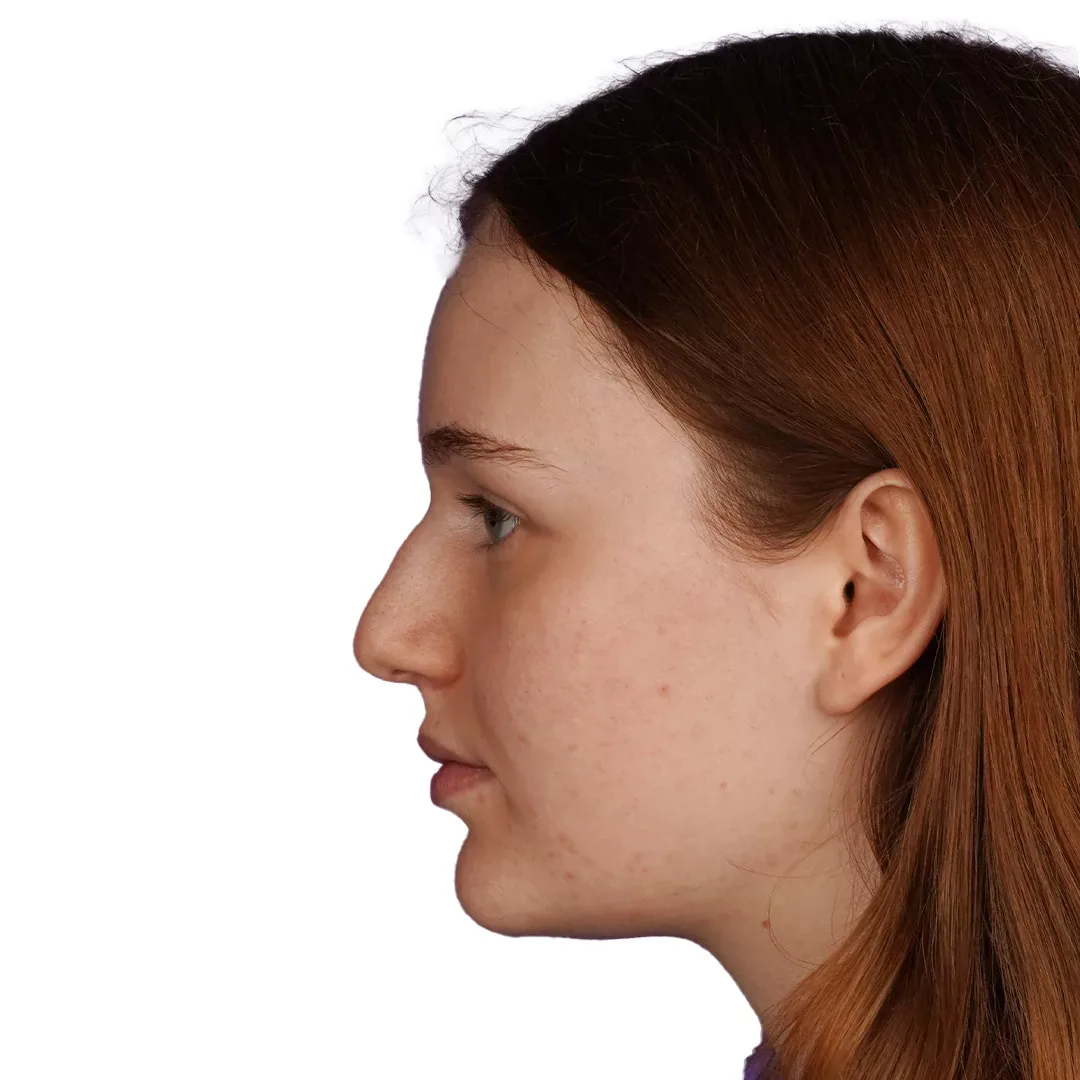
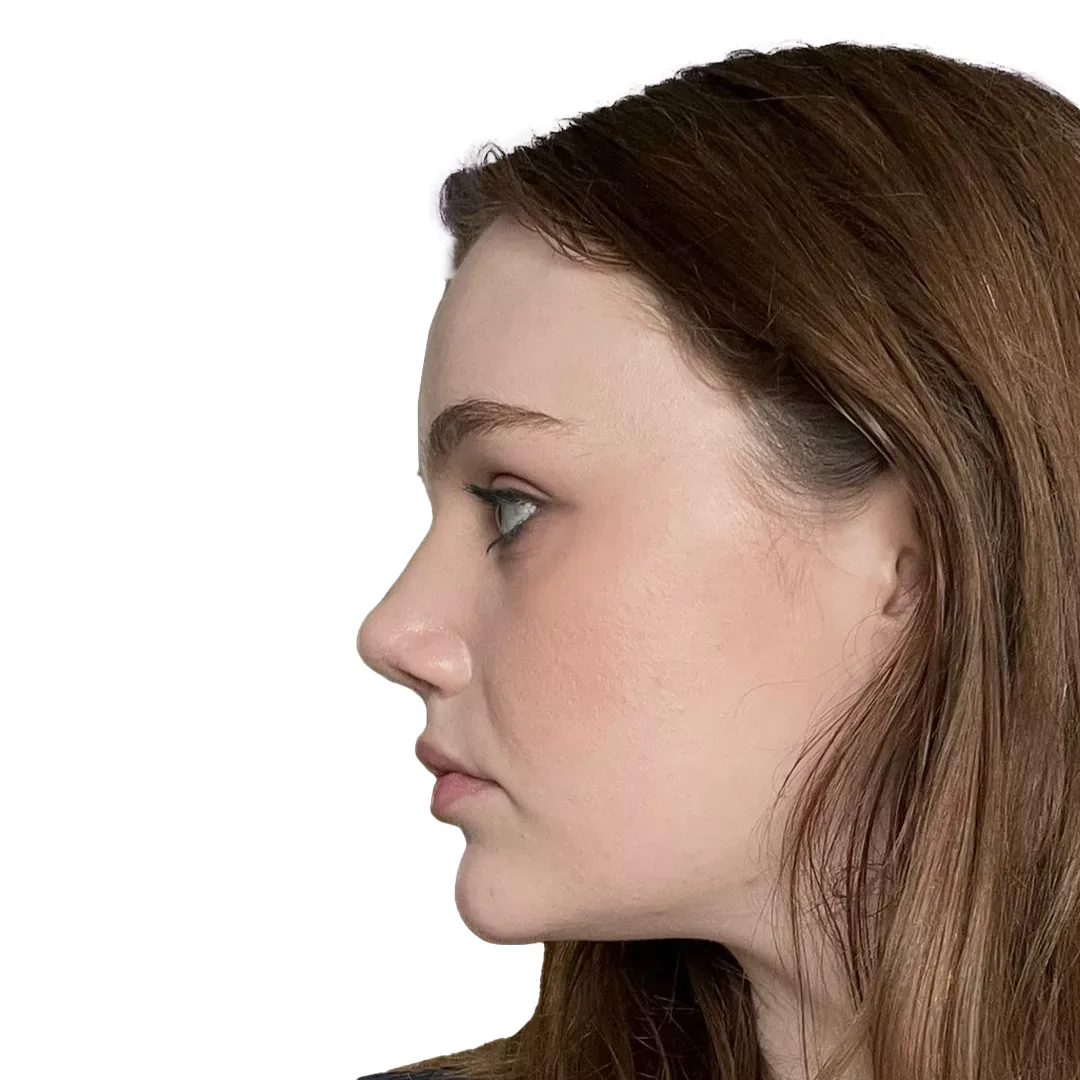
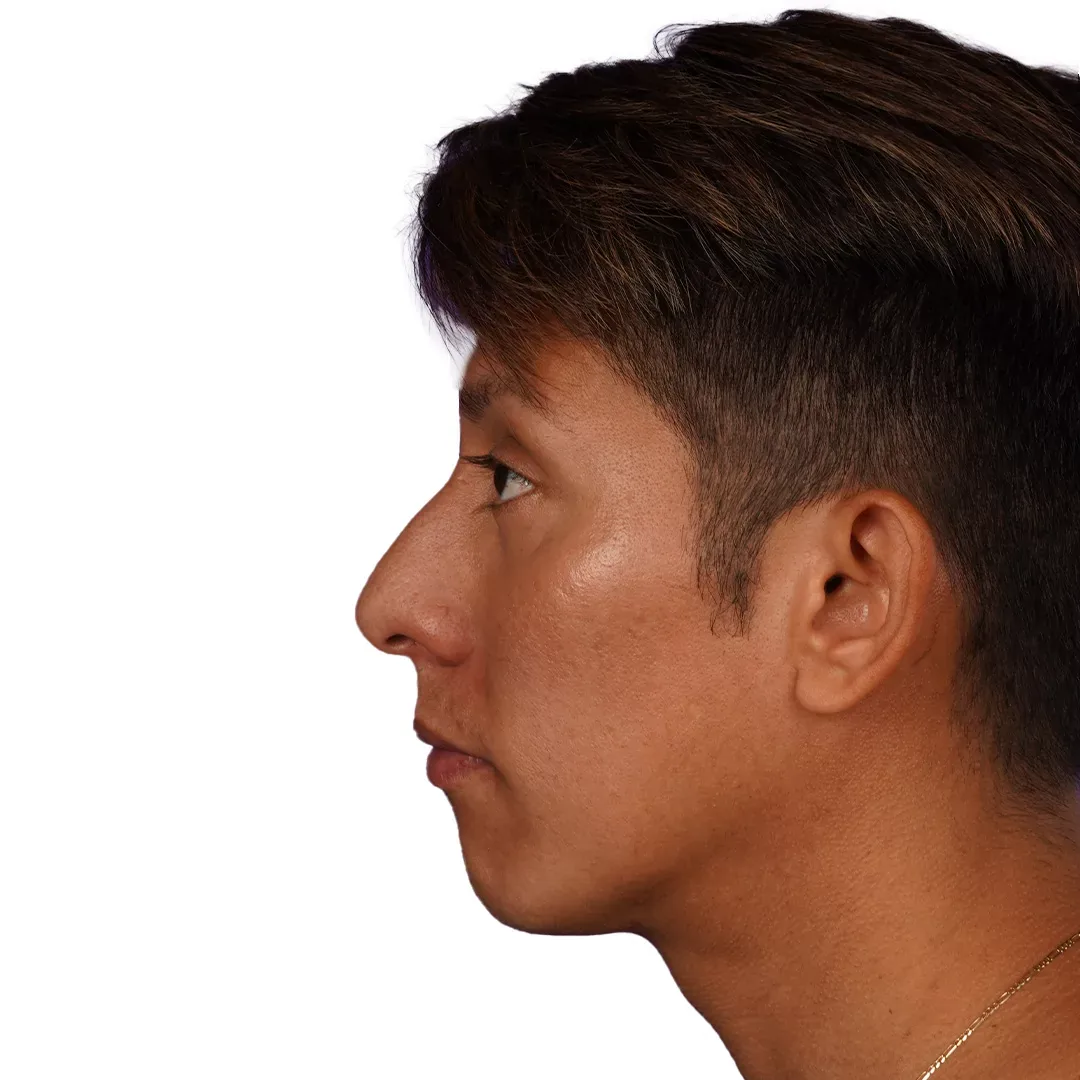
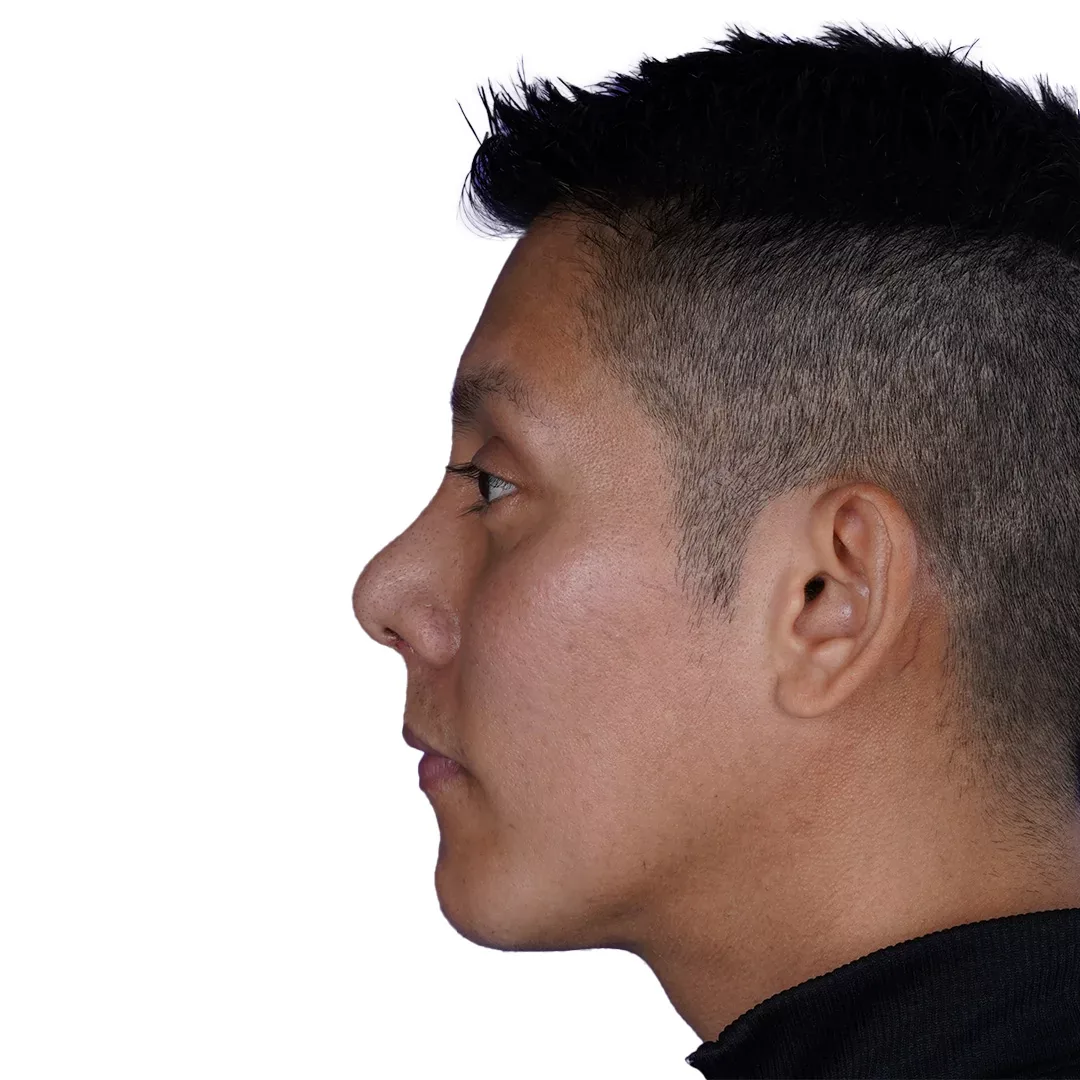
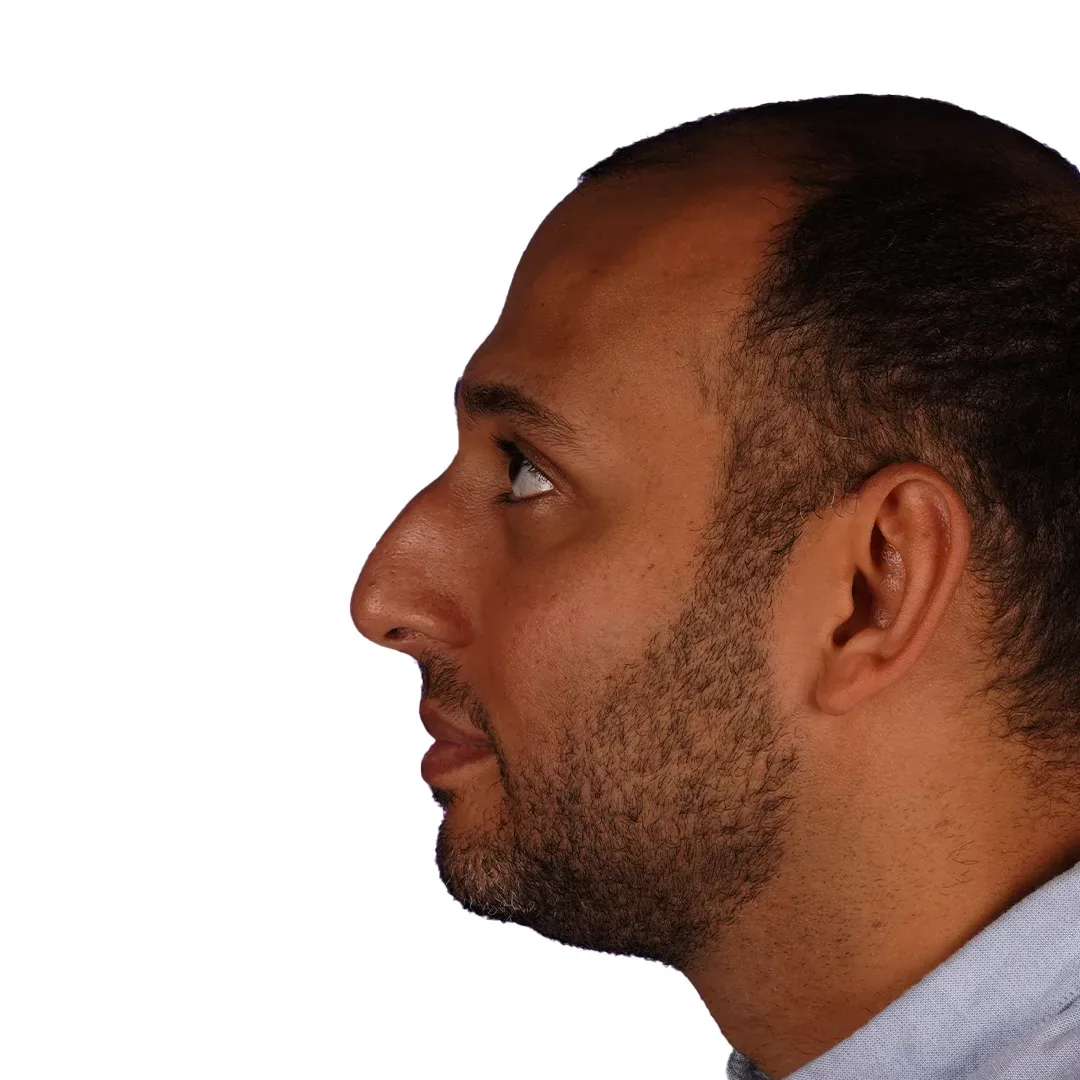
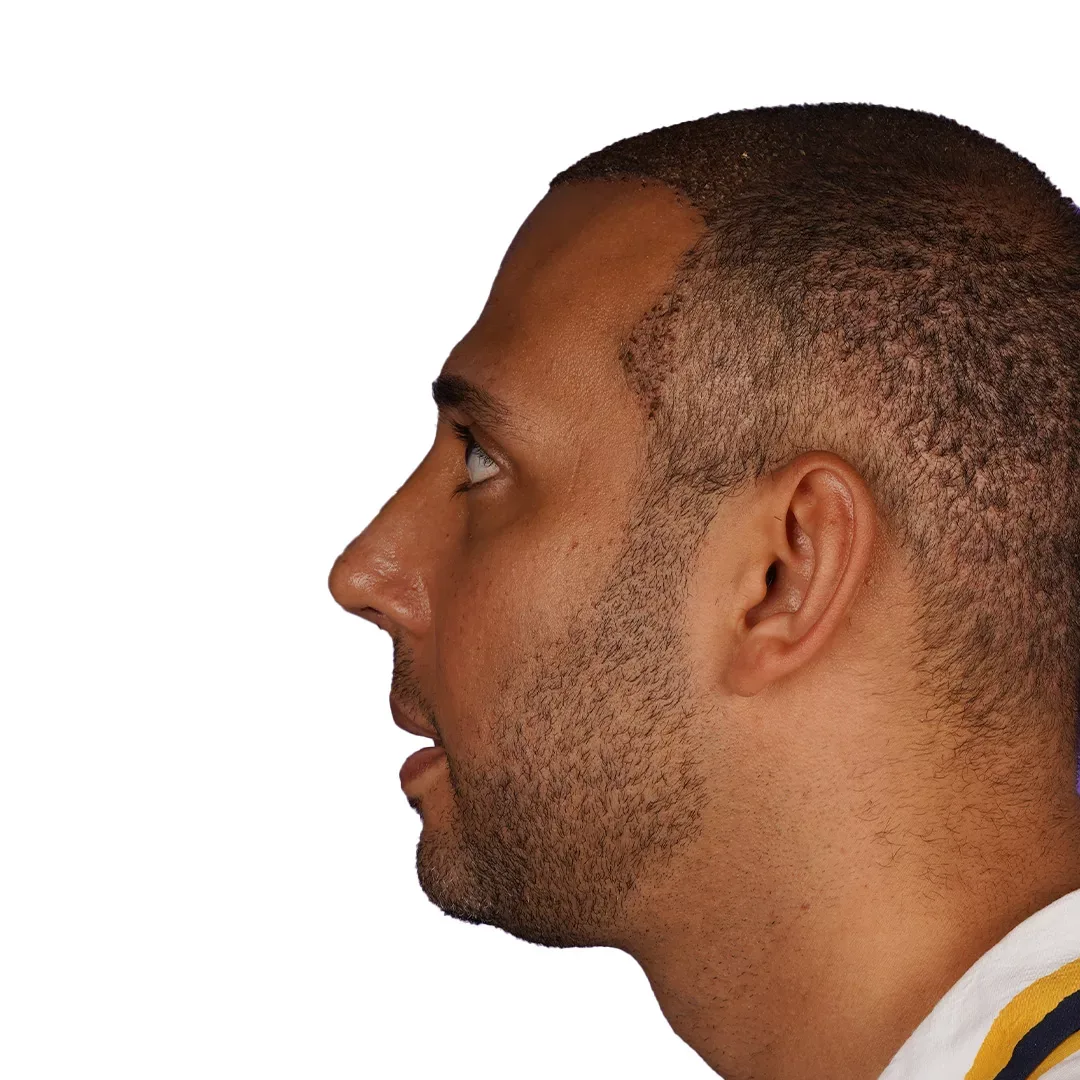
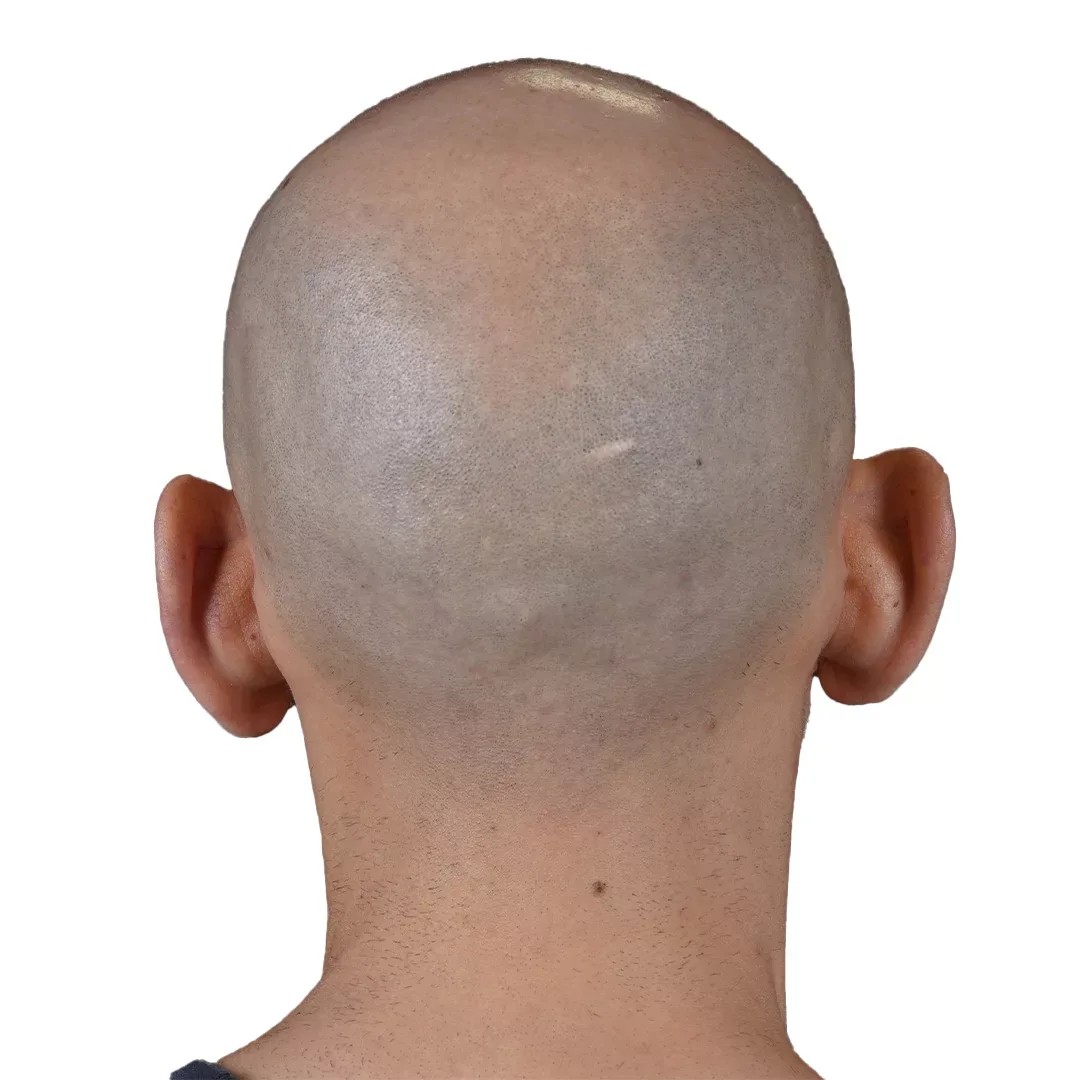
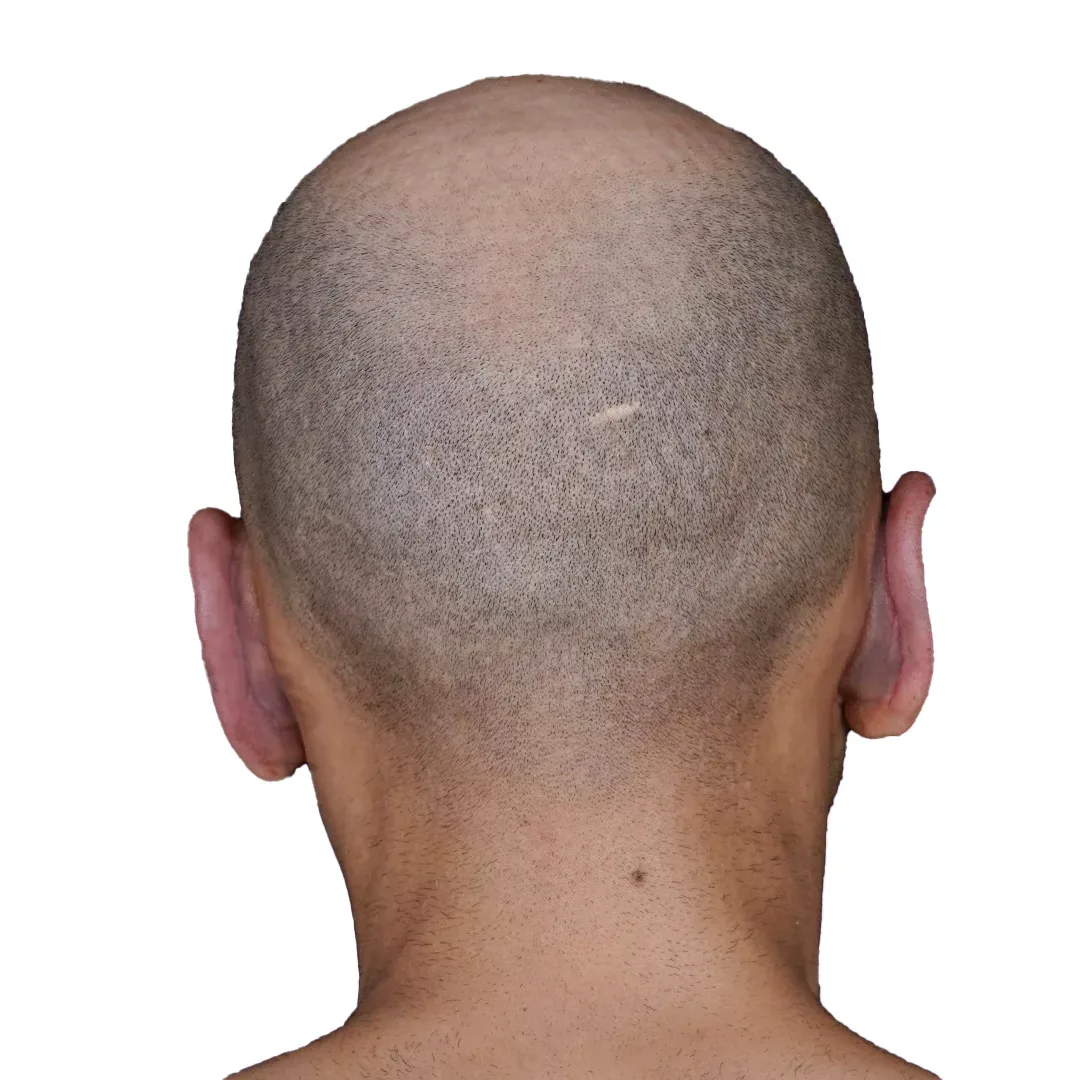
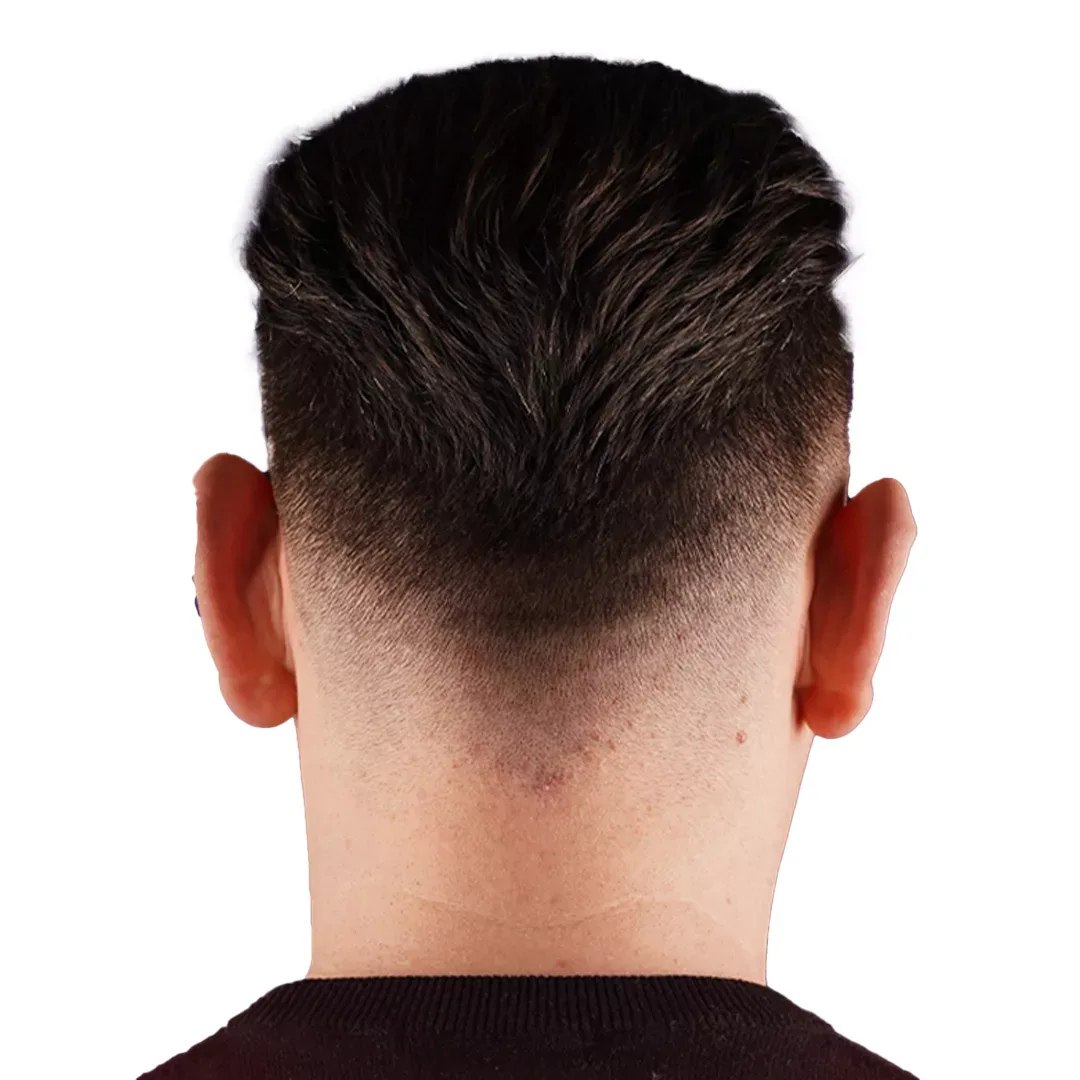
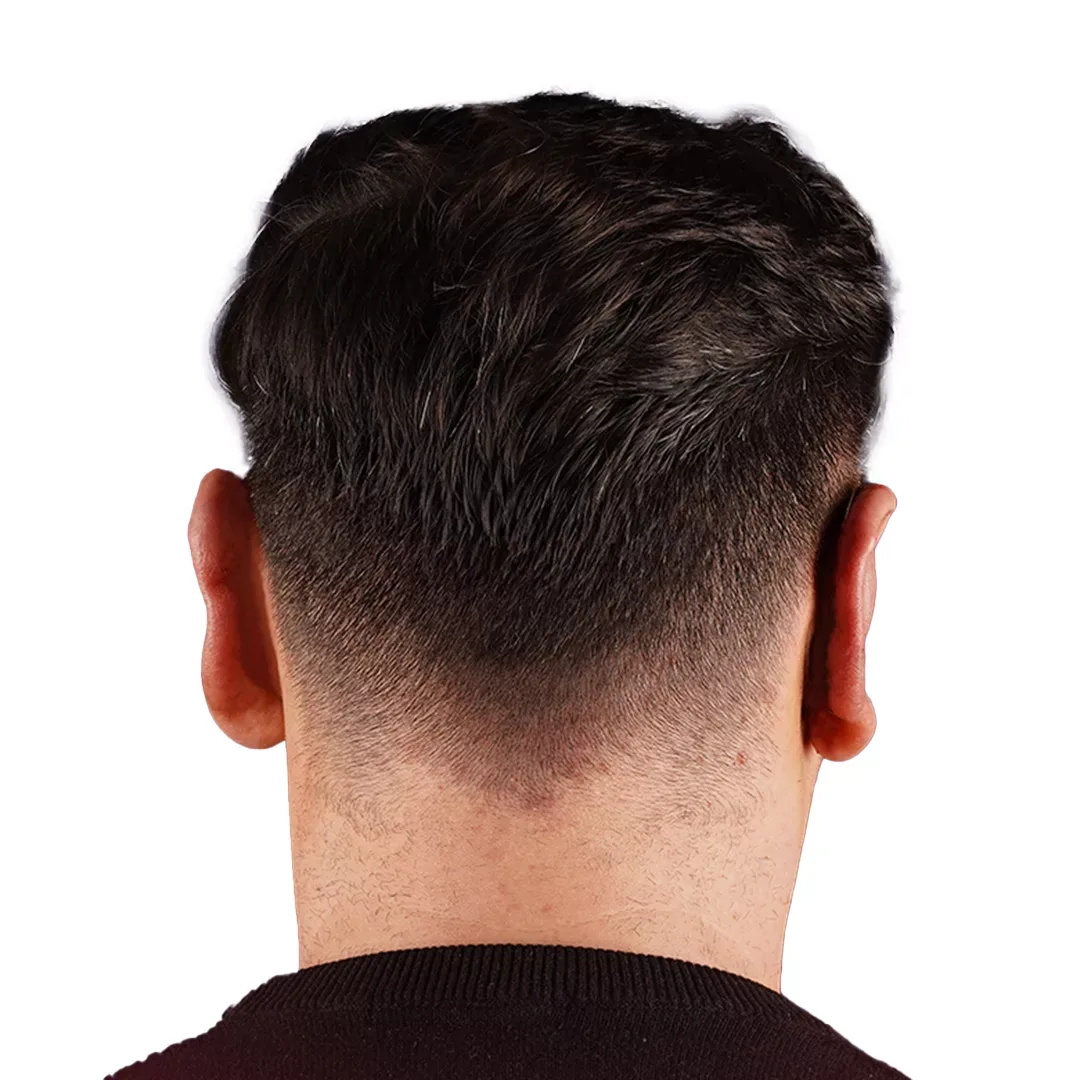
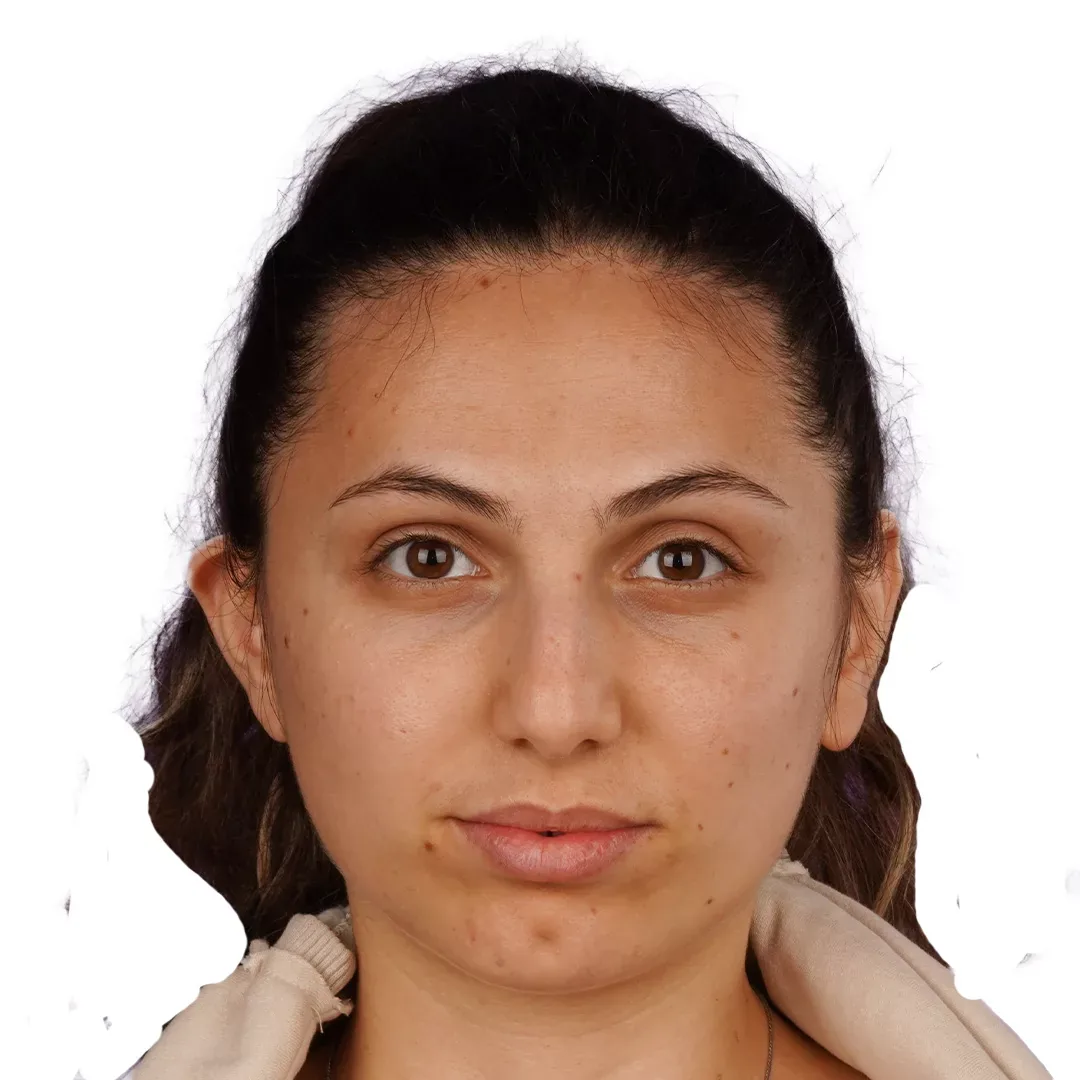
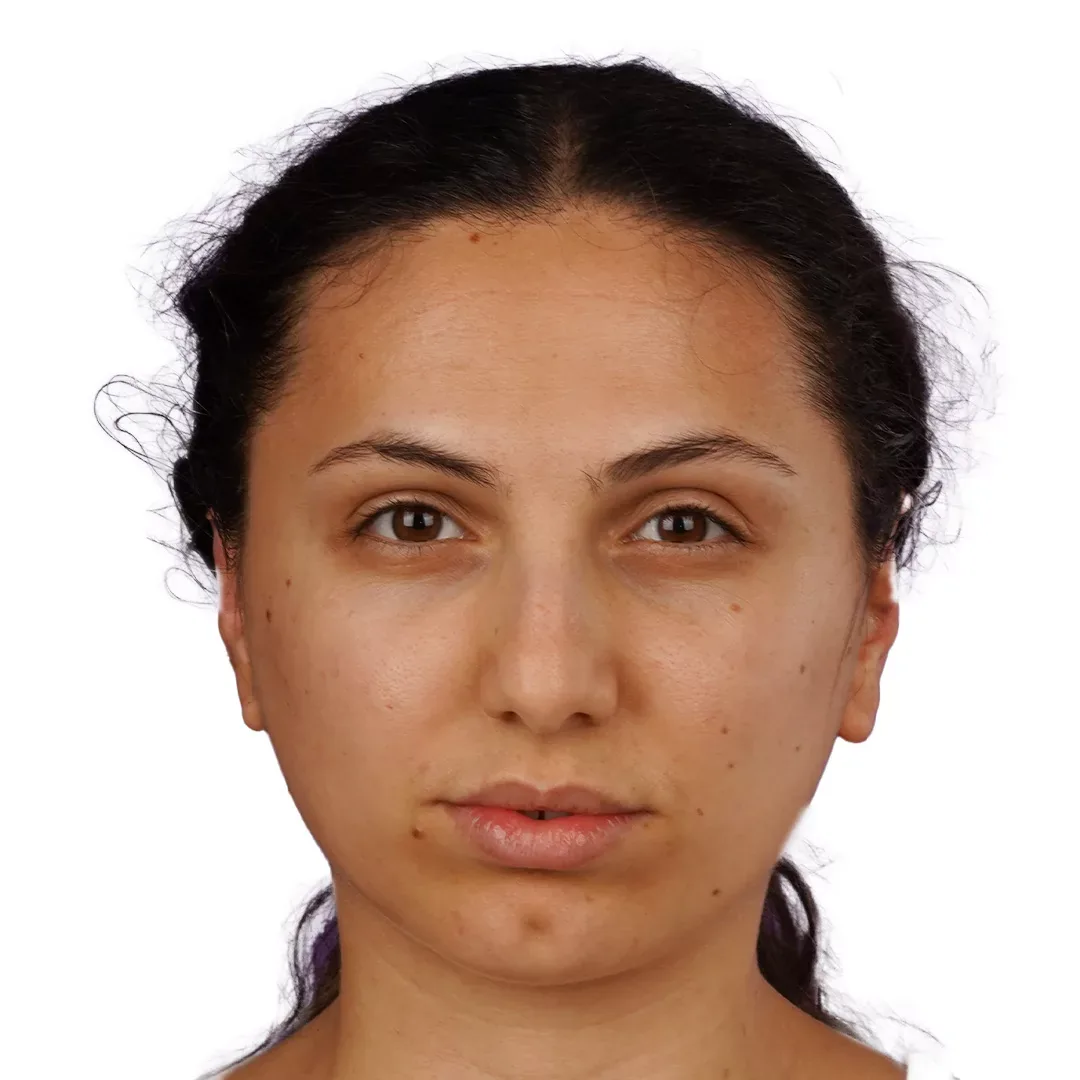
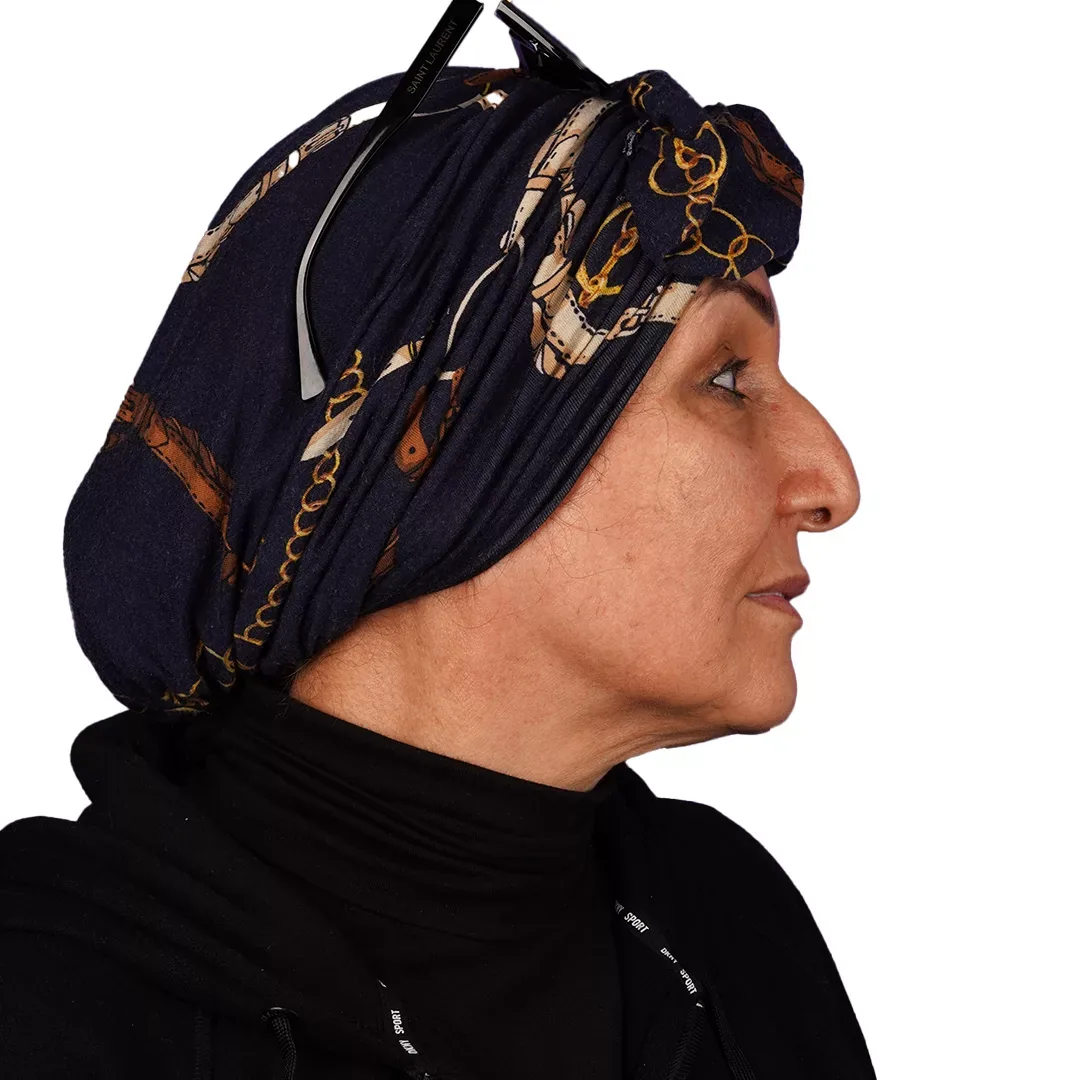
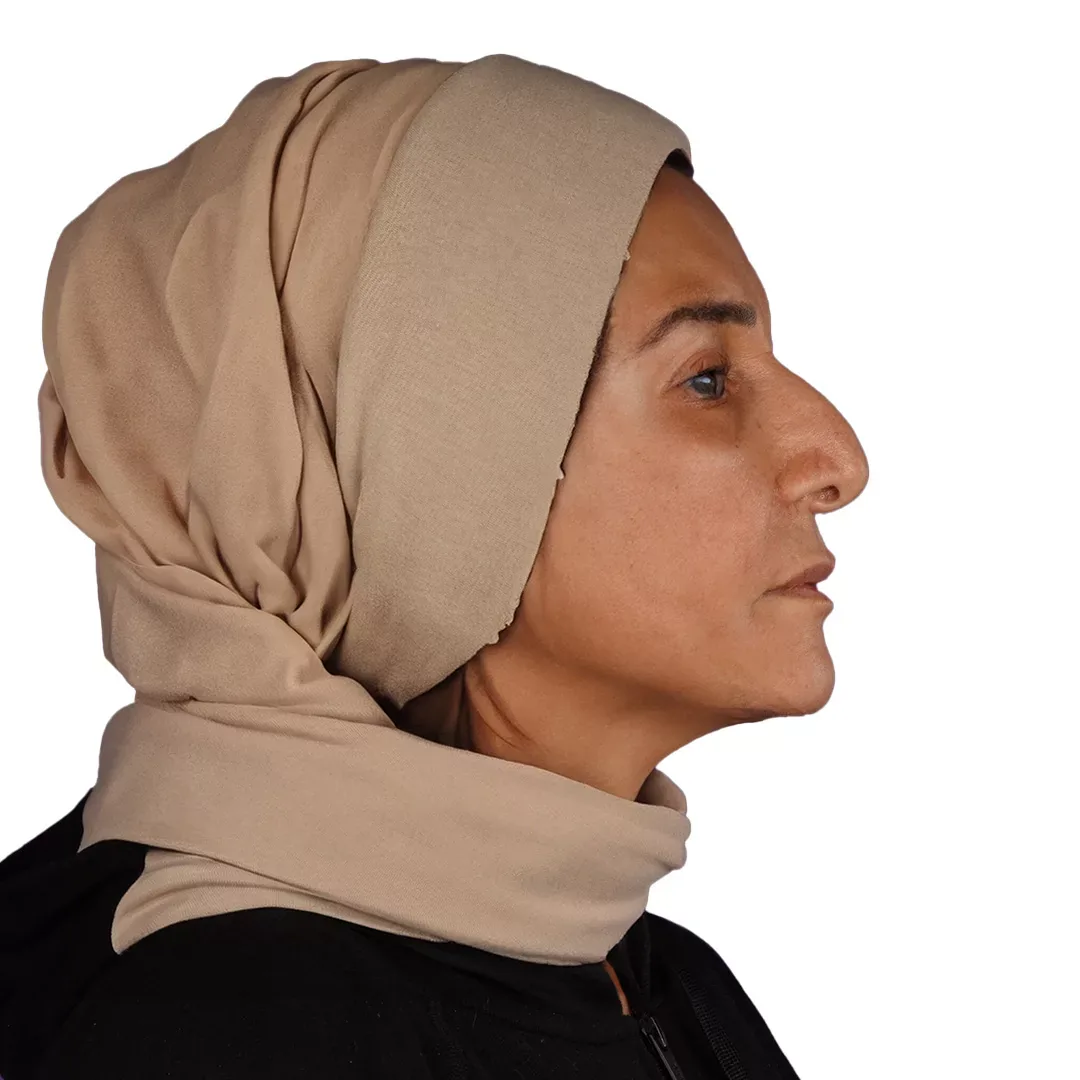
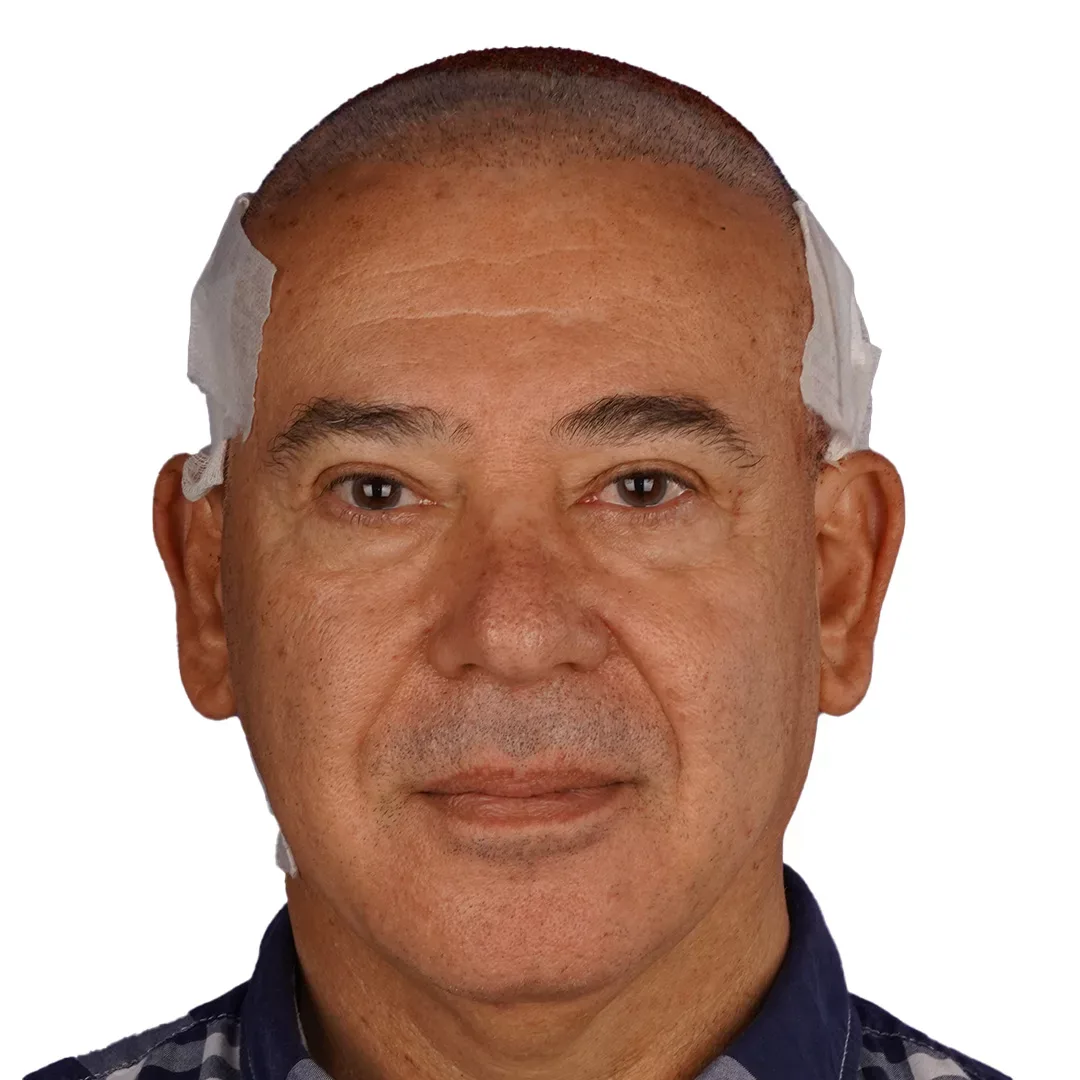

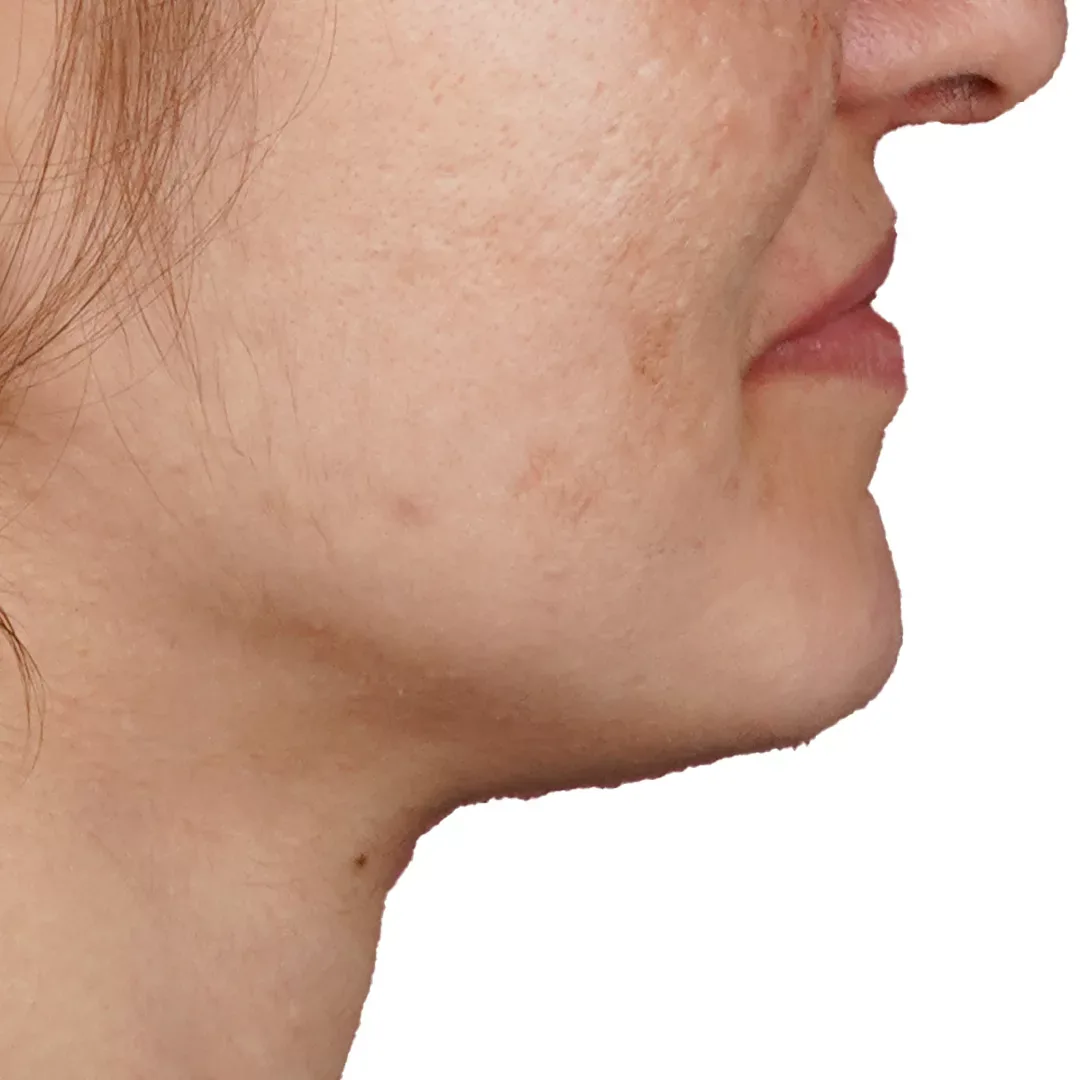


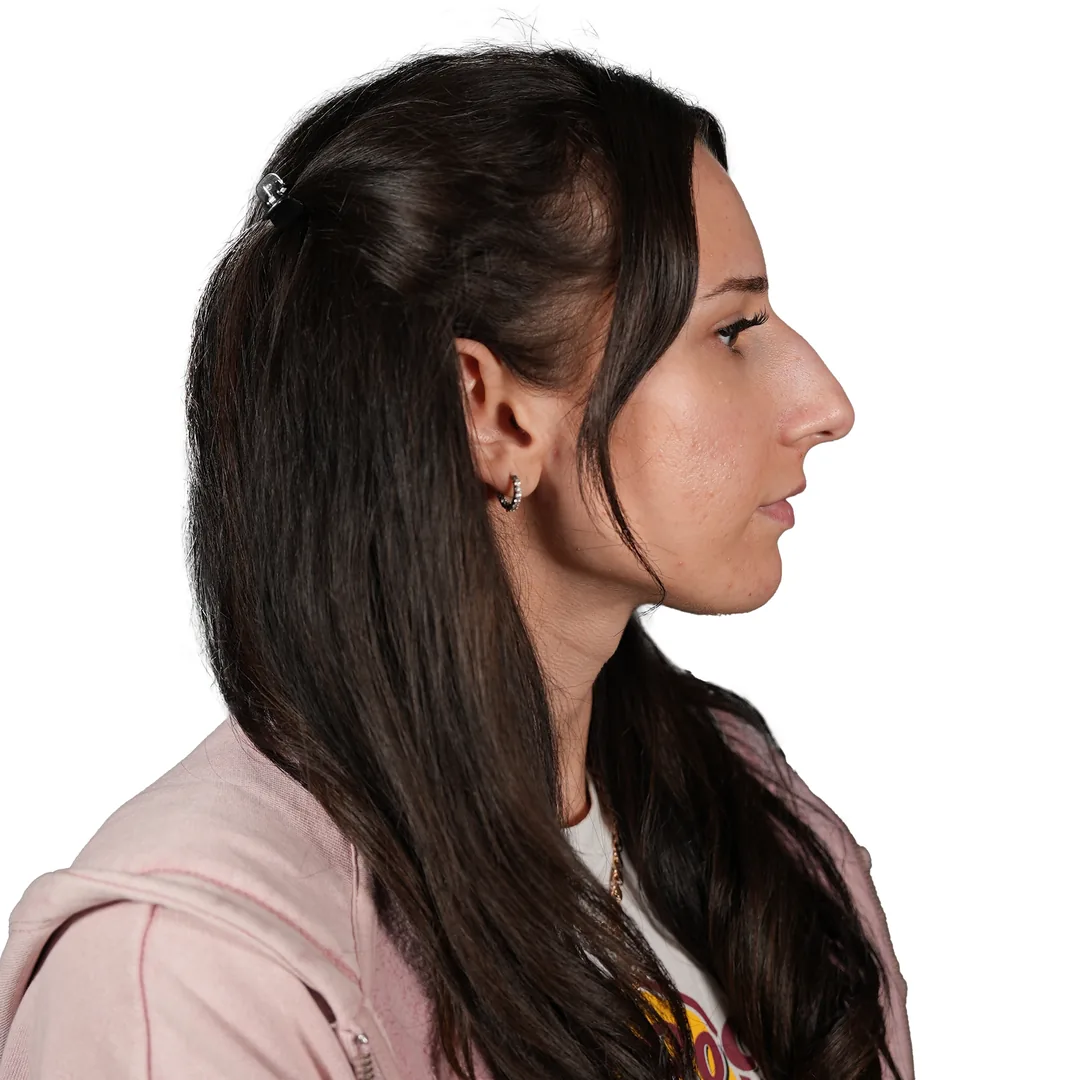
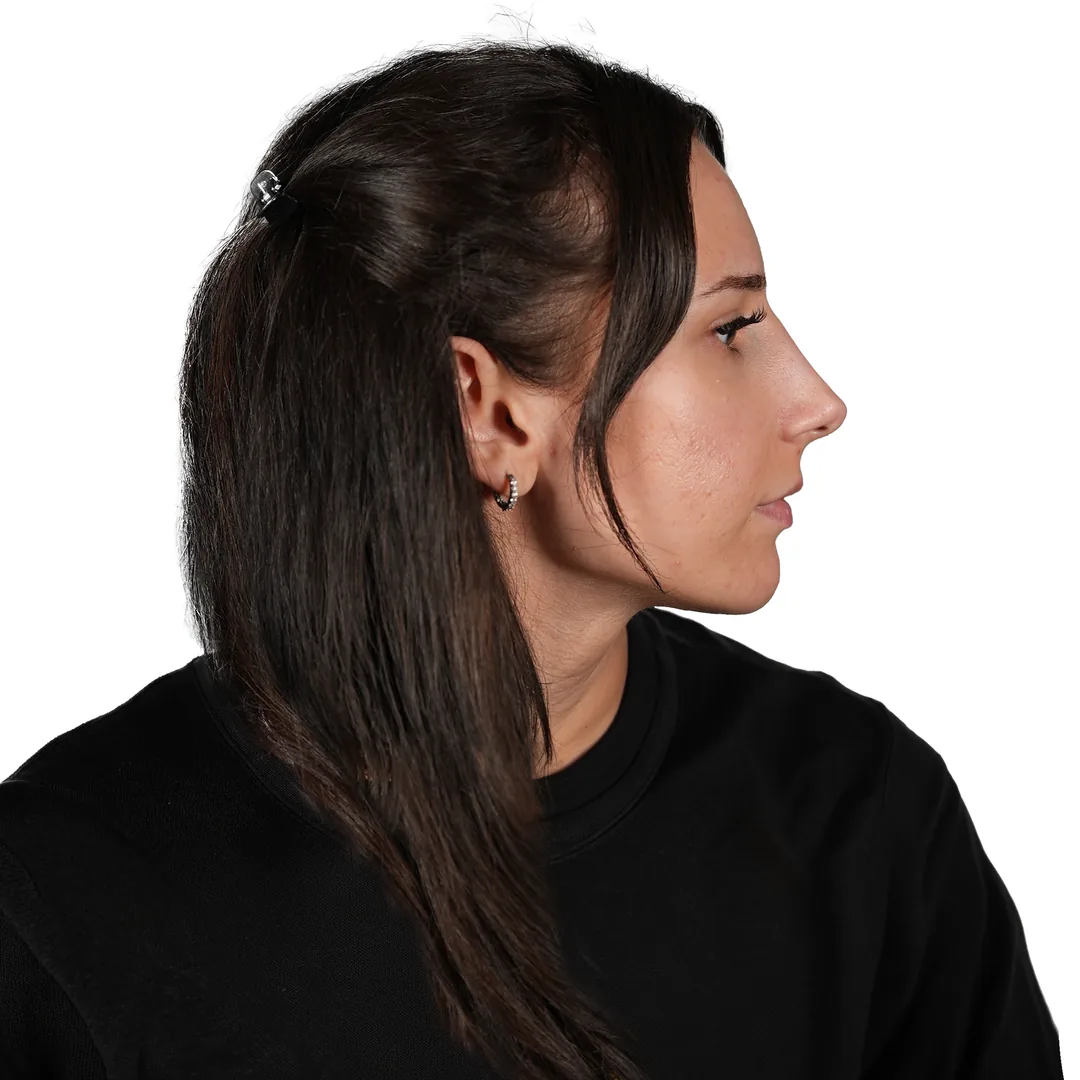


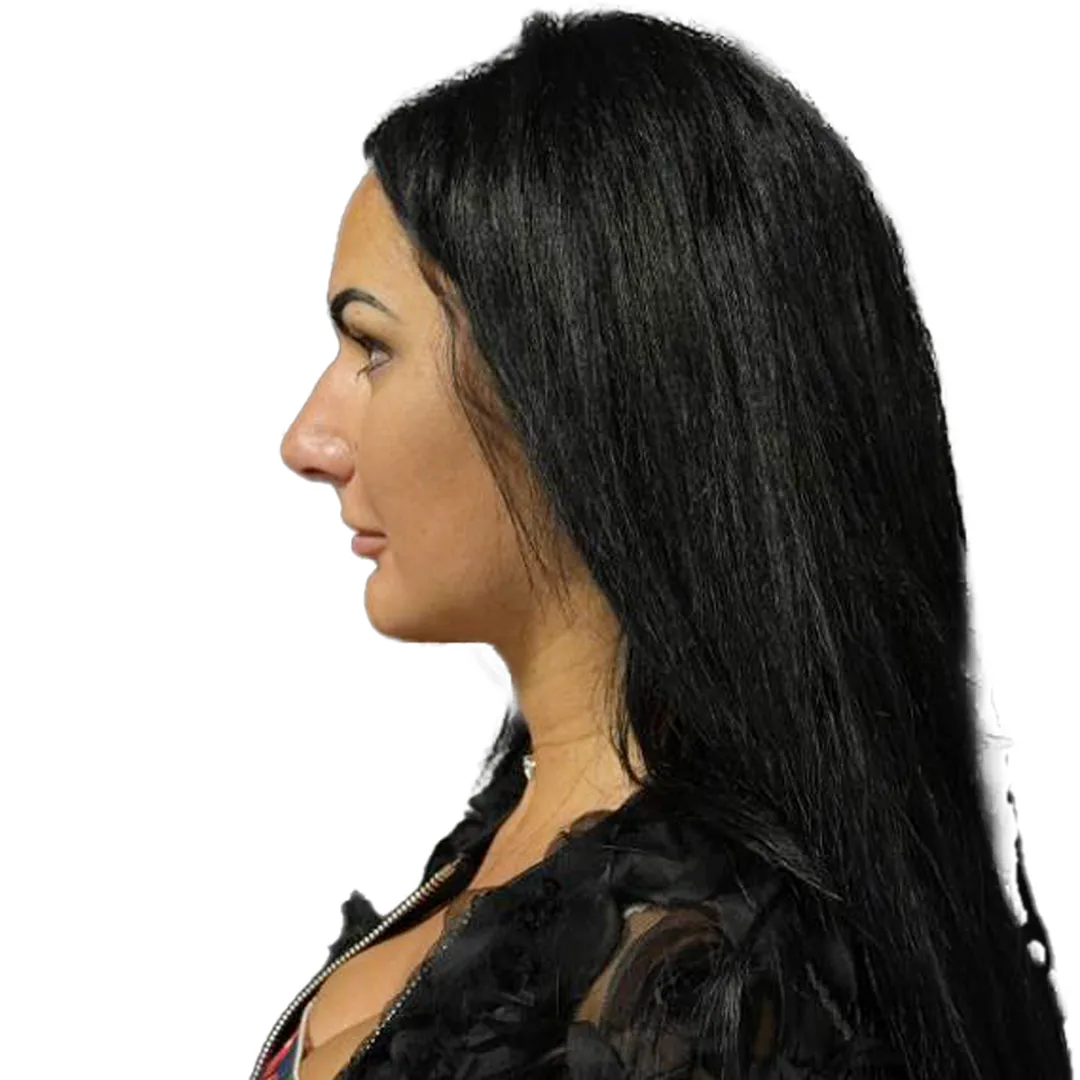



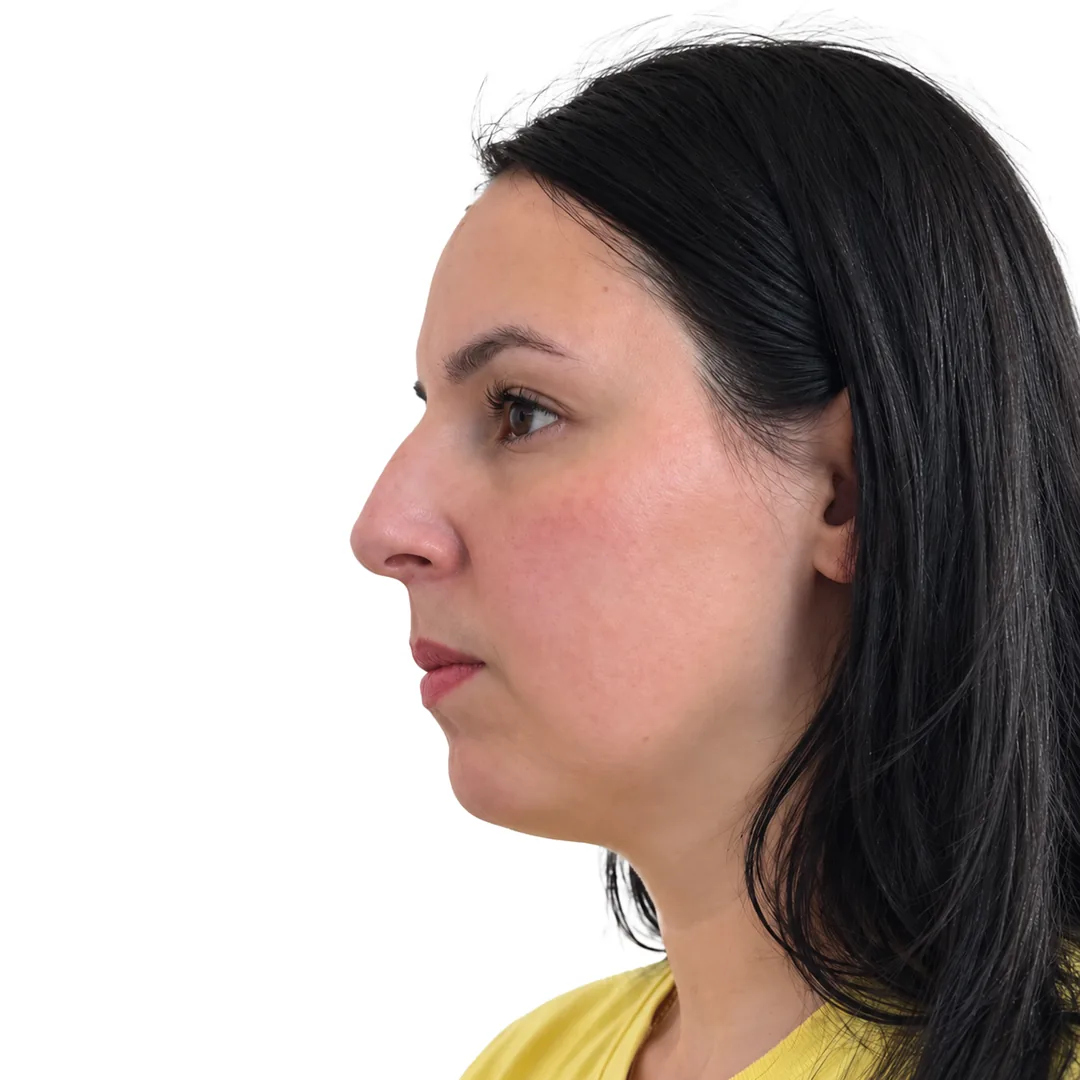
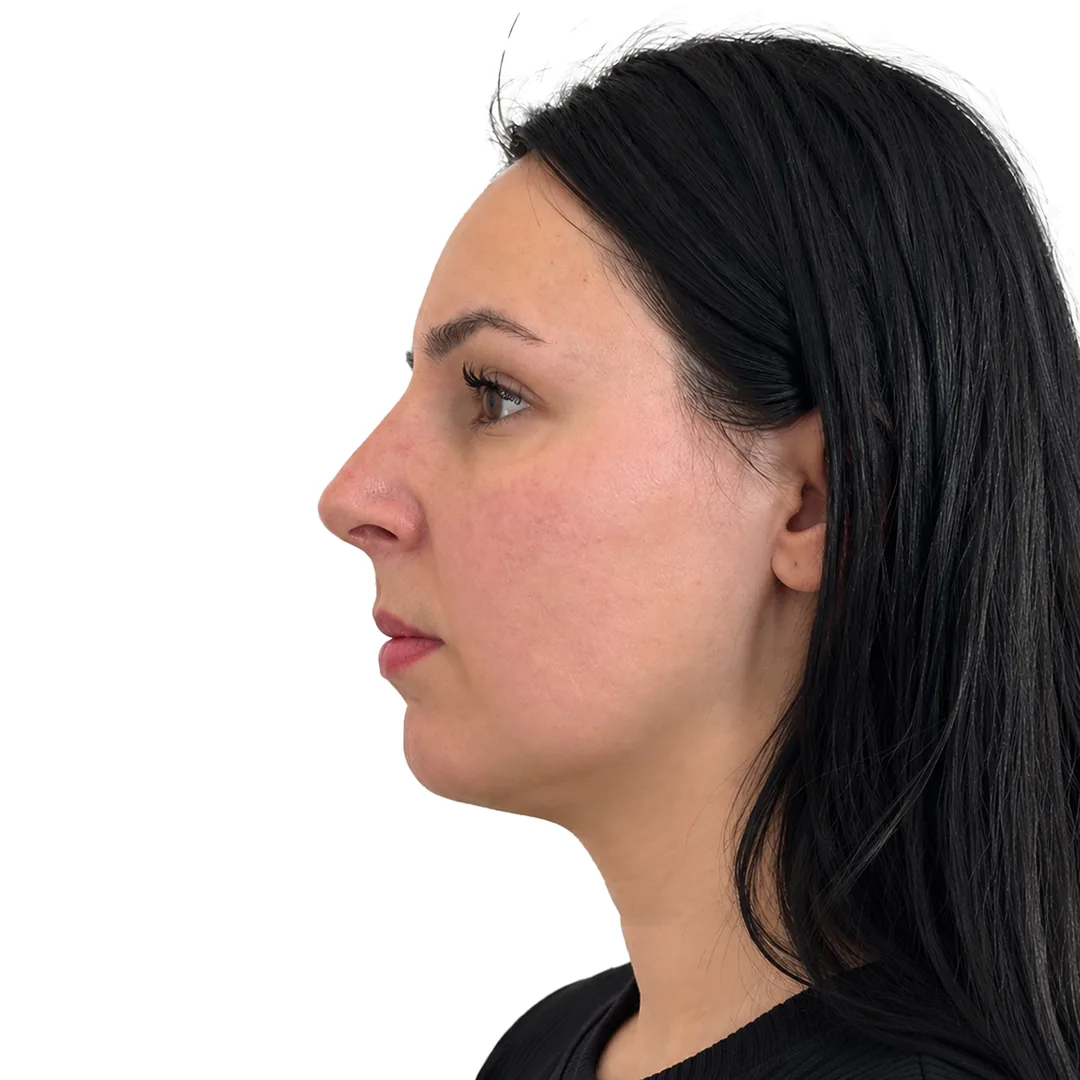


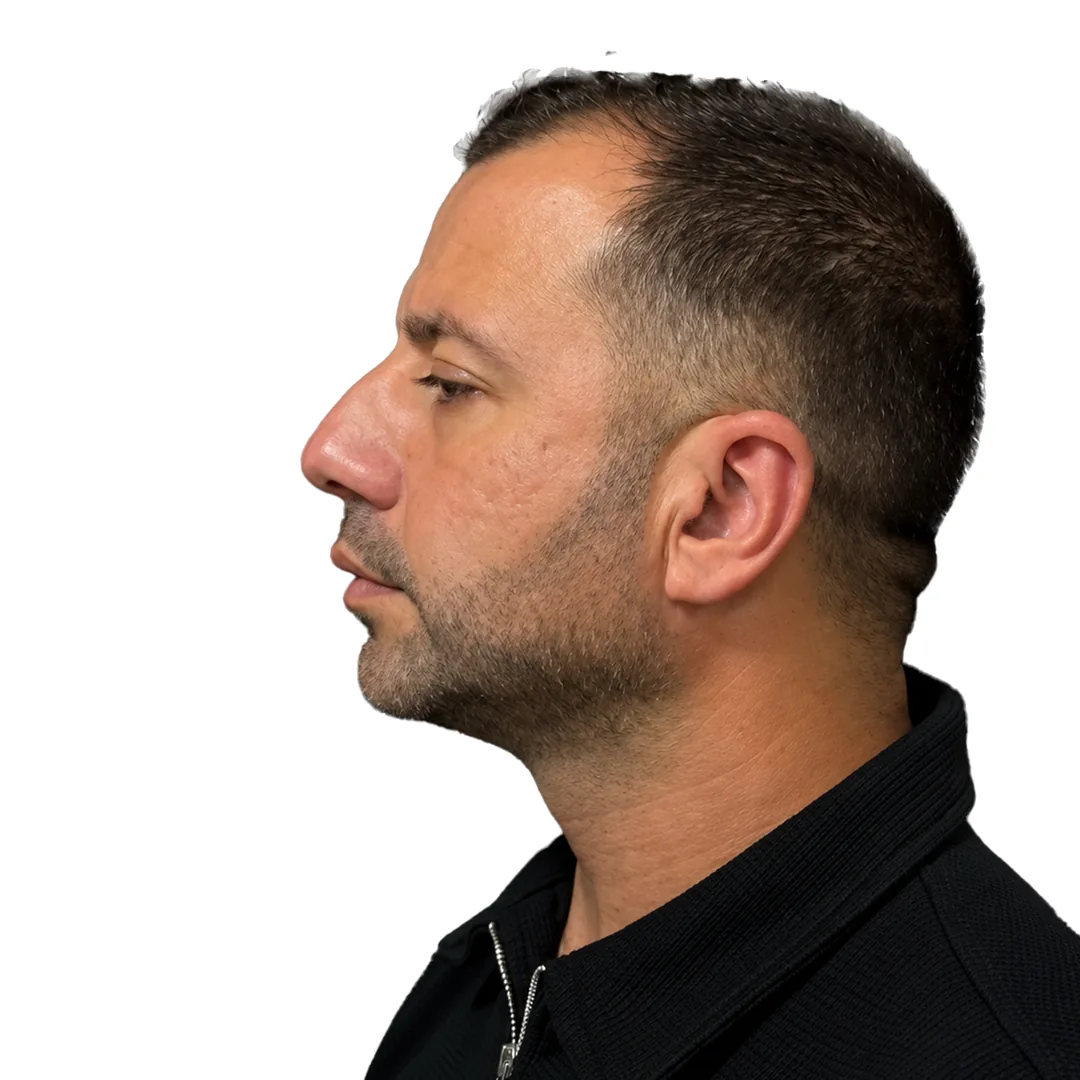
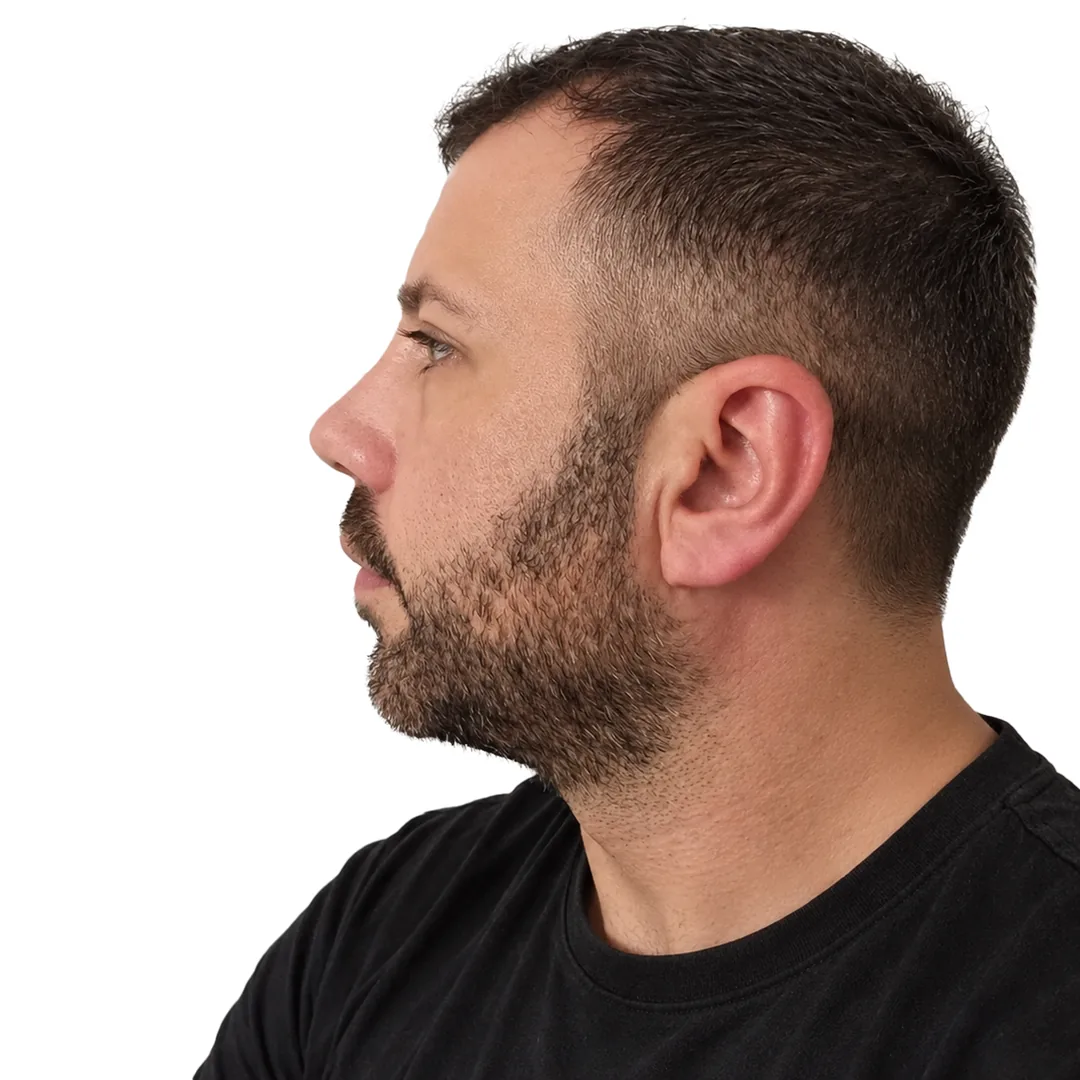


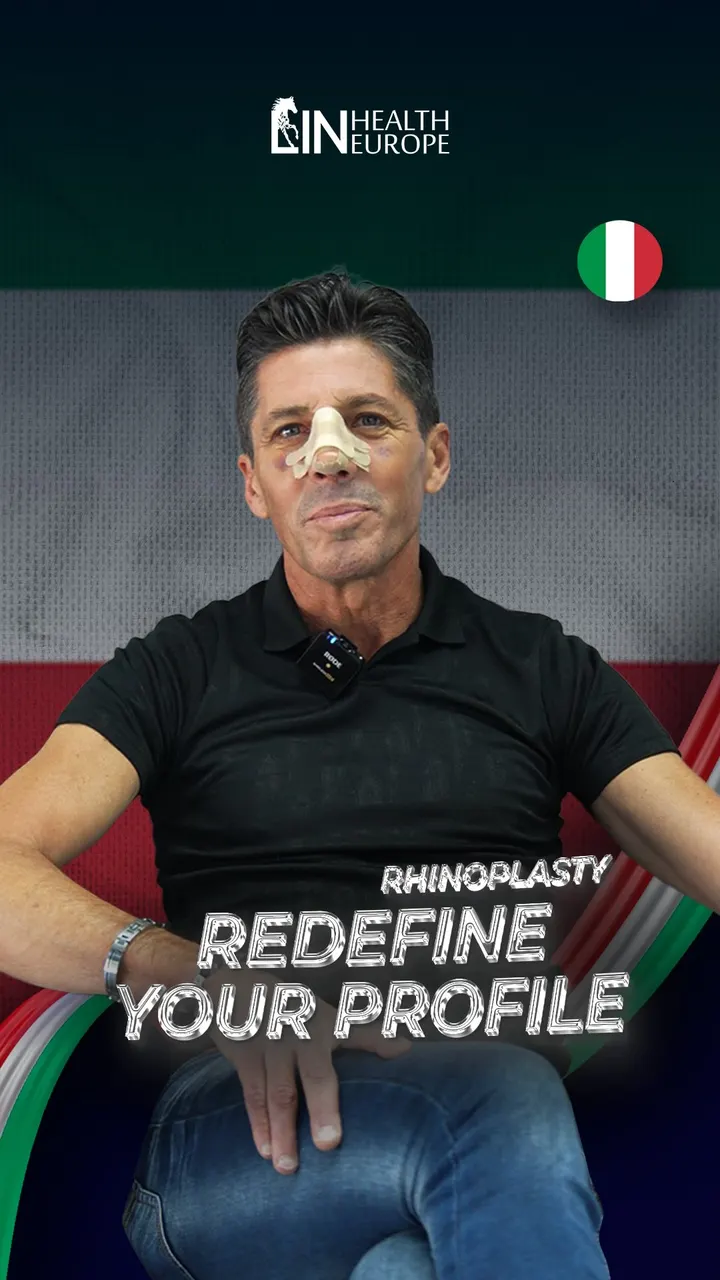
Rhinoplasty
The bridge lowered and the tip refined, judged against the chin and the forehead.
Rhinoplasty
A dorsal hump taken down without leaving a nose that looks operated on.
Rhinoplasty
Reshaped so the line still reads as his — a smaller nose is not always the right one.
Rhinoplasty
Profile view, where the angle between nose and lip does most of the work.
Otoplasty
Seen from behind, which is the view that shows what the operation changes.
Otoplasty
Both ears set back together, so the two sides finish level with each other.
Otoplasty
The front view is how other people see it, and it is the one worth judging.
Face & Neck Lift
Profile view, where a lift is really a change to the line between jaw and neck.
Face & Neck Lift
Front view. The deeper tissue is repositioned, which is what keeps a face looking like itself.
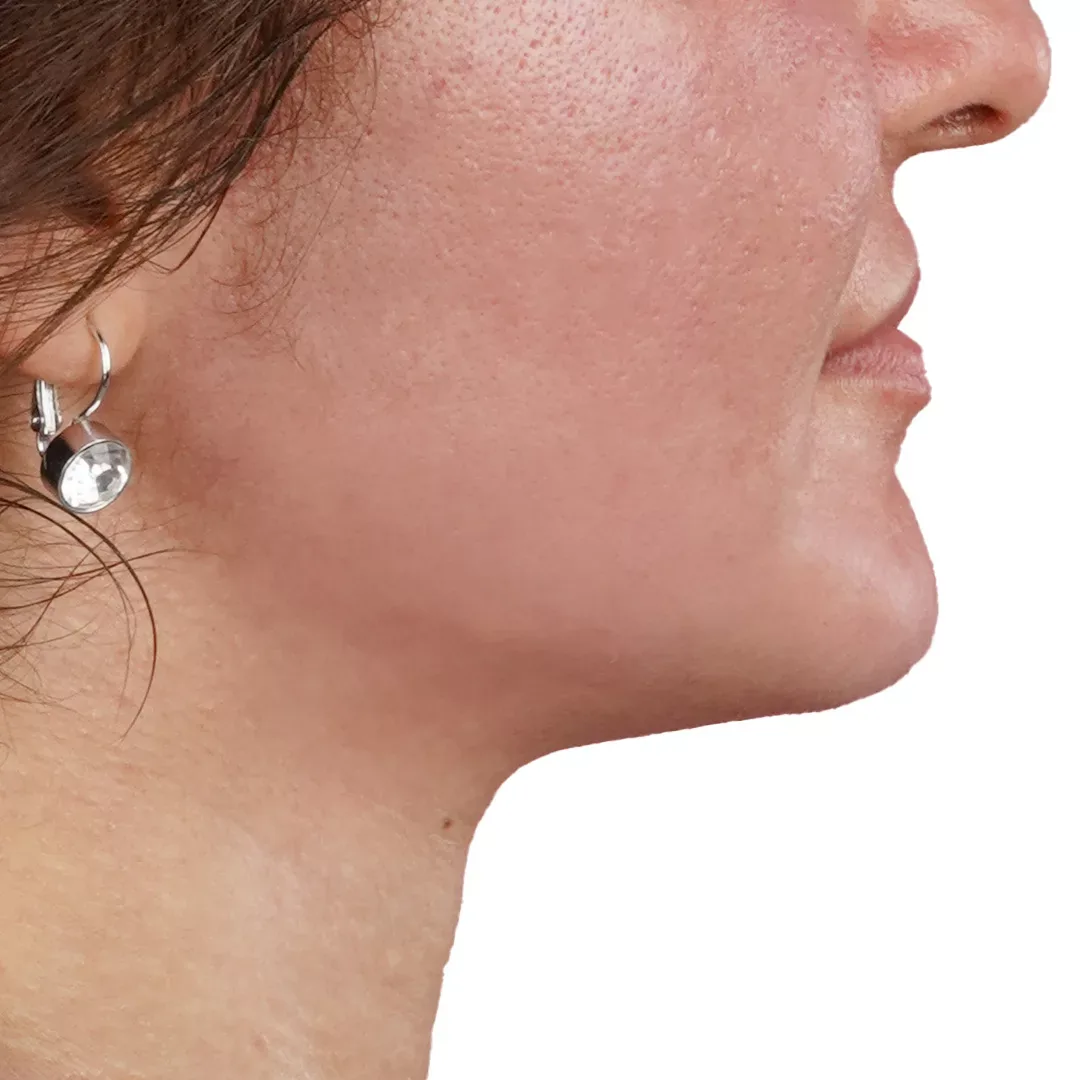
Jawline Contouring
Seen from the side, where the angle between chin and neck opens up.
Rhinoplasty · Three-quarter
Bridge and tip reshaped with the forehead, the lips and the chin in view.
Rhinoplasty · Profile
Bridge and tip reshaped with the forehead, the lips and the chin in view.
Rhinoplasty · Front
Bridge and tip reshaped with the forehead, the lips and the chin in view.
Rhinoplasty · Profile
Bridge and tip reshaped with the forehead, the lips and the chin in view.
Rhinoplasty · Front
Bridge and tip reshaped with the forehead, the lips and the chin in view.
Rhinoplasty · Profile
Bridge and tip reshaped with the forehead, the lips and the chin in view.
Rhinoplasty · Front
Bridge and tip reshaped with the forehead, the lips and the chin in view.
Rhinoplasty · Profile
Bridge and tip reshaped with the forehead, the lips and the chin in view.
Rhinoplasty · Front
Bridge and tip reshaped with the forehead, the lips and the chin in view.
Rhinoplasty · Profile
Bridge and tip reshaped with the forehead, the lips and the chin in view.
Rhinoplasty · Profile
Bridge and tip reshaped with the forehead, the lips and the chin in view.
Eyelid surgery focuses on removing excess tissue, which is structurally different from ptosis repair. While general blepharoplasty addresses redundant skin and fat, ptosis involves a weakened levator muscle that prevents the upper eyelid from opening fully. If the physical edge of your upper eyelid covers a portion of your pupil, muscle tightening is required rather than just skin removal. A clinical evaluation distinguishes whether the tissue laxity is superficial or involves the mechanical lifting muscle of the eye.
When attending your consultation, bring a complete medical history detailing any past ocular conditions, laser eye surgeries, or chronic dry eye diagnoses. You must provide a list of all medications you take, specifically noting any blood thinners or herbal supplements. Be prepared to clearly indicate the exact functional or structural issues you experience. If your redundant upper eyelid skin obstructs your peripheral vision, bring any recent visual field tests conducted by your regular ophthalmologist.
No price list. Every plan is quoted for one person and one anatomy, so a figure only means something once someone has looked at yours — you get one in writing before you commit to anything.
This article is general information, not medical advice, and does not replace a consultation. Every procedure carries risk and outcomes vary from person to person.
Filmed and published with our guests’ consent. Each speaks only for their own treatment — every face heals differently, and these are individual outcomes, not a promise of yours.
Answered as far as they can be answered in writing. Anything that depends on your own anatomy is answered by a surgeon looking at it.
Eyelid surgery, also referred to as blepharoplasty, is a clinical procedure that modifies the tissues of the upper and lower eyelids. It involves the surgical excision of redundant skin, muscle, and fat to alter the physical contour of the periorbital area. The operation addresses tissue laxity that develops around the eyes based on your anatomy.
Upper eyelid surgery targets the tissue between your eyebrow and your eyelashes, removing skin that hangs over the crease. Lower eyelid surgery focuses on the area beneath the eye, typically addressing protruding fat pads and loose skin. The surgical access points and the specific tissues modified differ based on the anatomical zone being addressed.
The incisions for eyelid surgery are planned to align with your natural anatomical structures. For the upper eyelid, the incision sits directly inside the natural skin fold. For the lower eyelid, it is either placed immediately beneath the lower eyelashes or inside the eyelid itself. These locations are utilized to hide the surgical access points.
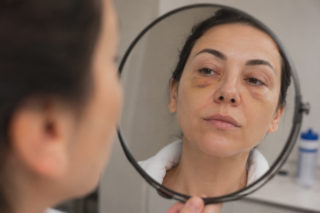
Eyelid surgery can address dark circles if they are caused by the structural shadow of protruding lower eyelid fat. By removing or repositioning this fat, the physical shadow is eliminated. However, if the dark circles are a result of skin pigmentation or visible blood vessels beneath thin skin, the surgery will not alter the skin coloration.
Eyelid surgery can be conducted under local anesthesia with intravenous sedation or under general anesthesia. The appropriate method depends on the structural complexity of the procedure, whether multiple eyelids are being addressed simultaneously, and the specific clinical assessment made by your surgeon during the consultation.
Guest Stories
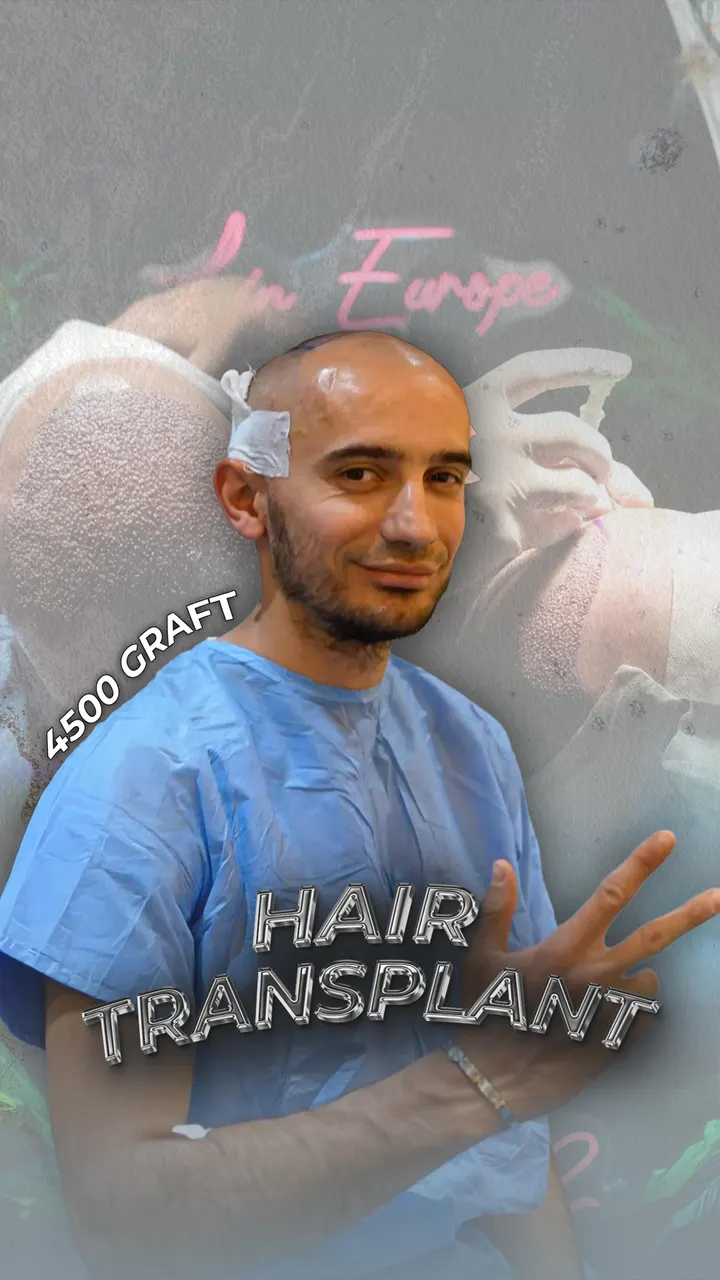
I had my hair transplant at Lin Europe Clinic, and my experience was excellent from start to finish. Everything was well organized, the procedure was smooth, and I didn't feel any pain during the treatment. The entire team was professional, friendly, and very caring. I really appreciated their attention to detail and the level of care they provided.I had the Baby Face Laser treatment at Lin Europe Clinic, and I had a great experience. The team was very professional, friendly, and made me feel comfortable throughout the entire process. They explained everything clearly and took the time to answer all of my questions. The clinic was clean, well-organized, and the treatment was carried out with great care.I had a great experience at LIN Clinic. The staff were welcoming, professional, and made me feel comfortable from the beginning. The clinic was clean and well-organized, and the whole process was smooth. I'm very happy with the care I received and the results.Linspired by you.
Tell us what you are considering. A coordinator who speaks your language will come back to you with an honest assessment of what is realistic — not a sales pitch.
Seven languages · No obligation
We measure how this site is used, and that needs your agreement before anything is stored on your device. Until you choose, nothing is. What is measured