





6 min read
Reshaping the stomach into a smaller tube, which restricts how much food can be held and alters hunger signals.
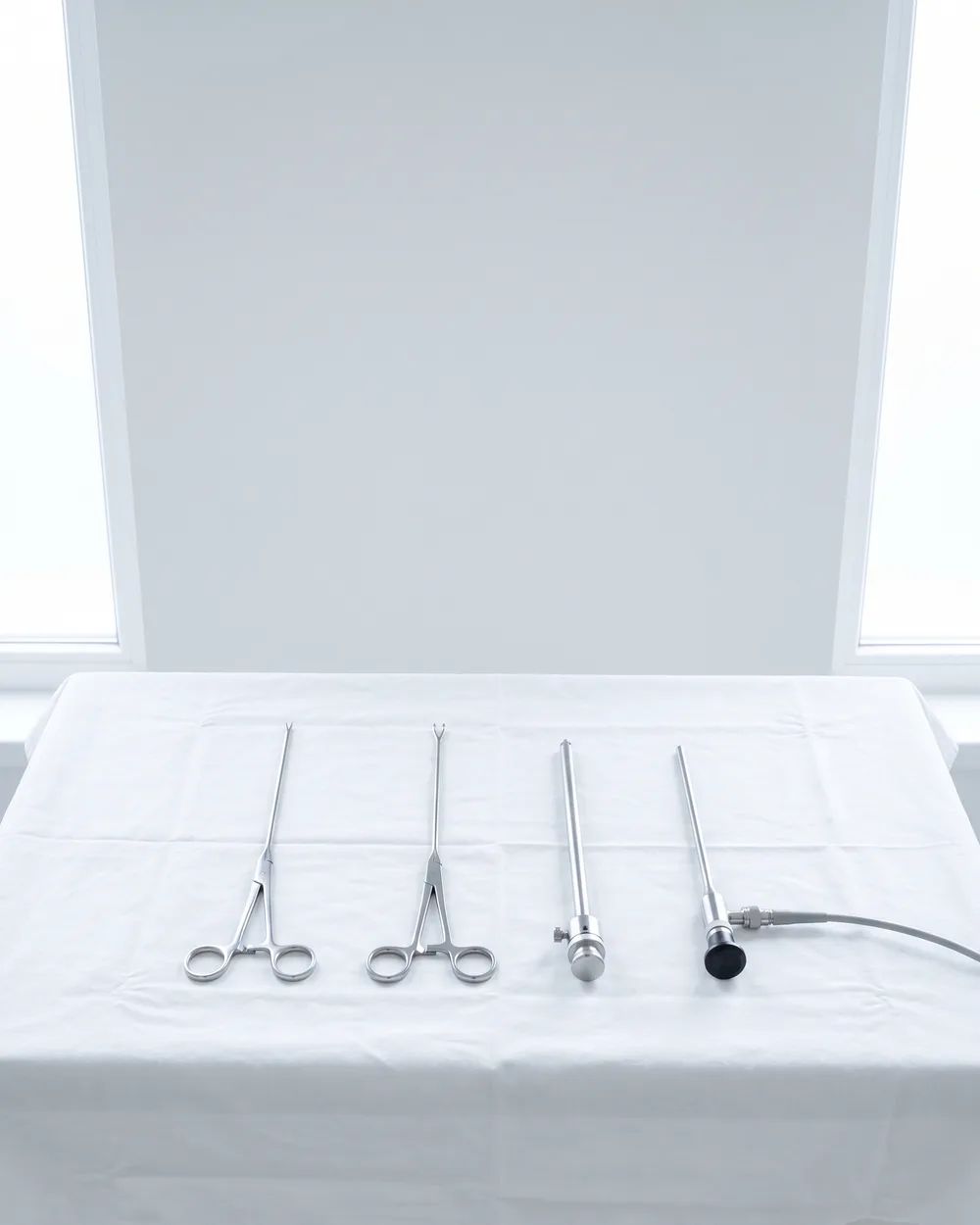
Gastric sleeve surgery removes a large section of the stomach along its outer curve. What remains is a narrow, banana-shaped tube. This new stomach has a much smaller volume than before. The removed portion is also the primary source of ghrelin, the hormone responsible for signalling hunger to the brain. The size of the final sleeve is tailored to the individual's anatomy, taking into account the structure of the stomach and surrounding organs. The removed stomach tissue does not regrow.
The operation provides a powerful tool for weight loss, but it is not the entire process. The amount of weight lost and the ability to maintain it depends on a person's commitment to significant changes in diet and lifestyle. The surgery is planned against a full picture of a patient's health, including their metabolic profile and eating habits. The goal is a weight that is sustainable for that individual's frame and health, not a specific number on a scale or a particular clothing size.
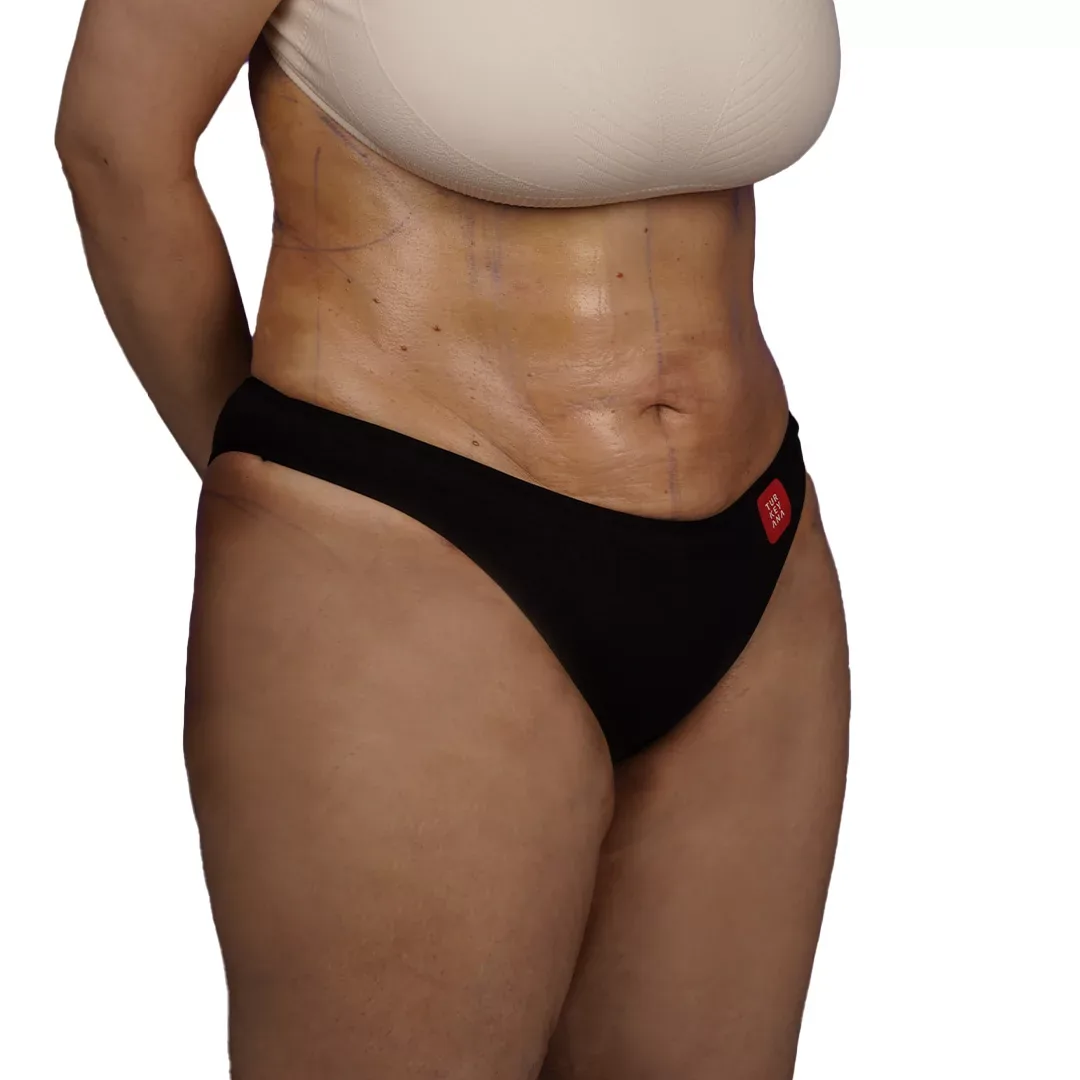
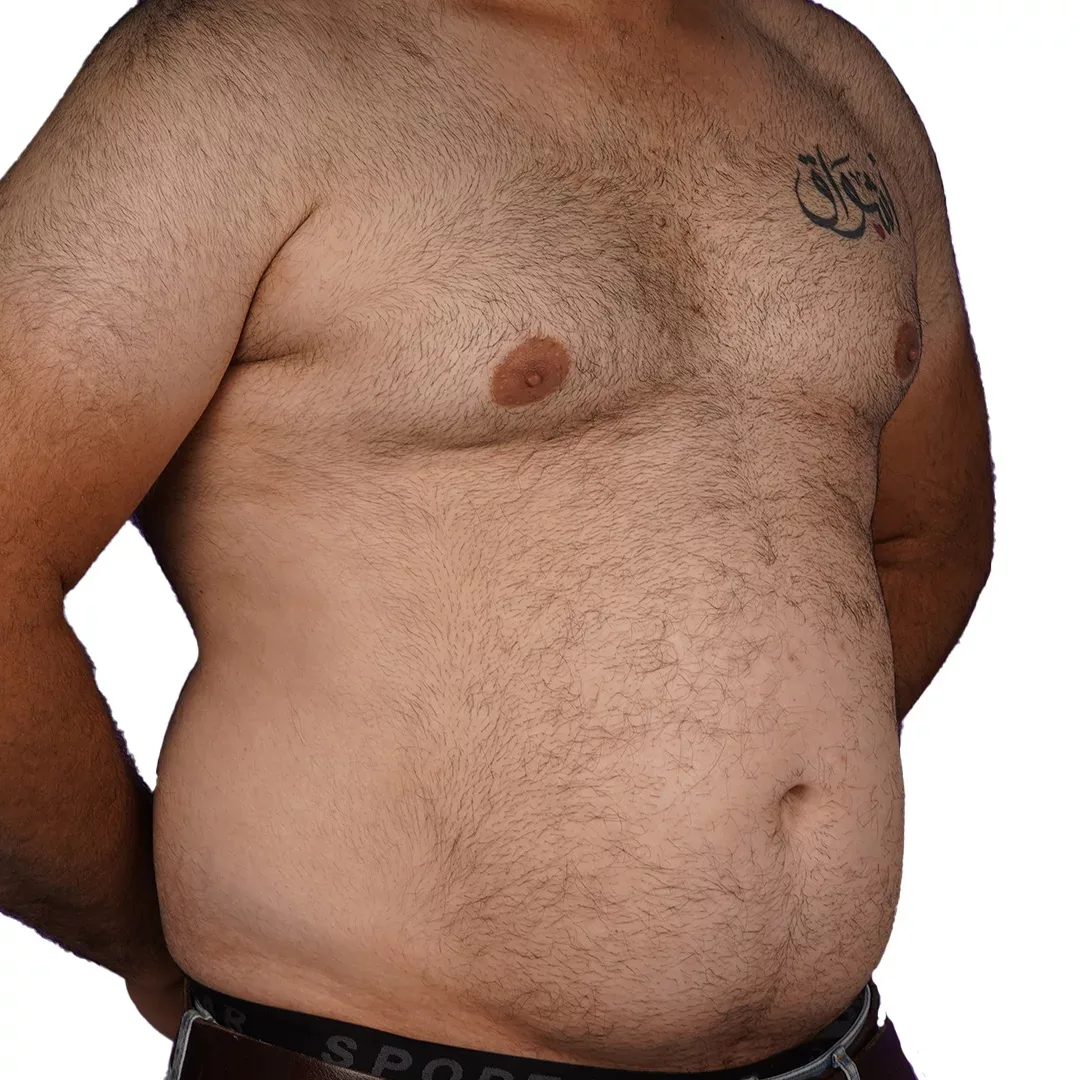
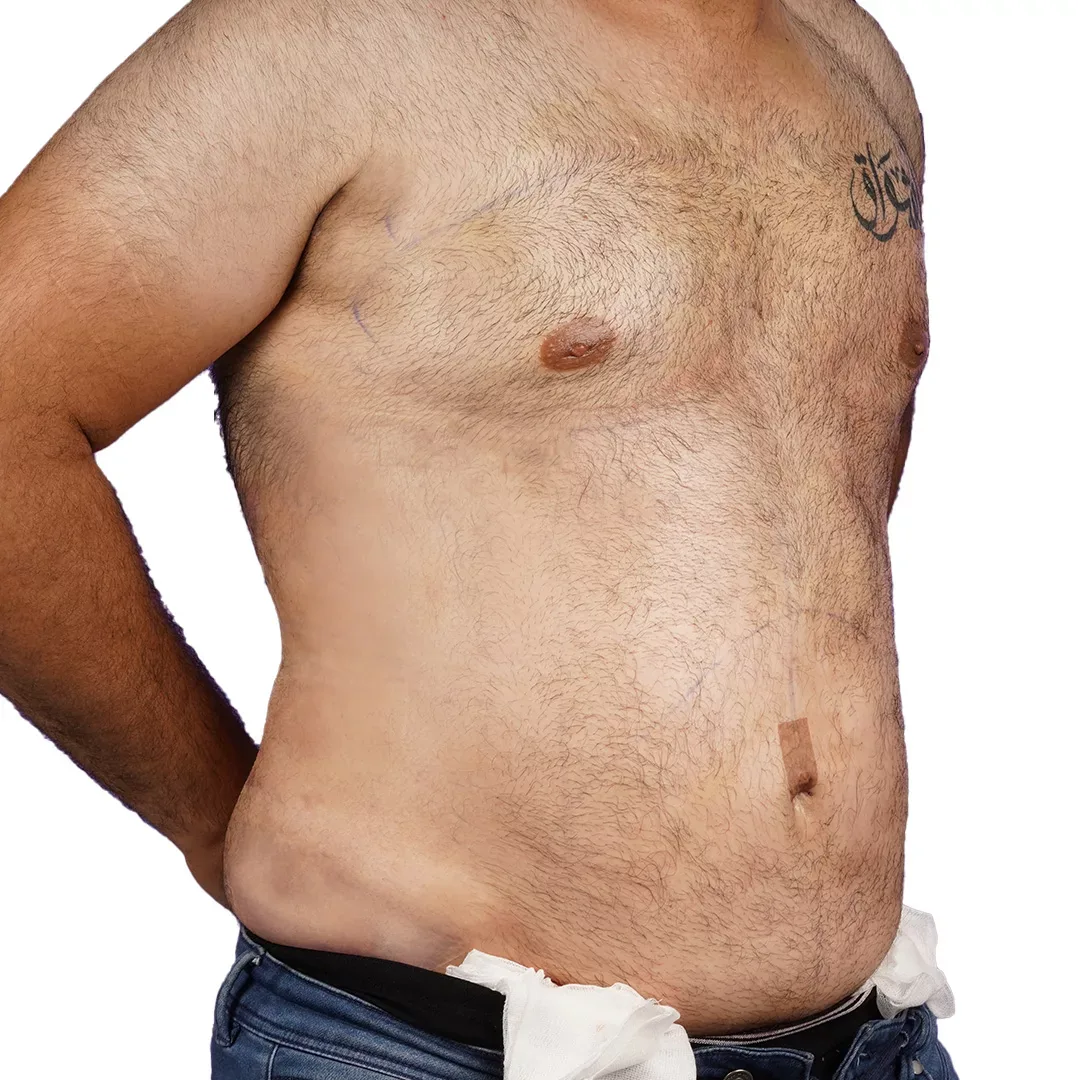
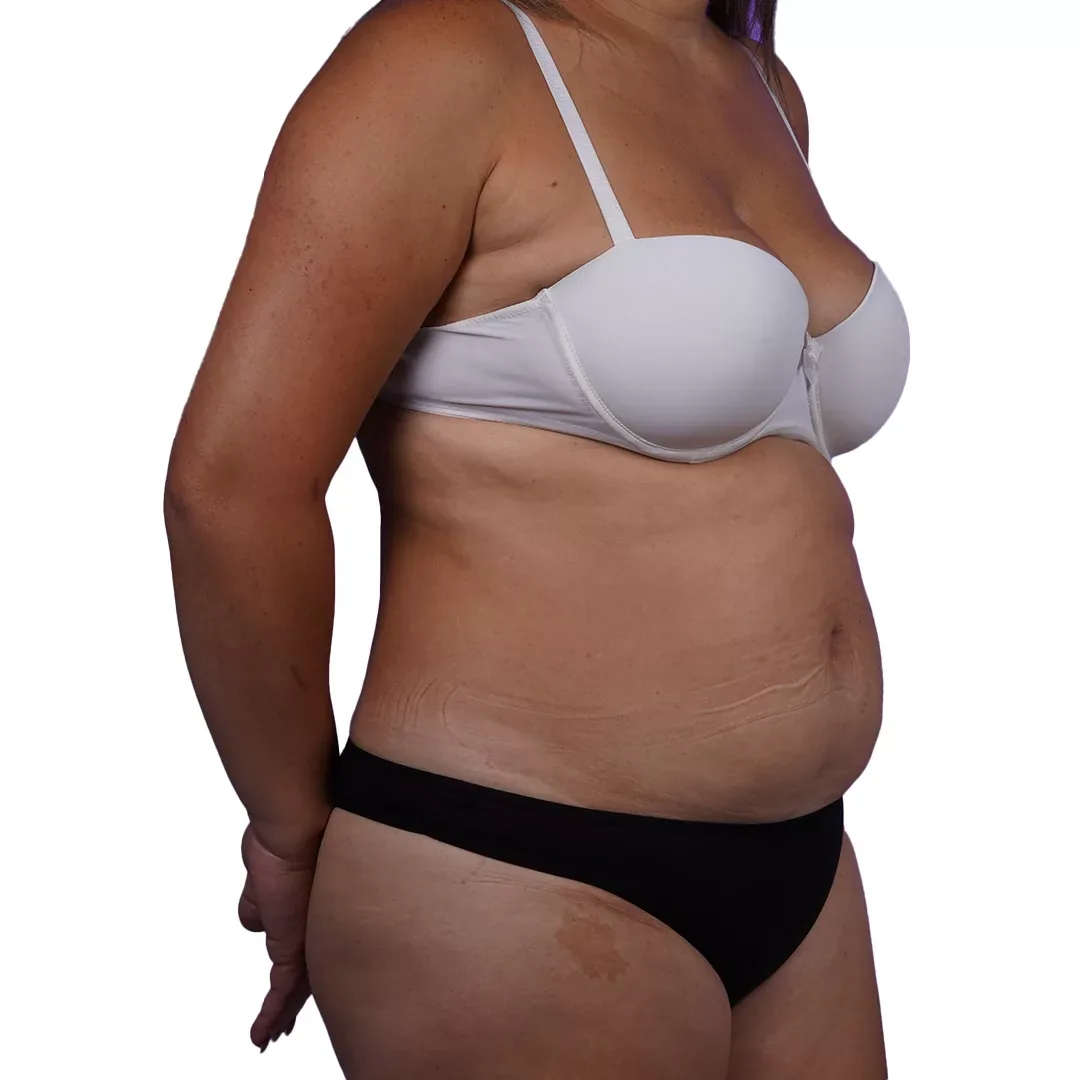
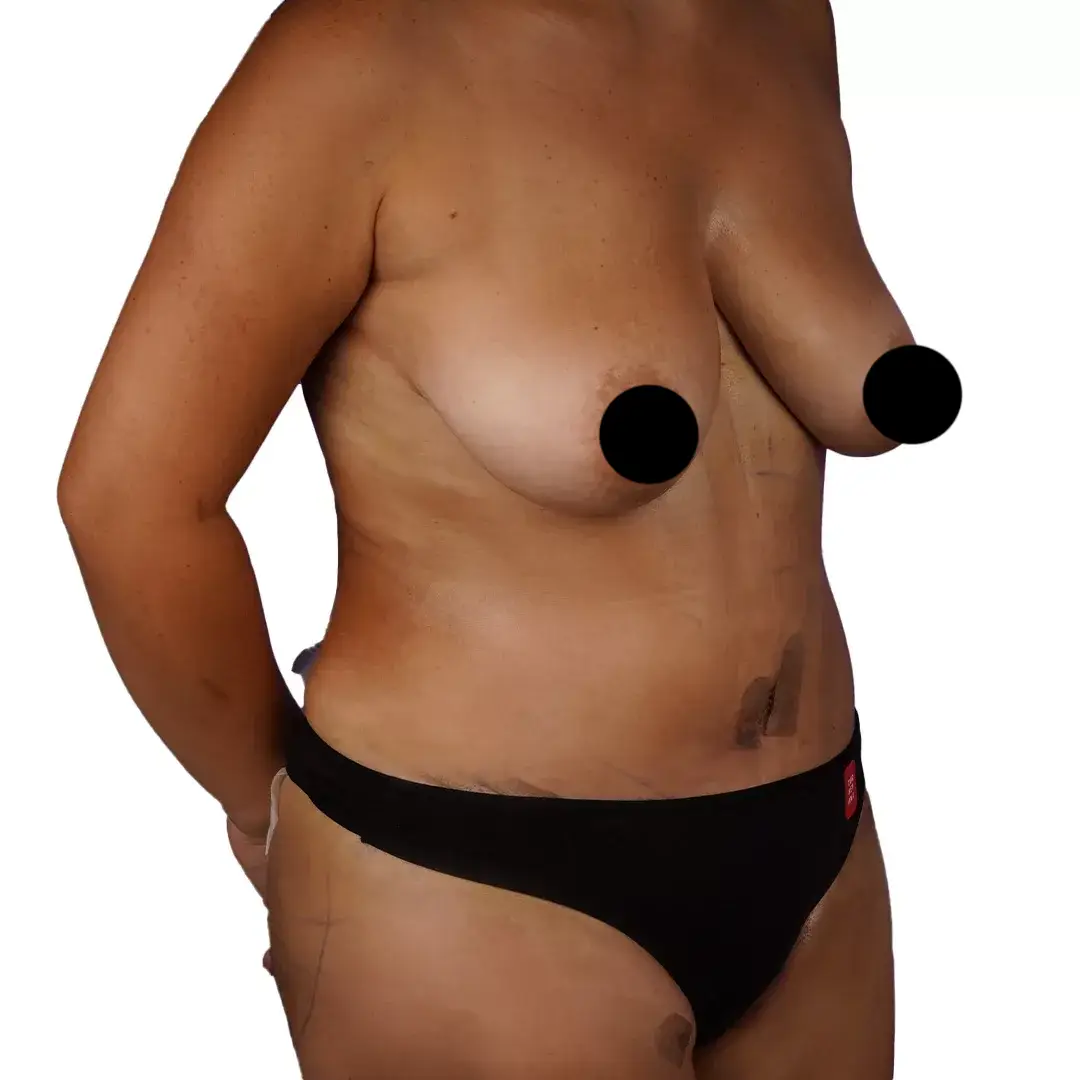
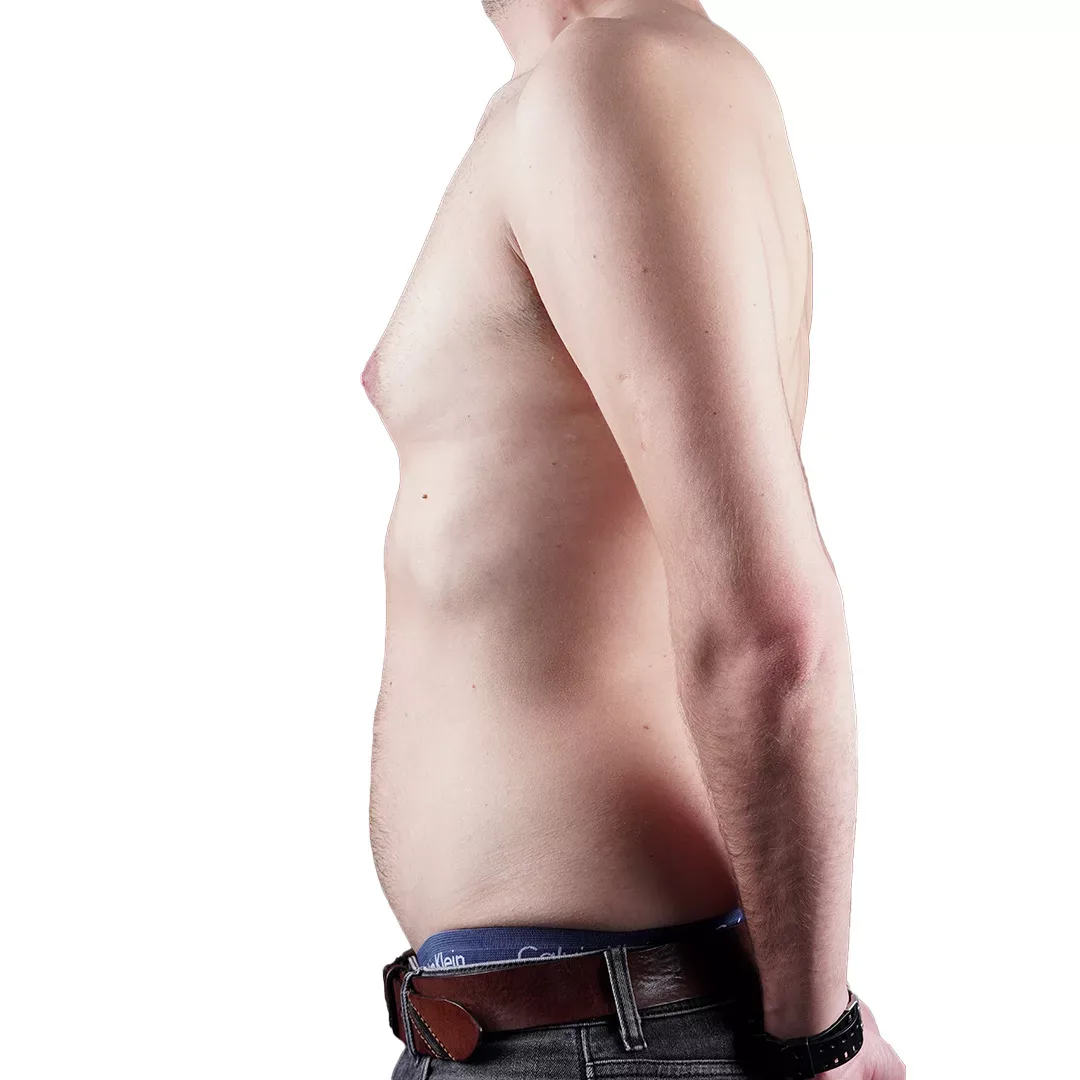
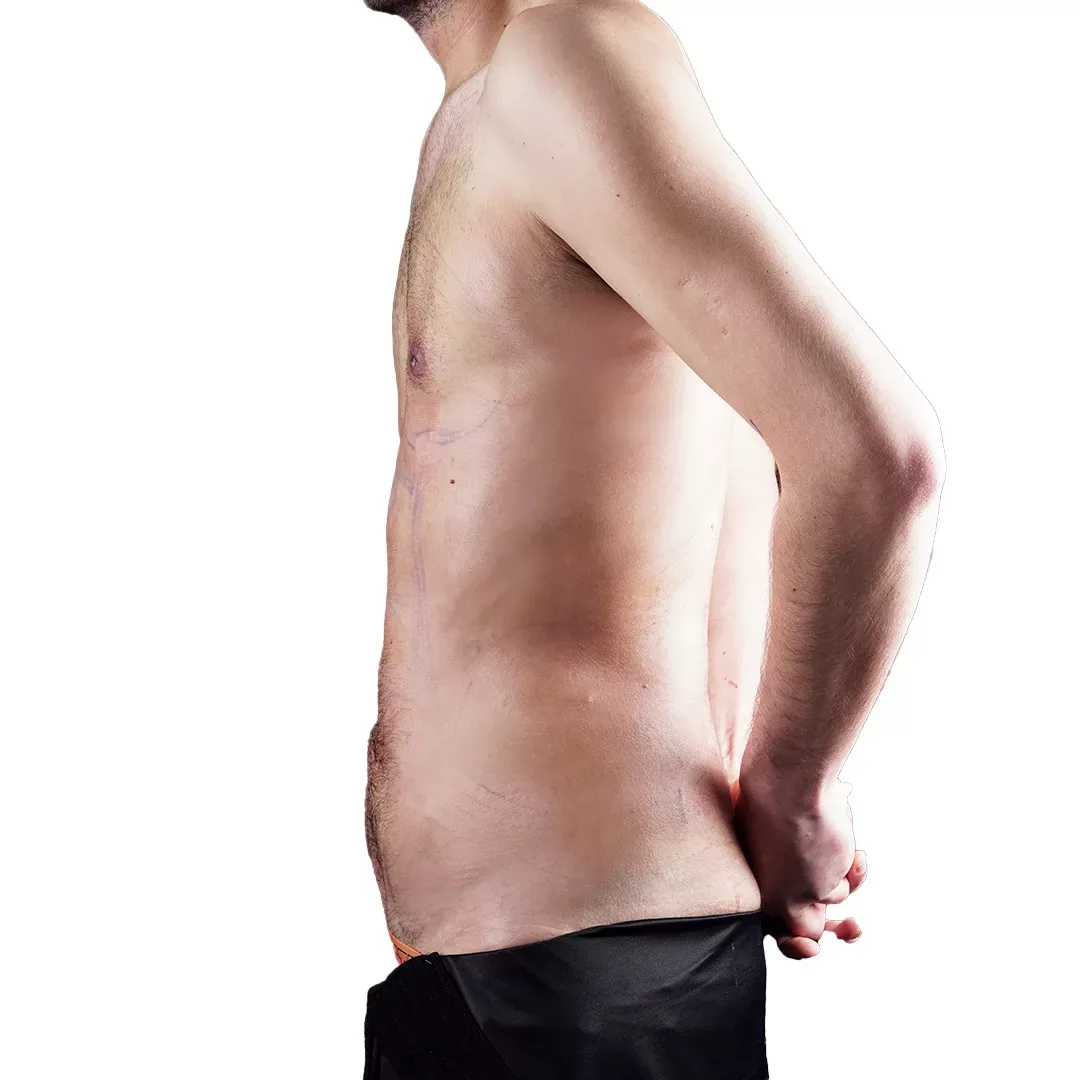
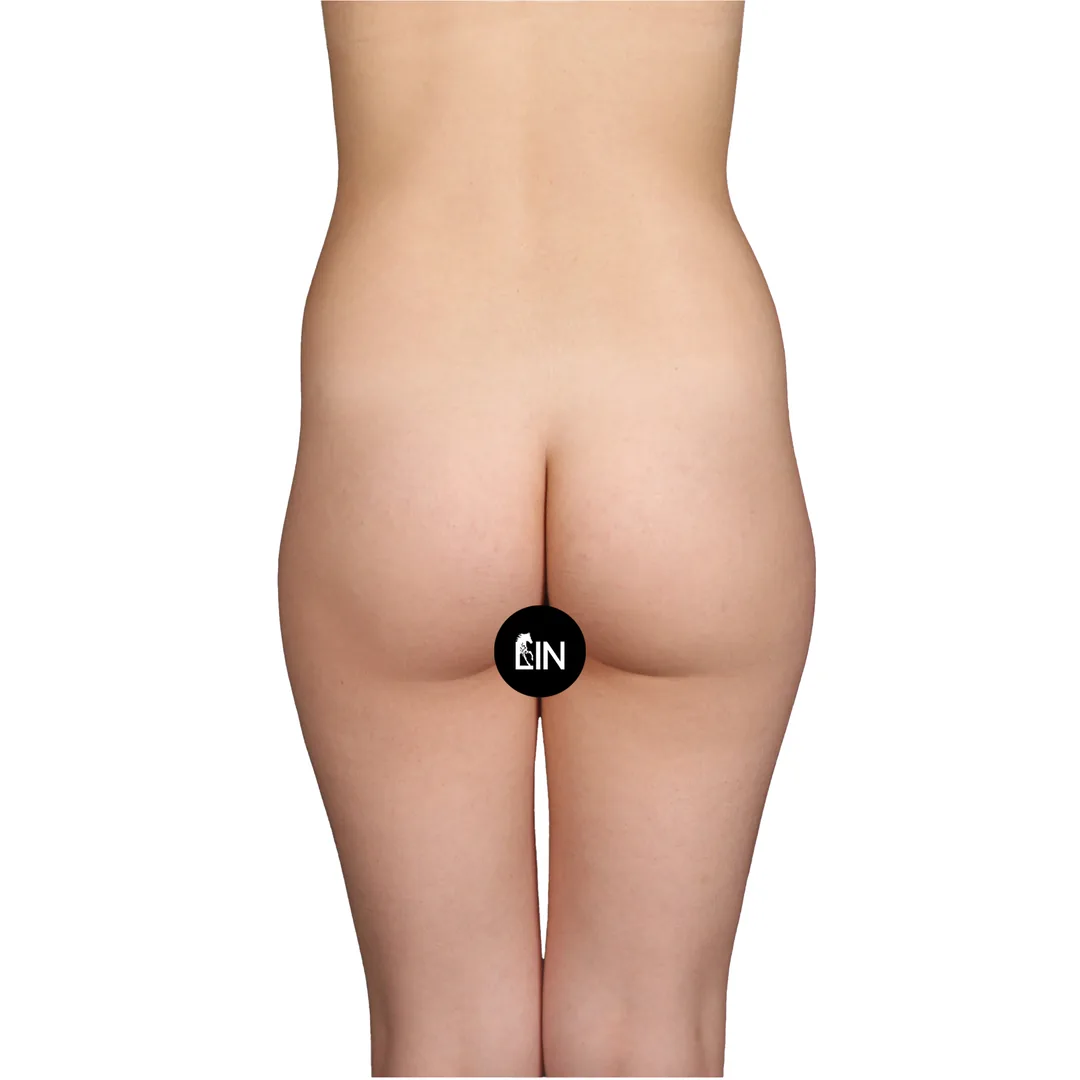
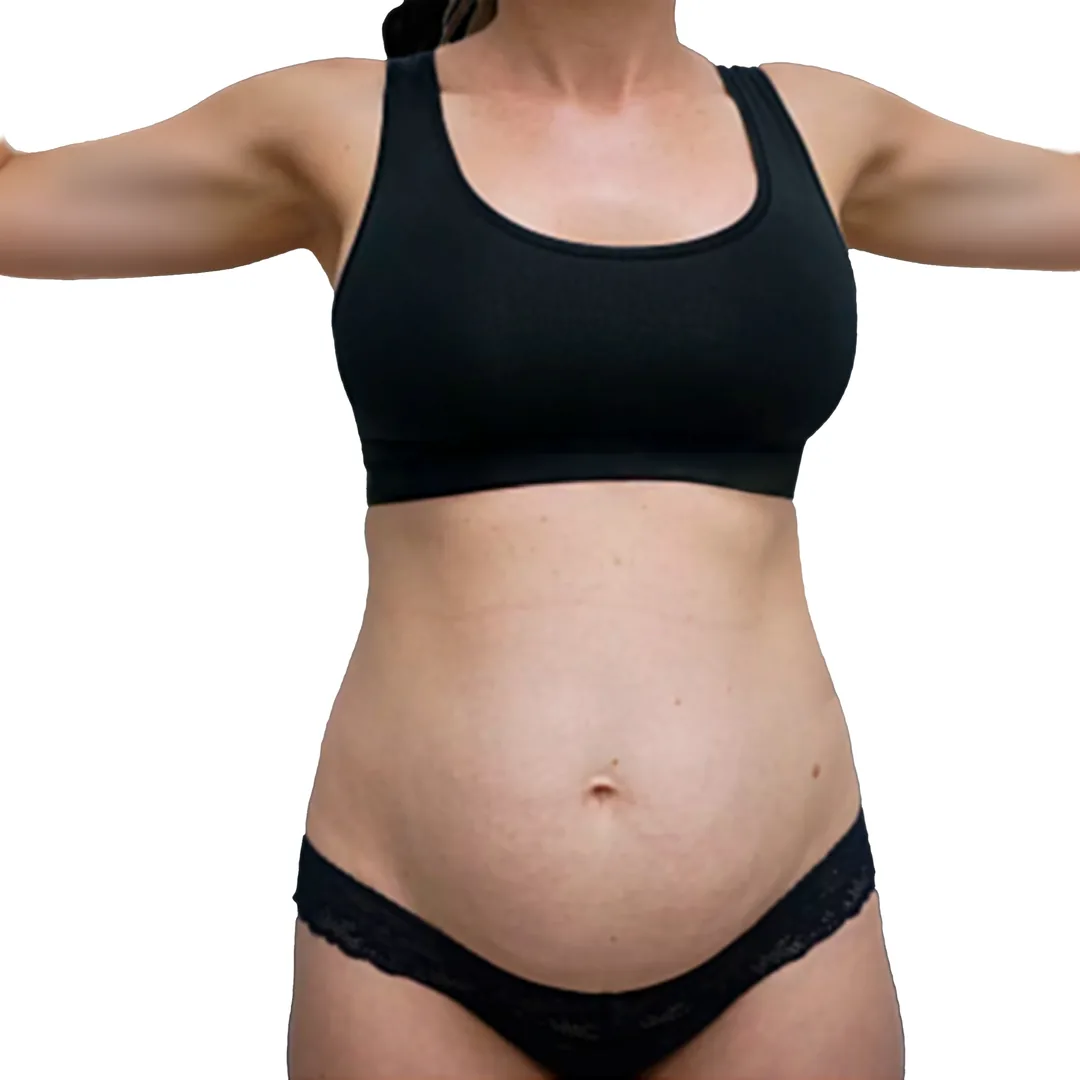
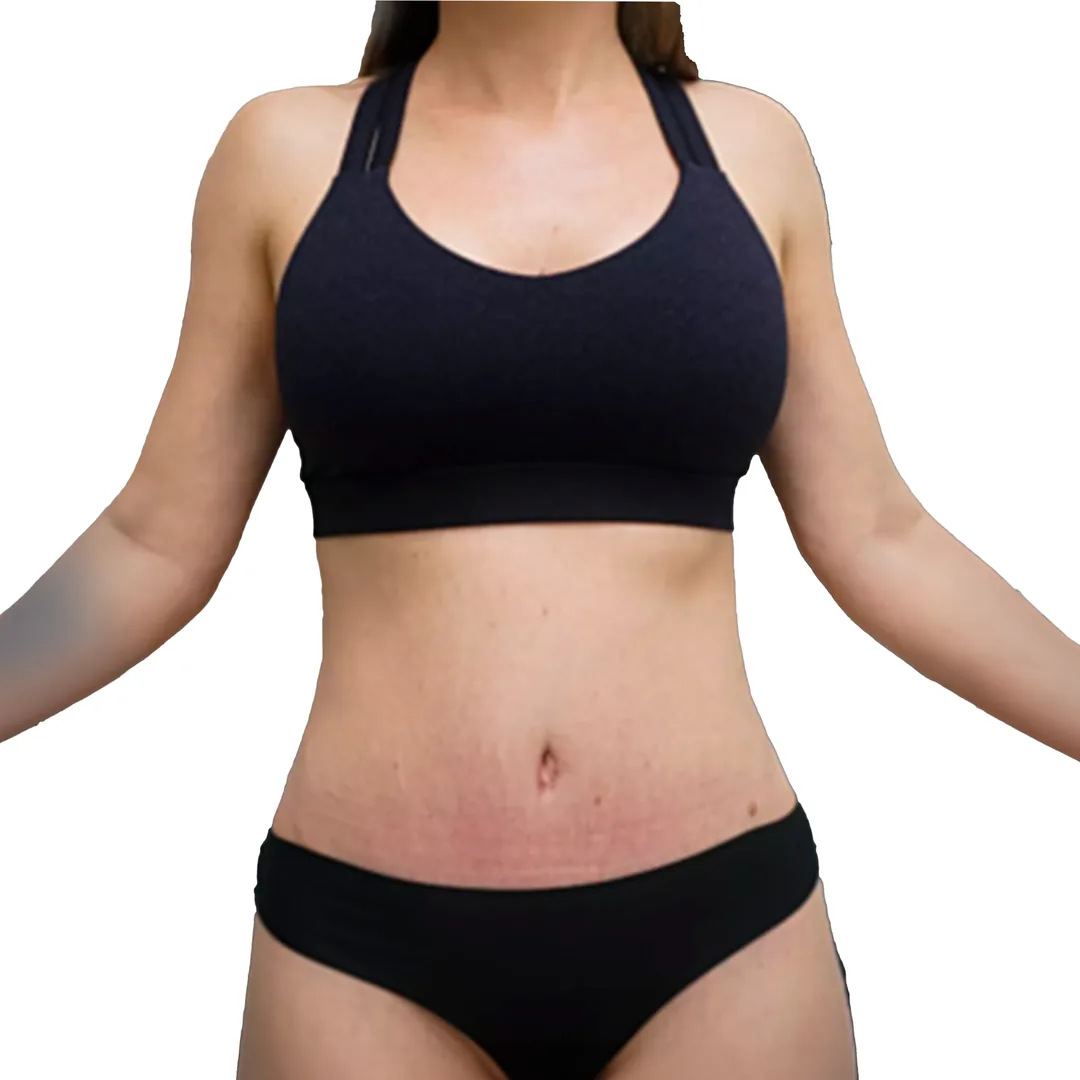
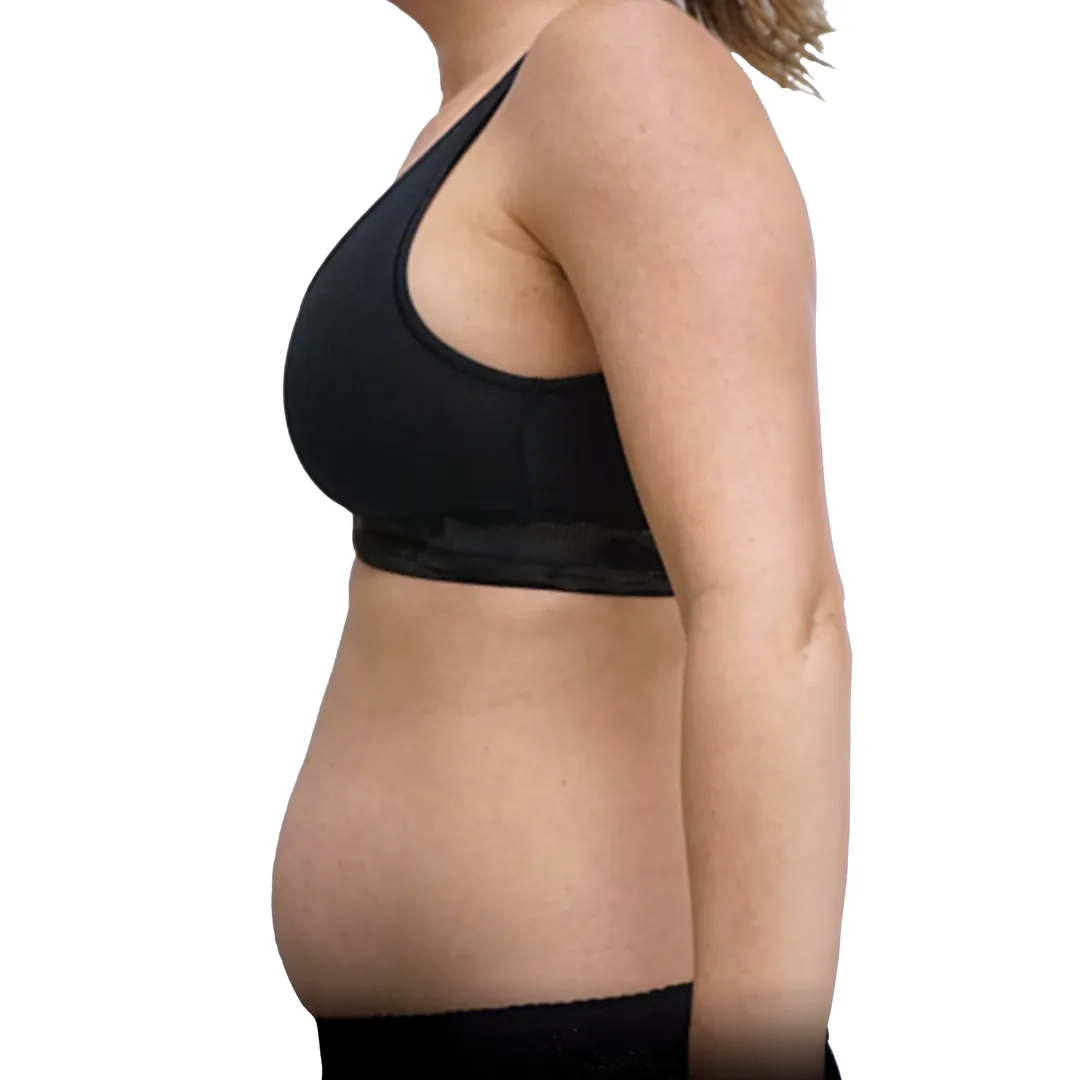
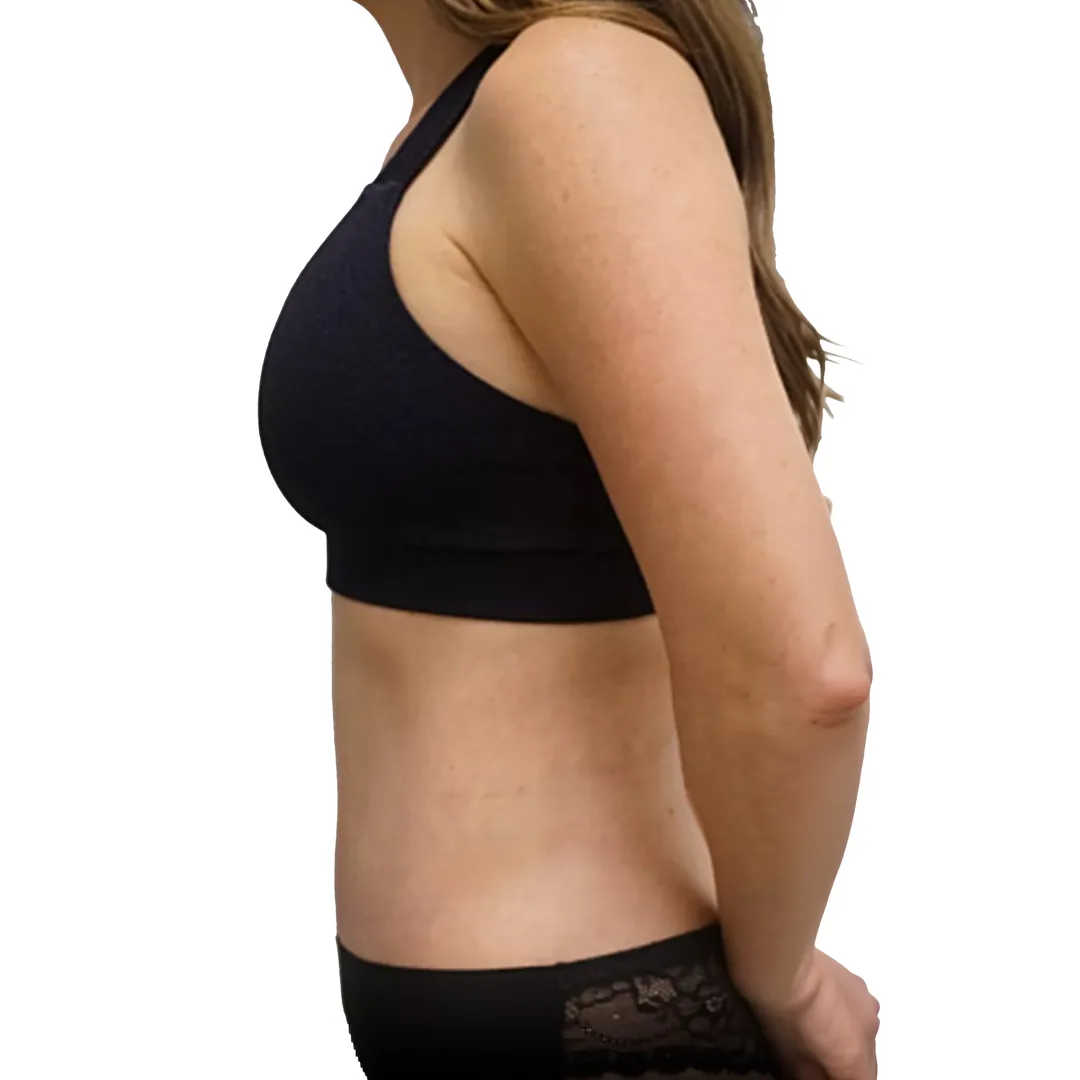
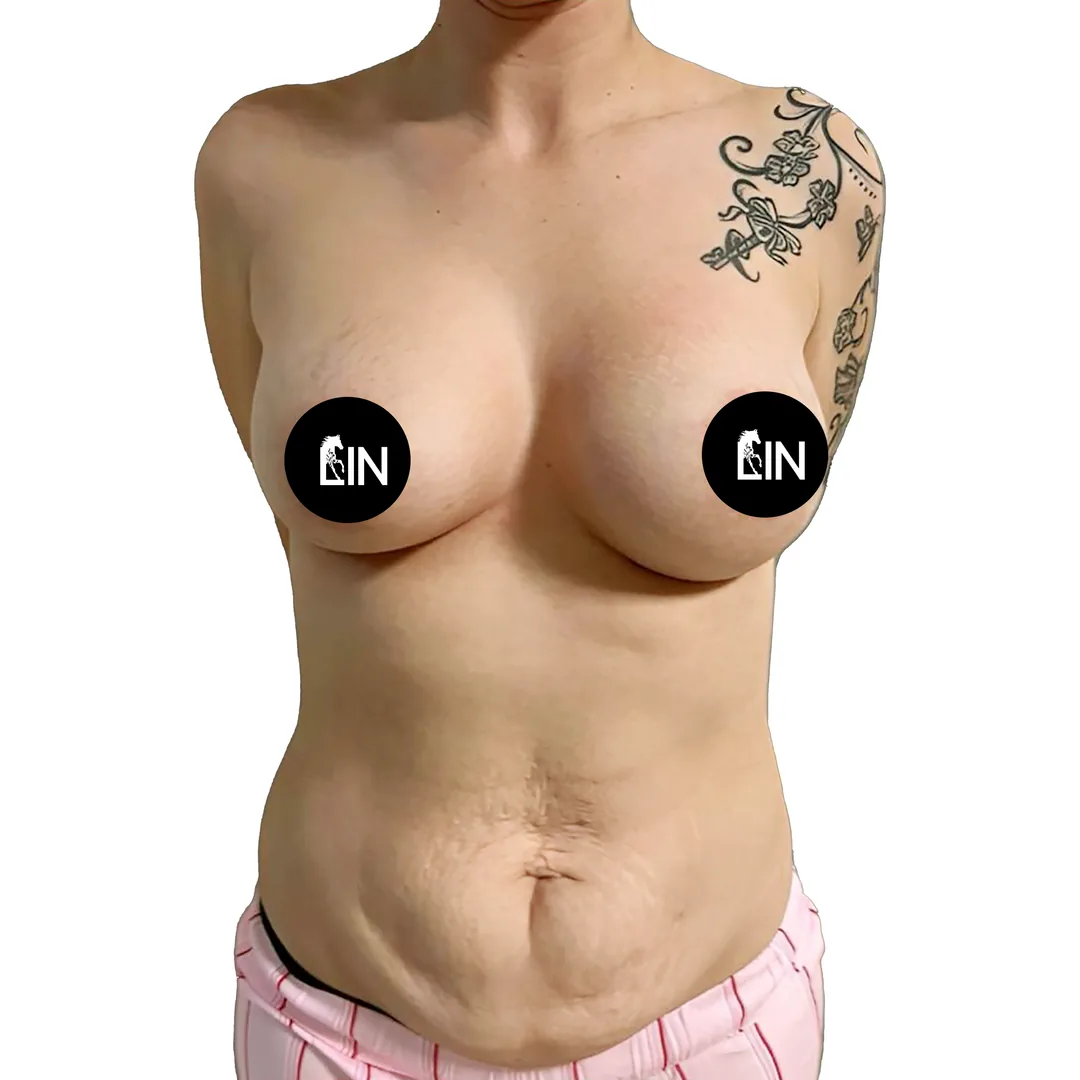
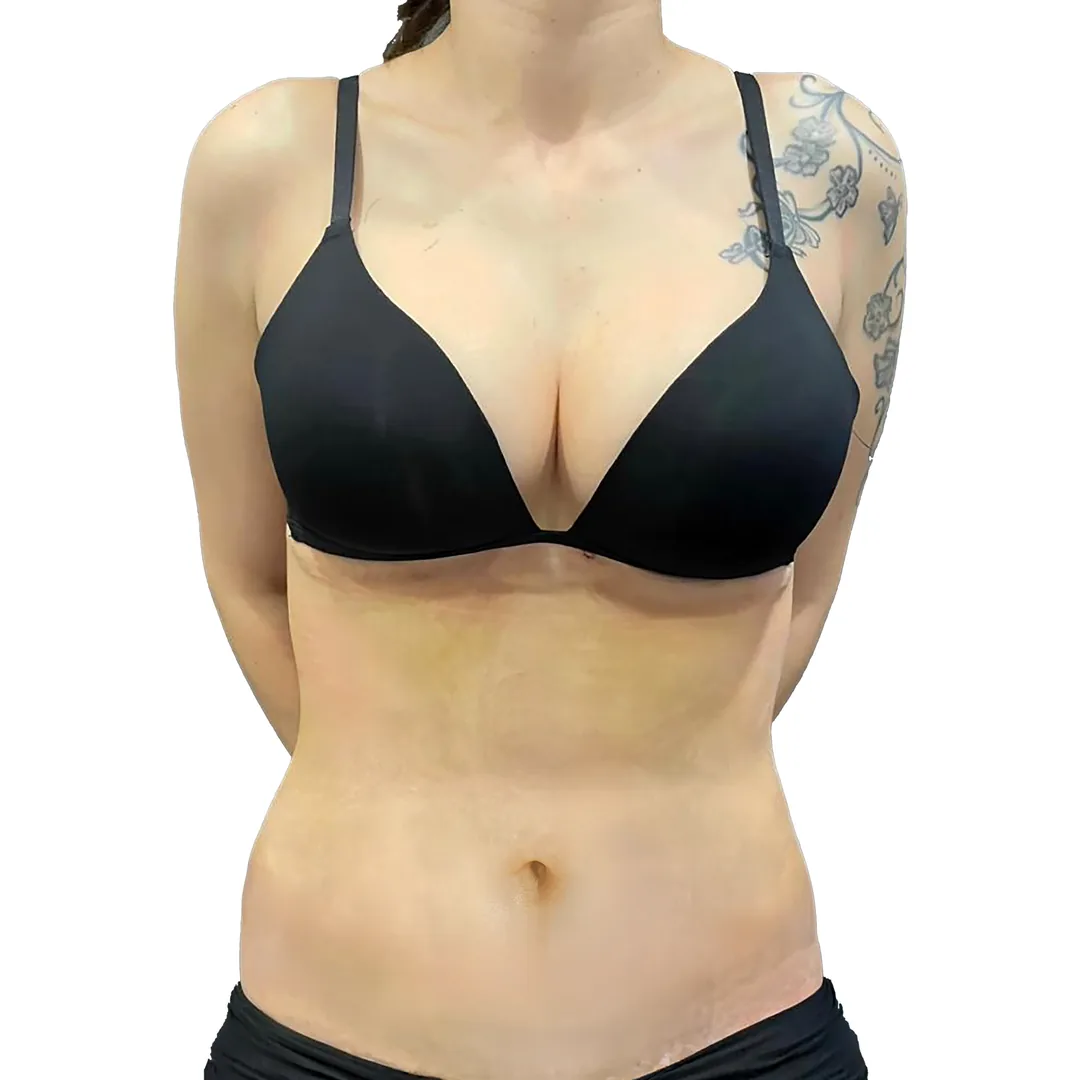
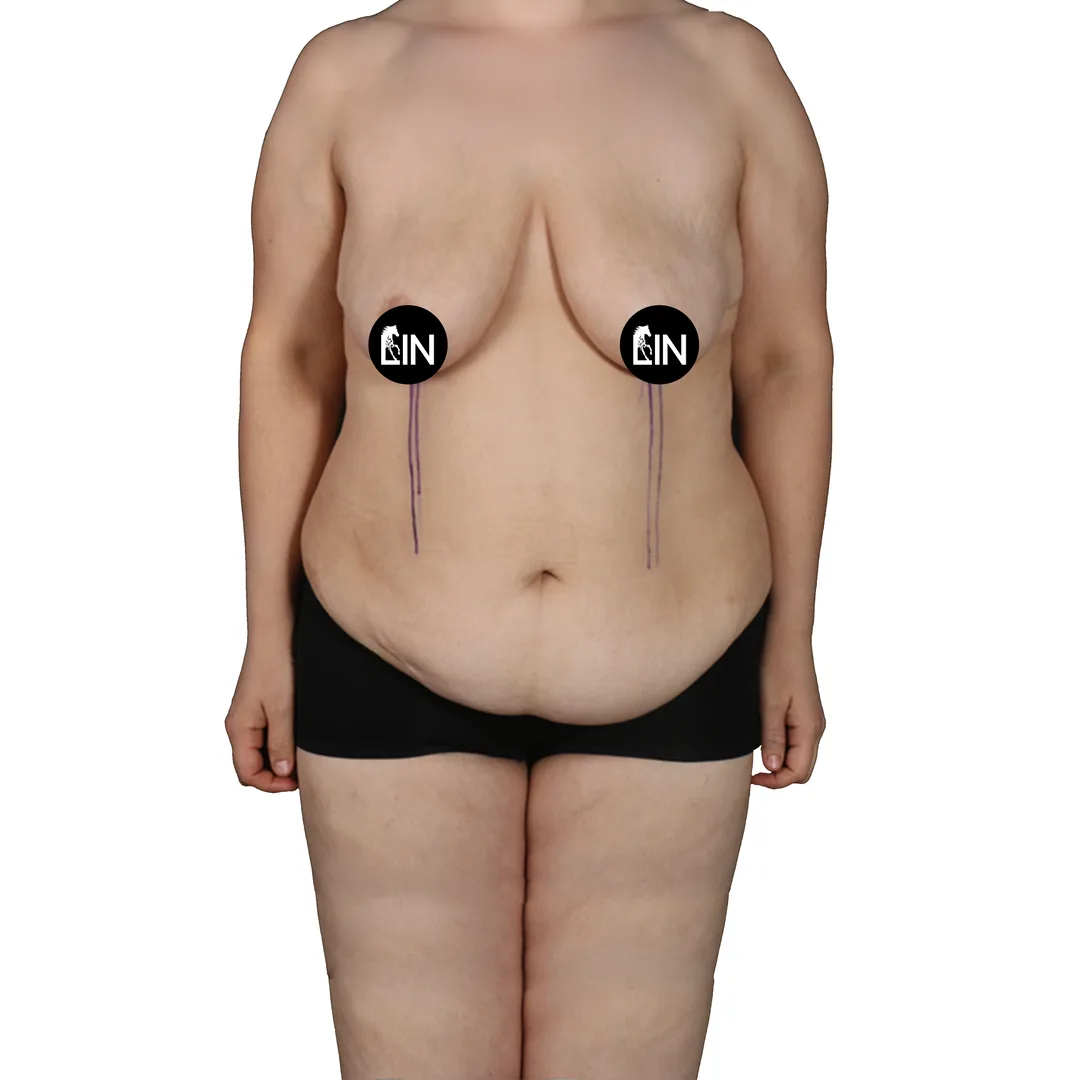
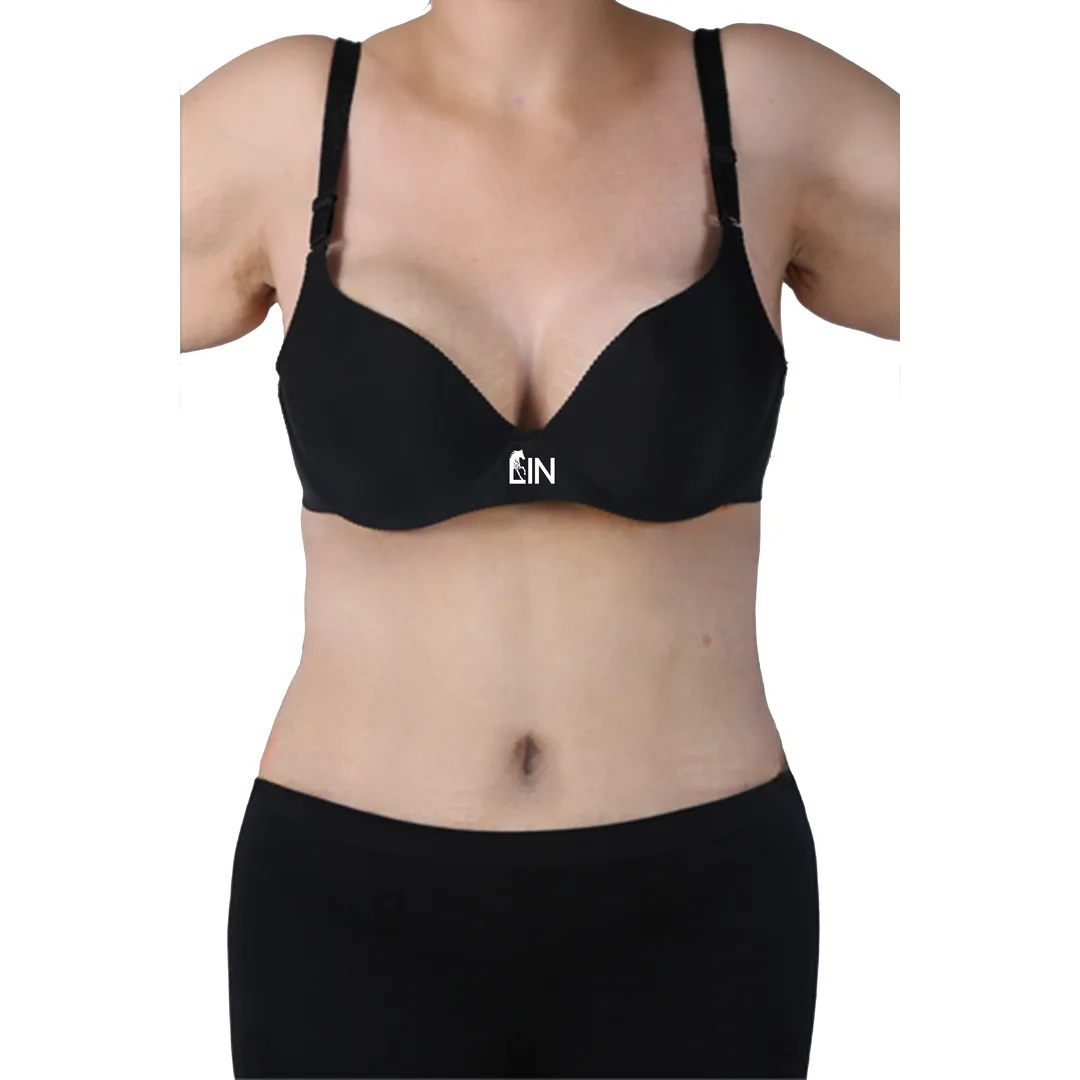
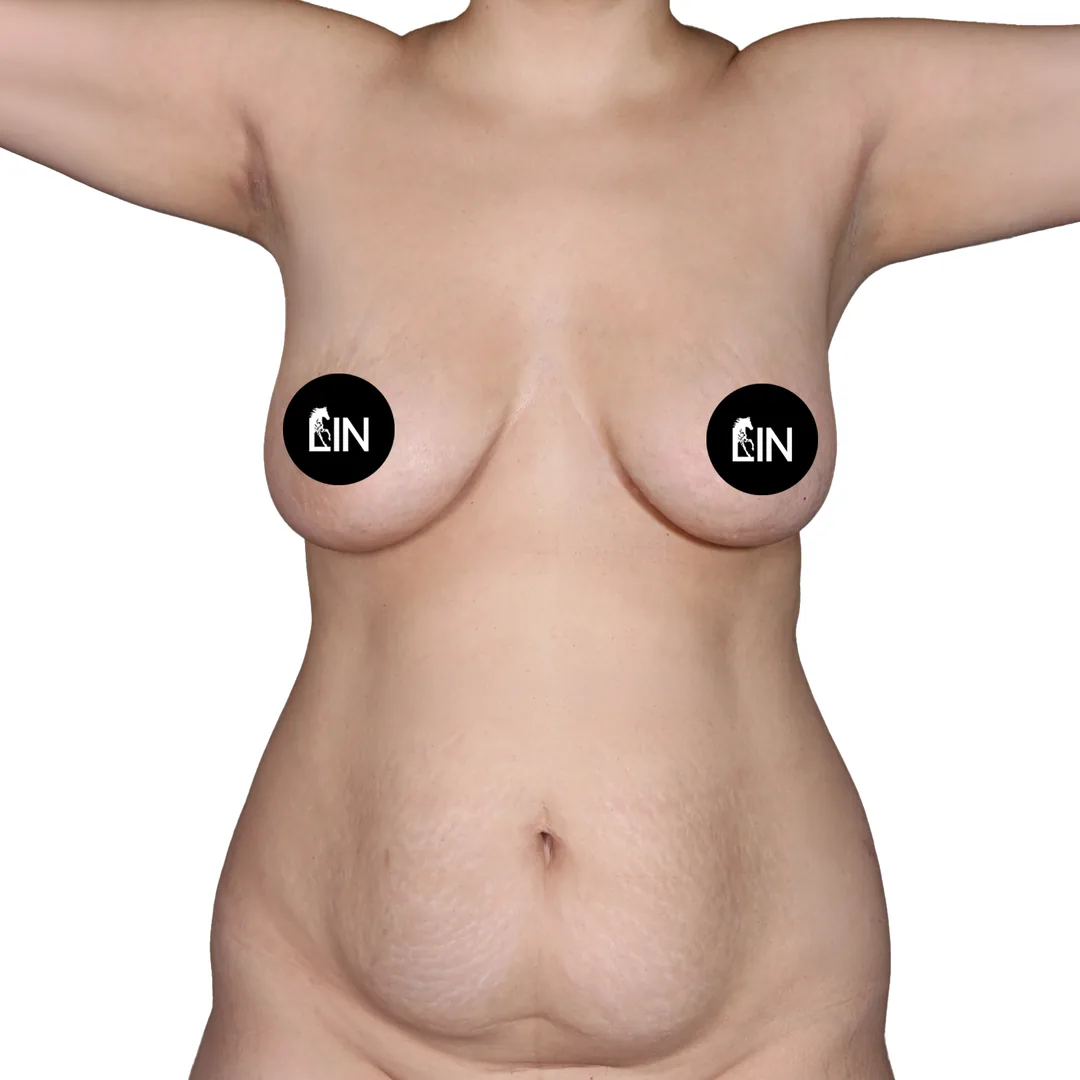
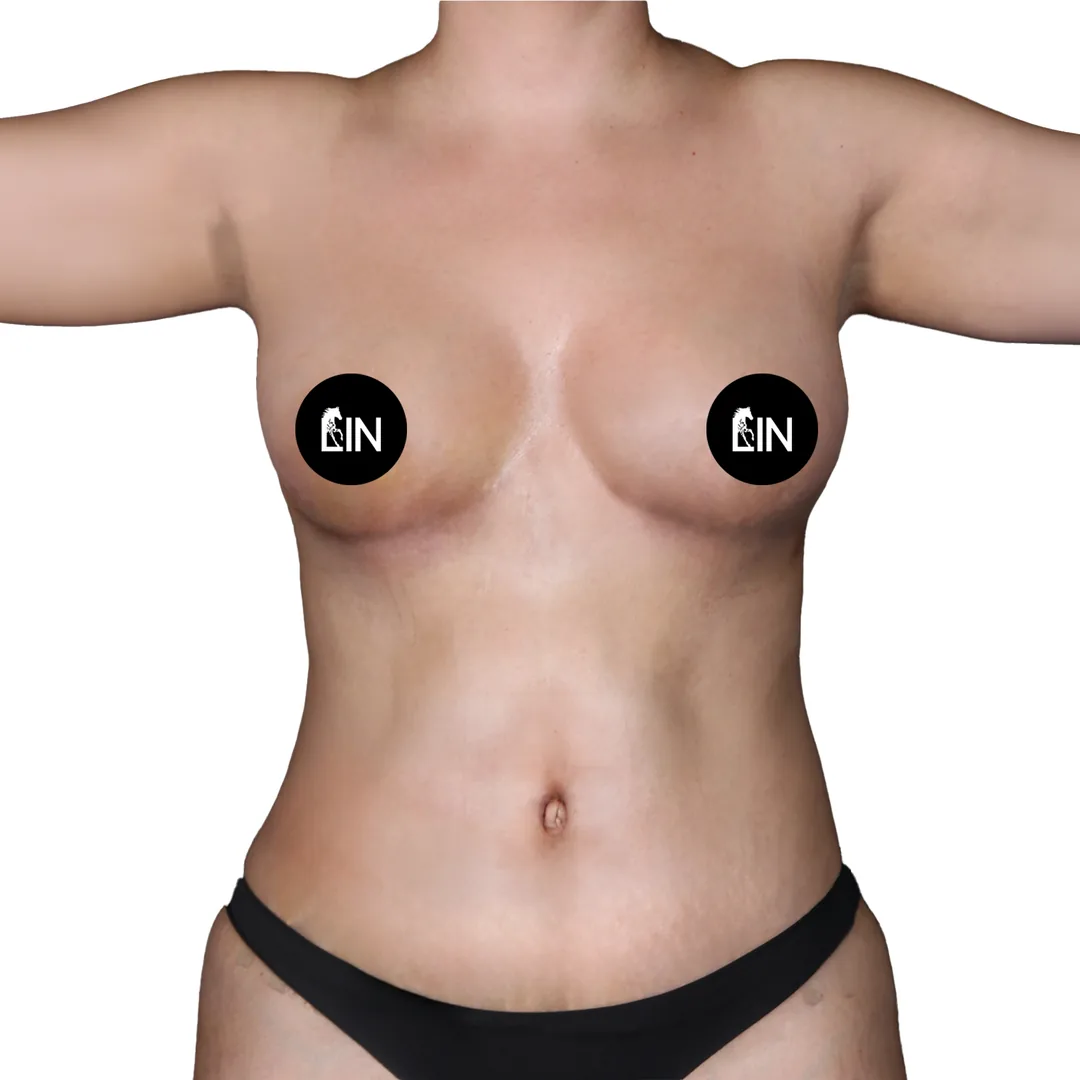
These are body contouring cases performed here, not all of them this operation — some include an uplift, which is a different procedure. Every pair is on the results page with its own description.
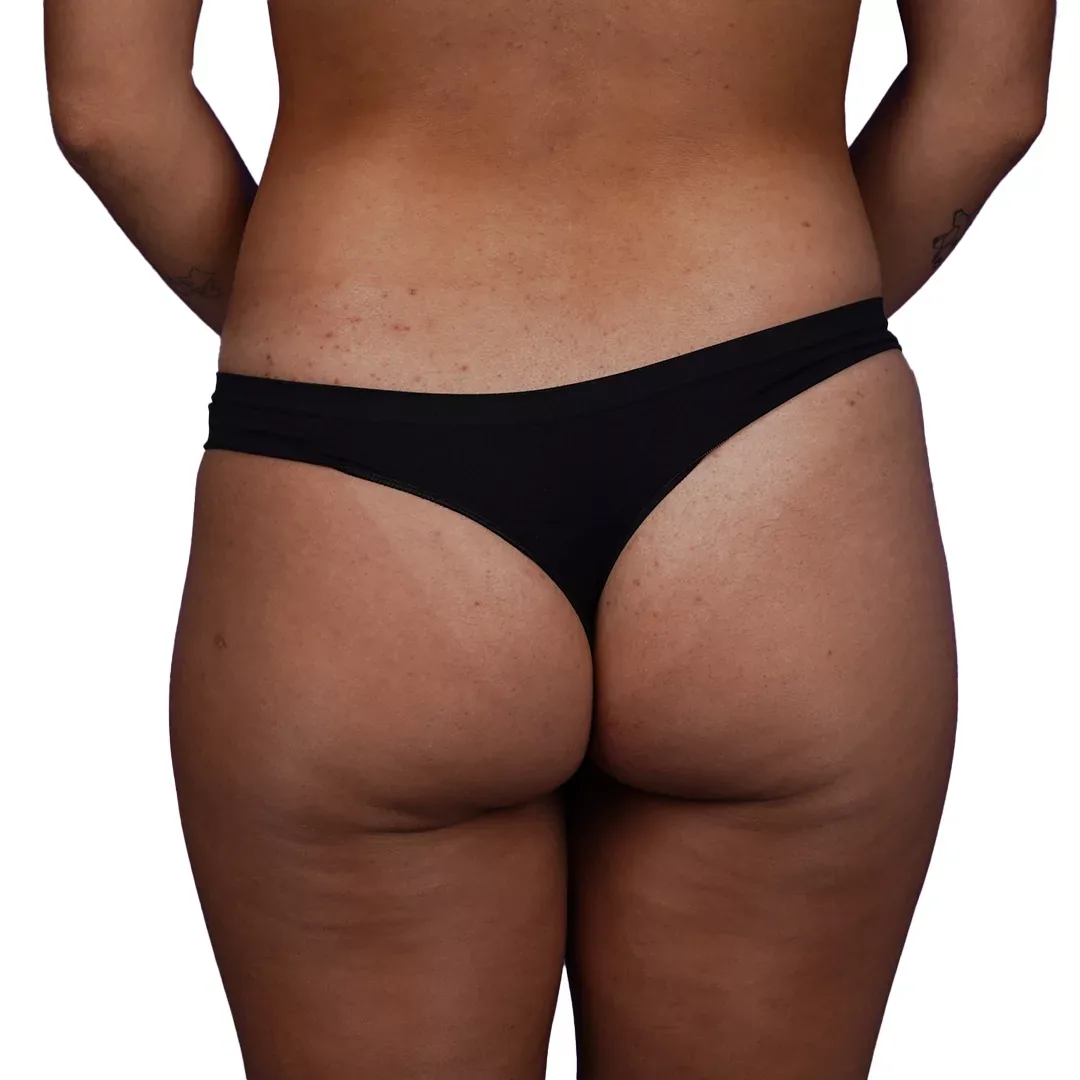
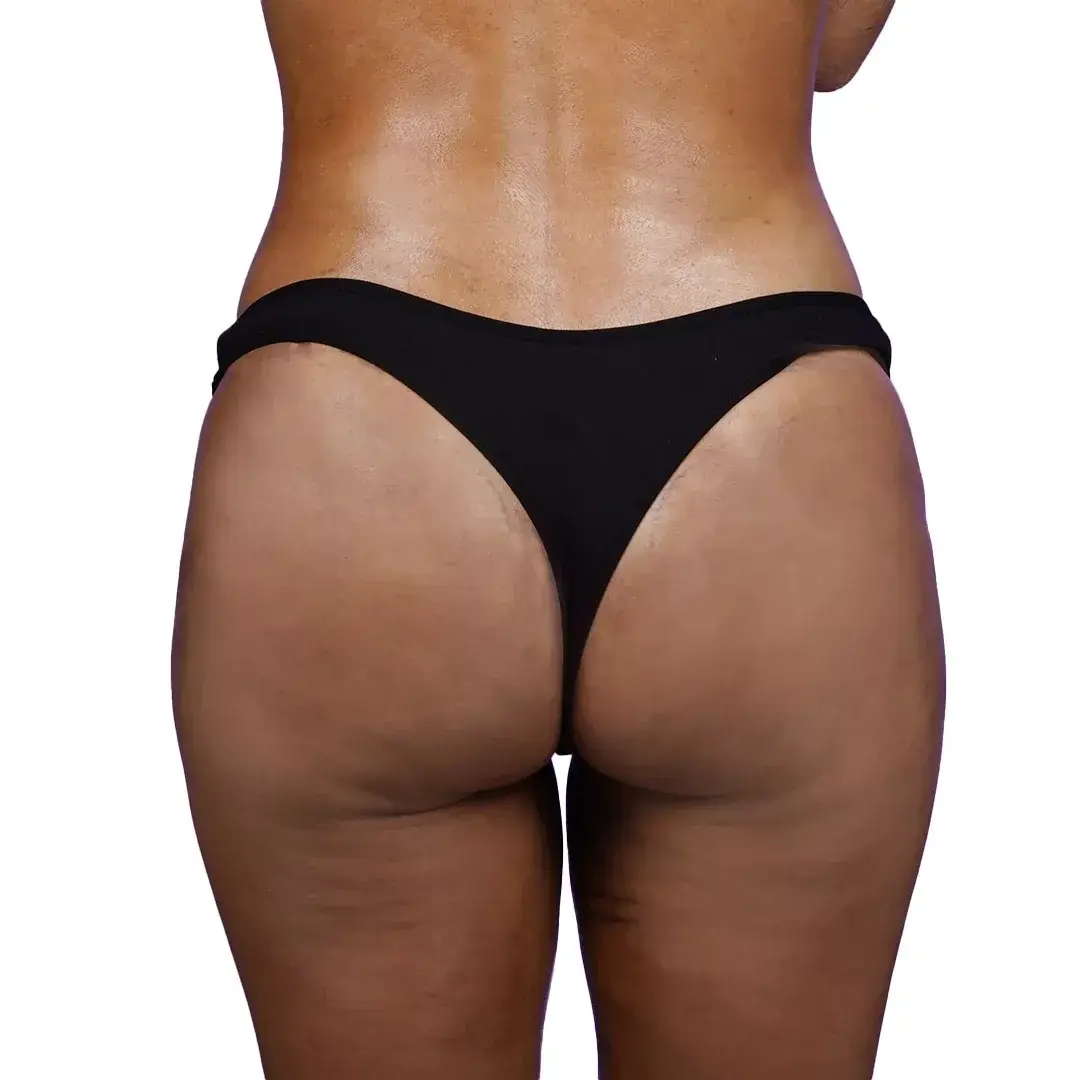
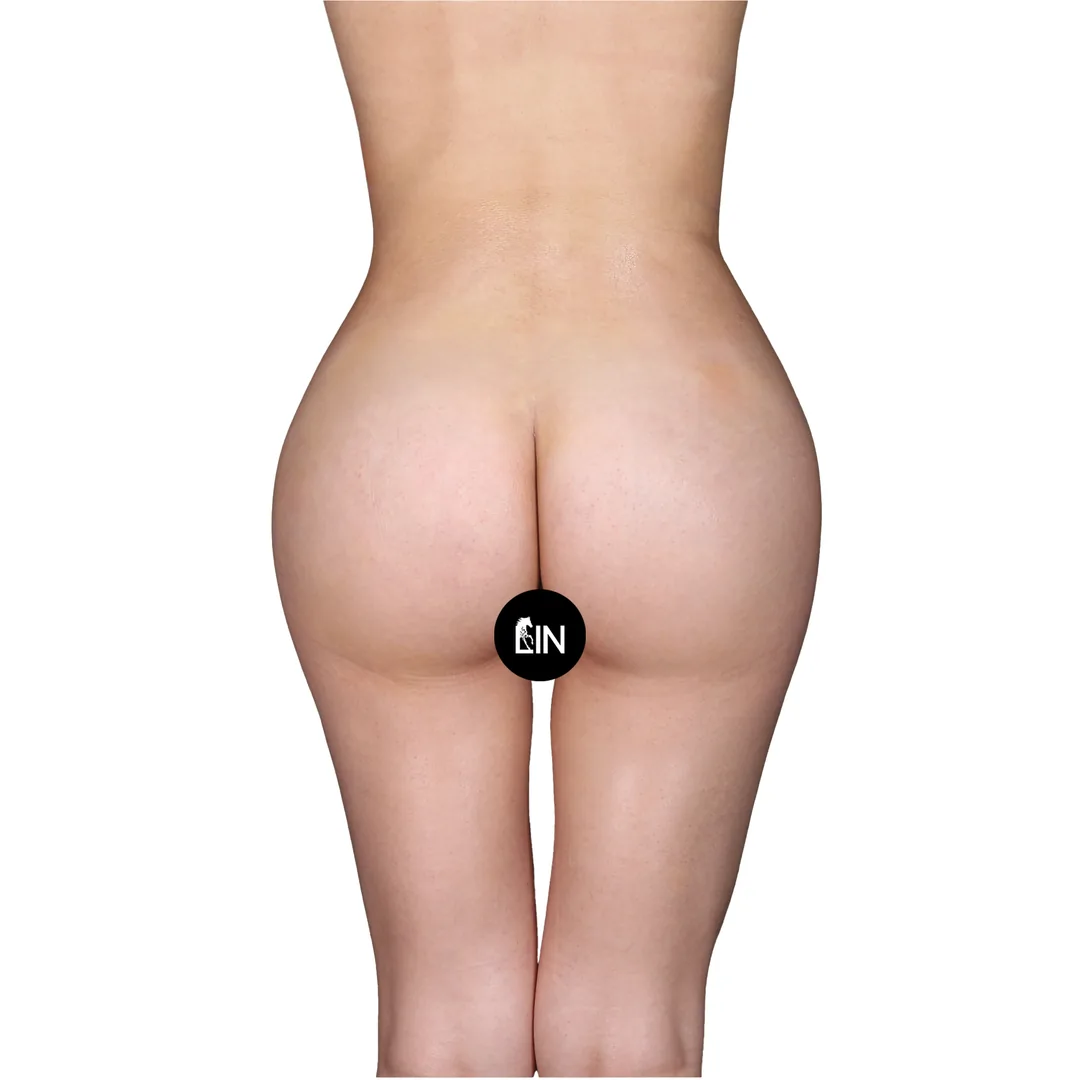
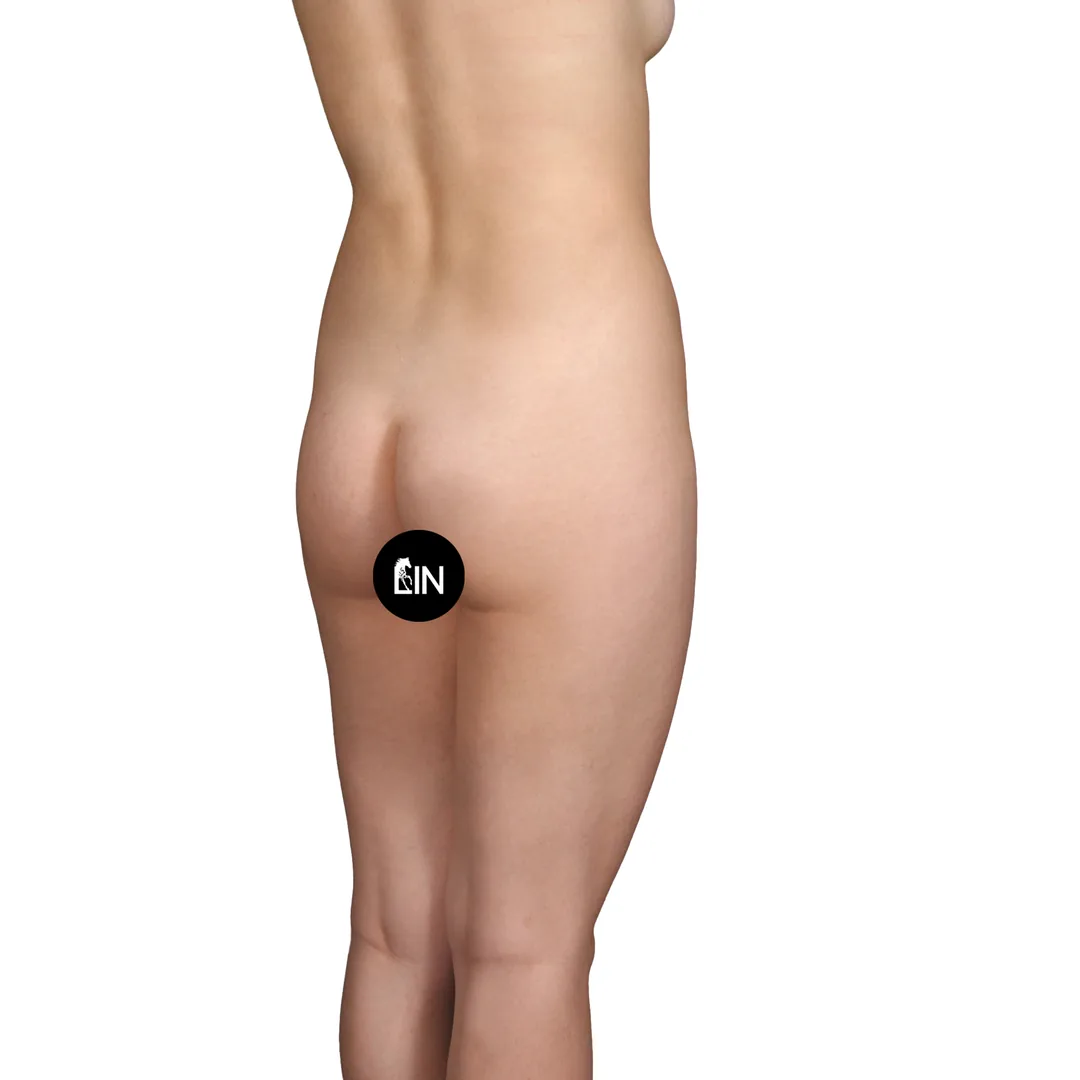
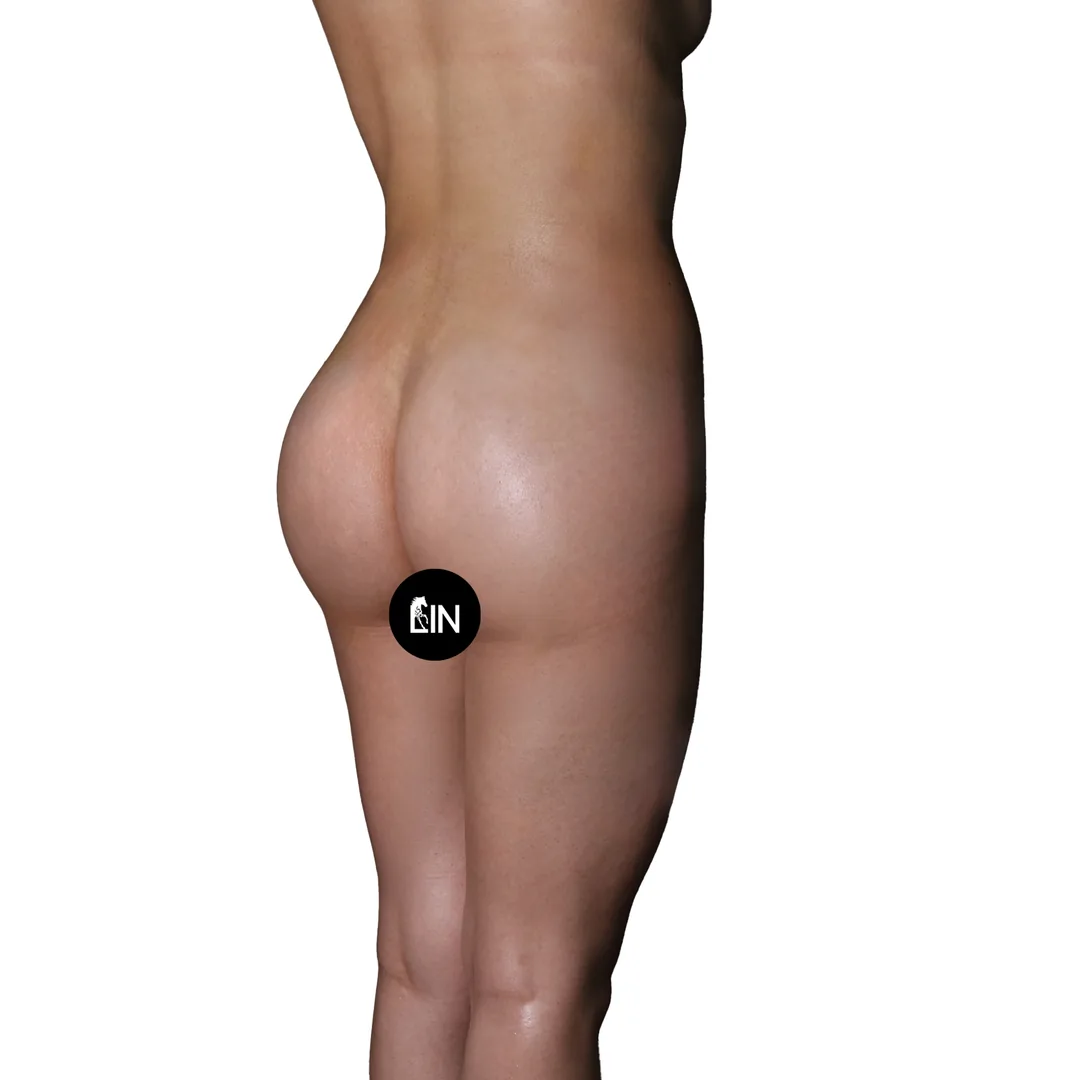
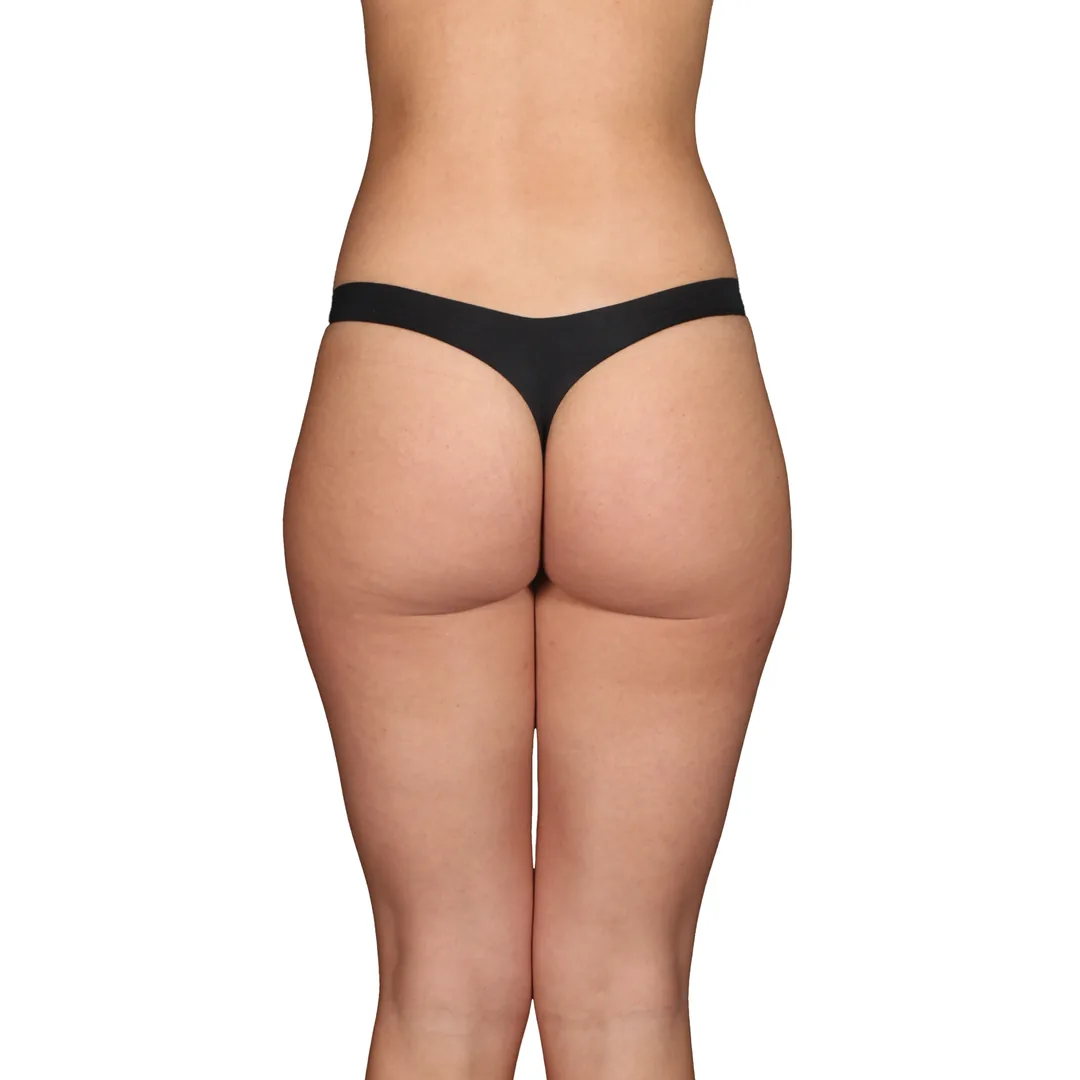

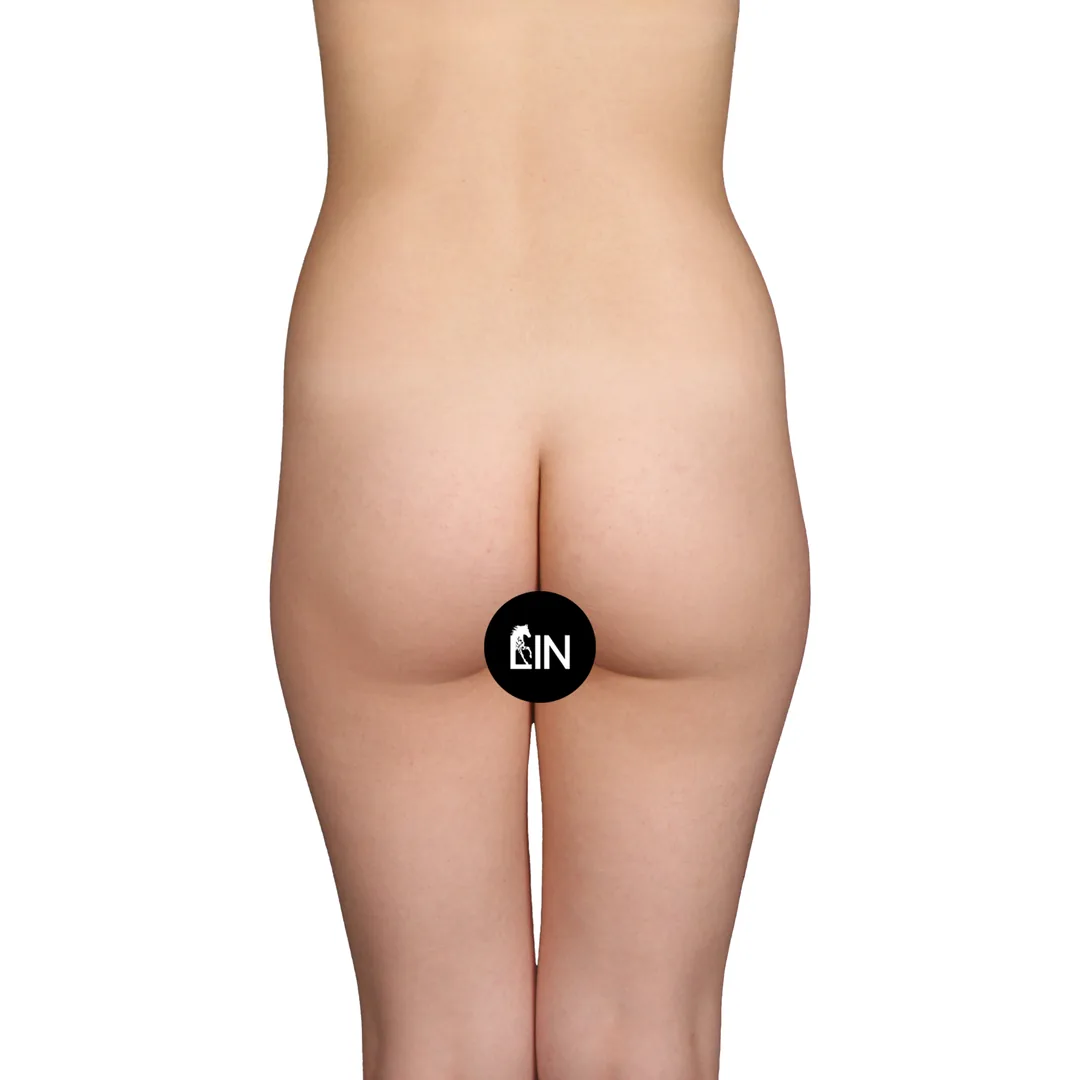
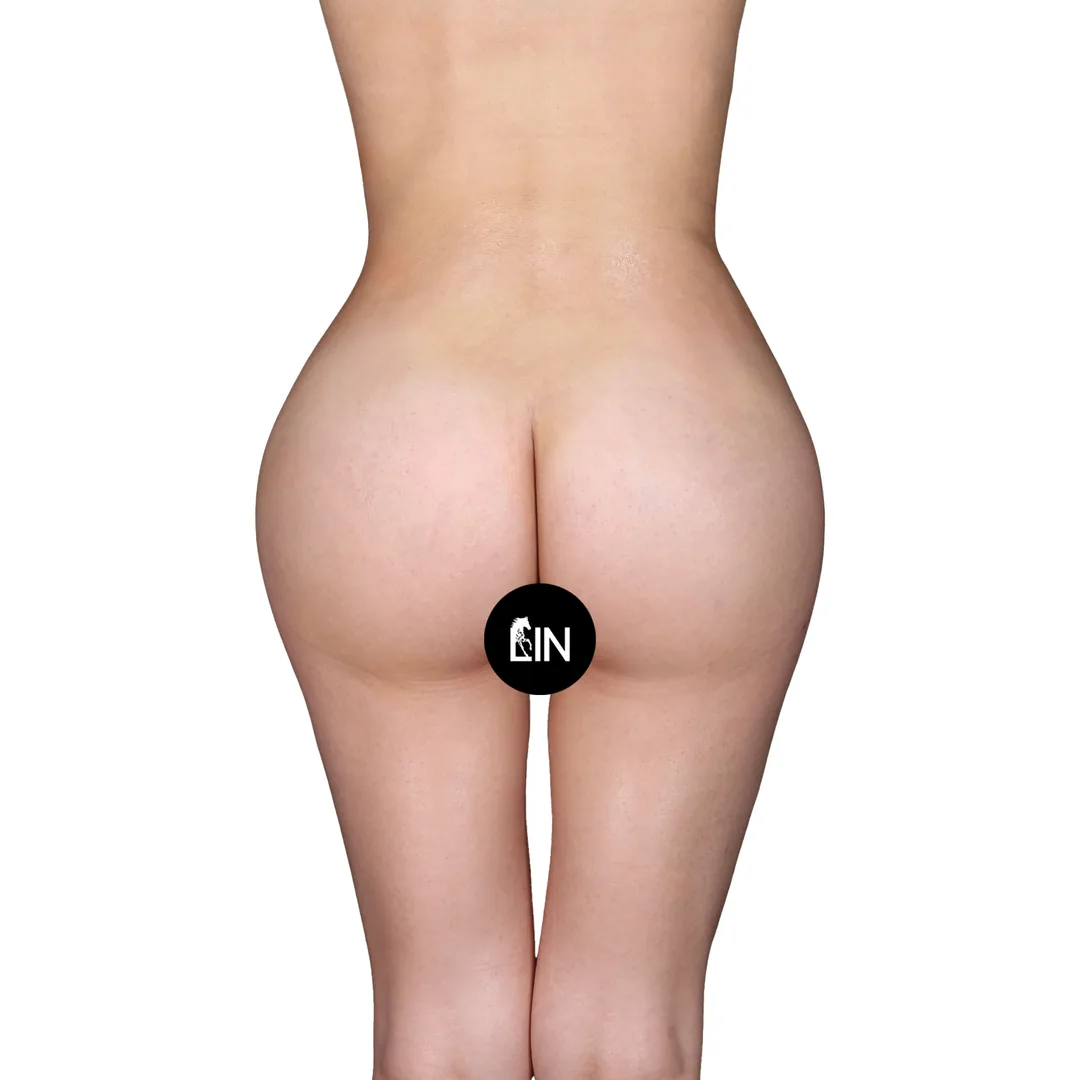
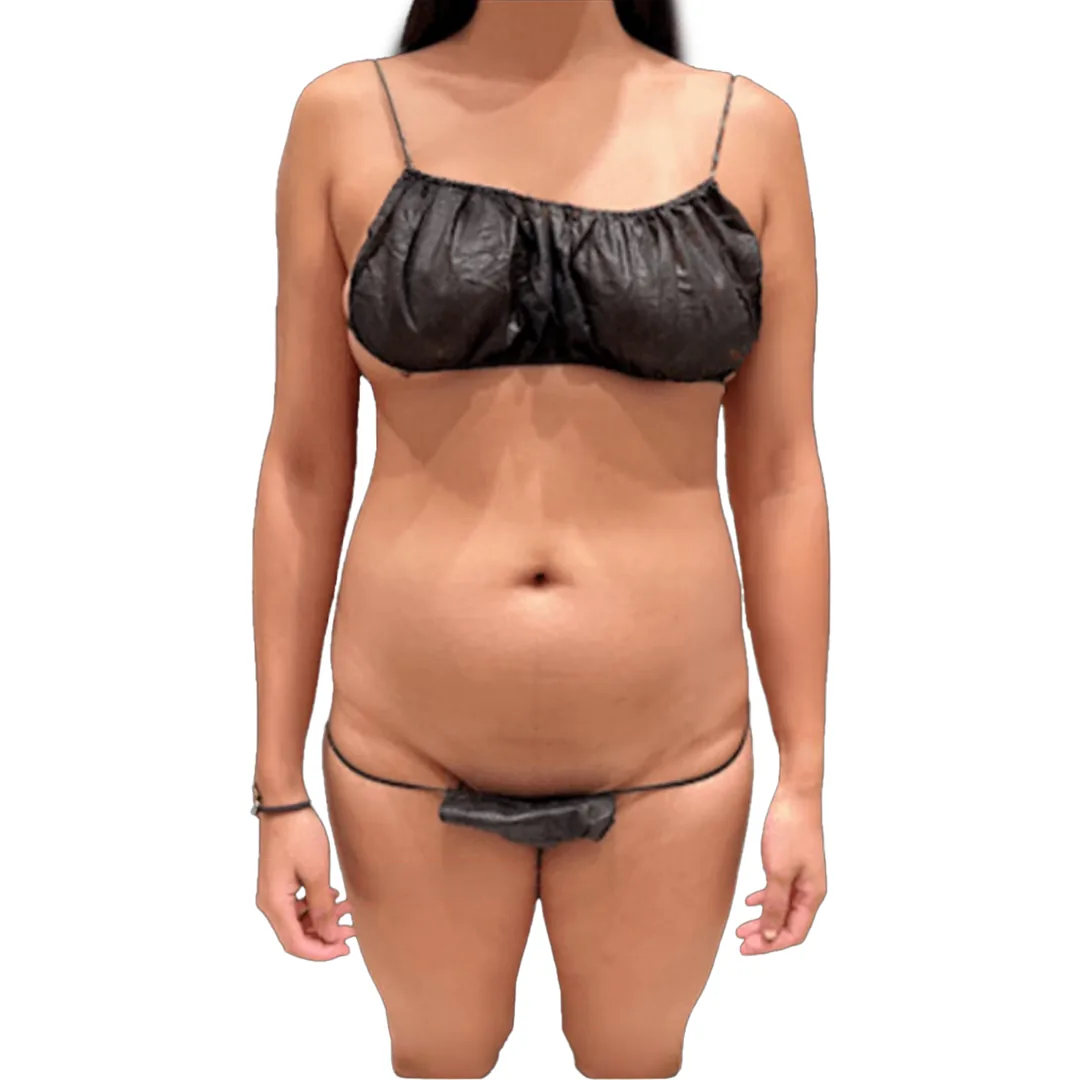
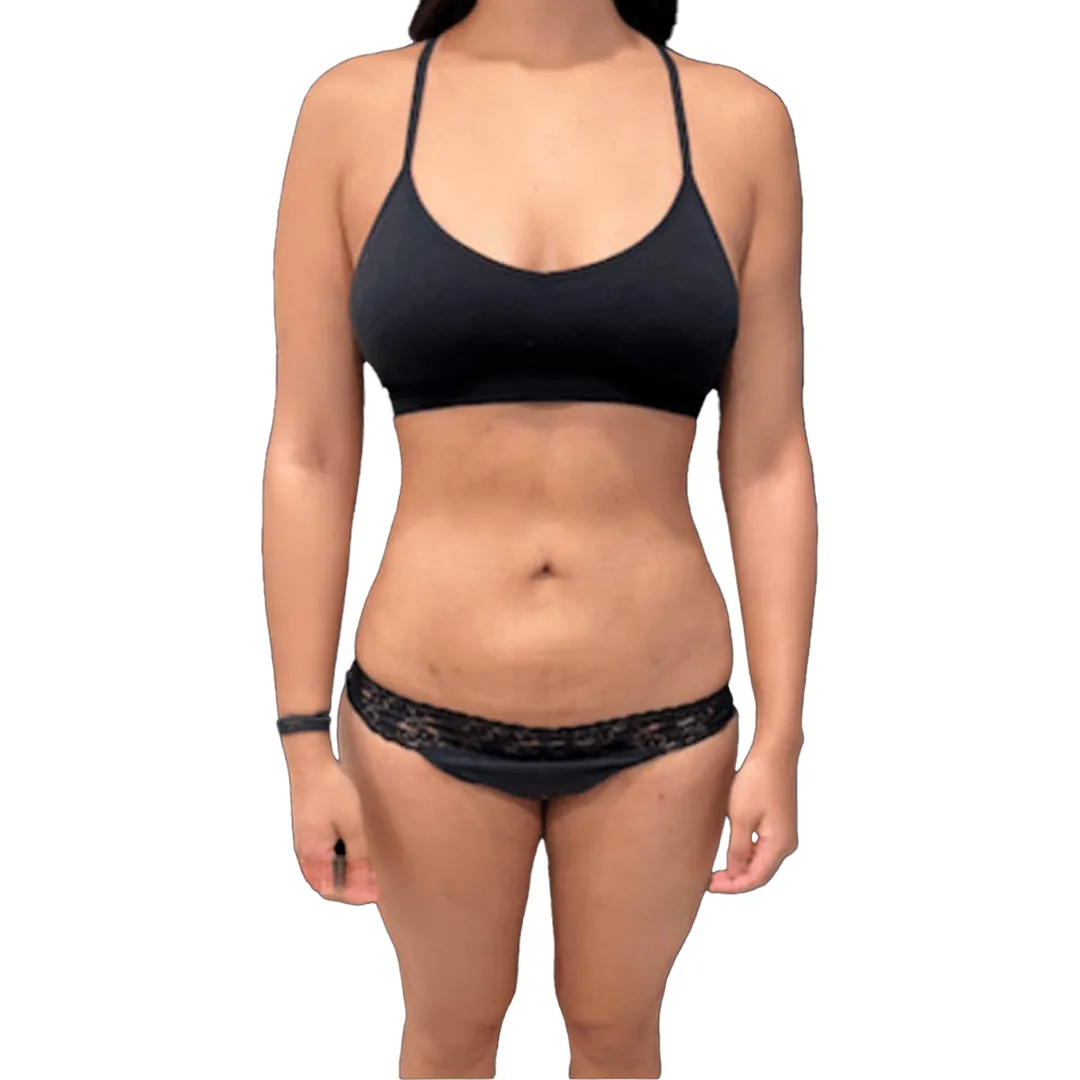
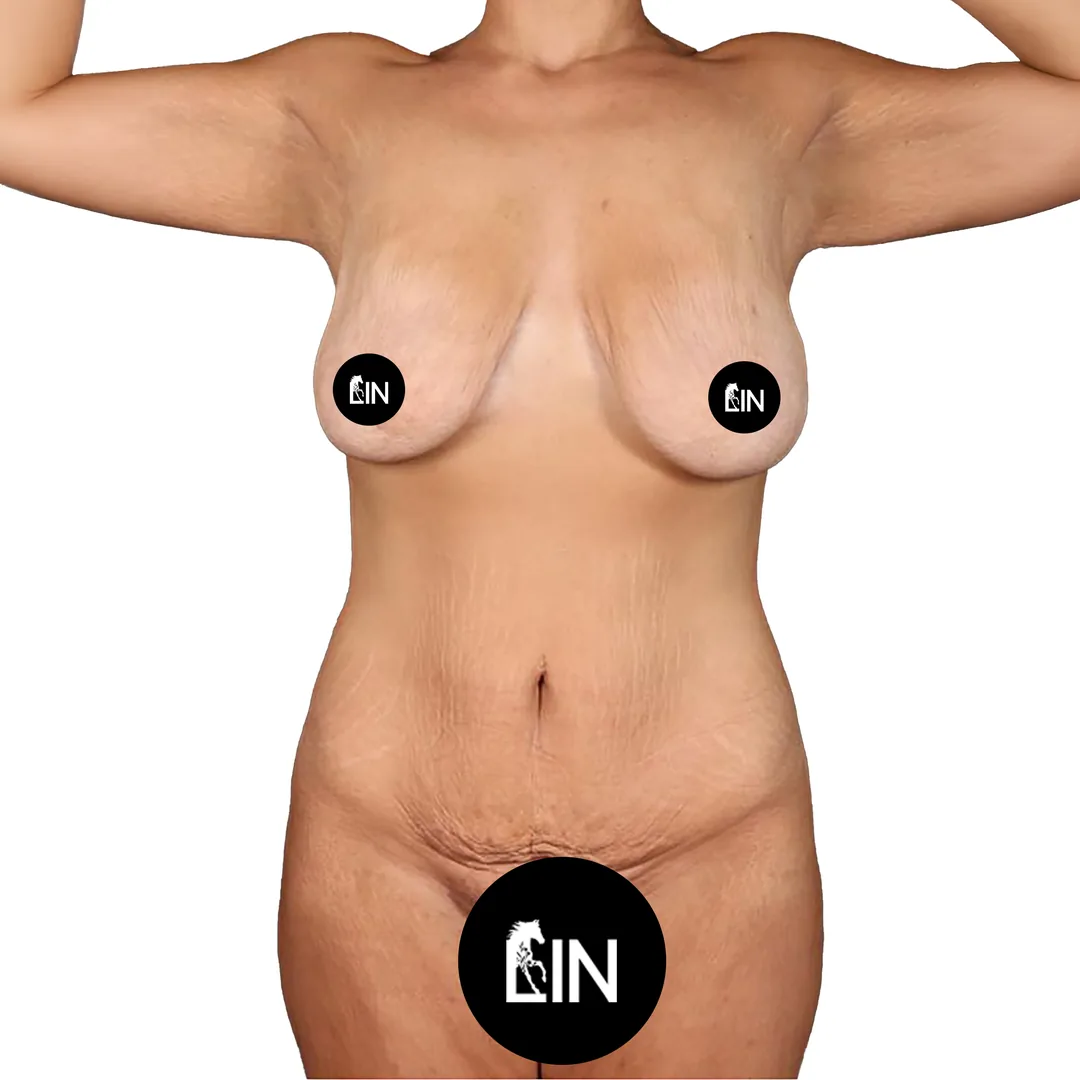
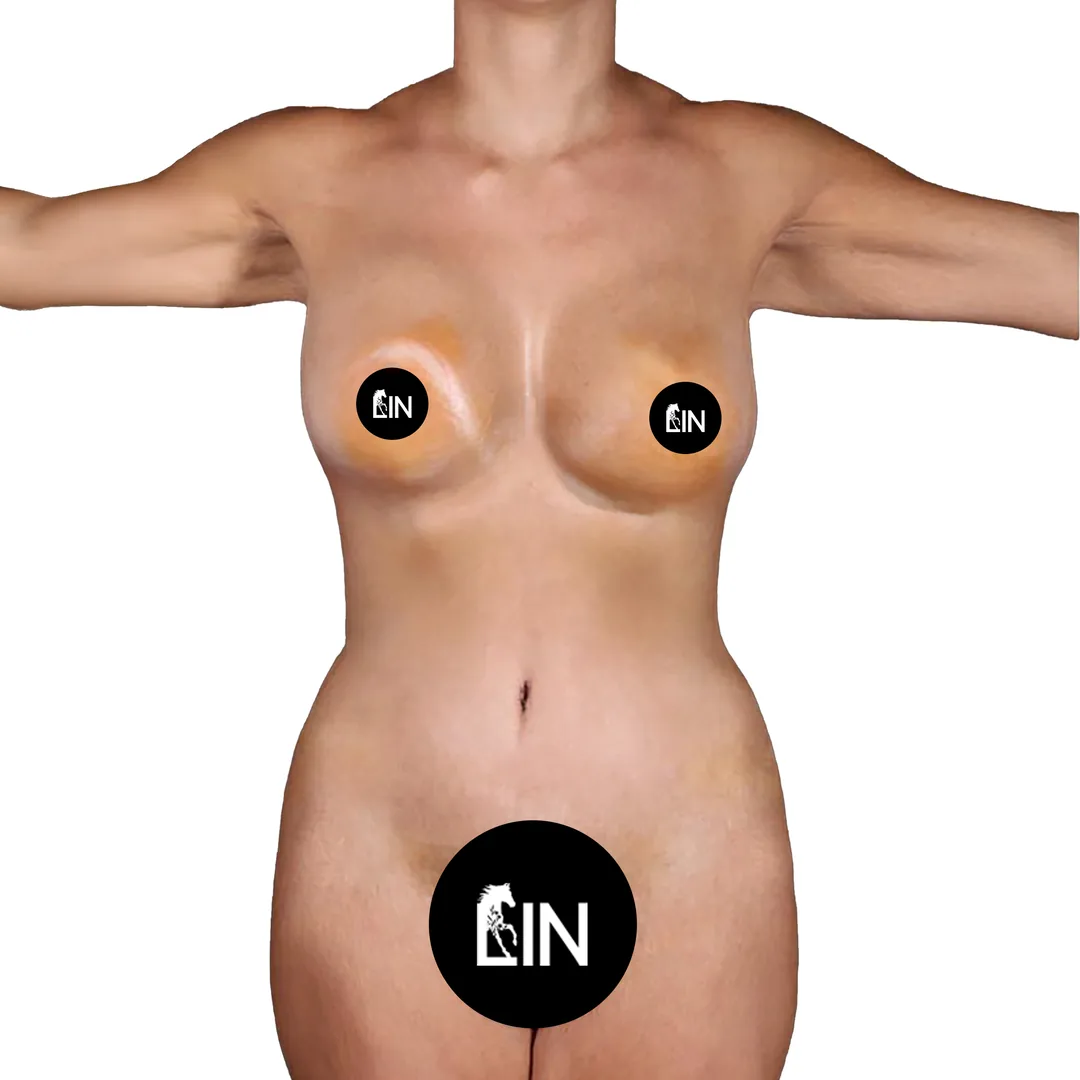
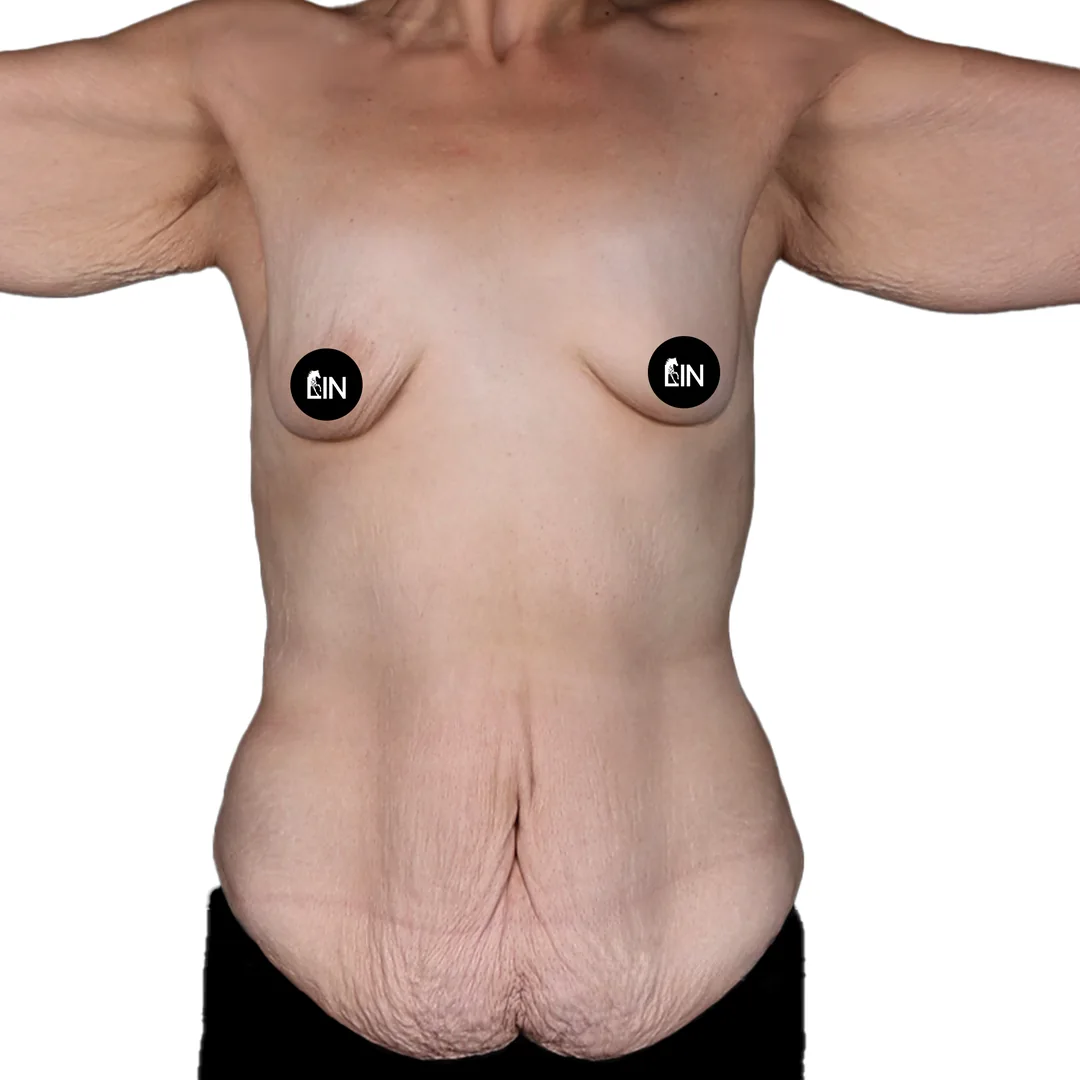
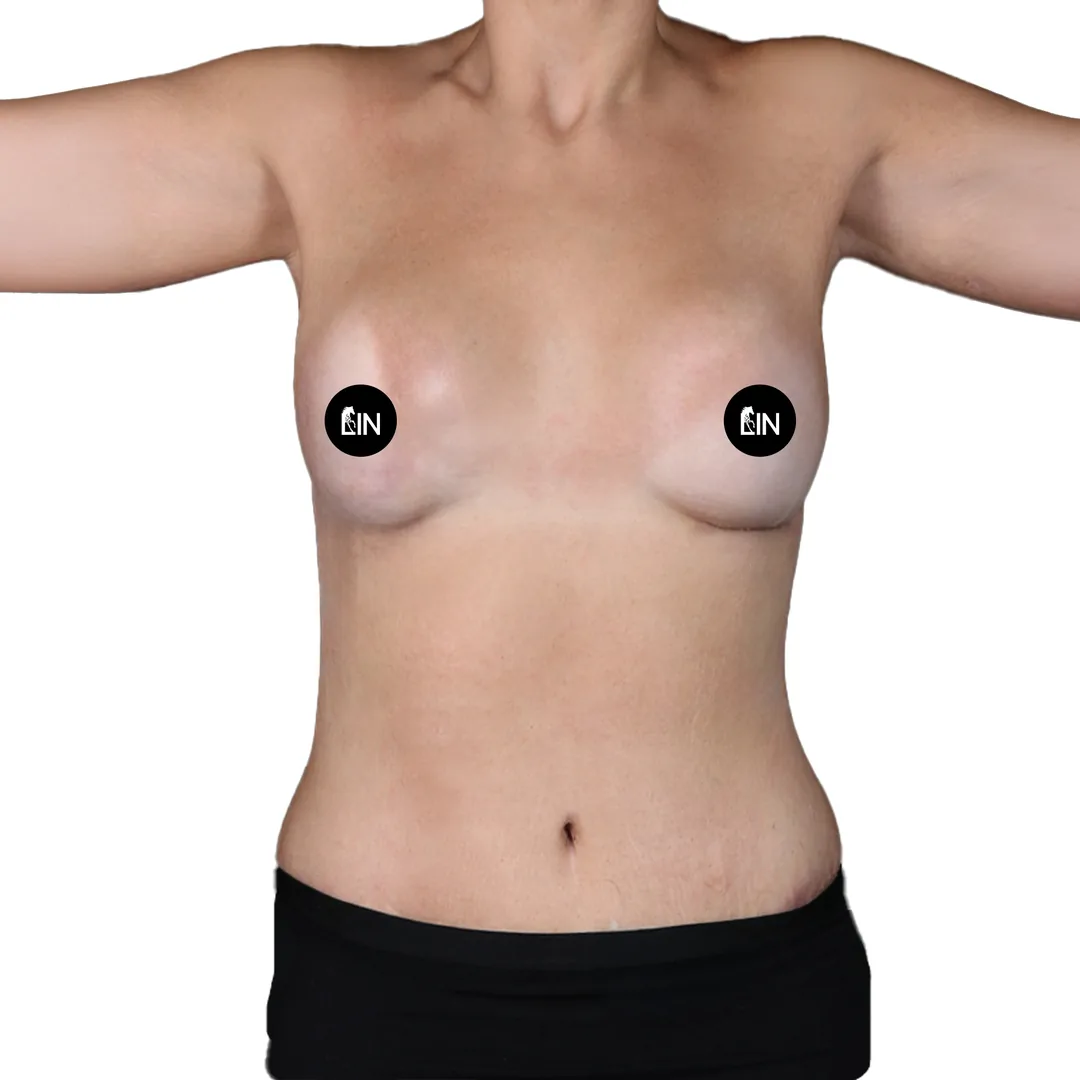
BBL
Front and back. Fat taken from the waist is what fills the shape above it.
Liposuction
Side view of the abdomen and flank after liposuction.
Liposuction
Front view. Liposuction removes fat; it is not a treatment for loose skin.
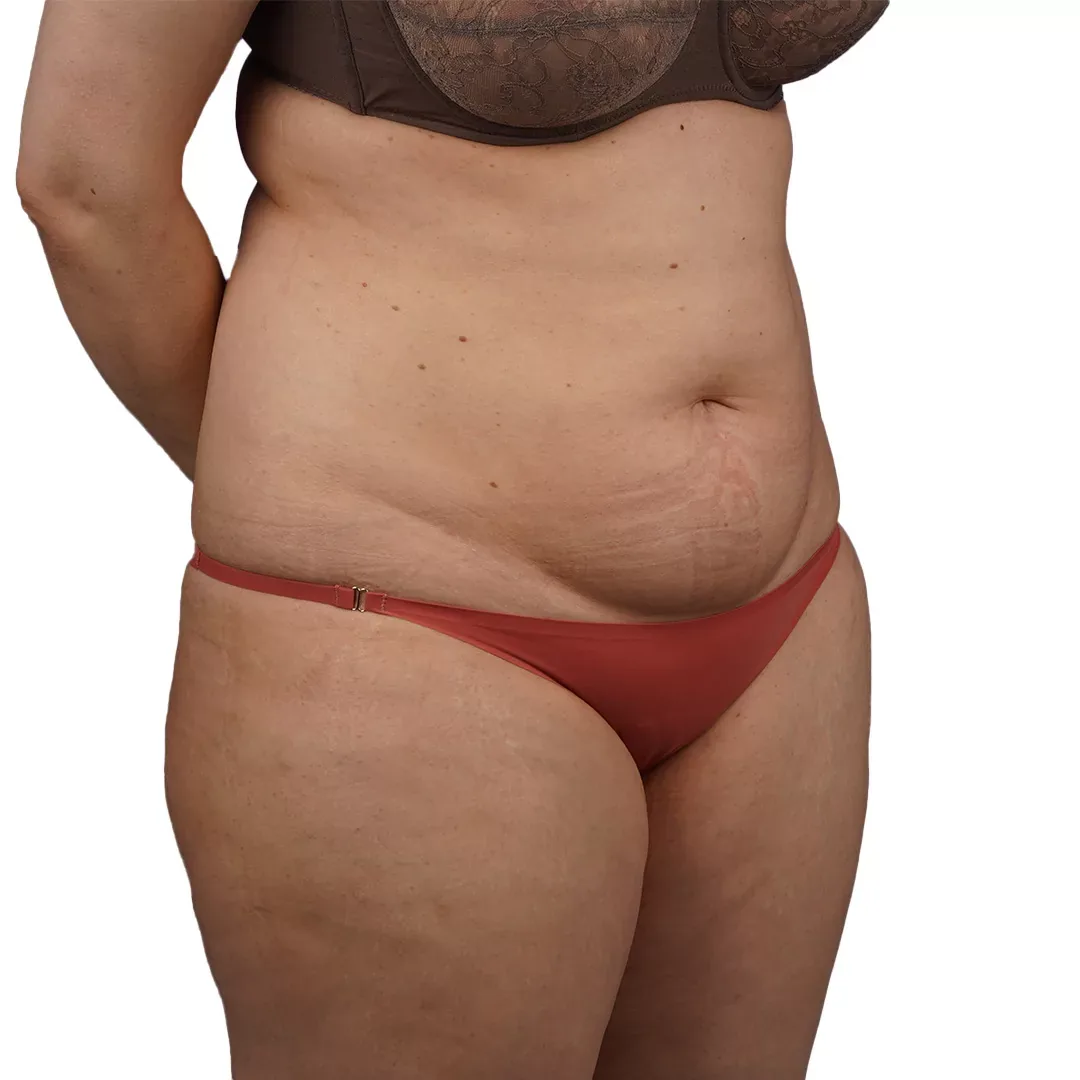
Tummy Tuck
The operation that does address loose skin, seen from the side.
Gynecomastia Surgery
Side view, where the fullness under the nipple is what the operation removes.
BBL · Back
Fat taken from the waist and moved to the hips, so the curve comes from both ends.
BBL · Back
Fat taken from the waist and moved to the hips, so the curve comes from both ends.
BBL · Back
Fat taken from the waist and moved to the hips, so the curve comes from both ends.
BBL · Back
Fat taken from the waist and moved to the hips, so the curve comes from both ends.
Liposuction · Front
Fat removed where diet and exercise had stopped making a difference.
Liposuction · Front
Fat removed where diet and exercise had stopped making a difference.
Liposuction · Side
Fat removed where diet and exercise had stopped making a difference.
Liposuction · Front
Fat removed where diet and exercise had stopped making a difference.
Mommy Makeover · Front
The abdomen and the breast treated in one plan, after pregnancy changed both.
Mommy Makeover · Front
The abdomen and the breast treated in one plan, after pregnancy changed both.
Mommy Makeover · Front
The abdomen and the breast treated in one plan, after pregnancy changed both.
Mommy Makeover · Front
The abdomen and the breast treated in one plan, after pregnancy changed both.
Beyond limiting food quantity, the procedure changes how the body absorbs nutrients. The new stomach processes food differently, which requires careful attention to nutrition for the rest of one's life. Vitamin and mineral supplementation becomes a non-negotiable part of daily routine to prevent deficiencies. This is not simply a matter of eating smaller portions of the same diet; it is a fundamental alteration of the digestive system that the surgical team will plan and support from the beginning.
No price list. Every plan is quoted for one person and one anatomy, so a figure only means something once someone has looked at yours — you get one in writing before you commit to anything.
This article is general information, not medical advice, and does not replace a consultation. Every procedure carries risk and outcomes vary from person to person.
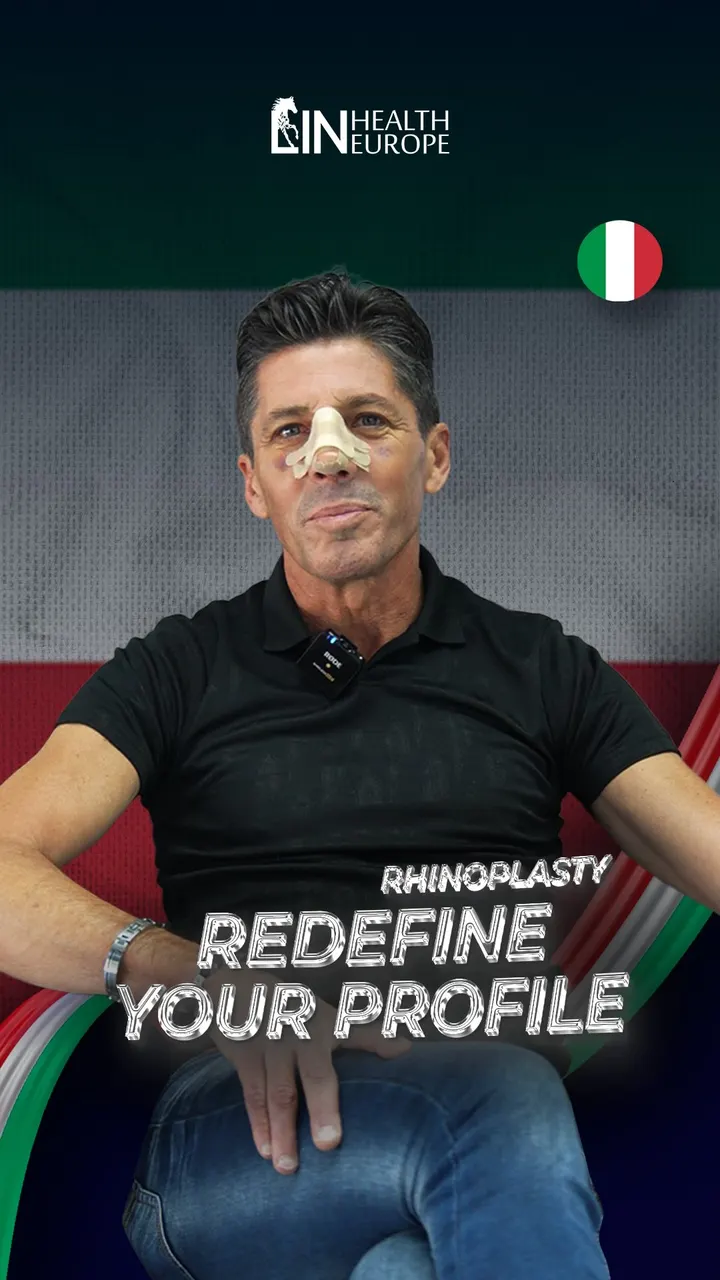
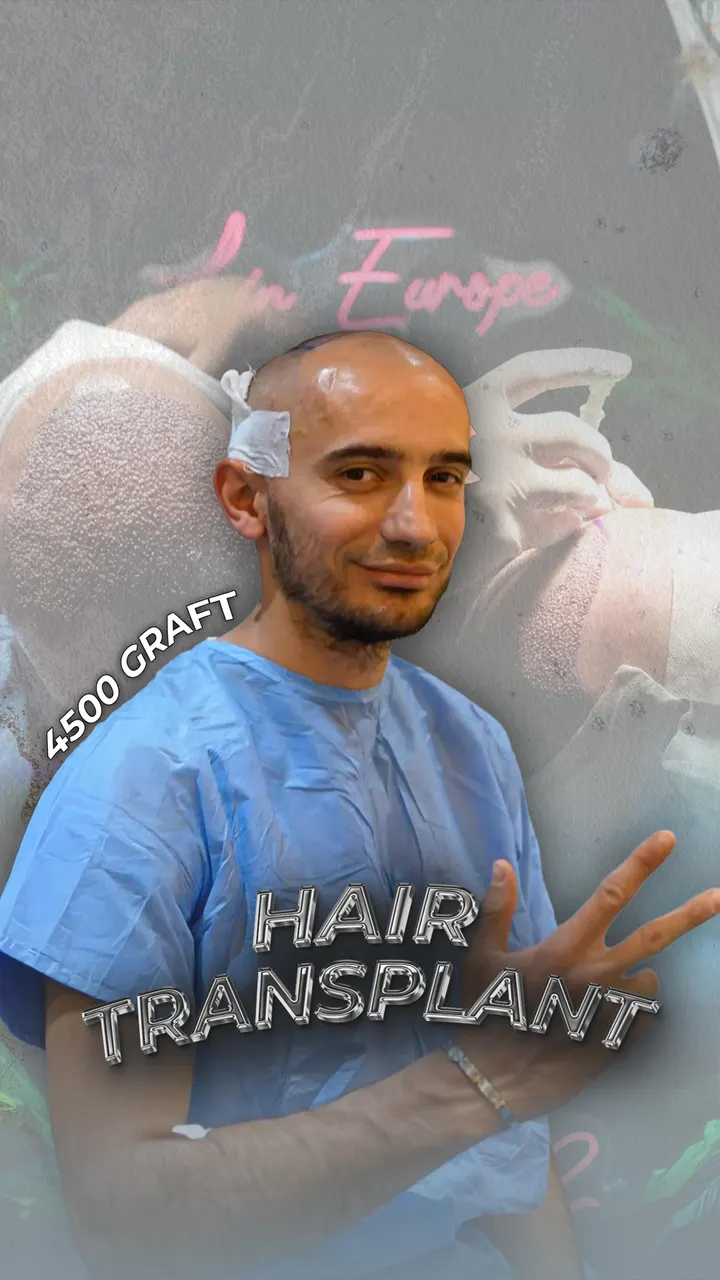
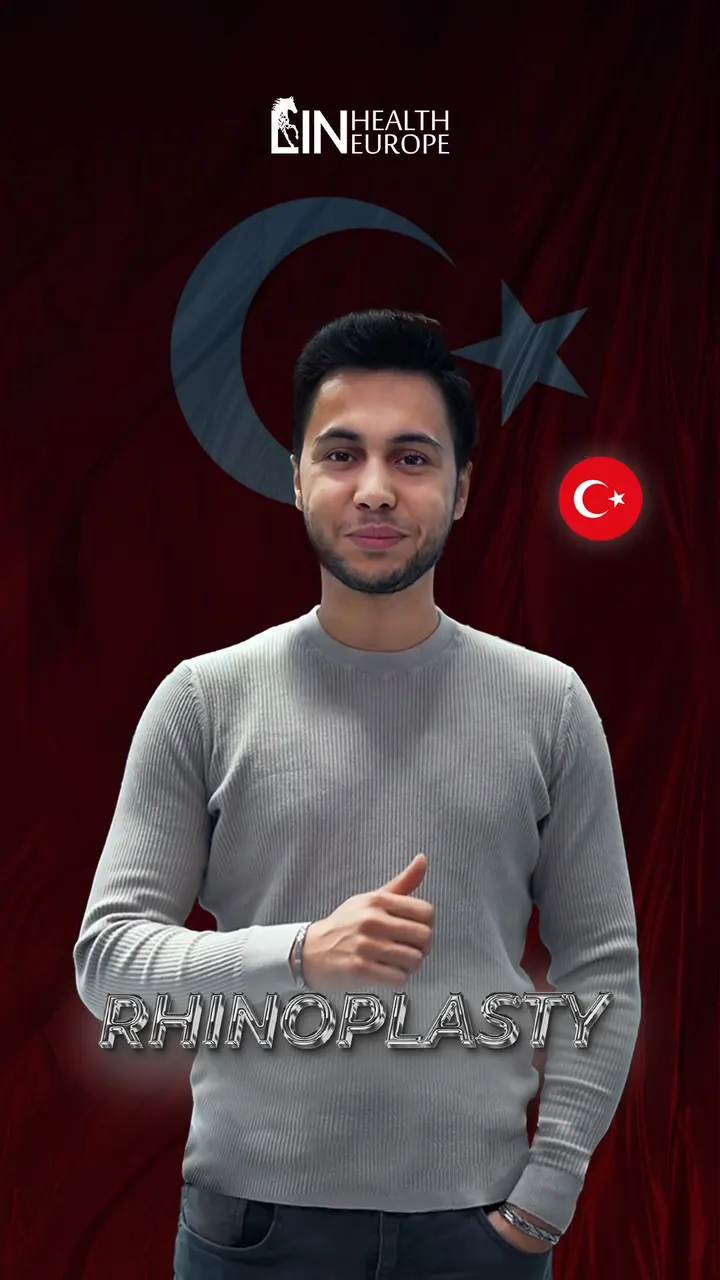
Filmed and published with our guests’ consent. Each speaks only for their own treatment — every face heals differently, and these are individual outcomes, not a promise of yours.
Answered as far as they can be answered in writing. Anything that depends on your own anatomy is answered by a surgeon looking at it.
Gastric sleeve surgery involves removing the outer portion of the stomach, creating a smaller, tube-shaped stomach. This primarily restricts food volume. Gastric bypass creates a small pouch at the top of the stomach and connects it directly to the small intestine, bypassing the rest of the stomach. This affects both food volume and nutrient absorption. The two procedures alter the digestive system in fundamentally different ways. The appropriate choice depends on an individual's specific health profile, which is assessed during the consultation.
During a gastric sleeve, a significant portion of the stomach is surgically removed from the body. That tissue does not grow back. The remaining stomach, or sleeve, is a smaller functional organ. It is living tissue and can stretch over time if large volumes of food are consumed consistently. The procedure also removes the main area that produces the hunger hormone ghrelin, which affects appetite signals. The effectiveness of the surgery is maintained by adhering to new eating habits.
The procedure is performed laparoscopically, which uses several small incisions in the upper abdomen rather than one large one. A thin tube with a camera and specialised instruments are inserted through these points. The exact number and placement of the incisions are determined by the surgeon based on the individual's anatomy and the specifics of the operation. This approach allows access to the stomach with less disruption to the surrounding tissue.
The final size of the sleeve is not a standard measurement; it is customised for each person. During the operation, the surgeon uses a calibration tube, or bougie, as a guide to form the new stomach. The diameter of this tube helps ensure the sleeve is neither too tight nor too loose. The surgeon tailors the sleeve's dimensions based on the patient's original stomach anatomy and structure. The goal is to create a functional tube that provides appropriate restriction for that individual.
All gastric sleeve procedures are performed in a fully accredited, multi-disciplinary hospital in Istanbul. The specific hospital is named in the detailed treatment plan provided before any travel arrangements are made. The surgical team includes the specialist surgeon and LIN Europe Clinic's own anaesthetist. An interpreter is present from the consultation through to the hospital stay to ensure clear and accurate communication between the patient and the medical team at every stage.
For the consultation, it is helpful to gather any relevant medical documents. This includes a complete list of current medications, vitamins, and supplements. Information about previous abdominal surgeries is particularly important. A summary of your weight history provides valuable context. Also prepare to discuss any health conditions related to weight, such as high blood pressure, sleep apnoea, or diabetes. This information helps build a complete picture of your health.
Guest Stories
İlk kez estetik işlem yaptırmama rağmen süreç oldukça rahat geçti ve beklediğimden çok daha konforluydu. Sonuçtan çok memnun kaldım. Tavsiye ederim!The doctor was extremely precise and gentle, ensuring a comfortable experience. I was thrilled with the results—no bruising at all, and my appearance now looks refreshed and natural without that stiff "frozen" look.The medical staff provided exceptional care, thoroughly explaining each step of the FUE process and ensuring I felt comfortable throughout. The aftercare support exceeded all my expectations.Linspired by you.
Tell us what you are considering. A coordinator who speaks your language will come back to you with an honest assessment of what is realistic — not a sales pitch.
Seven languages · No obligation
We measure how this site is used, and that needs your agreement before anything is stored on your device. Until you choose, nothing is. What is measured