What Happens if I Forget to Tape My Nose After Rhinoplasty?

Medically reviewed by Op. Dr. ÖmerENT Specialist
Usually nothing serious, but swelling may increase.
Biomechanical Aspects of Post-op Nasal Edema
After the successful execution of a rhinoplasty operation, the outer layer of skin and soft tissue of the nose is slowly lifted away from the underlying bony and cartilaginous support structure. Through the operation, it was planned and achieved that the nasal shape was modified. After that, the skin that had been re-draped should again be fused with the new nasal framework. Naturally, our body, in its healing state after any surgical intervention, responds with an intense inflammatory reaction that is expressed, among other things, by the accumulation of fluids in the space between the different layers of skin, subcutaneous tissues, and underlying bony/cartilaginous framework.
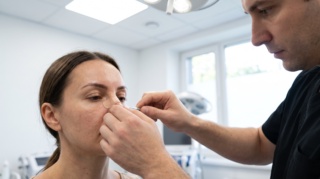
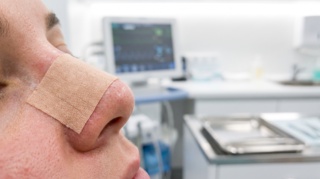
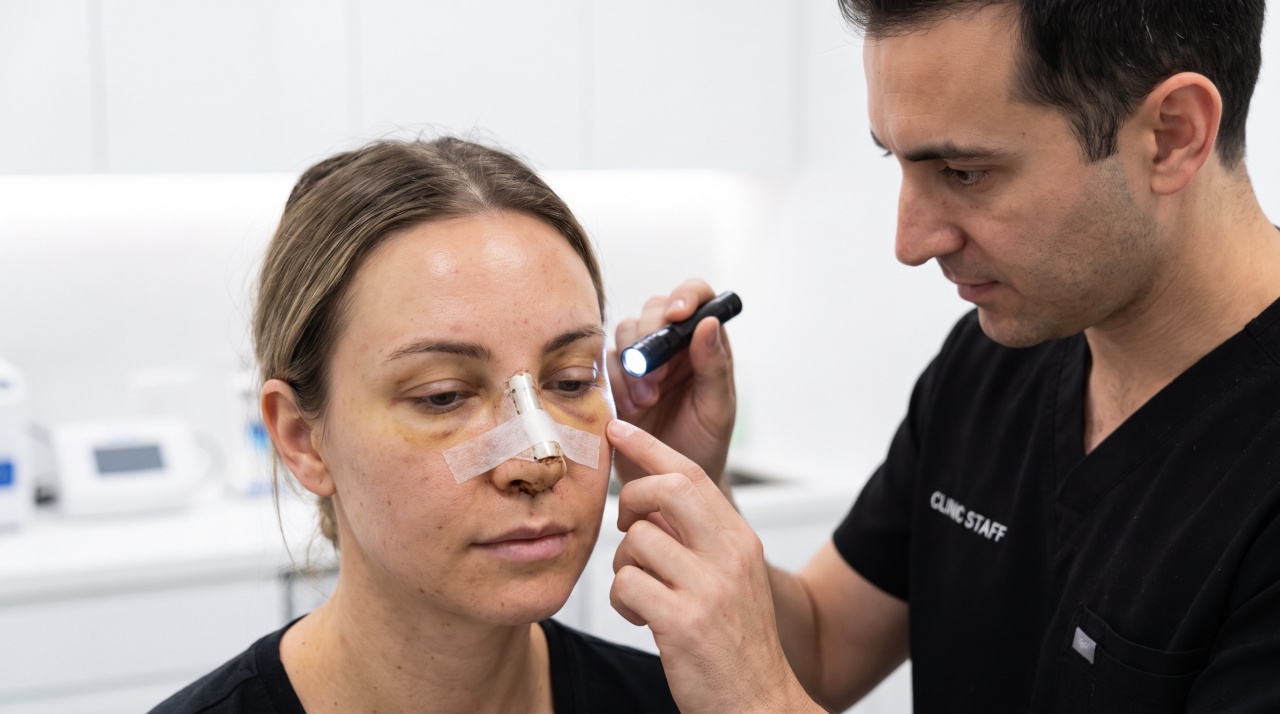
A surgeon's definite conclusion is that forgetting to tape your nose after rhinoplasty removes that external pressure factor that is essential to managing the localized fluid accumulation. Taping is a method that provides constant but gentle pressure and therefore allows the subcutaneous tissue and muscle network not only to adapt to the cartilage and bone below it but also to prevent the occurrence of massive swelling. While one missed day of taping will most certainly not undo your surgical result altogether, continuously ignoring this pressure component might be followed by the occurrence of organized fibrotic scar tissue as a result of chronic edema.
The Role of the Dermal Matrix and Scar Tissue Proliferation
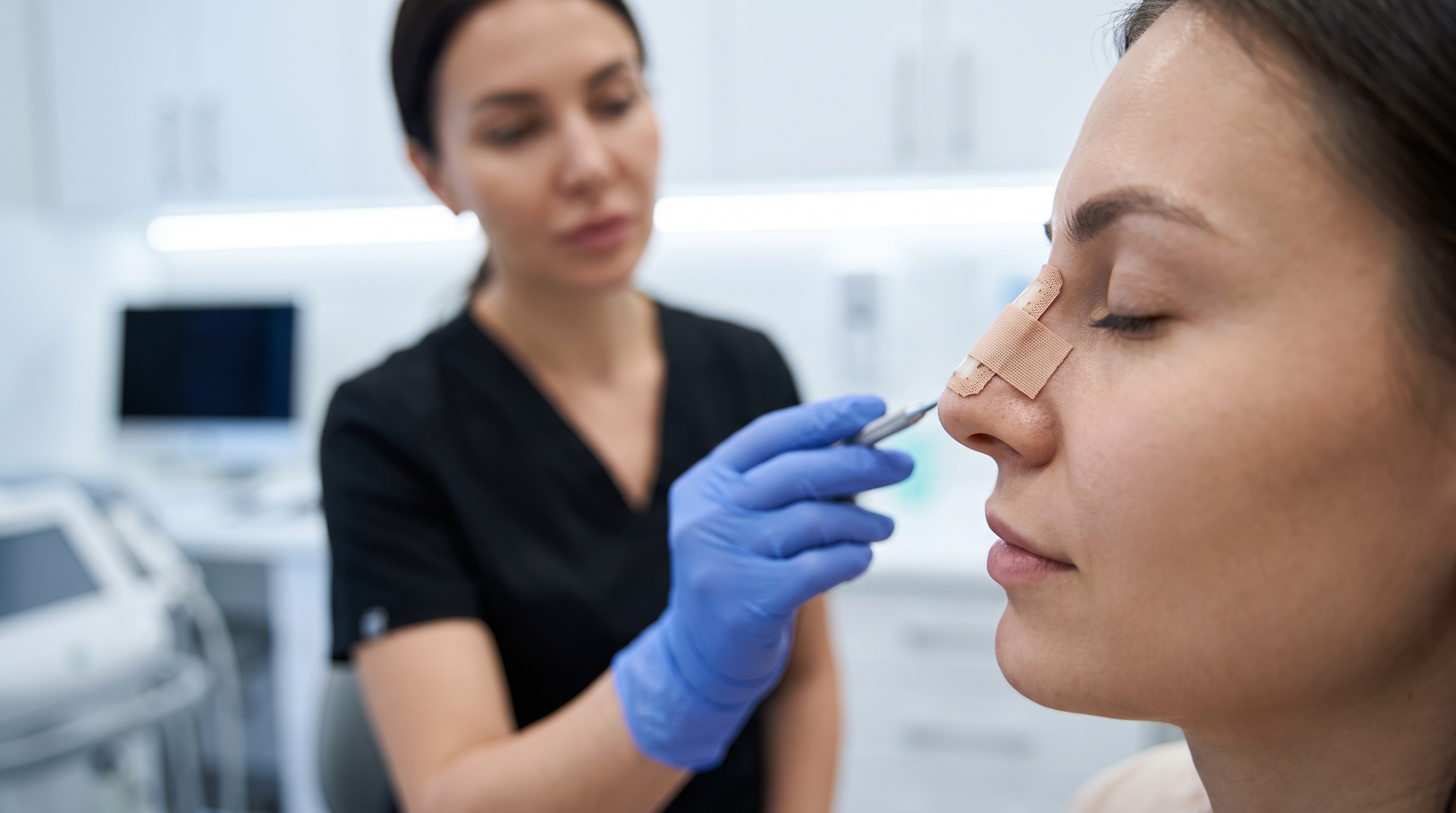
During the early weeks of the postoperative period, skin contraction is mainly driven by the controlled reorganization of dermal matrix. Skin elevation leads to temporary interruption of vascular and fascial layers. The fibroblasts are recruited at the surgical site and start the synthesis of the new collagen matrix as a result of this interruption. If the fibroblasts are supplied by a moderate, even compression, such as that from the use of microporous medical tape, it is unlikely that these fibroblasts will over-produce collagen in response to uncontrolled swelling.
On a different note, the unsupported nasal tip that is swollen, if not taped, can be the cause of breaking of cartilaginous sutures. A properly executed taping strategy counterbalances those biomechanical forces by a rigid support from above that actually lifts the heavy and swollen nasal tip, thereby preserving its rotation. When taping is not a regular thing, the fine balance that results between a structurally sound nose and an attractive soft tissue contour is being lost, and the healing nose has to be a resilient face against the challenges of fluctuating hydration in the body, flare-ups of inflammation, etc., while having no external stabilization to guide the merging of parts into an aesthetically pleasing whole.
Soft Tissue Memory and Factors of Patient Compatibility
The requirement and length of post-op taping of one's nose are largely determined by the features that are characteristic of the individual's soft tissue covering, particularly how thick and greasy the skin is. For those who have heavy skin with plenty of sebum production, the treatment with surgical taping becomes a matter of vital importance for several reasons; mainly, their skin tends to hang onto fluids for a longer time than others, which is a property that their skin naturally has.
A modern understanding of post-operative treatment recognizes a kind of "fossil" lag between the skin layers, the subcutaneous fat network and the healing of bones. A good example is that the fascia and subcutaneous fat will be working slowly compared to bones after the removal of the first casting or cast. This means the skin and superficial layers are highly adaptable and are vulnerable even after the early healing phase. Daily use, especially of the mouth and nose, can micro-traumatize the skin and so on. Regular nightly taping serves to counteract a number of these problems by keeping the healing area from changes that may occur due to the pressure on the face while the patient is lying down. In turn, it supports the structural details that have been carefully designed during the operation.
Protect the Structural Integrity and the Post-operative Limits
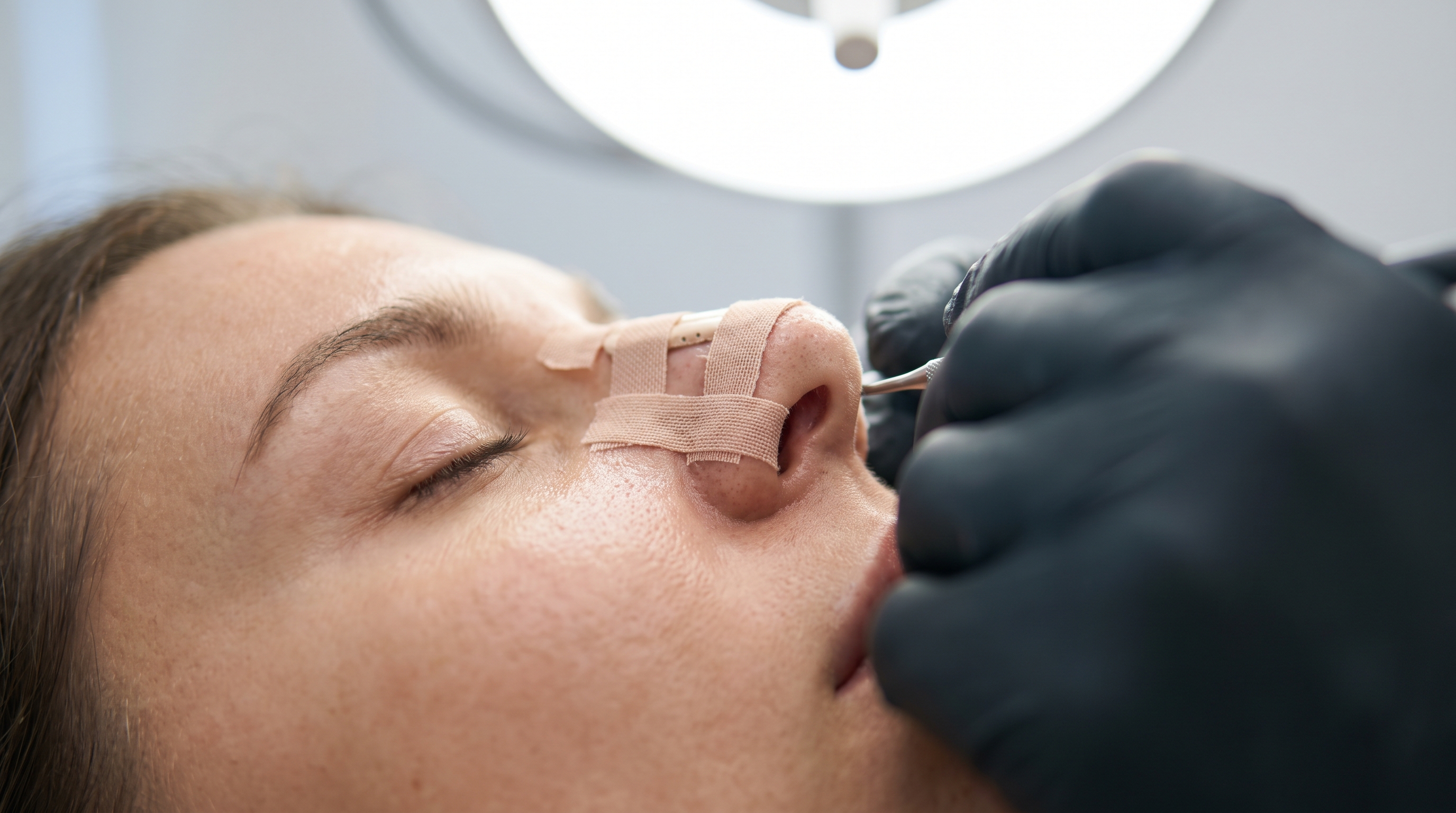
In fact, you shouldn’t be less serious about the protection and behavior regulations set for you during the post-operative stage if you aim for such things as a super-quick, flawless recovery. The reshaped tissues, deeper fascial adhesions, and the delicate network of blood vessels under the surface all depend entirely on physical protection to create strong collagen bonds in the very first weeks following the operation. If there is no physical protection for at least 6 to 8 weeks, gravity and daily activities like speaking, walking, etc. will be the chief enemies that will mess up the healing process and give way to very annoying prolonged swelling and a less-than-optimal final nasal outcome.
To be completely satisfied with your outcome and to avoid problems of any kind later, you should follow your surgeon’s advice and wear medical-grade pressure garments or perform taping at all times as recommended. It is this targeted compression which will remove any dead spaces, prevent fluid accumulation, and force the skin to close directly over your tissues. Moreover, nicotine and all products related to tobacco will have their use totally prohibited in the period before and after the surgery.
Rhinoplasty in Turkey
Opting for LIN Europe Clinic is like going in for a high-end, international, all-inclusive medical spa which not only takes care of your face but your whole body through advanced structural body contouring and surgery.
When you rely on us at LIN Europe Clinic, you get an experienced, professional, and trustworthy medical team in Istanbul working on you, all day, every day. We are a leading provider of highly advanced medical services, including cosmetic surgeries and facial procedures. Our top-notch medical staff will not hesitate to closely monitor your physical condition after surgery to the highest degree.
Frequently asked questions
What happens if I forget rhinoplasty taping?
Forgetting to tape removes external pressure, which is crucial for managing fluid accumulation. This can lead to increased swelling and potentially organized fibrotic scar tissue.
Why is taping important after rhinoplasty?
Taping provides gentle pressure, helping the skin adapt to the new nasal framework and preventing massive swelling. It also guides fibroblast activity to prevent excessive collagen production.
Can forgetting tape damage rhinoplasty results?
Yes, continuously ignoring taping can lead to chronic edema and organized fibrotic scar tissue. An unsupported, swollen nasal tip can also cause cartilaginous sutures to break.
How long should I tape my nose after rhinoplasty?
Physical protection, including taping, is essential for at least 6 to 8 weeks after surgery. Your surgeon will provide specific recommendations based on your individual healing.
Does my skin type affect rhinoplasty taping needs?
Yes, the thickness and oiliness (sebum production) of your skin significantly influence the requirement and duration of post-operative taping. Patients with heavier, greasier skin often need more consistent taping.
This article is general information, not medical advice, and does not replace a consultation. Every procedure carries risk and outcomes vary from person to person.
Last reviewed 8 September 2026