





6 min read
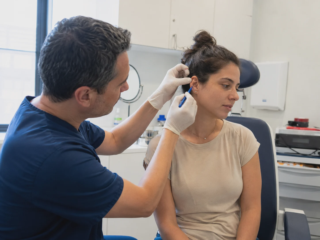
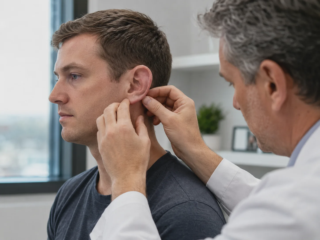
Otoplasty is a surgical procedure that reshapes the cartilage of your ears to alter their structural position or size.

Otoplasty involves structurally modifying the cartilage framework of your ears. During the procedure, the surgeon makes an incision behind the ear to access the underlying cartilage. This cartilage is then mechanically folded, scored, or partially removed to alter its shape. Non-absorbable internal sutures are often used to anchor the new structure in place. The primary objective is to change the physical angle or contour of the ear relative to your head.
The surgical outcome depends on the natural stiffness and thickness of your ear cartilage. Thicker cartilage has stronger mechanical memory and may require more scoring to prevent it from folding back to its original shape. The existing asymmetry between your left and right ear also dictates the surgical plan. Since human faces are naturally asymmetrical, perfect structural mirroring is mechanically impossible, and the goal is proportional balance based on your skeletal framework.
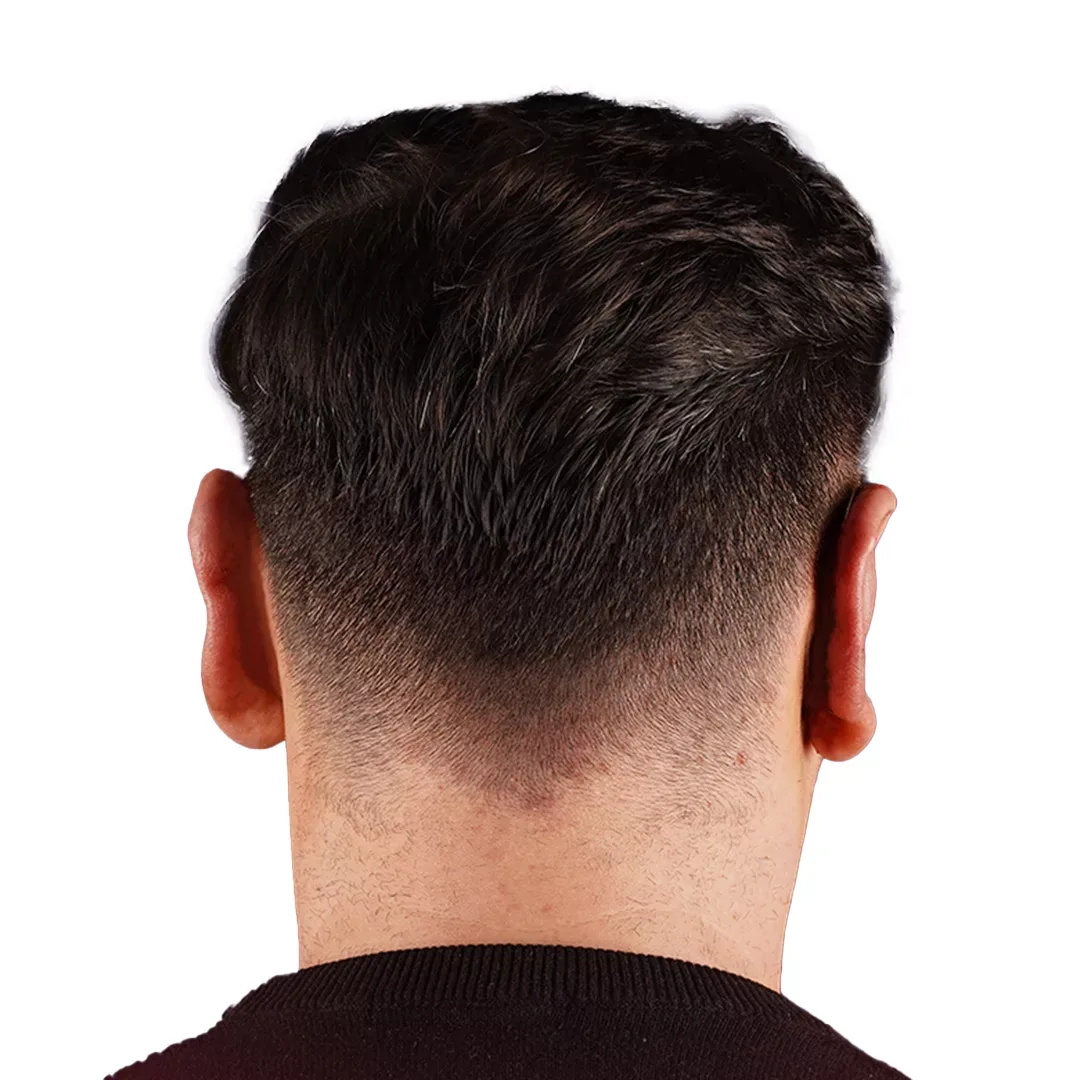
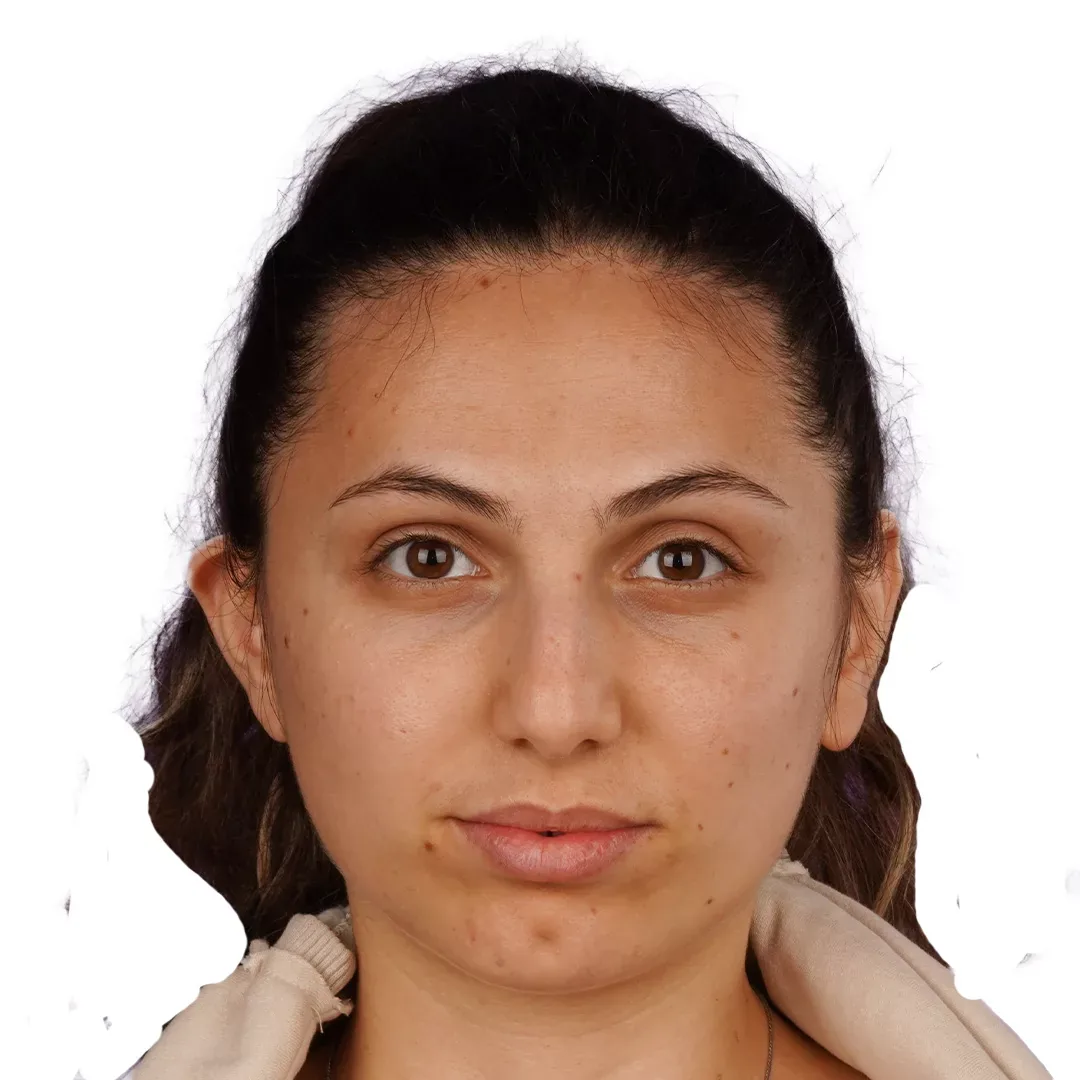
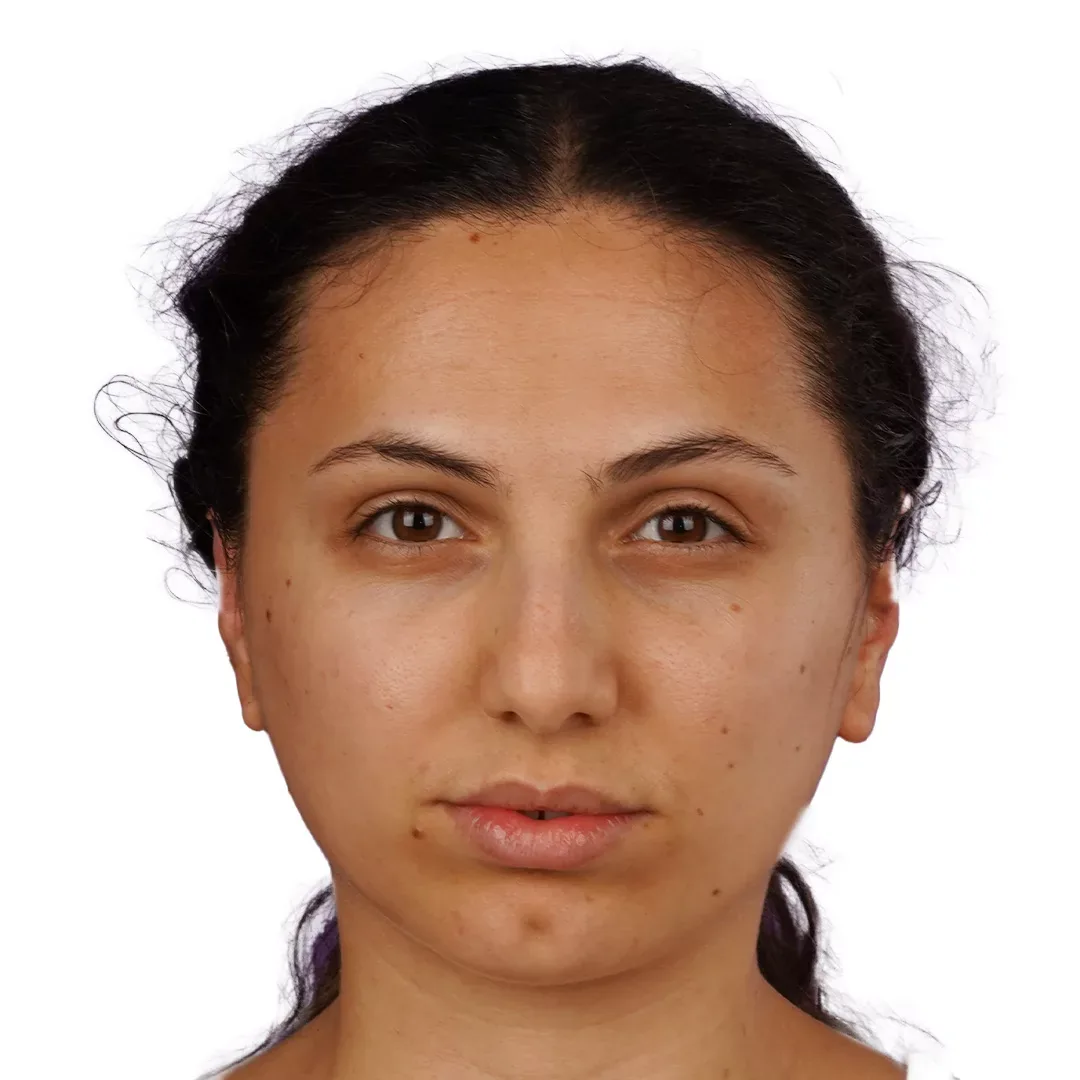
Otoplasty
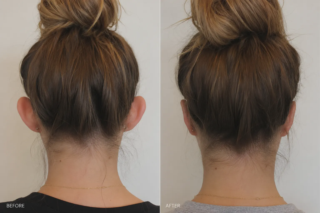
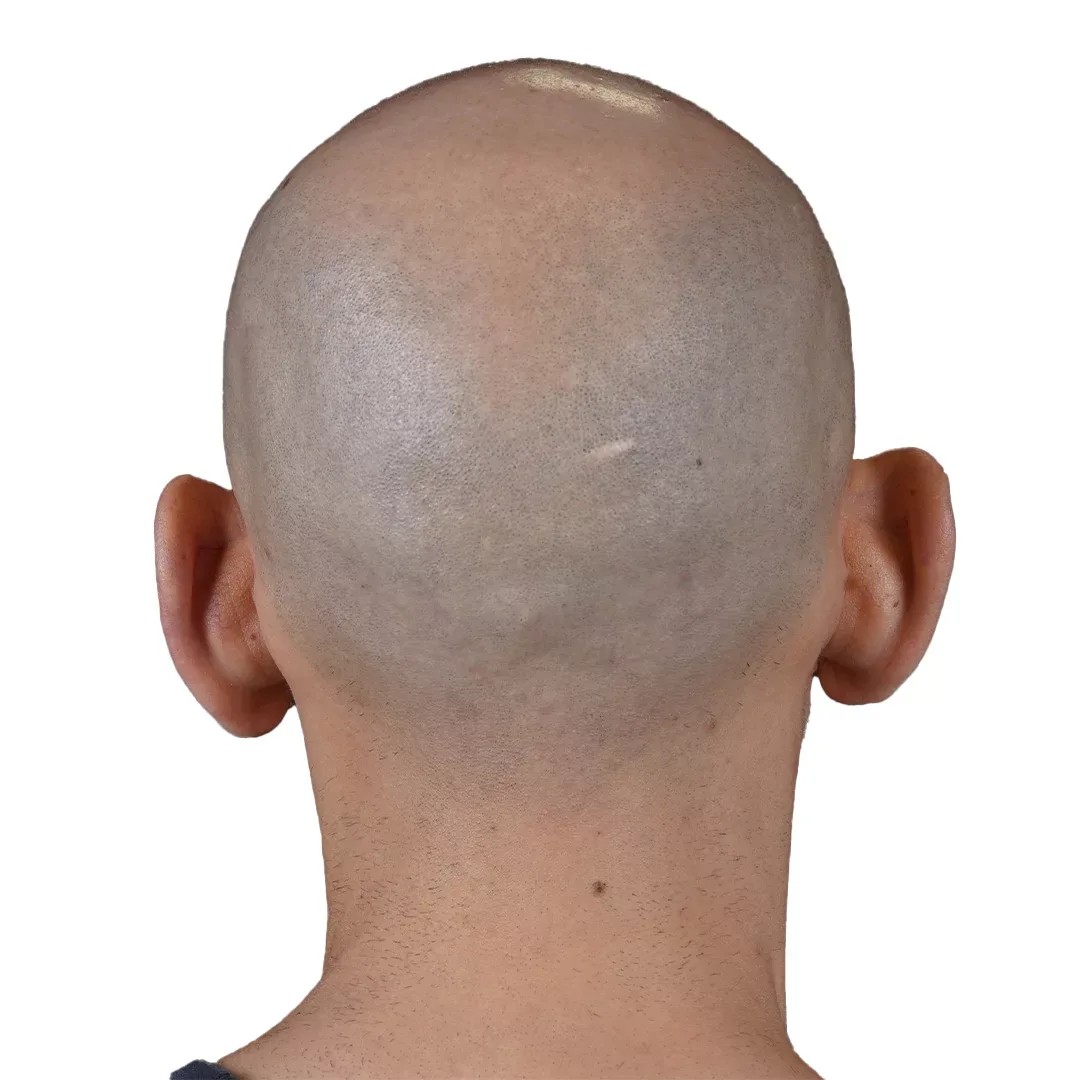
Seen from behind, which is the view that shows what the operation changes.
Otoplasty
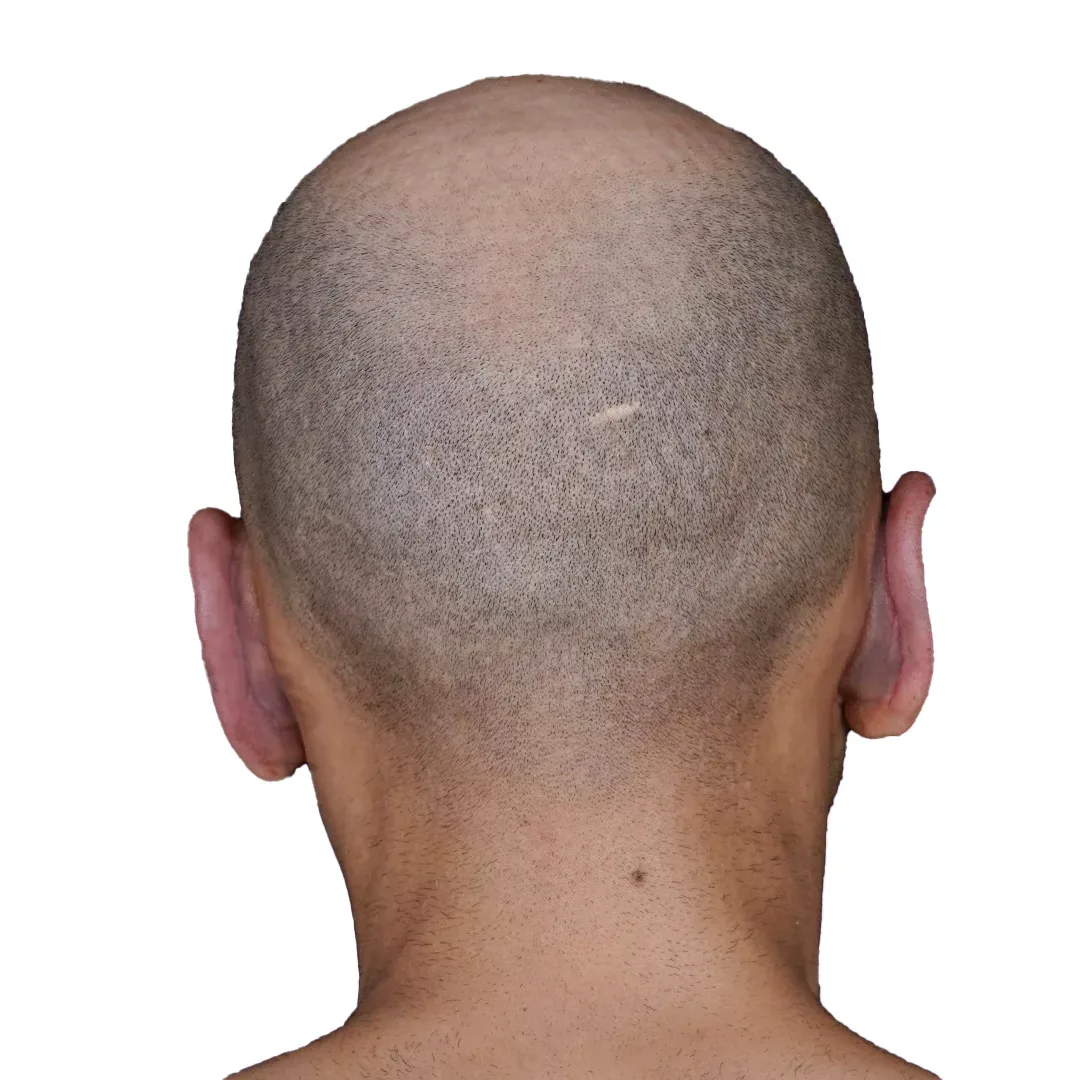
Both ears set back together, so the two sides finish level with each other.
Otoplasty
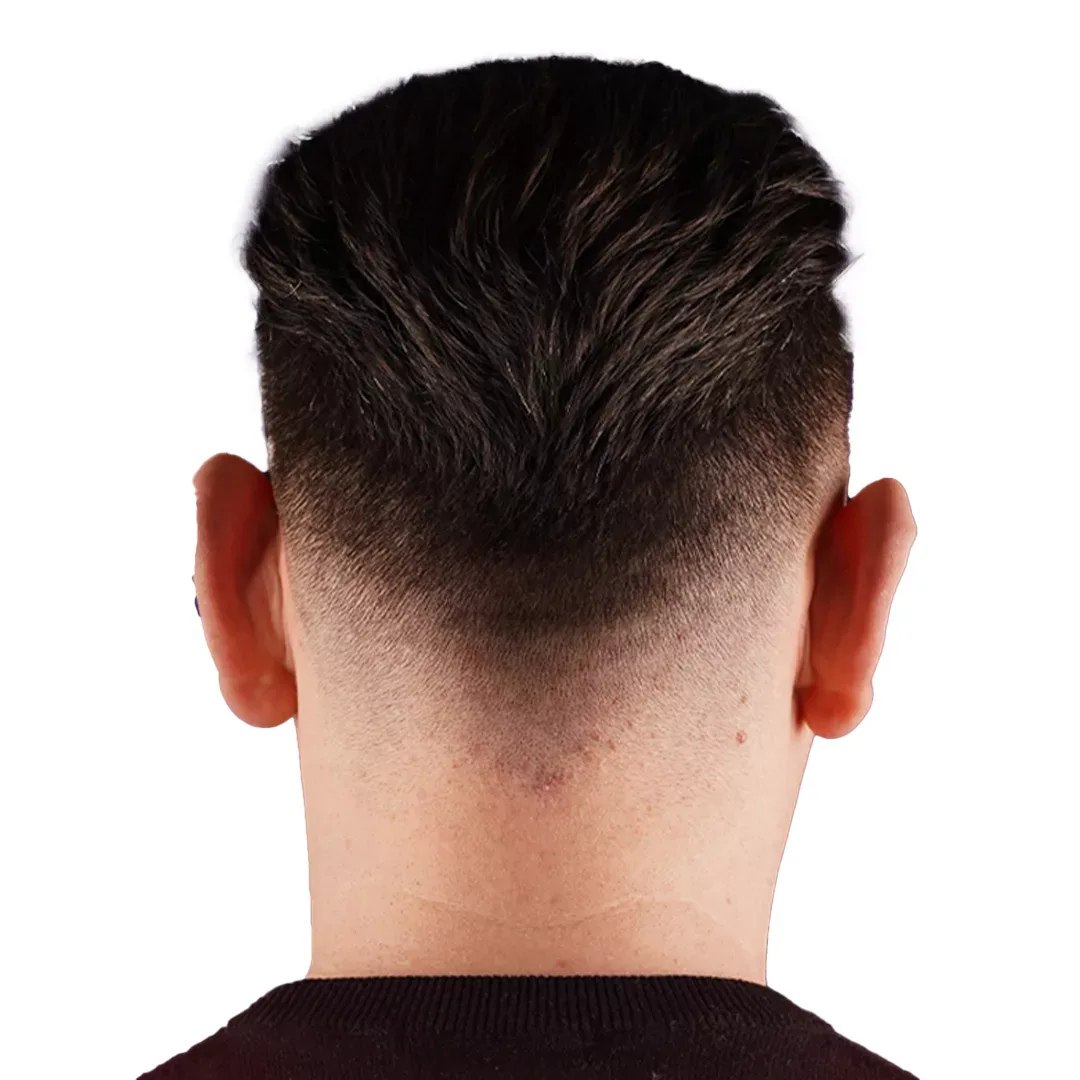
The front view is how other people see it, and it is the one worth judging.
Otoplasty specifically addresses the cartilage structure, differentiating it from procedures that only repair the soft tissue of a torn earlobe. The surgical technique varies depending on the anatomical issue. If you lack an antihelical fold, the surgeon creates one by bending the cartilage. If the conchal bowl is excessively deep, a portion of that cartilage is physically excised to bring the ear closer to the side of the head.
When preparing for your consultation, be ready to point out the specific structural elements of your ears that you wish to discuss. Bring records of any previous ear surgeries or trauma. You should clearly indicate whether your primary concern is the outward projection, the size of the upper ear, or the symmetry. Provide a comprehensive medical history, including any known tendency to develop keloids or thick surgical scars.
No price list. Every plan is quoted for one person and one anatomy, so a figure only means something once someone has looked at yours — you get one in writing before you commit to anything.
This article is general information, not medical advice, and does not replace a consultation. Every procedure carries risk and outcomes vary from person to person.
Filmed and published with our guests’ consent. Each speaks only for their own treatment — every face heals differently, and these are individual outcomes, not a promise of yours.
Answered as far as they can be answered in writing. Anything that depends on your own anatomy is answered by a surgeon looking at it.
Otoplasty is a surgical operation that modifies the structural shape, position, or size of the ears. It involves reshaping the underlying cartilage to alter how the ears project from the sides of the head. The procedure addresses the physical framework of the ear based on your natural anatomy.
The primary incision for otoplasty is typically made vertically behind the ear, situated exactly within the natural anatomical fold where the ear meets the head. This specific placement is chosen so that the resulting surgical scar is structurally hidden from direct frontal and profile views.
The surgeon uses internal sutures and cartilage scoring to set the ear in a new position, and cartilage that has healed there does not spring back on its own. How one particular ear heals is a question for the surgeon who examines it, not one a page can answer in advance.
Otoplasty can structurally improve the balance between asymmetrical ears by adjusting the cartilage of one or both ears. However, because the underlying facial skeleton is naturally asymmetrical, achieving absolute mathematical symmetry is impossible. The aim is to create proportional visual balance.
Otoplasty does not affect your mechanical ability to hear. The procedure strictly modifies the external cartilage and skin of the outer ear, known as the pinna. It does not involve or alter the internal ear canal, the eardrum, or the neurological structures responsible for auditory processing.
Otoplasty alters the stiff cartilage structure of the upper and middle ear to change its overall shape or projection. Earlobe repair strictly addresses the soft, fleshy tissue at the bottom of the ear, typically to surgically close a tear from heavy earrings or gauge piercings.
Guest Stories
I had my hair transplant at Lin Europe Clinic, and my experience was excellent from start to finish. Everything was well organized, the procedure was smooth, and I didn't feel any pain during the treatment. The entire team was professional, friendly, and very caring. I really appreciated their attention to detail and the level of care they provided.I had the Baby Face Laser treatment at Lin Europe Clinic, and I had a great experience. The team was very professional, friendly, and made me feel comfortable throughout the entire process. They explained everything clearly and took the time to answer all of my questions. The clinic was clean, well-organized, and the treatment was carried out with great care.I had a great experience at LIN Clinic. The staff were welcoming, professional, and made me feel comfortable from the beginning. The clinic was clean and well-organized, and the whole process was smooth. I'm very happy with the care I received and the results.Linspired by you.
Tell us what you are considering. A coordinator who speaks your language will come back to you with an honest assessment of what is realistic — not a sales pitch.
Seven languages · No obligation
We measure how this site is used, and that needs your agreement before anything is stored on your device. Until you choose, nothing is. What is measured