Rhinoplasty: How Long After Rhinoplasty Can I Blow My Nose?
Medically reviewed by Op. Dr. ÖmerENT Specialist
Usually after two to four weeks.
The Biomechanics of Intranasal Healing and Pressure Dynamics
Picturing the human nose, one realizes that the external appearance does not give a complete view of how intricate the internal anatomy is. It combines hard and soft tissues with cartilage, bones, and a complex network of supporting fibrous tissue. A rhinoplasty procedure requires the surgeon to manipulate the various structures of the nose, such as the septum, the side cartilages, and the fascial network, to achieve the patient's desired result. Soon after a nose job, the nose will experience an inflammatory healing response with significant swelling and increased production of bodily secretions, which, combined with pressure, will lead some patients to try to clear it violently.
Physically, nose blowing should not be performed within a period of four to six post-operative weeks. It is only for those patients with a more extensive surgical intervention on their nasal framework (septum in particular) that the period for blowing the nose has been extended up to eight weeks. As the nose is still soft and sensitive, any attempt at blowing might result in cartilage displacement, internal stitching failure, or nosebleed of extreme intensity. Your nose shape relies on leaving the wounded skin and mucous membrane tissues time to heal and reattach to the foundation of bones in a quiet setting without mechanical disturbance.
Reducing the Risk of Nasal Barotrauma
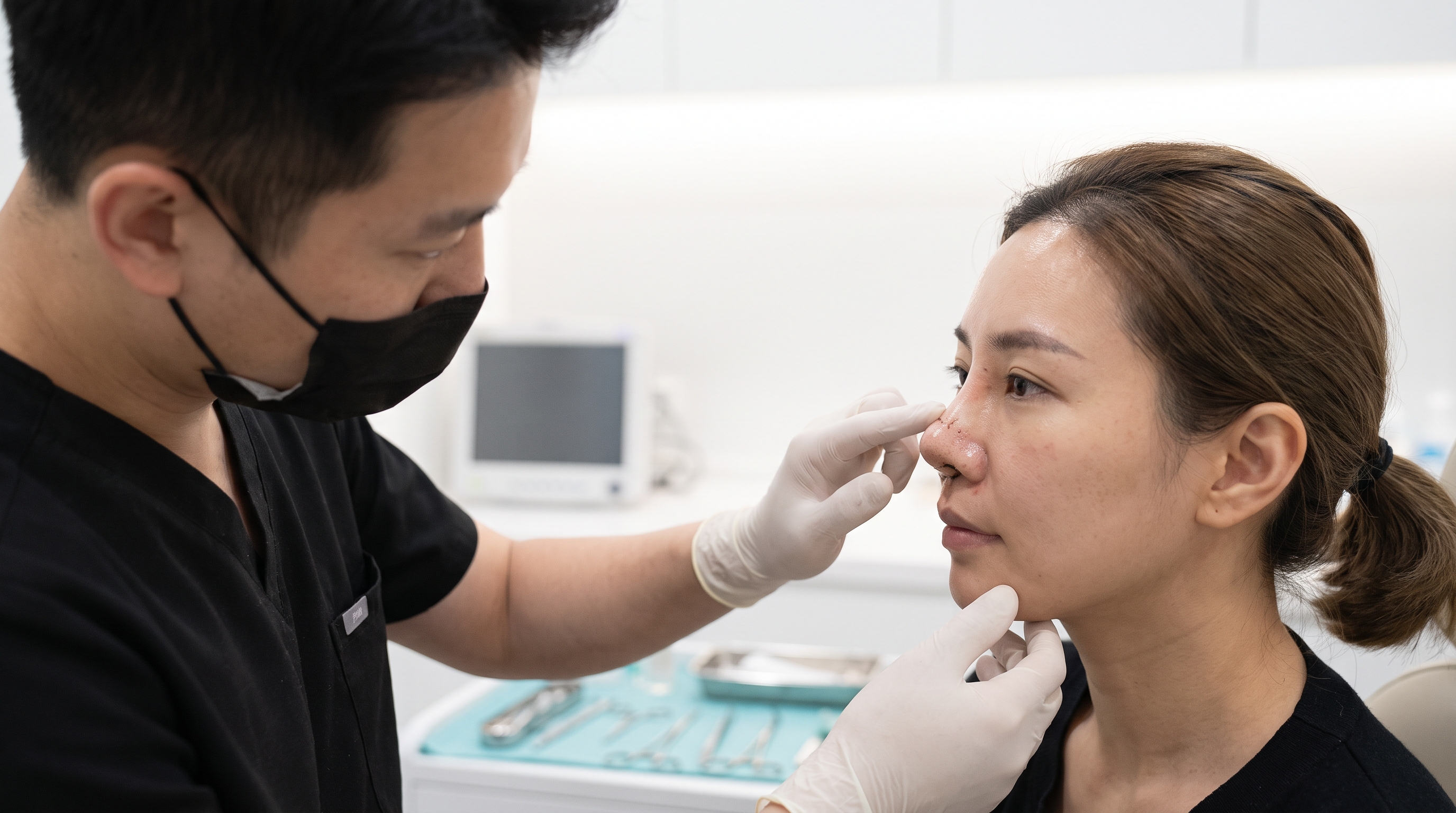
The risks involved with blowing one's nose postoperatively are so great because it is basically introducing high pressure to the nasal cavity through a narrow passage. By way of analogy, consider a cylindrical object that is under tension but not fully hardened. Forcefully expelling air while the nostrils are not fully open can create a pressure buildup, which then becomes pressure against the newly reconstructed nasal structure, causing damage. Such pressure could result in a large amount of bleeding, and at the same time the trapped air could push into tissue layers below the skin and cause swelling (emphysema), which would totally ruin the delicate nasal structure the surgeon had so painstakingly sculpted.
Rather than blowing the nose, a professional doctor will most likely prescribe using salt water lavage to alleviate nose stuffiness. Salt water sprays will loosen secretions inside the nose as well as dried blood from the surgical wound, thus avoiding any trauma to the healing grafts. This is an intelligent way of ensuring that during healing your mucous membrane layer is well preserved, and also that the nasal mucosa sticks tightly onto the newly cut bone and cartilage without the grafts having to be moved and consequently being ruined.
Healing of Mucosal Tissues in the Nasal Cavity
Postoperative breathing restoration is more than just a matter of waiting; it is an intricate understanding of tissue regeneration and natural healing. People who get their nose straightened for functionality and aesthetics together such as removal of turbinate swellings, etc., are likely to feel the need to breathe through their open noses for several months. When this period is the most crucial one in healing, taking in as much water as possible is not only physically relaxing but also beneficial for mucus thinning, decreasing the urge to blow the nose forcefully and therefore protecting the delicate healing work.
Additionally, the use of proactive therapy with well-chosen prescription nose drops together with well-administered antibiotic cream can significantly enhance the body's natural healing powers while at the same time keeping the cosmetic results intact. The passage from a healing, blocked nasal passage to a freely breathing channel should never be something that you speed up yourself through forceful exhalation, as it will almost certainly result in structural problems, like misalignment and functional loss of the nose.
Preventing Structural Displacements After Surgery
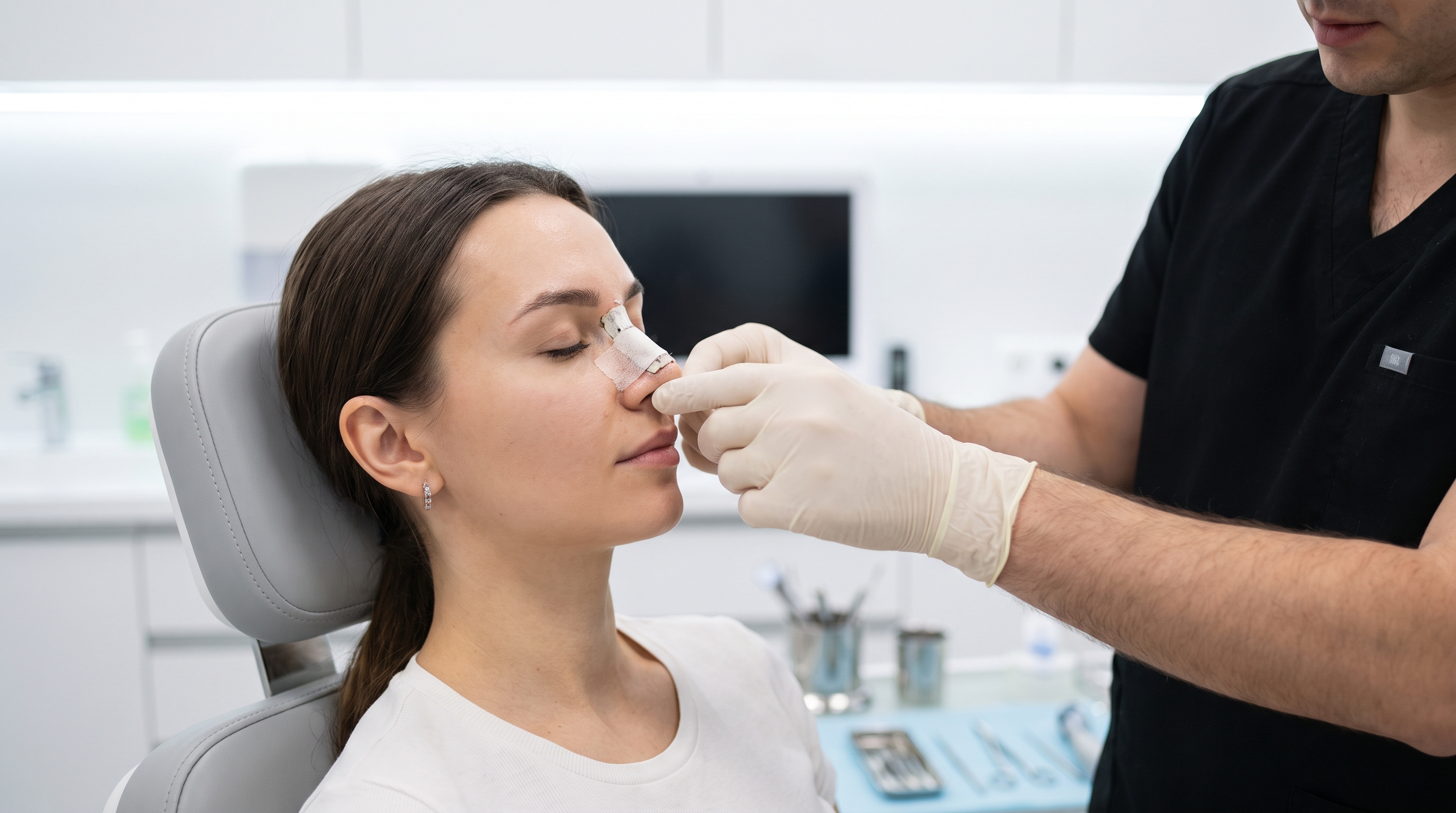
Safeguarding the healing nose against unintended movement and physical damage during the recuperation is the best way to ensure an optimal result. The tissues that were reshaped will require protection from mechanical forces to allow them to form strong, permanent collagen bonds during the early period of six to eight weeks following the surgery. Without a strong physical support as well as behavioral changes from the patient, one might face situations in which the natural forces such as gravity, mechanical friction and internal pressure will seriously interfere with the regenerative process thereby resulting both in a lengthy swelling phase and in very unsatisfactory cosmetic final results.
So that your facial features get sculpted to perfection, your doctor may have you put on some specialized medical compression garments during a specific timeframe, such as external nose splints made of rigid material and surgical tape applied with a particular surgical technique. Compression directed at your face is supposed to minimize hollow spaces (dead space), prevent swelling (fluid build-up), and encourage the skin to stick tightly to the tissues underneath. Moreover, engaging in any sport or physical exercises that would cause the heart rate and therefore the blood pressure to increase is prohibited and a total smoking ban is required in order to make the healing tissues well nourished as smoking is a very powerful vasoconstrictor that impedes the supply of necessary oxygen that your tissues need for rapid healing without complications.
Rhinoplasty in Turkey
In case you are looking for a safe and professional rhinoplasty treatment that is going to result in a very short recovery of high quality and that the entire process is going to be a pleasure with regard to the aesthetic results and to the feeling of being taken care of in a medical setting which has the standards of patient safety of top international health institutions, you are going to meet your expectations at LIN Europe Clinic in Turkey.
With LIN Europe Clinic, you have a medical and aesthetic transformation journey under one roof that starts from nose contouring surgery to post-plastic recovery support, all handled with the highest degree of professionalism in the world today, which is at the same time extremely human.
Frequently asked questions
How long after rhinoplasty can I blow my nose?
Usually, you can blow your nose two to four weeks after rhinoplasty. For more extensive surgery on the nasal framework, this period extends up to eight weeks. Your nose needs quiet time to heal without mechanical disturbance.
Why is blowing my nose after rhinoplasty risky?
Blowing your nose creates high pressure in the nasal cavity. This pressure can displace cartilage, cause stitching failure, or lead to intense nosebleeds. It can also cause swelling and damage the newly sculpted structure.
What can I use instead of blowing my nose?
A doctor will likely prescribe salt water lavage or sprays. These help loosen secretions and dried blood inside the nose. This avoids trauma to the healing grafts.
How long does the nose remain sensitive after rhinoplasty?
The nose remains soft and sensitive for several weeks after surgery. Tissues require six to eight weeks to form strong, permanent collagen bonds. Protecting it from mechanical forces is crucial during this time.
What should I avoid to protect my healing nose?
Avoid any forceful exhalation, as it can cause structural problems. You should also avoid sports or physical exercises that increase heart rate and blood pressure. A total smoking ban is also required for proper tissue nourishment and healing.
This article is general information, not medical advice, and does not replace a consultation. Every procedure carries risk and outcomes vary from person to person.
Last reviewed 8 September 2026