6 min read
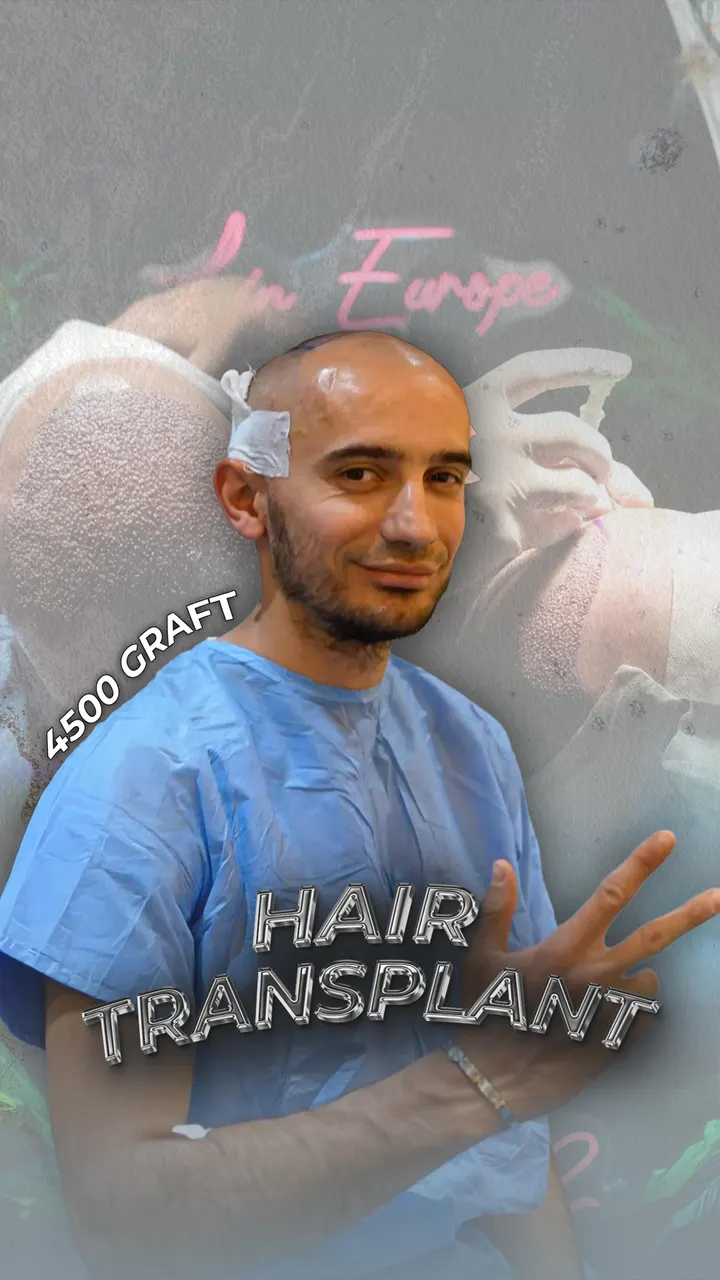
A hair transplant is a surgical procedure that moves hair follicles from a donor area to a thinning part of your scalp.
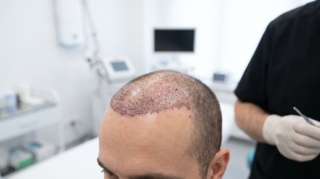
A hair transplant structurally alters the density of hair on your scalp. During the procedure, the surgeon physically extracts healthy hair follicles from a designated donor area, typically the back of your head. These individual follicles are then implanted into microscopic incisions created in the recipient areas. The primary mechanical objective is to relocate existing biological tissue to areas experiencing hair loss.
The anatomical outcome depends entirely on your existing donor hair supply and scalp laxity. The physical density and thickness of your natural hair dictate how much tissue can be safely extracted. If your donor area has low follicle density, the surgeon cannot mathematically cover a large bald area completely. Your specific pattern of biological hair loss determines the structural distribution of the implanted follicles.





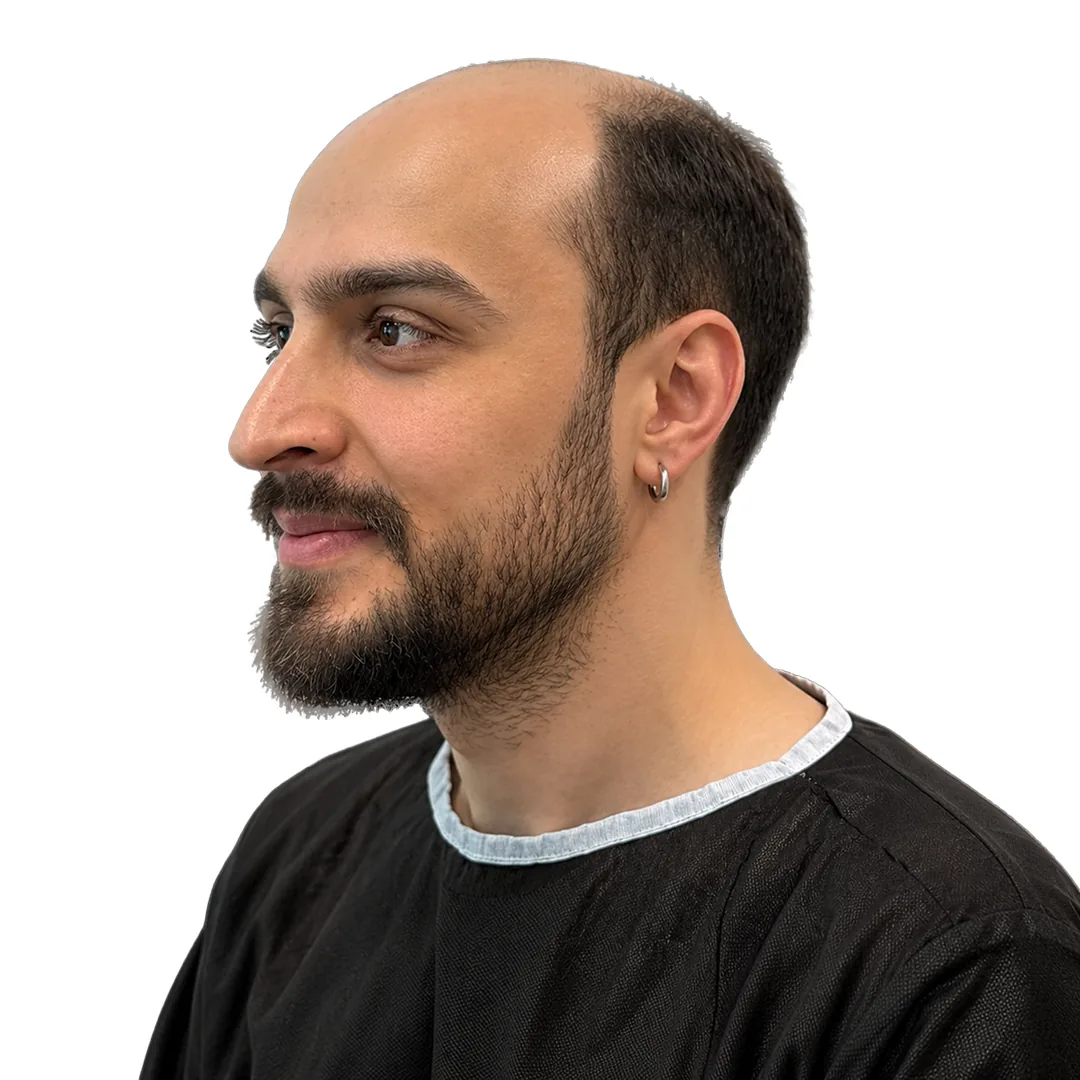
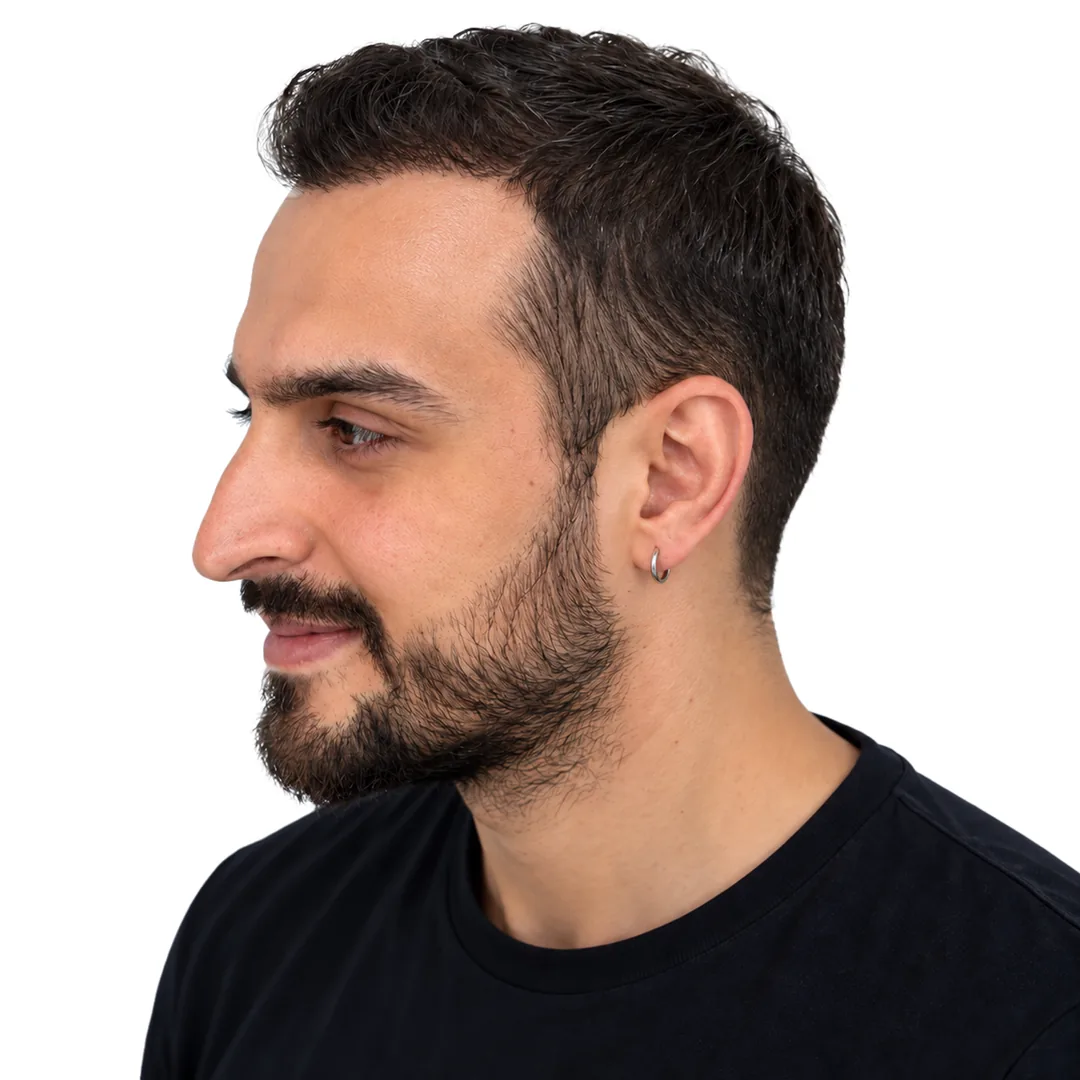
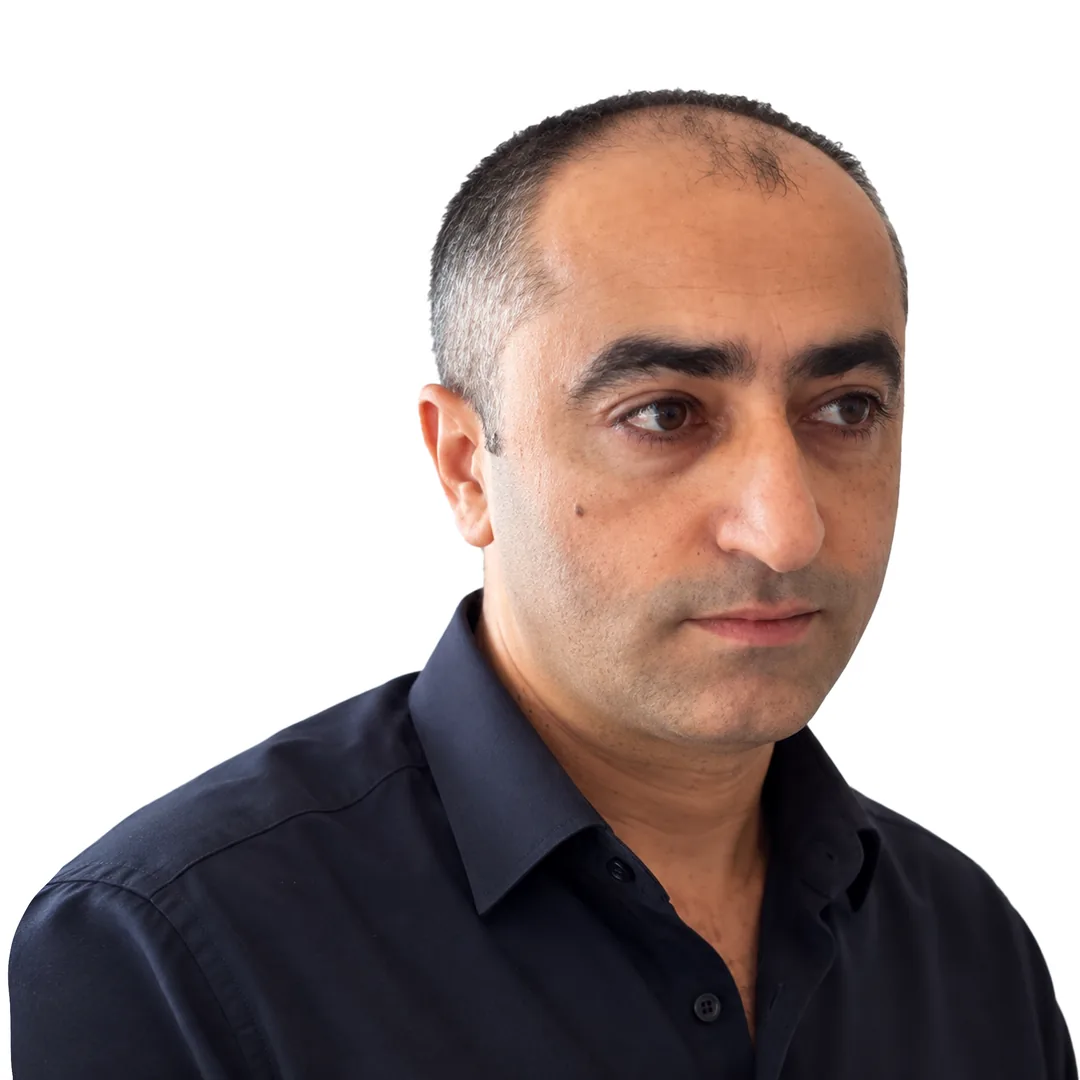
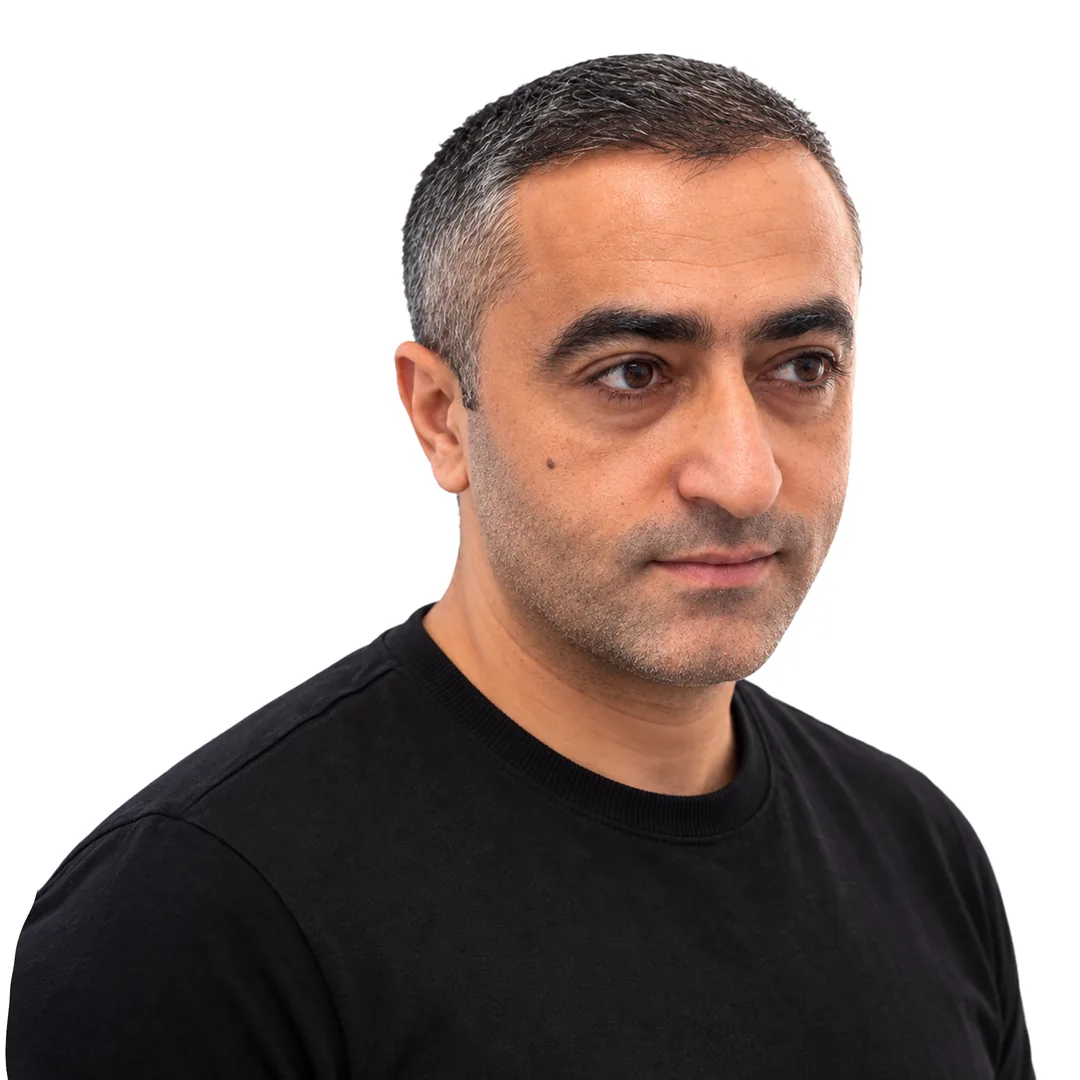
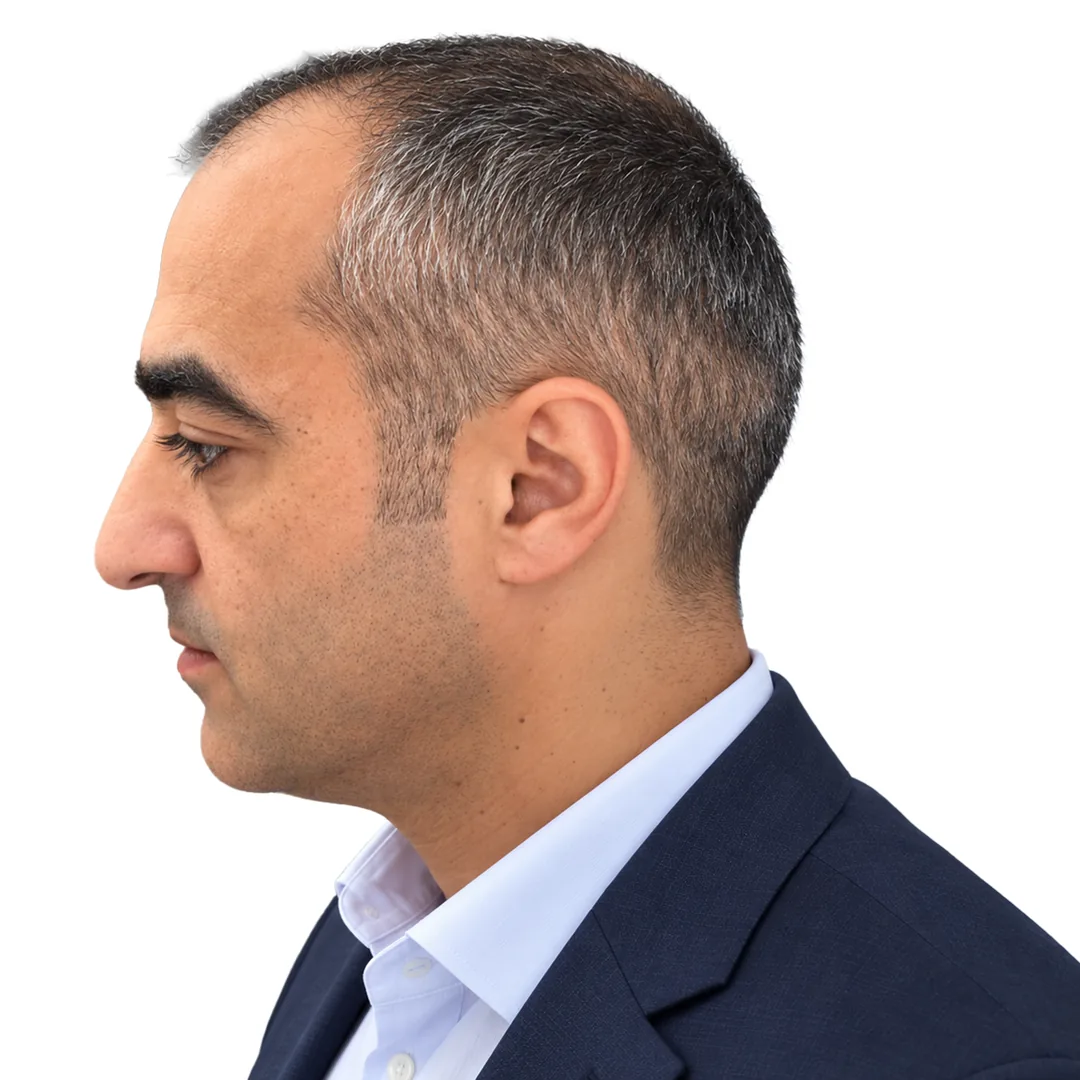
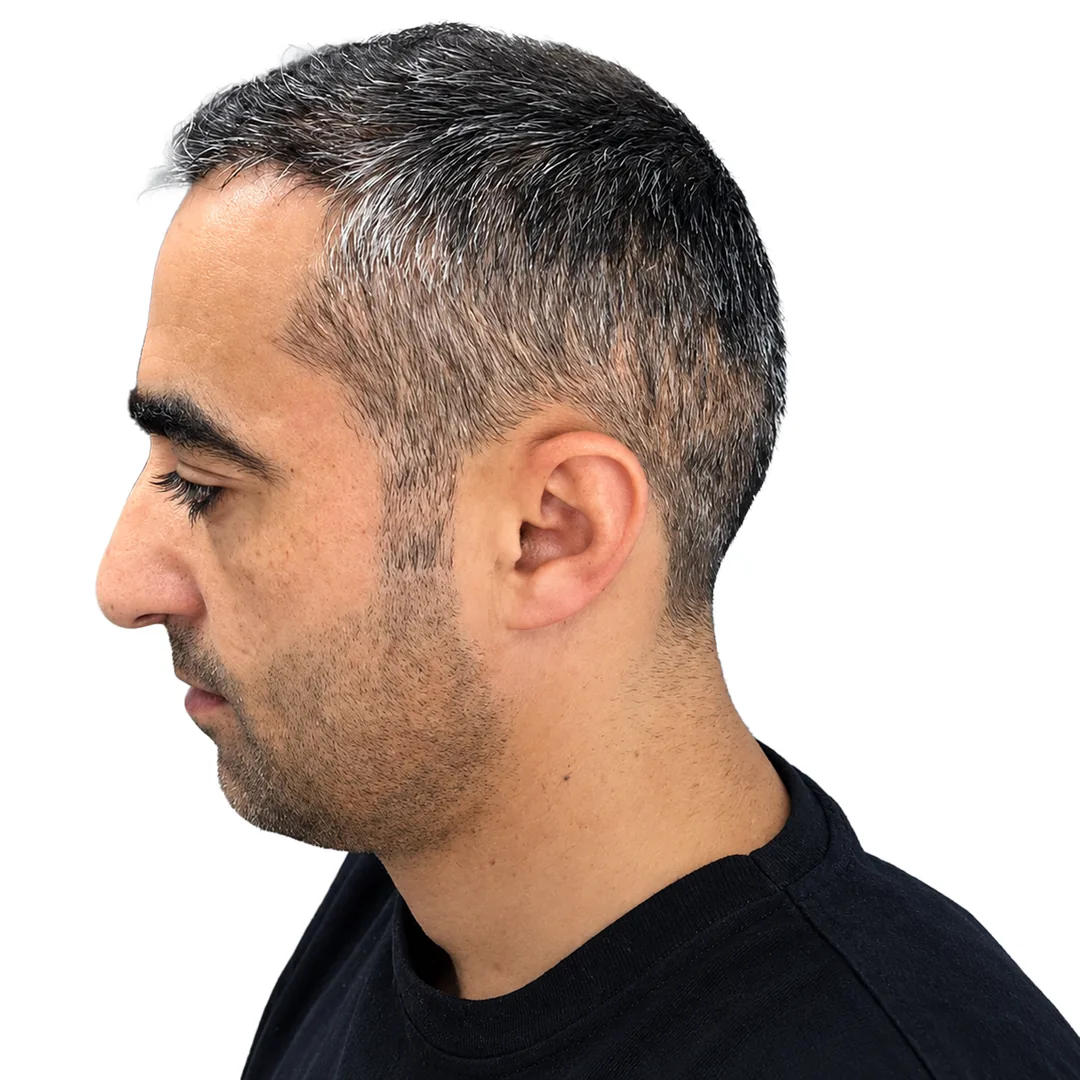
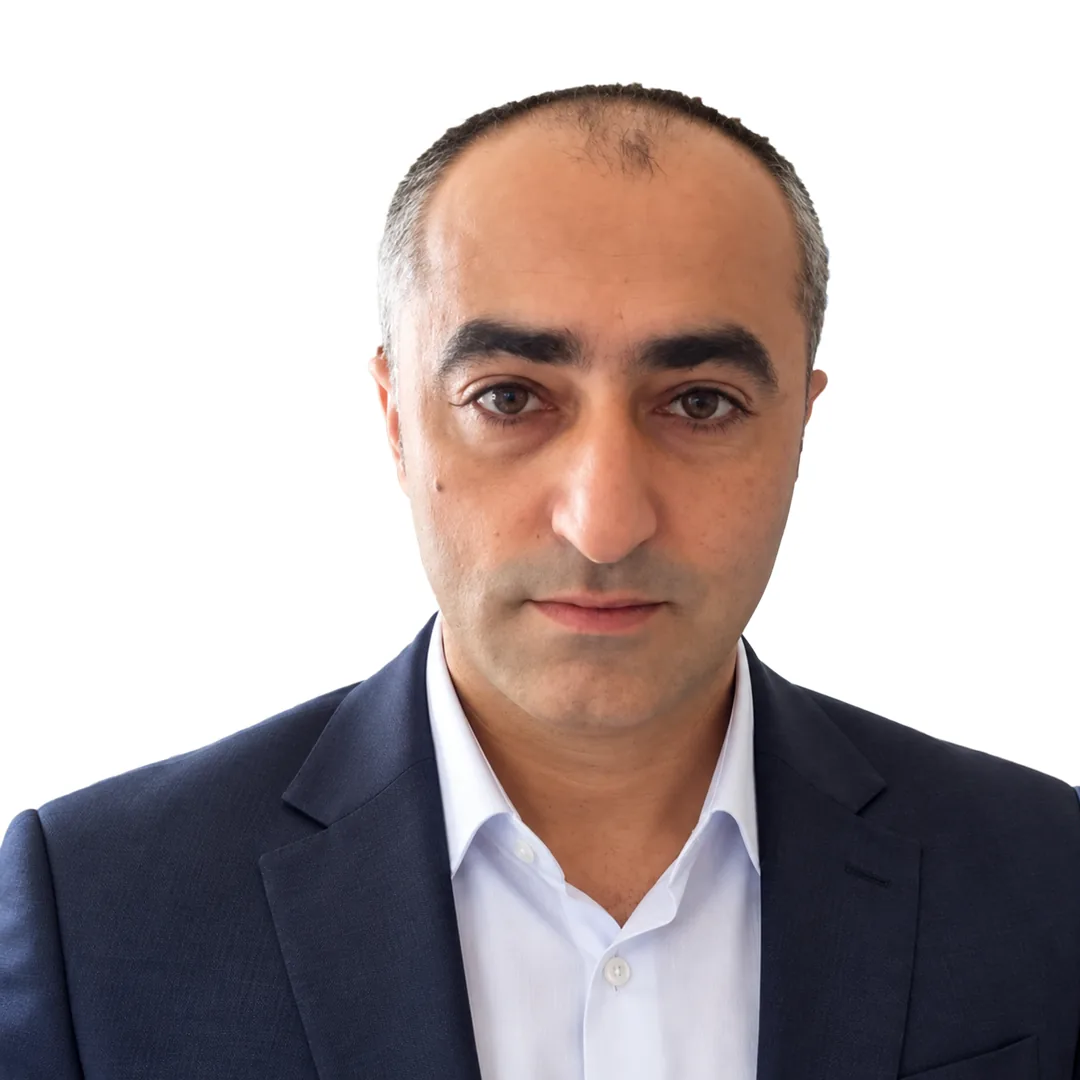
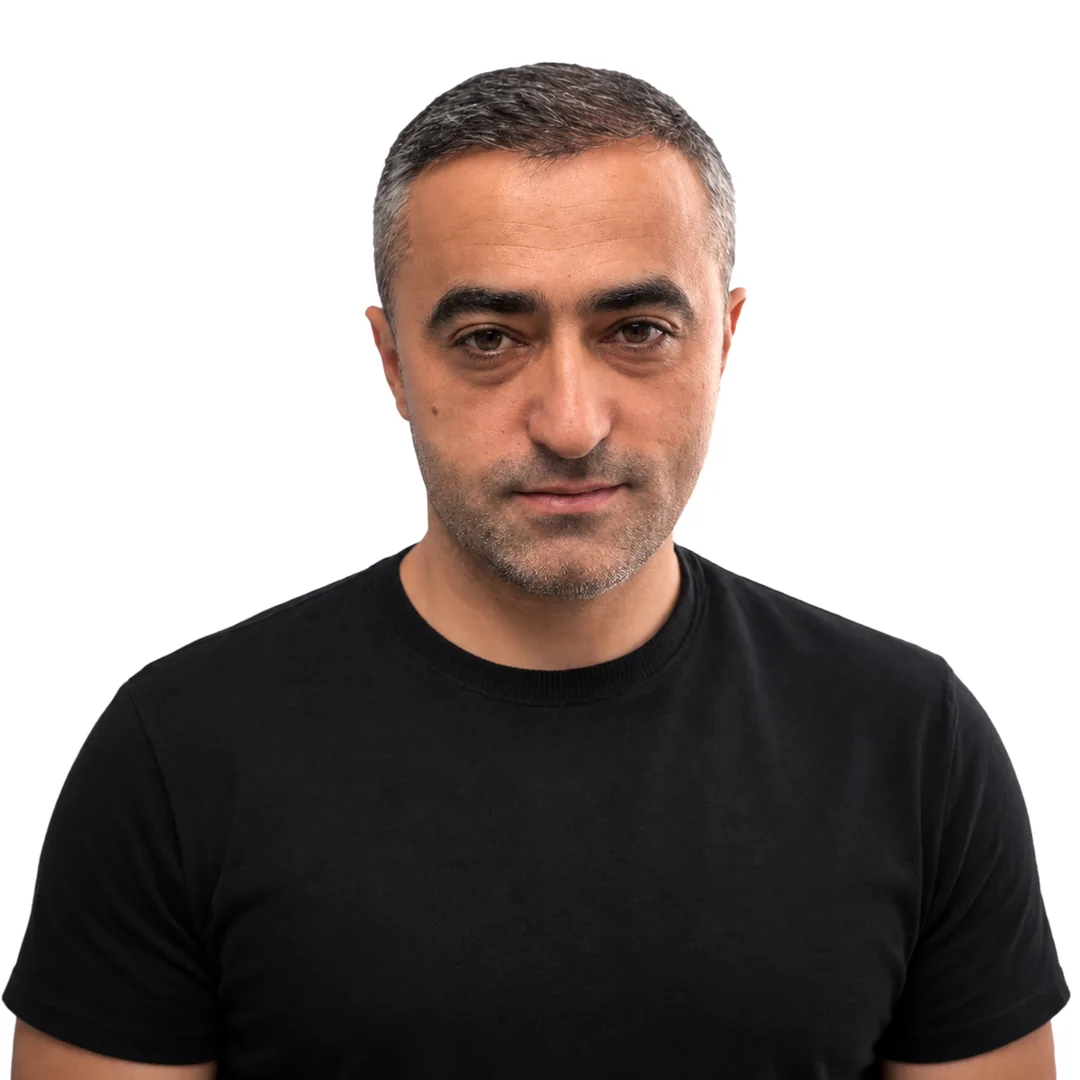
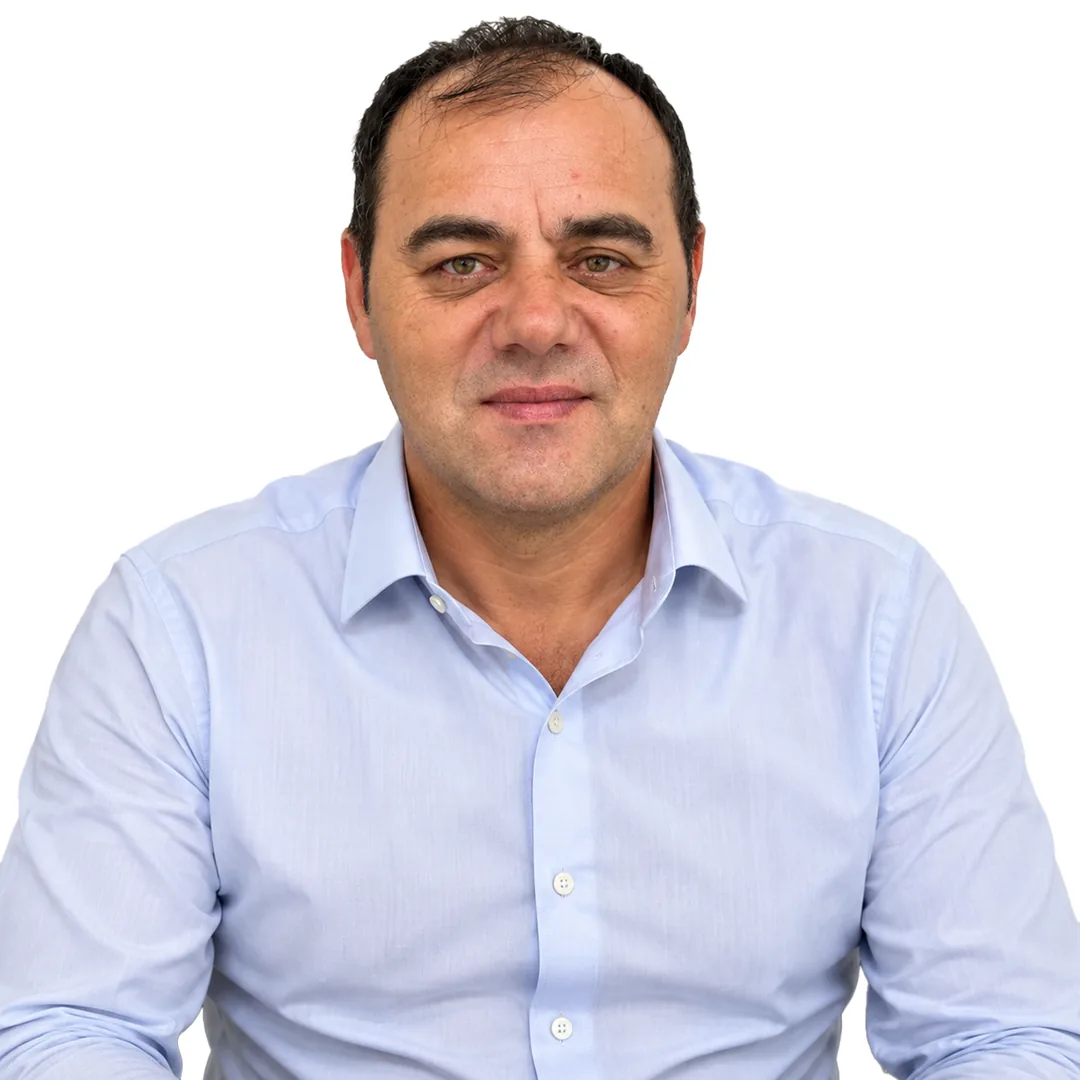
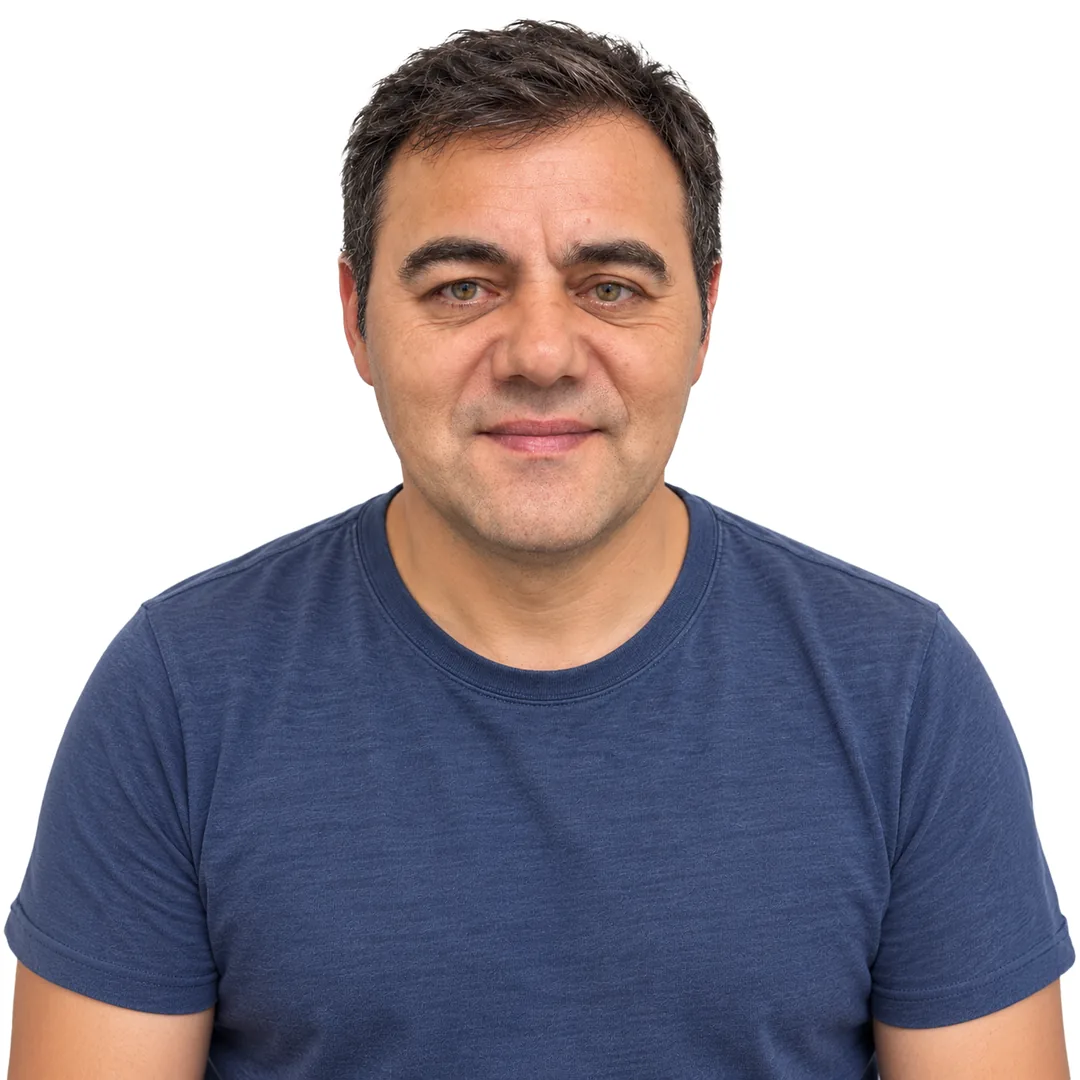
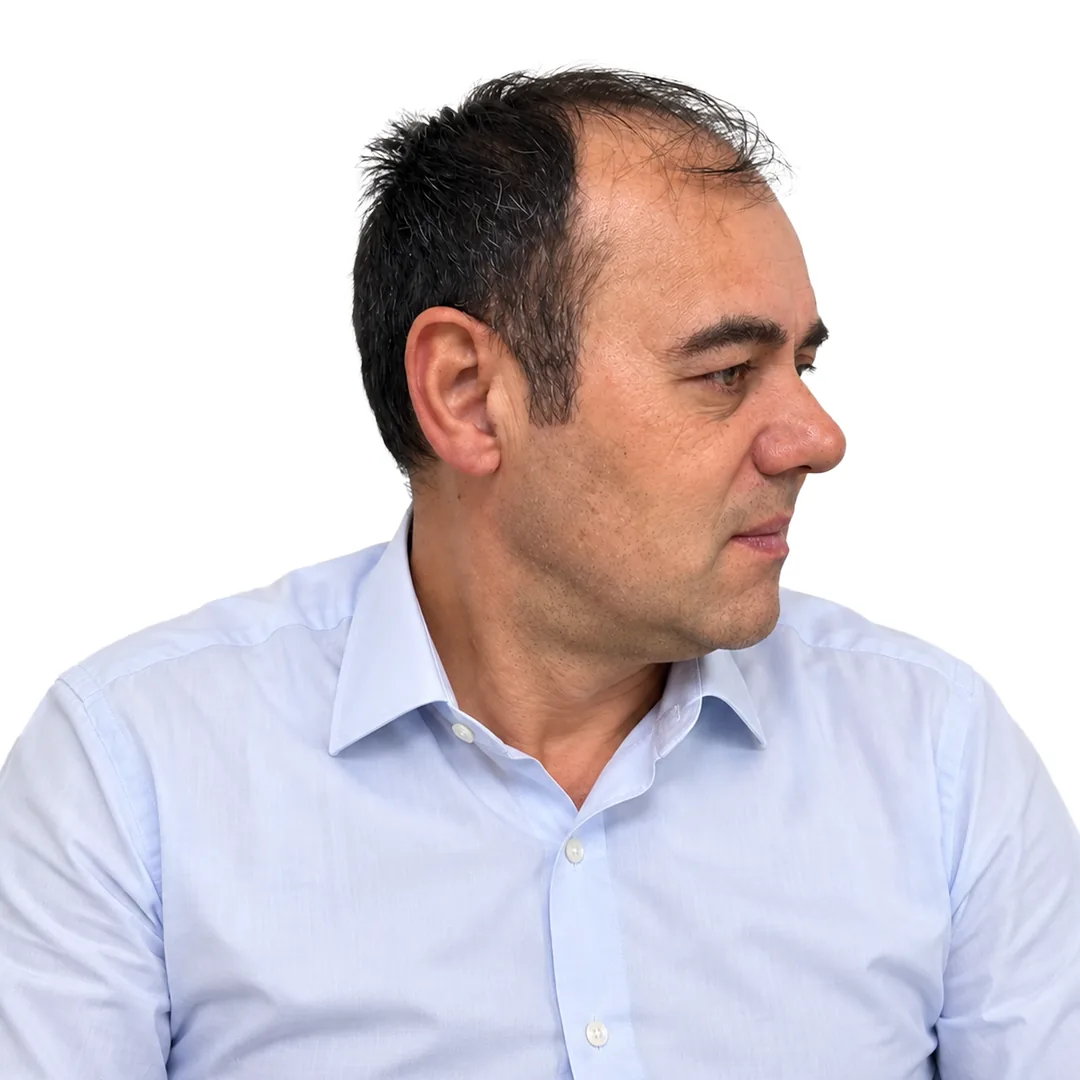
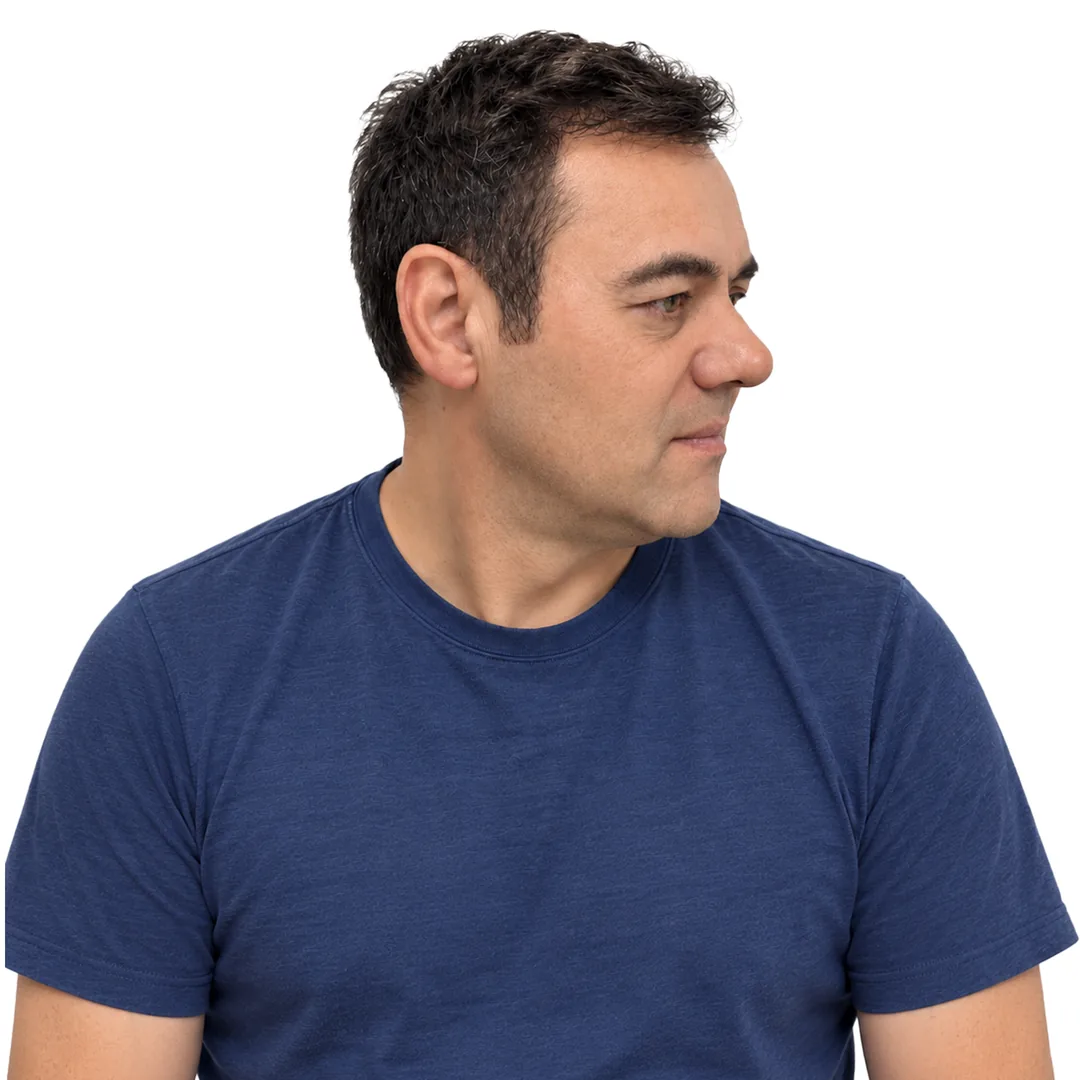
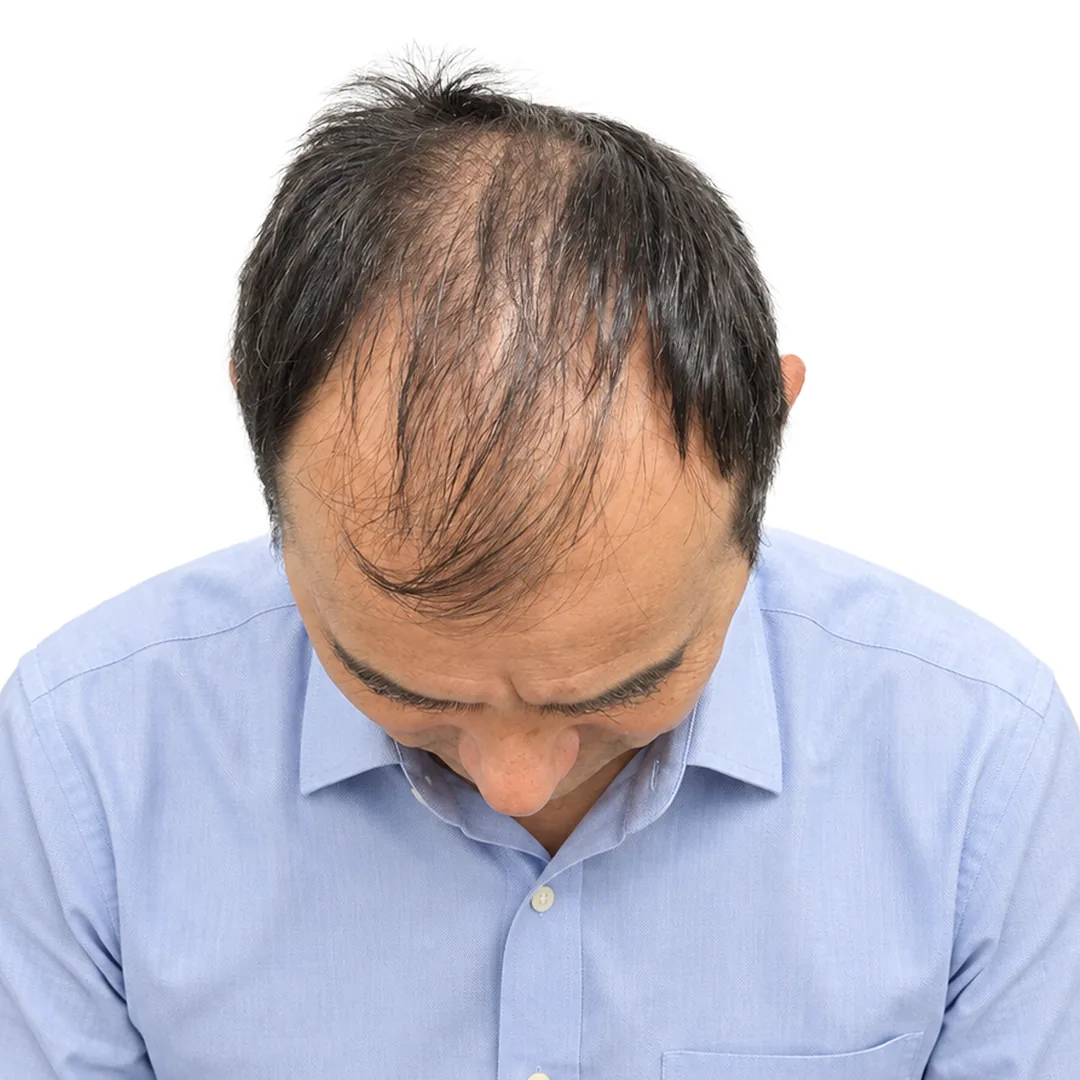

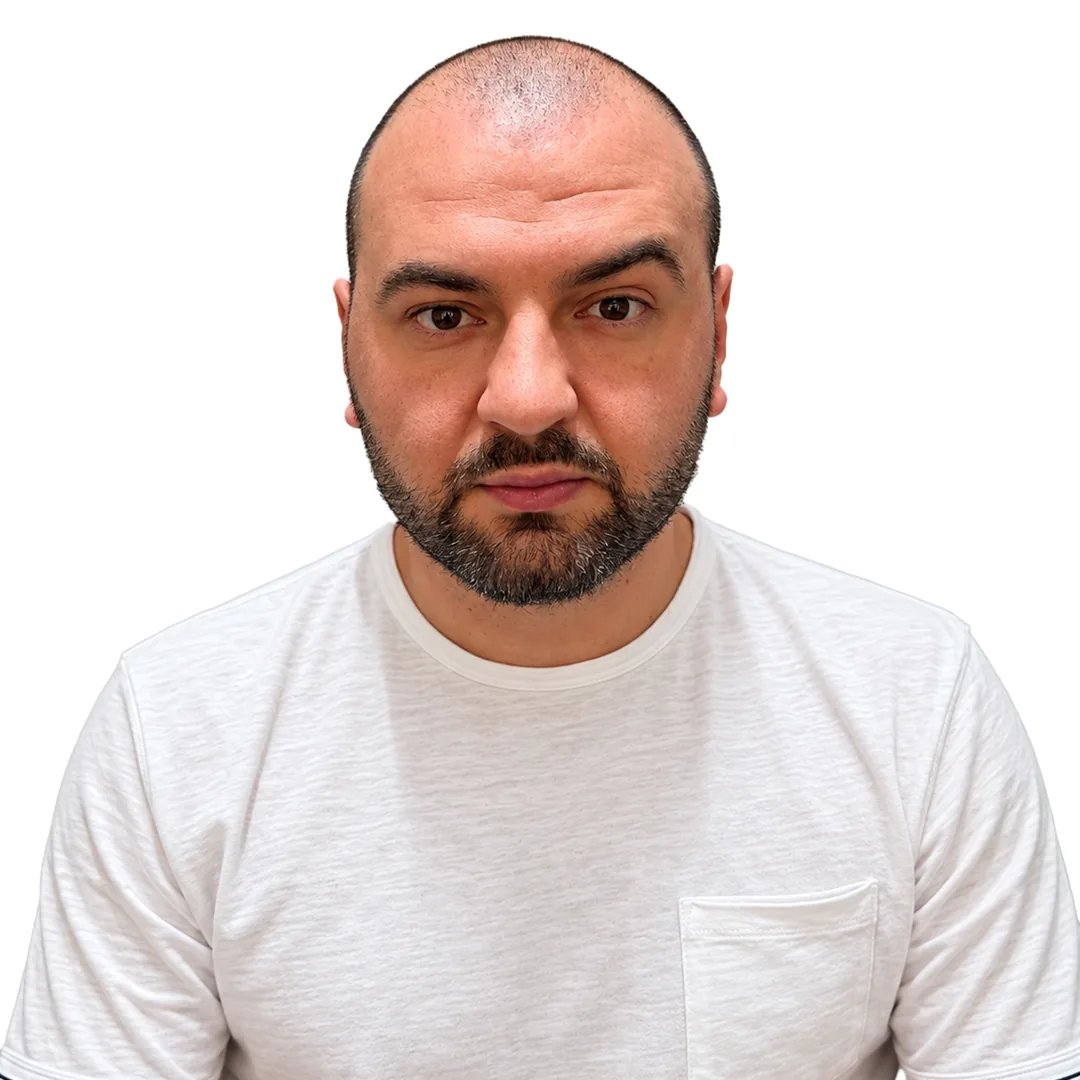
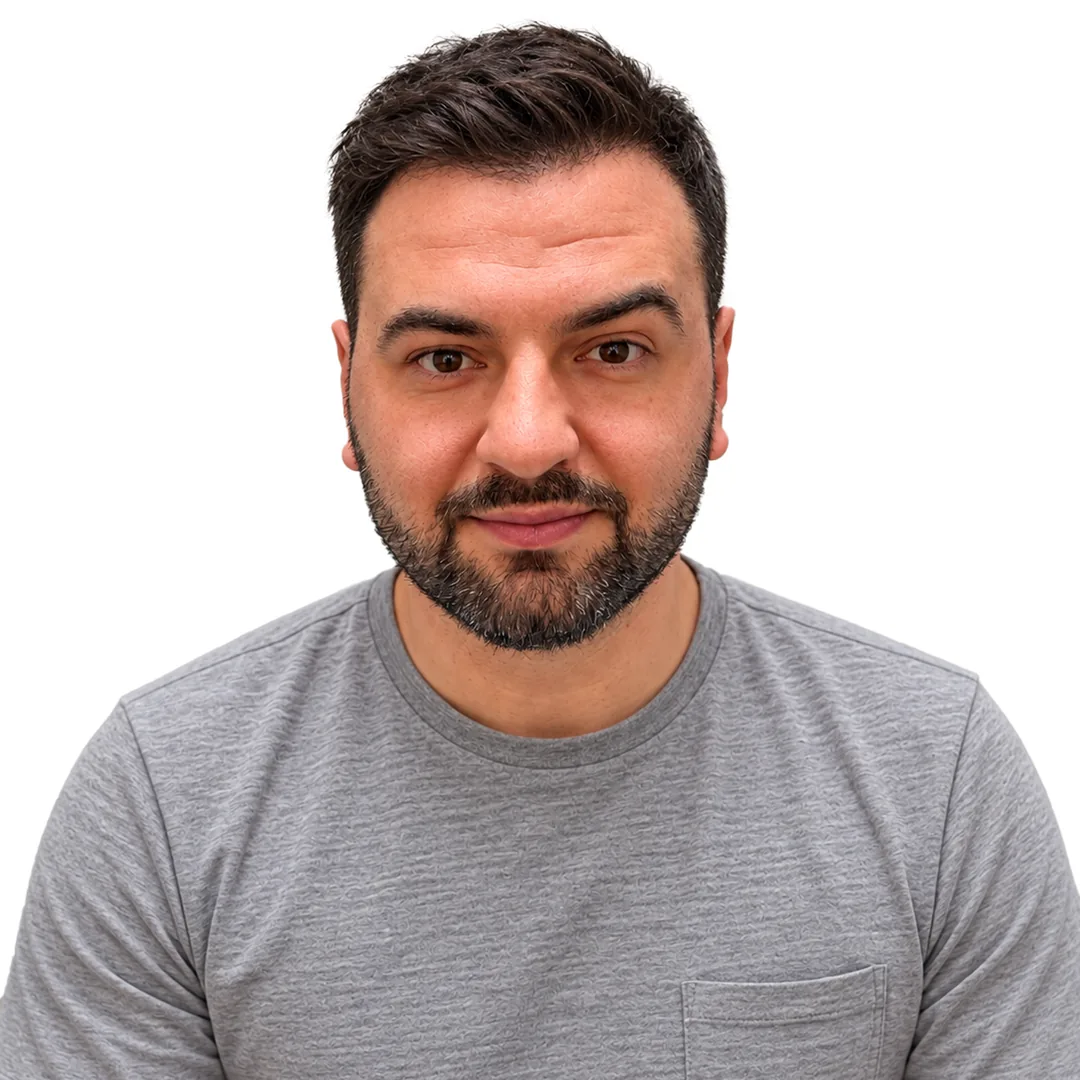
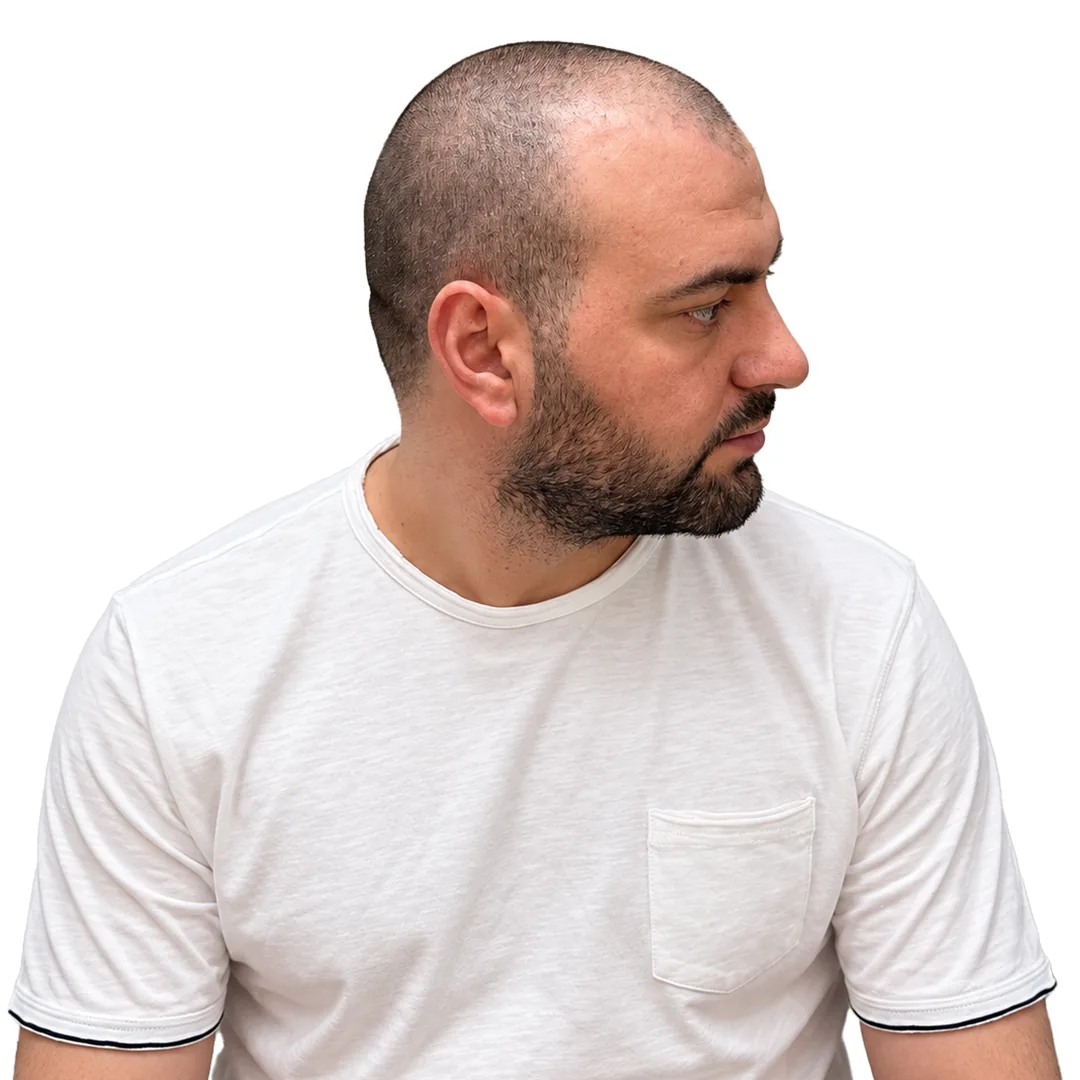
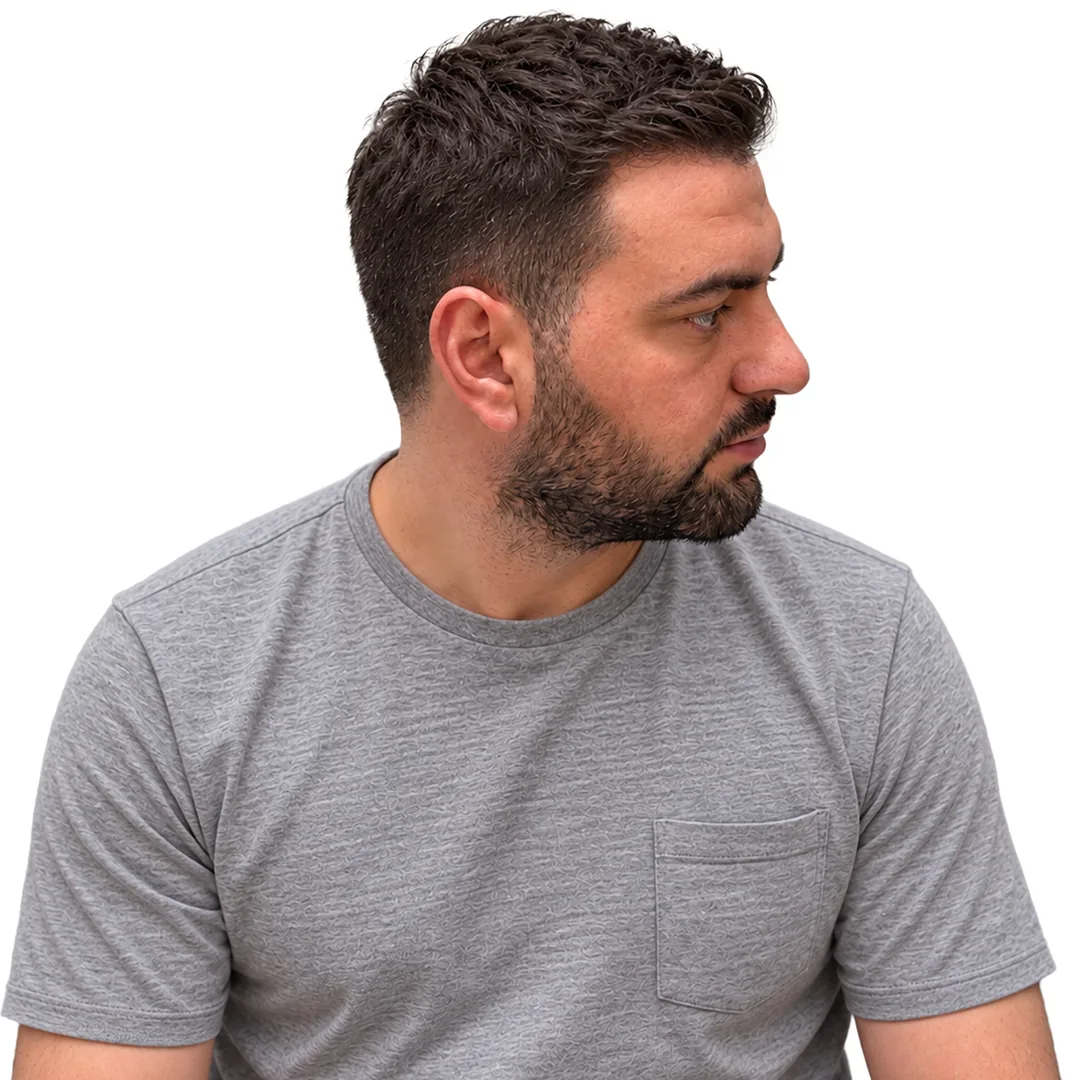
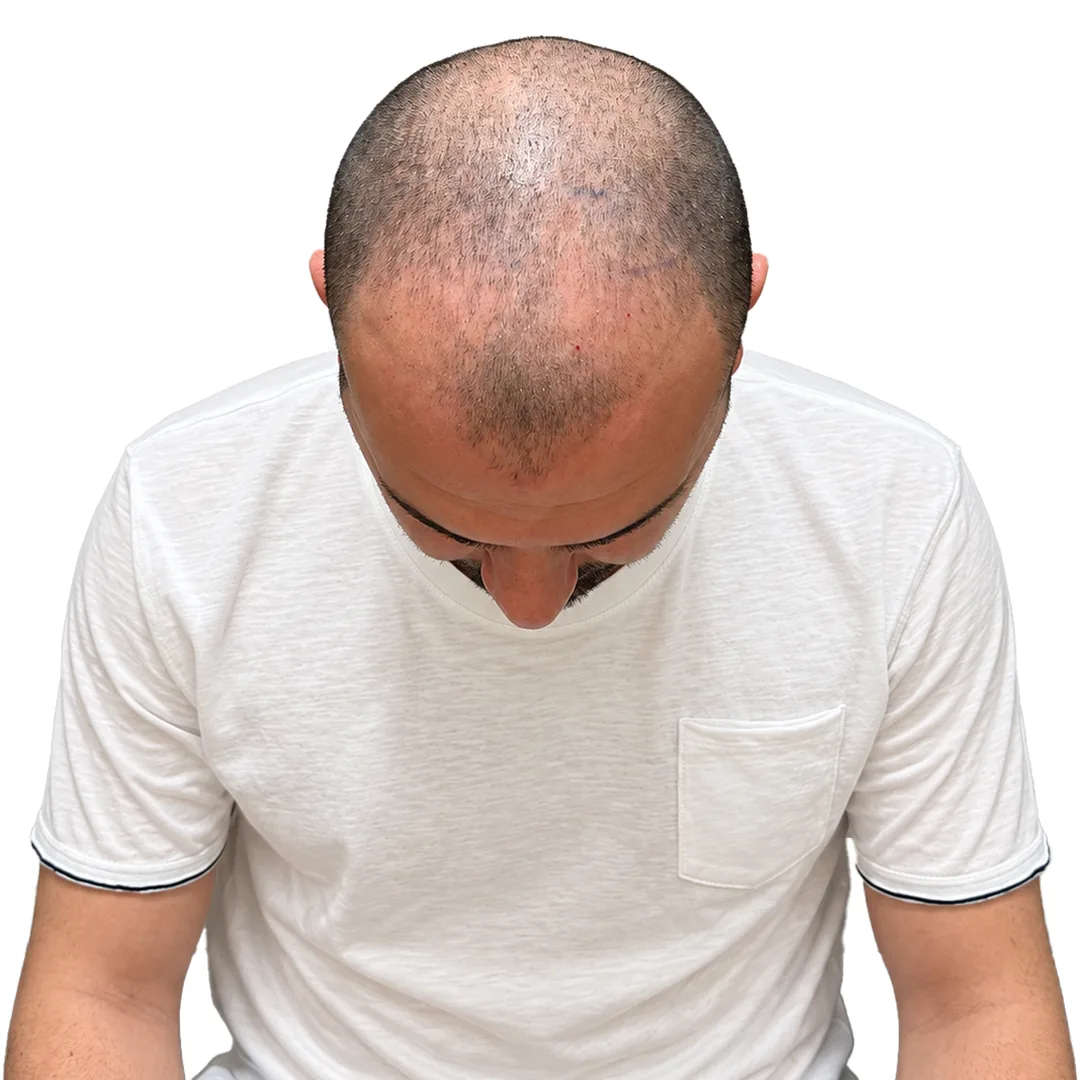

Hair Transplant
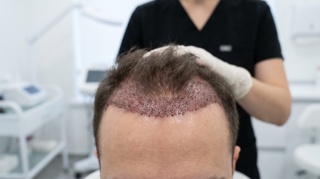
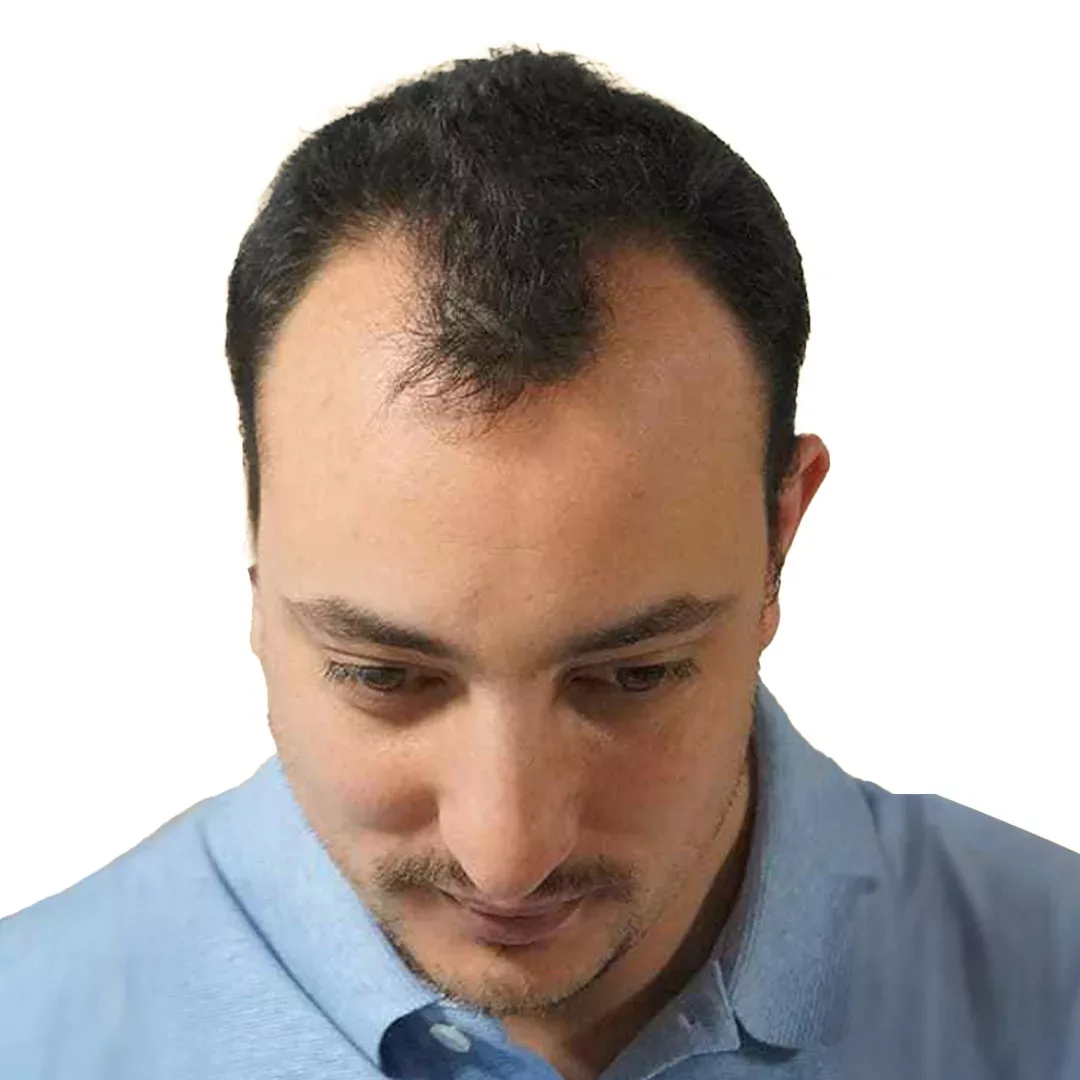
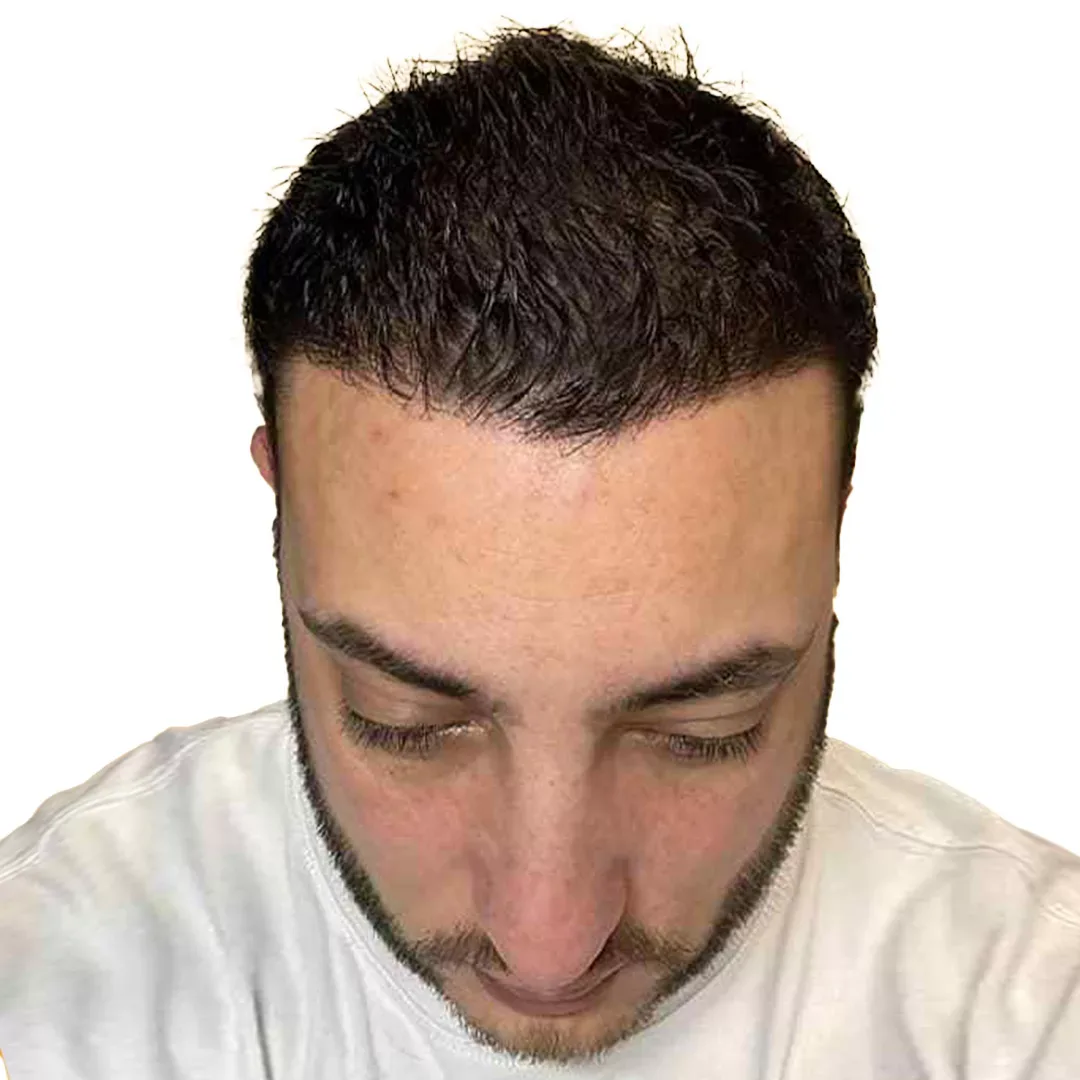
Photographed from above, which is the view that shows density rather than styling.
Hair Transplant
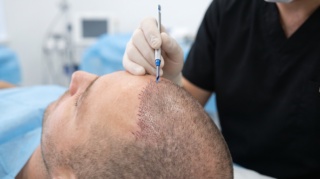
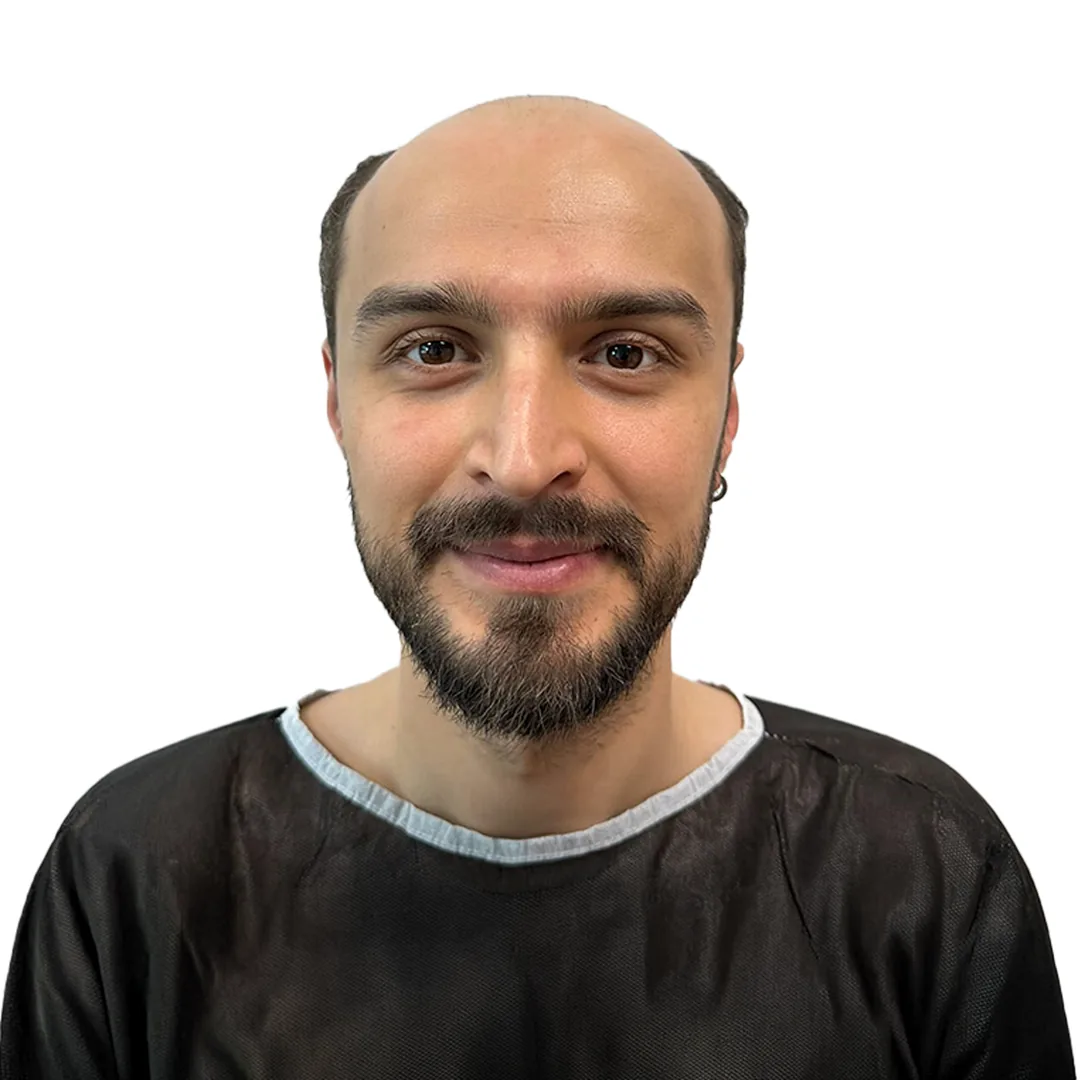
The temples are what make a hairline look natural, and they are transplanted with it.
Hair Transplant
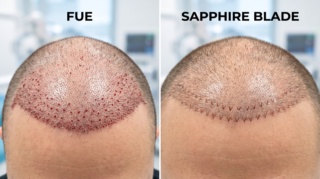
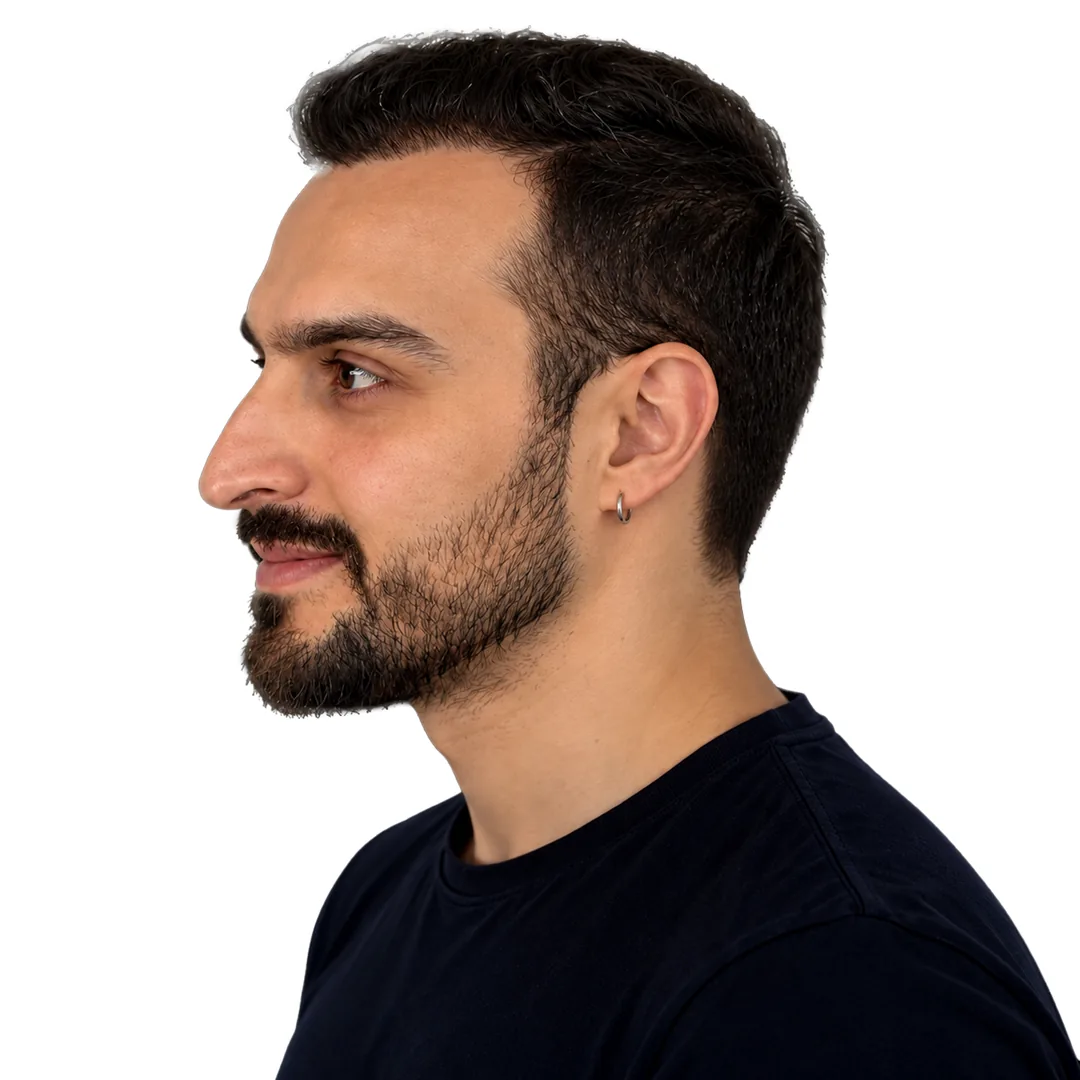
Photographed after it had grown and been cut, which is when a transplant is finally judged.
Hair Transplant · Front
Grafts placed to the direction and density of the hair around them.
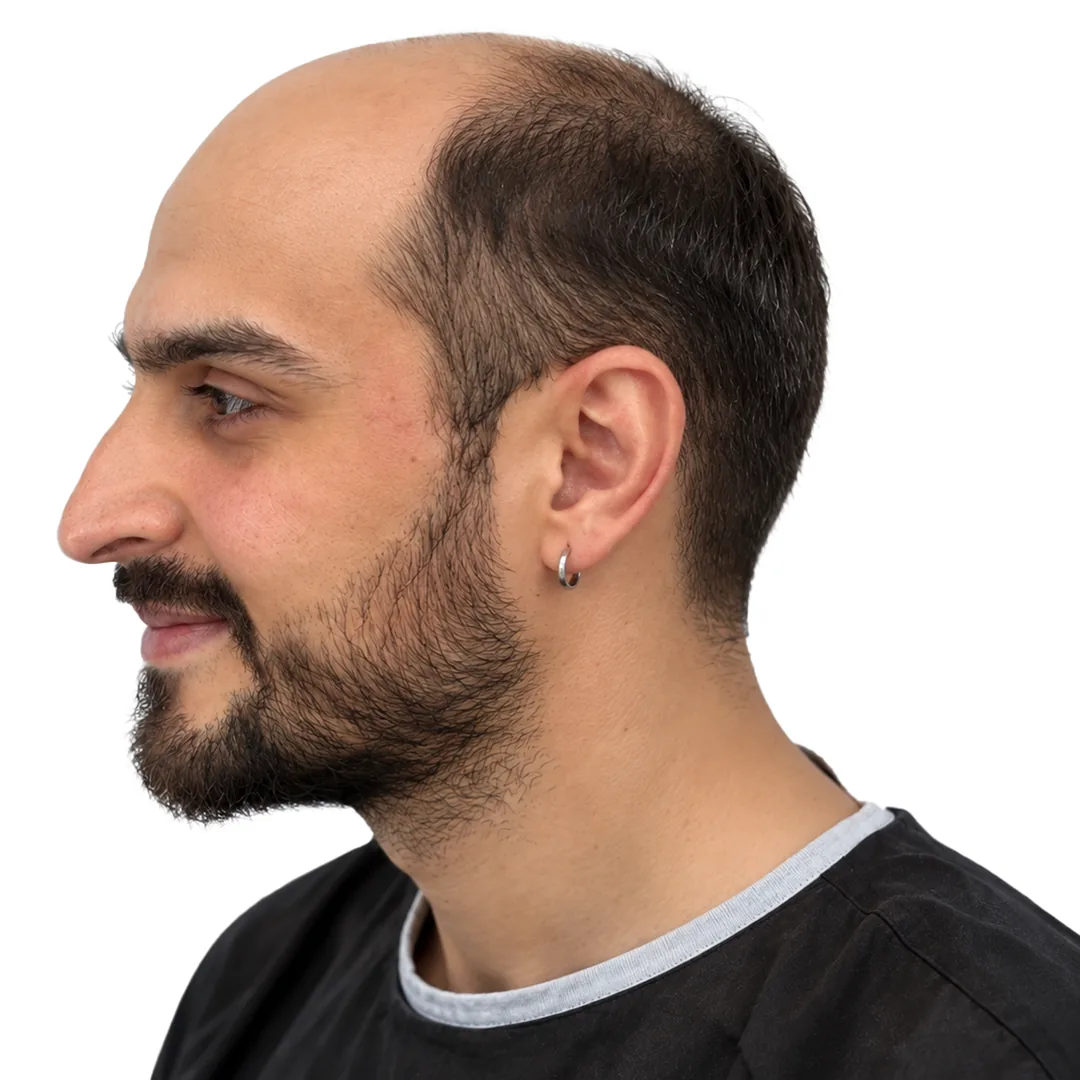
Hair Transplant · Profile
Grafts placed to the direction and density of the hair around them.
Hair Transplant · Three-quarter
Grafts placed to the direction and density of the hair around them.
Hair Transplant · Three-quarter
Grafts placed to the direction and density of the hair around them.
Hair Transplant · Profile
Grafts placed to the direction and density of the hair around them.
Hair Transplant · Front
Grafts placed to the direction and density of the hair around them.
Hair Transplant · Front
Grafts placed to the direction and density of the hair around them.
Hair Transplant · Three-quarter
Grafts placed to the direction and density of the hair around them.
Hair Transplant · Crown
Grafts placed to the direction and density of the hair around them.
Hair Transplant · Front
Grafts placed to the direction and density of the hair around them.
Hair Transplant · Three-quarter
Grafts placed to the direction and density of the hair around them.
Hair Transplant · Crown
Grafts placed to the direction and density of the hair around them.
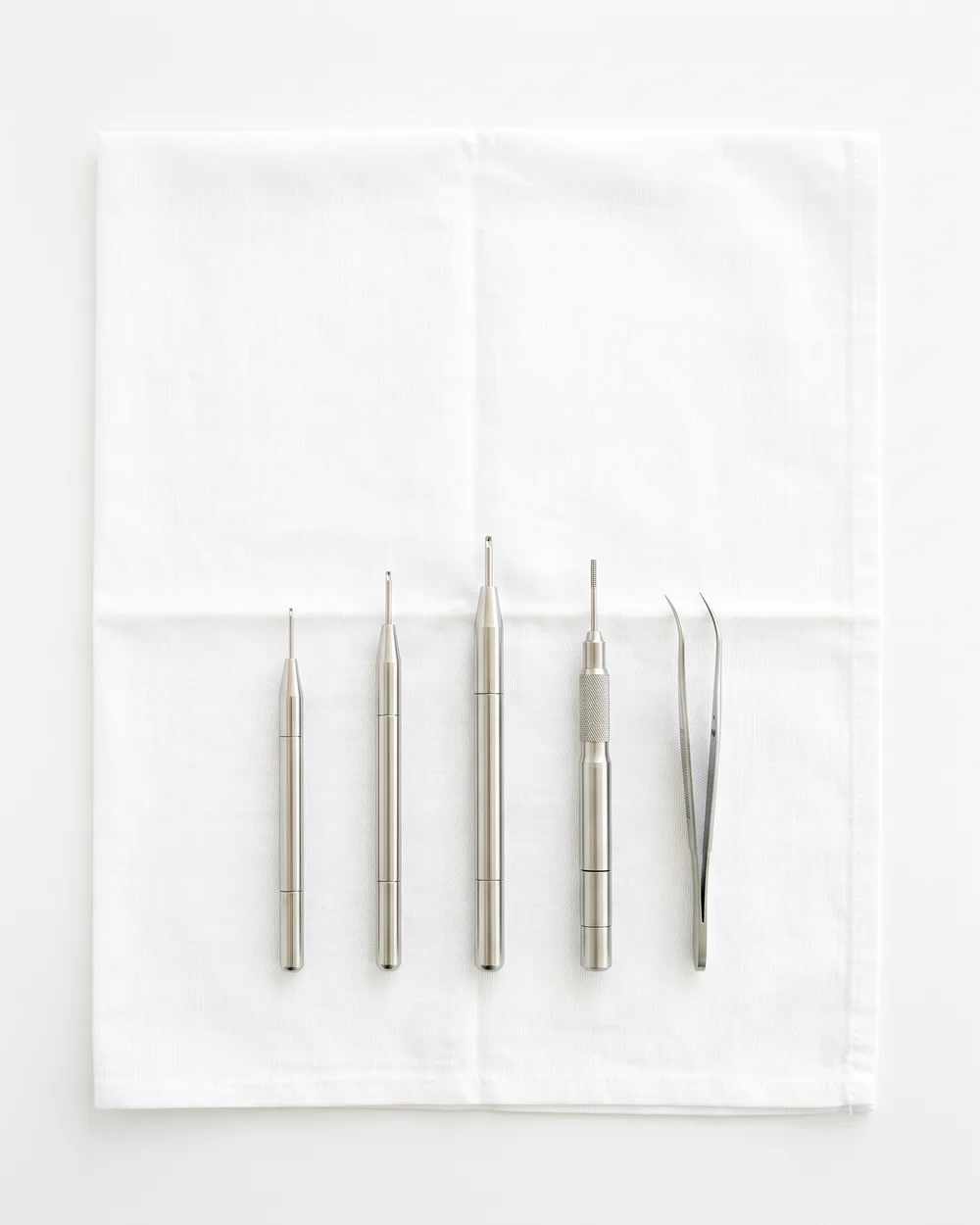
A hair transplant specifically relocates living follicles, which distinguishes it from topical hair growth treatments. The extraction technique varies between Follicular Unit Extraction (FUE) and Direct Hair Implantation (DHI). FUE requires creating pre-made incisions in the scalp before inserting the grafts. DHI utilizes a specialized pen tool to simultaneously puncture the skin and insert the follicle in one mechanical motion.
When attending your consultation, bring a complete medical history regarding any previous hair loss treatments or medications. You must disclose any dermatological conditions affecting your scalp. Be prepared to clearly indicate the specific structural areas where you wish to increase hair density. Provide a complete list of current medications, specifically noting any topical hair serums or systemic blood thinners.
No price list. Every plan is quoted for one person and one anatomy, so a figure only means something once someone has looked at yours — you get one in writing before you commit to anything.
This article is general information, not medical advice, and does not replace a consultation. Every procedure carries risk and outcomes vary from person to person.
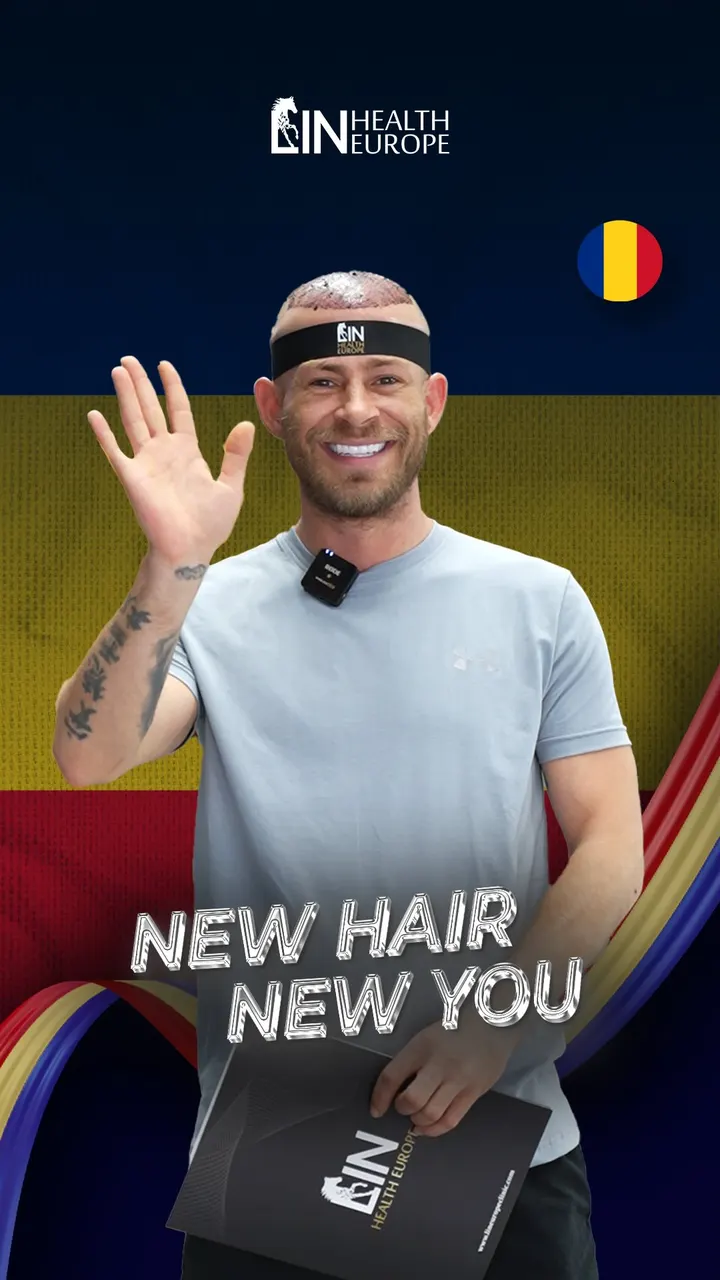
Filmed and published with our guests’ consent. Each speaks only for their own treatment — every face heals differently, and these are individual outcomes, not a promise of yours.
Answered as far as they can be answered in writing. Anything that depends on your own anatomy is answered by a surgeon looking at it.
A hair transplant is a surgical operation that extracts healthy hair follicles from one part of the scalp and relocates them to areas with thinning hair. It mechanically alters the distribution of your existing hair. The procedure utilizes your own biological tissue to increase physical hair density in specific anatomical zones.
FUE and DHI are different mechanical extraction and implantation techniques. In an FUE hair transplant, the surgeon makes small incisions in the recipient area before manually inserting the follicles. A DHI hair transplant uses a specialized implanter pen to simultaneously create the incision and insert the hair follicle in one single motion.
The procedure requires physical extraction, which creates microscopic scars in the donor area. In modern hair transplant techniques, these scars appear as tiny dots rather than a long linear line. Once the surrounding hair grows, it typically camouflages these extraction points, depending on your natural biological healing process.
The hair follicles extracted for a hair transplant are typically taken from the back or sides of the head. These specific biological tissues are genetically resistant to the hormones that cause pattern baldness. Once relocated, they retain this genetic resistance in their new anatomical position.
A hair transplant generally requires shaving the donor area to allow the surgeon to clearly see and extract the individual follicles. Depending on the specific surgical plan and the chosen technique, shaving the recipient area may also be necessary to precisely control the angle and depth of the implantation.
A hair transplant is performed under local anesthesia. This means the specific areas of your scalp involved in the extraction and implantation are completely numb, but you remain physically awake throughout the operation. The method isolates the tissue modification without requiring systemic sedation.
Guest Stories
Their attention to detail is exceptional! They truly listen to your goals and carefully craft a personalized plan without ever making you feel rushed.I had my hair transplant at Lin Europe Clinic, and my experience was excellent from start to finish. Everything was well organized, the procedure was smooth, and I didn't feel any pain during the treatment. The entire team was professional, friendly, and very caring. I really appreciated their attention to detail and the level of care they provided.I had the Baby Face Laser treatment at Lin Europe Clinic, and I had a great experience. The team was very professional, friendly, and made me feel comfortable throughout the entire process. They explained everything clearly and took the time to answer all of my questions. The clinic was clean, well-organized, and the treatment was carried out with great care.Linspired by you.
Tell us what you are considering. A coordinator who speaks your language will come back to you with an honest assessment of what is realistic — not a sales pitch.
Seven languages · No obligation
We measure how this site is used, and that needs your agreement before anything is stored on your device. Until you choose, nothing is. What is measured