







6 min read
Surgery on a nose whose structure and skin have already been changed by an operation.
Revision rhinoplasty works with bone, cartilage, and soft tissue that have been altered by a prior operation. The surgeon's work is defined by the anatomy left behind: the amount and quality of remaining cartilage, the thickness of the skin, and the extent of internal scarring. These factors, more than the initial wish, determine what changes are possible for the nose's profile, tip, and symmetry. Often, cartilage grafts from the septum, ear, or rib are required to rebuild the underlying framework.
The approach to a revision is determined by the first surgery's legacy. Each case presents a unique combination of scar tissue, depleted cartilage, and a changed skin envelope. A plan that is viable for one person may not be for another with a different surgical history, even if their goals seem similar. The final plan is therefore a response not just to the patient's face and aesthetic aims, but to the specific anatomical situation created by the previous intervention.
These are facial aesthetics cases performed here, not all of them this operation — some include an uplift, which is a different procedure. Every pair is on the results page with its own description.
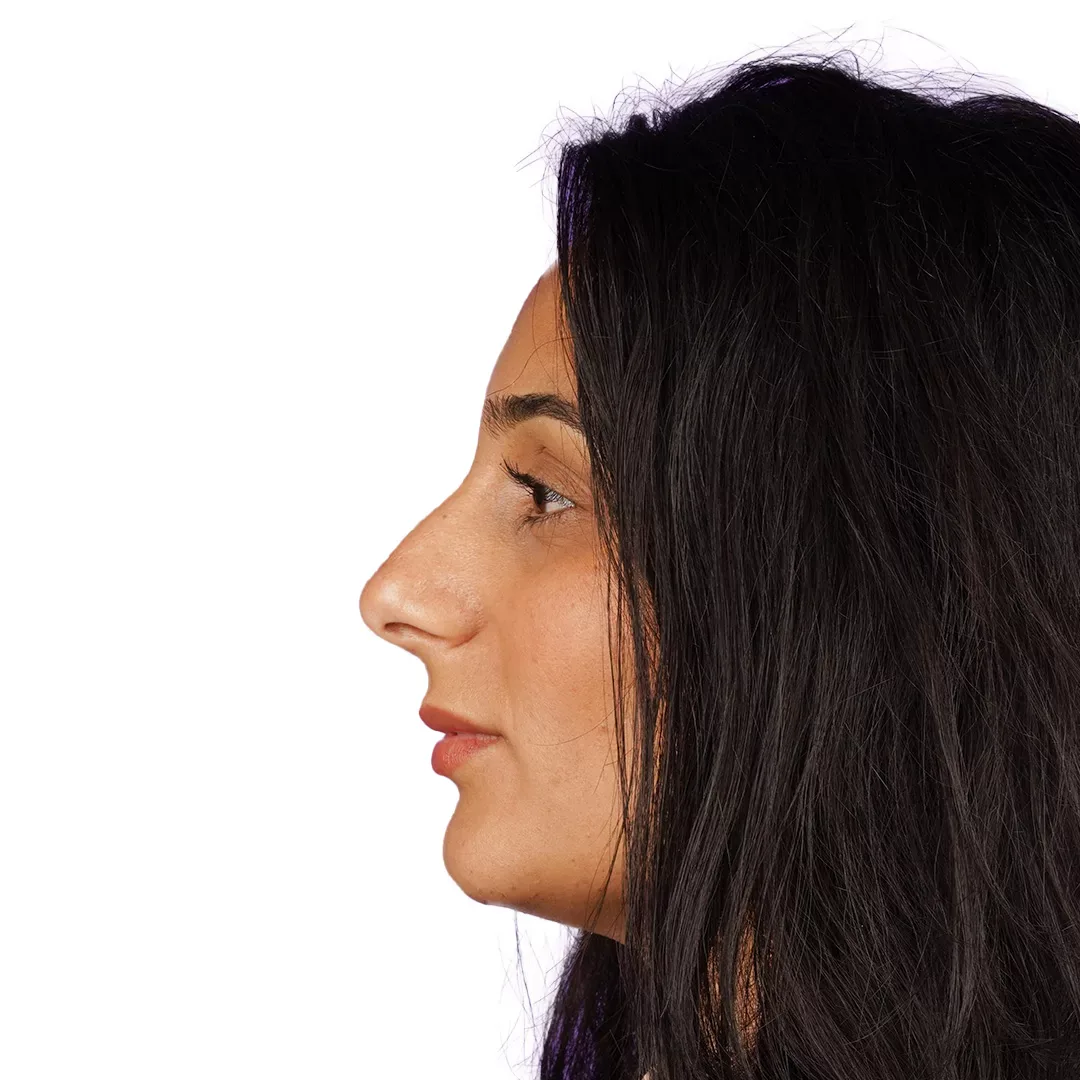
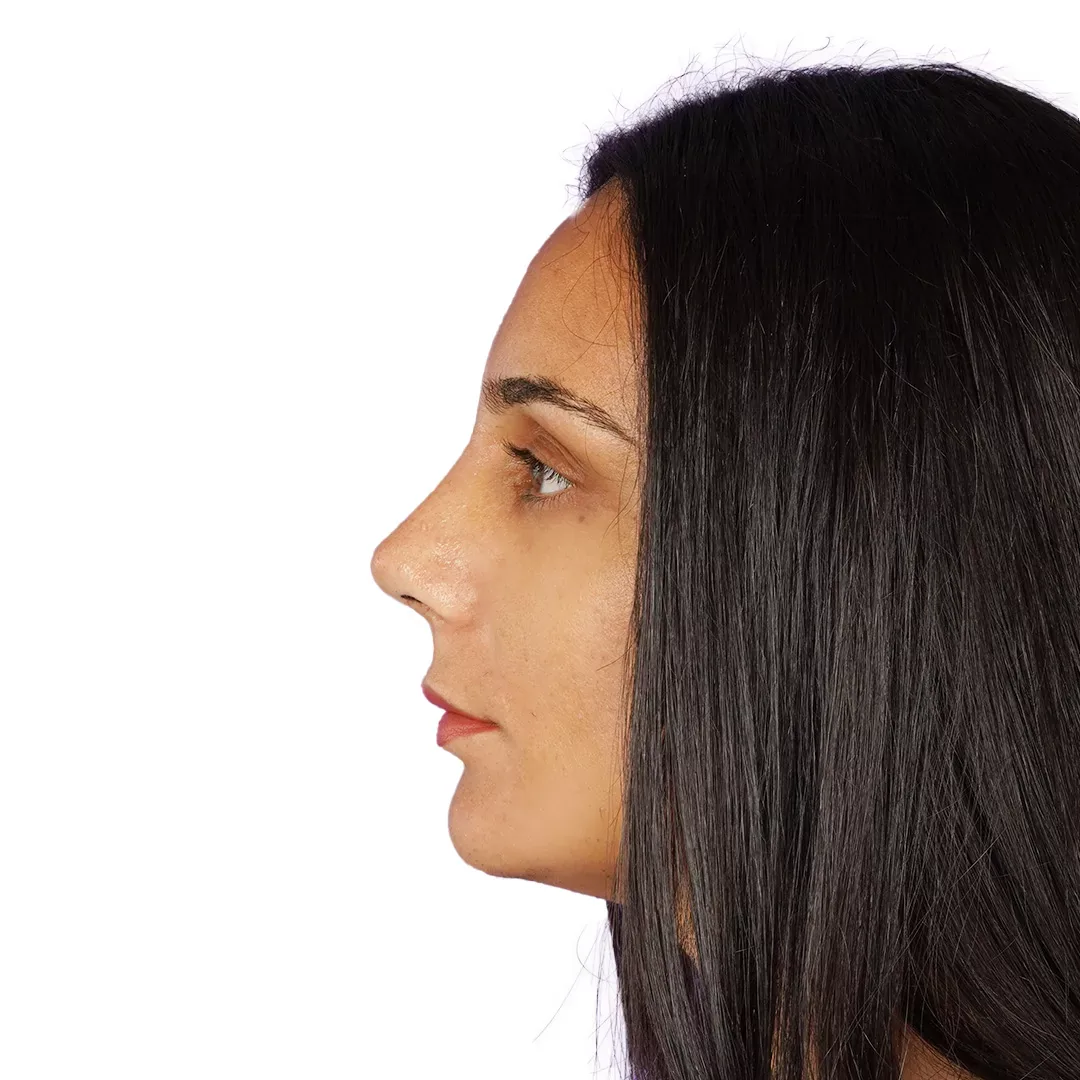
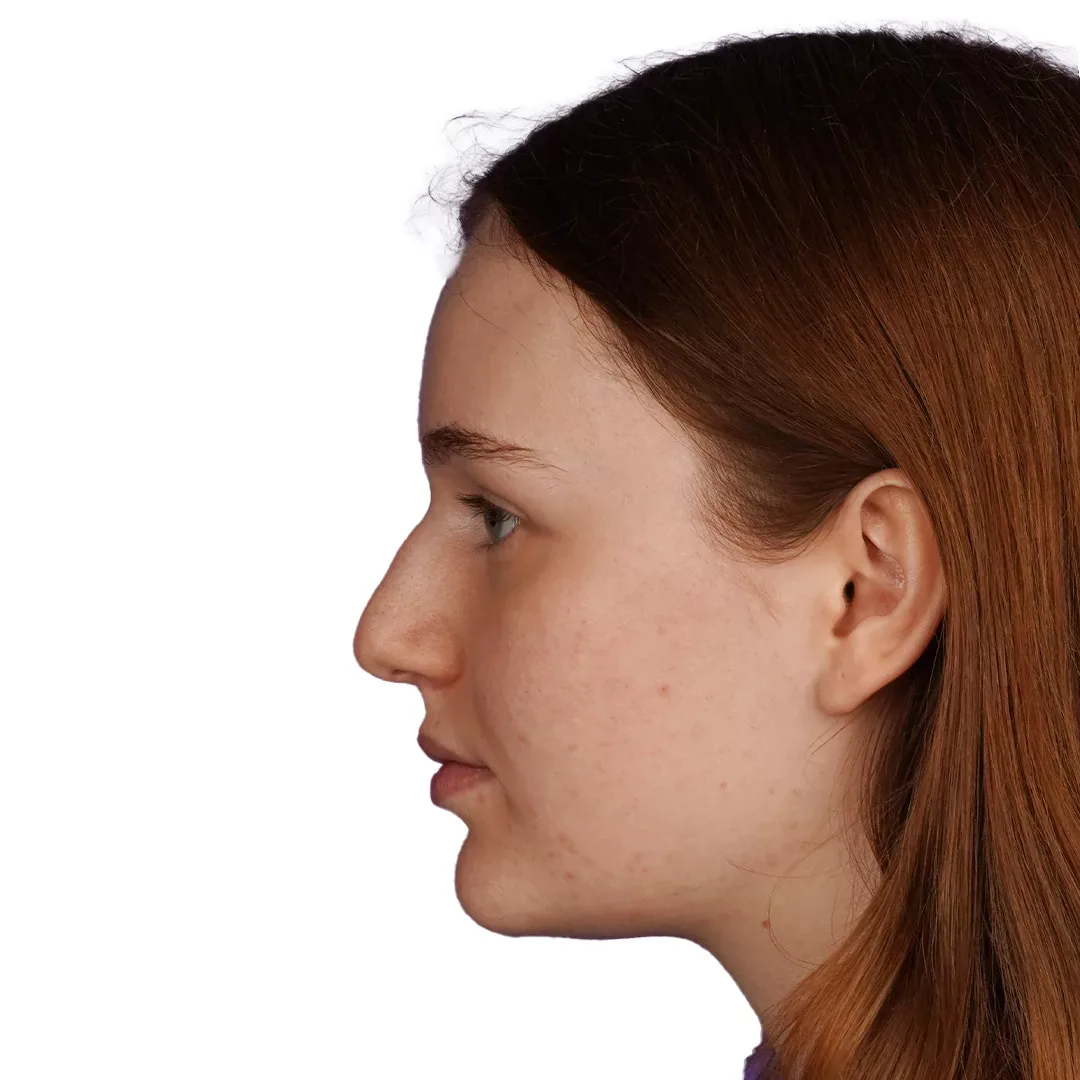
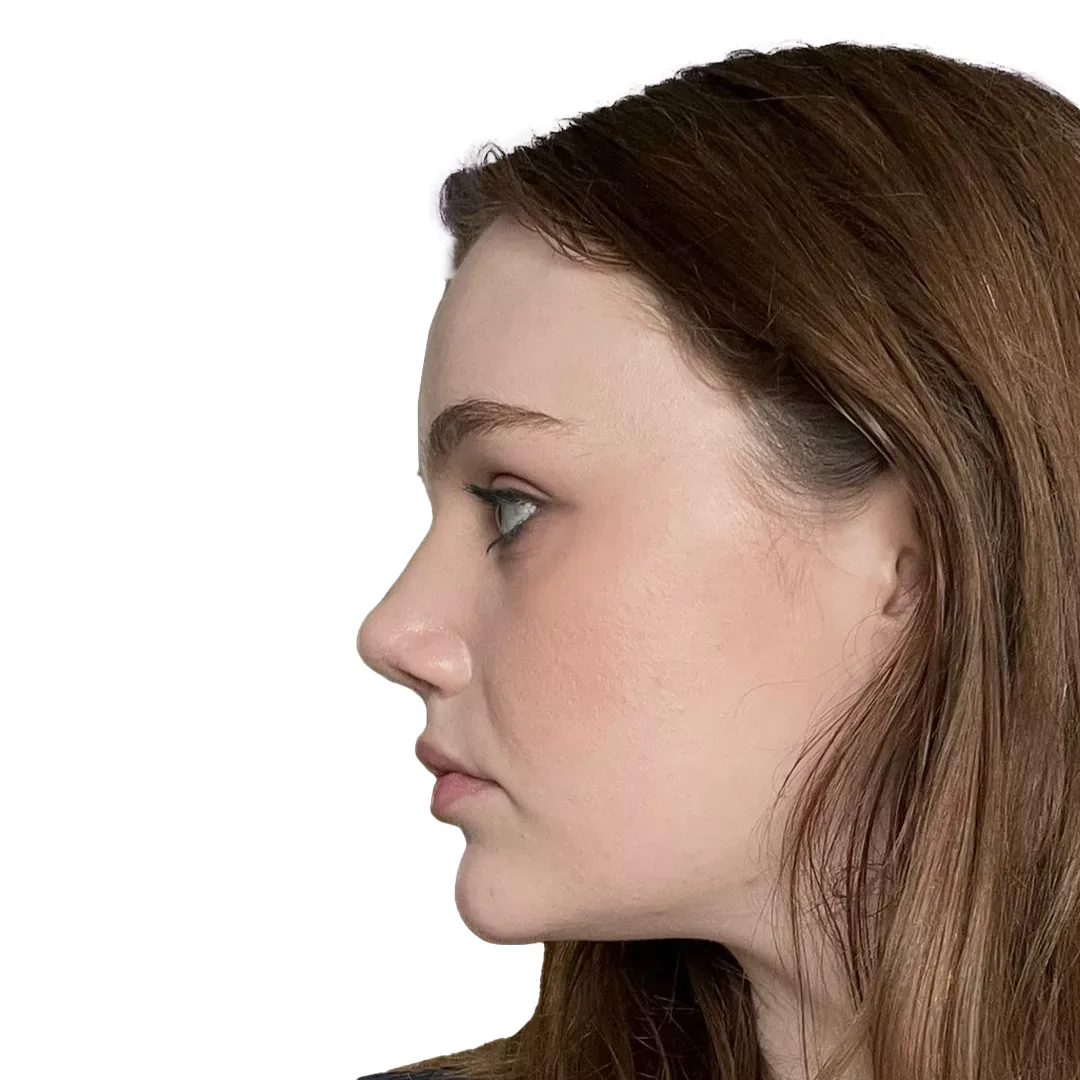
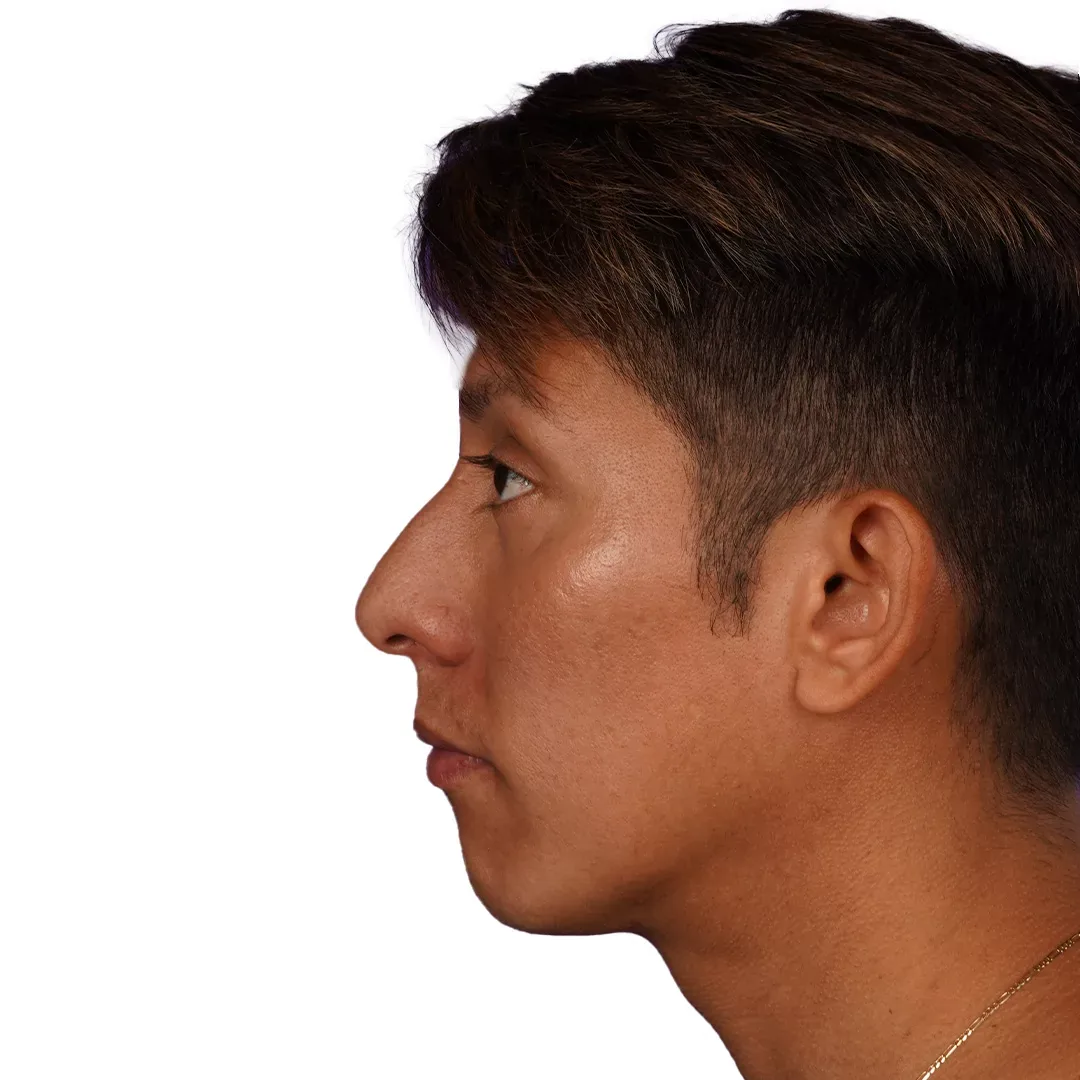
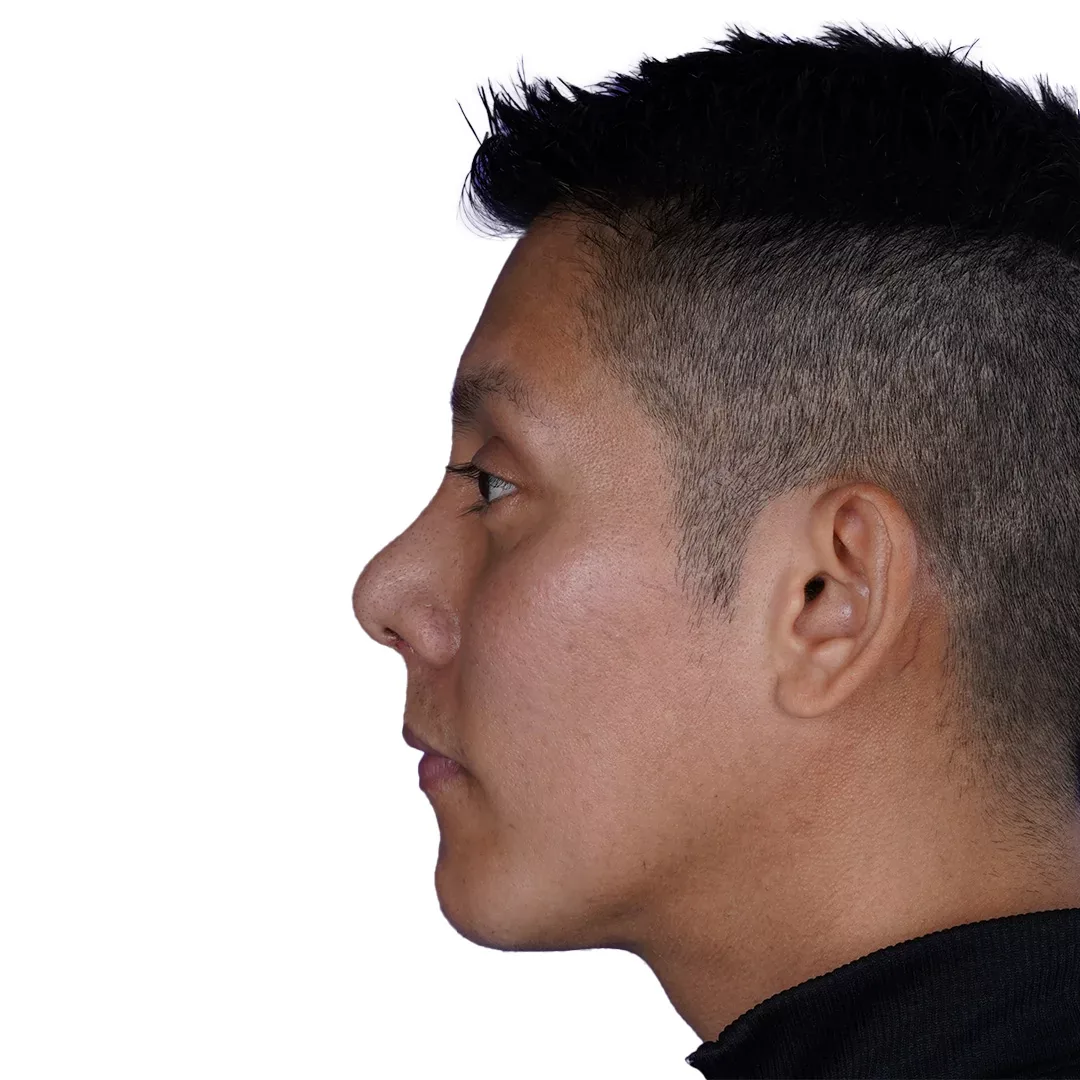
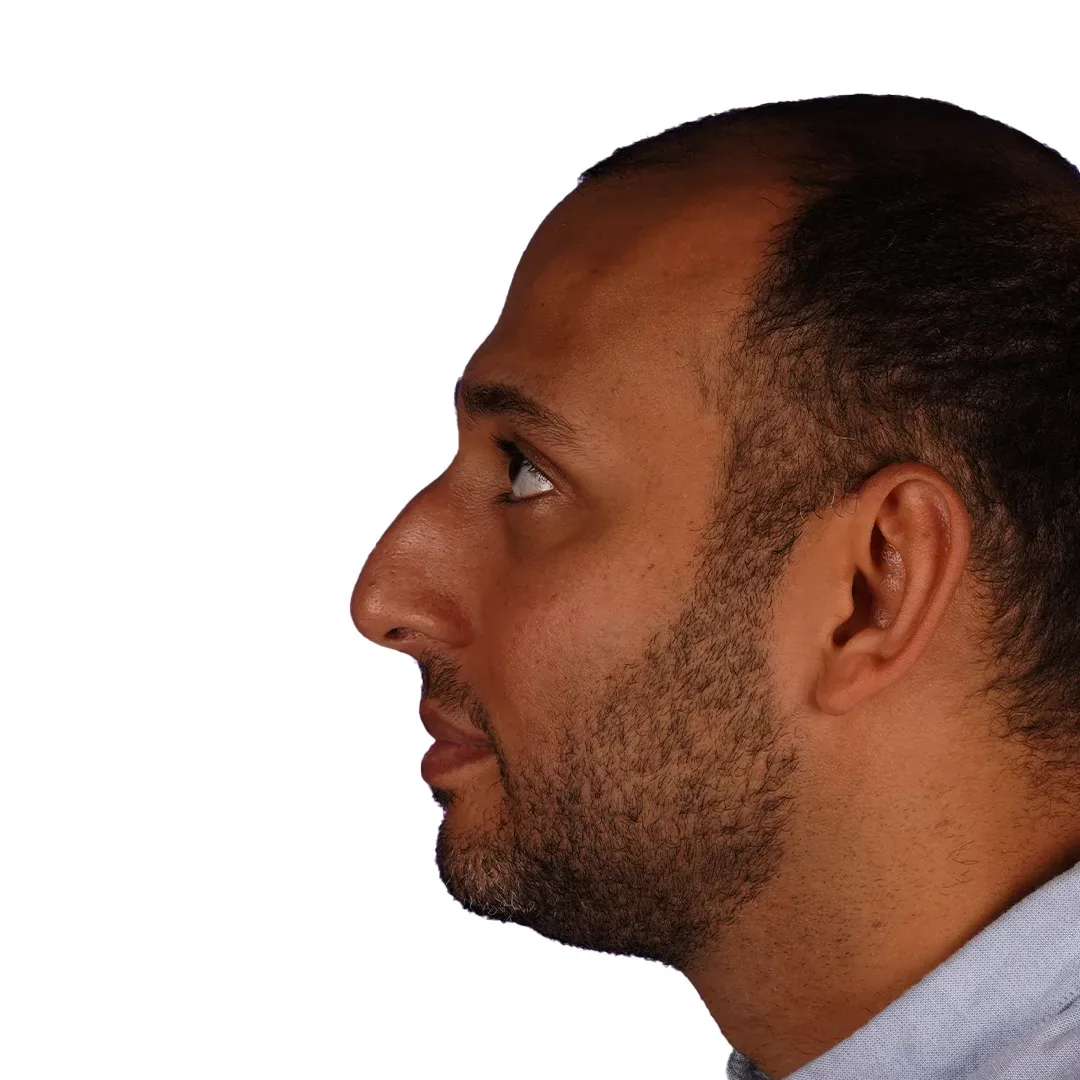
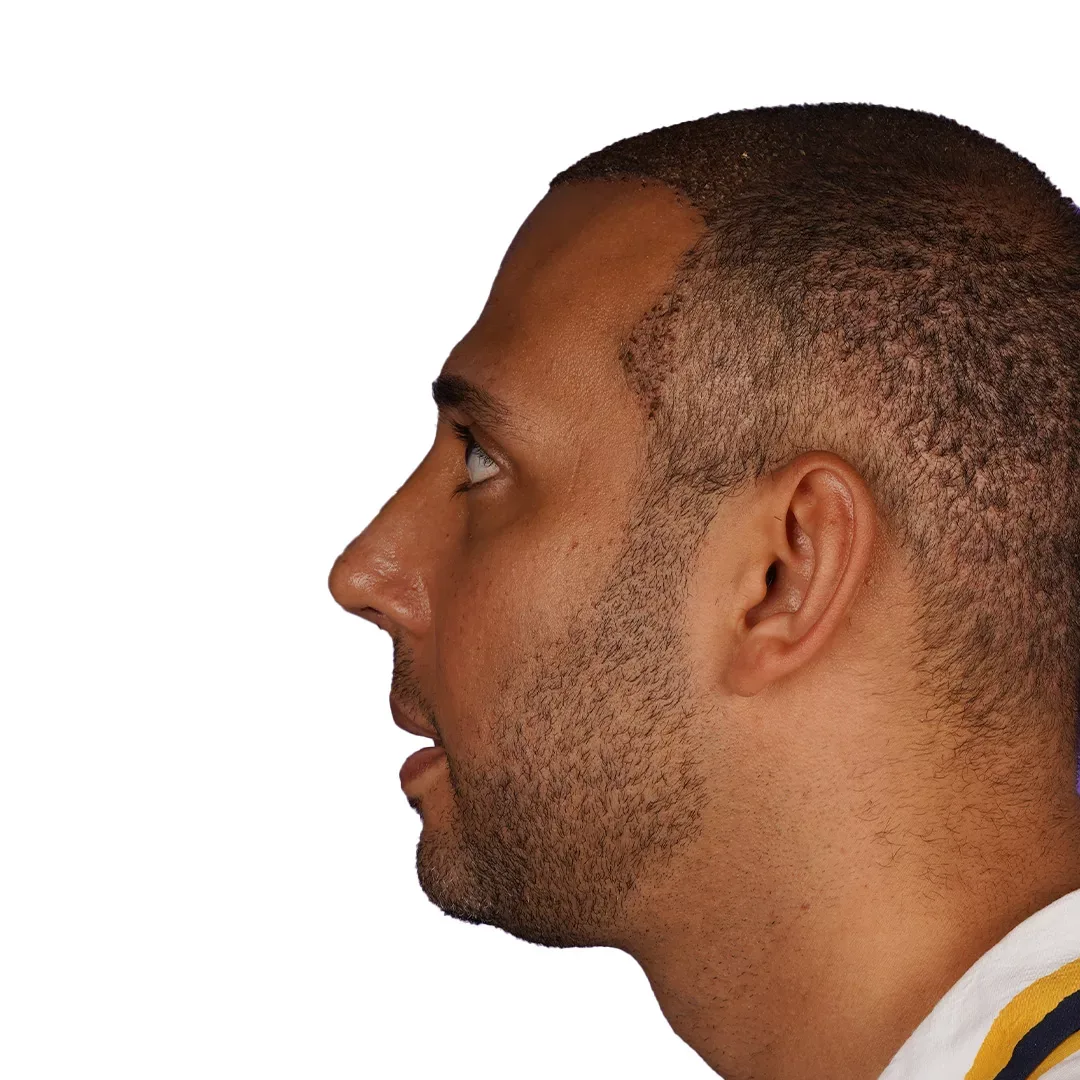
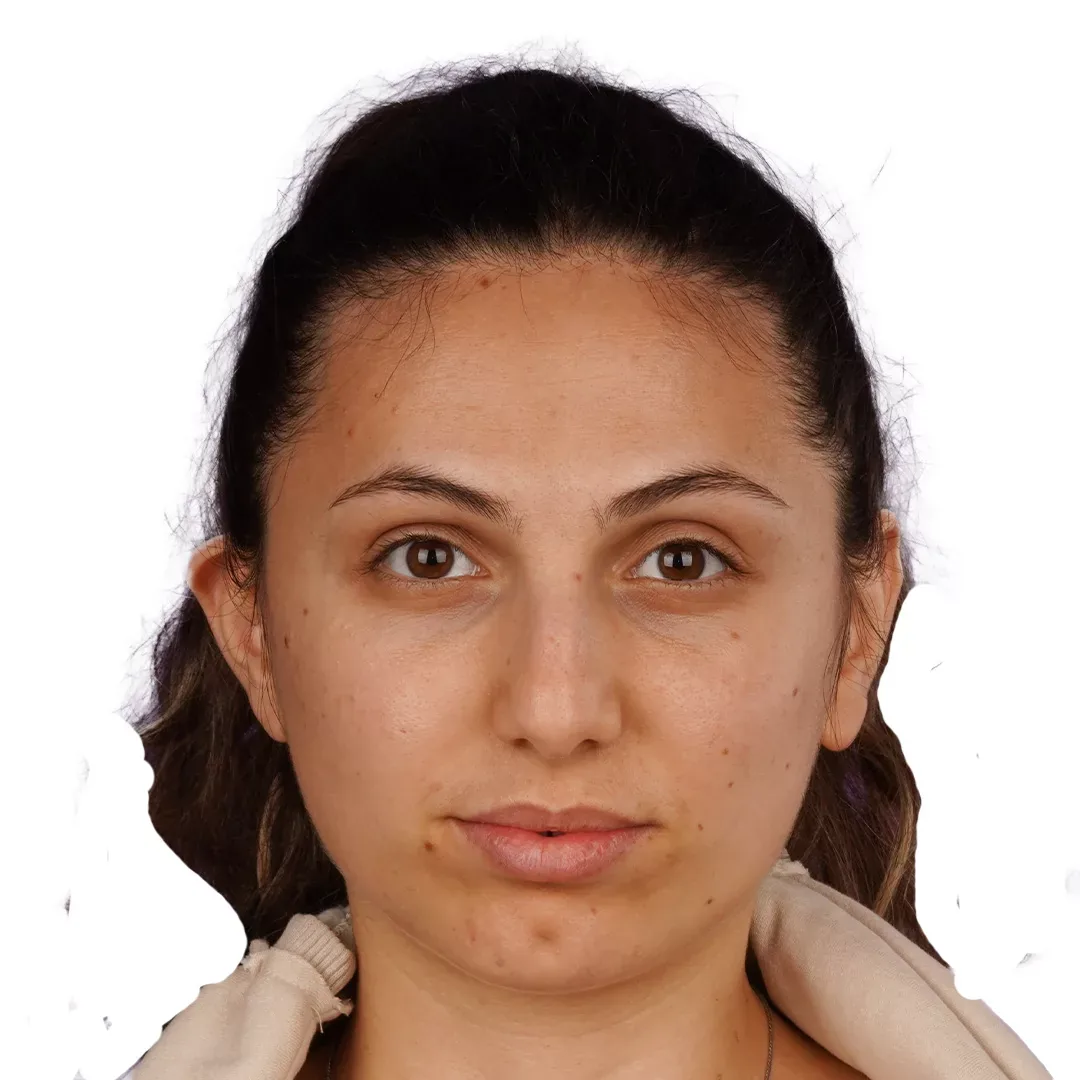
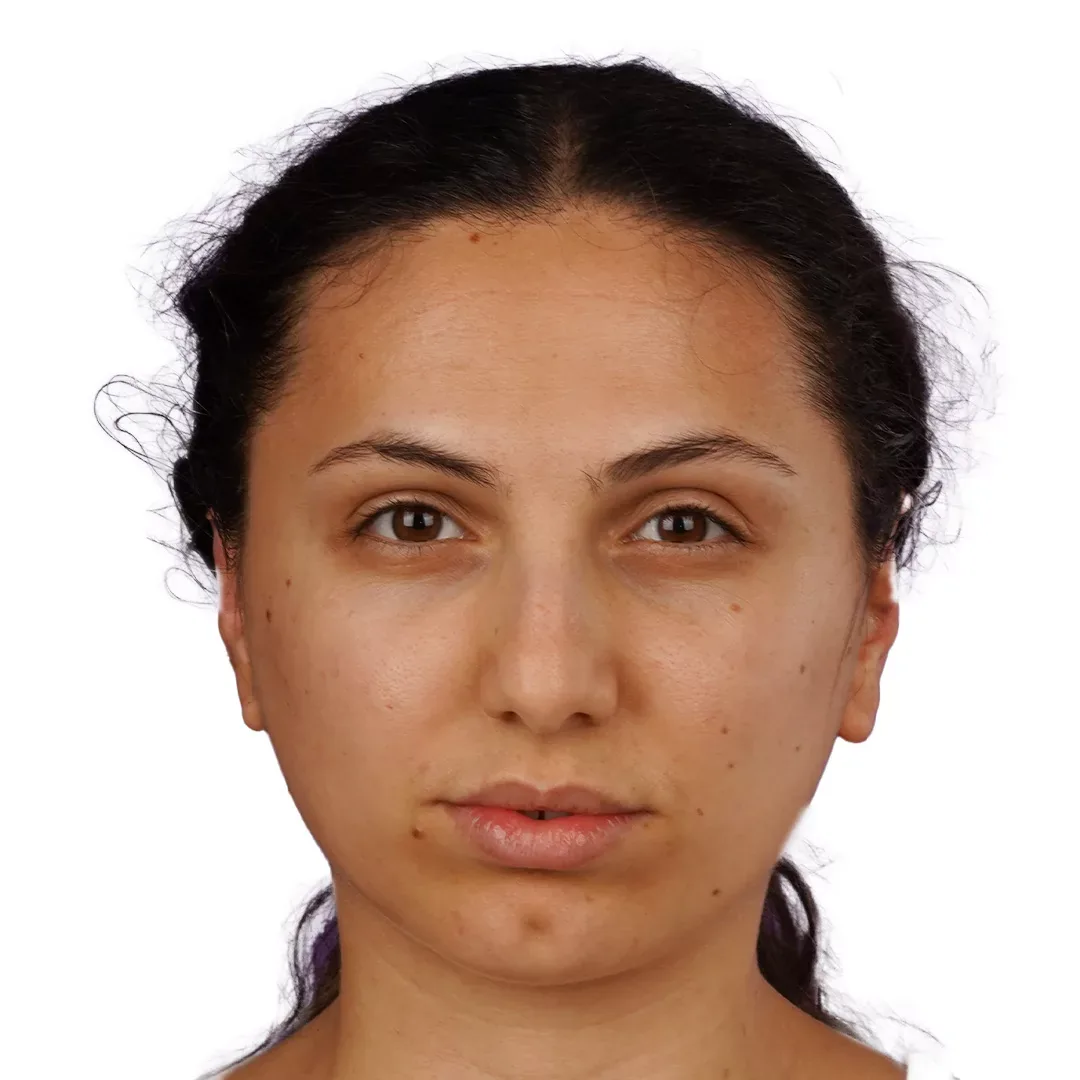
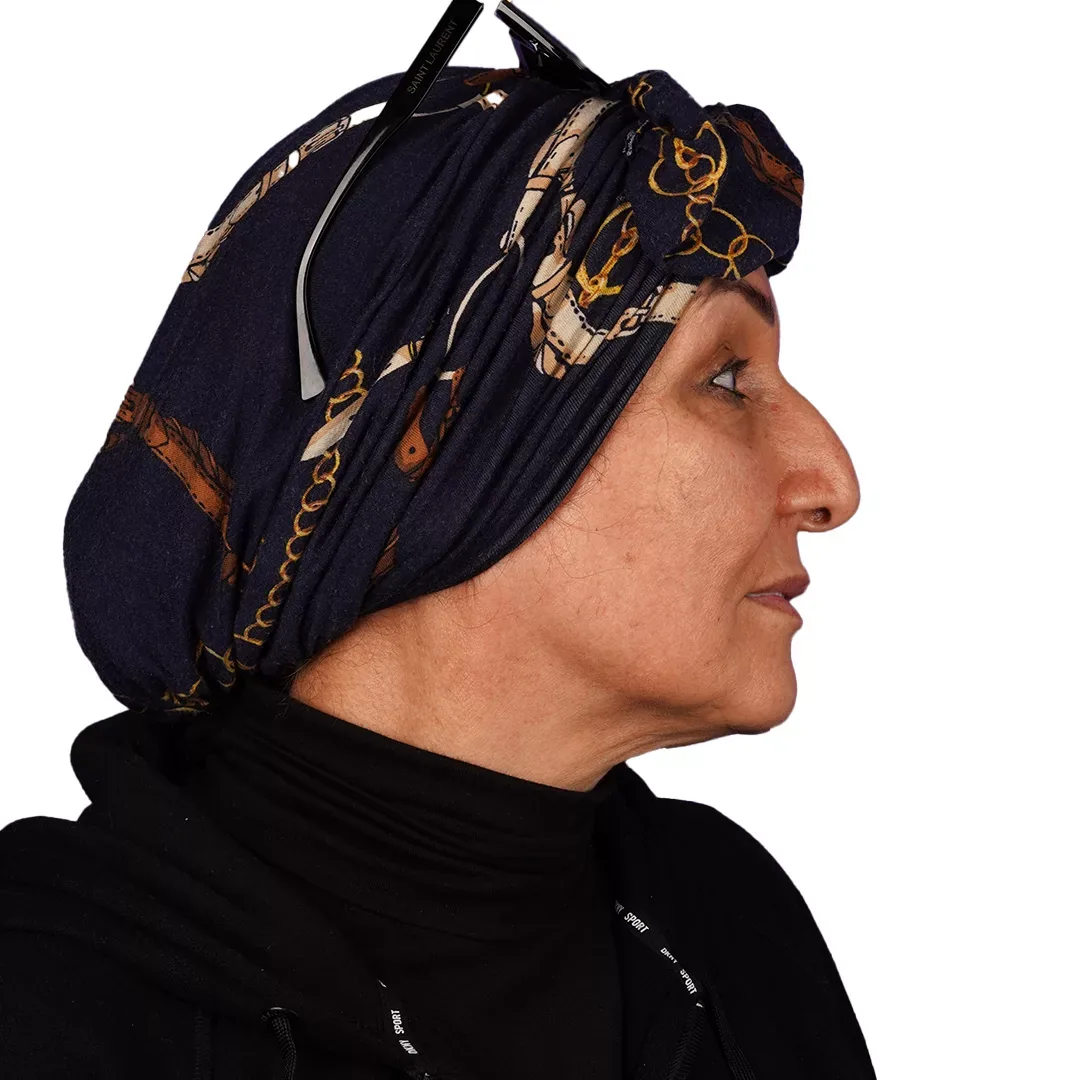
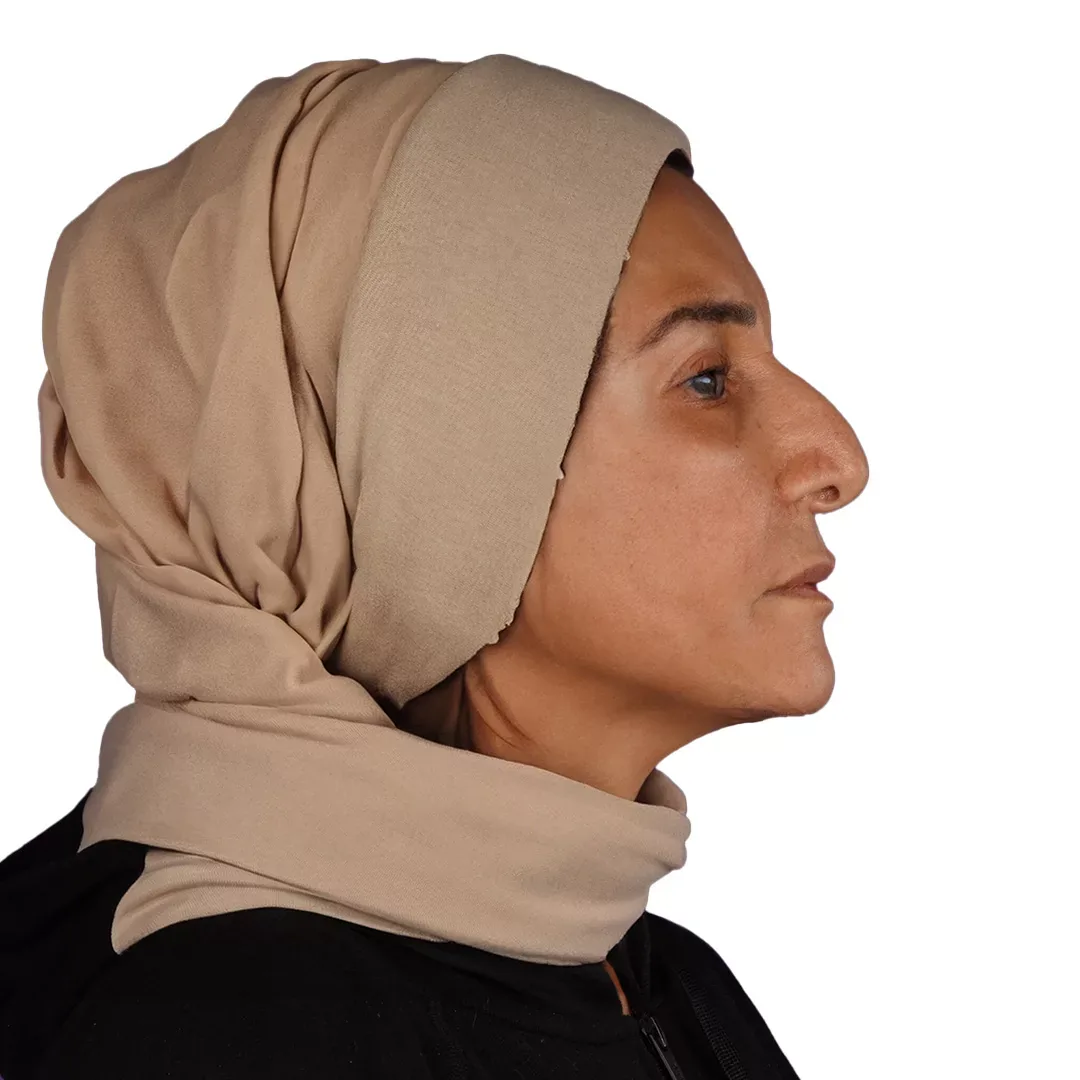
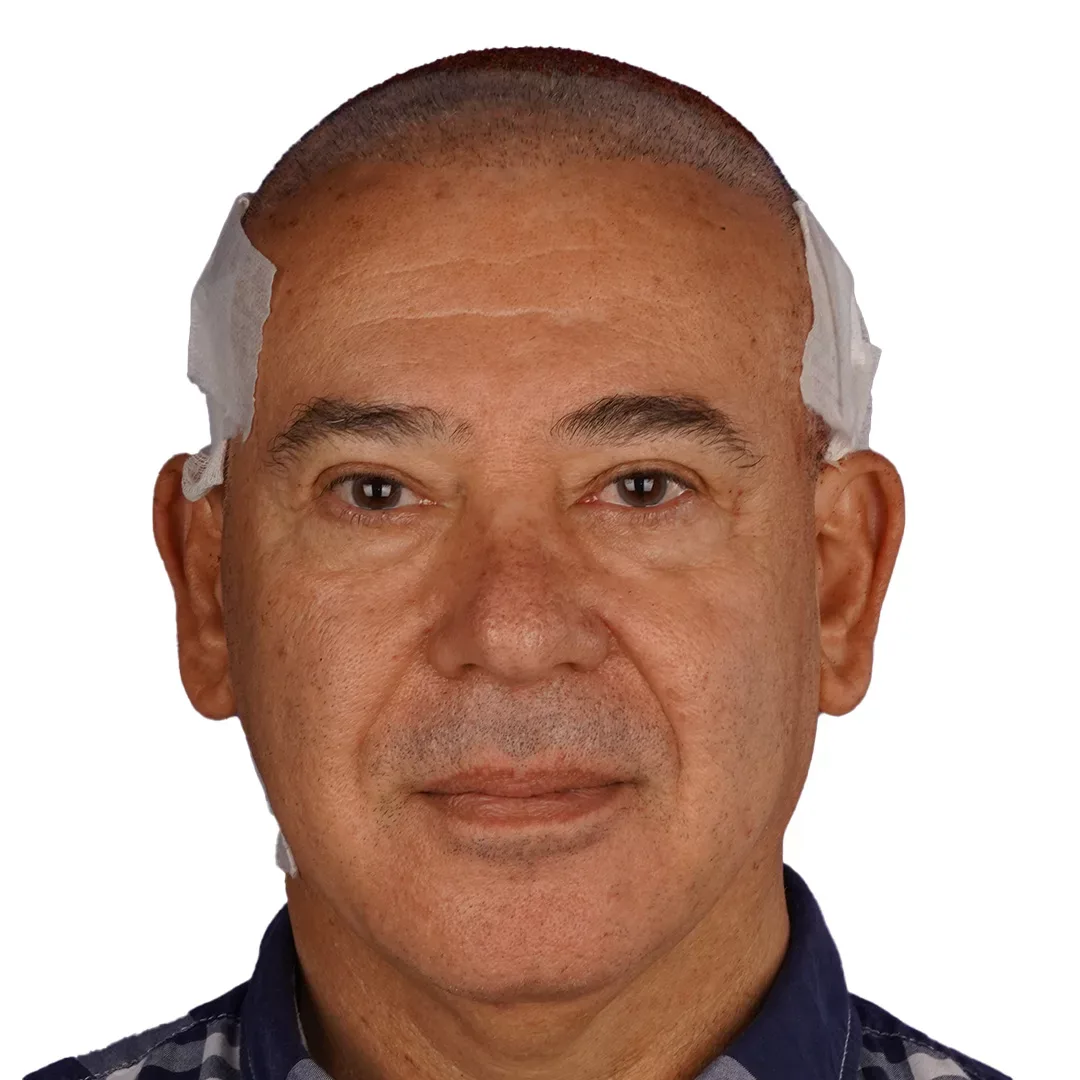
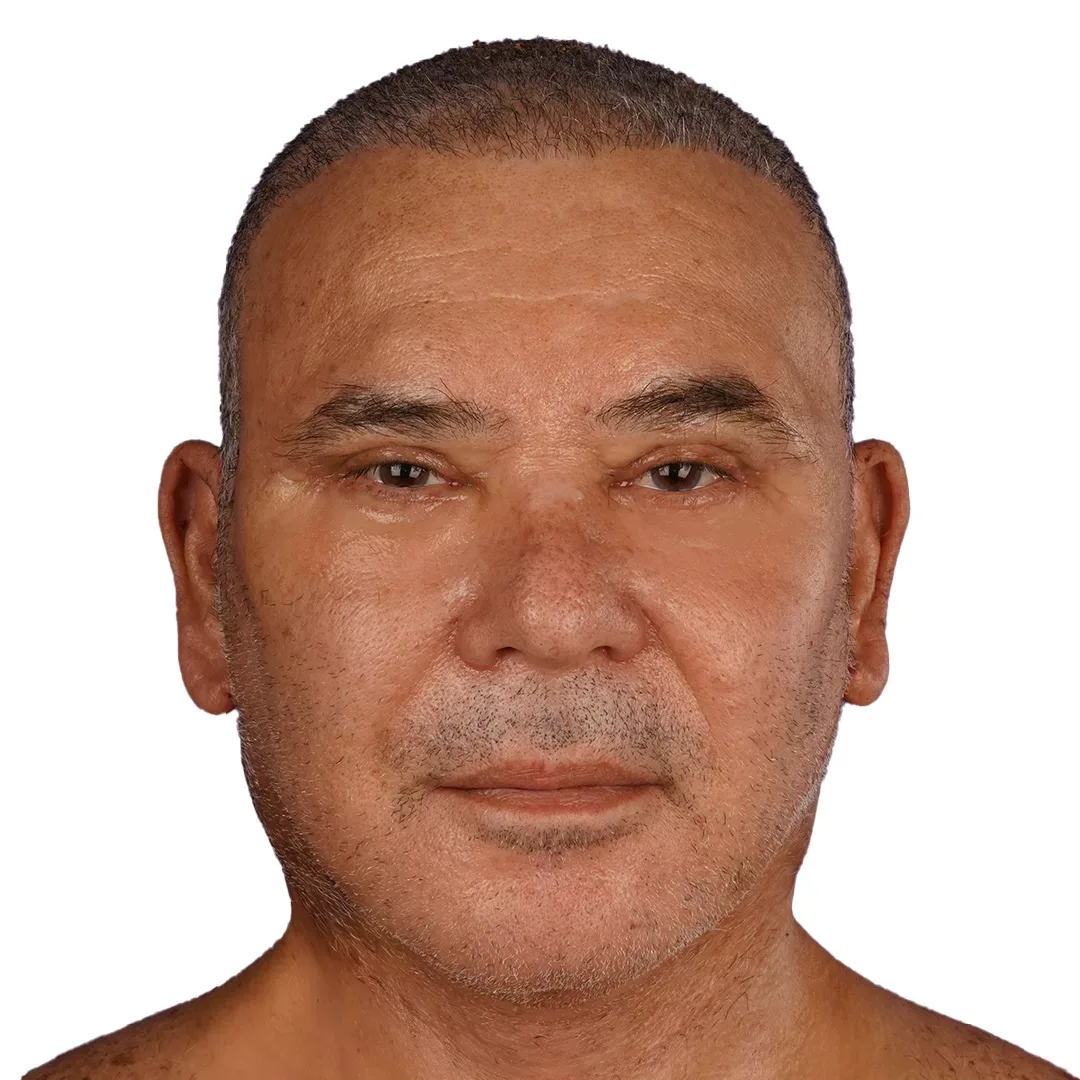
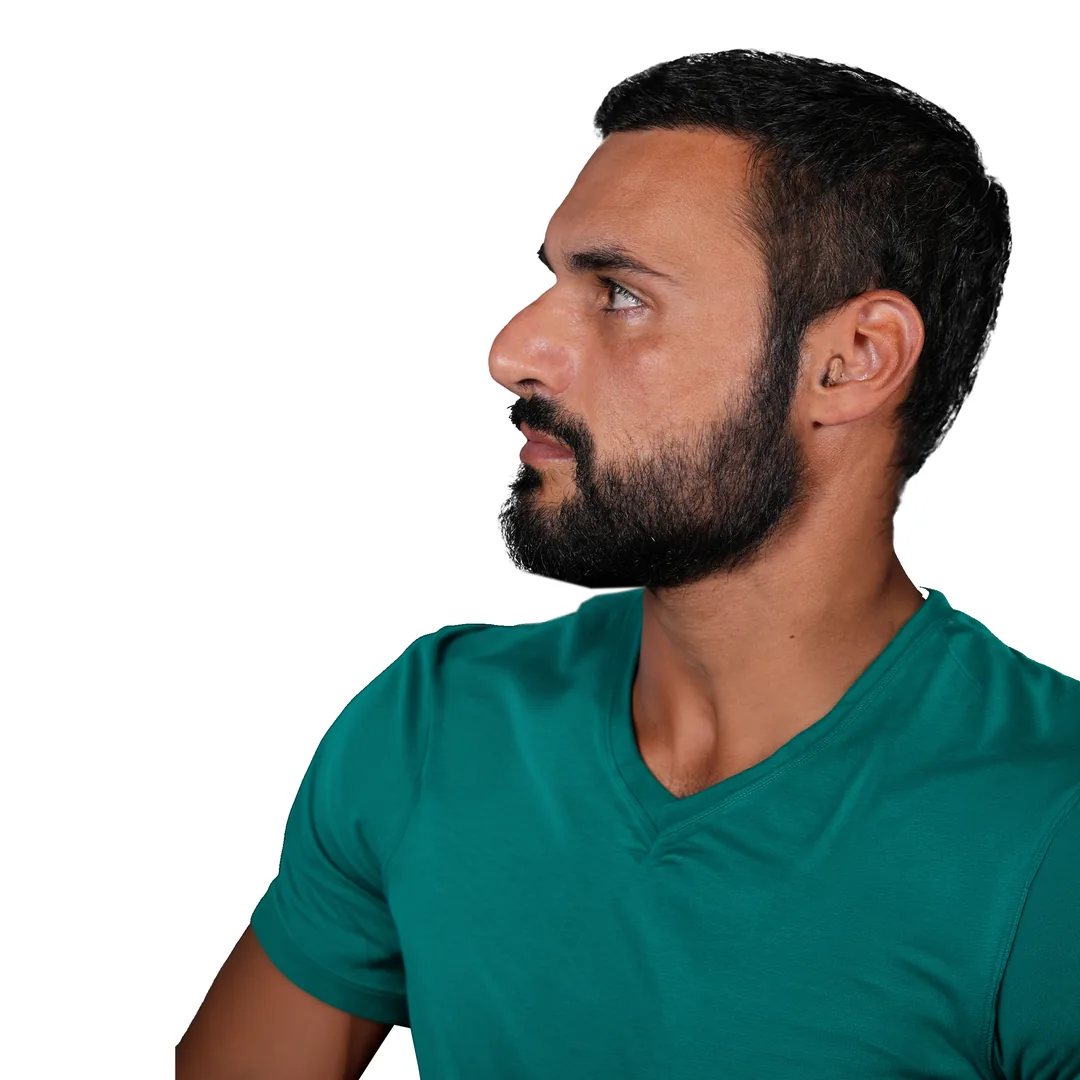
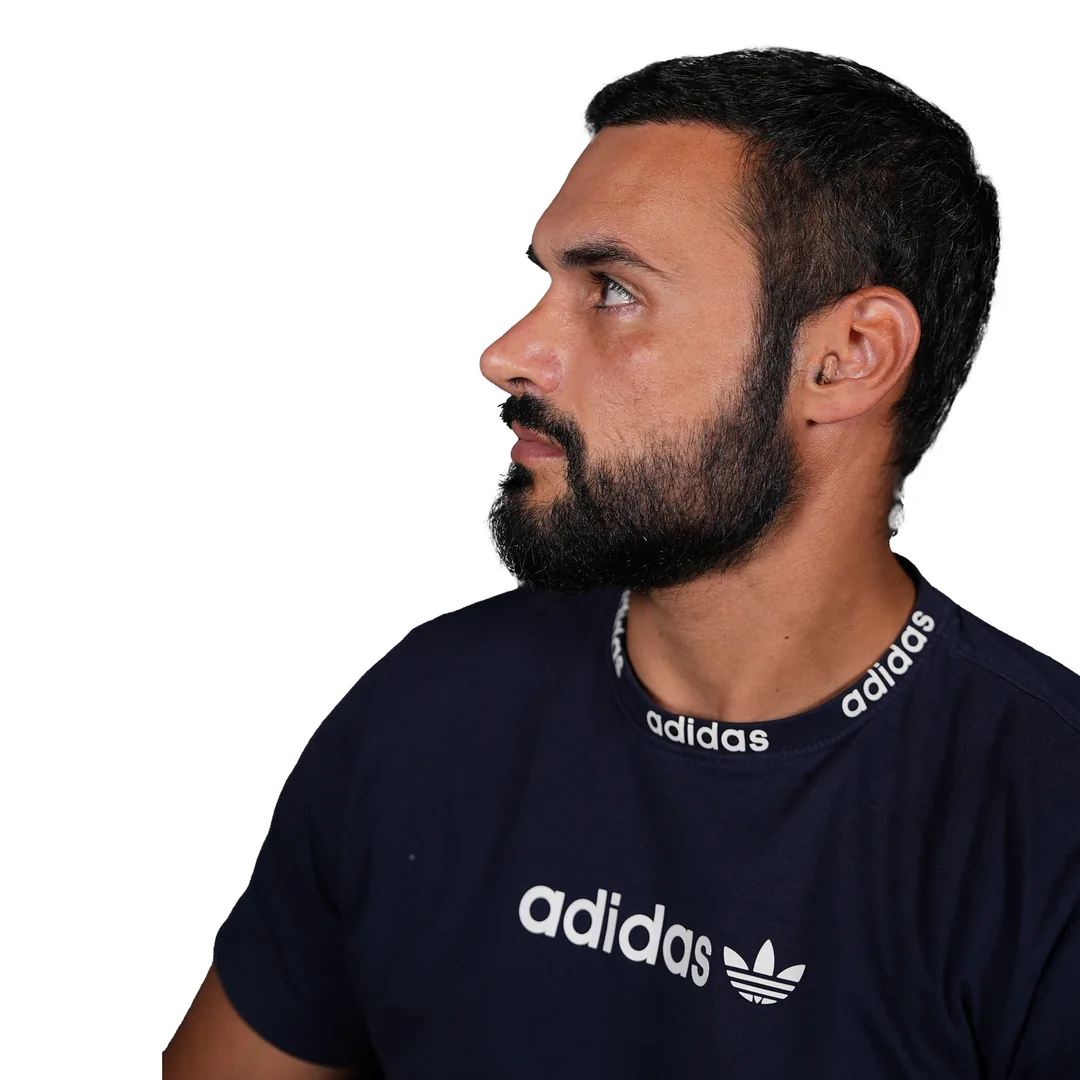
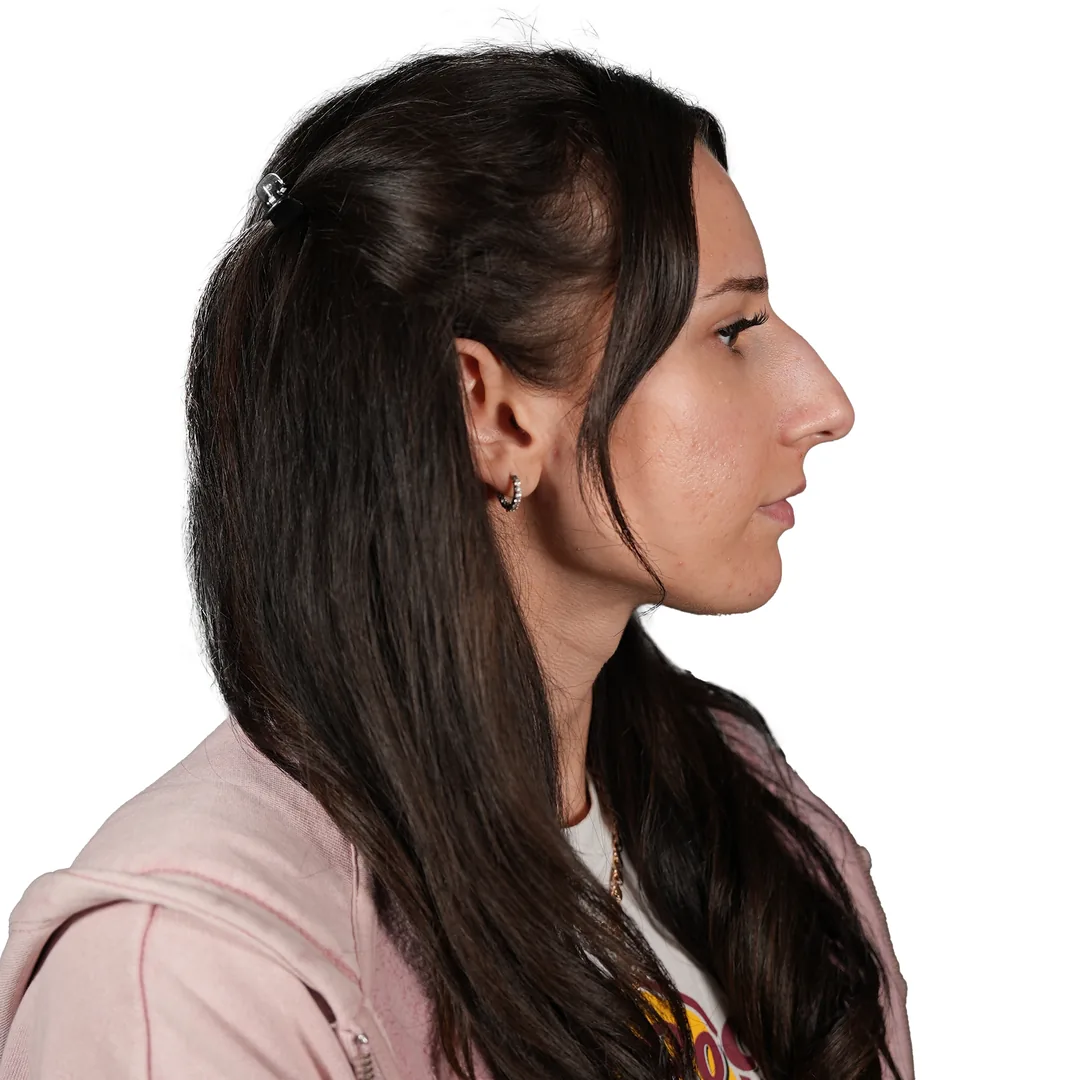
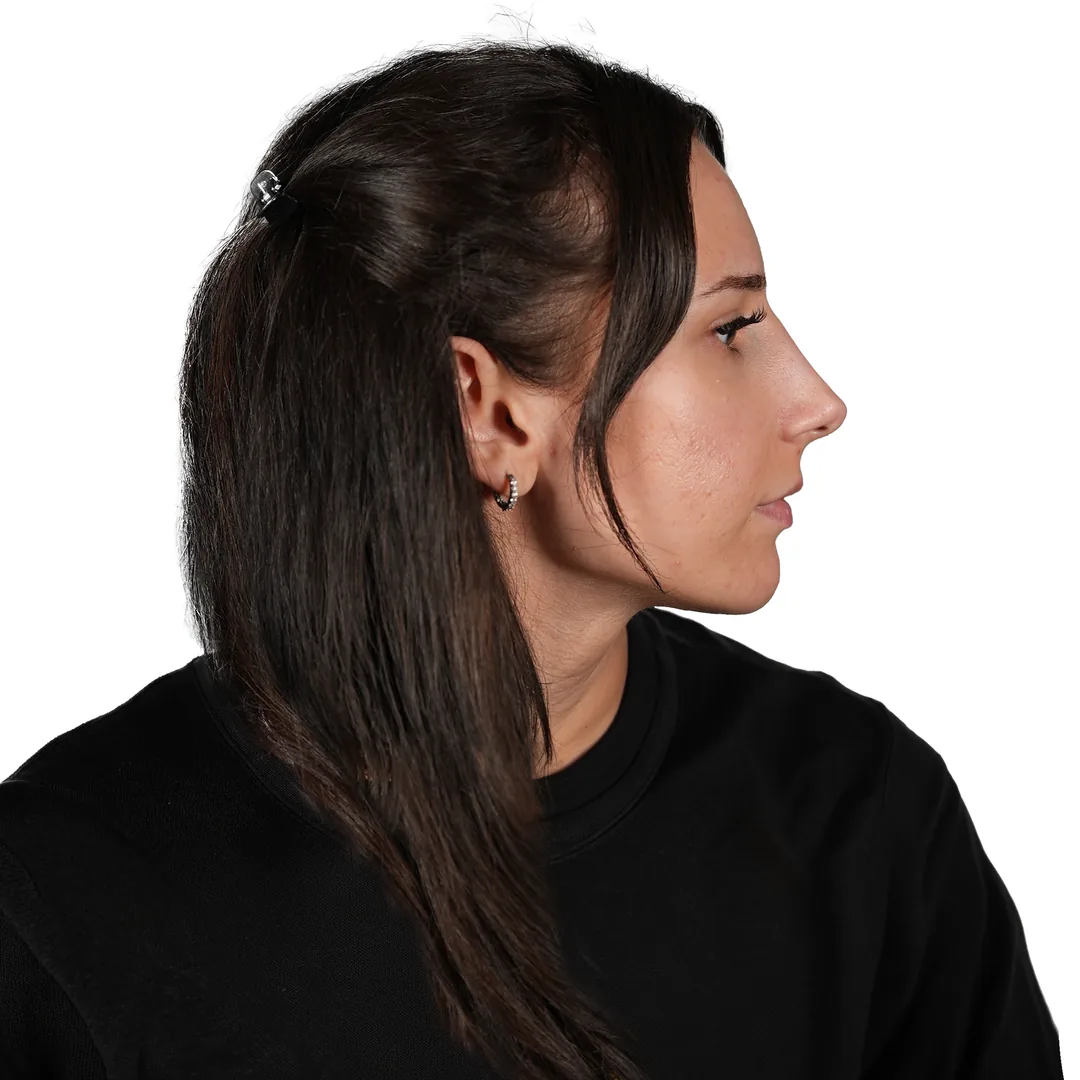


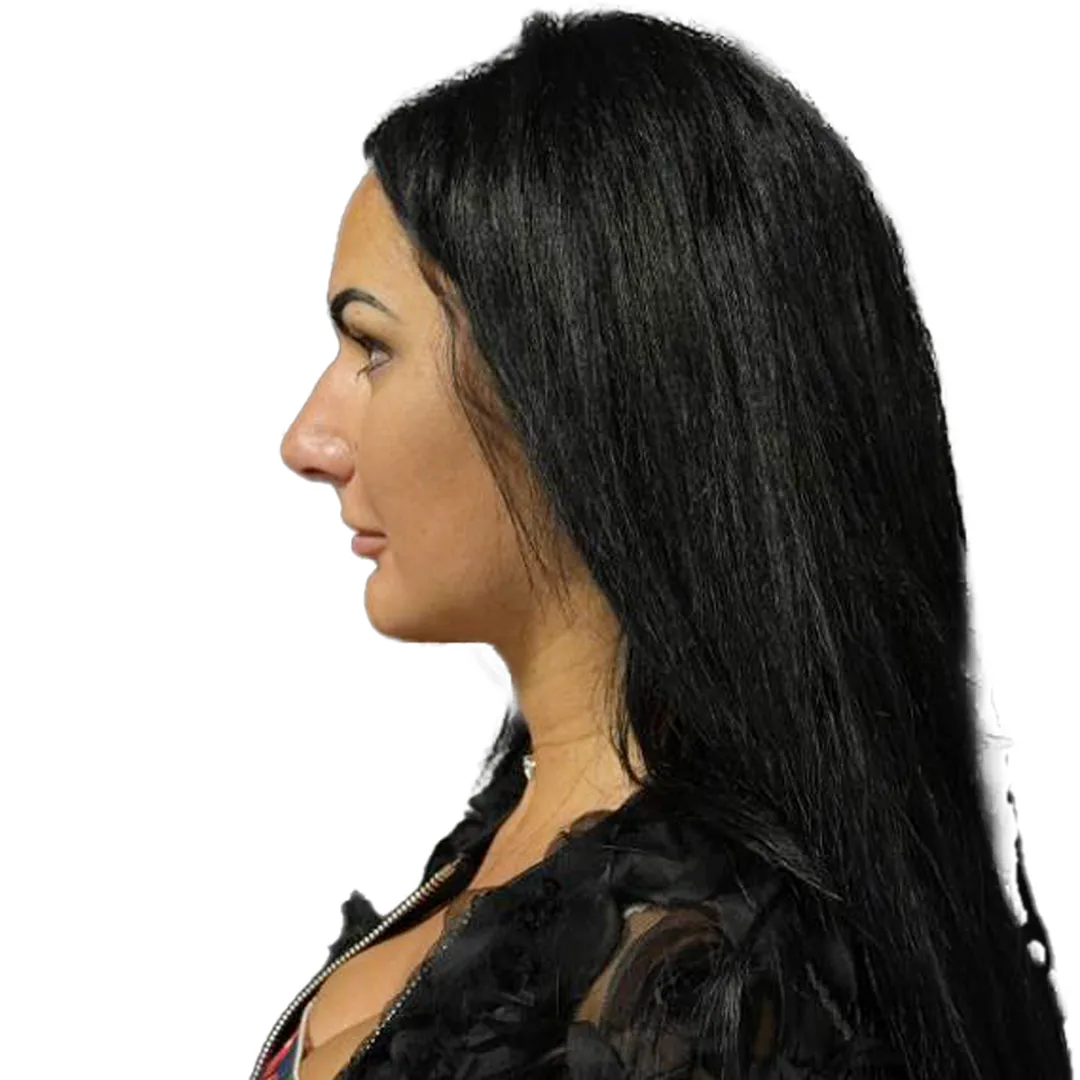
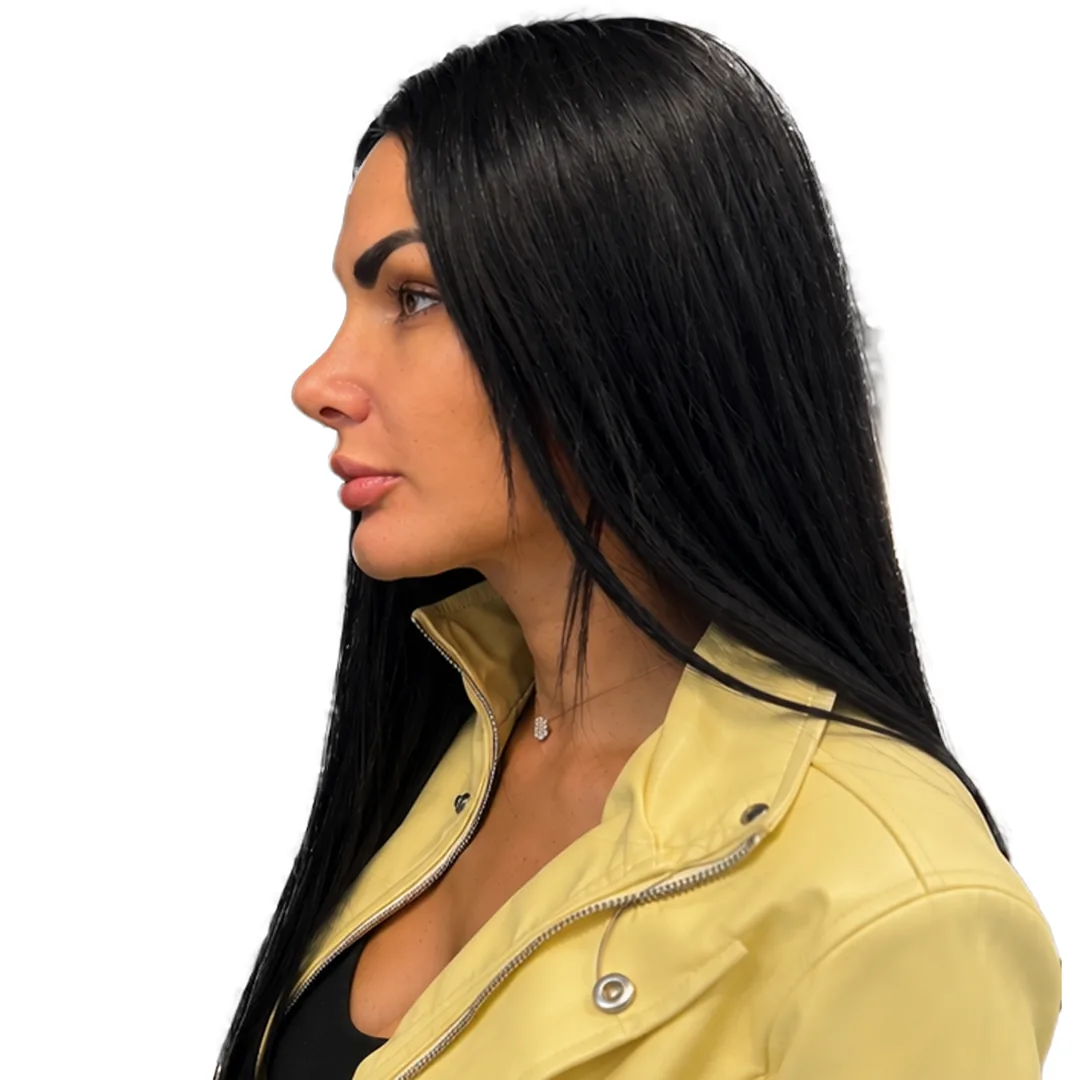
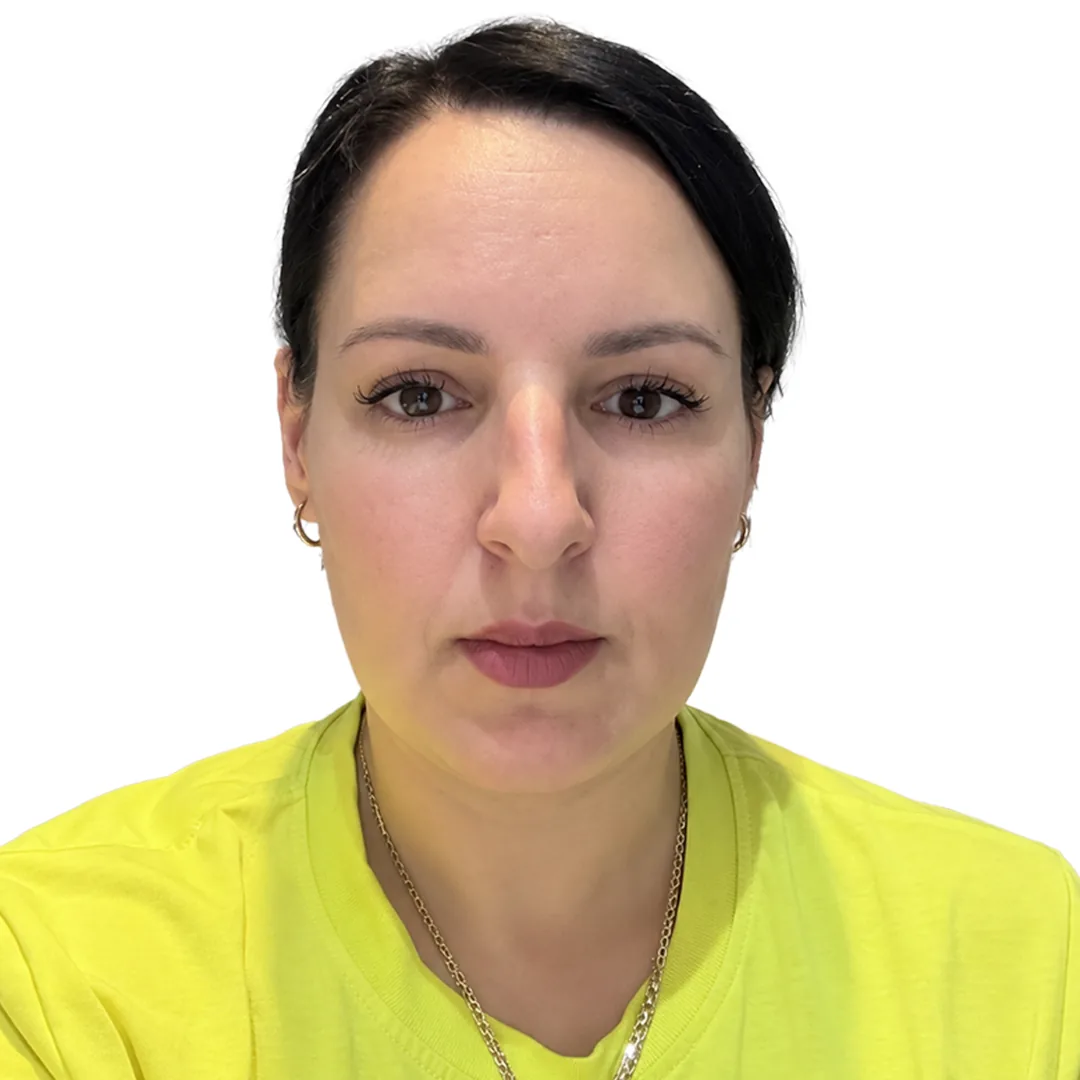

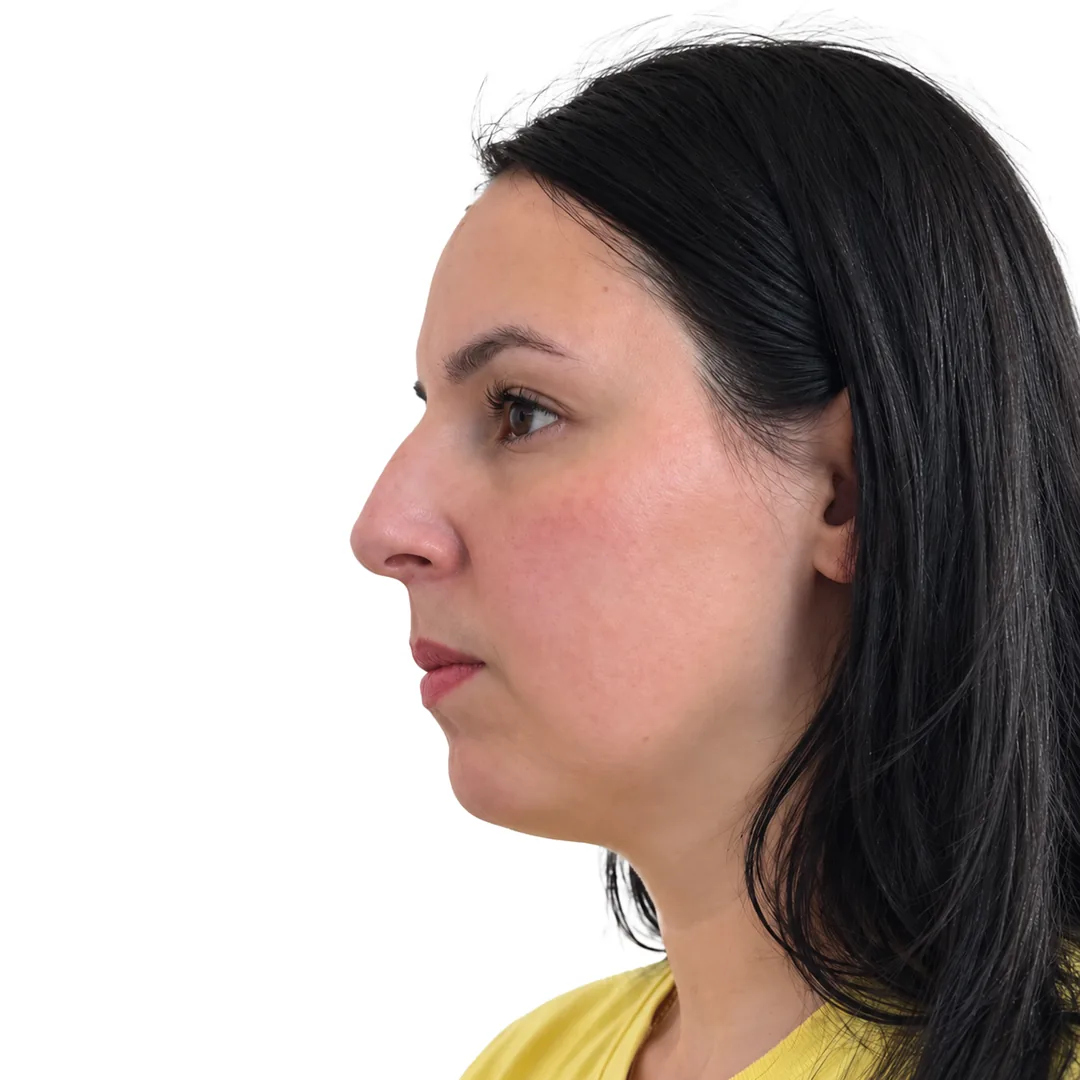
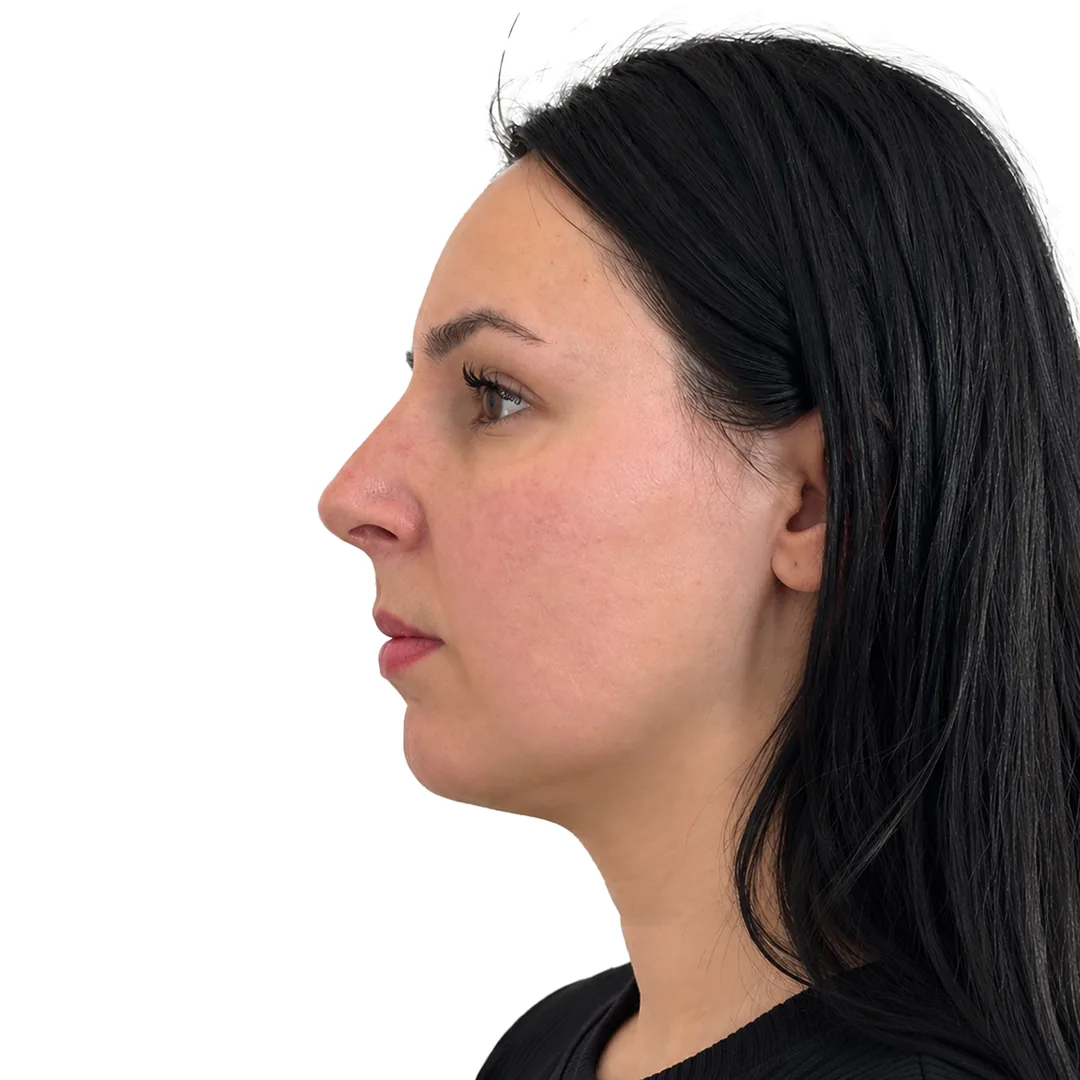
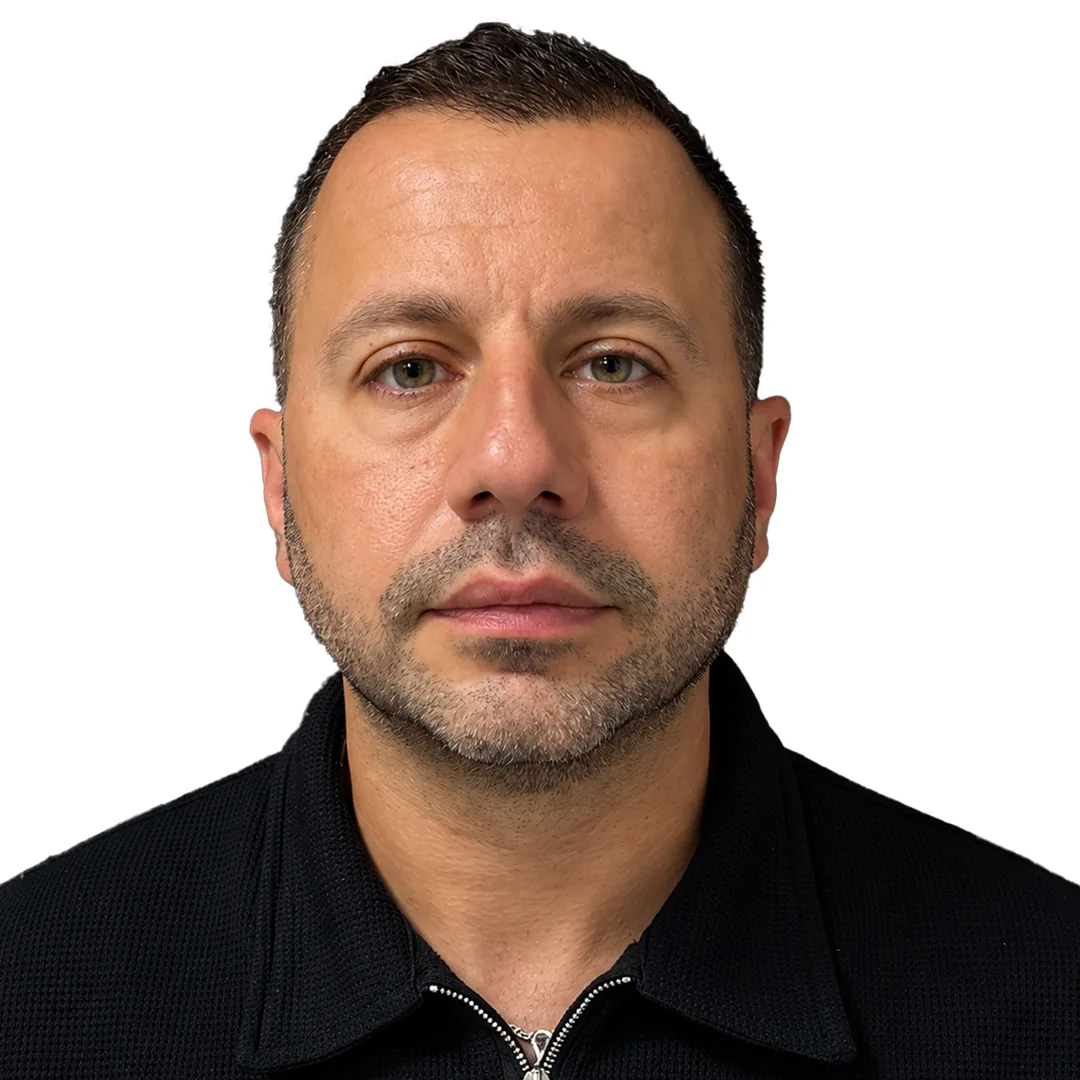
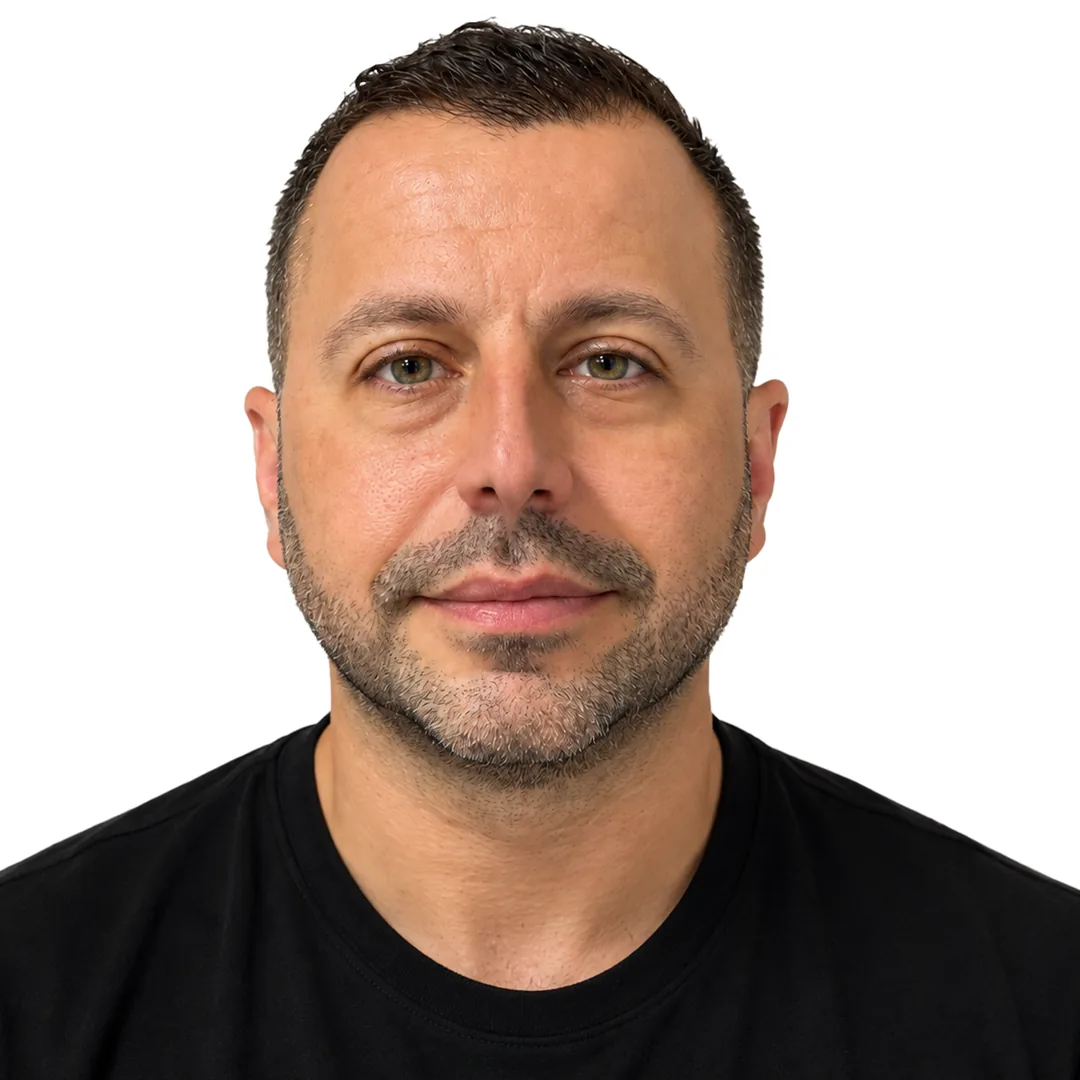
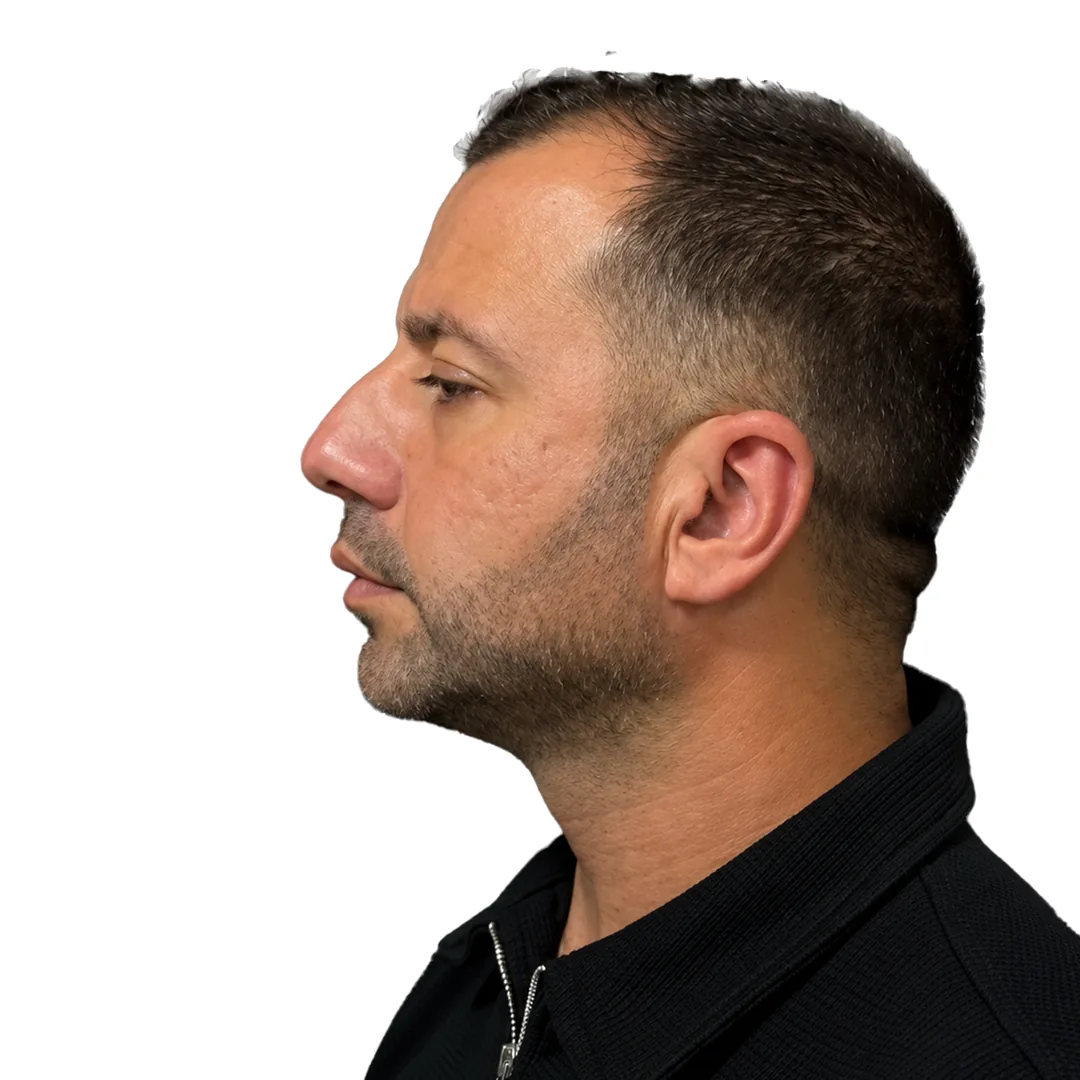
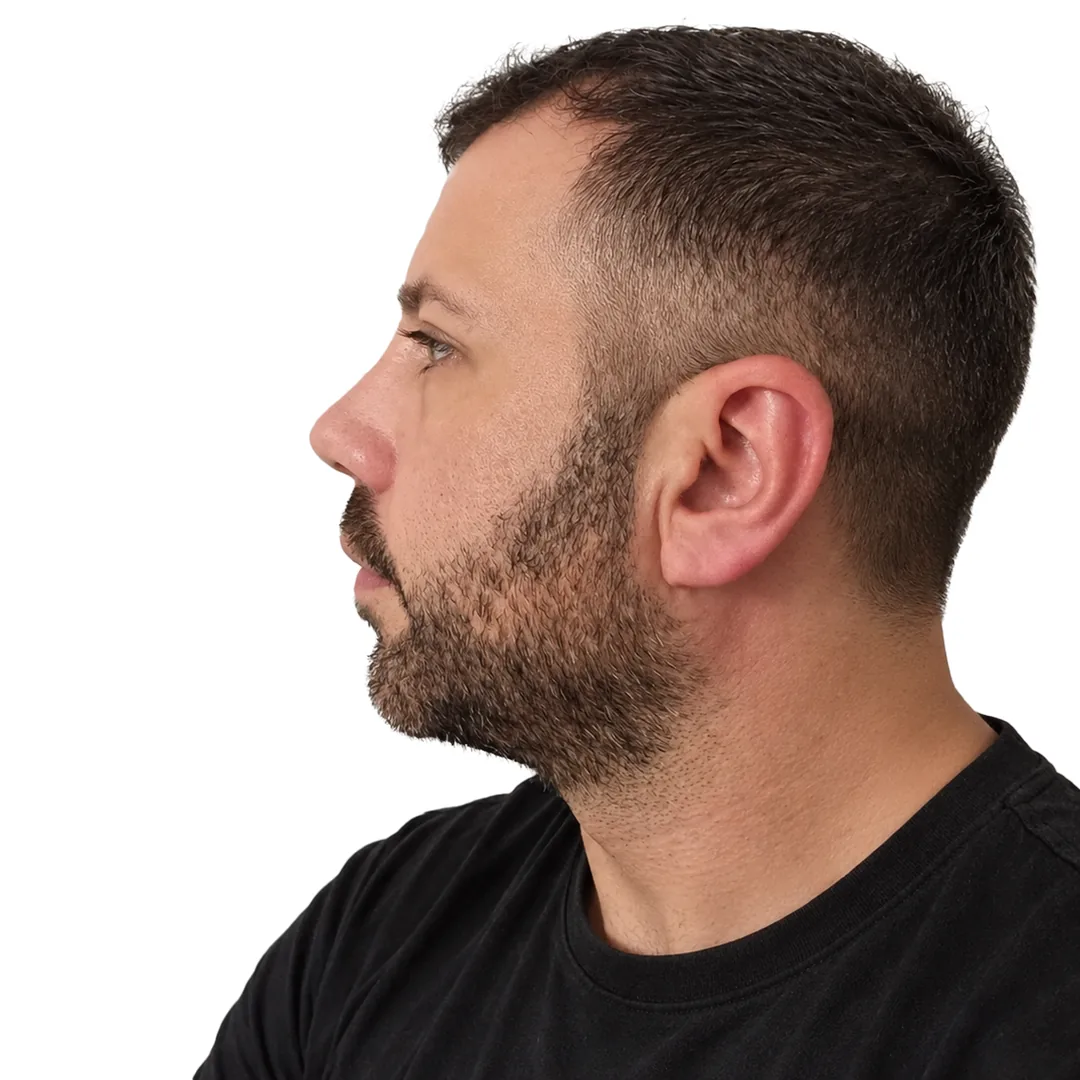
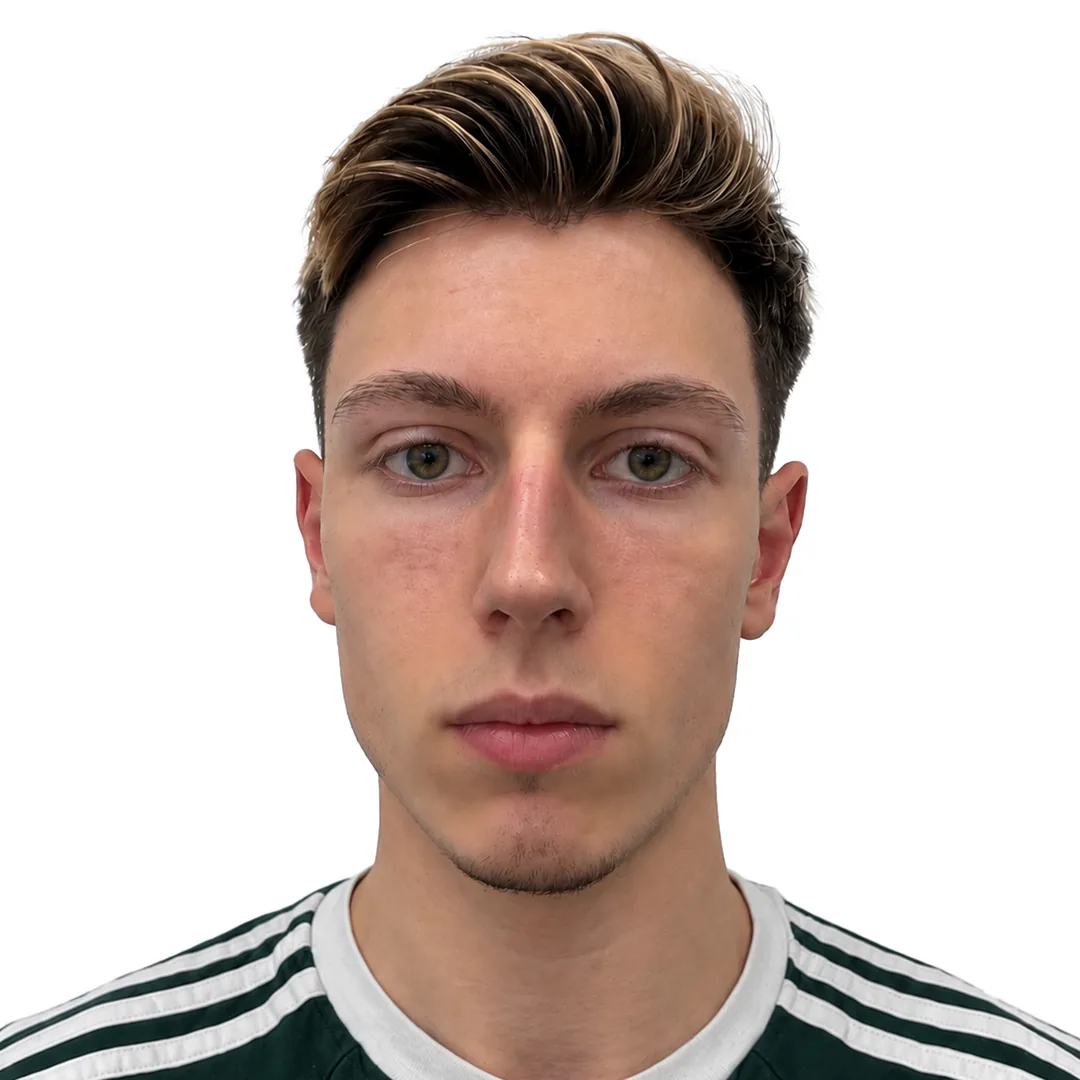
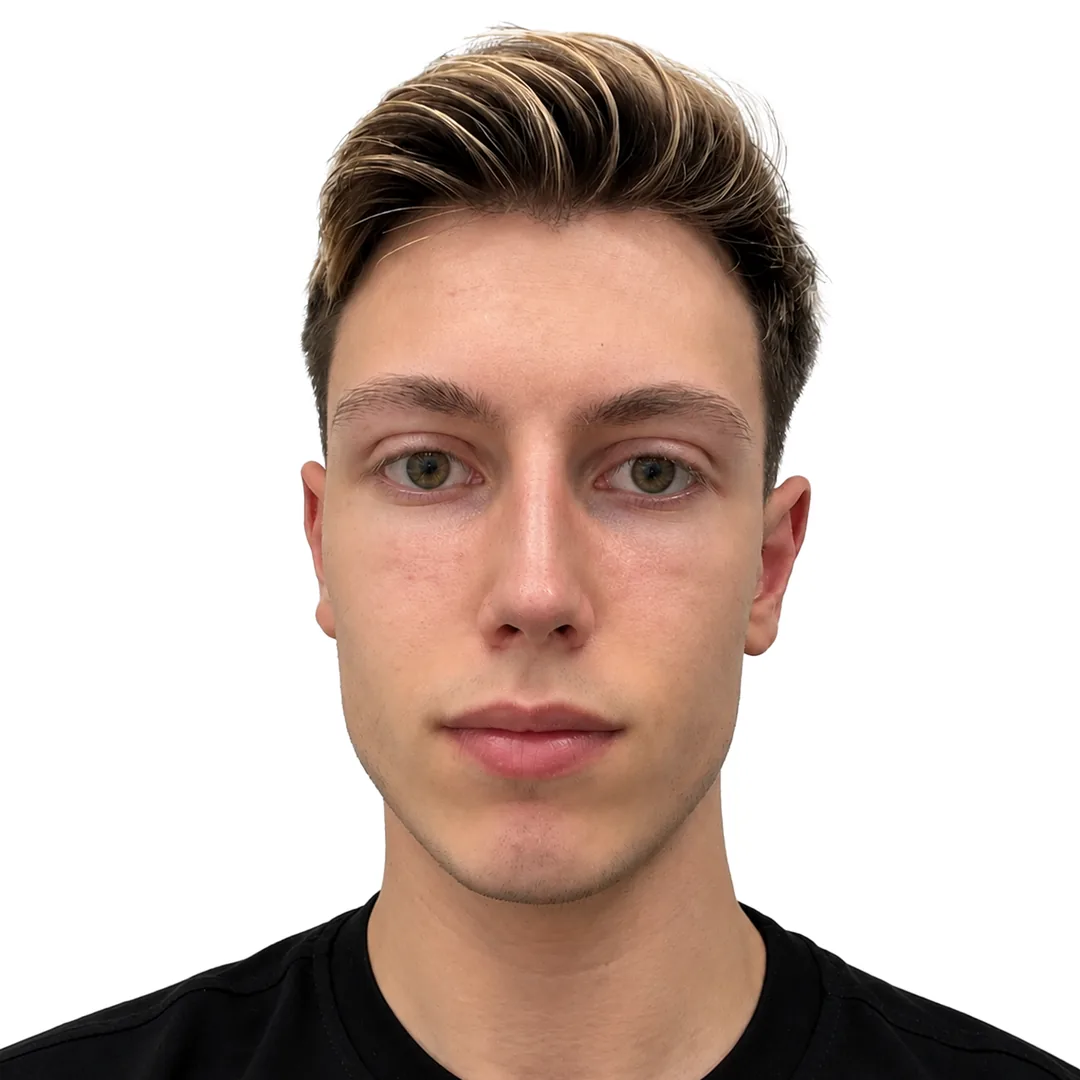
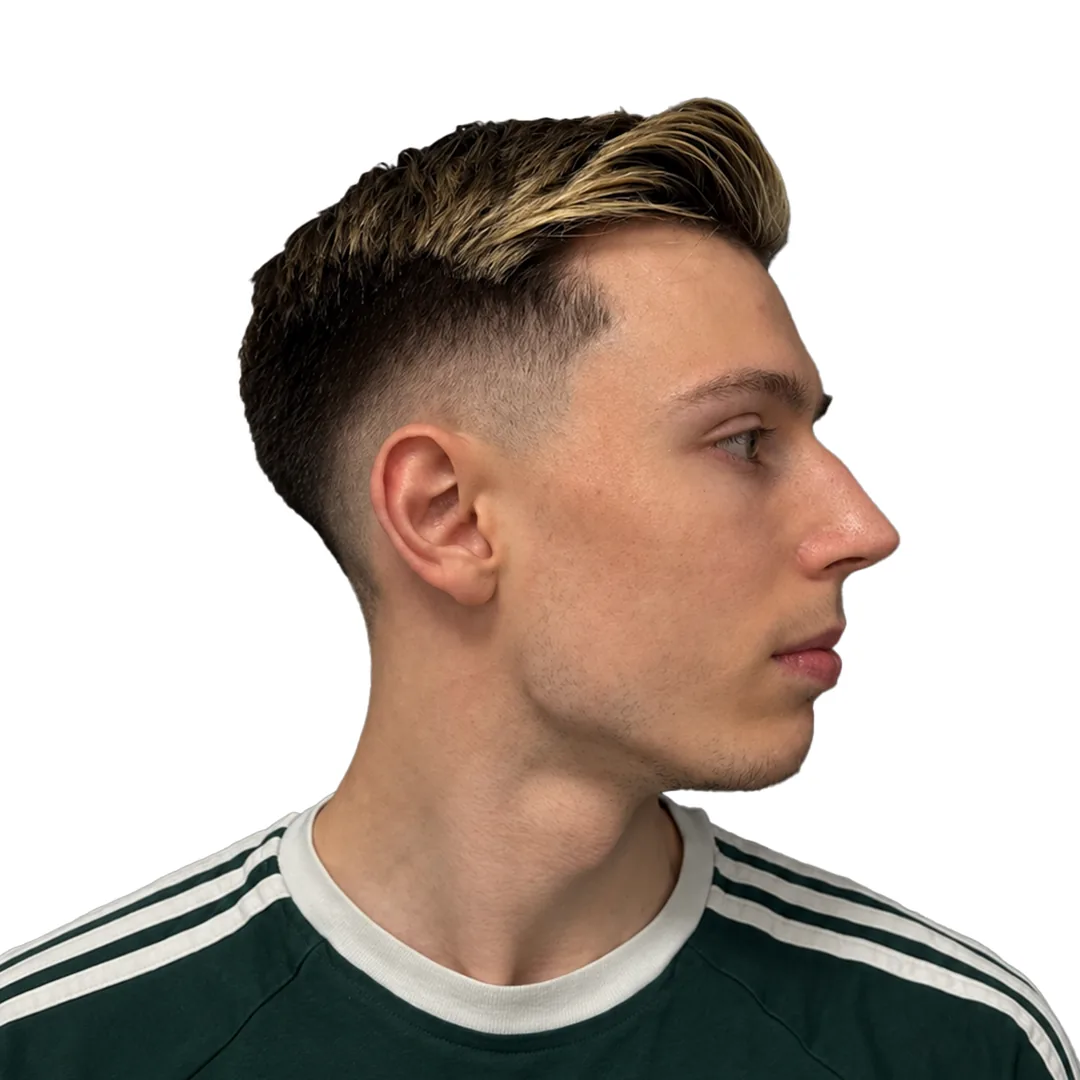
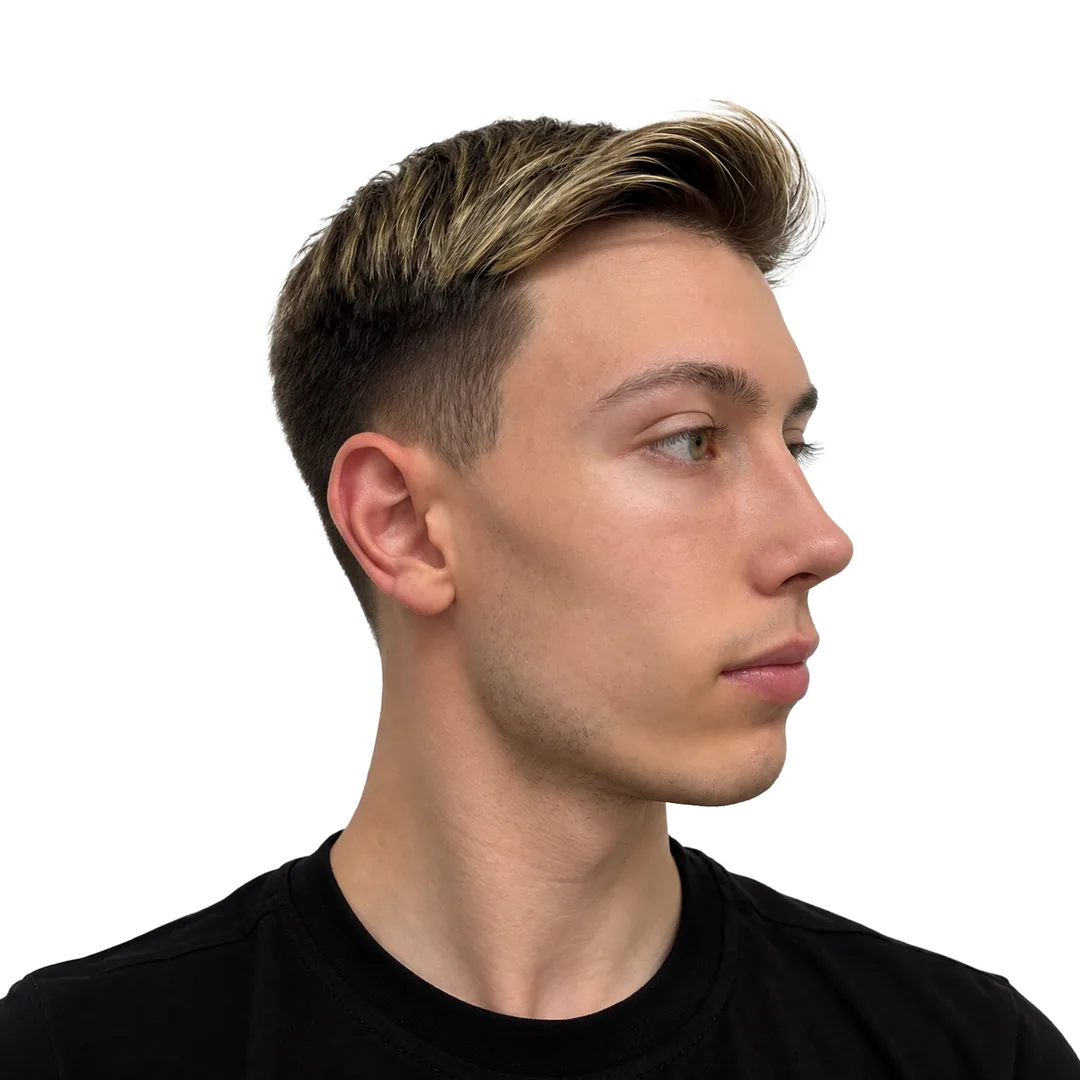
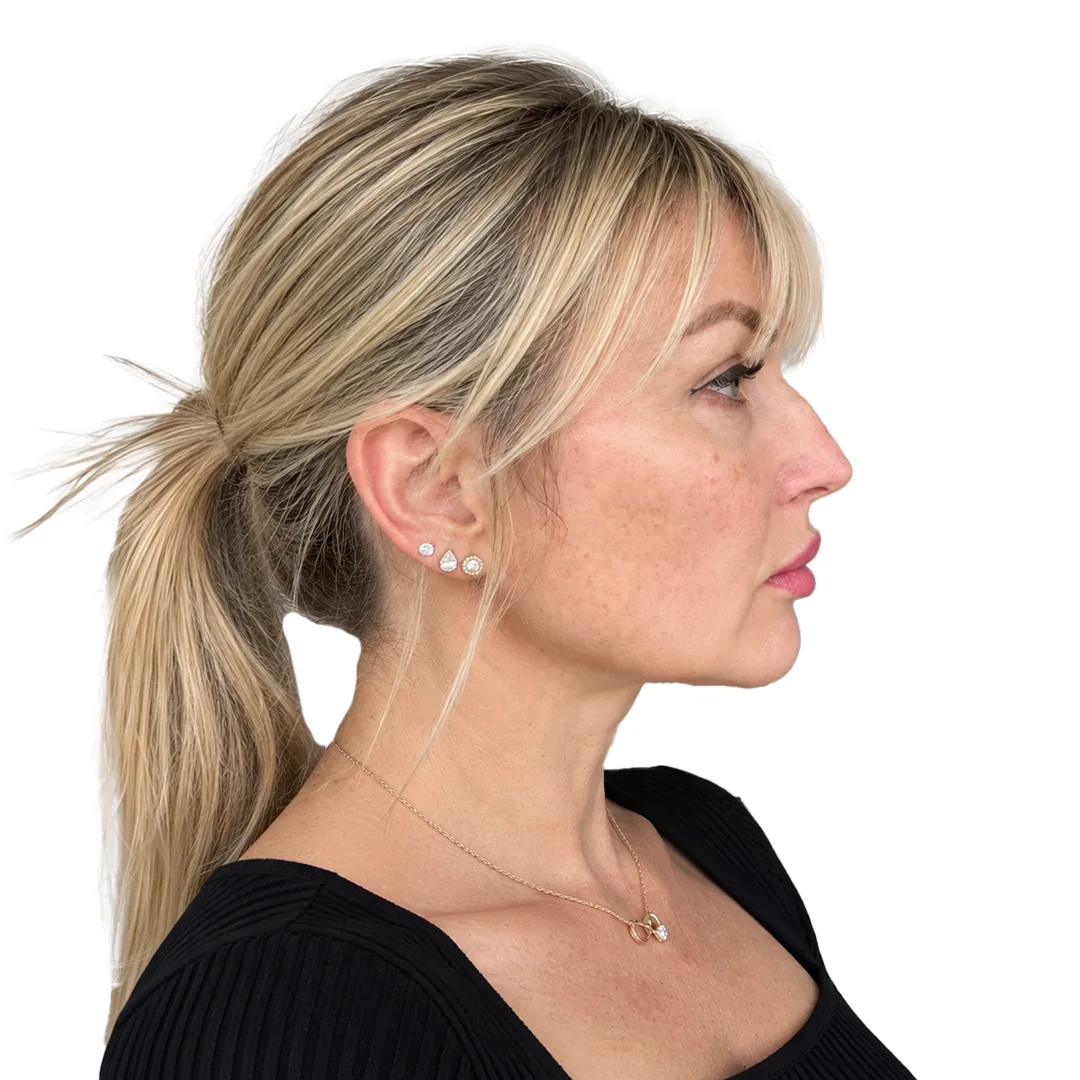
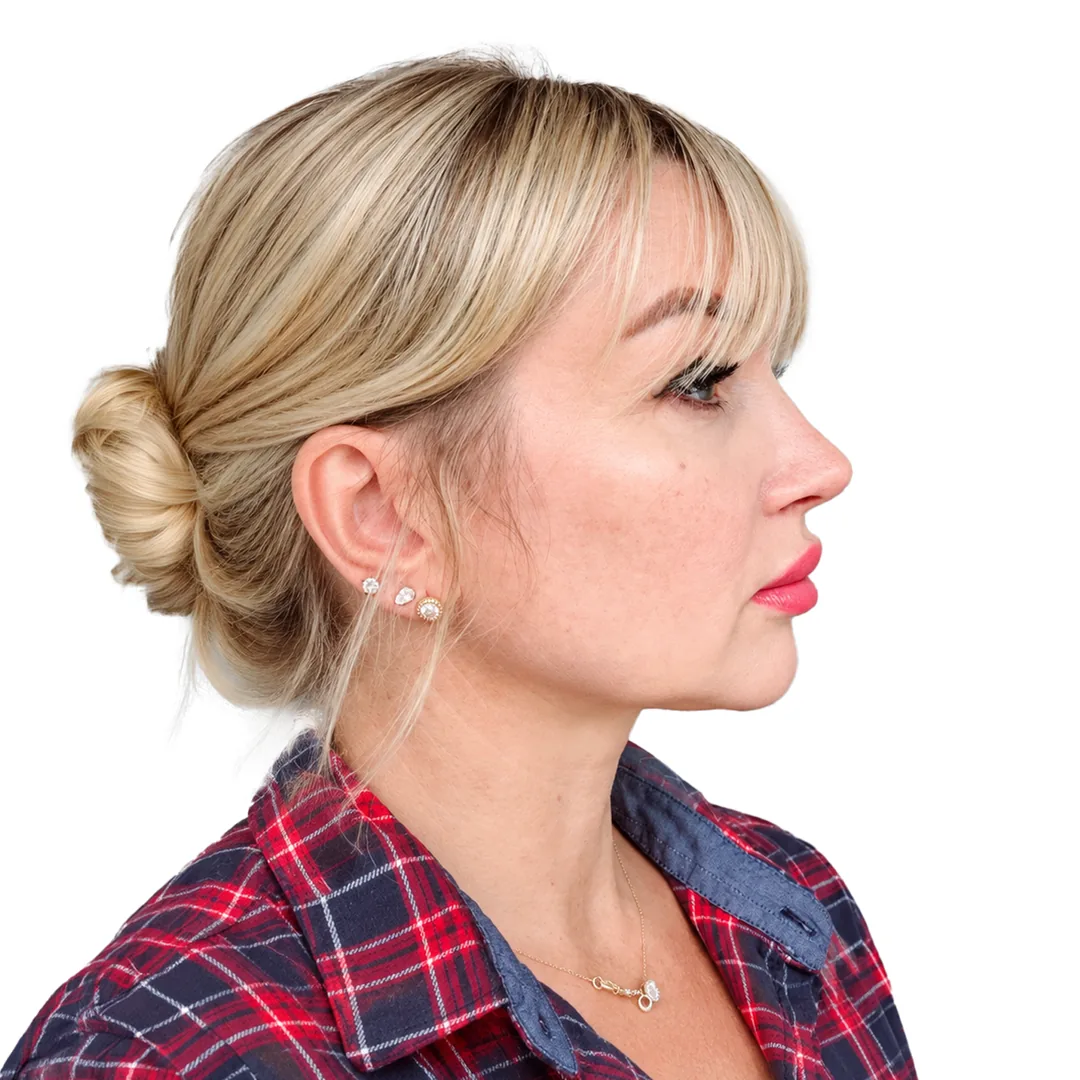
Rhinoplasty
The bridge lowered and the tip refined, judged against the chin and the forehead.
Rhinoplasty
A dorsal hump taken down without leaving a nose that looks operated on.
Rhinoplasty
Reshaped so the line still reads as his — a smaller nose is not always the right one.
Rhinoplasty
Profile view, where the angle between nose and lip does most of the work.
Otoplasty
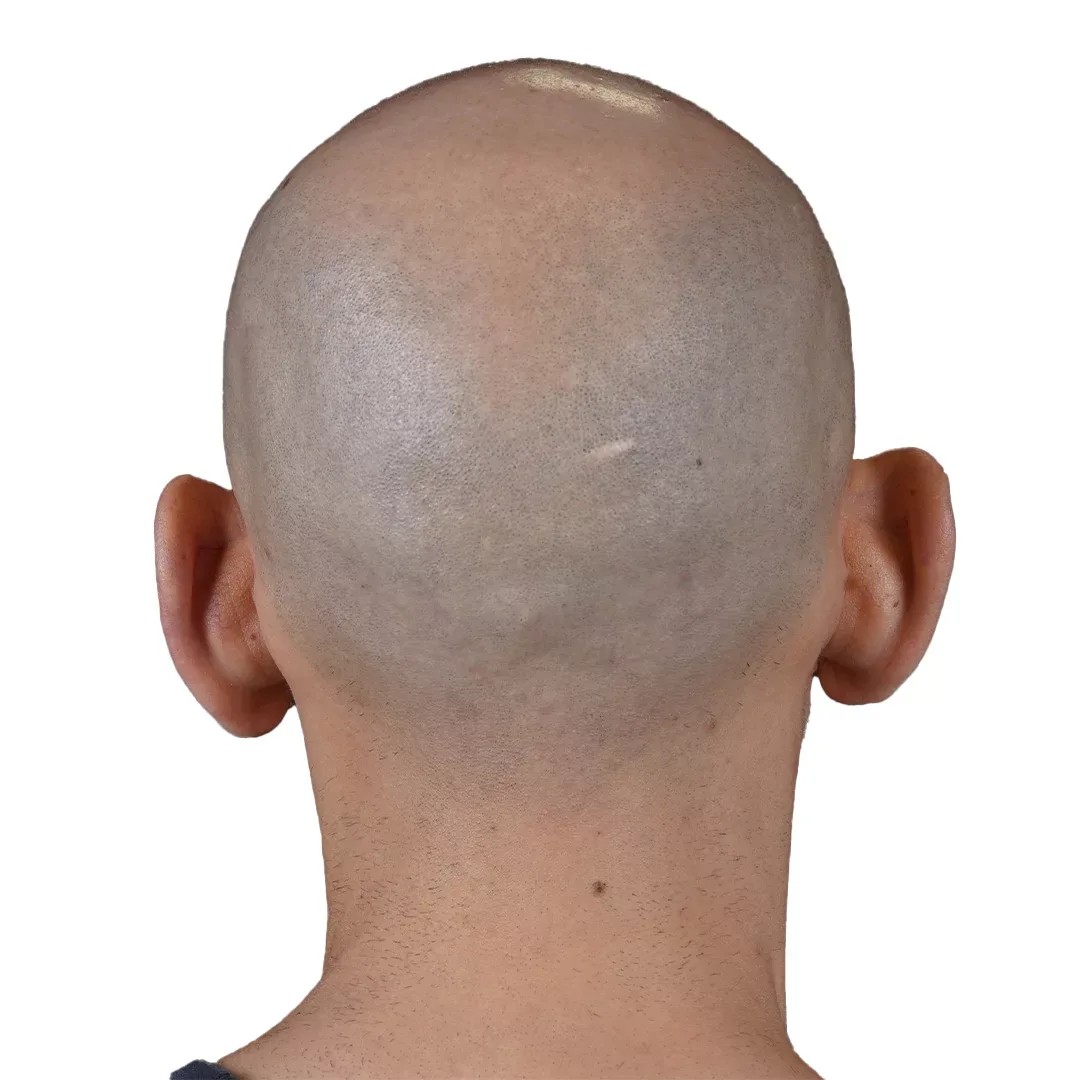
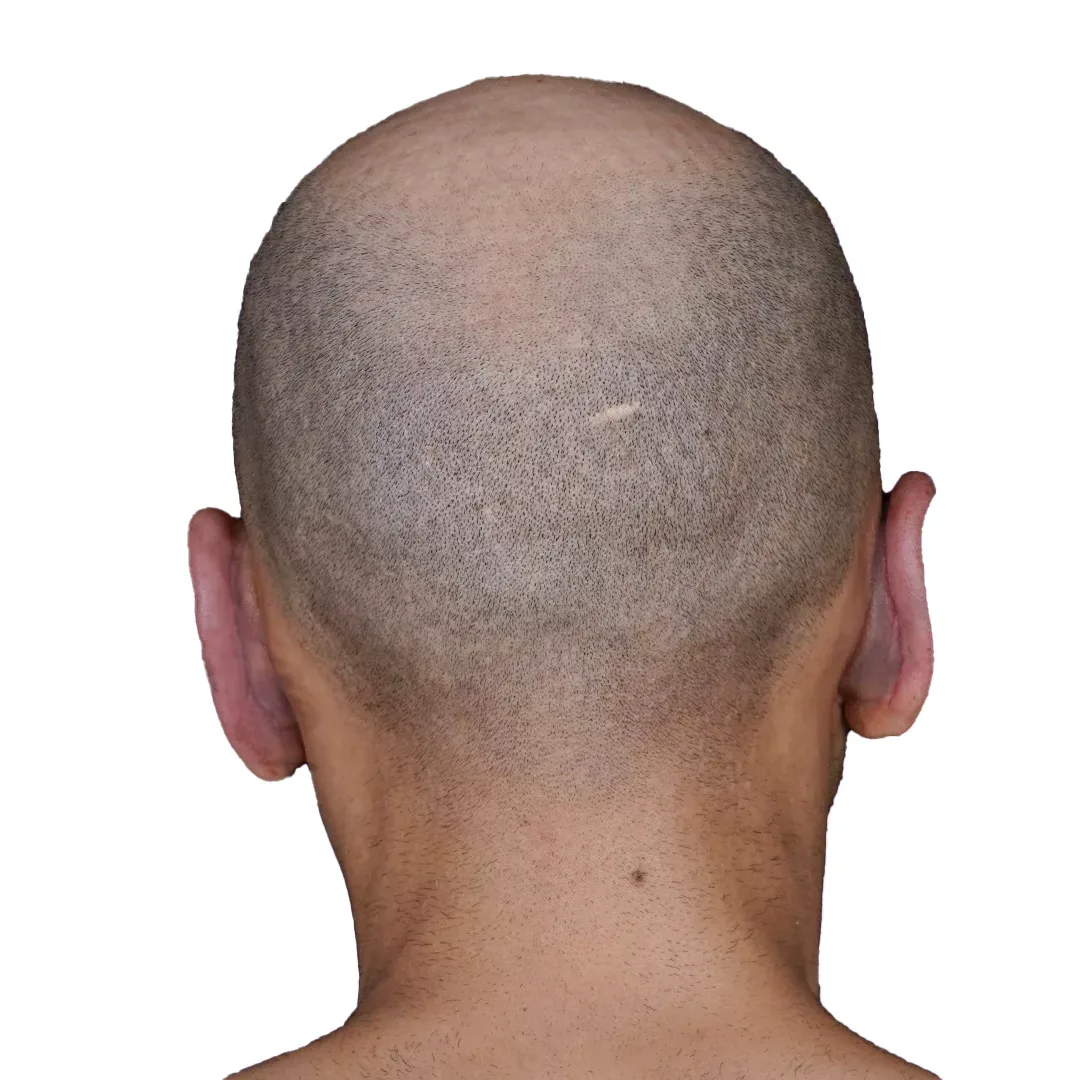
Seen from behind, which is the view that shows what the operation changes.
Otoplasty
Both ears set back together, so the two sides finish level with each other.
Otoplasty
The front view is how other people see it, and it is the one worth judging.
Face & Neck Lift
Profile view, where a lift is really a change to the line between jaw and neck.
Face & Neck Lift
Front view. The deeper tissue is repositioned, which is what keeps a face looking like itself.
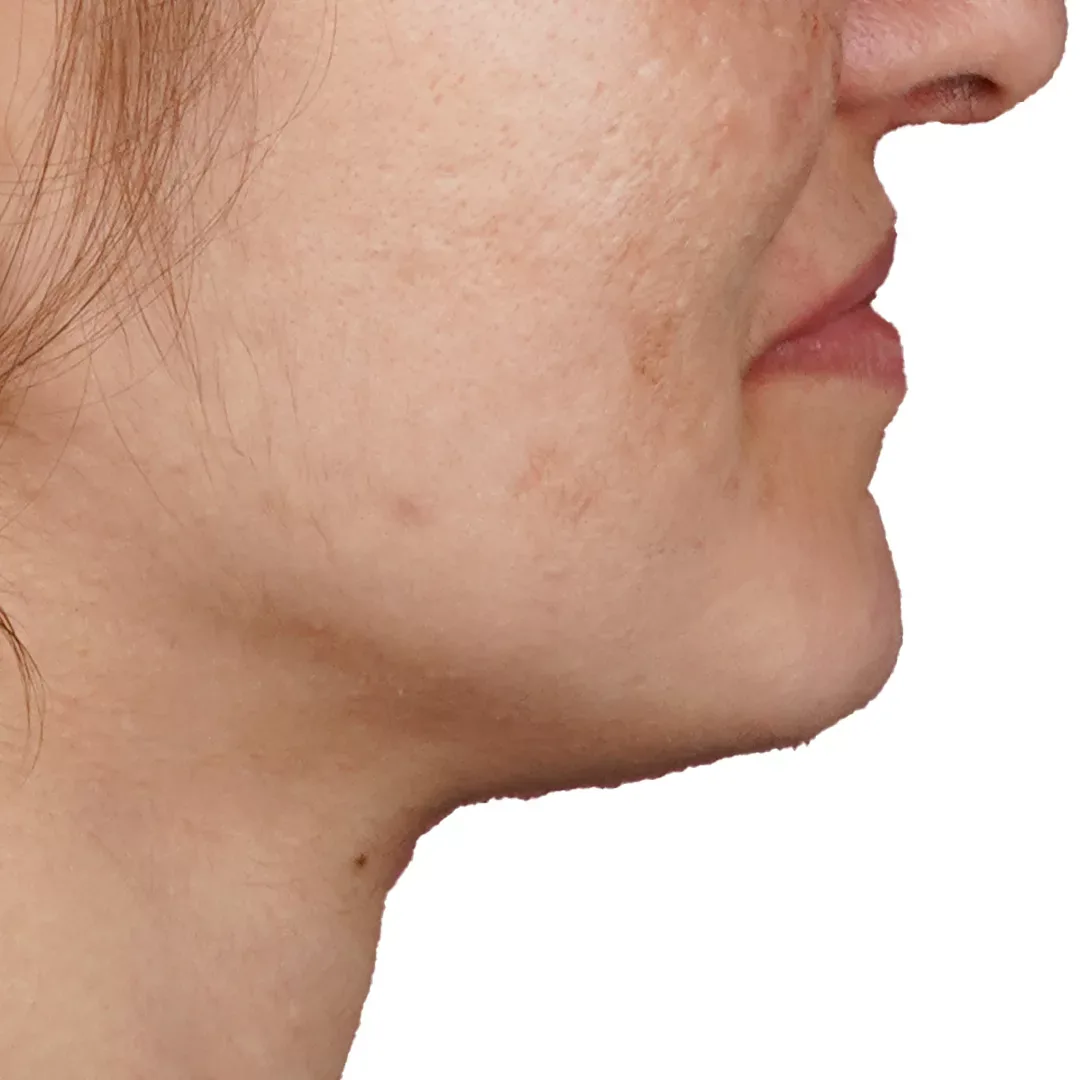
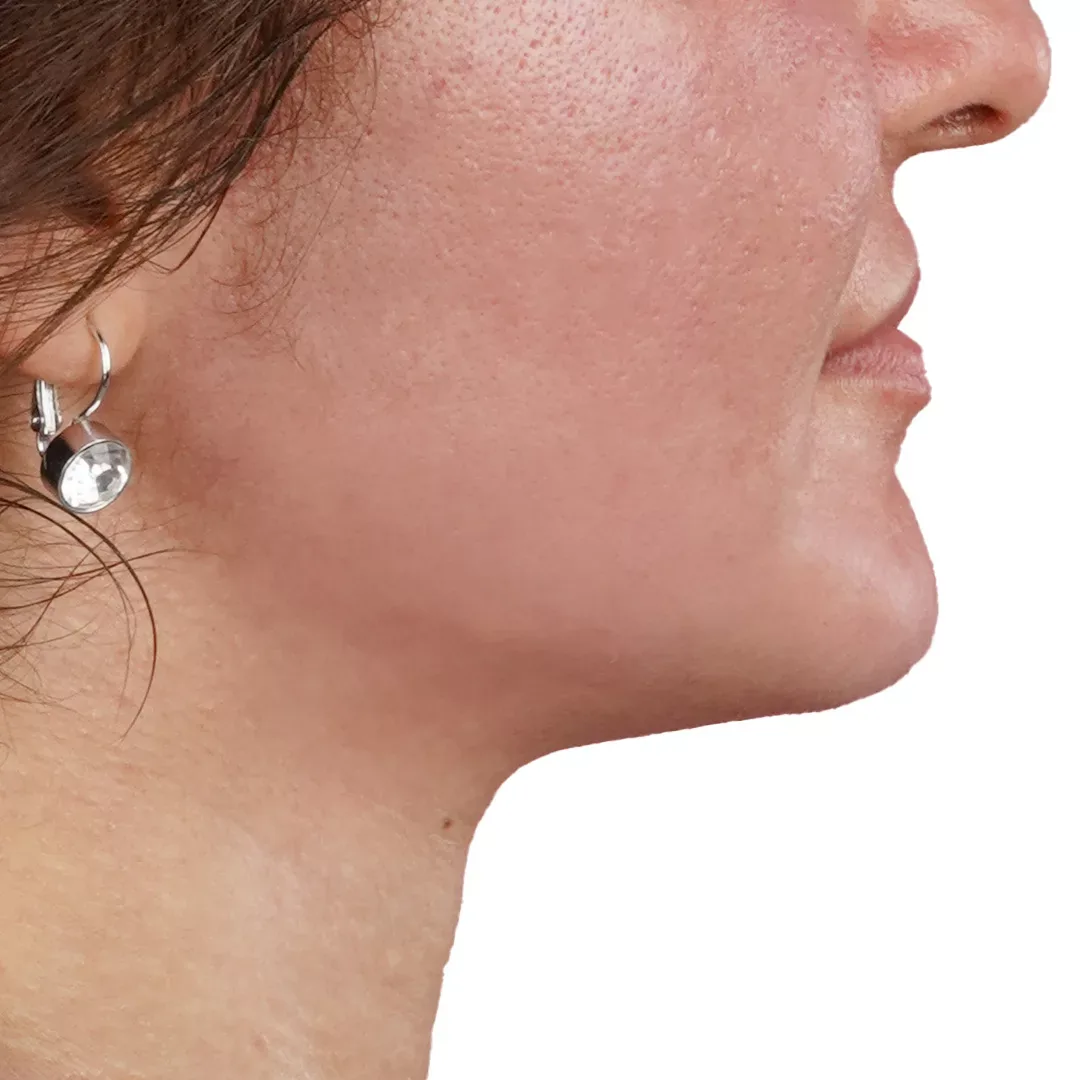
Jawline Contouring
Seen from the side, where the angle between chin and neck opens up.
Rhinoplasty · Three-quarter
Bridge and tip reshaped with the forehead, the lips and the chin in view.
Rhinoplasty · Profile
Bridge and tip reshaped with the forehead, the lips and the chin in view.
Rhinoplasty · Front
Bridge and tip reshaped with the forehead, the lips and the chin in view.
Rhinoplasty · Profile
Bridge and tip reshaped with the forehead, the lips and the chin in view.
Rhinoplasty · Front
Bridge and tip reshaped with the forehead, the lips and the chin in view.
Rhinoplasty · Profile
Bridge and tip reshaped with the forehead, the lips and the chin in view.
Rhinoplasty · Front
Bridge and tip reshaped with the forehead, the lips and the chin in view.
Rhinoplasty · Profile
Bridge and tip reshaped with the forehead, the lips and the chin in view.
Rhinoplasty · Front
Bridge and tip reshaped with the forehead, the lips and the chin in view.
Rhinoplasty · Profile
Bridge and tip reshaped with the forehead, the lips and the chin in view.
Rhinoplasty · Profile
Bridge and tip reshaped with the forehead, the lips and the chin in view.
The condition of the soft tissue envelope is as important as the cartilage and bone beneath it. A previous operation alters the skin and its blood supply, and creates a layer of scar tissue. This can limit how much the nose can be changed and how the skin will redrape over the new structure. A successful revision depends on a realistic plan that respects what the existing tissues can support. The health of the skin is a primary consideration from the first assessment.
No price list. Every plan is quoted for one person and one anatomy, so a figure only means something once someone has looked at yours — you get one in writing before you commit to anything.
This article is general information, not medical advice, and does not replace a consultation. Every procedure carries risk and outcomes vary from person to person.
Filmed and published with our guests’ consent. Each speaks only for their own treatment — every face heals differently, and these are individual outcomes, not a promise of yours.
Answered as far as they can be answered in writing. Anything that depends on your own anatomy is answered by a surgeon looking at it.
Primary rhinoplasty alters the nose's original anatomy. Revision rhinoplasty addresses a nose that has already been surgically changed. The surgeon works with scar tissue, a potentially depleted cartilage supply, and skin that has been lifted and redraped. This history dictates the surgical plan more than in a first operation. The goal is to improve form or function within the limits set by the previous surgery.
This depends on the state of the nasal structure after the first operation. If the original surgery removed too much cartilage from the septum, or if new support is needed to reshape the tip or bridge, grafts may be required. These are typically taken from the patient's own ear or rib cartilage. The assessment of whether a graft is needed, and from where, is a central part of the surgical evaluation for a revision.
Addressing functional issues is a key objective of many revision procedures. Problems like a collapsed nasal valve, a new septal deviation, or internal scarring can result from a previous operation. The surgical plan assesses the airway and the structure of the nose together. The aim is to improve both breathing and appearance, but the extent of possible improvement is determined by the condition of the internal nasal structures.
The choice between a closed or open technique depends on the complexity of the case. Revision surgery often requires significant structural work, such as placing cartilage grafts to rebuild support. For this kind of detailed work, the direct visibility and access offered by the open approach are frequently necessary. The surgeon determines the appropriate technique based on the specific anatomical challenges and the goals of the revision.
For a revision consultation, any documents from your first surgery are very useful, especially the operative report if you can obtain it. Clear photographs of your face from before any surgery—front, side, and three-quarter views—are also important for assessment. Finally, a written list of what you wish to change about your nose's appearance and any breathing issues you have can help focus the discussion on your specific goals.
Revision rhinoplasty is performed in a fully accredited hospital in Istanbul, chosen to support the specific requirements of the procedure. The hospital is named in your written surgical plan before you travel. The operation is conducted by the surgeon and the clinic's own anaesthesiology team. An interpreter is present from the consultation through to the hospital discharge to ensure clear communication.
Guest Stories
Thank you so much, Doctor! I am very happy with the result of my nose surgery. You are truly talented, professional, and caring. I highly recommend you to anyone considering rhinoplasty. Thank you again for everything!My second visit to Lin Europe Clinic was incredible, just like the first! The cataract surgery was performed with exceptional professionalism, and I felt well taken care of throughout the entire process. A heartfelt thank you to Anna and Memo for their amazing support both before and after the procedure—they truly went above and beyond.I was initially anxious about undergoing a hair transplant, but the team provided such a supportive and professional environment right from the start. Six months later, the results are absolutely stunning—my hairline looks so natural that no one can tell I had the procedure.Linspired by you.
Tell us what you are considering. A coordinator who speaks your language will come back to you with an honest assessment of what is realistic — not a sales pitch.
Seven languages · No obligation
We measure how this site is used, and that needs your agreement before anything is stored on your device. Until you choose, nothing is. What is measured