Is It Normal for My Breasts to Sag Again After a Breast Lift?

Medically reviewed by Op. Dr. EmrePlastic and Aesthetic Surgeon
Yes, some sagging can occur naturally over time.
The Biomechanics of Glandular Ptosis and Surgical Elevation
A woman's breasts are principally supported by a complex network of fascia, mainly the Cooper’s ligaments, and the elasticity of the skin surrounding them. These architectural mainstays are gradually eroded by the force of gravity, hormonal changes, having children, and aging in general, which results in glandular ptosis. The mastopexy, or breast lift, is a surgical procedure that significantly repositions and tightens the parenchymal tissue while skin is being removed to raise the breast to a more youthful, outwardly projected position. Nevertheless, many patients wonder if this surgical suspension will really stop the biological clock forever or if a slow return of ptosis is a natural physiological occurrence that cannot be avoided.
Clinically speaking, on the contrary, it is not only normal but indeed biologically expected that some degree of recurrent ptosis will appear years after a mastopexy. Even if a well-done breast lift can effectively set a new aesthetic standard for your body, the tissues that have been formed anew are still inevitably subjected to the ever-present forces of gravity and internal cellular aging. The fitness of your subcutaneous fat, your natural skin elasticity, as well as the specific surgical directions used, all determine how long your surgical result will last. Thus, although a breast lift brings about a significant and long-lasting architectural rejuvenation, it is a structural reset - not an absolute stop to the natural aging process.
Advanced Mastopexy Techniques and Parenchymal Reshaping
Today, aesthetic surgery has shifted focus away from mere skin excision and toward manipulation and internal fixation of the breast parenchyma. In order to increase the lifespan of a mastopexy, very skilled surgeons use sophisticated parenchymal reshaping techniques that involve fixing the glandular tissue to the pectoral fascia layer below. This method not only internalizes the volume redistribution but also uses strong surgical pedicles to deeply anchor the structural foundation to the chest wall. By doing so, there is a drastic reduction of the mechanical burden placed solely on the dermal envelope, resulting in slowing down the rate at which the dermal matrix stretches and eventually succumbs to recurrent sagging in the following years.
The concept of breast suspension biomechanics has been revolutionized further by the use of advanced internal support systems such as bioabsorbable meshes or acellular dermal matrices. These high-tech biological grafts serve as an internal brassiere that strengthens the lower pole of the breast, hence providing a significant resistance to the force of gravity. When this fascial network is supported at this deep structural level, the tension distribution is optimized. Consequently, the subcutaneous fat tissue and the glandular flaps that have been moved maintain their aesthetic projection with much greater resistance over time, thereby prolonging the immaculate results of the original surgical procedure.
Patient Candidacy and the Impact of Tissue Density
Whether or not a patient's breasts will maintain their shape after a mastopexy largely depends on the individual's tissue density and volumetric changes, determining their candidacy. A woman who has mostly glandular and dense breast tissue inherently has a heavier parenchymal load, which constantly exerts a greater force on the dermal matrix that has been surgically tightened. On the other hand, involutional breasts, which are mainly composed of subcutaneous fat, might have less gravimetric pull but, at the same time, often lack the natural skin elasticity needed to effectively wrap the newly elevated mound.
Also, dramatic changes in breast volume as a result of pregnancy, lactation for an extended period of time, or major weight fluctuations will stretch the dermal collagen fibers so intensely that the surgical lift will be immediately compromised. Preserving the aesthetic vectors that were created at the time of the mastopexy requires one to strive towards maintaining a remarkably stable systemic metabolic state. Therefore, in addition to understanding that surgical intervention can only alter existing biology, advanced surgical technologies are also to be combined with a lifelong commitment to weight and hormonal stability to keep the skin envelope from going through major stretching and deflation cycles.
Preserving Structural Integrity and Post-Operative Boundaries
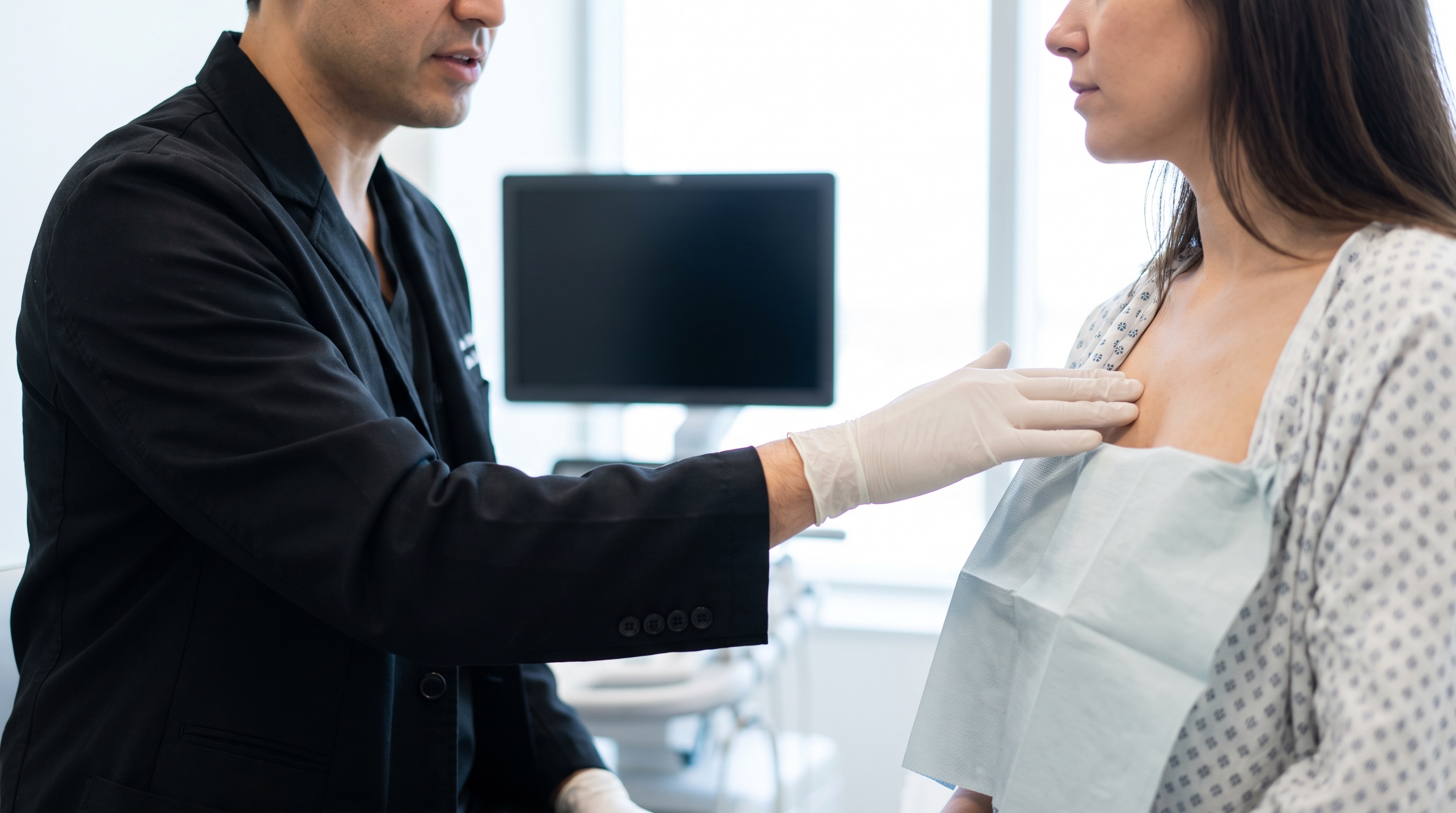
Following your surgery, the freshly shaped tissues, the deep fascial adhesions, and the fragile subdermal vascular network need to be mechanically protected in order to have a rapid, ideal recovery. They rely on this mechanical protection to be able to establish strong collagen bonds during the critical first 6 to 8 weeks of healing after your surgery. Without the physical support that is ironclad, gravity and mechanical friction will disrupt the healing process to a great extent, tearing the delicate internal sutures and resulting in prolonged swelling, compromised appearance, and early sagging of the tissues.
You want to make sure that your newly sculpted contours become fixed as quickly and accurately as possible and for that, you need to constantly wear specialized medical-grade compression garments during this phase of recovery—the one when you are most vulnerable. This proper compression helps in getting rid of the dead space, supporting the weight of breast parenchyma, and tightly forcing the skin to fuse to the underlying tissue while you still abstain from any physical exertion that would increase systemic blood pressure. What’s more, nicotine and tobacco use must be completely abolished before and after surgery to allow for vascular survival.
Breast Lift in Turkey
Choosing LIN Europe Clinic to be your partner for your breast lift would be an efficient and pleasant journey towards meeting your aesthetic goals while being well taken care of and expertly guided by skilled and experienced hands. With our deep technical knowledge, high medical standards, profound understanding, and professional empathy, we are confident that we can provide you with the best treatment, care, and management of your facial aesthetic, body contouring, and surgical procedures. It is a known fact that accurately navigating the tissue adaptations for a lasting surgical result requires a very high level of expertise, transparency, and support, which, above all, prioritizes evidence-based medicine and patient safety.
When you entrust your welfare to us, the team of experts at LIN Europe Clinic in Istanbul, your physical parameters will be under constant and very precise monitoring using state-of-the-art diagnostics. We will perform thorough pre-operative mapping and high-definition tissue analysis and provide personalized healing steps to help you through every stage of your tissue maturation process.
Frequently asked questions
Is some sagging normal after a breast lift?
Yes, some degree of recurrent sagging is biologically expected years after a breast lift. Tissues are still subject to gravity and natural aging. A breast lift is a structural reset, not a permanent stop to the aging process.
What does a breast lift (mastopexy) do?
A breast lift repositions and tightens breast tissue, removing skin to raise the breast. This creates a more youthful and projected position. It is a surgical procedure to address glandular ptosis.
How do advanced techniques prolong breast lift results?
Skilled surgeons use parenchymal reshaping and internal fixation to the pectoral fascia. Advanced internal support systems like bioabsorbable meshes also strengthen the breast. These methods reduce the burden on skin, slowing down sagging.
What factors affect breast lift long-term shape?
Individual tissue density and volumetric changes significantly impact results. Dramatic shifts from pregnancy, lactation, or major weight fluctuations can compromise the lift. Maintaining stable weight and hormones is crucial.
What post-operative care is needed after breast lift?
You must wear specialized medical-grade compression garments for 6 to 8 weeks. Avoid physical exertion that increases systemic blood pressure. Completely stop nicotine and tobacco use before and after surgery.
This article is general information, not medical advice, and does not replace a consultation. Every procedure carries risk and outcomes vary from person to person.
Last reviewed 8 September 2026