Hair Transplant: When Does the Redness Go Away After Hair Transplant?
Written by LIN Europe Clinic Editorial Team
Usually within one to three weeks.
The Biological Mechanisms and Surgical Factors Behind Redness
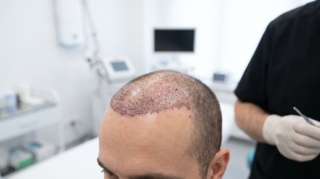
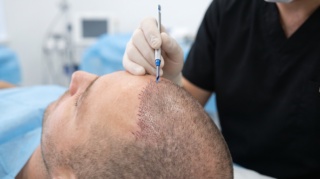
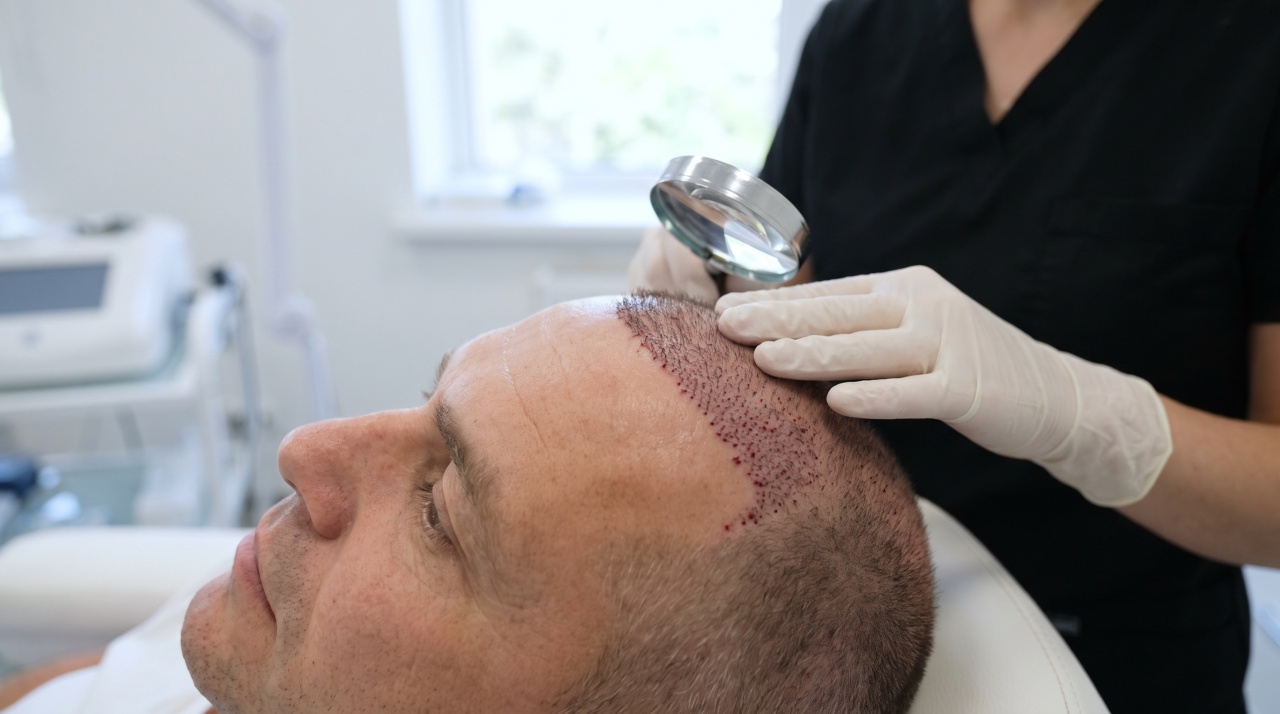
There is always a period of post-operative redness or erythema after a hair transplant, which is a normal, even beneficial part of the healing process; that is, a natural bodily reaction. In a modern Follicular Unit Extraction or Direct Hair Implantation transplant, the surgeon makes thousands of tiny cuts across the recipient area and very delicately places each graft. This widespread but very localized tissue damage stimulates the body's natural wound healing response, leading to the dilatation of the numerous blood vessels in the scalp.
One might say the redness is a sign that the area has been adequately supplied with the oxygen, nutrients, and immune cells vital to the survival of the grafts after they are implanted. The blood vessels that become wider allow more blood to flow to the surface. This results in the reddish or pink color in the area right after the operation. In addition, one of the most blood-rich organs in your body is the scalp, so through the inflammatory reaction, we can be certain that the new follicles will really settle well into the skin and that they will start growing again.
The Timeline for the Healing in the Immediate Postsurgery Period
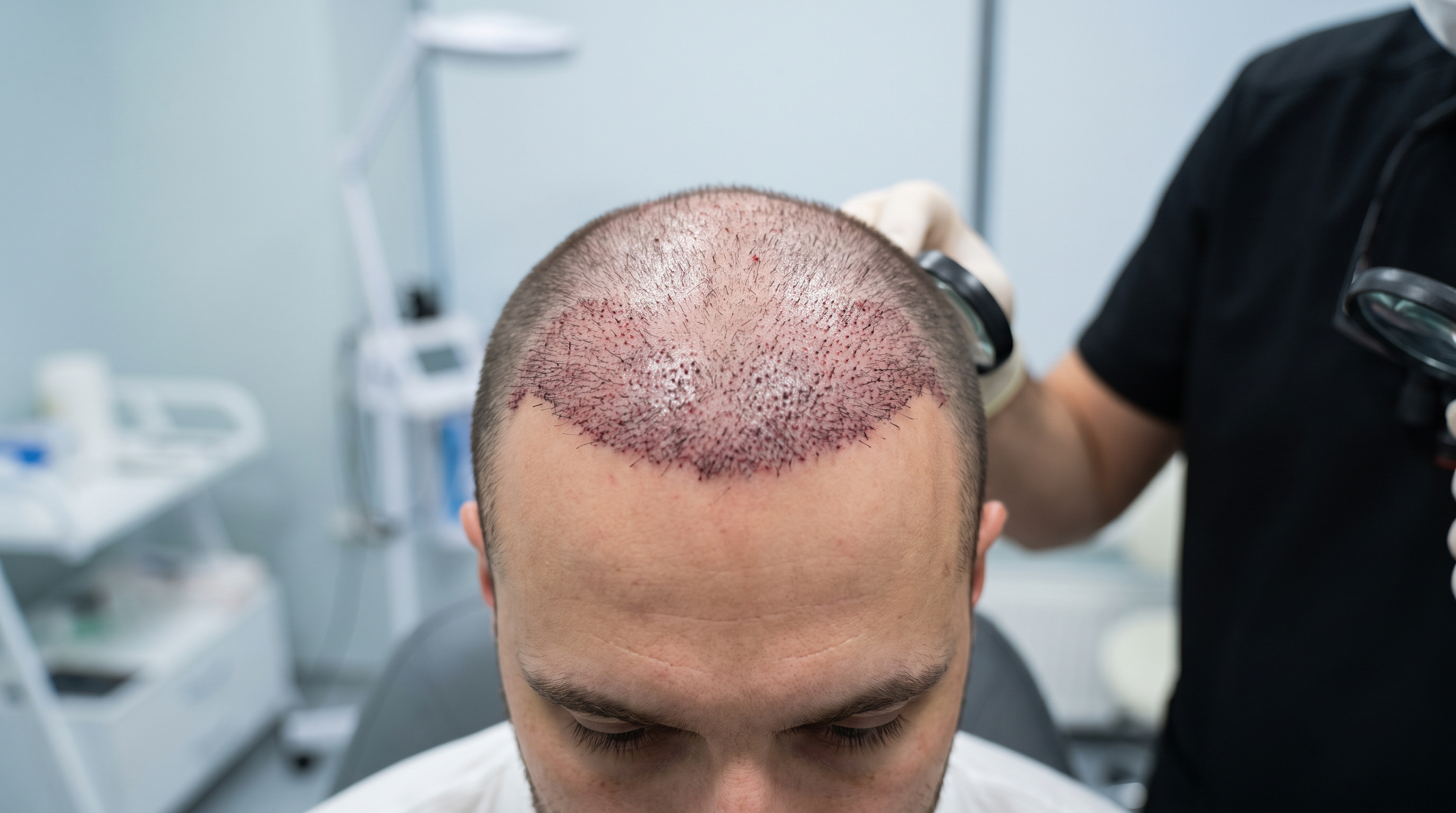
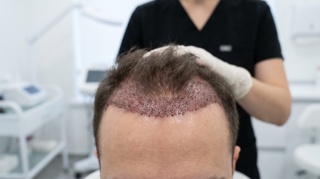
Redness, being most intense, is the first sign that the wound is healing; i.e., in the first few days after the surgery, one can see a small amount of inflammation with possibly some swelling in the area where the grafts were placed. Scabs, which protect grafts from dislodging, would form around each hair. It would be a challenge to wash away these crusty patches without damaging delicate new follicles; thus, customized, gentle, and gradual cleansing routines would have to be observed very strictly by patients. On Day 10, most patients would still have many scabs, but their size and appearance would indicate that they are almost ready to go away.
On entering the 2nd and 3rd week, one sees post-operative redness becoming milder and the color fading to a lighter shade of pink. Generally, a patient with an average-density hair transplant would no longer be noticeably red and would feel comfortable, e.g., returning to office work or public activities without a covering, as long as they did not go through 16 days from the operation. The rate of blood vessels returning to their resting state is quite variable: it depends on how densely the grafts have been laid, and also on the patient's natural rate of cell replacement and healing.
Delayed Erythema and Skin Type
Besides getting their skin clean in 3 to 4 weeks after surgery, fair-skinned patients (especially those belonging to the lowest Fitzpatrick skin types) often find their erythema lasts much longer. These patients often get a light pink or rosy hue, and this can go on for several months, even up to 2-3 months. In addition, extreme "mega-sessions," in which the surgeon densely implants 3,000 - 4,000 grafts in a single surgery and consequently the cumulative trauma to the tissue is high, can result in an extended inflammatory phase.
Also, very importantly, around the 3rd or 4th week post-operation, the transplanted hairs begin to fall out completely. This phenomenon, known as "telogen effluvium" (a natural process following any stress to the scalp such as surgery, illness, etc.), has to be taken into account as it can cause the scalp to momentarily appear pink or slightly inflamed. But this is just a physiological transition, and there is a complete stop of the hairs growing on the scalp beneath the skin. And in any case, it should not be confused with the occurrence of infections or graft losses happening much later after surgery.
Preserving Structural Integrity and Post-Operative Boundaries
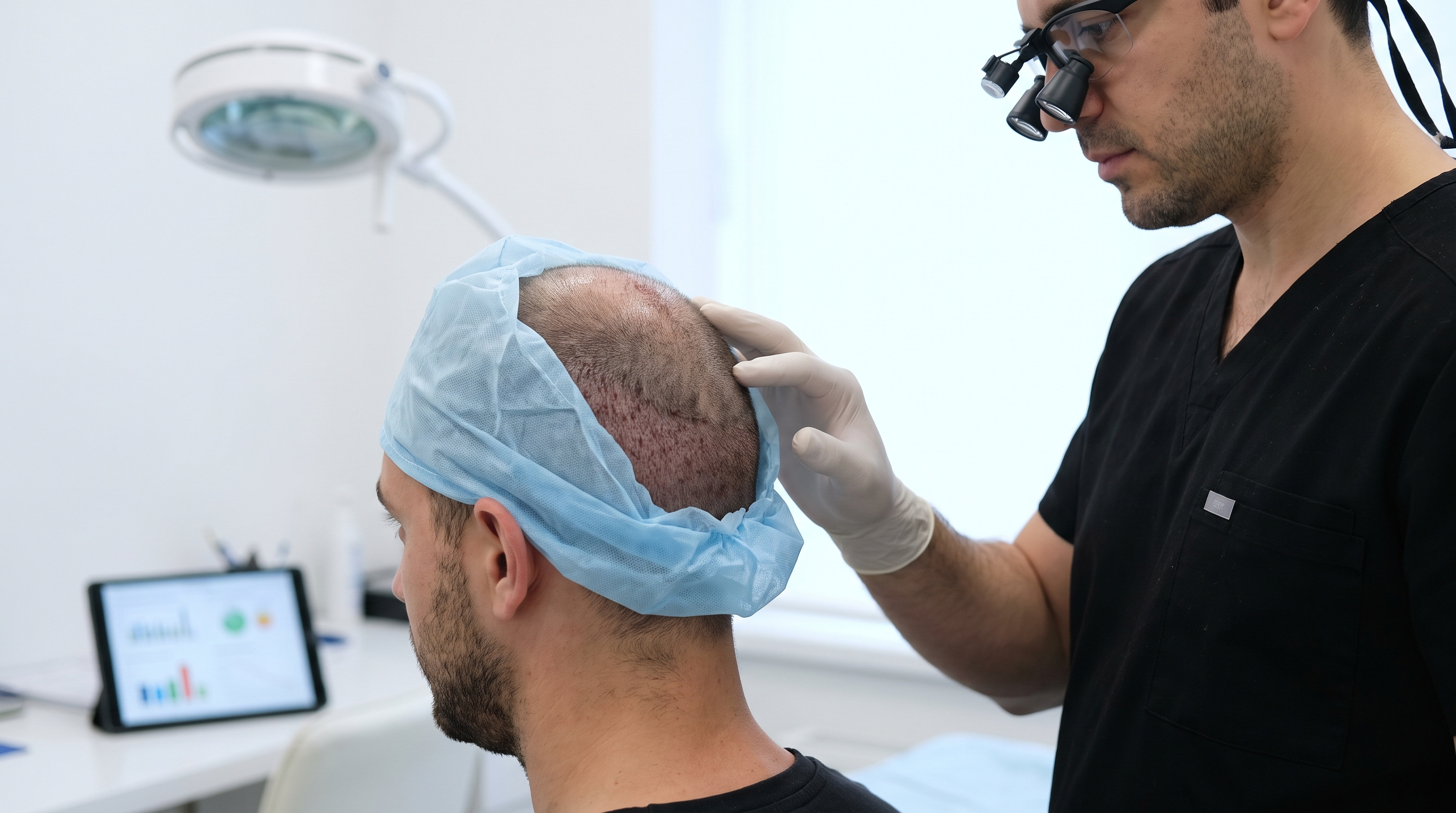
People who cannot do without their post-operational results very quickly will be very much advised to protect their scalp from exposure to solar ultraviolet (UV) radiation for at least 3 months after the surgery because, when this type of radiation is incident on post-inflammatory tissues, which are at that moment quite sensitive, it causes a kind of skin condition called post-inflammatory hyperpigmentation, which is essentially a melanization of the skin that, in some cases, can be considered permanent, and thereby it turns reddish or pink areas of the skin into darker ones as a permanent feature. Moreover, it is recommended that, for the first 2 weeks after surgery, both cardio and strength-training workouts be avoided at home and at the gym completely, as it can lead to a significant rise in blood pressure as well as blood flow.
As it is, you are most likely to get the fastest recovery possible and to return your scalp to normal as soon as possible by refraining from picking or scratching the healing grafts, as this is equivalent to putting you back at the very beginning when everything just started. Also, during the first week, you have to be off alcohol for good, and there shouldn't be any tobacco products either, be it a little bit or all. This is due to the fact that, on the one hand, alcohol increases body heat by causing the vessels to widen; hence, the redness gets worse in response. On the other hand, nicotine makes vessels contract; thus, the recovering area remains deprived of the necessary, highly oxygenated blood required by the process to get a smooth, fast, and flawless regeneration.
LIN Europe Clinic
LIN Europe Clinic is a place of medical and cosmetic excellence that combines medical, scientific, technological, artistic, and business knowledge at a very rare and high level. We understand perfectly well how sensitive hair transplantation is as a combination of various techniques that involve different layers of soft tissues. The entire procedure demands a surgical team that is absolutely precise, transparent, and very supportive of the needs of each individual. In addition, the treatment must be the only way that you get your problem sorted out; everything should not only satisfy you, but also make you feel comfortable, healthy, and happy in the process of doing it. We are proud that LIN Europe Clinic in Turkey not only provides a perfect setting for a hair restoration surgery or any other type of aesthetic procedure, but it is also a very calm environment that offers you full rest and relaxation.
To be under the best possible care of specialist doctors and to see results of treatments that you have entrusted to them will happen if we get your support as clients and if the entire process of diagnosis as well as therapy and post-operative supervision is strictly adhered to our standards, and the standards of global patient safety are also strictly observed. In other words, the care will be so good that your investment of money will not only yield beauty (hair) but also bring you health and satisfaction. It is our goal to see our patients happy and healthy, so you do not have to worry about anything else but simply be able to be yourself, the one you feel most confident in!
Frequently asked questions
What is hair transplant redness?
Post-operative redness, or erythema, is a normal and beneficial part of the healing process. It is a natural bodily reaction after a hair transplant. This redness indicates that the area is being supplied with vital oxygen, nutrients, and immune cells.
How long does hair transplant redness last?
Redness typically becomes milder and fades to a lighter pink during the 2nd and 3rd week. Most patients feel comfortable returning to public activities after 16 days. However, for fair-skinned patients, it can persist for several months, sometimes up to 2-3 months.
Why does redness happen after hair transplant?
Redness occurs because the tiny cuts made during surgery stimulate the body's natural wound healing response. This causes blood vessels in the scalp to dilate, increasing blood flow. This increased blood supply is crucial for the survival and integration of the new grafts.
What makes redness last longer after hair transplant?
Fair-skinned patients, especially those with lower Fitzpatrick skin types, often experience redness for a longer duration. Additionally, "mega-sessions" involving 3,000-4,000 grafts can lead to an extended inflammatory phase. The density of grafts and individual healing rates also influence the duration.
How can I reduce redness after hair transplant?
Protect your scalp from solar UV radiation for at least 3 months to prevent hyperpigmentation. Avoid picking or scratching the healing grafts. Refrain from alcohol and tobacco products for the first week, and avoid cardio and strength-training workouts for the first two weeks.
This article is general information, not medical advice, and does not replace a consultation. Every procedure carries risk and outcomes vary from person to person.
Last reviewed 7 September 2026