Hair Transplant: Can I Shower 10 Days After a Hair Transplant?
Written by LIN Europe Clinic Editorial Team
Yes, gentle showering is usually safe after 10 days.
The Anatomy Of Graft Attachment And Settlement
In the intricate field of cosmetic microsurgery that includes hair restoration, knowing if and when you can safely revert to a regular hygiene cycle requires thorough knowledge of follicular biology. The very first week subsequent to a hair transplant is characterized by the utmost delicacy of those new grafts, as they are held in place only by tiny channels surrounded by blood clots turned into a fibrin network, which can be thought of as a very soft, natural biological "glue". This structure makes the grafts prone to being displaced permanently by physical abrasion or the force of water.
After the 10th day, the biological activities surrounding the follicles have completely transformed within the skin matrix. According to numerous clinical trials and surgical procedures, it is by days 9 to 10 post-surgery that the mechanical fixation mechanism has mainly been completed and the hair root units have made connections with the blood vessels. The clinical view of this stage tells us that it is essentially safe to allow the patients to resume their normal life activities, such as showering, which might be limited in the first week of recovery; hence, it marks a very important moment in the post-operative healing stage.
The Gradual Reintroduction of a Regular Shower Pressure
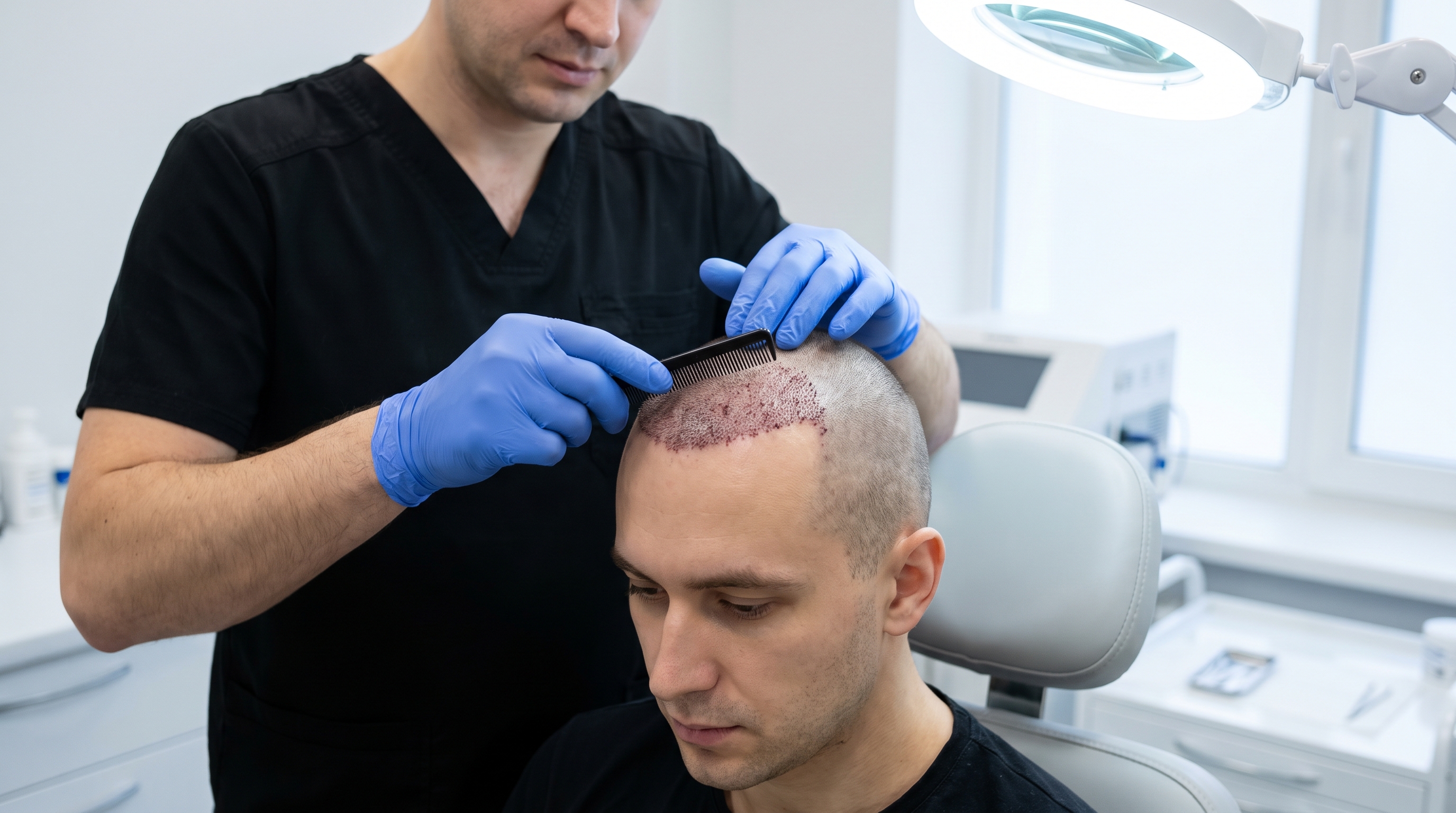
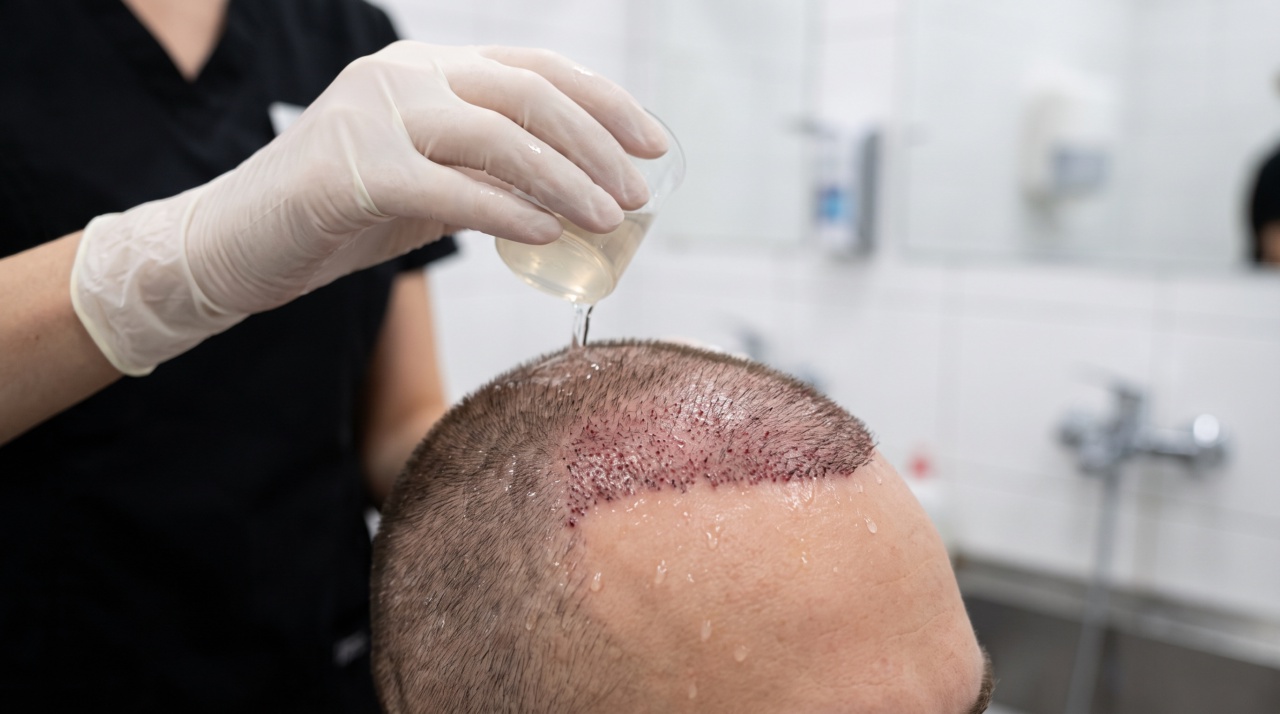
You may have to wait until the 10th day to be permitted to begin regular showering because by then your follicles have taken root in your scalp area, so technically it won't be a problem even though the process is not yet 100 percent settled. Of course, you do not really need the very limited methods such as "cup pouring" or "pure dabbing" from the very first day of healing, as you can safely let the water flow from the shower directly onto the areas where hair was transplanted or harvested. This has a great effect on the psychological aspect of the healing process. It also allows thorough and refreshing cleansing of the healing skin.
Be that as it may, this is a changeover period that has to be very slow and under strict control. Although ordinary shower pressure is perfectly fine to handle the situation, power jets with great pressure and very hot showers will definitely be a definite no-no even as late as the 14th day because such hot water opens up the blood vessels very quickly, which can unnecessarily increase the blood flow and lead to swelling and itching post-operatively. Soaking the skin in lukewarm water at very low pressure gives the scalp protection from mechanical stress at the same time as it keeps the area clean.
This Period of the Removal of Scabs
Going back to the 10th day is not just a matter of direct watering; day 10 is also an important time point that marks the start of active scab removal in hair transplant recovery: the stage when the protective scabs and crust are actively removed, and the new follicular unit starts developing its own capillary bed. In the early healing period, crusty skin forms over each graft to protect it. If these hard skin layers are left as they are for two weeks, it may prevent the newly established hair roots from properly breathing and developing and may even cause infections.
During the interval from day 10 to 14 of the healing period, patients are told to soften the scabs by using a special after-surgery shampoo and post-op lotions and then carefully massage the skin in small circles with the tips of the fingers (but definitely not using the nails). This method of very careful rubbing will get rid of only the loosened scabs, leaving the newly grown hair and the surrounding skin totally intact. The main objective of these specially timed water sessions should be to have a completely clean and scab-free area by the time it is the two-week post-op mark.
Tissue Structure and Behavioral Boundaries After Surgeries
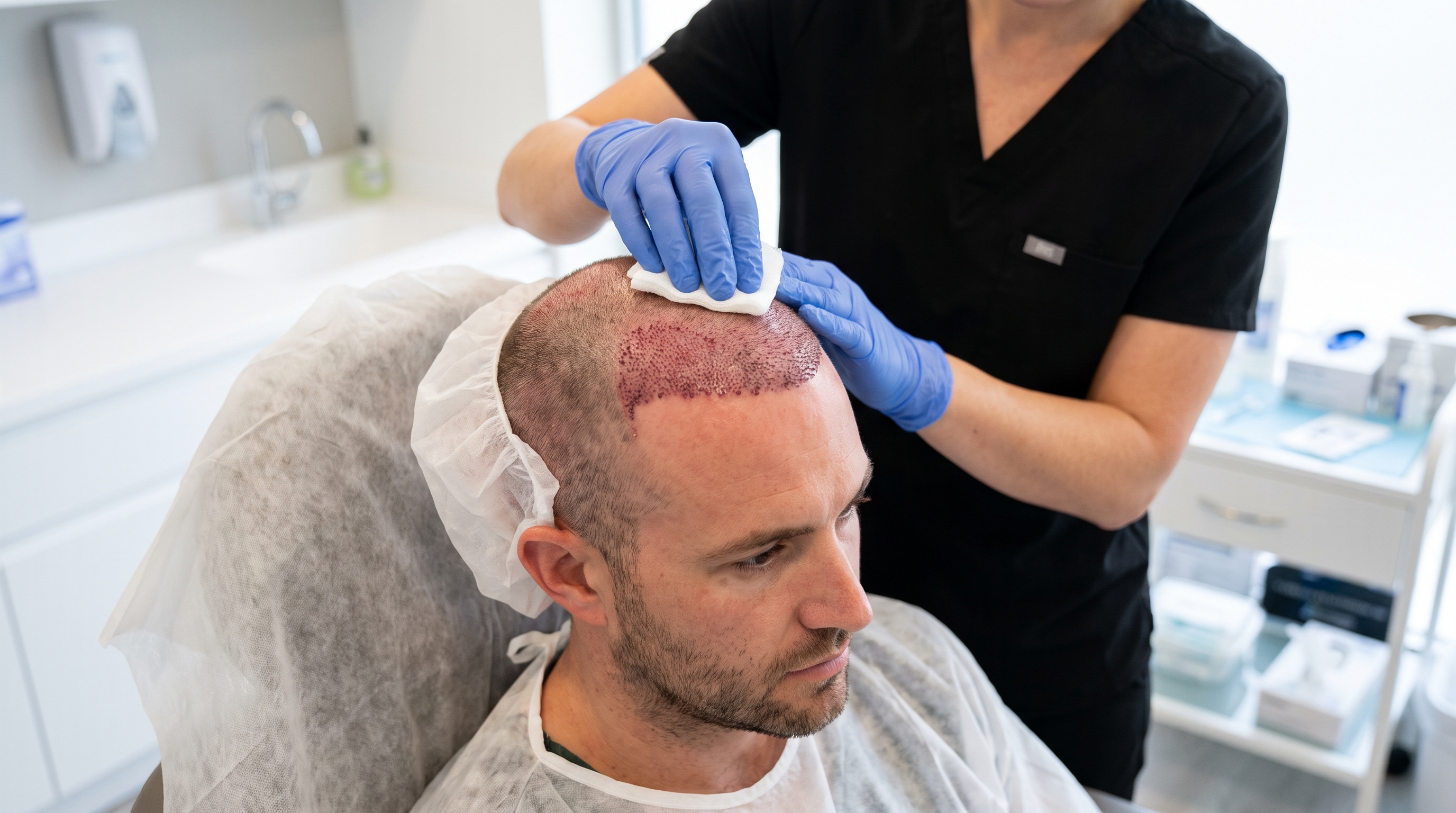
To maintain the quality and appearance of the transplanted hair that is newly grown, the surgeon must have the ability to monitor the post-operative behaviors of the patients with an extreme degree of care, not merely in terms of the external appearance but also the physiological health of the skin, hair, and scalp so that they remain in harmony with each other. It is an accepted fact that although hair grafts will have been mechanically fixed by day 10 and the active scab removal stage will have commenced, the newly healed scalp tissue and the donor area that has been stripped of its hairs will still be sensitive, slightly inflamed, and vulnerable to environmental effects.
Therefore, the first and second week after surgery, besides the obvious precautions, will include a very important part of avoiding anything that might damage those small new blood vessels that have just formed around the new hairs. It is strongly advised to stay clear of places where the heat is too high, like a sauna, steam room, and even direct sunshine. The biggest risk is to your hair and your skin if nicotine and tobacco products continue to be present in your body.
LIN Europe Clinic
Picking LIN Europe Clinic means you are getting into a global, top-of-the-line medical center where your facial beauty, advanced body restructuring, hair restoration, and medical interventions will be executed with the highest level of clinical skill and maximum attention to the client's emotional needs. It is our opinion that managing the accurate steps of washing, determining the timing of graft anchoring, and managing the soft tissue after a hair transplant require a very advanced, fully transparent, and very supportive environment that prioritizes the patient's health based on clinical evidence. LIN Europe Clinic in Turkey serves as an example of a world-leading institution in advanced micro-surgery and aesthetic aftercare by offering you and your family a peaceful, tranquil, and clean environment to heal properly while also ensuring that your healthcare is in accordance with internationally accepted standards of global health safety.
As you entrust our team of specialists at LIN Europe Clinic in Istanbul with the details of your body, our diagnostic methods will be such that they can monitor your physiological parameters to perfection. We offer not only the most up-to-date technology but also full-time personal consultations and check-ins, step-by-step guides to healing for every phase of the process. We are here to make sure your appearance and your health are protected so well that you can live your new life with confidence without ever having to worry about your new look being damaged.
Frequently asked questions
When can I shower after a hair transplant?
Gentle showering is generally safe 10 days after a hair transplant. By days 9-10, hair root units have connected with blood vessels. This allows for a safe return to normal activities like showering.
How should I shower after hair transplant?
After 10 days, you can let water flow directly onto the transplanted areas. Use lukewarm water at very low pressure to protect the scalp. Avoid power jets and very hot showers.
When can I remove scabs after hair transplant?
You can begin active scab removal 10 days after a hair transplant. Between day 10 and 14, soften scabs with special shampoo and lotions. Then, carefully massage the skin with your fingertips.
What shower pressure is safe after hair transplant?
Ordinary shower pressure is generally safe after 10 days. However, use very low pressure and lukewarm water for optimal protection. Avoid power jets with great pressure.
What should I avoid after a hair transplant?
After a hair transplant, avoid high heat sources like saunas, steam rooms, and direct sunshine. Also, it is strongly advised to avoid nicotine and tobacco products. These precautions help protect newly formed blood vessels.
This article is general information, not medical advice, and does not replace a consultation. Every procedure carries risk and outcomes vary from person to person.
Last reviewed 7 September 2026