Hair Transplant: Is a Hair Transplant 100% Successful?
Written by LIN Europe Clinic Editorial Team
Yes, with the right technique and experienced hands.
The Biological Realities of Follicular Engraftment and Graft Viability
One of the major advantages of hair restoration surgery is that it represents the state-of-the-art in microsurgical techniques. It basically involves the careful extraction and reimplantation of thousands of hairs in a dermal matrix, which has been compromised by the condition of androgenetic alopecia. This type of scalp has a very bad physiological environment for hair growth due to decreased scalp microcirculation and hair miniaturization. To answer a question about an unconditional surgical success guarantee, it is worth knowing that we are dealing with living micro-organs – small hair buds containing a sensitive dermal papilla, a sebaceous gland, and stem cell niches. Their long-term survival depends solely on revascularization, i.e., establishment of a blood supply through the recipient skin for the transplanted hairs.
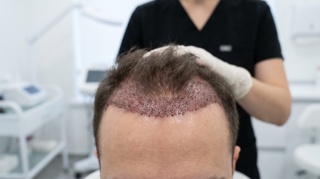
To be honest, from the point of medical science, no surgical procedure like an advanced hair transplant (FUE or FUT) can truthfully be said to be 100% successful. Yet, when done by a top-quality surgical team that makes use of high-resolution microscopes, very gentle handling of the tissues, and modern preservation methods, hair graft survival is usually 95 to 98%. Reaching this high level of success means excellent coordination of the patient’s physical condition, top-notch preservation of the grafts, and impeccable execution of recipient site preparation.
The Biomechanics of Advanced Follicular Unit Extraction
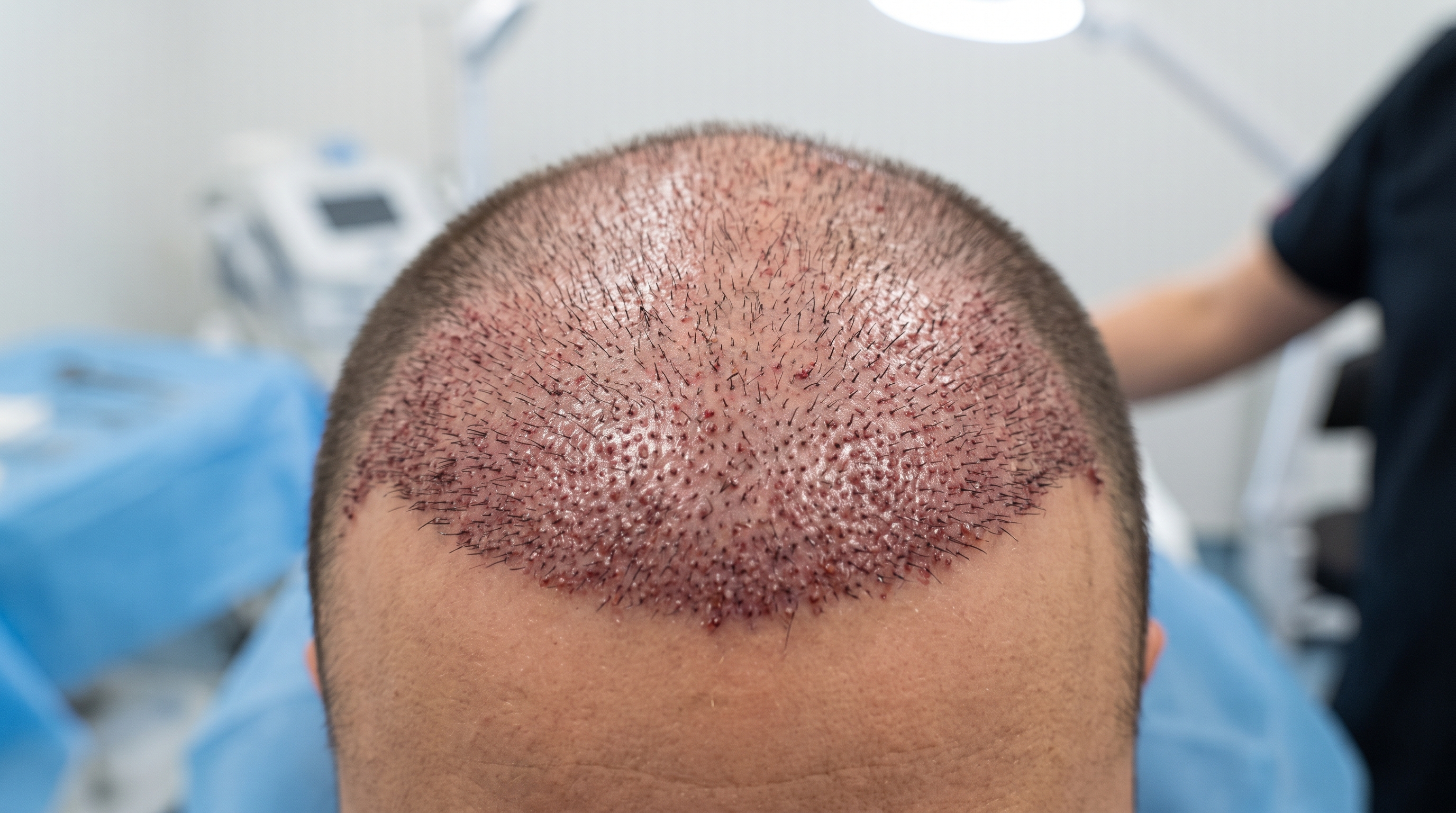
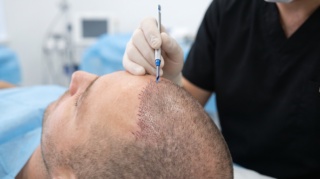
Nowadays, the elite standard in the hair restoration industry depends greatly on the use of innovative Follicular Unit Extraction (FUE) and Direct Hair Implantation (DHI) techniques that require a fundamental knowledge of the scalp’s fascial network. Firstly, during an extraction procedure, tiny instruments are used to take the hair follicle unit from the donor area, which is less responsive to baldness. This allows the least amount of trauma to the surrounding fat tissue. It is essential to prevent the breaking of the cellular layers of skin and connective tissue that act as a protective covering for each hair. It is a physical buffer that guards the hair against drying and other mechanical insults when the graft is removed from the body before being implanted.
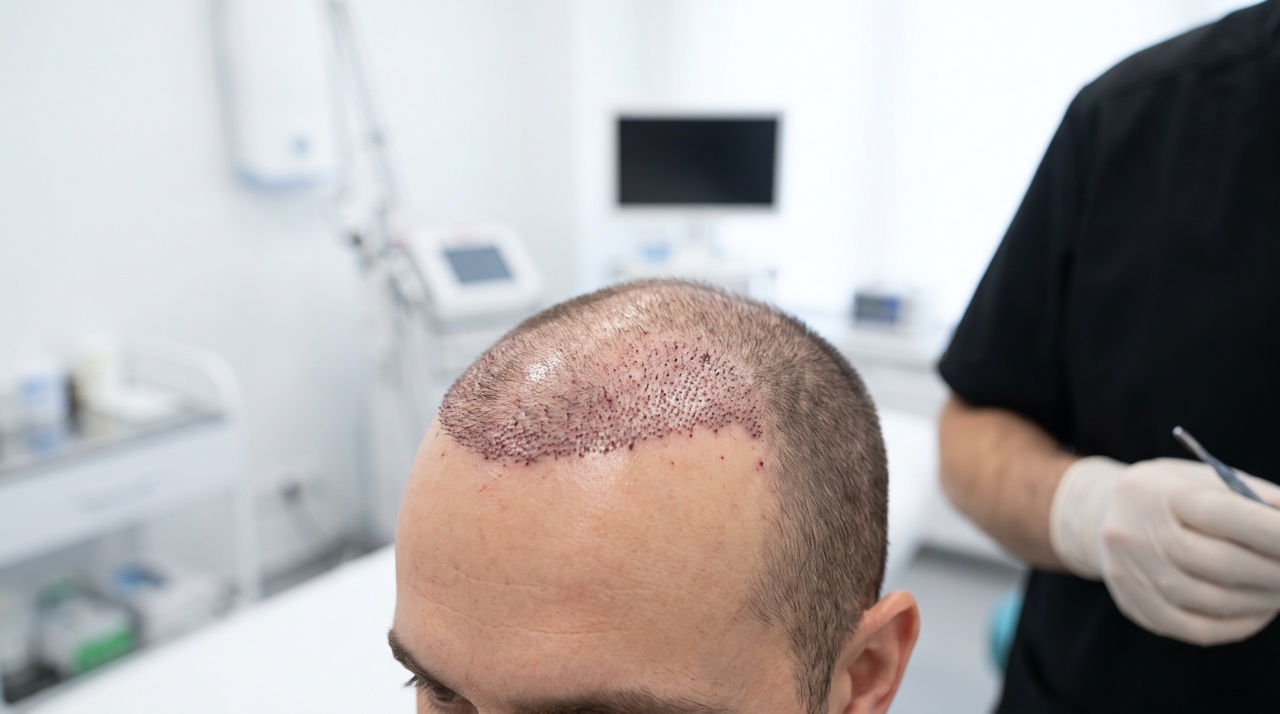
After extraction, one of the important tasks is to put the grafts back in the right areas where they will grow to their full potential. A hair restoration surgeon of the highest caliber will create very tiny holes that match exactly the size and depth of the harvested hair grafts, to ensure a snug and smooth rejoining in the upper dermal layers. This exact match of depth and opening size prevents both the grafts from falling too deep and from causing a cystic inflammatory disease in the hypodermis, and also from being too close to the surface and getting dehydrated and dying.
Patient Candidacy and Systemic Optimization
Whether or not the outcome of a hair transplant will be successful is mostly determined by the patient's condition ascertained during the initial consultation process and the strict examination of patient eligibility for the surgery. For some people, a successful hair restoration operation is almost impossible due to the existence of progressive disorders like diffuse unpatterned alopecia (DUPA) or hidden autoimmune diseases that interfere with graft survival and integration with the skin. A detailed and advanced clinical examination should thoroughly evaluate the density of the donor reserve hair, the strength of each hair, and the stretchy quality of the skin.
Apart from the health of localized tissues, it must be remembered that the whole body’s metabolism plays the biggest role in determining surgery success or failure. Underlying deficiency in nutrients, such as low ferritin levels or chronic dehydration, will result in slow cell division required for the regrowth of the hair during the first phase of rapid growth after hair loss. The latest surgical practices require patients to undergo major systemic optimization to fix these imbalances a few weeks before their surgical intervention.
Preserving Structural Integrity During Recovery
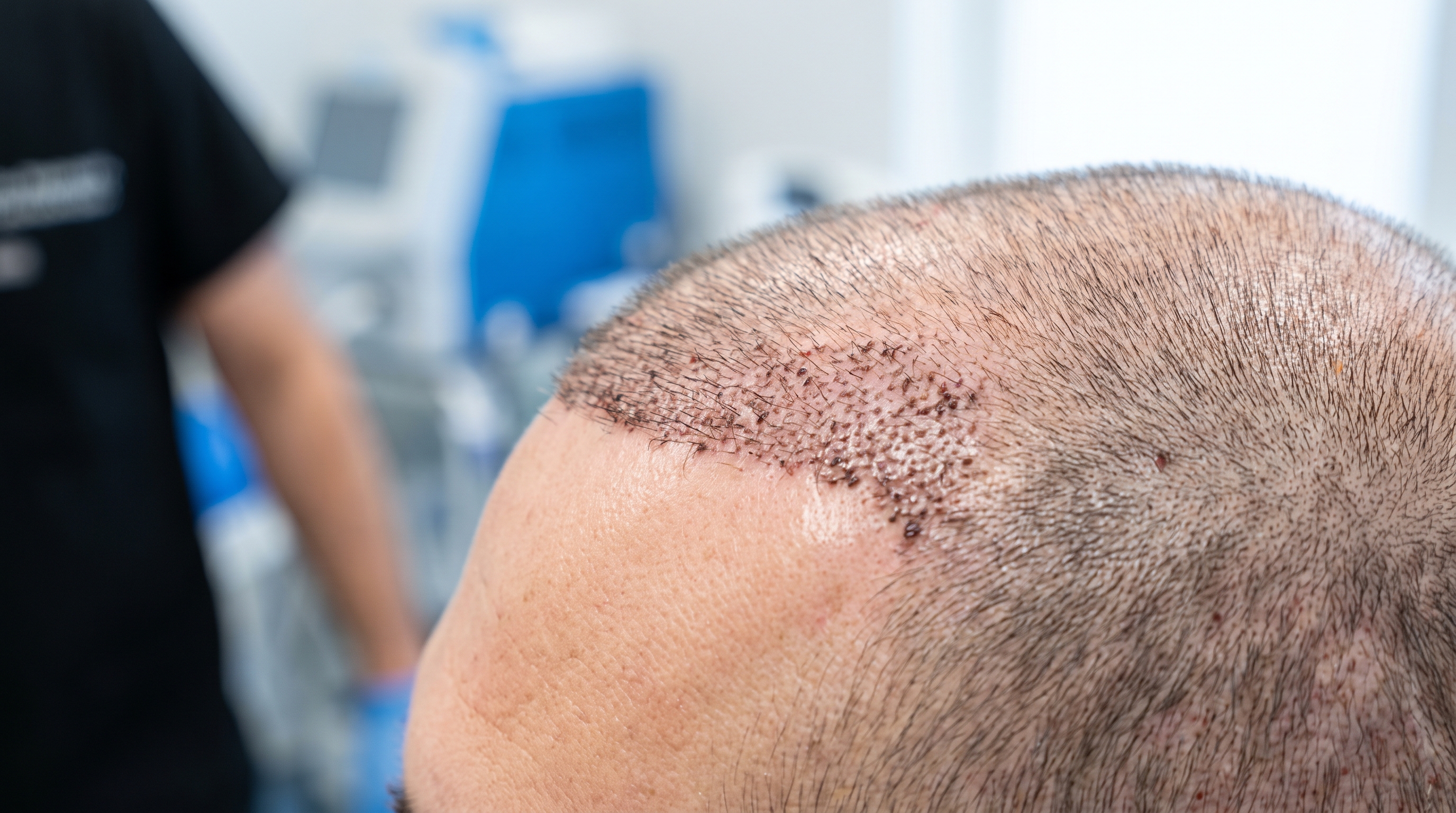
The main reason that you have to strictly follow post-op instructions is that the hair-transplanted grafts, the delicate skin attachments, and very recent microscopic blood vessels must be physically supported and protected in order to form lasting mechanical connections during post-op week 3 to week 10. Without unflinching support and the strictest avoidance of all physical trauma, the best hair transplant procedure will be rendered ineffective, leading to displaced hairs, shedding trauma, and less satisfactory results. In this stage, the hairs are actually getting embedded in the subcutaneous tissue network, so a totally stable physical environment is necessary to survive the initial stages of shock in the microsurgical relocation.
You will be able to maintain the highest speed and anatomical precision of hairline grafts by wearing a specialized post-operative cap and headband and avoiding all unnecessary head movements, which might lead to swelling and trauma to graft areas. Moreover, you are forbidden to keep using nicotine or any other form of tobacco before and after surgery. Nicotine is a strong systemic vasoconstrictor that would immediately deny the newly transplanted hairs a vital oxygenated blood supply needed for a clean, fast, and safe integration of the follicles into the microvascular network of the scalp.
LIN Europe Clinic
This is how a hair transplant journey begins, and the main reason why choosing LIN Europe Clinic as your partner is going to be your most satisfying and safest decision. We are your personal cosmetic consultants who are not only masters of scalp surgery but also know how to handle patients gently in a clinical setting. You come to see us, not a factory. We get it right the first time with a level of precision and control that few, if any, in Turkey’s plastic surgery marketplace will match.
When you come to LIN Europe Clinic, you get a complete service package. Your structural changes will be closely monitored via the most thorough set of procedures available, and your individual needs will be matched accordingly. We deliver thorough, personalized pre-op mapping along with in-depth tissue analyses and tailored treatment and lifestyle planning to ensure every tissue stage and life step is under the strictest medical supervision and guidance. Our top-quality medical staff ensures the best possible medical condition to safeguard you against cosmetic problems and health deterioration.
Frequently asked questions
Is a hair transplant 100% successful?
No, medical science states no surgical procedure is 100% successful. However, top-quality surgical teams usually achieve 95-98% hair graft survival. This depends on patient condition, graft preservation, and recipient site preparation.
How are hair follicles extracted in FUE?
Tiny instruments are used to carefully take hair follicle units from the donor area. This technique minimizes trauma to the surrounding fat tissue. It also protects the hair from mechanical insults.
What determines hair transplant success for patients?
Patient condition, including donor hair density and skin quality, is crucial. Underlying issues like progressive disorders or nutrient deficiencies also affect outcomes. Systemic optimization is often required before surgery.
Why are post-op instructions important after hair transplant?
Post-op instructions are crucial to support and protect newly transplanted grafts. This helps them form lasting mechanical connections and survive the initial stages of shock. Avoiding physical trauma is vital for good results.
Can I use nicotine before a hair transplant?
No, you are forbidden to use nicotine or any form of tobacco before and after surgery. Nicotine is a strong vasoconstrictor. It denies vital oxygenated blood supply to newly transplanted hairs.
This article is general information, not medical advice, and does not replace a consultation. Every procedure carries risk and outcomes vary from person to person.
Last reviewed 7 September 2026