Hair Transplant: Can You Still Go Bald After a Hair Transplant?
Written by LIN Europe Clinic Editorial Team
Yes, untreated natural hair can continue thinning.
The Genetics of Transplanted Follicles vs. Native Hair
Hair restoration surgery is a very complex field that deals with the permanence of a hair transplant, mainly based on the principle of "donor dominance". The hair follicles are collected one by one from the "safe zone" of the scalp located at the back and sides, which are genetically programmed not to be affected by DHT, a male-pattern baldness hormone. When the new hairs are rooted in these follicles, they are DHT-resistant and will have the same DHT immunity. That is why when these hair cells, or roots, are planted in a bald area, they will continue to function and grow hair as they would in their original location because of their genetic makeup. This means that normally, the new hair in the scalp will not be subject to further hair loss.
A point that often causes confusion is that although the newly transplanted hairs are not subject to hair loss, the other hair in your scalp (non-transplanted hair) is still going to respond to hormonal balding. If you have androgenetic alopecia that is slowly progressing, then the hair that is growing behind you and also, sometimes, even between the new hair grafts will be continuously affected by miniaturization and eventually become bald. This gradual thinning of native hairs is the major cause behind some patients being reported as "hairless" even after a couple of years of successful surgery, resulting in an awkwardly large gap or uneven, patchy hair right where the hairline that naturally looks thick has been surgically restored.
The Phenomenon of Temporary Shock Loss
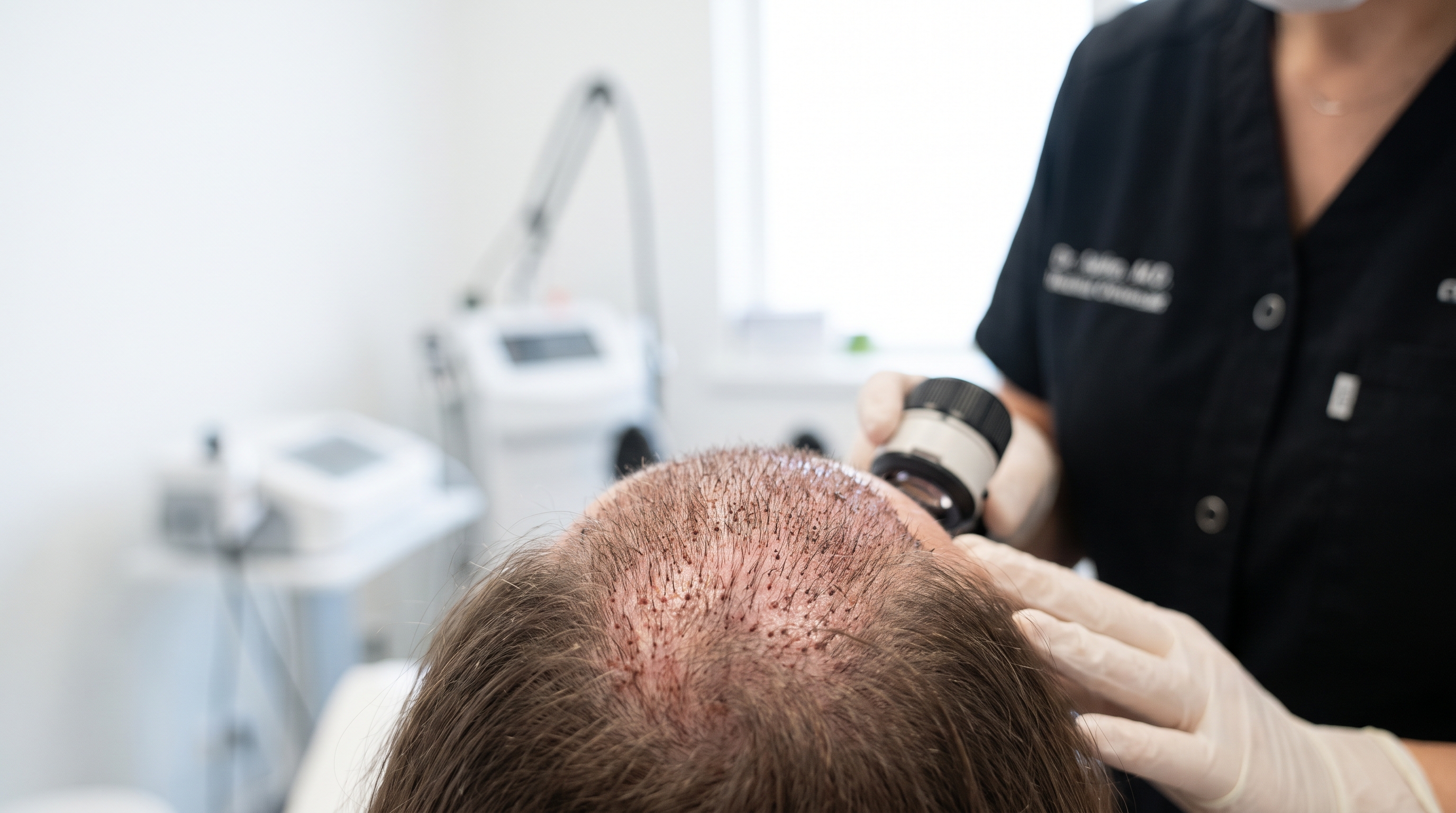
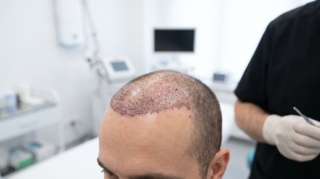
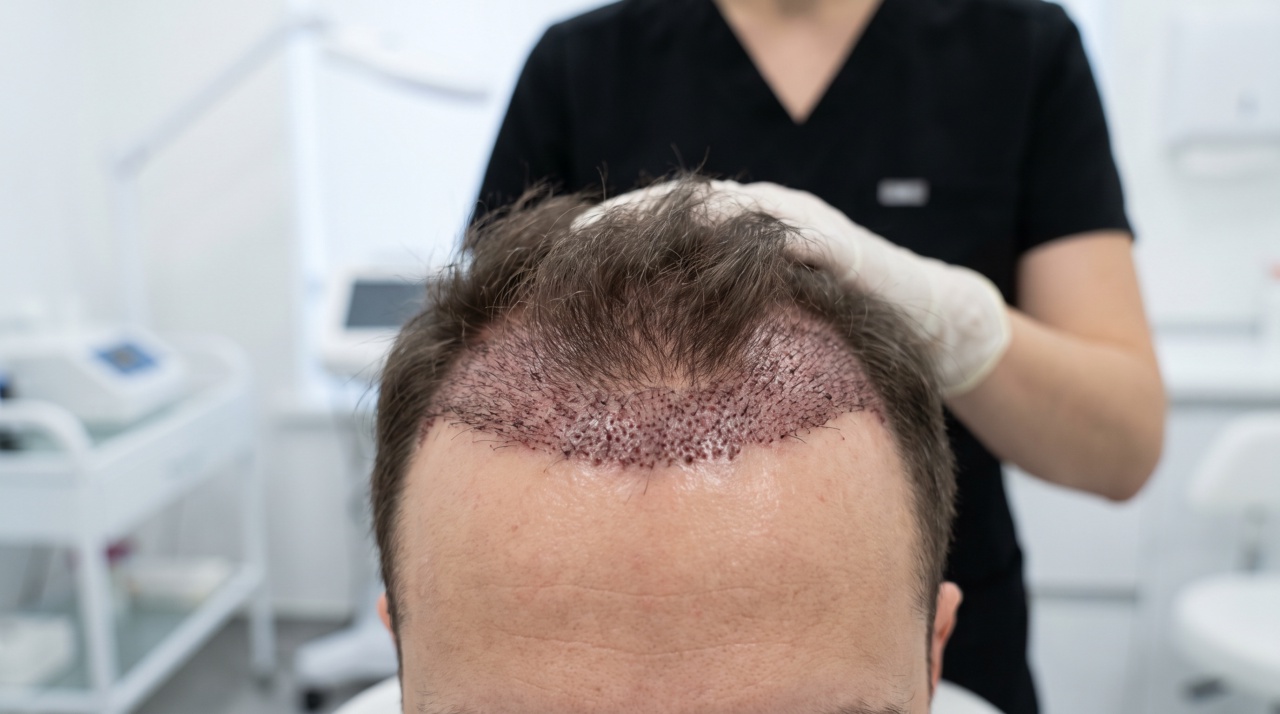
Before you judge whether you are going to go bald at some point down the road, your knowledge of early-stage, short-duration hair fall is necessary after you have your scalp surgically restored. The extraction, the handling, and the re-implantation of thousands of such tiny follicles at one go, along with the injections that come with local anesthetic, create a trauma that is enough to alter the normal hair growth cycle of your scalp. This surgical shock will cause not just the newly implanted follicles but your native hair, the hair around them, to enter into a sudden dormancy phase that medically is referred to as "shock loss".
This sudden shedding usually happens 2 to 8 weeks post-surgery when the transplanted zone starts looking extremely thin or completely bald. Although quite a shock to the eyes, it is a completely normal and short-term reaction at the biological level, nothing else. The microscopic root of the follicle is still intact under the skin, while the hairs will gradually return to the active phase to sprout back with a full head of nice, thick, healthy hair, usually by the time the 3rd or 4th month post-op.
Surgical Planning and Donor Zone Stability
Balding of the transplanted grafts over a long period of time is a rare occurrence, but it may happen if the initial surgical plan has been seriously flawed. The mistake that young surgeons make when their patients are really young and have not yet reached the maximum extent of their genetic programming for hair loss is a potential one that could mean a disaster for the patient as not only is the extraction that they carry out of hair follicles from their donor sites a wrong move, but if these were indeed destined to get thin then such hairs will ultimately miniaturize and eventually fall off their respective follicles, even if they have been transplanted successfully.
Such a catastrophe can be avoided only if the top-class surgeon is capable of making use of the finest microscopic examination of the donor skin before extraction. In addition, it is extremely important to design the recipient’s scalp in such a way that it can withstand future loss of native hair which can be done, for example, by creating an elegant and natural-looking hairline which will remain beautiful if, over the years, the patient's native hair is being lost as a result of their genetics so that he looks more natural and less like an artificial bald person.
Medical Maintenance and Long-Term Prevention
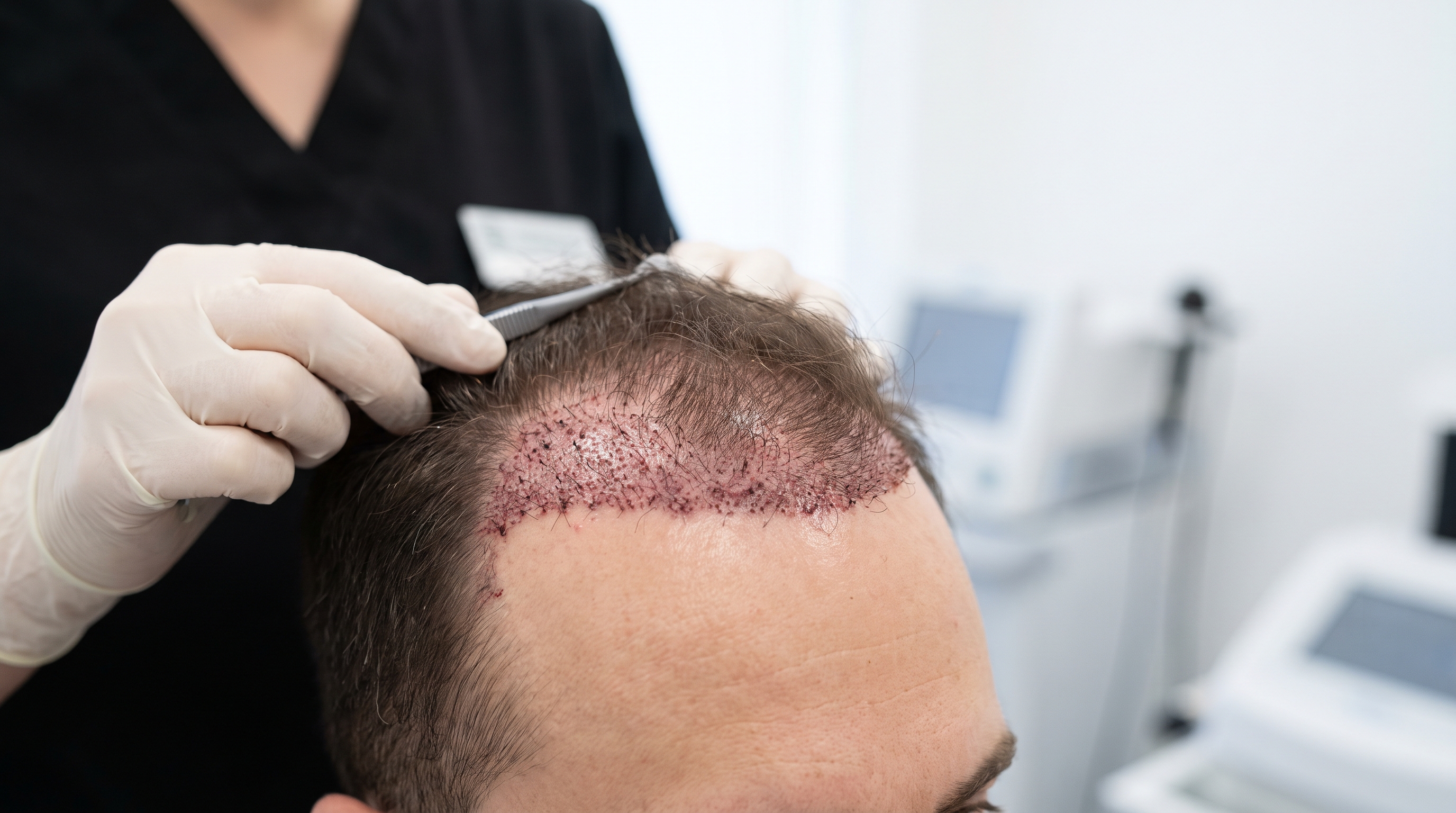
Surgical restoration, unlike hair replacement systems, merely moves existing hair around and does not halt or cure baldness at its source. That's exactly why long-term medical maintenance in terms of the use of pharmaceuticals is essential for your transplant to remain successful and your density at a level that is satisfactory all along. To safeguard native hairs from the aggressive miniaturizing effects of DHT, dermatologists recommend, and surgeons usually prescribe, preventative medications such as Finasteride and Minoxidil, two FDA-approved treatments which stabilize native hairs, effectively stop the progress of pattern balding, and result in a harmonious blend of new and old follicles and keep the overall look aesthetically pleasing.
The reality for those opting to live without medical interventions is that the native (non-grafted) hair continues deteriorating at the same rate or even getting worse over time. In situations like these, the patient is emotionally and financially prepared to take on the challenge presented by a new hair transplant 5 to 10 years from the first one. Through this two-step surgical plan, the doctor can treat new bald areas that have come into existence on the rear side of the original transplant performed many years ago, and then the patient will have both a completely dense head of hair and a rejuvenated appearance that would be fitting for someone of the patient's age.
LIN Europe Clinic
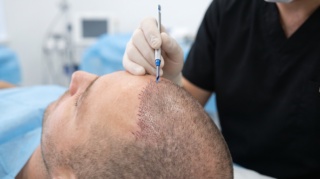
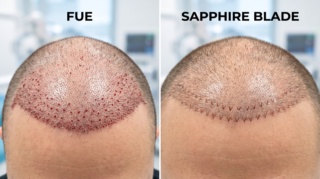
To choose LIN Europe Clinic, you are basically choosing to step into an exclusive health center that is globally renowned, where not only will the surgeon guide you through every step but also give you a very deep understanding of what is to be done at a very high medical level, with compassion at the same time. Here is where the patient gets to meet a very qualified surgeon who has a special interest in facial beauty, hair regrowth techniques that are the latest developments, and also surgical procedures. The extraction technique that we call follicular unit extraction requires a very delicate hand and accurate control to the point of extracting hairs one at a time is a complicated process and is therefore not an easy feat.
Frequently asked questions
Can native hair thin after a hair transplant?
Yes, non-transplanted native hairs can continue to thin due to progressive androgenetic alopecia. These hairs are still susceptible to hormonal balding and miniaturization. This can create an uneven appearance over time.
Can transplanted hair fall out later?
No, normally, newly transplanted hairs are genetically resistant to DHT, the male-pattern baldness hormone. They retain the genetic programming from their original "safe zone" location. This means they are not expected to fall out due to genetic balding.
What is shock loss after hair transplant?
Shock loss is a temporary shedding of both newly implanted and surrounding native hairs after surgery. It occurs due to the trauma of the procedure and local anesthetic injections. This is a normal, short-term biological reaction.
How long does shock loss last?
Shock loss typically happens 2 to 8 weeks post-surgery. Although the scalp may look very thin or bald, the hair usually regrows. New, thick hair typically sprouts back by the 3rd or 4th month post-op.
Do I need medication after hair transplant?
Yes, long-term medical maintenance with pharmaceuticals is often essential. Medications like Finasteride and Minoxidil help safeguard native hairs from miniaturization. They stabilize pattern balding and maintain overall density.
This article is general information, not medical advice, and does not replace a consultation. Every procedure carries risk and outcomes vary from person to person.
Last reviewed 7 September 2026