Which is Better, FUE or Sapphire Blade Hair Transplant?
Written by LIN Europe Clinic Editorial Team
Sapphire FUE may offer more precise incisions.
The Core Mechanics of Follicular Unit Extraction
Since Follicular Unit Extraction started in the mid-nineties in the area of aesthetic hair restoration, it has remained a benchmark, the clinical gold standard. There is no difference in the highly refined extraction method between regular FUE and Sapphire FUE; they both do the same: individual follicles are extracted manually or with the aid of a computer, one at a time, from the donor area—the back of the scalp, which is the most densely populated area. A major advantage of FUE is that this minimally invasive technique totally does away with the necessity for old-fashioned excision using a scalpel in a straight line, resulting in no visible scarring.
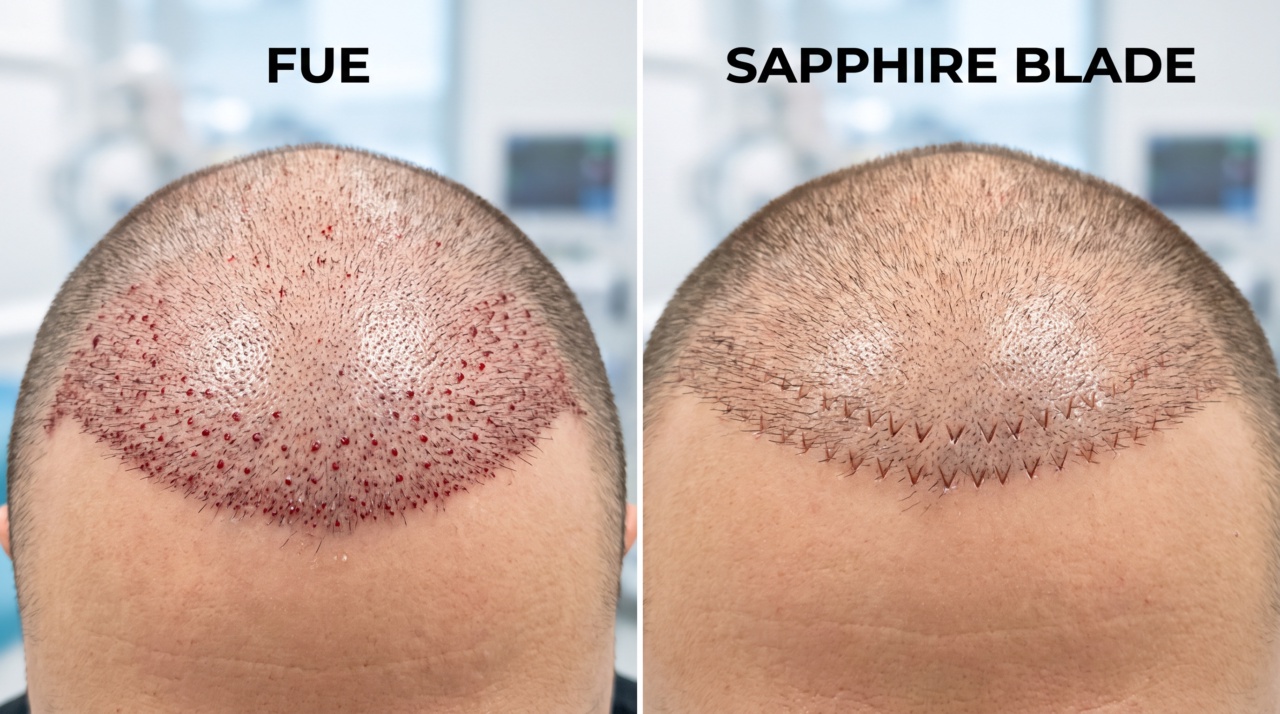
Compared to regular FUE, the only thing that really sets them apart is during the phase of implantation when the tiny recipient sites are made. In fact, regular FUE relies on traditional surgical-grade steel blades for microincisions made by the surgical team into areas where the hair is either bald or thin. Though steel blades are very effective and a master surgeon using them can deliver outstanding, natural-looking hair transplant results, an industry striving for perfection came up with the Sapphire FUE technique, introducing it as a sophisticated refinement of regular FUE.
The Sapphire Advantage: Accuracy and Density
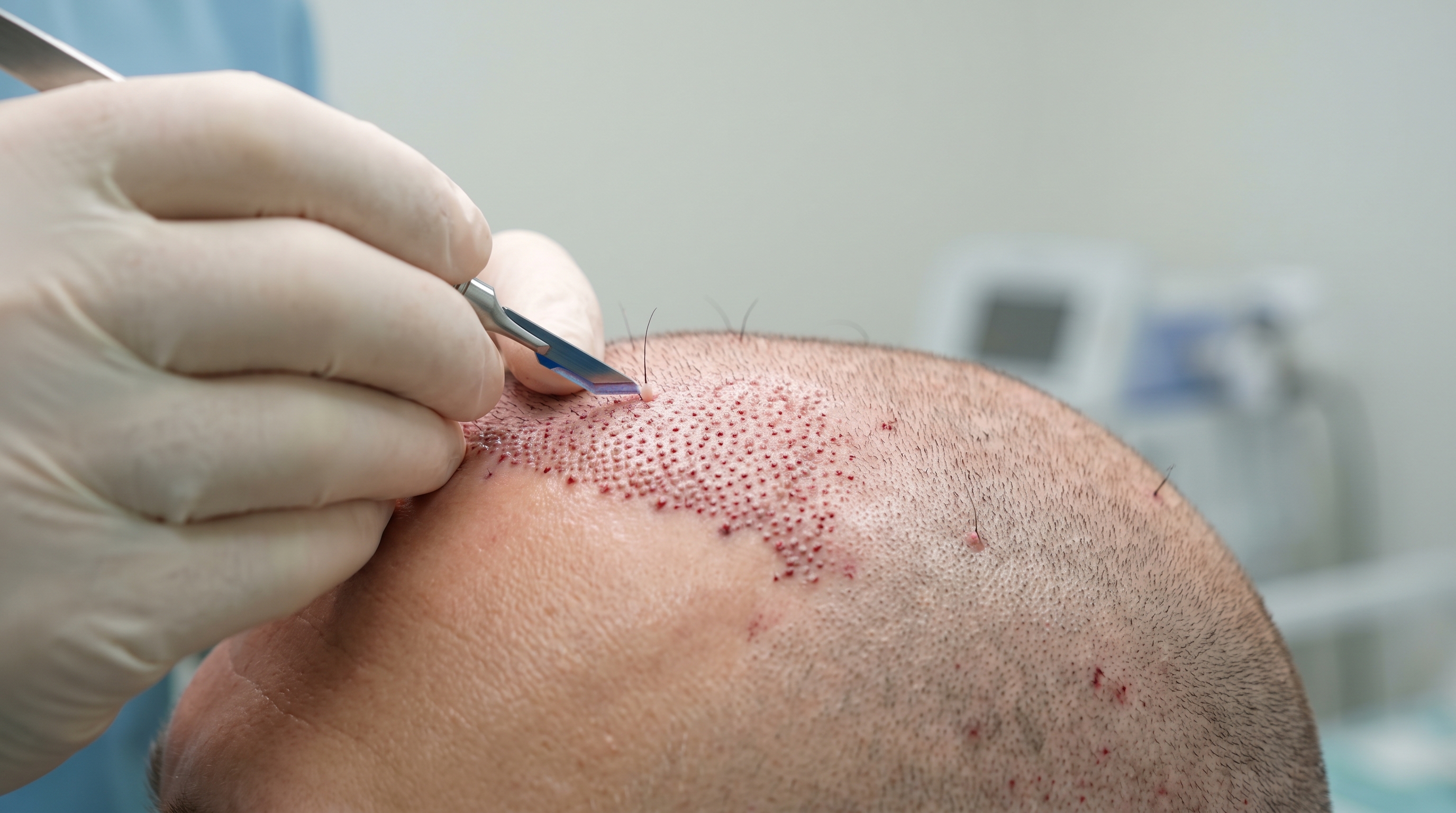
Sapphire FUE is a breakthrough technique that enhances the precision of microsurgery to a level unimagined before by making surgical blades entirely out of high-quality synthetic sapphire stones. The V-shaped cutting end of these sapphire blades is far sharper, smaller and smoother than the cutting edges of steel blades. Clinically speaking, this razor-sharp edge enables the surgeon to make very narrow, clean, and accurately angled recipient channels.
Less effort is exerted during cutting with the sapphire blade, resulting in significantly less tissue trauma and mechanical microtearing. Better precision of sapphire blades automatically results in a better cosmetic outcome of the hairline area by allowing hair to be transplanted closer without compromising the blood supply to adjacent grafts. So, if you have to choose between sapphire blade and steel blade hair transplantation for your hair loss, sapphire FUE is definitely going to be a better option if you want to increase the density of the hairline to get a natural look of youthful hair growth.
Healing Dynamics and Tissue Saving
Another biological parameter in the postoperative period is healing, which is an area in which sapphire FUE outperforms traditional steel-blade FUE quite well. The smooth surface of the sapphire blade minimally damages the connective tissue, significantly reducing acute inflammation, local swelling, and bleeding occurring in the immediate postoperative period. This is a mild way of separating the skin so that the grafts don't undergo much physical stress, which helps with faster cell attachment and a higher overall survival rate.
Not only is synthetic sapphire material very hard-wearing - and thus a better choice for surgical cutting - but it's also naturally disinfectant and less allergenic, significantly reducing the risk of infection and hypersensitivities that one might get from a metal blade. The patients who choose sapphire FUE usually face significantly fewer scabs and crusts in the donor and recipient areas, enabling the scalp to heal visually at a very rapid rate. One has to admit that regular FUE, as well, is also safe and efficient; nevertheless, the faster healing and less downtime offered by the sapphire version of the procedure seem more than attractive to patients who want the very highest level of care.
Preserving Structural Integrity and Post-Operative Boundaries
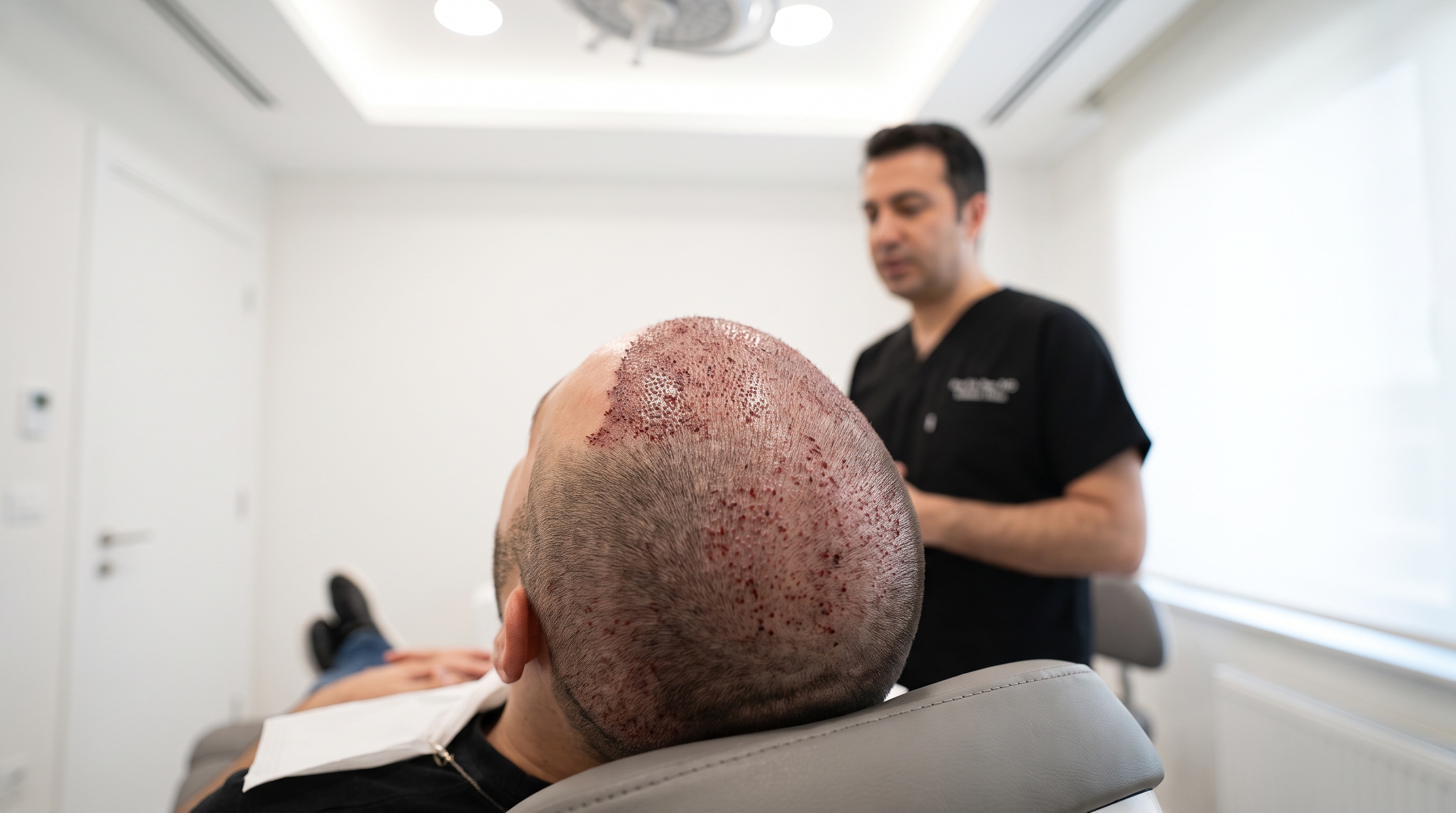
Staying strictly within certain limits that would help a person get the maximum possible results from their hair restoration procedure is quite difficult for those who are willing to accept nothing but high quality in their investment. It is equally important to follow the surgeon's instructions, whether you are being operated with the traditional scalpel blade or modern synthetic sapphire ones as hair follicles that are implanted are so delicate until the seventh to tenth day after a hair restoration procedure, any external force like friction, scratching or overwashing could cause a follicle to be uprooted and thus a bald spot to appear once and for all.
The main way of making sure that your new hair takes good root is sleeping with your head upright while lying solely on your back in such a way that your implanted hairs won't come in contact with bed linens. You should not expose yourself to the elements, such as high levels of physical activity and sweating heavily, as bacteria may get into the incisions and make them swell, as well as lead to skin discoloration in the area. Last of all, you need to completely cut off nicotine and other tobacco products at least a month before the surgery until some period of time after. The reason is that nicotine is a vasoconstrictor, which instantly prevents the scalp from being supplied with the vital oxygenated blood that it needs if you are to maintain the life and growth of the newly planted hair.
LIN Europe Clinic
To come to a conclusion, getting hair transplants and surgeries at LIN Europe Clinic will definitely be the best decision that you can make, as you will become aware of the fact that they have all the necessary expertise, advanced equipment, and facilities to meet modern surgical standards, not to mention the human qualities involved. We are aware that performing a perfect Sapphire FUE hair restoration requires, above all, that the patient can rely on an environment that is very technically advanced, very clear, extremely supportive, and that puts evidence-based medicine first. LIN Europe Clinic in Turkey is a luxury, internationally recognized medical center that provides state-of-the-art microsurgical procedures and top-of-the-line aesthetic aftercare that together make for a peaceful and comfortable environment where your wellness plan is strictly controlled and monitored with very good, worldwide-approved patient safety standards.
By choosing LIN Europe Clinic in Istanbul, your trust in our team of experts will become a reality, and your physiological characteristics will be under complete, precise control without being affected by your emotions at any time. We offer very thorough, one-to-one consultation, pre-surgical mapping, a detailed review of your tissue at the macro level, and a personal healing plan checklist, which helps you step-by-step, without stress and confusion, through the whole tissue recovery stages and lifestyle changes required.
Frequently asked questions
How does Sapphire FUE differ from FUE?
Sapphire FUE uses blades made of synthetic sapphire for creating recipient channels. Regular FUE, however, relies on traditional steel blades for these microincisions.
What are Sapphire FUE blade advantages?
Sapphire blades are sharper and smoother, creating very narrow, clean, and accurately angled channels. This allows for higher hair density and less tissue trauma.
Does Sapphire FUE offer faster healing?
Yes, Sapphire FUE often leads to faster healing and less downtime. The smooth sapphire blades cause minimal tissue damage, reducing acute inflammation, swelling, and scabbing.
Is Sapphire FUE less prone to infection?
Yes, the synthetic sapphire material is naturally disinfectant and less allergenic. This significantly reduces the risk of infection and hypersensitivities compared to metal blades.
Can Sapphire FUE increase hair density?
Yes, the precision of sapphire blades allows surgeons to transplant hair closer together. This can result in a better cosmetic outcome with increased density, especially in the hairline.
This article is general information, not medical advice, and does not replace a consultation. Every procedure carries risk and outcomes vary from person to person.
Last reviewed 7 September 2026