What are Sapphire Blades Used for in Hair Transplants?
Written by LIN Europe Clinic Editorial Team
They create precise channels for graft placement.
The Evolution of Recipient Site Incisions
In the field of surgical hair restoration, the result of an FUE hair transplant primarily depends on the accuracy of the recipient sites. In the past, doctors mostly used standard stainless-steel blades or hypodermic needles to make hair follicle planting spaces in hairless parts of the head. However, since the blades made thousands of cuts repeatedly, steel blades would wear down over time and cause greater tissue injury, uneven cut shapes, and extended recovery periods.
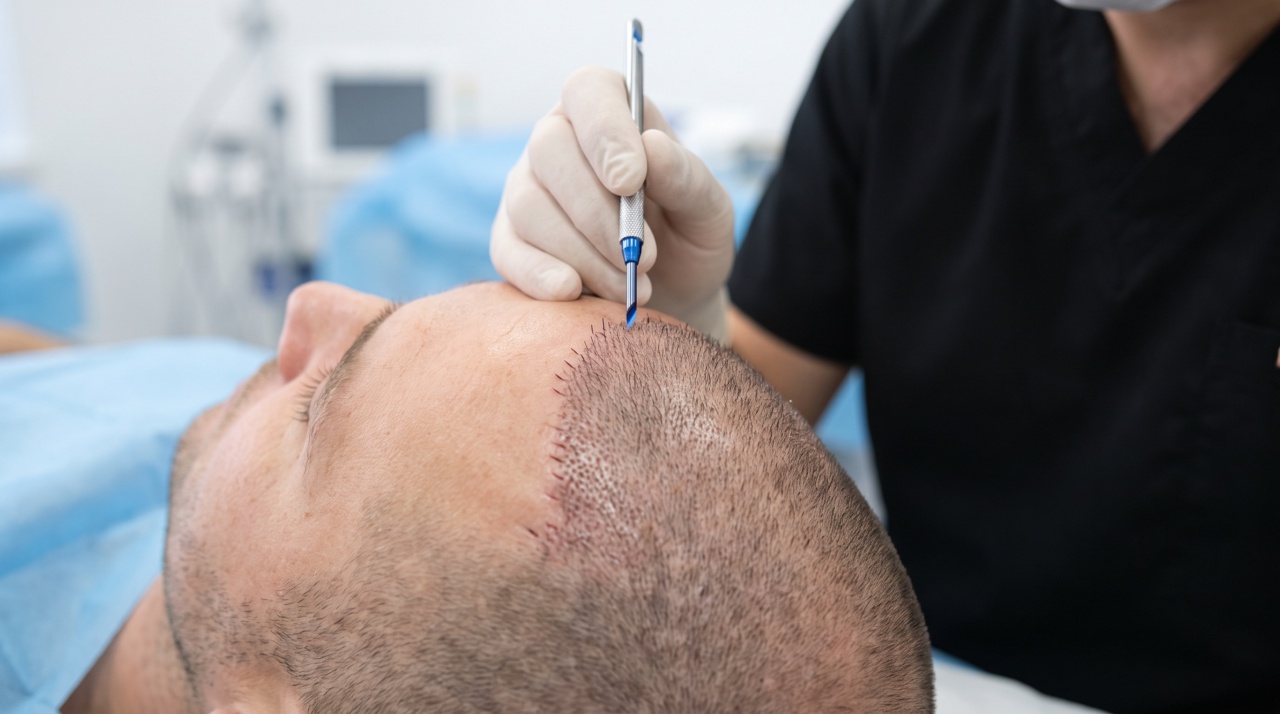
Completely new ways to carry out the opening of channels phase of hair transplantation were brought with sapphire blades. These highly refined surgical instruments of pure synthetic sapphire crystal have been manufactured since sapphire is one of the hardest substances, next only to a diamond. Besides completely replacing conventional steel blades, these sapphire instruments serve only as micro-recipient-creating tools, into which hair follicles are going to be implanted, thereby offering a completely new level of accuracy as well as tissue preservation in a hair transplant procedure.
The Core Mechanism and Antimicrobial Advantage
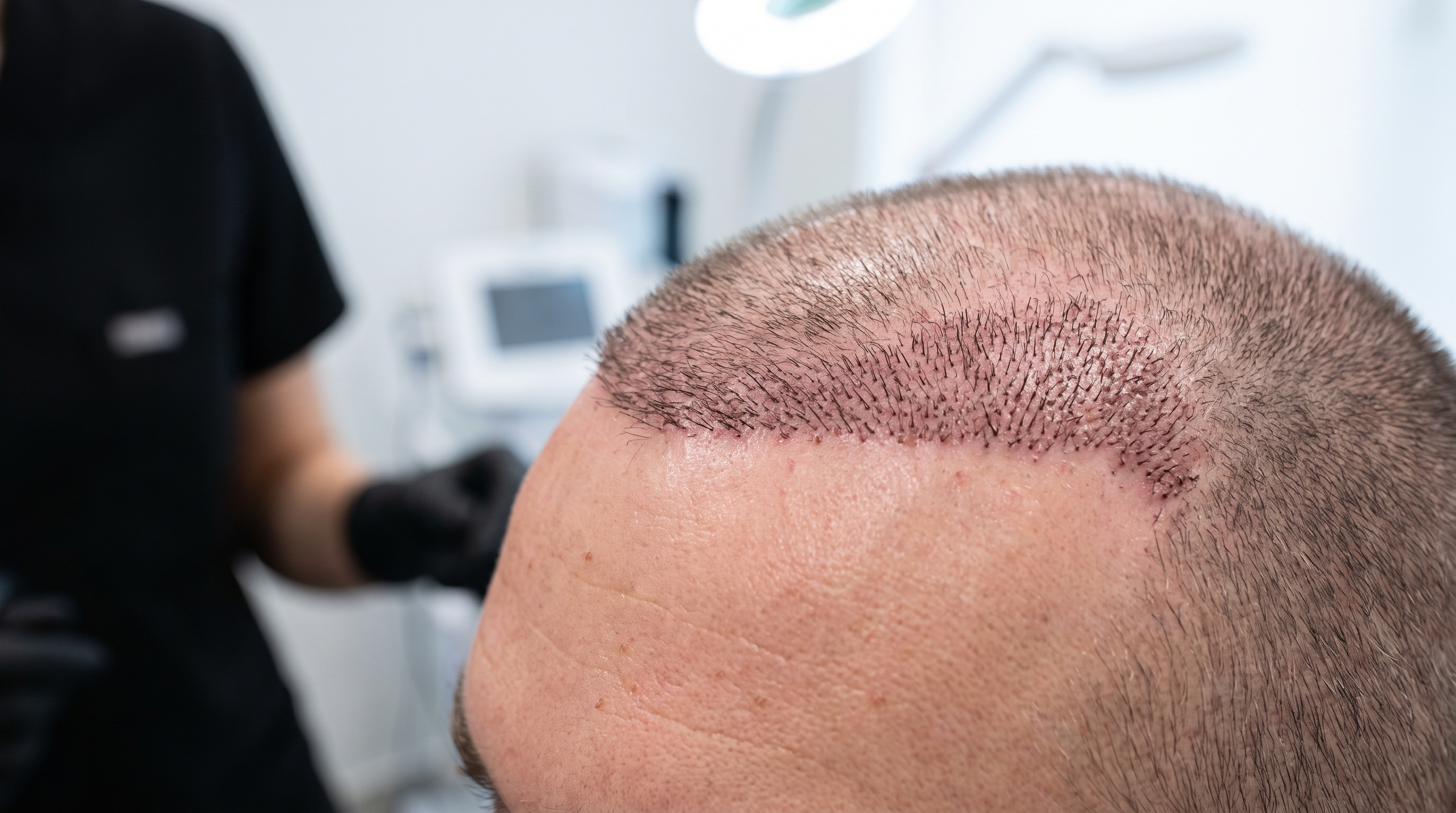
Demonstrating the superiority of sapphire blades requires consideration of their very different mechanical properties. Synthetic sapphire is so hard that it can only be cut by a diamond, and it is non-porous and chemically stable (meaning no reaction is possible). Since a sapphire blade can't become dull, oxidized, or rusted, its super-sharp micro edge is maintained for the entire duration of an ultra-session (which can involve as many as 4,000 grafts). A perfect, smooth, wedge-shaped cut is made by the micro blade, which is the opposite of the slightly ragged cuts caused by blunt steel blades.
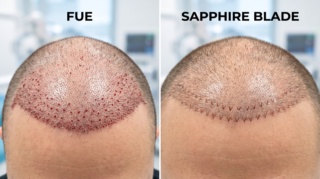
In addition, the smooth, non-reactive surface characteristic of synthetic sapphire gives a significant biological advantage over conventional blades. It is a surface material that bacterial cell walls have extreme difficulties adhering to, and this gives these blades an exceptional antimicrobial capacity that greatly reduces the chances of infection after the operation. Besides minimizing tissue resistance and cell destruction during the cutting process, the scalp also bleeds significantly less and develops less inflammatory swelling, and therefore it reaches full recovery approximately 30% faster than with conventional methods.
Advanced Precision: Density, Angulation, and Graft Survival
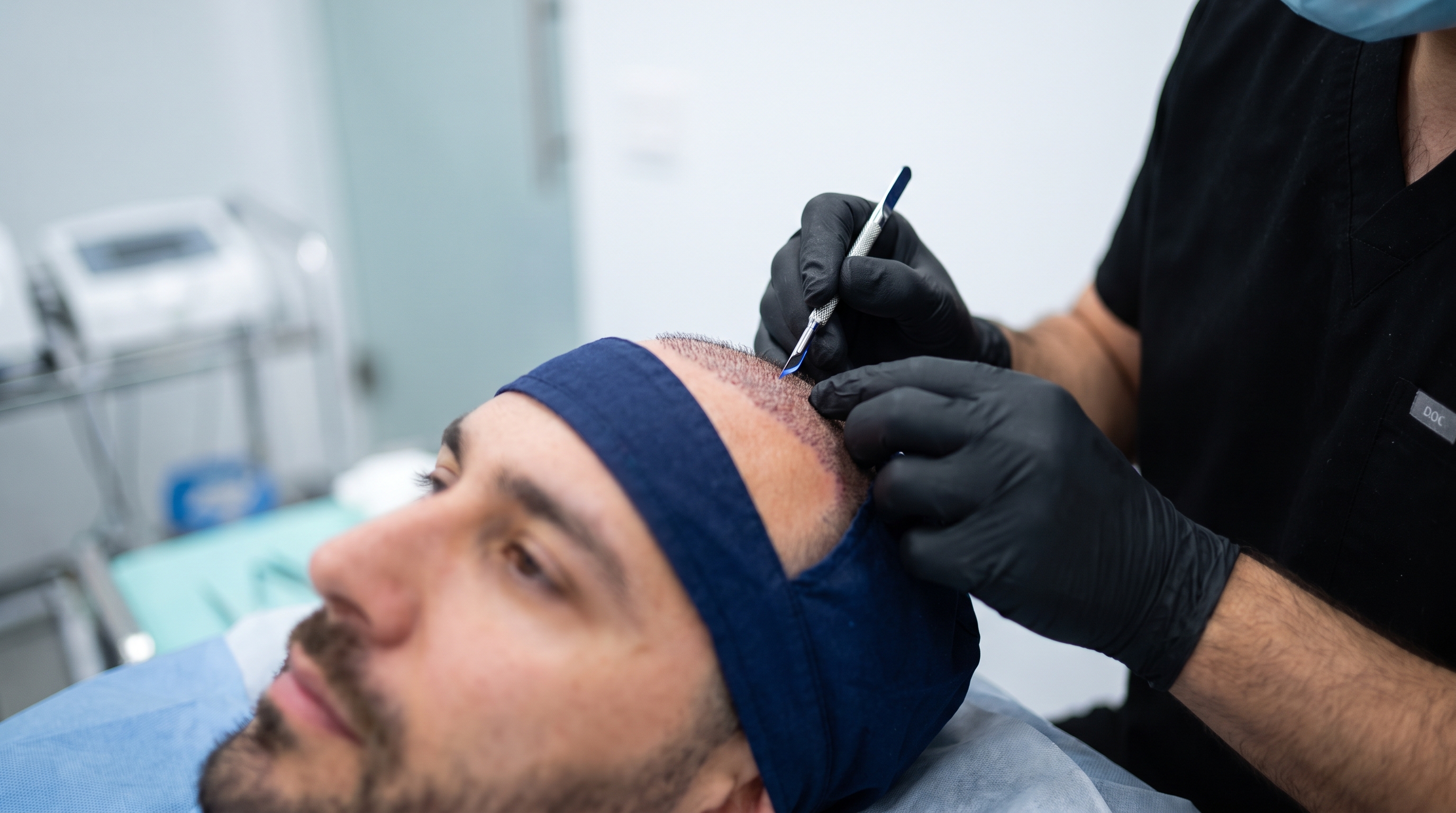
From a purely clinical standpoint, doctors make sure that the patient's final result will be denser and look more natural by using sapphire knives. This is mostly because the sapphire V-shaped tip is much smaller, so the holes are much smaller. This is an advantage because it's impossible to do this closely packed hair transplant with the thicker steel tools.
Besides that, the sapphire blade's stability is very helpful; the surgeon can decide every micro-channel's angle and direction precisely. This is the case for the reconstruction of the front hairline and delicate temple peaks, where the hair has to be flattened and aligned so that it will look natural. The reason is that the correctly sized channel is in perfect contact with the skin, so the transplanted follicle is locked in and does not move or pop out of the channel, resulting in a much higher graft survival rate.
Preserving Structural Integrity and Post-Operative Boundaries
Maintaining the highest level of care, even in small actions and movements, in the post-operative period is necessary if you are looking for the most outstanding results in your cosmetic transformation. Even when you are using sapphire blades that minimize tissue damage, your transplanted follicles are still very sensitive to all kinds of physical contact. Therefore, your hair transplant is only as successful as your post-operative care.
So, you must rest on your back with your head raised to avoid putting pressure on the recipient site from the pillowcase. It is best to completely stay away from physical work, sweating, and exposure to the sun to minimize bacterial infection and destruction of follicles. Furthermore, stopping the consumption of nicotine and any tobacco-related products is a must in order to give the scalp the maximum chance of getting enough oxygen to the hair follicles, because nicotine is a very strong vasoconstrictor.
LIN Europe Clinic
Differentiation is at the heart of how we define LIN Europe Clinic. It is an opportunity to become a true luxury medical destination where everything from your skin and facial features to your hairline and surgical work will be in the hands of clinicians and aestheticians with no boundaries but perfection, compassion, and science. We understand that achieving a flawless hair transplant with the right surgical extraction protocol that follows sapphire incisions, together with soft tissue adjustments, is an extremely specialized procedure. Therefore, it demands a highly professional, fully transparent, as well as very supportive setting whose major priority is always based on evidence-guided practices.
Our highly professional medical staff sees to it that your cosmetic investment is well protected and that your whole body continues to function perfectly after such a major operation, so that you are free to enjoy and be your beautiful self without worrying about anything. In the meantime, you have a lot of space in which your beauty, confidence, and self-assurance can shine, because with our help you have reached not only your most beautiful version but also your most authentic, complete you. And for this, you will always feel completely safe in our care.
Frequently asked questions
What are sapphire blades in hair transplants?
Sapphire blades are surgical instruments made from synthetic sapphire crystal. They are used in FUE hair transplants to create precise micro-channels for hair follicle implantation. This offers enhanced accuracy and tissue preservation.
How do sapphire blades improve hair transplants?
Sapphire blades create precise, smooth, V-shaped micro-channels for grafts. This minimizes tissue damage, reduces bleeding, and lowers inflammatory swelling. Patients can experience approximately 30% faster recovery compared to conventional methods.
Are sapphire blades better than steel blades?
Yes, sapphire blades are considered superior to conventional steel blades. They cause less tissue injury, allow for denser graft placement, and have an exceptional antimicrobial capacity. This leads to a higher graft survival rate and faster recovery.
Do sapphire blades increase hair density?
Yes, sapphire blades can help achieve higher hair density. Their smaller V-shaped tip allows for the creation of much smaller holes. This enables a more closely packed hair transplant, leading to a denser final look.
What is recovery like after sapphire blade FUE?
Recovery after FUE with sapphire blades is generally faster due to reduced tissue damage. Post-operative care is crucial for optimal results. Patients should avoid pressure, strenuous activity, sun exposure, and nicotine to protect the grafts.
This article is general information, not medical advice, and does not replace a consultation. Every procedure carries risk and outcomes vary from person to person.
Last reviewed 7 September 2026