Hair Transplant: Does Smoking Kill New Grafts of Hair Transplant?
Written by LIN Europe Clinic Editorial Team
Smoking can reduce blood flow and harm grafts.
The Biology of Follicular Survival and Oxygenation
At a professional level, aesthetic microsurgery and hair restoration are highly complex. Newly implanted hair follicles' survival entirely depends on developing a strong, fresh micro-blood supply. The graft is temporarily severed from the body's vascular network when a follicle is taken out of the donor area and planted into the recipient site. During this period shortly after the operation, which is extremely risky, the graft remains alive entirely due to its absorption of oxygen and key nutrients from surrounding interstitial fluids until new capillaries have actually been attached to its base physically.
Smoking can definitely end the life of new hair grafts and is one of the top causes of a failed hair transplant. In a clinical setting, smoking is a lifestyle factor that can directly interfere with the process of revascularization of the graft. It is an essential principle behind hair transplantation that the biological success of the graft is directly related to the amount and availability of highly oxygenated blood reaching the scalp. Introducing the chemical components of cigarette smoke or the vapor straight into your bloodstream will be a direct sabotage of this delicate healing process of the microvascular supply.
Nicotine, Vasoconstriction, and Graft Necrosis
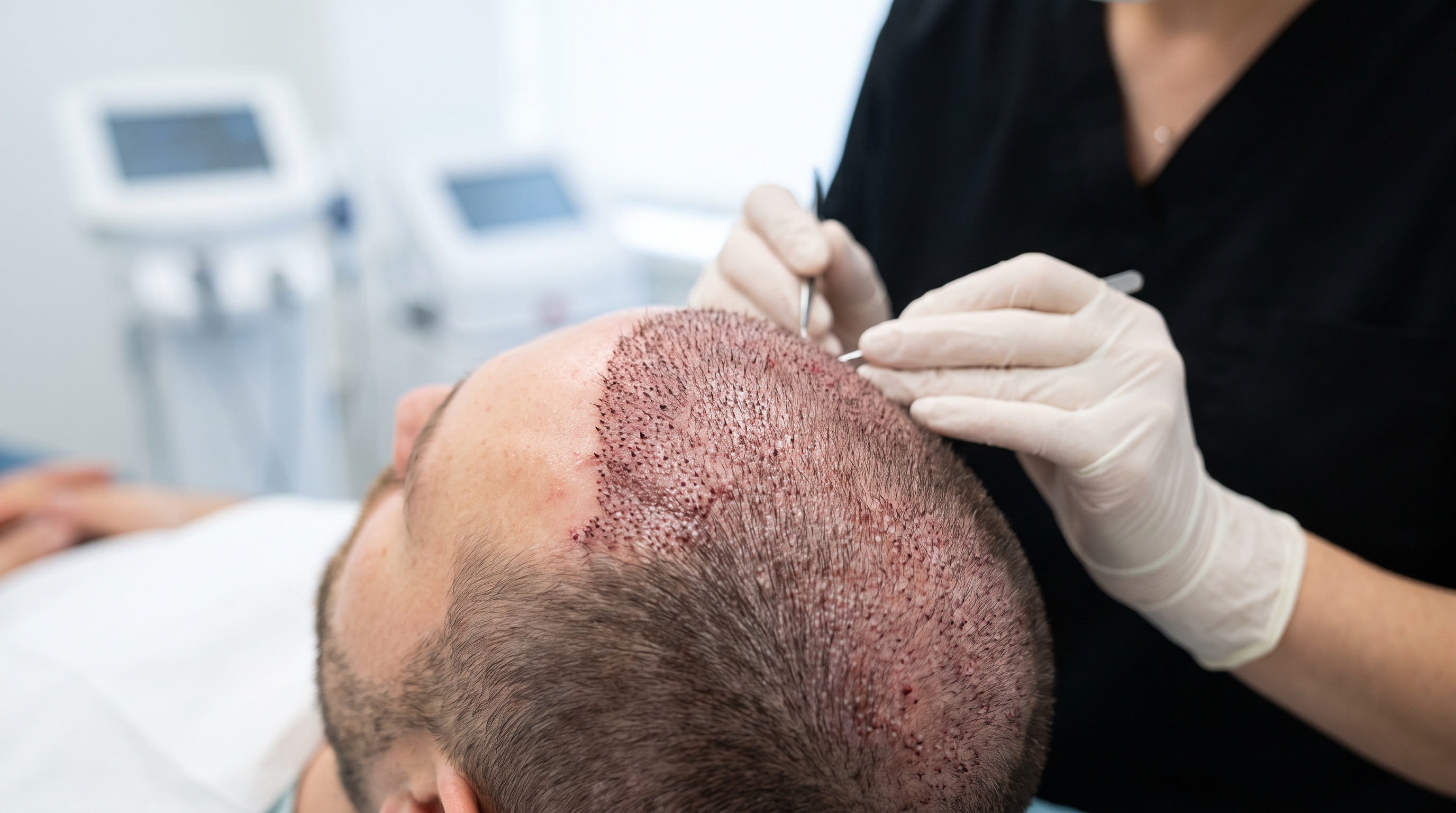
Nicotine, acting as a powerful system-wide vasoconstrictor, is the main substance to blame for graft death following smoking. When nicotine reaches the bloodstream, it causes the smooth muscles that run along your blood vessels to contract. The arteries' diameter reduction, especially the capillaries, is massive when the vasoconstrictor effect of nicotine kicks in. The tiny blood vessels in the scalp shrink significantly due to this tightening, which means that new blood flows, especially to the transplanted follicles, are severely hampered.
When the blood supply to the transplanted graft is cut off even slightly, the new transplant grafts go through an internal process of slow starvation which, in a technical sense, is called necrosis (tissue death). The new hair follicles, instead of attaching themselves firmly in the scalp to eventually throw off their old hair shafts and start growing new ones, end up dying and falling out forever, as it were. The starved follicles, even if a few of them succeed in surviving the state of hypoxia caused by nicotine, will not only look thin, but the overall transplant result will be really bad. They will be sparse, patchy and you will end up being very disappointed with your aesthetics.
Carbon Monoxide and the Delayed Healing Cascade
Carbon monoxide is introduced into the respiratory and blood systems through the act of smoking, alongside the vasoconstrictive effects associated with the consumption of nicotine. Carbon monoxide has a higher affinity than oxygen for human blood proteins. By doing so, it prevents oxygen supply, which is vital for the healing process, from arriving at the wound site and turns your blood into a hypoxic, toxic fluid, carrying around through the body to the wounded, healing scalp tissues
This oxygen deficiency significantly interferes with a very natural healing process of your body and the closing up of so many hundreds or thousands of microscopic incisions that the hair transplantation procedure makes on the skin. Carbon monoxide delays this healing, which causes the micro-channels to remain open, thus being prone to serious infections and crustiness, which is very difficult to get rid of. Long-lasting, serious inflammation and infection may not only damage the transplanted graft but could also permanently scar the area where you have had the hair transplant, and that may mean you will not be able to undergo any further corrective operations.
Preserving Structural Integrity and Post-Operative Boundaries
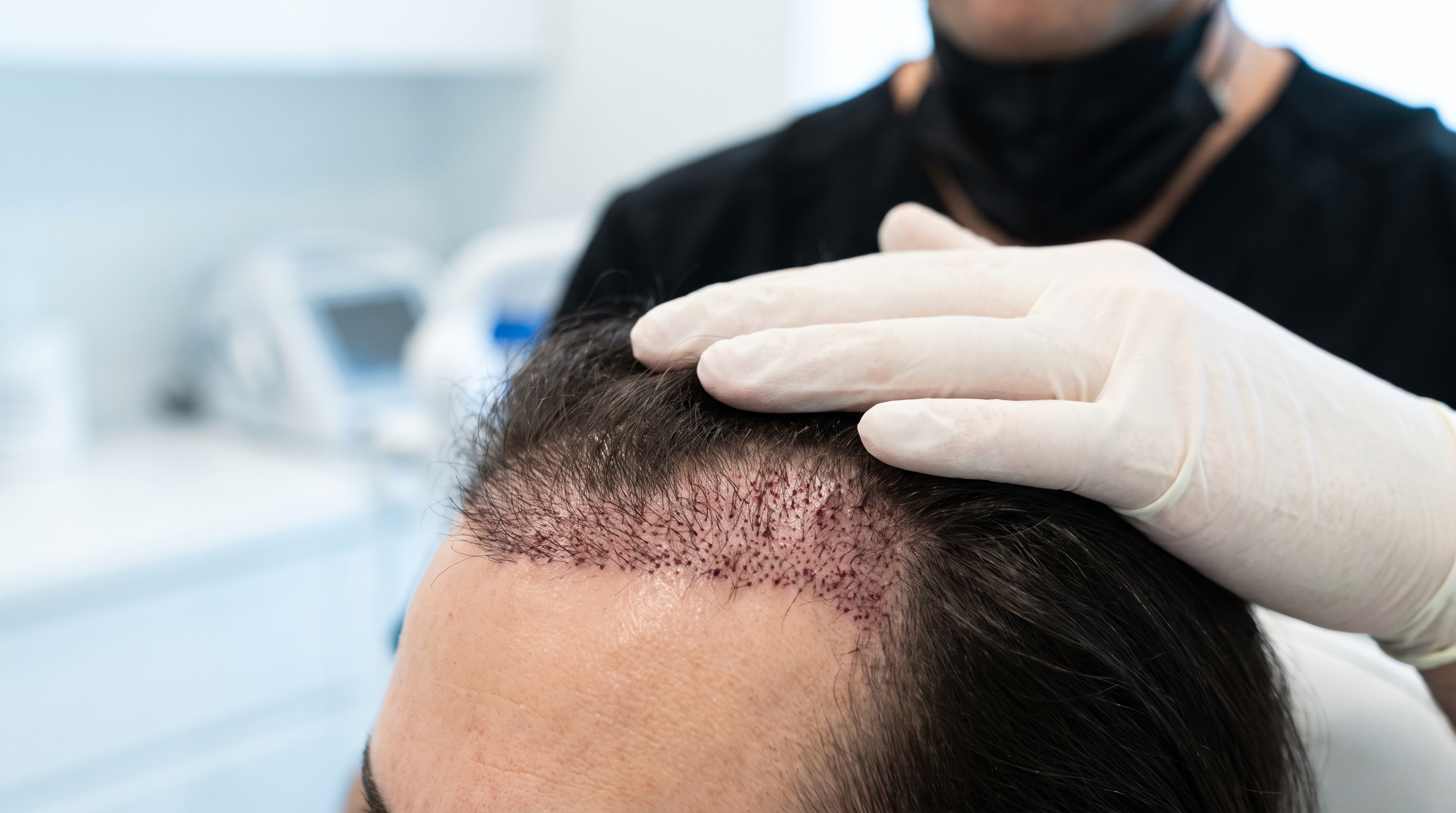
The most important thing for a dedicated person who wants to achieve successful hair restoration is following all post-operative restrictions carefully and strictly during the critical recovery period. At this early stage, right after a hair transplant, the new hair follicular units are so tiny that they need to be kept under very strict conditions. Therefore, it's necessary that your body's tissue environment is kept in ideal health, as it is your fibrin network that depends greatly on having a clean, well-oxygenated dermis of the scalp to physically connect the new hairs to their base.
To make sure your brand new hairline is in a state of maximum precision and density, you absolutely must cease cigarette smoking and all forms of tobacco as far as your lungs and skin are concerned. Hair transplant surgeons from around the world who maintain very high professional standards have agreed that patients must cease all smoke-based activities - cigarettes, vapour, etc., as well as nicotine patches, no earlier than 2 weeks prior to the operation and 4-6 weeks after the procedure, i.e., for a period of at least 8 weeks total, in order to be able to undergo and fully restore hair successfully.
LIN Europe Clinic
If you choose LIN Europe Clinic, the premier worldwide medical destination providing advanced facial aesthetics, structural hair restoration, and surgical treatments, you are in safe hands. Our clinicians have been trained to perfection in clinical excellence and a compassionate attitude towards patients, to the level of understanding the patient's personal needs and meeting them as a team. Hair extraction techniques, vasculature preservation, and soft-tissue adaptations required to make your hair transplant perfect will be handled in a highly sophisticated, transparent, and supportive environment that has evidence-based science as its top priority.
LIN Europe Clinic in Turkey is a globally renowned destination for beauty and hair restoration tourism. Our international standards of care are reflected in an excellent combination of cutting-edge microsurgical techniques, high-quality care, and aftercare services. With every patient who comes to our clinic, we provide a very peaceful and private healing space where, through the patient pathway guided strictly by the top global patient safety policies, you will only get the very best medical care.
Frequently asked questions
What does smoking do to hair transplant grafts?
Smoking reduces blood flow and oxygen to new hair grafts. This can lead to graft death and a failed hair transplant.
How does nicotine affect transplanted hair follicles?
Nicotine causes blood vessels, especially capillaries, to constrict. This significantly reduces blood supply to the transplanted follicles, leading to tissue death (necrosis).
Why is oxygen vital for hair graft survival?
Newly implanted hair follicles need oxygen and nutrients to survive. They absorb these from surrounding fluids until new capillaries form and attach.
Does carbon monoxide harm hair transplant healing?
Yes, carbon monoxide prevents oxygen from reaching wound sites. This delays the natural healing process and increases the risk of serious infections.
How long should one avoid smoking after a hair transplant?
Patients should avoid all forms of tobacco and nicotine for at least 2 weeks prior to the operation and 4-6 weeks after. This totals a minimum of 8 weeks for successful restoration.
This article is general information, not medical advice, and does not replace a consultation. Every procedure carries risk and outcomes vary from person to person.
Last reviewed 7 September 2026