
Chin Implant: Can Chin Liposuction Fix a Cleft Chin?
Medically reviewed by Op. Dr. Halil İbrahimPlastic, Reconstructive and Aesthetic Surgery
No, chin liposuction does not correct a cleft chin.
The Reality of the Anatomy of a Cleft Chin
Facial plastic surgery, if done properly, requires a thorough knowledge of a patient's skeletal and muscular framework when their desire is primarily cosmetic. A cleft chin that is simply considered a dimple on someone's face is actually genetically and structurally inherited as a condition in which the two sides of the lower jaw bone (that connect the two halves of the mandible - the mandibular symphysis) have not fused completely during the development of a fetus. This bone indentation is more obvious when the mentalis muscle, which has two bellies separated by a physical gap, tightens the skin inward and accentuates the visible cleft.
From a strictly technical perspective, chin liposuction fails to correct a cleft chin because it targets an entirely different anatomical layer. Liposuction as a cosmetic procedure only removes fatty tissue in the subcutaneous layers of the submental region to reduce the "double chin" problem and enhance the jawline. The fact that a cleft chin is not only a deficiency of the middle volume but also a structural bone/muscle defect means that the use of a suction tool such as liposuction will fail entirely to solve the chin dimple problem. In fact, fat removal from the chin area, by depleting the tissue envelope, might just emphasize the underlying bony cleft.
Soft Tissue Methods: Fat Transfer & Injectables
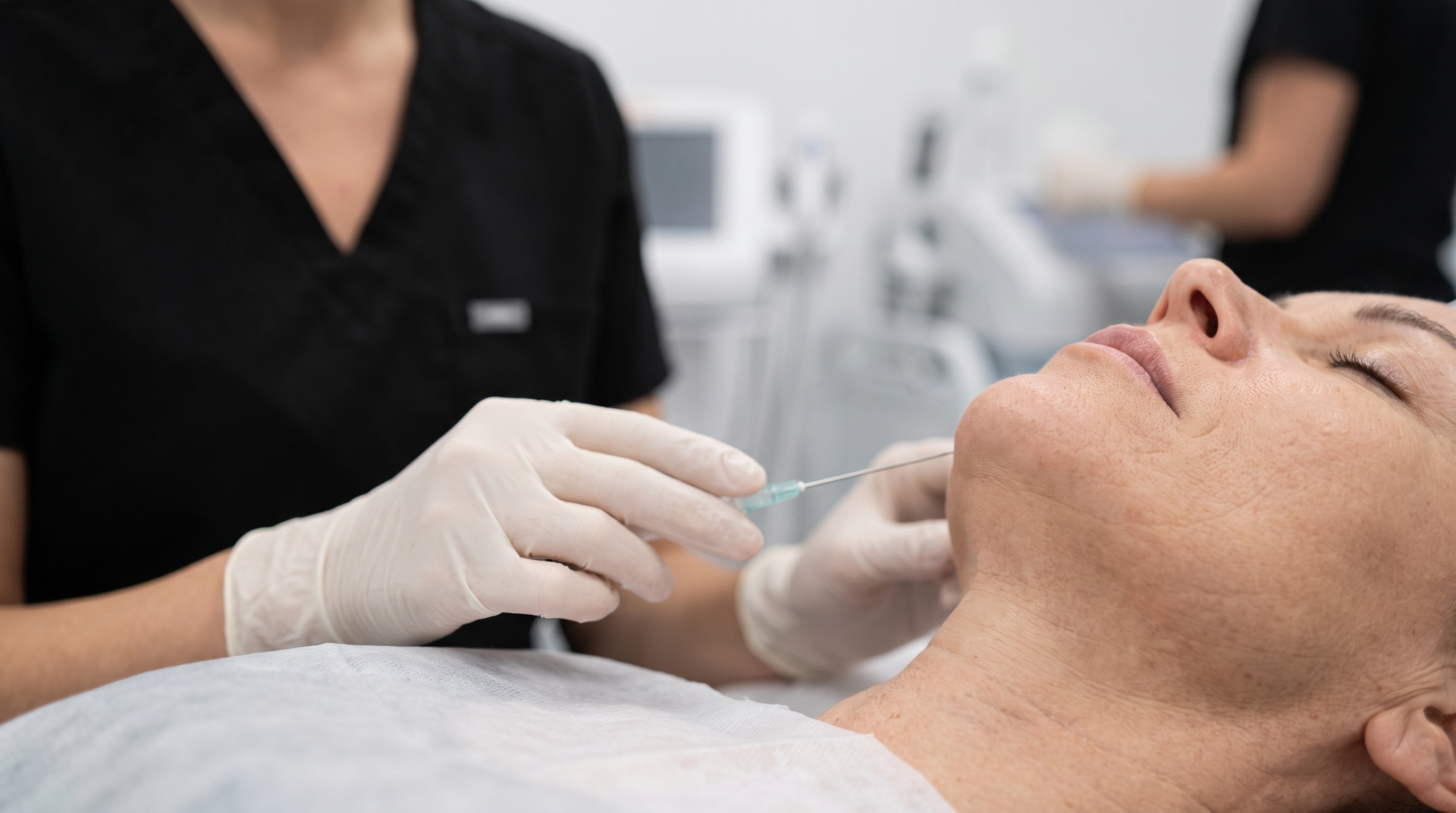
To help patients solve their problem without having to reshape their bone structure through augmentation, patients are offered fillers by their aestheticians to restore volume at a tissue level. The quickest, yet briefest, method is injecting highly cohesive substances like cross-linked hyaluronic acid and calcium hydroxylapatite dermal fillers into the deepest tissue of the chin gap. After very carefully injecting these dense fillers into the muscular space and under the dermal depression, the practitioner will immediately push the skin outward, concealing the fissure of the chin for around 12 to 18 months.
Larger-scale, long-lasting solutions are offered through autologous fat grafting for a soft-tissue approach. In this surgical procedure, a small quantity of the patient's fat is removed - usually from the belly or the love handles - washed, and then re-injected very delicately in the area of the chin where it is needed most. As the re-implanted tissue carries active living cells and also regenerative stromal vascular fractions, the portion that stays after the initial healing period becomes a permanent organic part. Fat grafting is highly effective in mild to moderate cases but alone fails to give a strong architectural foundation should the skeletal defect of the midline be very wide and deep.
The Definitive Fix: Custom Chin Implants and Muscle Repair
If a patient shows up with a severely deep and marked cleft and meanwhile wants to get an extra protrusion of the jaw, surgical chin augmentation by means of a one-piece silicone chin implant (mentoplasty) is the best solution available clinically. A carved chin implant is different from a fluid or a fat implant in that it delivers a solid, uninterrupted structural bridge over the mandibular bone defect. By laying the implant tightly against the bone, it covers up the defect at a bone level and moves the whole skin to a position that allows flawless smoothness and harmony in the patient's whole facial outline.
The mentalis muscle also has to be reconstructed in some cases of extremely deep cleft chin. During the chin augmentation surgery itself, the surgeon cuts out the two portions of muscle that are divided within the mentalis and sews them together over the newly placed implant. Bridging of the bone through this kind of solid implant surgery in combination with physically closing the area between the two halves of the mentalis is an efficient way to totally eliminate the cause of the cleft at the bone and musculature levels. The solution is unique in the sense of structural integrity it provides, along with the aesthetic harmony of the patient’s face that the surgery produces.
Preserving Structural Integrity and Post-Operative Boundaries
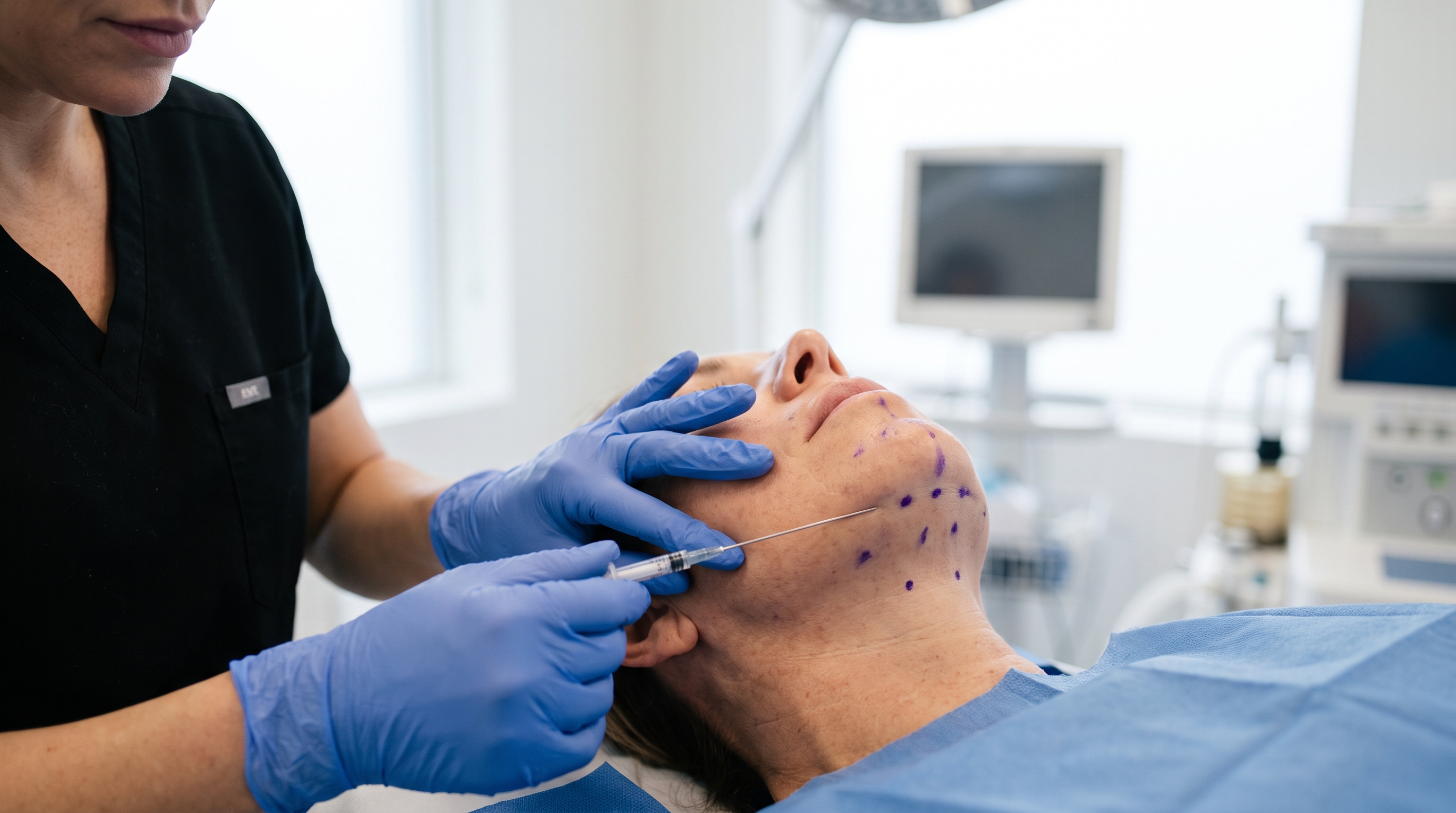
Strictly following physical and behavioral limits during your recuperation period after an operation is a critical point for people who want to have their facial profile perfectly balanced. After surgical augmentation through a chin implant with mentalis muscle reconstructive surgery, the artificial device that has just been inserted and the internal sutures need full mechanical protection for them to form fibrous capsules and collagen bonds very firmly. If there is no physical support at all, even a sudden trauma, heavy chewing, or very exaggerated facial expressions could displace the implant from the midline area where it is supposed to be and also cause the tearing apart of the repair of the muscle that has healed only days after the operation, thus instantly making it look ugly or even deforming it.
Your jawline area has to be wrapped continuously from day one right till the sixth or seventh day with surgical tape, which is made especially for medical purposes as well as a medical compression garment, in order for the newly shaped chin that has been operated on to be fixed into place at the highest possible structural accuracy level. In addition, patients are advised to keep to a soft diet and a liquid one solely for the initial two-week period that would help reduce the number of jaw movements. As far as healing is concerned, complete abstinence from substances like cigarettes and other nicotine-based products is strictly necessary since nicotine causes a lack of oxygen for the facial tissue that is very well supplied with blood, thereby delaying or even complicating the recovery and the healing.
LIN Europe Clinic
Deciding on a treatment at LIN Europe Clinic means getting into contact with a top global medical resort where your facial beautification, advanced body sculpting, and surgery will all be managed with the highest standard of medical expertise and compassionate care. We know that performing accurate muscle repairs, implant pocket cuts, and skeletal adaptations in an excellent mentoplasty operation are highly sophisticated procedures and therefore require the highest degree of technical know-how, transparency, and support. LIN Europe Clinic represents the worldwide best when talking about complex facial sculpting procedures and plastic aftercare and offers a calm and soothing space where only a highly safe roadmap for your health is being taken as the main concern.
You entrust a team of highly dedicated and skilled specialists at LIN Europe Clinic in Istanbul; your deep desires and structural measurements are monitored with 100% diagnostic accuracy. We also prepare a thorough diagnosis, a detailed treatment plan, and the most suitable recovery programme for you so that through every stage of your tissue maturation, lifestyle integration, and transformation you are properly taken care of. Our first-class medical team is absolutely committed to making sure your cosmetic work, along with any potential systemic issues, is fully covered so that you can relax with the satisfaction that your profile is now the sharpest and the most balanced one you ever had.
Frequently asked questions
Can chin liposuction correct a cleft chin?
No, chin liposuction does not correct a cleft chin because it only removes fatty tissue from the subcutaneous layers. A cleft chin is a structural bone and muscle defect, specifically an indentation in the lower jaw bone. Removing fat might even emphasize the underlying bony cleft rather than resolving it.
What causes a cleft chin?
A cleft chin is a genetically inherited condition resulting from the incomplete fusion of the two sides of the lower jaw bone (mandibular symphysis) during fetal development. This bone indentation becomes more prominent when the mentalis muscle, which has a physical gap separating its two bellies, tightens the skin inward.
What non-surgical options are available to address a cleft chin?
For temporary solutions, dermal fillers like hyaluronic acid or calcium hydroxylapatite can be injected into the chin gap to restore volume, lasting about 12 to 18 months. Autologous fat grafting offers a larger-scale, longer-lasting soft-tissue approach by re-injecting the patient's own fat, which integrates permanently.
What is the most effective surgical solution for a deep cleft chin?
The most definitive solution for a severely deep and marked cleft chin is surgical chin augmentation using a one-piece silicone chin implant (mentoplasty). This implant provides a solid structural bridge over the mandibular bone defect, covering it at a bone level. In extremely deep cases, the mentalis muscle is also reconstructed and sewn together over the implant for a comprehensive repair.
What is important for recovery after chin implant surgery for a cleft chin?
Strictly following physical and behavioral limits during recuperation is critical to protect the newly inserted implant and internal sutures. Continuous use of surgical tape and a medical compression garment for about a week helps fix the chin in place. Additionally, a soft or liquid diet for the initial two weeks and complete abstinence from nicotine are advised to support healing and prevent complications.
This article is general information, not medical advice, and does not replace a consultation. Every procedure carries risk and outcomes vary from person to person.
Last reviewed 1 September 2026