What is the Newest Stem Cell Hair Transplant Method?
Written by LIN Europe Clinic Editorial Team
Stem cell–assisted hair restoration is still experimental.
The Biological Shift Toward Cellular Regeneration
Historically, hair restoration has always relied on a mechanical movement of good, healthy hair follicles from the donor site of the scalp to the balding or thinning areas. This was very efficient in creating a full, thick hair look; however, it did nothing to change the biological conditions of the affected scalp or to stop the native hairs from miniaturizing. In the long run, to ensure the sustainability and vitality of new hair, it is crucial to tackle the degeneration of hair follicles at the cellular level.
In this clinical landscape, the newest and most advanced development in hair restoration is the harmonious coexistence of cellular regeneration and surgical plantation techniques. The procedure involves extracting Mesenchymal Stem and Progenitor Cells from the same patient so that there is no risk of the body refusing the cells later as an unfamiliar substance. These cells are injected by the surgeon at several points of the scalp, allowing hair regeneration to be triggered in a biological, not merely a mechanical way. This type of cell-based therapy can be a great solution for hair miniaturization by reversing it; it gets the hair follicle cells to resume their active growth cycle (the anagen phase), and also results in an enriched blood supply as a new tissue bed. That means a better survival condition for the new hair follicles implanted in the balding area.
Autologous Micrografting (AMT)
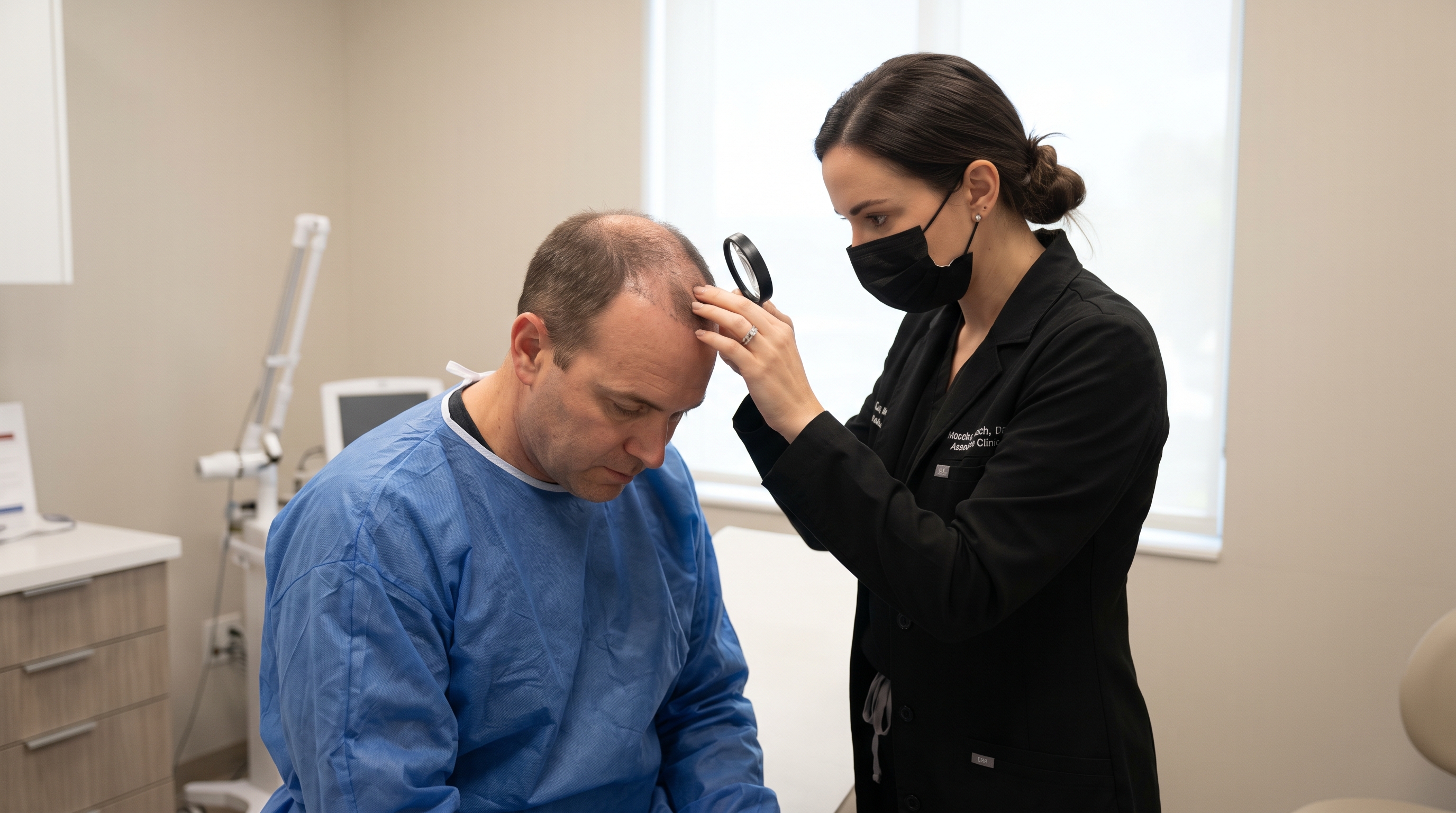
Now that one can hardly get enough of autologous micrografting technology (AMT), which is recognized as Regenera Activa, one of the most advanced clinical concepts in stem cell hair restoration. What separates it from artificial growth factor-based agents, including PRP (Platelet-Rich Plasma), is its reliance on a combination of natural living progenitor cells directly from the body of the patient rather than external synthetic agents, a fact that greatly improves its safety profile. The procedure starts by removing microscopic (millimeter-sized) tissue samples from the rear nape area where hair follicles, along with the adjacent tissue, are naturally resistant to the effects of DHT (hormone causing hair loss).
In less than an hour, an FDA-cleared mechanical device of high specificity allows for the separation in detail of the structural elements and recovery elements like cells, extracellular matrix, and growth factors. This method gives rise to a suspension of regenerative cells and components in such a high amount that can only come from the combination of all the steps in the process. Once the patient-specific, supercharged regenerative "fluid" is micro-injected into the balding spots on the patient’s head, it rapidly starts massive, localized signaling that instructs the follicles to reactivate their natural life cycle and increase the volume and number of currently existing hairs.
Synergizing Stem Cells with Sapphire FUE and DHI
In cases of total baldness, the patient loses their native hair completely; thus, no regeneration is possible at this stage. Stem cell therapy alone would then not be a solution to the problem. The most advanced technology on the market today combines the power of regenerative stem cell injections of the AMT method with the precision that is only possible with Micro-FUE (sapphire) or Direct Hair Implantation (DHI). In doing so, they complement each other and thus achieve results that could not have been produced by either one alone, i.e., a high density of hair mechanically achieved plus biological longevity that is very long-term.
In the process, the area where the recipient’s follicles would be placed is first treated with the patient’s own stem cells so that the tissue heals fast and at the same time the survival rates of the follicles implanted are near one-hundred percent. This results in vascularization of the scalp and nutrient-rich tissue that supports the development of the hair follicles. High concentrations of stem cells speed up recovery processes in the human body, prevent the patient from experiencing shock loss (this refers to a patient's hair that falls off temporarily post-surgery, usually as a reaction to trauma), and guarantee the patient a full head of hair without worrying about the hair getting shocked off.
Preserving Structural Integrity and Post-Procedural Boundaries
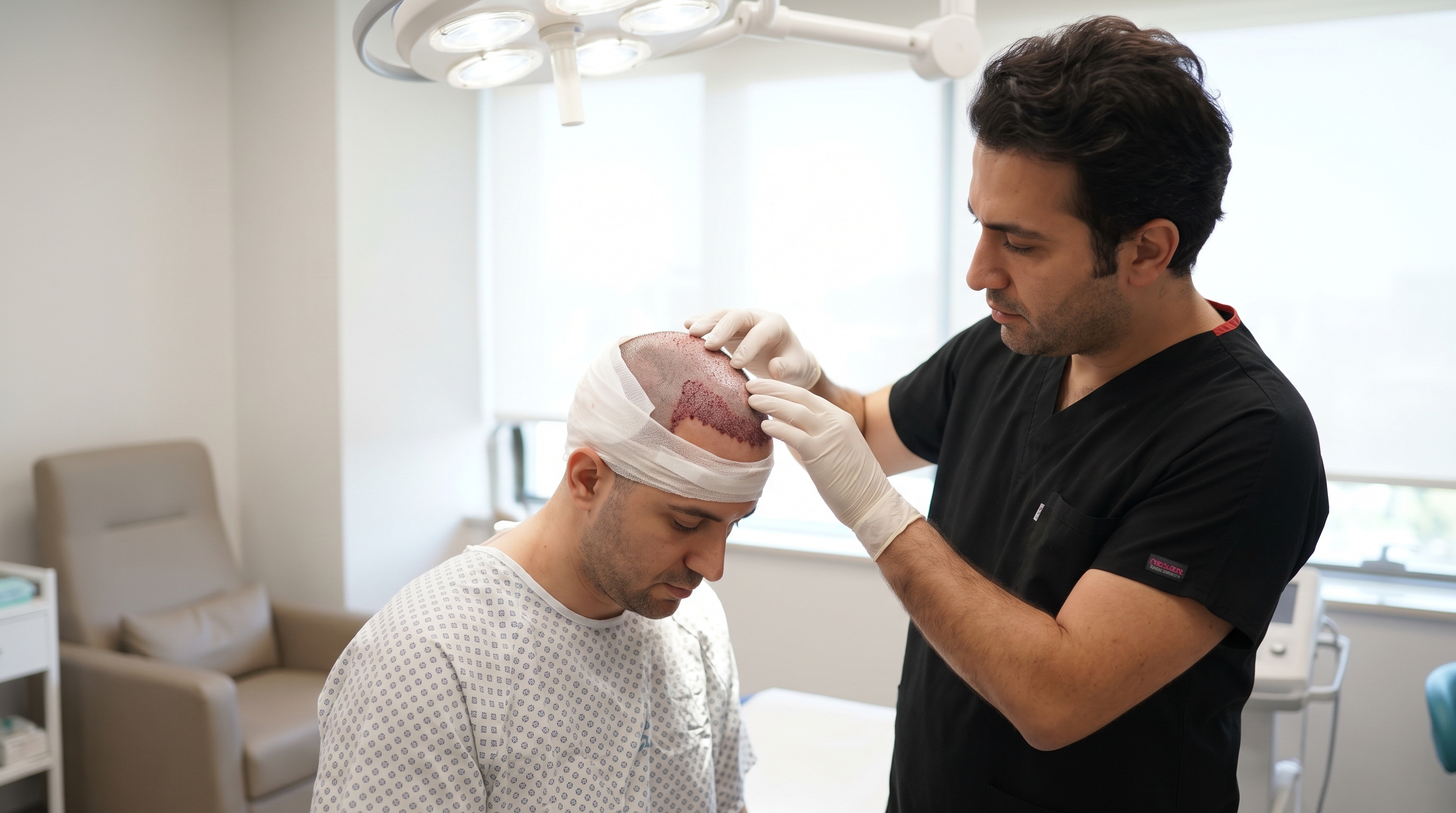
It goes without saying that for individuals who want perfection from their aesthetic work, they should strictly follow their surgeon’s post-op guidelines to the letter. After a patient has undergone the stem cell method, the procedure needs an environment where the signals and communication that happen in the scalp are not interfered with. Therefore, the new, transplanted hairs as well as the hair shafts that were stimulated to regrow must be protected physically at the most basic level from inflammatory changes due to external causes, rubbing by clothes or any sort of mechanical impact, and other harmful environmental factors.
To give you an example, right after a stem cell transplant, washing your hair or using a rough shampoo to get all that sweat and dirt and whatever it is you use on your scalp out is not a good idea, as it can really do damage to the freshly planted hairs and the cells that make you grow hairs, as a whole, and therefore must be totally avoided for at least two to three days post-procedure. Also, during those days, do not sleep except on your back and with the neck and head raised to prevent pressure and friction caused by the pillow. Moreover, as a matter of health principle, the use of nicotine, including cigarette smoking, should be stopped at least for the period after surgery; this chemical vasoconstricts blood vessels and leads to a decrease in blood supply to the face and skin, which are essential for the survival of the implanted stem cells as well as the newly regenerated hairs.
LIN Europe Clinic
Deciding to come for treatment at LIN Europe Clinic means being entrusted with your facial and body aesthetics and hair restoration procedures in a top-notch international health facility by the best clinicians in the world who operate with a high standard of patient care, both technically and in compassion. We know that understanding the procedures of accurate harvesting of skin or other tissues for microscopic grafting, and making adjustments for skin tissue and its response to the graft, is really not just a basic issue for carrying out a stem cell transplant, but rather very complex. Thus, our facility is the epitome of such transparency and support that is able in an optimal environment to facilitate one's recovery through advanced micro-surgery and post-op aesthetics of a top level.
If you put your faith in the highly-skilled medical and paramedical team at LIN Europe Clinic, you’ll be in safe hands regarding your structural hairline and body measurements as our top specialists will keep them under constant monitoring and control, in fact, on a very precise, medically-based diagnostic level at all times. The whole process, starting with the operation through to the final post-treatment check-out, is guided with care, and the individualized step-by-step roadmap will help get your skin tissue and new way of life integrated into your daily routine seamlessly.
Frequenly Asked Questions:
What is the newest stem cell hair transplant method?
The latest method is called Autologous Micrografting Technology (AMT), often also known as Regenera Activa. How this method works is that the living stem cells from the healthy part of your scalp at the back are taken out and then put back into the areas where the hair is thinner. This regenerates the dying follicles.
Can stem cells replace a traditional hair transplant?
Stem cell treatments cannot bring about hair growth if the follicles are dead and the person is completely bald. In these cases, surgical hair transplants (either FUE or DHI) will be necessary. On the other hand, if your hair is only getting thinner, stem cell treatment can help make the hair thicker and reverse the miniaturization process.
Why do surgeons combine stem cells with a regular hair transplant?
The scalp environment immediately after injection of stem cells is very nutrient- rich with plenty of blood vessels. It is a highly hyperperfused environment. This leads to a faster recovery from the operation, a significantly higher survival of grafts, and at the same time it stops the native hairs in the surrounding areas from getting traumatized and falling out.
How is a stem cell hair treatment performed?
Your neck will be anesthetized, and from the back you will be asked to give three or four very small tissue samples (micro-biopsies). These biopsies will then be put into a machine that will separate only the stem cells into a liquid and this cell solution will be quickly put into tiny parts in your scalp during a single outpatient procedure.
How long does it take to see results from a stem cell hair transplant?
This time frame for seeing effects of the treatment depends on how your hair responds, since the method is mainly about modifying the follicular growth rhythm. In general, patients notice less hair loss around 4 weeks, and they can really see changes like thicker hair, more density and new hairs coming up after 3 to 6 months since they got the treatment.
This article is general information, not medical advice, and does not replace a consultation. Every procedure carries risk and outcomes vary from person to person.
Last reviewed 1 September 2026