What to Expect From an A to D Breast Augmentation?

Medically reviewed by Op. Dr. EmrePlastic and Aesthetic Surgeon
Significant volume increase and fuller breast shape.
The Clinical Reality of a Major Volume Transition
Making a jump from an A-cup, directly and without any gradual transition, to a D-cup is, from a medical point of view, quite a radical change in body proportions. It is not a simple issue of choosing a bigger implant. Breast augmentation is a complete biomechanical and anatomical surgery that demands highly elastic skin and very relaxed or very compliant muscles. So if a woman with a flat bust requests a major volume increase, the surgeon must assess whether her skin, muscles, glands and so on have enough biological stretch capacity not to cause skin thinning, stretch marks or tension at the incisions.
According to strict clinical standards, it's not likely to have perfect results after one operation, moving from A-cup to D-cup, unless the patient is well adapted anatomically. Considering the different chest width or bone framework, for a D-cup implant, the amount of volume may be from 350 to 500 cc or more. However, if such a great size is forced into a very small area, it will exert pressure straight off as the muscle will clasp it. The best plastic surgeons can map, three-dimensionally, the tissues of their patients, thereby calculating precisely how much volume the patient's chest can handle without any harm to the muscles or to the appearance, so that the result will look very well proportioned and not stretched or distorted.
Implant Selection and Submuscular Placement
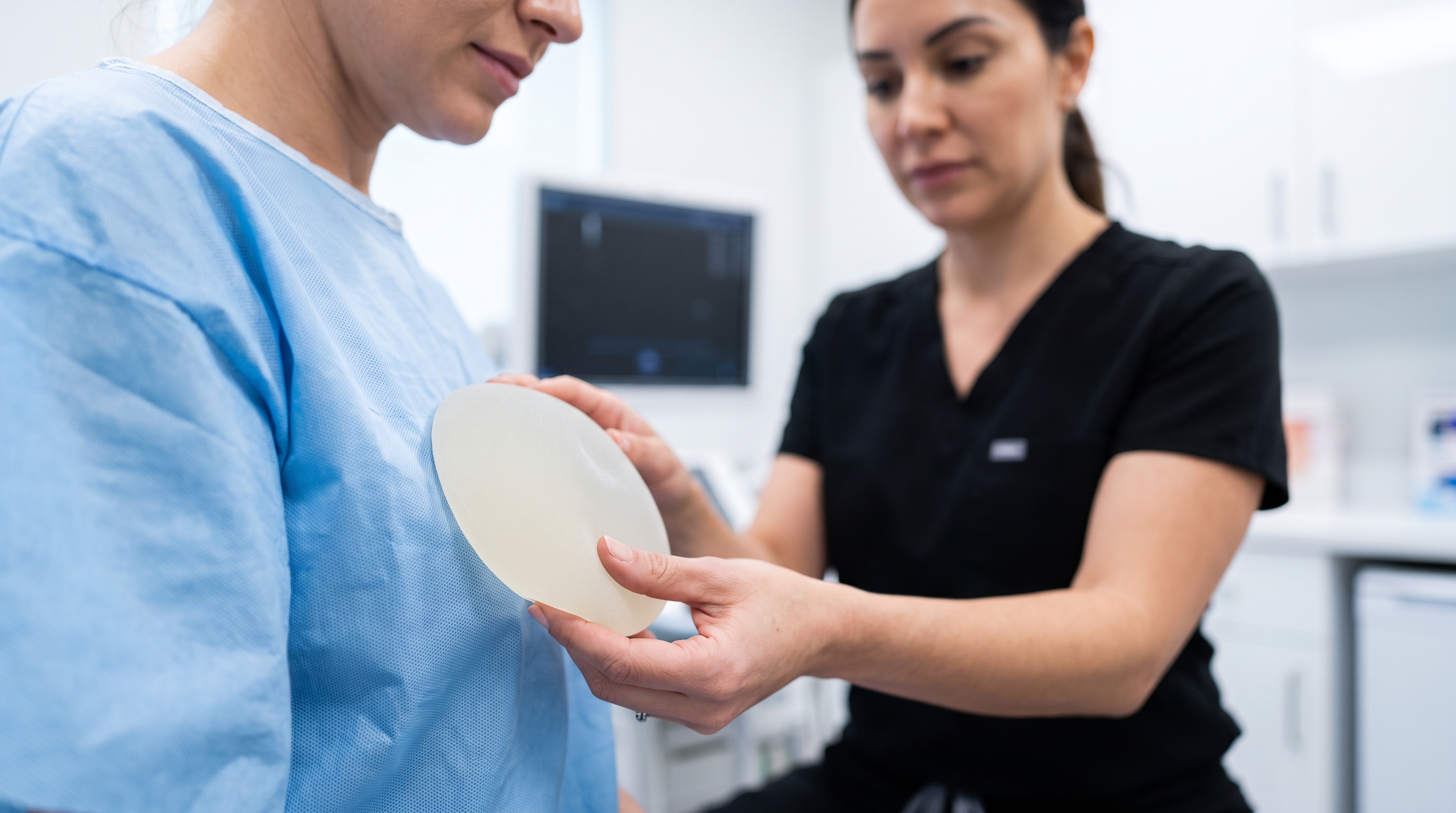
For an A-cup-sized woman, the lack of native breast tissue means that the implant placement surgery method must be very specific and accurate. There will not be enough cover for the large implant through the existing tissue if we put it under the skin (sub-glandular) only with some of the body's own fat and remaining breast tissue. We shall get an unsightly edge that is visible from outside. To avoid such issues, the medical standard for large augmentation in the past decade or so has been placing implants beneath the pectoralis muscles or partially beneath (dual-plane). In this case, the implant is placed deep underneath the pectoralis major muscle.
This thick covering of the muscle is like a natural cover that prevents sharp edges from appearing and makes the implant top look more smoothly blended into the breast. Also, when it comes to making sure your body can handle that many implants you may end up using, the best bet is to opt for high-profile or ultra-high-profile implants, which are specifically for that purpose. These implants push ahead rather than widen the body, allowing the creation of a large, narrow-base cleavage which will complement the petite or athletic physiques very well.
Biological Adaptation and the "Drop and Fluff" Phase
After a major breast augmentation surgery, the breasts will look unnaturally high, tight, and torpedo-shaped. You should mentally brace yourself for this post-op initial period because your breasts have been filled with so much that the chest muscles have contracted hard.
During the following three to six months, a really interesting change will happen - the so-called biological adaptation process, medically known as the “drop and fluff” stage. As the tight muscle contractions subside gradually, the muscle in your upper chest will unwind and release the upper part of the implant. While your lower breast skin will also be slowly stretched, it will be a natural stretch, and you will not be aware of it. The implant will go down into the proper place, filling out the lower breast crease and forming a round, very beautiful, and natural teardrop shape.
Preserving Structural Integrity and Post-Operative Boundaries
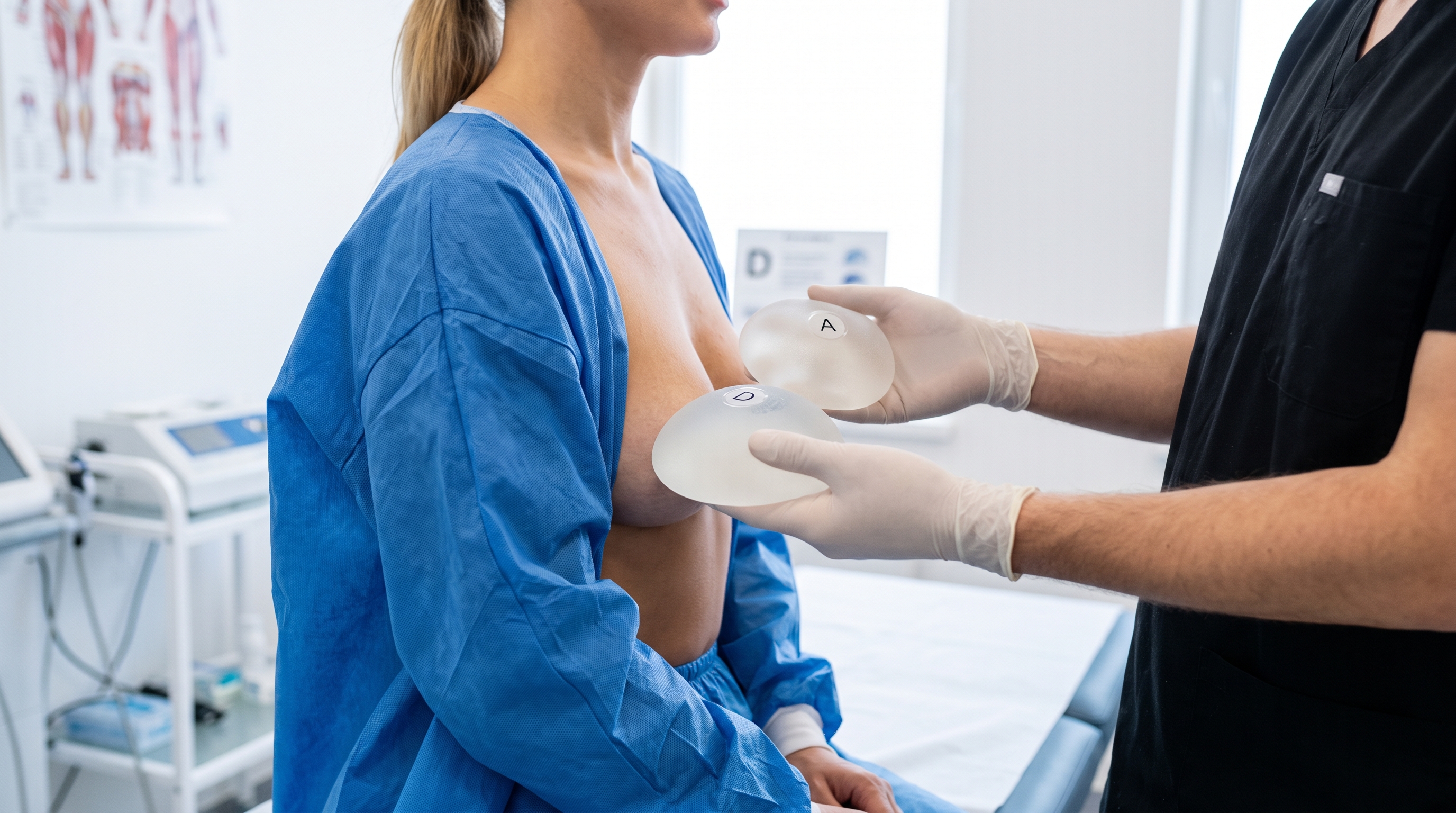
It is extremely important for those persons who wish to have their figure look absolutely perfect and who take great care of their bodies to follow a very strict and careful routine post-operatively to be able to achieve their dreams. Since an increase in volume from an A to a D cup creates a huge amount of mechanical tension over the ribcage, the formation of the new inner capsules depends heavily on complete mechanical protection to be able to heal perfectly. If there were any physical strain, the implants may stretch and widen the lower incisions or may be able to push out of the surgical pocket that was mapped.
In order to lock and keep your breasts in the perfect position for long, you should wear an exclusive medical-grade support bra continuously for the first six to eight weeks post-op. Underwired bras are a no-no; they can physically make a dent in the forming capsule of scar tissue, which will result in permanent change in that area of the breast. You are to sleep with a back support pillow (elevated back) and avoid all activities and exercises that would engage the upper parts of your body, like chest, arm, and shoulder areas. It is also very important to completely stop the use of all cigarettes and nicotine-based products. Nicotine acts upon blood vessels and makes them narrow, which means that the stretched skin of your body does not receive enough oxygenated blood for your wound not only to heal nicely but also to remain healthy and alive.
LIN Europe Clinic
You should know very well that your choice of LIN Europe Clinic in the first place is one that will take care of you medically, cosmetically, and emotionally for the rest of your life. We believe that the combination of accurate measuring, very detailed planning, and soft tissue changes for major breast augmentation is among the most complex ones that a person can go through in life, so a high level of professionalism and support, as well as transparency, is needed.
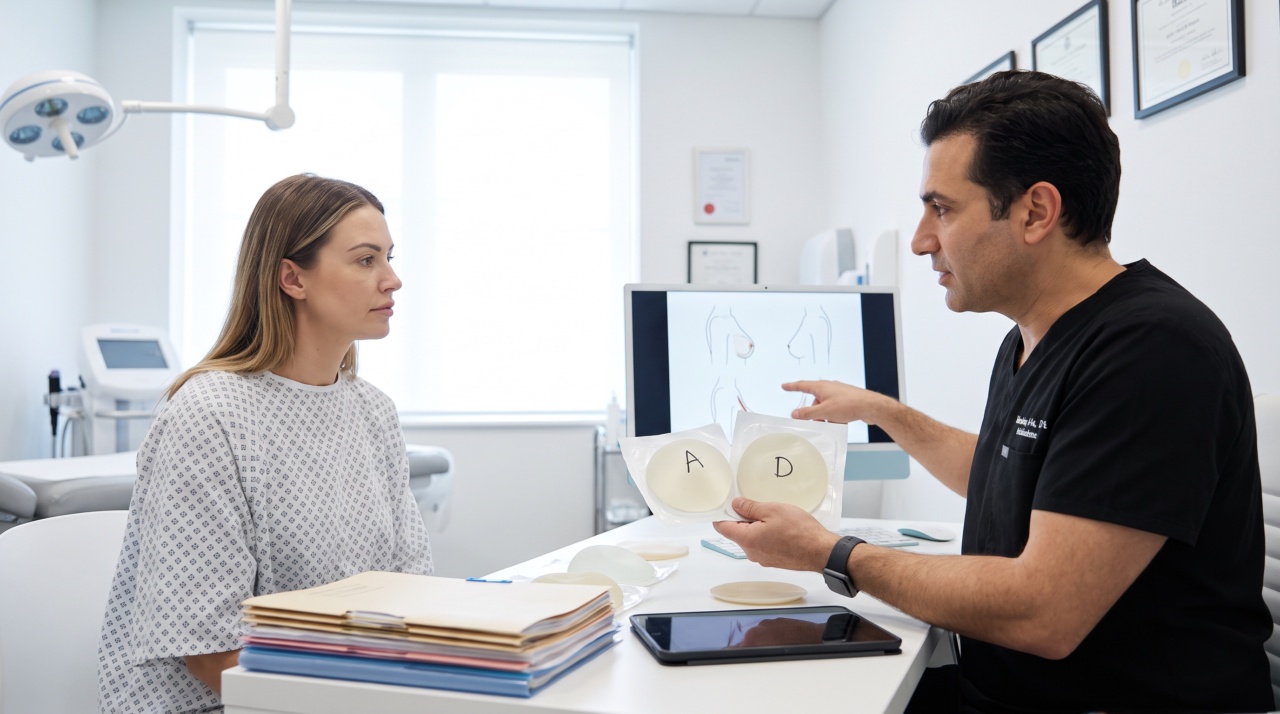
From the very moment that you make your appointment at LIN Europe Clinic in Istanbul, we will keep a close eye on all those structural factors of yours. We will also provide very comprehensive, accurate pre-surgery mapping, a highly detailed review of your tissues on screen, and custom-made healing instructions that will help you to follow every stage of your tissue development and lifestyle adaptation. We are proud to say that with our expert team, we will be there for the entirety of your cosmetic transformation, and your body system's health is fully secured; therefore, it makes no difference what your starting condition is, you may get your most flattering look with total safety through the guidance of one of the top global medical professionals.
Frequently asked questions
Is it safe to go from an A cup to a D cup in one surgery?
Generally, yes; however, you must have enough natural skin elasticity to let it adapt to the rapid stretch. Your certified surgeon will likely perform a tissue test, which will help you identify how much your skin can stretch. In case the skin appears to be overly tight, the surgical team might opt for a somewhat smaller implant to avoid any issues with tissues or stretch marks.
Will an A to D breast augmentation look fake?
As long as the proper method of the operation has been employed, there will be no such effect. Surgeons of A-cup patients almost always choose to put the implants totally under the pectoral muscle (submuscular implant placement). That is a very dense tissue that hides the silicone and allows for a gradually tapering and natural contour rather than giving a hard and fake shape.
Why do my breasts look so high and tight immediately after surgery?
This is a normal biological response. The natural chest muscle can be seen in spasms and clamp against large new implants, which push them high on the chest walls. A time of 2-3 months is necessary for the muscle to relax so the implant is able to go back to the chest naturally.
What is the "drop and fluff" process?
"Drop and fluff" describes the period of 3 - 6 months post-operation during which the tight chest muscle finally relaxes ('drop') and the lower portion of the skin that had been stretched allows the implant to settle at the bottom of the breast pocket and be soft, naturally, and rounded ('fluff').
When can I start wearing underwire bras again?
You absolutely should not wear the bra with the wire of the steel for at least the next 6, maybe 8 weeks after the operation. As the steel part can get to the skin of the inner part of the surgery, rub it with it and create contour changes of the scar tissue of the inner surgical incision by it.
This article is general information, not medical advice, and does not replace a consultation. Every procedure carries risk and outcomes vary from person to person.
Last reviewed 2 September 2026