What is the Difference Between Body Contouring and Sculpting?
Written by LIN Europe Clinic Editorial Team
Contouring reshapes; sculpting focuses on definition.
The Clinical Distinction in Aesthetic Terms
Beyond superficial understanding, there is a clinically significant difference between body contouring and body sculpting in the world of plastic or aesthetic surgery. One of the reasons they are often confused with each other by laymen is that both are types of body modification procedures to improve physical appearance. However, the primary difference between the two lies in the type of body change involved, which parts of the body are addressed, the tissue depth that is altered, and also in what patient population each procedure is meant for.
To simplify it, the main difference is in the way that the human body and its tissues are altered by the two. Contouring aims at removing large volumes of skin and fat and fixing major body deformities. It is for people with extreme skin laxity, excessive body fat, or major postoperative changes after massive weight loss. On the contrary, sculpting targets healthy body tissues to reveal the natural muscular structures underneath a thin layer of subcutaneous fat.
Body Contouring: Fundamental Reconstruction and Reshaping
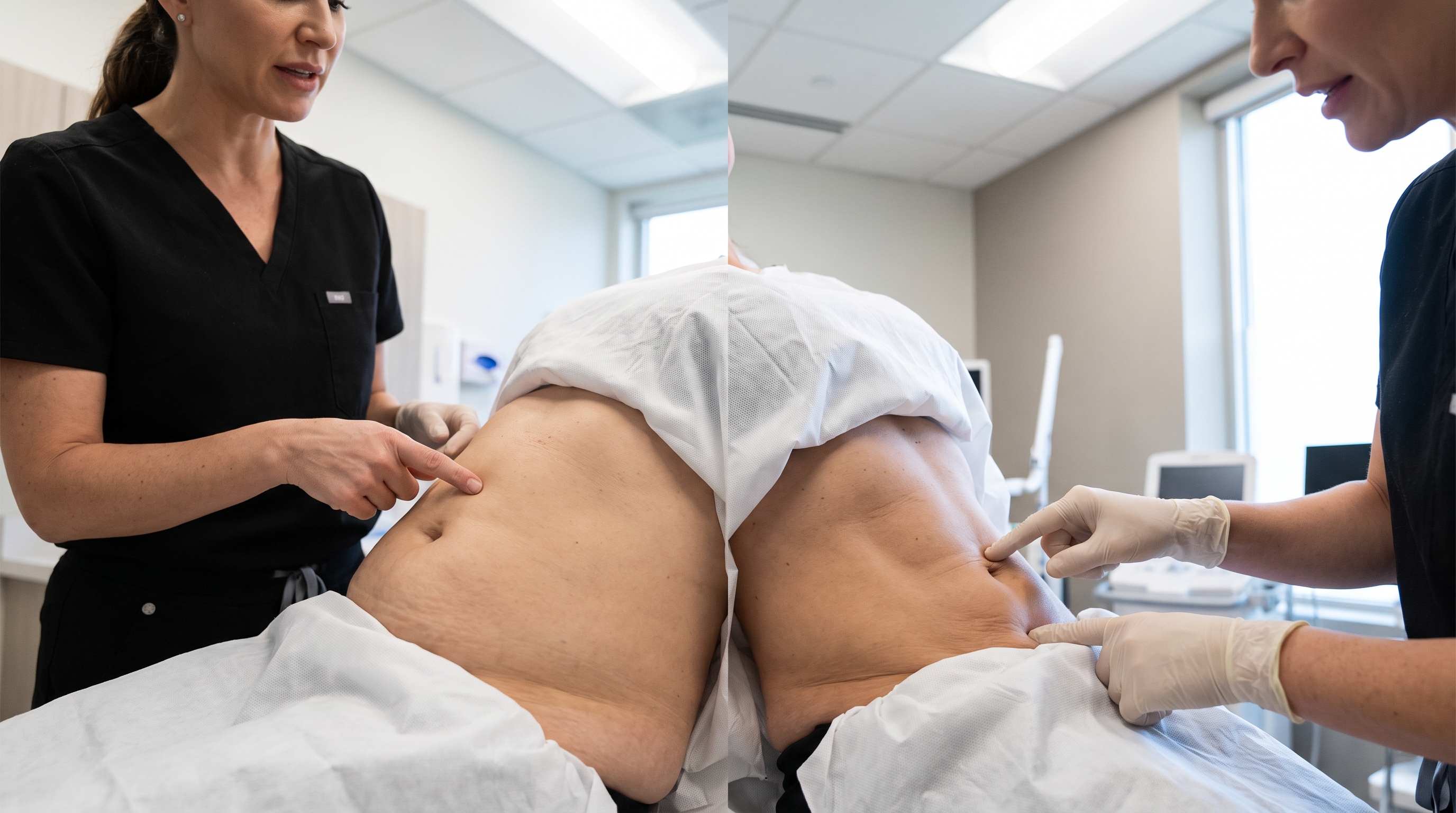
Body contouring techniques were devised mainly to deal with patients presenting with massive anatomical defects and skin laxity. These are patients who have had major weight loss surgery or who, post-pregnancy, suffer from severe loose skin or who are diagnosed with lipodystrophy (abnormal fat distribution). Since these are very major operations, they usually involve large skin excisions along with deep tissue removal of fat deposits and other procedures such as tummy tuck (abdominoplasty) or the removal of redundant skin following a body lift.
Beyond simply removing skin and fat, in such procedures, it is almost certain that the surgeon will have to perform a surgical tightening of the abdominal muscles that have separated as a result of a stretched abdomen. It is done through a technique called fascial plication, where the stretched fascia is reapproximated by the suturing of its layers. This way, the muscular wall of the abdomen is tightened, not just the skin and fat over it, so that it has the effect of changing the overall outline of the body on the macro level. The patient's natural shape with smooth skin and healthy proportions was previously hidden under the layers of stretched or damaged tissue, and the surgeon is restoring it through a contouring procedure.
Body Sculpting: Detailed Highlighting and Tiny Adjustments
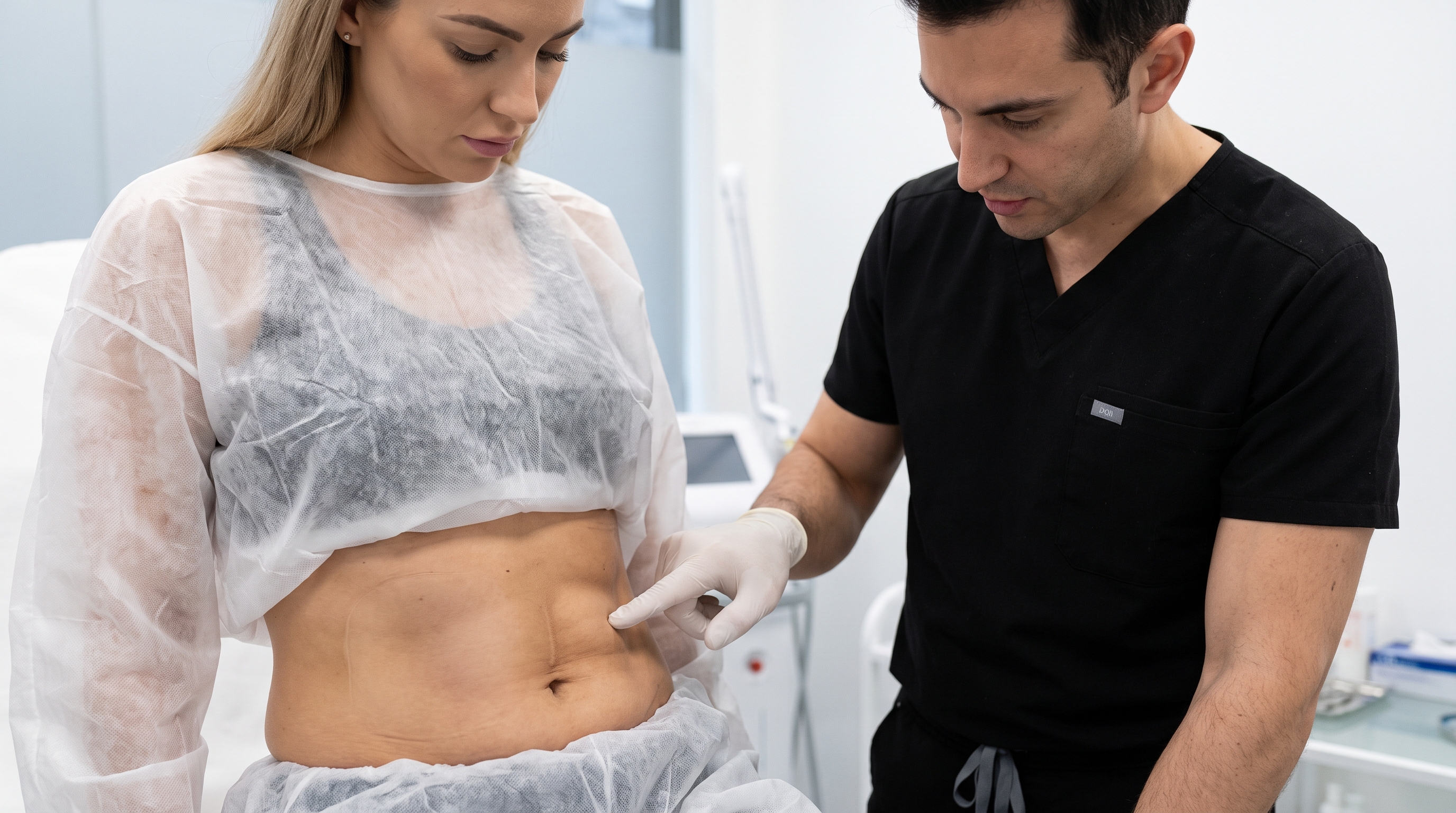
Contrary to body contouring surgeries, body sculpting procedures are the domain of very advanced, high-tech body aesthetics and require the involvement of specialists who are masters of their art and science. These are only for individuals who are already close to their desired weight and have elastic enough skin to respond well to the changes. The objective of such an operation is not to dramatically slim a body down or remove large areas of skin but rather to very precisely, with a focus on details, enhance the three-dimensional view of the muscular architecture.
The main tools in the sculpting process are high-precision liposuckers and small surgical instruments. The surgeon will remove the layer of shallow fat overlying muscle bellies, creating a clear muscle definition, while leaving just enough thin fat layer within the natural creases. This will be quite obvious if we look at the result of one of these operations: the body of a patient after the removal of fat layers and the enhancement of muscle structures with sculpting will look like the very fit athlete who is "piped and shrink-wrapped" from head to toe in the muscle gym.
Ensuring Healing and Maintaining Post-Surgery Boundaries
It goes without saying that after such operations, if you are a person who is perfection-oriented or even just demanding high-quality results, it is of utmost importance that you follow the doctors' instructions about wearing special garments, avoiding certain activities, etc., during the recovery period. Whether you have body contouring or body shaping, you have a different type of manipulation of tissues, fascial layers, and muscles. That tissue needs to have the physical strength and protection to repair and settle into its new form. Without such support and by violating the behavioral restrictions, your body's own healing process is disturbed, and you might even be left with problems such as long-lasting swellings, scars of larger size, or unevenness of the contour.
As part of the process through which you get your new silhouette locked in place with the most exact structural configuration, the first four to six weeks post-surgery are critical and you're expected to spend the entire period wearing the special compression outfits that are medical grade in quality. In some types of high-definition sculpting, these garments will even be augmented with anatomically shaped and dense foam padding that causes skin to literally conform to the muscular ridges.
LIN Europe Clinic
This is about what you get and how, when you choose LIN Europe Clinic, the top of the world's medical field, where a combination of beauty, advanced structural changes, and the surgical approach is handled by a team of clinically exceptional experts and highly caring staff. It's not about the clinic's location; it is about being in the place where you can be confident that your treatment plan will be developed based on scientific facts and the latest technology with no compromise. LIN Europe Clinic in Turkey is the center of excellence for the body design field as well as a world-class plastic surgery follow-up facility and a place where you can really get some peaceful, stress-free time after the surgery. Everything there is guided towards your recovery with world-class quality patient healthcare.
When you entrust your case to the outstanding specialists at LIN Europe Clinic, you are getting absolute diagnostic accuracy for your physical body. Through the detailed pre-op maps, highly refined tissue examinations, and personalized healing roadmaps that are provided by the medical professionals, we will accompany you in a hands-on manner on your tissue regeneration and lifestyle change paths step by step. To make sure the two are in balance, you can rest assured knowing that our elite-level team has got your cosmetic procedure perfectly covered and is keeping an eye on your well-being at the same time that they protect your investment.
Frequently asked questions
What is the main difference between body contouring and body sculpting?
Body contouring involves foundational changes, such as surgically removing large folds of loose skin and deep fat after massive weight loss (e.g., a tummy tuck). Body sculpting is for fine-tuning; it uses precise fat removal to etch and highlight underlying muscles on someone who is already close to their ideal weight.
Can I get body sculpting if I have loose skin?
Typically, no. Body sculpting (like high-definition liposuction) requires excellent skin elasticity so the skin can shrink-wrap tightly around the newly revealed muscles. If you have significant loose skin, body contouring (excisional surgery) is required first.
Does body sculpting build muscle?
While surgical sculpting carves out fat to reveal the muscle you already have, certain non-surgical sculpting devices use electromagnetic energy to stimulate intense muscle contractions, which actually can build and thicken the muscle tissue over time.
Are the results of body contouring and sculpting permanent?
Yes, both procedures provide permanent structural changes. The fat cells that are removed or destroyed cannot grow back, and any skin that is surgically excised is gone permanently. However, maintaining the results requires a stable weight and a healthy lifestyle.
Is the recovery for sculpting faster than for contouring?
Generally, yes. Because body sculpting relies heavily on advanced liposuction techniques and smaller incisions, the acute recovery is often faster than foundational body contouring, which frequently involves long surgical incisions and deep muscle suturing.
This article is general information, not medical advice, and does not replace a consultation. Every procedure carries risk and outcomes vary from person to person.
Last reviewed 2 September 2026