Breast Implants: Can You Get a Boob Job Before Pregnancy?

Medically reviewed by Op. Dr. EmrePlastic and Aesthetic Surgeon
Yes, breast augmentation can be done before pregnancy.
The Medical Facts Regarding Augmentation Before Pregnancy
The modern practice of breast surgery, which includes the aesthetic and plastic varieties, has many female clients asking if they can have a breast implant surgery performed before their first child is born. The clear medical position is that it is definitely safe to have breast implants before pregnancy. No physical condition in a woman with breast implants would preclude her from being pregnant and healthy during the process. Besides, implants do not interfere with fetal growth and are not toxic for the pregnant woman or newborn during the whole pregnancy period.
Even if you become pregnant soon after your operation, it is safe since, in such a case, it is mainly the breast tissue (milk production part) that stretches and contracts, and the skin is affected. Elite surgeons will normally warn you against such a decision, as it can compromise and ruin the look you had just gotten. If your decision to become a parent is still several years away from now, it is perfectly okay for you to go ahead with the enhancement to get to enjoy your body’s beautiful shape to the fullest at a younger age.
Surgical Placement and Breastfeeding
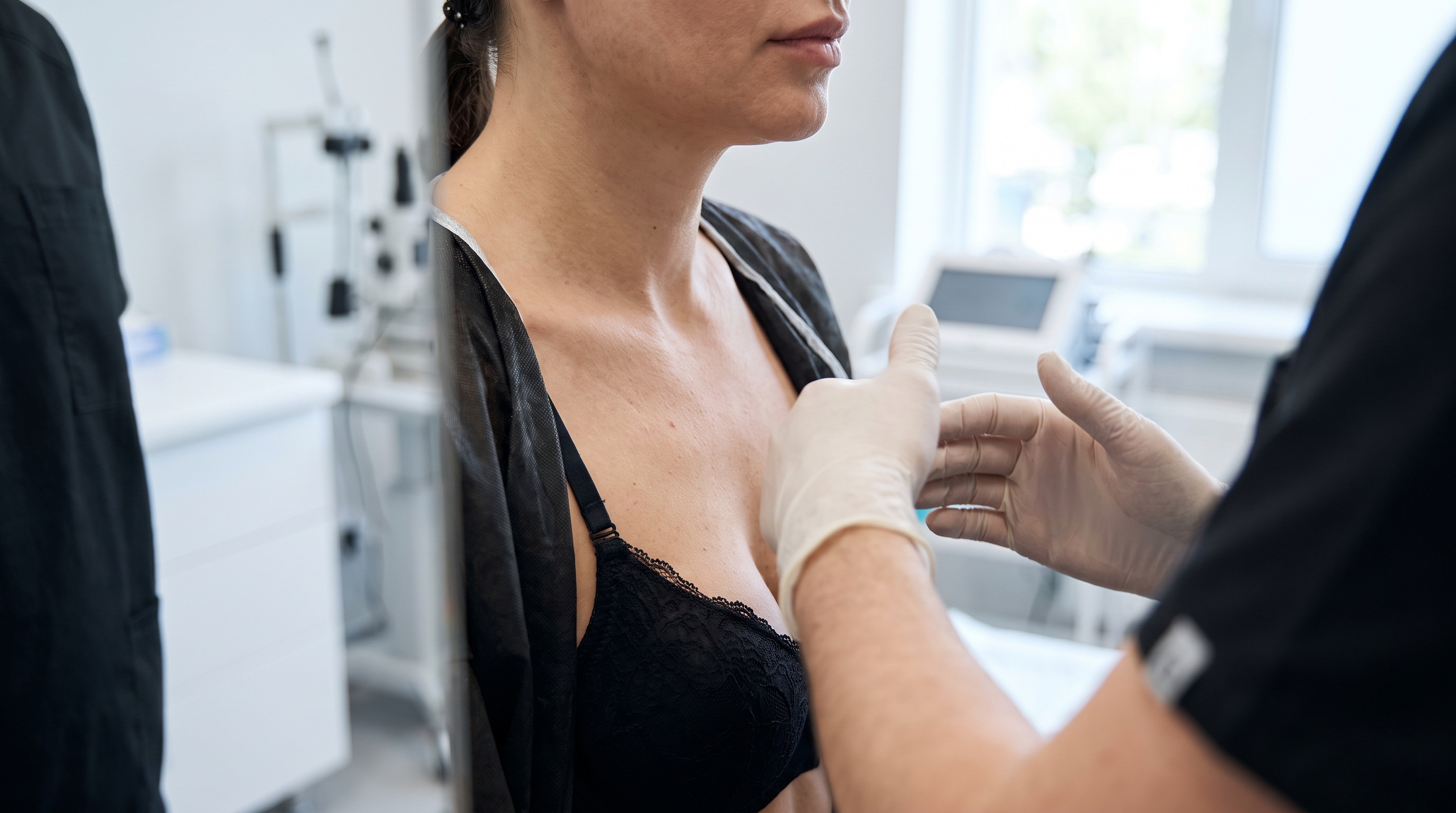
Women who want breast implant surgery before bearing children are worried about whether they would be able to breastfeed after having such implants. This is entirely a surgical problem, and the answer depends on your surgeon’s technique to a large extent. Since the lactation ducts and the whole breast structure have to remain untouched for breastfeeding, a surgeon will place the implant under the pectoral muscle (submuscular) away from the breast itself (subglandular place). Thus, a physical wall that keeps the implant (being a silicone or saline-filled bag) safely away from the milk-making organs will be erected.
Equally important is the incision line that the surgeon picks for performing the surgery. If an inframammary cut is made through the natural crease under the breasts (inframammary fold), it would not touch the glandular tissue or the area around the nipple with its blood vessels and milk ducts. It is the periareolar skin that is usually the place for a cut that goes right around the nipple. With such a cut, the damage to the ducts becomes almost inevitable and thus a woman could lose her feeding ability. Using a submuscular pocket and an inframammary incision are the two ways of making sure that most patients retain at least some degree of ability to breastfeed.
Expecting Post-pregnancy Body Changes
Pregnancy changes your breasts, and even if you have implants, your breasts will also change a bit naturally through a biological reaction. Milk production and other glandular functions increase, which makes the milk-producing tissue swell, and after weaning, these glandular milk-producing tissues shrink back. All this happens in such a short period of time that the skin around it can become strained, which is medically termed ptosis. This natural dropping of the breast can be a reason for an alteration in the shape of the breast contour that looked so natural after the initial surgery due to the presence of the implant underneath.
In a majority of cases, a woman after childbirth may not notice significant breast contour distortions. However, women considering pregnancy must be made aware that they might end up one day needing a further procedure like a breast lift to remove the slack skin and reshape the breast contour to its optimal shape again. Therefore, a mother is not expected to breastfeed, but the child's needs might be met, and the mother who has breast implants might consider a breast lift surgery.
Mechanical Stability and Postoperative Rules
Precision surgery can only be done by an artist who also keeps in mind that a work of art (your body) must be kept away from mechanical strain. This goes a long way in preventing post-pregnancy deformities. So whether you have a baby later on or not, those tiny scars, the new tissue, and internal stitches of a breast implant operation need time and protection to form a firm connective tissue. If you are too active in the postoperative period, you may actually be doing more harm to your result than anything good.
A surgical-grade compression bra is your best bet. In fact, without it, your newly reshaped breasts may not settle down properly and may even go completely wrong. You will be advised to sleep in a semi-reclining position with your feet lowered as much as possible. Avoid any form of vigorous physical exercise and heavy lifting. Smoking has been found to be a culprit in post-operative complications. So, your best option is to quit if you have to undergo major surgery.
LIN Europe Clinic
The whole of the plastic surgery procedure is overseen very carefully. LIN Europe Clinic is a first-class facility with state-of-the-art technology for performing cosmetic and reconstructive surgery. It houses highly trained personnel of both medical and non-medical staff who take pride in giving every visitor the best possible patient journey from the initial discussion up to the post-operative follow-up and rehabilitation phases. Our highly experienced specialist team will guide you and keep you motivated while you recover, ensuring that you never lose your confidence and that your body will soon be a perfect reflection of you.
If you entrust the LIN Europe Clinic Istanbul team of experts with your medical issues, they will keep the details about your condition and treatment strictly confidential. We can provide a range of services such as detailed pre-operative counseling and guidance, the most advanced imaging techniques of the tissues involved, and tailored recovery schedules to assist you in understanding and integrating the different aspects of the healing process and your everyday life gradually. A very good medical team makes our clinic an ideal place for cosmetic surgery.
Frequently Askes Questions:
Is it safe to get breast implants if I plan to get pregnant later?
Yes, it is medically safe to have breast implants before pregnancy. Implants do not interfere with fetal growth and are not considered toxic for the pregnant woman or newborn. However, if pregnancy occurs soon after surgery, it might compromise the aesthetic outcome due to significant breast tissue changes.
Will breast implants affect my ability to breastfeed after childbirth?
Your ability to breastfeed largely depends on the surgical technique used. Surgeons can place implants under the pectoral muscle (submuscular) and use an inframammary incision (under the breast crease) to avoid damaging milk ducts and glandular tissue. This approach aims to preserve your feeding ability.
What changes can I expect in my augmented breasts after pregnancy and breastfeeding?
Pregnancy naturally changes your breasts, even with implants, due to milk production and subsequent shrinking of glandular tissues. This can lead to skin strain and a natural dropping of the breast, medically termed ptosis. While not always significant, some women might consider a breast lift after childbirth to restore their breast contour.
Which surgical techniques are recommended to preserve breastfeeding ability?
To preserve breastfeeding ability, surgeons typically recommend placing the implant under the pectoral muscle (submuscular) to keep it safely away from the breast tissue. Additionally, an inframammary incision, made through the natural crease under the breasts, is preferred as it avoids the glandular tissue and nipple area, minimizing damage to milk ducts.
What are the crucial post-operative rules to ensure the best long-term results, especially if I plan future pregnancies?
Adhering to post-operative rules is vital for optimal results and preventing deformities. This includes wearing a surgical-grade compression bra, sleeping in a semi-reclining position, and avoiding vigorous physical exercise and heavy lifting. Quitting smoking is also strongly advised to prevent complications and support proper healing of new tissue.
This article is general information, not medical advice, and does not replace a consultation. Every procedure carries risk and outcomes vary from person to person.
Last reviewed 3 September 2026