Breast Implants: What Are the Options for Breast Augmentation?

Medically reviewed by Op. Dr. EmrePlastic and Aesthetic Surgeon
Implants or fat transfer are the main options.
Understanding Breast Augmentation and Implants
Breast augmentation is a leading method of structural body contouring that addresses breast hypoplasia, post-partum deflation, or congenital deep asymmetry in a precise and effective way. If the deeper fascia and dermal support lose their original volume, the breast shell will collapse, and the aesthetic vectors of the upper torso will become significantly distorted. The surgical procedure changes subcutaneous fat tissues and muscle tissue under the skin through the use of biocompatible prostheses to beautifully expand the soft tissue layer. The end goal is to regain a biomechanical balance, making sure that the recently augmented tissues seamlessly blend with the patient's chest wall structure.
In a purely medical perspective, breast augmentation is an advanced biomechanical enhancement procedure requiring a highly specialized diagnostic process. Expert plastic surgeons analyze the condition of the skin and subcutaneous tissues, the size of the breast base, and the position of the nipples to make the most appropriate decision when placing the implant in a dual-plane or subglandular location. Properly selected profile and cohesive gel implants provide a solid structural basis so that the surgeon will definitely be able to create a permanently harmonious, natural-looking aesthetic that suits the patient's dynamic proportions.
Exploring Breast Implant Types
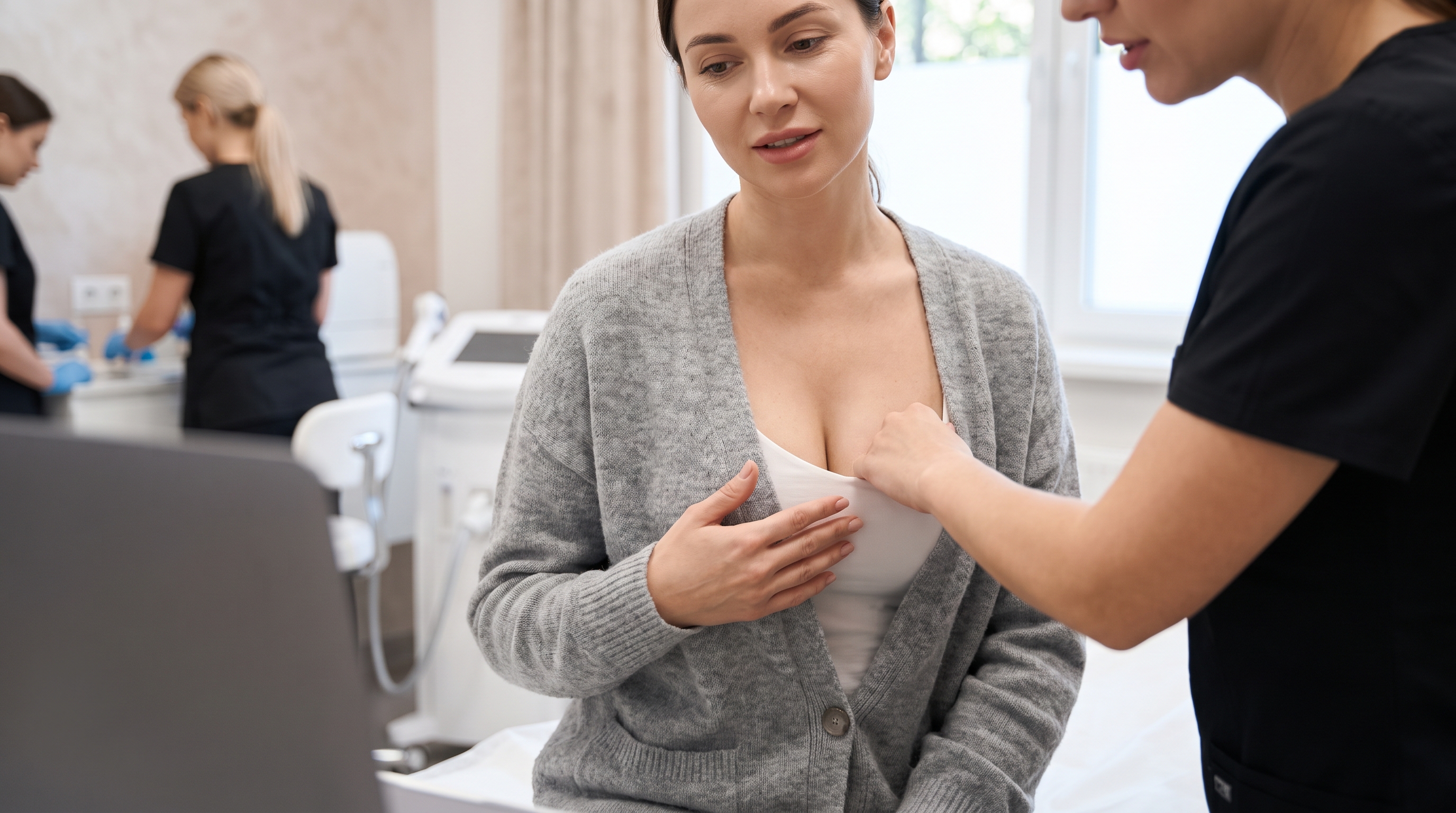
Breast implants that are currently used widely are high-tech implants filled with highly cohesive or form-stable silicone. The material has been engineered to resemble the natural characteristics of subcutaneous fat tissue in density and resilience, and it has almost eliminated any chance of the internal gel getting dislodged by any capsular micro-breach. This high stability, however, will ensure that the carefully designed cosmetic lines will remain unmarred over many decades of active physical, muscular, and gravitational exposure.
Meanwhile, saline implants are still considered a viable biomechanical option as they let the surgical team insert the deflated prosthetic shell via a comparatively smaller periareolar or inframammary incision before infilling with a certain amount of saline solution according to the desired volume. The main advantage of this type of implant is the possibility of very accurate volume customization at the time of surgery and the fact that, in case of a ruptured implant, saline is immediately and safely absorbed by the body. Having a proper understanding of the different flow and tissue reaction behaviors among various prostheses is very important because the implant of choice is a key factor that defines and limits the long-term fascial adhesion and the structural behavior of the breasts.
Choosing the Right Implant: Key Considerations
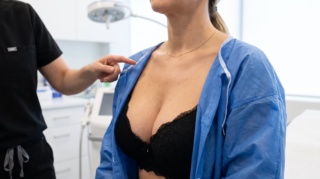
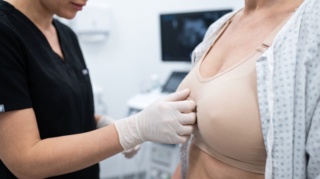
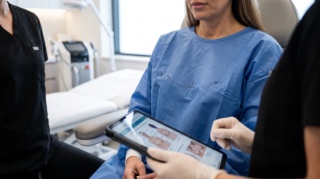
The process of selecting a breast implant requires careful mapping of the patient's natural anatomical features in order to match a suitable implant. This includes the measurement of the base width, the elasticity of the skin in that area, the strength of the tissues, and the existing fat tissue to prevent post-operative complications like implant shifting or visible folds at the implant edge. Highly detailed surgeons take the patient’s desired appearance into account, calculating projection profiles - moderate to ultra-high, - and selecting the matching implant surface to control the reaction of the patient's tissues to the implant.
In any case where patients choose a surgical operation, it is essential that they are informed with the proper anatomically related information. A common way for breast implantation in women is to do a dual-plane placement by first placing the upper halves of the implant behind the major muscle layer in front of the lower parts of the implant at the subglandular level. With modern technology, these subglandular or subcutaneous approaches offer different levels of softness of the upper pole aesthetic transition as an overlay that is supported by muscle.
The Breast Augmentation Procedure: What to Expect
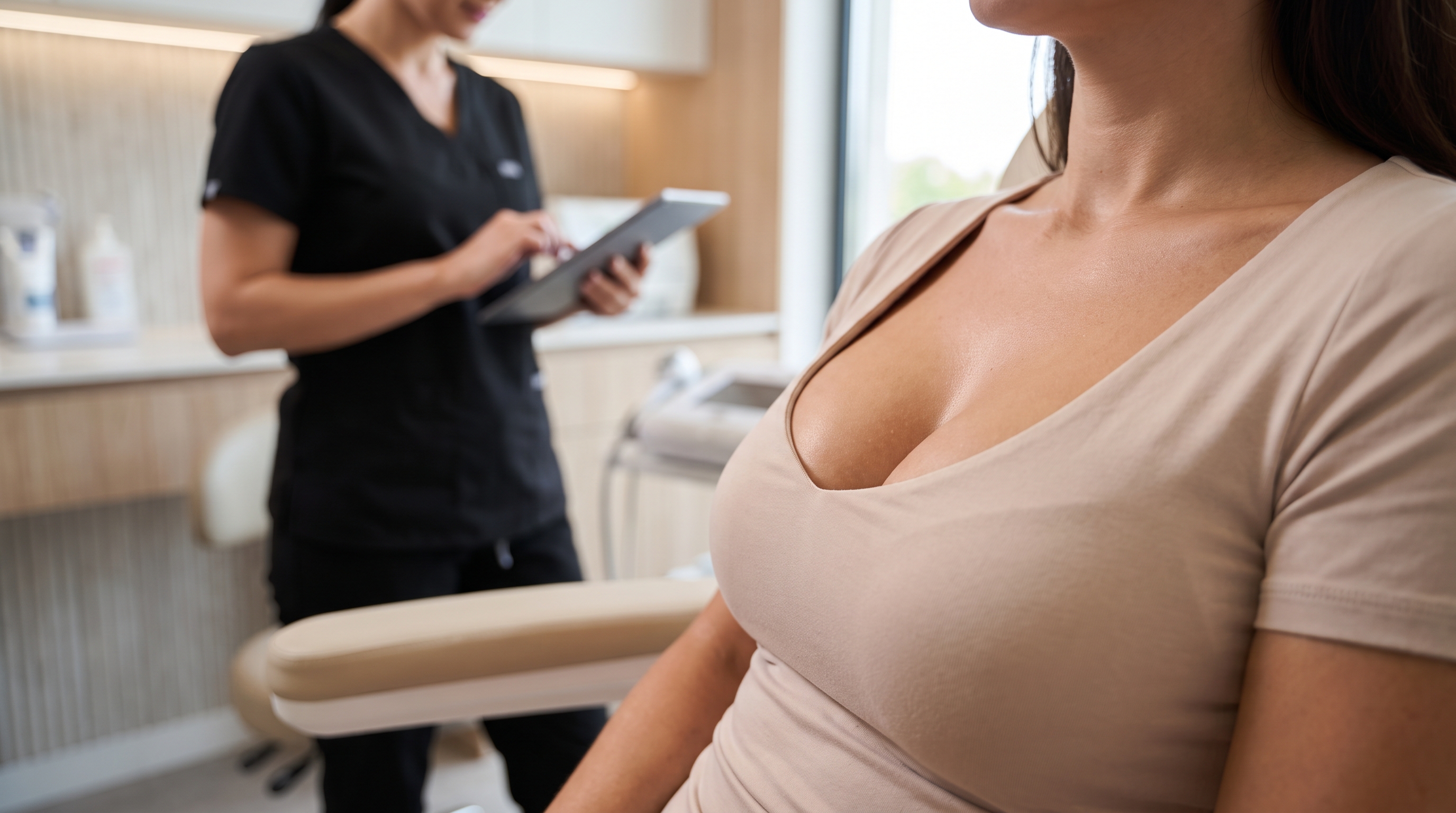
Although breast augmentation is an amazing feat of surgery, the most difficult phase is what happens directly after the procedure, and it's referred to as the hard-won tissue maturation stage that lasts a few months. In order to preserve a good shape, it's very important not to be moving around too much in the first few weeks after surgery. The main reason is that at this time, newly formed deep fascial connections as well as delicate subdermal blood vessels need full mechanical isolation and protection in order to form very durable collagen bonds as they do in the normal state.
Otherwise, the pulling force of gravity combined with the internal pulling of muscle movement and so on will severely distort the anatomical dissection that has been done carefully during the surgery, and there will be long-term problems such as inflammation, displacement of the implant, and ultimately, poor aesthetic outcome. To make sure that the prostheses will be placed exactly where you had in mind, the surgical team will ask the patient to stay strictly within the boundaries of the postoperative rehabilitation program. These rules are mainly about wearing compression garments of medically-approved qualities which can help you remove the interstitial fluids by keeping you well hydrated at the same time and also facilitate the formation of the implant capsule around the implant through the pressure.
Breast Implants in Turkey
Opting for LIN Europe Clinic puts you in a medical haven where everything you need for your contouring and aesthetic changes is handled with clinical excellence and empathy. We know that for perfect breast augmentation, precise implant selection, fine adjustments, and positioning of soft tissues at the anatomical level demand a highly sophisticated, trustworthy, and supportive framework that is evidence-based first.
LIN Europe Clinic in Turkey is a world-class reference in plastic surgery and offers a peaceful, high level of comfort, and a technologically advanced environment where your treatment follows a rigid patient safety protocol that matches international standards. By entrusting your medical needs to LIN Europe Clinic team of specialists in Istanbul, your physical attributes will be taken into account and measured with the utmost precision by the diagnostic instruments of modern times.
Frequently asked questions
What is breast augmentation?
Breast augmentation is a surgical method to enhance breast size and shape. It addresses issues like breast hypoplasia, post-partum deflation, or congenital asymmetry. The procedure uses biocompatible prostheses to expand the soft tissue layer.
What types of breast implants are there?
Currently, widely used breast implants include high-tech silicone and saline-filled options. Silicone implants are highly cohesive, while saline implants allow for volume customization during surgery. Each type has distinct characteristics.
How are breast implants chosen?
Implant selection involves careful mapping of a patient's natural anatomical features. Surgeons measure breast base width, skin elasticity, and tissue strength. This process ensures a suitable implant match and helps prevent post-operative complications.
Where are breast implants placed?
Breast implants can be placed in a dual-plane location, subglandular (under the gland), or subcutaneous. Dual-plane placement typically positions the upper part behind the major muscle and the lower part subglandular. The chosen placement affects the aesthetic outcome.
What happens after breast augmentation surgery?
After breast augmentation, a tissue maturation stage lasts a few months. It is crucial to limit movement in the first few weeks to allow new fascial connections to form. Patients must strictly follow a postoperative rehabilitation program, including wearing compression garments.
This article is general information, not medical advice, and does not replace a consultation. Every procedure carries risk and outcomes vary from person to person.
Last reviewed 11 September 2026