What is the Safest Tummy Tuck Recovery Time?
Medically reviewed by Op. Dr. EmrePlastic and Aesthetic Surgeon
About six to eight weeks.
The Biological Imperative of Phased Healing
Rather than treating abdominal skin removal as a skin graft, in structural body contouring, a tummy tuck (abdominoplasty) involves extensive tissue reconstruction that is not only skin deep. Such is the nature of a full tummy tuck that the patient is left with a large scar running from the pubic area to the upper abdomen, with the abdominal muscles being sewn together and the skin being flapped and pulled over. In order for such massive surgery to heal properly, the body has to be given plenty of time to go through its cell reformation. Exercising too soon after surgery can cause serious complications such as wound reopening and internal muscle damage, as was mentioned.
In fact, clinically and safely, the only recovery time that is advised is at least two weeks for shallow healing, six weeks for the deep tissues to stabilize, and up to a full year for the complete transformation of the tissues and fading of the scars. Even so, while patients are probably going to feel fairly good physically at the end of day three, the internal ligaments that were used to fasten the core muscles are actually extremely fragile and, therefore, not strong enough for the patient to start doing exercises right after surgery. Safety demands total compliance with a timeline that is medically supported so that a newly designed tummy can stay flat while being strong and looking nice at the same time.
The Acute Phase and Early Mobilization (Weeks 1 to 2)
The period of the tummy tuck operation immediately following surgical intervention is called an acute inflammatory stage; this time is also the patient’s greatest risk phase in terms of safety. It is very common for the surgeon’s team to keep postoperative patients with surgical drains so it is possible to draw out any blood collection, which can be very uncomfortable until the drains are eventually removed. After tummy tuck, patients feel very tight around the abdomen.
Purposeful postural limitations will not interfere with the natural ability to get around. A safe recovery plan consists of regular gentle mobilization to avoid developing blood clots due to deep vein thrombosis. The patient is encouraged by the surgeon to go for short walks around the room a few times per hour starting from the day of the procedure. Thus, one can get through what is a potentially dangerous moment after surgery through the right combination of strict incisional protection and mild exercise.
Structural Anchoring and Returning to Baseline (Weeks 3 to 6)
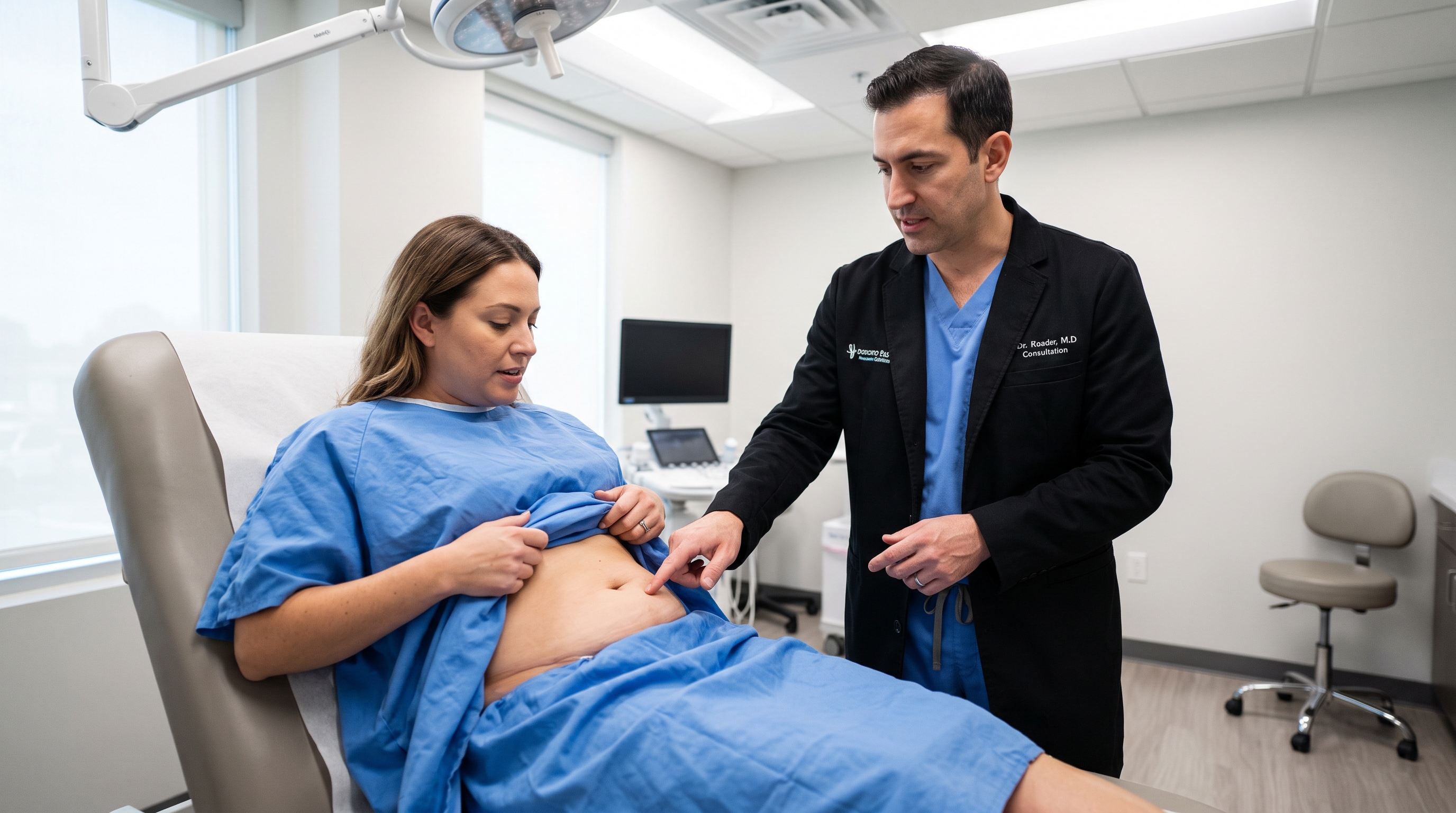
At about week 3 a patient typically finds that their wound has been sewn closed and thus their body has been repaired externally, that the posture has naturally corrected by virtue of the absence of any bending, and that there's been no energy loss as a result of any physical work that the body did so that, in many cases, it is possible for one simply to get back to the office where there is no standing required, or doing household chores in a very light way while keeping physical exercise to a minimum.
Still, even when the patient's physical condition is quite a good one, they might end up doing something wrong just based on feelings as if it will help them heal faster. There are certain limitations in activities that should strictly be followed: no heavy loads that are over 10 lbs, no core workouts, or even stretching exercises that can strain the muscle layers as they are healing, as all of these activities would cause the internal muscle repair to be torn and thus completely nullify the flat, corset-like outline that the surgeon had planned for their client. It is only on the six-week mark and after that that a board-certified surgeon will feel safe to let his/her patient engage in moderate cardiovascular exercise or strength training.
Preserving Structural Integrity and Post-Operative Boundaries
The post-operative period has to be a time when one remains absolutely on track with the physical and behavioral limits advised by the doctors. After a surgeon has done a belly reshaping surgery, a new shape of the abdominal area is made up by a layer of tightened skin flaps, deep muscle layers that have just been repaired, and a number of small stitches which are not visible to the naked eye that hold those layers together; therefore, the main way the newly operated area will regain its shape and become strong and durable is to be totally protected from any kind of physical damage. Without enough mechanical support during this initial period, natural daily movements together with the effects of gravity are able to throw the healing process into chaos, and one ends up suffering from a longer swollen period with widened scars and poor-looking results.
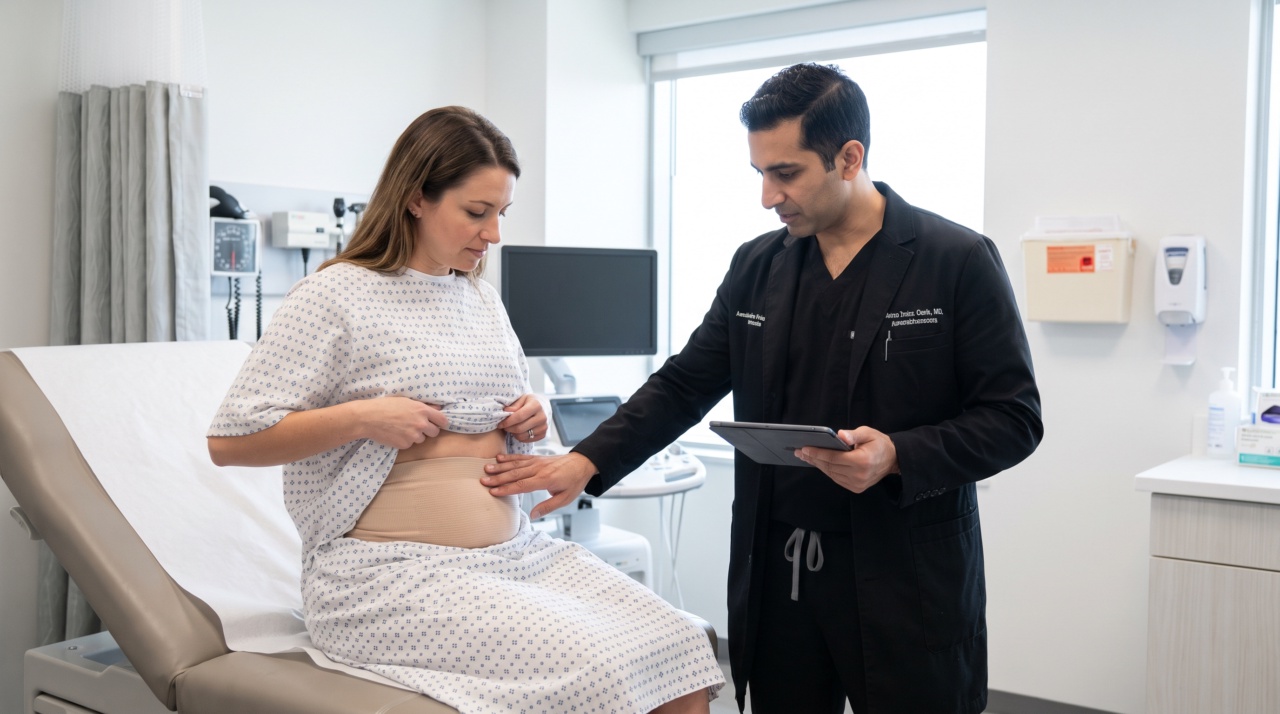
Therefore, you must continuously wear a particular type of medical abdominal support (band) for the initial 4 to 6 weeks after a surgical revision of your abdominal muscles as a means to your recovery. Wearing a belt helps reduce swelling, prevents the formation of extra fluid in a space between the belly fat and the skin (seroma), promotes skin fusion with the underlying structure, and helps achieve your surgeon's final aesthetic and structural vision. It is vital that patients totally eliminate smoking during the months preceding surgery and after surgery to avoid complications during healing. Nicotine is a powerful vasoconstrictor; therefore, when someone smokes, he/she stops blood flow to the tissues at the healing sites, which can lead to complications and slow healing, as well as posing a risk of the wound reopening.
LIN Europe Clinic
LIN Europe Clinic, with its world-renowned standards of care, is an exceptional medical resort providing facial and advanced structural body contouring surgical procedures and services through the lens of compassionate caring and top medical quality. We realize that to make an extraordinary tummy tuck, you have to work with someone who has the highest skills in body sculpting in a totally reliable, open, and nurturing environment, which is primarily centered around medicine that is grounded in sound evidence and has the patient's interests at heart.
Your health journey will be guided only by the most stringent international patient safety norms if you go with LIN Europe Clinic. When you entrust your case to our clinic in the hands of a very talented group of specialists, your body parameters will be examined by these experts with the utmost accuracy, and your surgical outcome will be a perfect one, as you will receive the latest in pre- and post-op treatment methods along with a detailed, individualized care plan for the full healing journey and life change.
Frequently asked questions
How long does it take to fully recover from a tummy tuck?
Initial shallow healing typically takes about two weeks, with deep tissues stabilizing around six weeks. However, the complete transformation of tissues and the full fading of scars can take up to a full year. Adhering to medically supported timelines throughout this phased healing process is crucial for optimal results and safety.
When can I safely resume strenuous exercise after a tummy tuck?
You should avoid strenuous activities, heavy lifting over 10 lbs, and core workouts for at least six weeks after surgery. Engaging in these activities too soon can cause serious complications, such as wound reopening or tearing internal muscle repairs. A board-certified surgeon will advise when it is safe to gradually reintroduce moderate cardiovascular exercise or strength training.
What should I expect during the immediate acute phase of tummy tuck recovery?
During the acute inflammatory stage immediately following surgery, you may have surgical drains to manage fluid collection and will likely experience a tight sensation in your abdomen. Gentle, regular mobilization, such as short walks around the room, is encouraged from the day of the procedure to prevent blood clots. Strict protection of the incision sites is also vital during this period.
Why is it important to wear an abdominal support band after a tummy tuck?
Wearing a specific medical abdominal support band for the initial 4 to 6 weeks is vital for your recovery. This band helps reduce swelling, prevents the accumulation of extra fluid (seroma), and promotes the fusion of the skin with the underlying structures. It provides essential mechanical support to protect the newly operated area and helps achieve your surgeon's final aesthetic and structural vision.
What are the risks of smoking during tummy tuck recovery?
Smoking must be completely eliminated during the months preceding and following tummy tuck surgery. Nicotine acts as a powerful vasoconstrictor, significantly reducing blood flow to the healing tissues. This impaired blood flow can lead to serious complications, slow wound healing, and increase the risk of the wound reopening.
This article is general information, not medical advice, and does not replace a consultation. Every procedure carries risk and outcomes vary from person to person.
Last reviewed 28 August 2026