Does Body Sculpting Work for Belly Fat?
Medically reviewed by Op. Dr. EmrePlastic and Aesthetic Surgeon
Yes, body sculpting can reduce stubborn belly fat.
Biomechanics and Anatomical Foundations of Abdominal Fat
Localized abdominal fat, formally referred to by the scientific term subcutaneous adipose tissue, often becomes a physical and visual problem that is very hard to address using regular exercise methods together with a healthy diet. The appearance and structure of the stomach area are mainly determined by this layer of fat, but also by the fascial network that lies deeper and by the skin matrix, which is on the surface.
In terms of clinical facts, body sculpting definitely works to get rid of the belly fat if the operation is planned according to the patient's individual anatomy. A surgical type of body contouring is different from the one-size-fits-all concept of weight loss that usually leads to only fat redistribution. Body contouring surgery reshapes the foundation of the stomach by removing fat through incisions at very precise spots, with simultaneous care for the blood flow of the surrounding area that allows for the best tissue healing outcome and also a natural-looking stomach contour. So the volume of the stomach is permanently reduced only if the patient is sufficiently hydrated and his/her whole-body metabolism remains stable after the surgery.
Biomechanical Changes through Fat Removal during Surgery
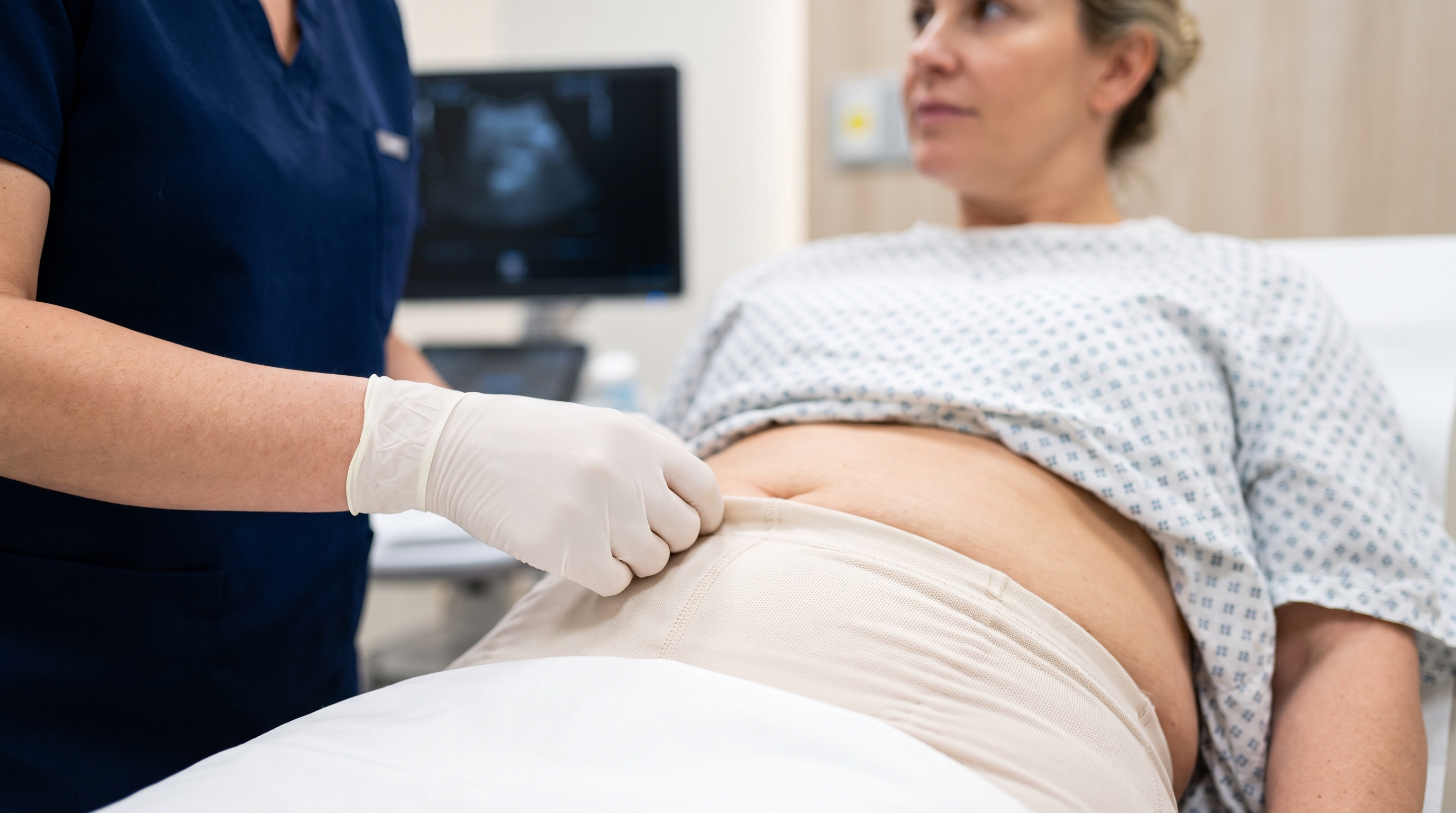
Essentially, body sculpting with surgery works through fat aspiration and subsequent draining of the liquid in the operated tissue, while surgeons do it very carefully to protect the skin. By employing the most advanced technologies, abdominal fat is liquefied when it is difficult to remove manually, and then, through aspiration, the fat removal becomes very gentle as the procedure can cause minimal trauma even to the surrounding ligaments and muscles.
After that, the skin surface needs to undergo a complicated series of actions related to skin contraction in order to be able to cover the reshaped musculature underneath it. How successful this kind of reorganization of the body's structure will be depends on the original skin elasticity level, which is, of course, a natural factor, and how careful the surgeons were with the surgical boundaries. In the end, the surgeons are careful not only in terms of the aesthetic result but also to keep the skin well supplied with blood so that the new tissue and skin are properly healed with all necessary proteins like collagen, making the result look very smooth as well as structurally secure.
The Latest Technologies and Patient Conditions for Surgery
Types of abdominal fat differ physiologically, and the determination of which patients would be suitable for surgery relies mainly on whether the targeted subcutaneous fat is distinguishable from the deeper visceral fat. Body contouring aims to remove only the fat layer of the skin; it does not affect the internal fat around organs, which is known as visceral fat, and is tackled through changes in diet and lifestyle. So, the best-case scenarios for great results are people who are already within their target weight range and just want body contouring for local belly fat.
The surgical contouring of the body is now a form of artistic surgery, not just one that aims at removing fat in a technical and functional sense. By strategically positioning and retaining the fat at those fascial intersections that will bring out the most muscle definition, to a certain extent, surgeons can literally change a flat stomach and a toned midsection into an athletic, naturally sculpted abdominal region, which is a result of a high-level fitness regimen. Achieving a level like that needs a deep knowledge not just of the physical characteristics of human tissues but also of how dynamic movement influences the musculoskeletal system as a whole.
Structural Conservation and Boundaries in Aftercare Phase
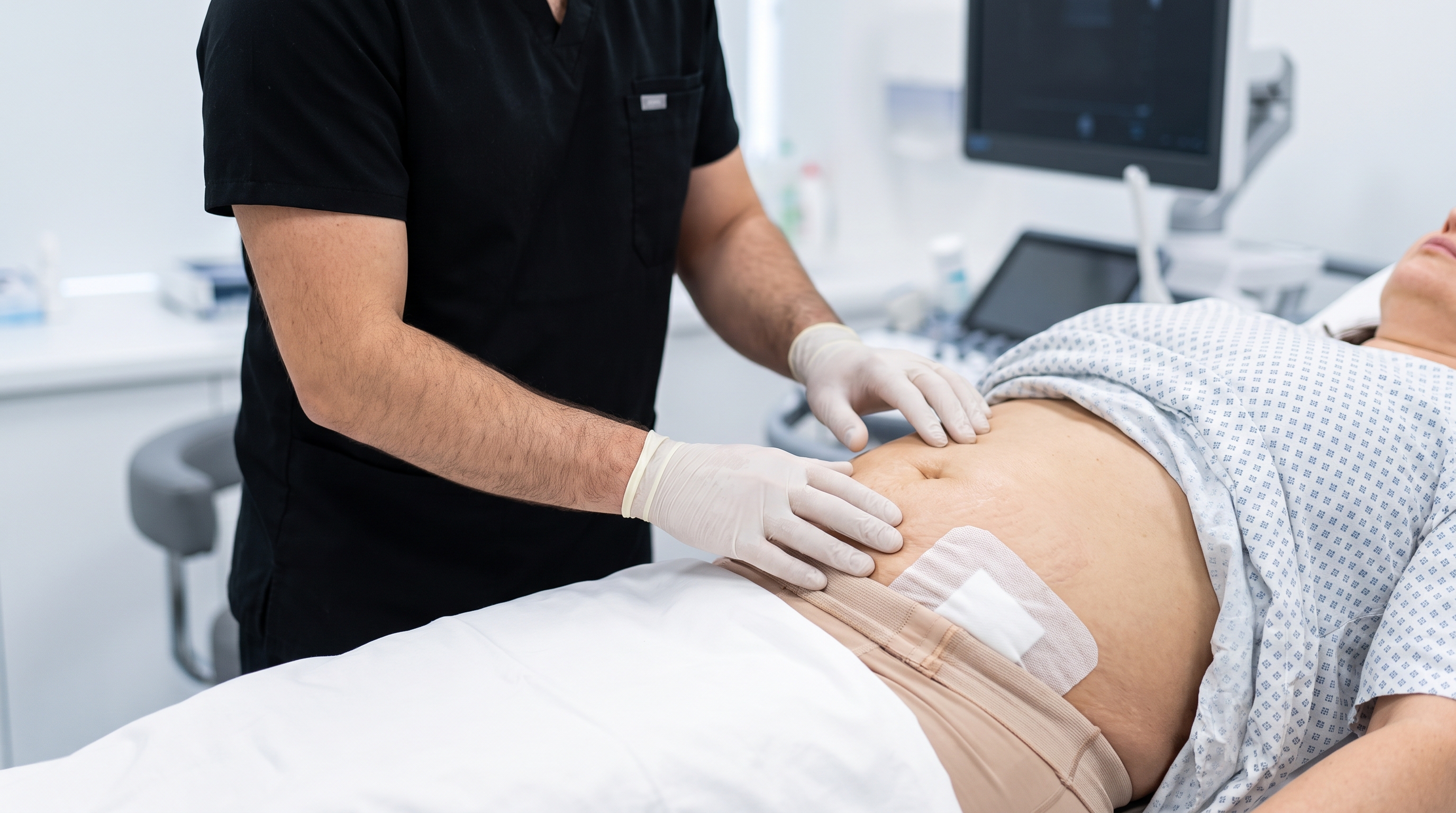
To guarantee rapid, flawless post-operative recovery, you need to strictly follow all recovery guidelines, especially those related to postoperative rest and physical activity restrictions, since, without a doubt, your new aesthetic vectors will be best preserved if you don't place any demands on your body. During this six-to-eight-week recovery phase, all your new tissues, such as the connective tissues at the deep level and the vascular networks under the dermis, need a total absence of mechanical load to be able to form tough collagen bonds. Failure to offer complete physical unloading during that early period may result in such complications as delayed swelling, abnormal, asymmetrical settling of soft tissues, and, most importantly, structural weakening.
A great way to ensure that your new figure is shaped with maximum speed and complete accuracy is to always wear medical compression garments throughout the whole aftercare period, in strict combination with avoiding exercise. This type of compression not only makes space go away but also stops the pooling of bodily fluids and pushes the upper layer of the skin into contact with the tissue beneath it. As a matter of fact, giving up all forms of nicotine and cigarettes is an absolute requirement in order to promote the survival of blood vessels and prevent the formation of a large amount of scar tissue on the incision site as well as other areas of your body, which are already under the effects of surgery.
Body Sculpting in Turkey
Making a decision to go with LIN Europe Clinic is equivalent to choosing to enjoy high-profile medical care, both with respect to aesthetic procedures and structural body reshaping surgery. Our patients are not just handed over the information about the procedure but also the entire process, including the necessary preparation for it, the detailed follow-up, and the soft tissue changes, etc. LIN Europe Clinic is an ideal place where the atmosphere is conducive to achieving the best body contouring results through medical guidance and a high standard of care that prioritizes evidence-based medicine.
Trust your specialists at LIN Europe Clinic in Istanbul, a place where your structure will be monitored precisely without diagnostic compromise or any form of manipulation. We support you from the very early phase of the decision-making process to the postoperative healing stage through personal maps, reviews of tissues at ultra-high resolution, and other tailored checklists that we prepare for patients step by step in line with their tissue maturation schedule.
Frequently asked questions
Does body sculpting work for belly fat?
Yes, body sculpting can effectively reduce stubborn belly fat. It works by surgically removing localized subcutaneous adipose tissue. For permanent results, post-operative care and stable metabolism are crucial.
What type of fat does body sculpting remove?
Body sculpting primarily targets and removes subcutaneous fat, which is the fat layer under the skin. It does not affect visceral fat, which is the internal fat around organs.
How does surgical body sculpting remove fat?
Surgical body sculpting removes fat through aspiration, often after liquefaction with advanced technologies. Surgeons carefully protect the skin and surrounding tissues. The skin then contracts to cover the reshaped musculature.
Who is the ideal candidate for body sculpting?
The best candidates are individuals already within their target weight range. They typically seek to address localized belly fat that is resistant to diet and exercise.
How long is the body sculpting recovery period?
The main recovery period for body sculpting typically lasts six to eight weeks. During this time, strict adherence to post-operative guidelines, including rest and physical activity restrictions, is essential.
This article is general information, not medical advice, and does not replace a consultation. Every procedure carries risk and outcomes vary from person to person.
Last reviewed 9 September 2026