What is the Newest Laser Technology for Vaginoplasty?
Written by LIN Europe Clinic Editorial Team
CO₂ and Er: YAG lasers are newer options.
Advanced Modalities in Neovaginal Tissue Remodeling
Surgically creating a neovagina is an intricate procedure that combines tissue transposition and grafting techniques with careful anatomical shaping to get the right functional volume and aesthetic harmony. Though the main structural work relies on traditional surgical techniques, post-operative care may offer chances for combining various modalities to improve the quality of tissue, decrease scars, and optimize the mucous properties of the newly formed canal.
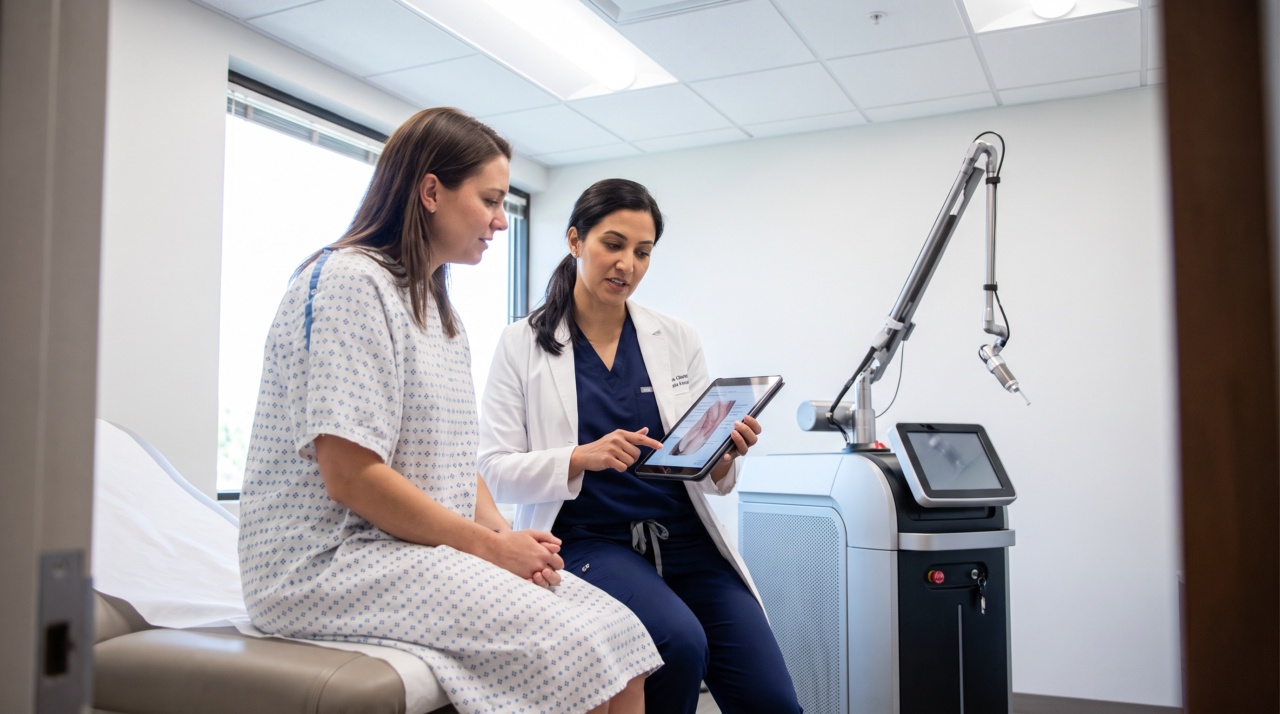
From a definitive clinical view, the newest laser techniques are not replacing major surgery for vaginal reconstruction but are becoming more of a combination therapy to tackle some post-operative issues like fine-tuning scars, enhancing neovaginal texture and elasticity to a great extent, and overall tissue vitality. Most breakthrough improvements are through fractional ablative and non-ablative laser devices, especially ones that use CO2 and Er: YAG wavelengths, precisely designed for controlled dermal remodeling and epithelial regeneration.
Photobiomodulation and Extracellular Matrix Enhancement
The way fractional laser devices work clinically is by inducing wound healing processes through controlled wound microthermal zones in the tissue, without extensive ablation of the dermis. These micro-injuries, if kept within their boundaries, result in the rapid multiplication of fibroblasts, increased collagen production, and the regeneration of the extracellular matrix, which results in an increase in the elasticity of the tissues along with the restoration of structural integrity as well as a marked cut-down in the fibrotic scar tissue that remains after such surgeries. The lasers have the selective photothermolysis capability of the lasers that allow delivery of localized thermal energy, which in turn reduces thermal injury to nearby, sensitive tissues.
Moreover, fractional laser treatment also increases the rate of neovascularization, i.e., the creation of a new blood vessel network, thus providing a better nutrient and blood supply for the new vaginal mucosa, one of the important prerequisites for healthy, long-lasting tissue. This change in the structure of the dermal layer and the promotion of normal development of the mucous membranes can make a big difference for the functional aspects of the neovagina, such as pain on penetration, insufficient hydration and tightness, therefore, leading to a greater likelihood of having functional and aesthetic results that satisfy both the patients and the specialists after a longer period of time.
Precision in Scar Modulation and Mucosal Optimization
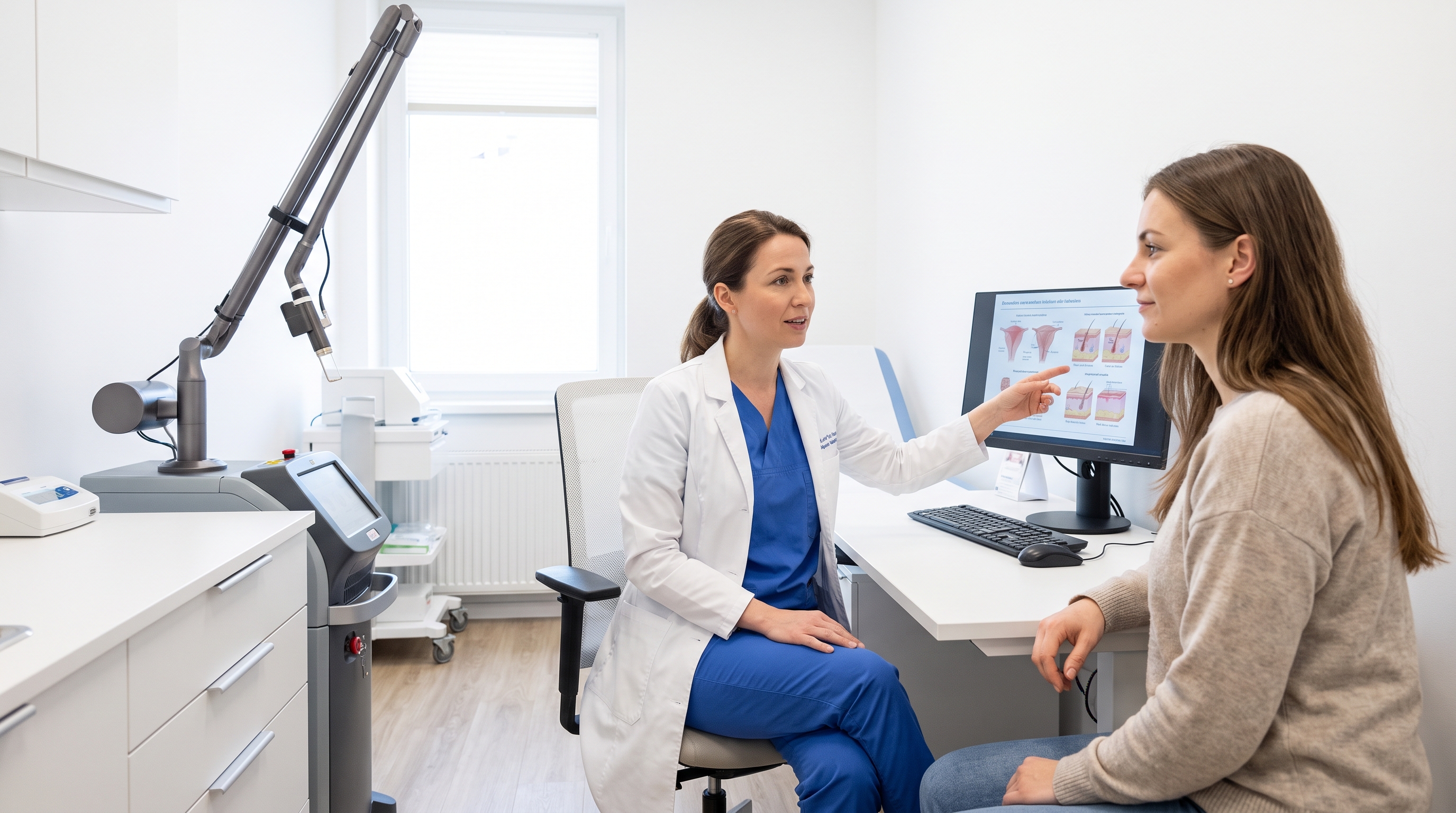
A qualified candidate for the post-vaginoplasty laser intervention will go through a very rigorous selection process, usually involving people who have experienced keloidal or hypertrophic scarring at the entrance of the vagina after the surgery, or who have issues with the condition of their neovaginal mucosa, also considering a subset of patients who want their new reconstructed anatomy to be both pliable and to look its best after surgery.
Laser parameters such as wavelength, pulse duration, energy density, etc. have to be decided after taking into account the patient's tissue type and the specific treatment goal, whether, for example, flattening of the scar lines, modification of skin color, or increasing the health and nutritive status of mucosal tissues. An example is that one of the laser treatments is the fractional high-energy CO2 laser that produces channels through which topical medications reach the depth and, at the same time, results in deep collagen remodelling, so such lasers are really excellent at overcoming even the most resistant scar tissues.
Preserving Structural Integrity and Post-Operative Boundaries
The time frame after vaginoplasty, which starts from 6 to 8 weeks, is a vital healing period during which the regenerated and grafted tissue is especially delicate and susceptible to a variety of factors that can either help or hamper healing. In particular, a new network of blood, tissue structure, and fascial layers develops through this time period. For that matter, post-operative protocols must be fully and flawlessly complied with that cover all aspects of mechanically protecting the graft, starting from following precisely the instructions regarding the usage of dilators, which are supposed to help keep the neovagina open in width and depth after some time, and ending at completely refusing to touch anything by pressing it hard or creating friction that could destroy the taking of the graft or cause damage to a very young structure of tissues.
A violation of even one element of the rules here could result in permanent issues, such as narrowing of the canal or loss of the outline of the genital organs. One of the absolutely non-negotiable reasons for having the medical-grade compression garments worn, as prescribed, is to not only help reduce swelling and support subcutaneous fat layers and skin layers but also prevent the formation of a liquid-filled bump (seroma) which would not only be painful but also delay healing as well as help ensure that the two halves of a surgical flap stay in contact with the base tissue for good healing to take place.
LIN Europe Clinic
The fact that you will receive service at LIN Europe Clinic means that you will be part of a world-famous medical haven of excellence. We never compromise on our high clinical standards, deep empathy toward the patient as a person, and a firm belief in the importance of scientific evidence in medical practice. LIN Europe Clinic in Turkey is a place recognized internationally for offering the most luxurious yet highly advanced medical facilities where patients will experience highly accurate and efficient surgical treatments performed with the greatest consideration for each client's unique situation and needs.
Your entire journey of medical care starting with a meeting, proceeding through the actual operations and coming back home with complete post-operative follow-up shall not only be handled with the most painstaking attention to detail possible by LIN Europe Clinic's top professionals but shall also take place in a setting where you feel comfortable, safe, and free to be yourself without fear of being judged or having others see you. With its great team of professionals at LIN Europe Clinic in Istanbul, we can ensure the structural and other aspects are under constant surveillance through highly accurate diagnostic monitoring, and you receive only the best care during each phase of your recovery and enhancement; all of it is being managed under the watchful eyes of the experts.
Frequently Asked Questions
What role do lasers play in primary vaginoplasty surgery?
Lasers are not typically used for the primary surgical creation of the neovagina itself, which relies on established reconstructive surgical techniques involving tissue dissection, grafting, and anatomical rearrangement. Their primary utility lies in adjunctive post-operative refinement.
Can laser treatments improve scar appearance after vaginoplasty?
Yes, advanced fractional ablative and non-ablative lasers are highly effective in modulating post-surgical scarring. They work by stimulating collagen remodeling and improving tissue texture, significantly reducing the prominence and rigidity of hypertrophic or keloidal scars.
Are laser treatments painful, and what is the recovery like?
Laser treatments are typically performed with topical anesthesia, and patient comfort is prioritized. Recovery varies based on the intensity of the treatment, but generally involves mild redness and swelling for a few days, with specific post-care instructions provided.
How many laser sessions are usually required for optimal results?
The number of sessions required is highly individualized, depending on the specific post-operative concerns being addressed and the patient's tissue response. A series of treatments, often spaced several weeks apart, is commonly recommended to achieve optimal outcomes.
Are there any specific risks associated with laser treatments in the neovagina?
While generally safe when performed by experienced practitioners, potential risks include temporary redness, swelling, hyperpigmentation or hypopigmentation, and rarely, infection or blistering. Comprehensive pre-treatment assessment and adherence to post-care instructions minimize these risks.
This article is general information, not medical advice, and does not replace a consultation. Every procedure carries risk and outcomes vary from person to person.
Last reviewed 27 August 2026