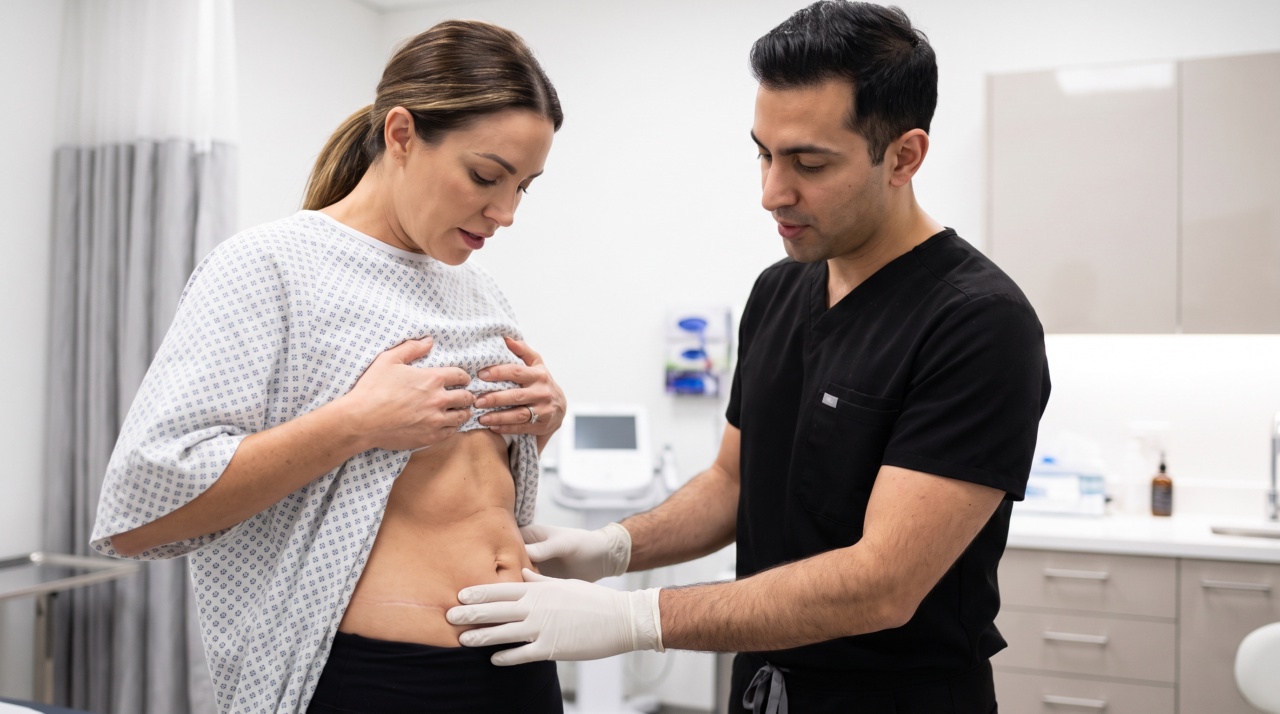
It reshapes the abdomen by reducing fat and loose skin.
The Clinical Scope of Abdominal Reshaping
At an expert structural plastic surgery level, body contouring on the stomach is a single term that covers different specialized procedures of structuring, flattening, and enhancing the appearance of the body's midsection in general. Body fat loss, the global shrinking of fat cells, in the case of a belly reduction, is the opposite of abdominal contouring, which physically changes the internal anatomical structure of the core area through surgical procedures that target three components of the abdominal wall: subcutaneous superficial fat cells, overlying skin layers, and deep muscular fascia wall.
On a clinical level, real abdominal contouring is a very rare one-size-fits-all surgical solution; it mostly involves highly individualised diagnostic evaluation of the patient's skin condition and body tissue. The skin contouring procedures could be done via the most effective method of fat removal for people who have naturally good skin elasticity, and their problem is solely localized fat that is diet-resistant. Whereas for post-major weight loss patients or individuals who have undergone multiple pregnancies, cosmetic surgery must address skin sagging (laxity) and core muscle separation; thus, a complex reconstructive approach to recreate the flat, taut core with an appealing young abdominal profile.
High-Definition Liposuction and Targeted Fat Removal
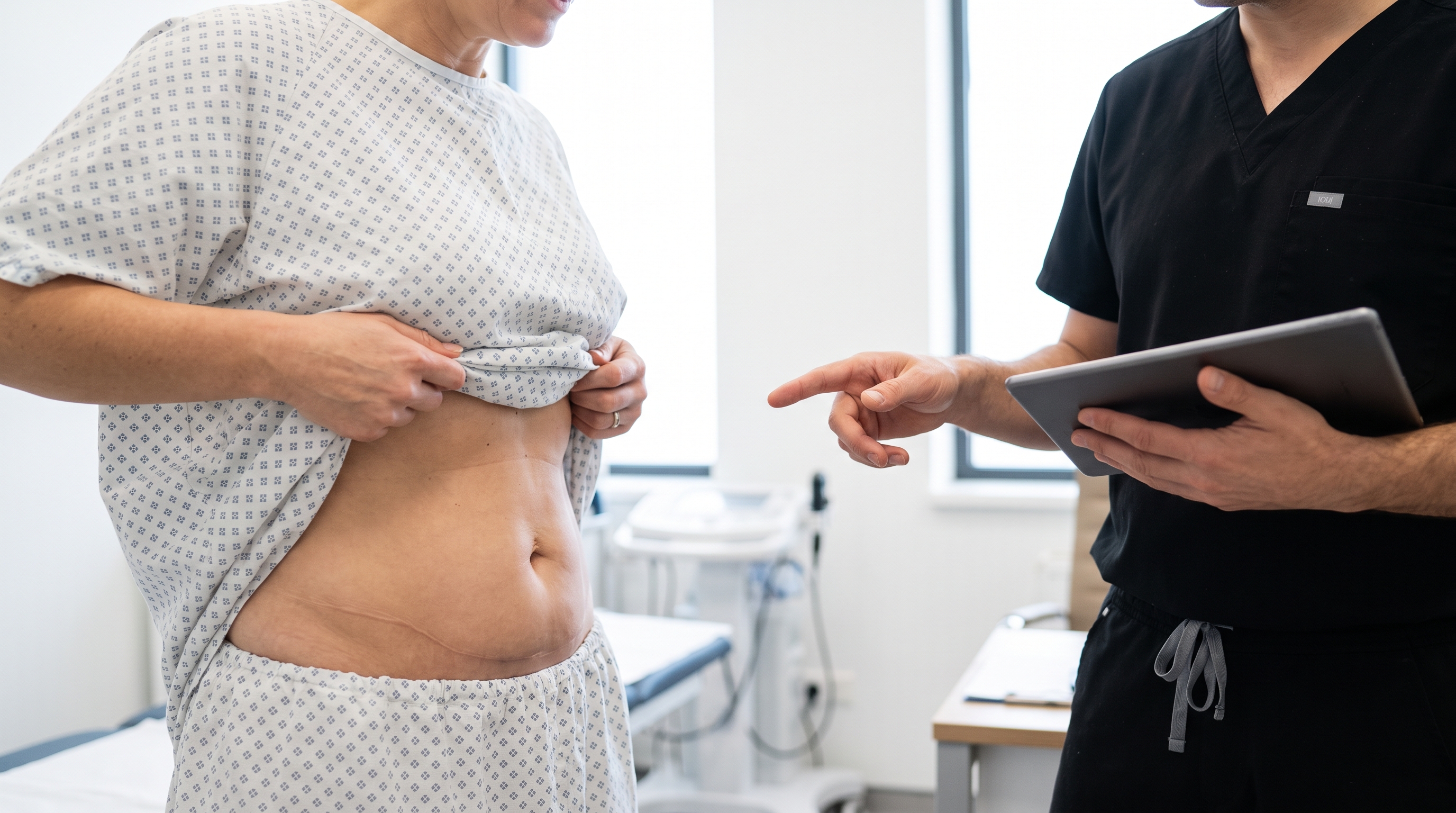
High-Definition Liposuction is the latest technique available to patients who are physically fit with elastic skin and solid underlying muscles that can support the skin after fat removal as their best aesthetic outcome. This has been developed over time, with plastic surgeons abandoning the outdated method of dry liposuction, which was very aggressive and did major damage to tissues. Today, liposuction is done under local anaesthetic with the help of ultrasound technology like VASER that targets and emulsifies fat cells without damaging surrounding blood vessels and nerves, thus enabling much safer surgeries and significantly reduced bruising.
High-def liposuction goes further in fat removal and body contouring by implementing a three-dimensional fat layer sculpting technique where fat is removed from the lower abdomen to flatten the tummy and selectively the skin above the vertical lines of abdominal muscles, i.e., linea semilunaris, and the midline, i.e., linea alba, is also thinned leaving only a very thin layer of superficial (outermost) fat, resulting in the sculpted look of "6 pack" by a surgeon wrapping the skin very tightly after removing all excess fatty tissue so that the underlying muscles are clearly seen without any exercise. In fact, many men and women get only the abdominal portion of liposuction and no other part of the body.
Full Abdominoplasty (Tummy Tuck) with Muscle Tightening
In situations where there's a severe problem like stretched-out, inelastic skin folds hanging down under the abdomen or a big, sagging lower abdominal area, the best choice is to have a full abdominoplasty (more commonly known as a "tummy tuck"). The reason why the skin loses its original stretch is that either the skin has been overstretched for a long time or there has been a sudden reduction of fat under the skin or both.
The most critical part of full abdominoplasty, which involves removal of excess skin around the stomach region through a hidden incision, is the internal part of muscle repair work. The surgeon, by utilizing heavy and non-absorbable suture material, carefully joins the separated muscles of the tummy together (the mid-line muscles), thereby narrowing the waist circumference (hiding the mid-line), flattening the abdomen, increasing core strength of the body, resulting in a flat and tight midsection and so a perfect abdominal contour.
Preserving Structural Integrity and Post-Operative Boundaries
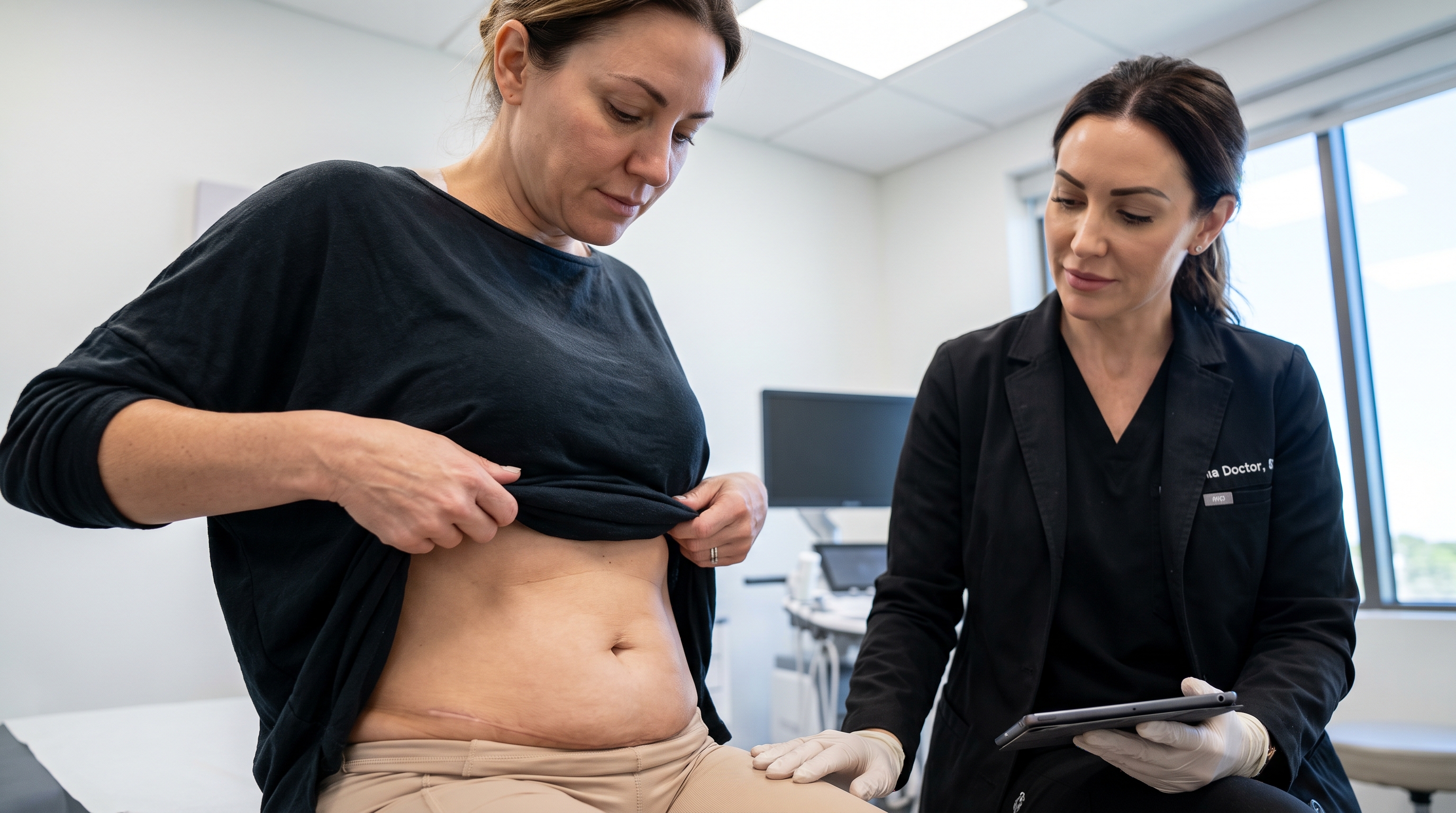
If you are a person who is very concerned not only about your physical appearance or your health but also about the perfection of your body profile, you have to understand that respecting the post-operative protective and behavioral boundaries is critical throughout your recovery period. Whether you had a full high-def liposuction or a complete abdominoplasty, the new fat cell void spaces, delicate muscle repairs, and newly formed fascial adhesions are entirely dependent on a perfect absence of mechanical stress so they can build solid connective tissue bonds to stabilize the contours you will love within four to six weeks.
Your abdominal muscles are going to be tightened and repositioned while a part of the skin is taken out in the surgery. This is quite a sensitive operation, especially since the area under the skin will be quite swollen with the formation of blood capillaries, and it will take some time for your body to heal up completely. To be sure of this successful transition to your sculpted body, you have to wear your compression belly wrap 24/7 for the first three weeks following the operation to make the skin close the space and stick directly to the underlying muscle. The only way the postoperative swelling is effectively reduced is with the help of high-pressure compression, which also helps minimize the risk of seromas, or collections of fluid, and prevents friction and gravity from interfering with the muscular contours.
LIN Europe Clinic
Opting for LIN Europe Clinic implies you will enjoy one of the leading luxury medical destinations globally, as your beauty treatments will be handled by very experienced plastic surgeons and aesthetic specialists who will provide you with a combination of advanced technical skills and profound understanding of patients' needs.
You can relax and enjoy yourself knowing that your safety, health, and your beautiful new profile have been the priorities of a committed group of professionals at LIN Europe Clinic, who will provide you with medical supervision in a way that only the best medical practices worldwide are capable of. We will not make compromises on the standards of medical excellence that we set for ourselves to ensure that you receive a world-class service and that your satisfaction with your new look will never end.
Frequently asked questions
What is the difference between abdominal contouring and general fat loss?
Abdominal contouring, or body contouring on the stomach, physically changes the internal anatomical structure of the core area through surgical procedures. This differs from general fat loss, which involves the global shrinking of fat cells, often achieved through diet and exercise. Abdominal contouring specifically targets subcutaneous fat cells, skin layers, and deep muscular fascia for reshaping.
Who is an ideal candidate for High-Definition Liposuction?
High-Definition Liposuction is best suited for physically fit patients who possess good skin elasticity and solid underlying abdominal muscles. These individuals typically have localized, diet-resistant fat as their primary concern. The procedure is designed to enhance their existing physique for optimal aesthetic outcomes.
How does High-Definition Liposuction achieve a sculpted "6-pack" appearance?
This technique utilizes a three-dimensional fat layer sculpting approach, removing fat from the lower abdomen and selectively thinning the skin above the abdominal muscles. By leaving only a very thin layer of superficial fat and wrapping the skin tightly, it allows the underlying muscles to be clearly visible. This creates the coveted "6-pack" look without requiring exercise to define the muscles post-surgery.
What is the role of muscle tightening in a full abdominoplasty (tummy tuck)?
In a full abdominoplasty, the surgeon carefully joins separated mid-line abdominal muscles using heavy, non-absorbable sutures. This crucial step narrows the waist circumference, flattens the abdomen, and significantly increases the body's core strength. The muscle repair results in a taut, flat midsection and a more youthful abdominal profile.
What post-operative care is essential for successful recovery after abdominal contouring?
To ensure a successful recovery and stabilize the new contours, it is critical to avoid mechanical stress on the newly formed fat cell void spaces, delicate muscle repairs, and fascial adhesions. Patients must wear a compression belly wrap 24/7 for the first three weeks post-operation. This high-pressure compression helps reduce swelling, minimizes the risk of fluid collections (seromas), and ensures the skin adheres directly to the underlying muscle.
This article is general information, not medical advice, and does not replace a consultation. Every procedure carries risk and outcomes vary from person to person.
Last reviewed 3 September 2026