How Much Weight Do You Lose with Skin Removal Surgery?

Medically reviewed by Op. Dr. EmrePlastic and Aesthetic Surgeon
Usually a few pounds, depending on excess skin.
The Clinical Reality of Tissue Excision vs. Weight Loss
In the advanced discipline of structural body contouring and post-bariatric reconstructive surgery, people tend to overlook that skin removal surgery mainly functions as an architectural body-reshaping tool and not as a means of weight loss. Weight-loss patients commonly wrongly think that when loose, heavy, hanging skin is cut away by surgeons, they will suddenly weigh a lot less again. In truth, even the most stretched-out skin tissue is still very light when compared to the heavier and bulkier muscle tissue or fat tissue found in the deep visceral layers.
Patient education about this is very important because a skin removal operation is only done to get rid of saggy, excess skin that has been stretched out and has lost its elastic qualities. Surgeons remove this skin to allow them to reach, tighten and repair the deep muscles beneath the skin so your body silhouette will again look fit and nicely proportioned. The actual benefit of this procedure will be the number of inches that have been lost from your body, reduction of skin irritation, and better fitting of clothes, and not another number of pounds on the scales.
Average Weight Reductions by Procedure
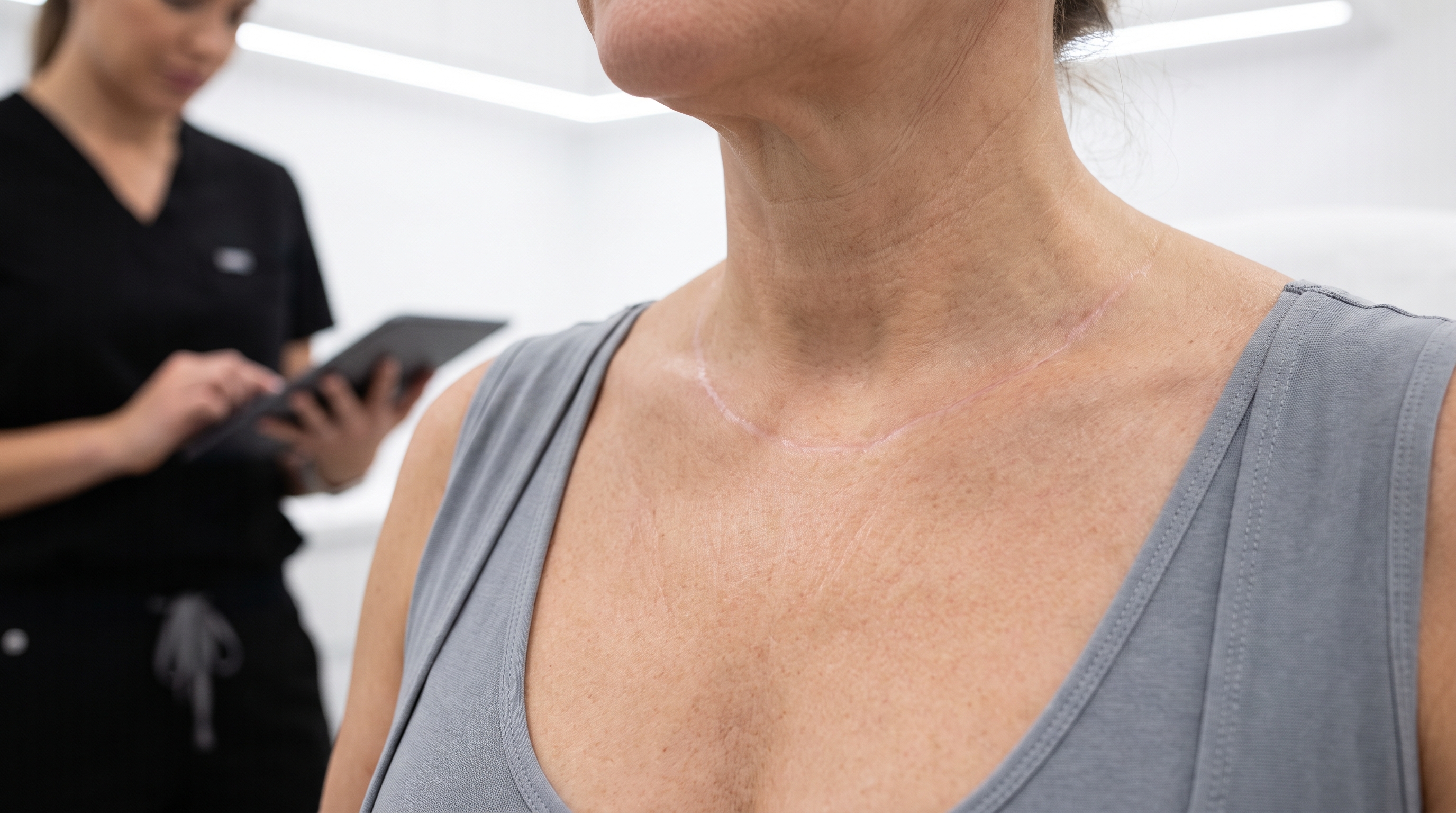
The amount of weight one can expect to lose via different skin contouring procedures such as abdominoplasty, panniculectomy, body lift, and the combinations of these procedures is quite difficult to generalize as a rule for weight loss. In the case of a simple tummy tuck that involves removal of skin and soft fat from the lower abdomen area only, one usually expects a patient to lose only about 3 to 5 pounds or 1.5 to 2.5 kg. A major panniculectomy, on the contrary, could result in removal of a huge mass of fat weighing from as low as 5 up to 10 pounds, and in medical exceptions, even more.
A full circumferential lower-body lift that addresses abdomen, lower back, flanks and buttocks at the same time usually results in removal of the skin weighing between 7 and 15 pounds (3 to 7 kg). When multiple surgical procedures such as arm and thigh lifts are added together with the initial body lift, it will only be up to 15 to 20 pounds that is the maximum amount of tissue to be removed. So even though the new look will definitely be a dramatic change, you must understand that the weight of the removed tissue constitutes only a small portion of your weight-loss journey as a whole.
Post-Operative Swelling and Scale Fluctuations
One of the main psychological difficulties a skin removal surgery candidate has to face is post-operative weight scale fluctuation right after the operation. A person who has physically lost a few pounds of fat and skin in a surgery room suddenly discovers that upon waking up, he still weighs the same or even gains some! This paradoxical situation is mainly due to a very strong and extensive fluid retention (swelling) all over the body caused by surgery, together with the massive fluids given to the patient through a small catheter in the vein to keep the blood pressure stable during anesthesia and the surgical operation itself.
After a major tissue removal (extraction of tissue and skin removal) operation takes place, the lymph system (the one that removes toxins and extra fluids in the body) becomes very active to deal with the huge wound sites inside the body and protect them by letting a lot of fluid go into these injured areas. As a result, one can retain up to 5 to 10 pounds of water weight during the first weeks of the healing process. It takes a few months for the swelling to fully settle down, and that is a good time to step on the scale so as not to be misled by a temporary number. That is one of the main reasons a plastic surgeon will ask patients very politely not to weigh themselves during the early healing period.
Protecting Your New Body - Post-operative Care Rules
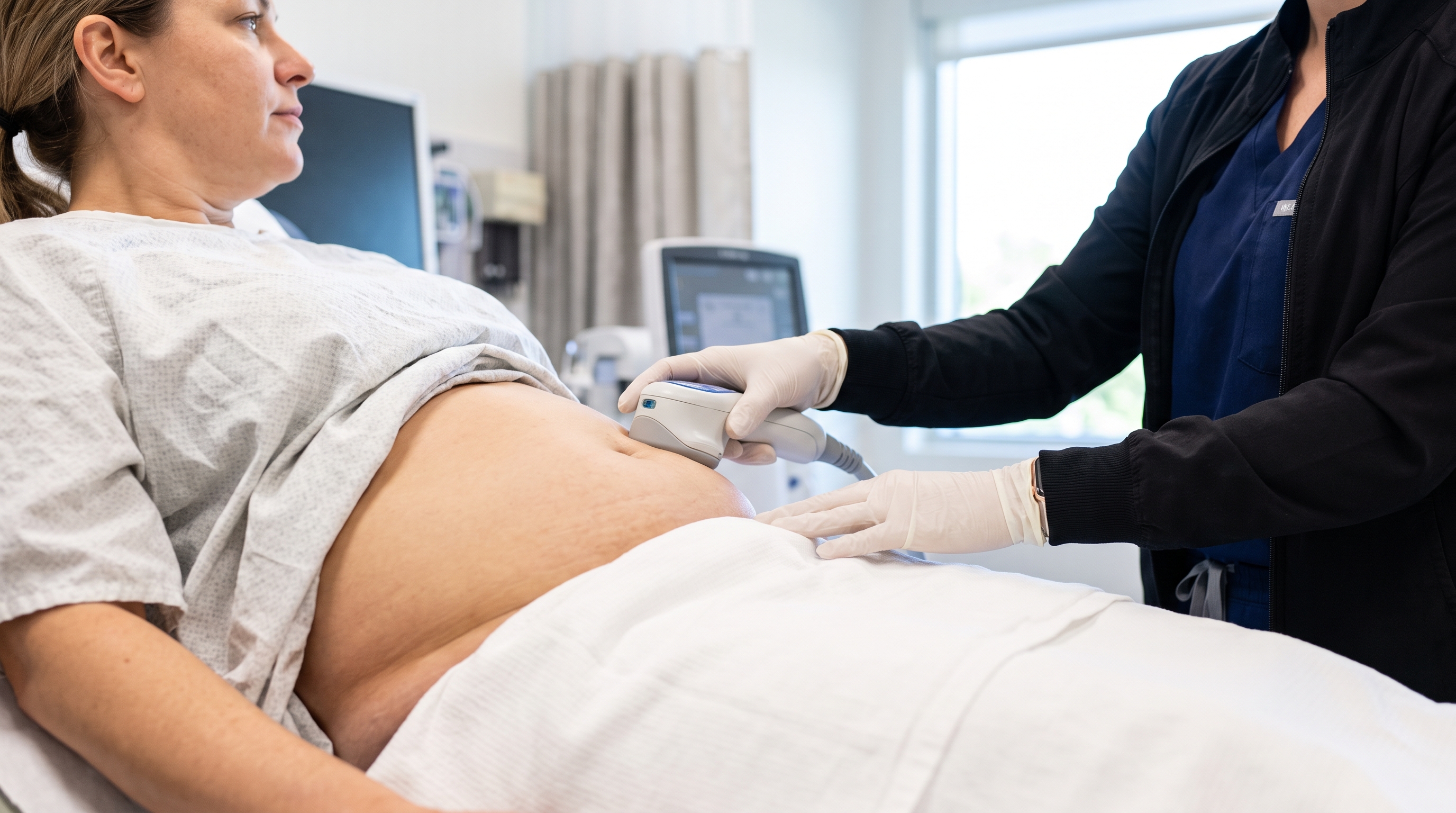
For body transformation patients, it is of utmost importance that they stick to postoperative recommendations and guidelines strictly. Their bodies are still at their weakest when it comes to healing, and their new tightened skin flaps and multi-directional incisions rely on mechanical protection for the formation of solid collagen bonds in that critical initial stage of six to eight weeks after the surgery. Without physical support, early gravitational pull and heavy movement are able to cause strain to the internal support structures (fascial anchors), thus resulting in wound dehiscence and the development of wide hypertrophic scars.
There is no short-cut way to achieving a firm, sculpted look. The most effective way, apart from the surgery itself, would be to wear the doctor-prescribed compression garments continuously for 4 to 6 weeks without any breaks. This high-pressure localized compression has the effect of filling the surgical pockets with blood fluid and preventing the development of fluid pouches (seromas), also making the skin glue tightly to the new underlying structure.
LIN Europe Clinic
Choosing to have cosmetic surgery at LIN Europe Clinic means being surrounded by world-class medical facilities and, at the same time, being treated like a cherished guest who is highly regarded and empathized with. The clinical precision, compassionate care, and very high standards we observe at our medical center in Turkey have made this clinic an international hub for those patients who need advanced body contouring and post-plastic surgery care services.
Our surgical specialists work in a safe and professional environment where every aspect of the surgical and post-operative processes is handled with the greatest care and respect at LIN Europe Clinic, Istanbul. We are able to ensure that your cosmetic surgery is not only safe but a pleasant and satisfying experience for you as well. You can read through all the information related to our services.
Frequently asked questions
How much weight can I expect to lose from skin removal surgery?
The amount of weight lost varies significantly by procedure. A simple tummy tuck might result in a loss of 3 to 5 pounds, while a major panniculectomy could remove 5 to 10 pounds or more. For a comprehensive lower-body lift, patients typically lose between 7 and 15 pounds of tissue.
Is skin removal surgery primarily a weight-loss procedure?
No, skin removal surgery is primarily an architectural body-reshaping tool rather than a means of significant weight loss. Its main purpose is to remove excess, saggy skin that has lost its elasticity, allowing surgeons to tighten underlying muscles and improve body contours. The actual removed skin tissue is relatively light compared to fat or muscle.
Why might my weight fluctuate or even increase right after skin removal surgery?
It's common to experience temporary weight fluctuations or even a slight increase immediately after surgery due to extensive fluid retention (swelling) and the intravenous fluids administered during the procedure. Your body's lymphatic system becomes very active, directing fluids to the surgical sites for healing, which can result in retaining 5 to 10 pounds of water weight in the initial weeks. It's advisable to avoid weighing yourself during the early healing period.
What are the primary benefits of skin removal surgery beyond weight reduction?
The main benefits of skin removal surgery include a reduction in inches from your body, alleviation of skin irritation, and improved fit of clothing. The procedure also helps to restore a more proportionate and fit body silhouette by tightening deep muscles beneath the skin. This transformation focuses on contour and comfort rather than just the number on the scale.
How important is post-operative care, such as wearing compression garments, after skin removal surgery?
Strict adherence to post-operative recommendations is crucial for optimal results and healing. Wearing doctor-prescribed compression garments continuously for 4 to 6 weeks provides essential mechanical support, preventing fluid accumulation (seromas) and helping the skin adhere tightly to the new underlying structures. This support is vital for the formation of strong collagen bonds and for preventing complications like wound dehiscence.
This article is general information, not medical advice, and does not replace a consultation. Every procedure carries risk and outcomes vary from person to person.
Last reviewed 3 September 2026