Breast Reduction: How to Decrease Breast Size with Surgery?

Medically reviewed by Op. Dr. EmrePlastic and Aesthetic Surgeon
Breast reduction removes excess breast tissue, fat, and skin.
The Clinical Anatomy of Macromastia and The Need for Surgery
For women who have macromastia, a condition of mammoth-sized, heavy breasts that do not fit one's body proportions, they are physically and psychologically burdened, making it difficult to sleep properly or get up from a chair or sofa easily. Besides, back pain and grooving from bra straps are very frequent symptoms that come with macromastia, and the deterioration of spinal posture is even worse. Though it is possible to get rid of fat by means of vigorous workouts and weight loss, it is not possible for them to alter the fibrous tissue of the breast by those methods, especially when the breast volume is mainly composed of heavy, fibrocystic glandular tissue. Non-surgical methods basically give no physical relief for such patients.
A breast reduction surgery (reduction mammaplasty) is the only scientifically confirmed permanent method to significantly reduce breast size. This advanced reconstructive technique physically excises extra skin, fat, and dense glandular tissue, which exert mechanical stress on the upper part of the spine. The procedure removes such localized weight that the spinal stress is immediately relieved and the upper body contour is proportionally balanced and functionally comfortable restored.
Excisional Techniques and Incision Architecture
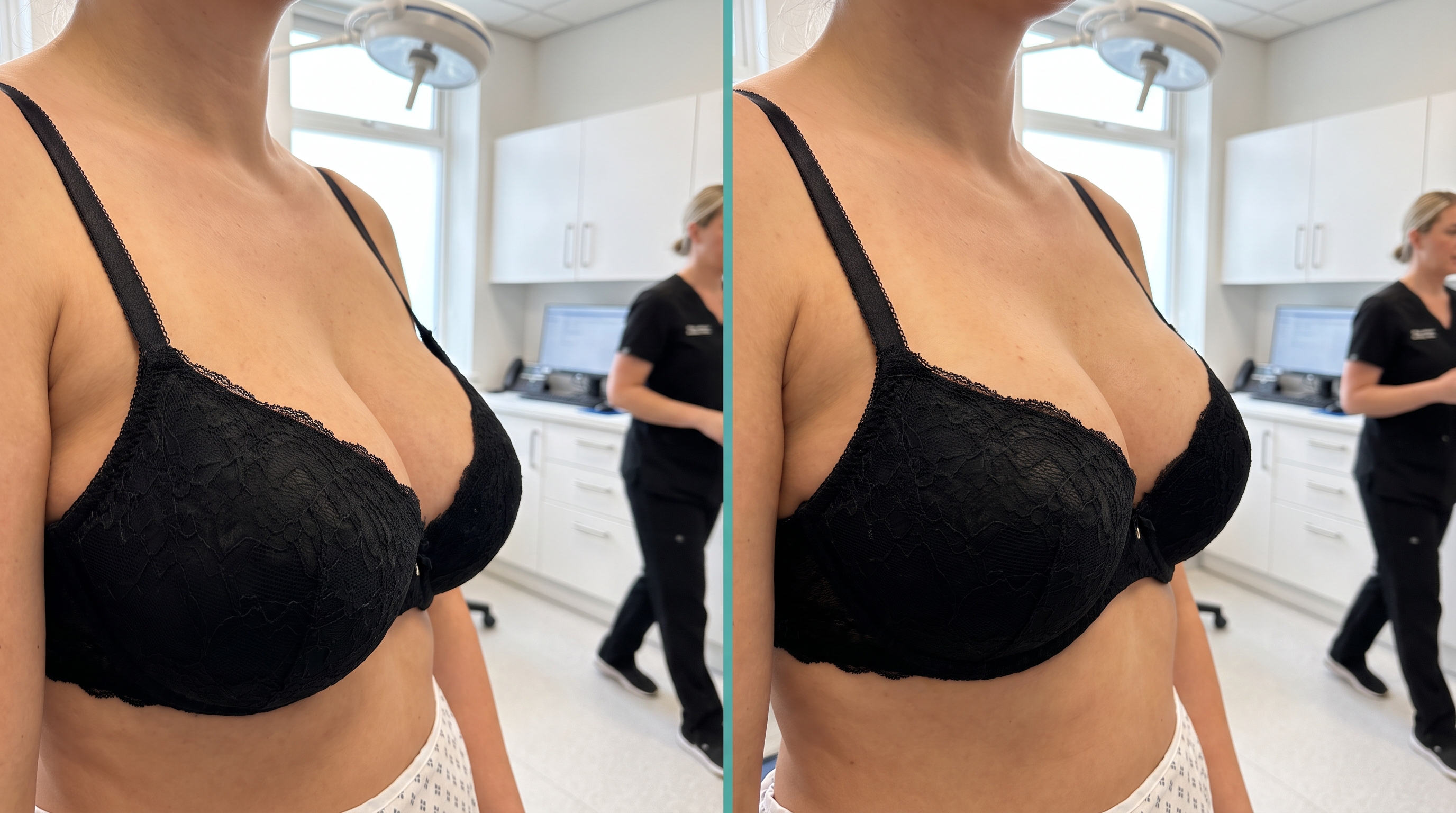
As a matter of fact, if one intends to go ahead with a procedure that aims at reducing breasts, a detailed and well-thought-out work plan of a medical and technical nature is the primary step. In order to achieve the purpose of removing the maximum volume and also to avoid skin sagging (ptosis), experienced and certified physicians use a variety of incision designs with precision. A Wise pattern, which is the "anchor" incision, is universally adopted as the best option for massive volume reductions and is very popular in clinical practice. This incision design goes around the areolar region, goes down vertically along the middle of the lower breast, and then ends in the natural skin fold below the breast, which runs horizontally at the inframammary level.
Via such a well-planned anatomical access, the surgeon carefully and step-by-step excises several layers of heavy glandular and fatty tissues, which were in excess. The only thing here is to have a proper surgical incision according to the extent of volume to be removed and ptosis to be corrected. If you can be satisfied with just a small reduction and are not facing major skin loosening, perhaps you may opt only for a vertical lollipop-like incision instead and thereby avoid getting a horizontally located scar right below your breast fold.
Making New Breast Shapes from Tissues After Removal
The task of making a breast size reduction is more than a simple task of removing tissue from the breasts. It is rather a highly complex and extremely advanced procedure that entails complete reshaping, as it will be done through reconstruction surgery. The gravity and the immense weight of a massive breast naturally pull it down, and the NAC (nipple-areolar complex) has to be relocated to a considerable height to sit perfectly at the natural, youthful summit of a small breast mound. As far as maintaining sensation as well as blood circulation is concerned, it is very rare to cut the nipple off, and even the removal of the NAC is considered a drastic solution but the surgical technique generally adopted is keeping the NAC intact and attached to the vascular pedicle or the small piece of living internal tissue on its way upwards to its new position.
Then the surgeon sews deep stitches through the skin or tissue layers that were left so that they would fold together and form a firm, upstanding, and structurally stable shape of a breast mound. Afterwards, the skin flap or layer over the newly formed gland is carefully tailored or trimmed and covered or sutured together over this foundation of glandular tissues. Such a major internal structural reshaping, to say it is a miracle, will definitely result in the new, much smaller breasts having a young and upward-facing profile and not to "bottom-out" or flatten after the swelling completely disappears.
Maintaining and Protecting the Tissues' New Structures
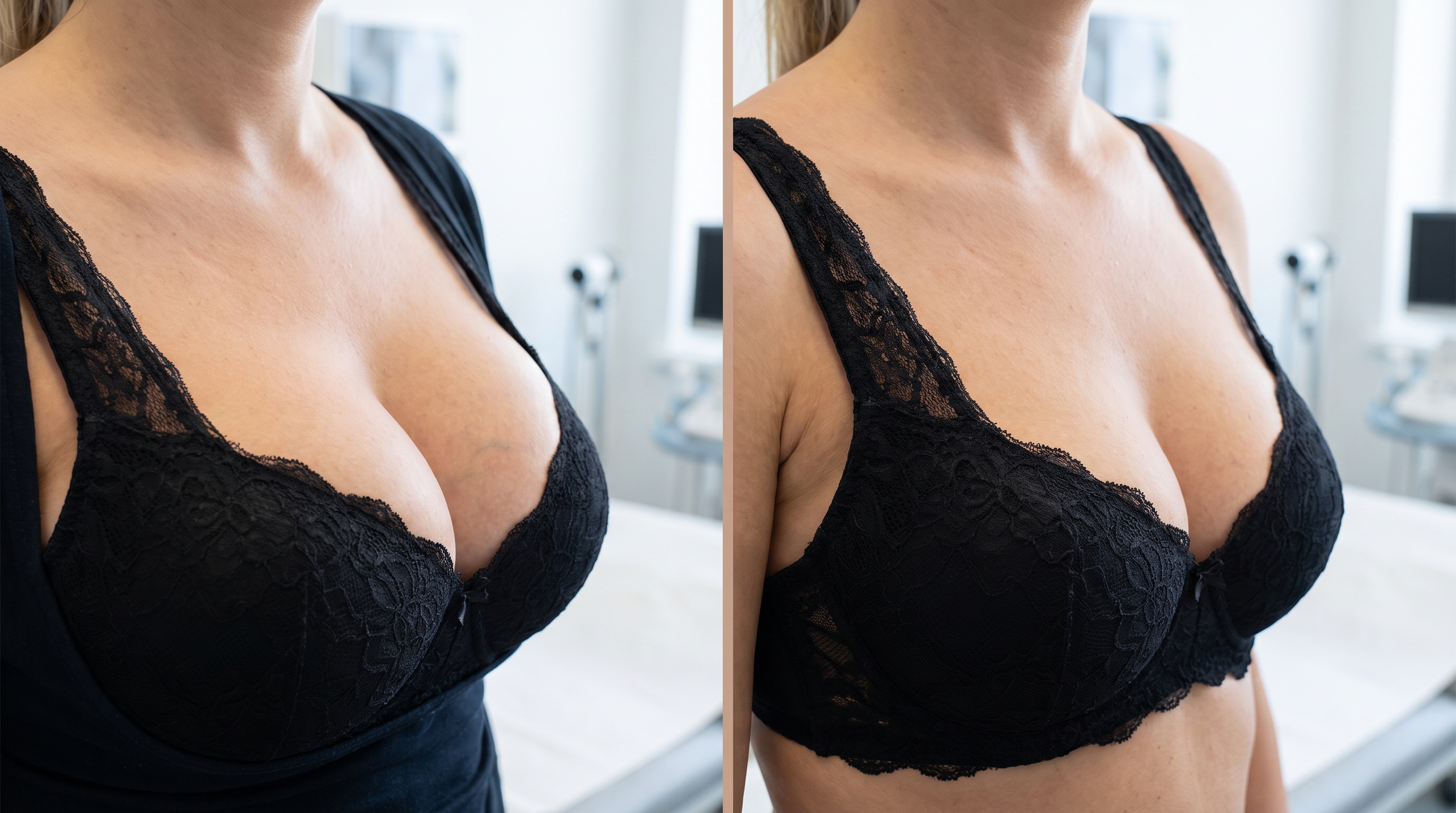
If you want to ensure an excellent result from your body contouring surgery, you have to stick very strictly to protective measures and avoid dangerous lifestyles during the healing period. This newly sculpted skin flap, displaced NAC, and internal remodeling sutures have to develop strong collagen bonds without interruption from any sort of mechanical stress throughout the healing stage that lasts about six to eight weeks following the reduction mammaplasty procedure. A lack of such unrelenting support would allow early gravitational forces to overstretch the fresh scars, widen the scars, and destroy your overall appearance.
In order for your freshly reshaped breasts to heal with as much structural accuracy as possible, you will be required to wear the very specially designed compression surgical brassiere at all times during the first four-to-six-month period. It is this medical product that helps to prevent the mechanical dragging of the body, the unwanted accumulation of blood or fluid beneath the skin, and simultaneously supports the tissues during healing. You also have to avoid sleeping on your side to avoid exposing your breasts to pressure on one side. The prohibition of tobacco in any form is strict and nonnegotiable: nicotine causes constriction of the very small blood vessels and thus cuts off the blood flow carrying oxygen that is so desperately needed for the healthy recovery and regeneration of the mobile tissues after surgery.
LIN Europe Clinic
Choosing LIN Europe Clinic will mean that your life will become one where you are always surrounded by the highest quality of care, professional competence, and clinical perfection. This facility is well known among the top plastic surgery centers worldwide for its unique medical environment and the high-quality surgical procedures done by a group of skilled professionals. Our surgeons who work here understand that there are only a handful of surgeons who master the difficult skills to precisely execute surgical steps necessary for a successful reduction mammoplasty procedure while at the same time maintaining the patient's aesthetic satisfaction throughout every aspect of their journey. It doesn't mean that other places do it wrong; it just means that there are not enough surgeons with the same knowledge and experience here.
At all times, our senior medical staff, being fully responsible for protecting your investments in your look and your internal wellness, will be with you through your journey until you feel safe and at peace in your new physical and psychological state, which is the point of having a new look and a new you.
Frequently asked questions
How does a surgeon decrease breast size during a breast reduction?
The surgeon decreases the breast size by cutting the appropriate tissues with precision and physically taking away excessive fat, skin, and dense tissue, mostly glandular, from the bottom and outer sides of the breasts and, lastly, lifting and reshaping the remaining tissues into a smaller, upright contour.
Can I decrease my breast size without surgery?
If most of your breasts are made of fat tissue, then substantial weight loss may bring about a decrease in breast size. However, if they are heavy because of glandular tissue (which is a very common case), your breasts won't get smaller with diet and exercise alone, and surgery will be the only solution.
Are the nipples removed during a breast reduction?
In the majority of cases, certainly not, as is the reason that in most cases the nipple and areola remain connected with the underlying blood supply and nerves (the structure is termed a vascular pedicle) and are merely relocated to a higher, rejuvenated position on the new breast mound.
What kind of scars will I have after a breast reduction?
The most common scars are in the "anchor" style, which wraps around the areola, runs down from the center of the breast, goes under a small incision, and ends at a horizontal cut in the breast crease area. As time passes, usually from 12 to 18 months after surgery, these surgical scars will become less noticeable and the bra and swimmers will help you to hide them very easily.
How long does it take to recover from breast reduction surgery?
About 90% of patients are able to go back to the office environment and light housework 10 to 14 days after surgery. Still, you must wear the surgeon's compression bra for the whole period (which lasts 6 weeks), and you must avoid heavy lifting, running, or upper-body exercises entirely, as this will only slow down the healing of the internal tissues.
This article is general information, not medical advice, and does not replace a consultation. Every procedure carries risk and outcomes vary from person to person.
Last reviewed 3 September 2026