What Are the Different Types of Weight Loss Surgery?

Medically reviewed by Op. Dr. EmrePlastic and Aesthetic Surgeon
Gastric sleeve, gastric bypass, and gastric banding.
The Body Mechanics Behind Weight-Loss Surgeries
Severe clinical obesity is a complicated condition that can physically change the way our metabolisms function. Usually, after all non-operative techniques are given a try without success, surgical interventions might be the only option to get back our health. Bariatric surgery is a radical change in the gastrointestinal area that controls the amount of subcutaneous fat that is stored, decreases visceral fat, and corrects neuroendocrine pathways long-term.
By surgically changing how digestion progresses and how many nutrients the small intestines are allowed to absorb, surgeons perform a body-wide change that helps in losing weight without too much effort from the patient as well as in eliminating obesity-related issues like high blood pressure and problems with insulin production. Clinically, these weight loss surgeries are divided into three distinct categories: restrictive techniques which basically make a person eat less; malabsorptive procedures that limit digestive efficiency by changing the digestive tract anatomy; and combined metabolic bariatric surgeries. These surgical procedures not only significantly reduce body weight but also correct major metabolic disturbances by physically altering body structures in very precise manners.
Gastric Restriction and Volumetric Downregulation
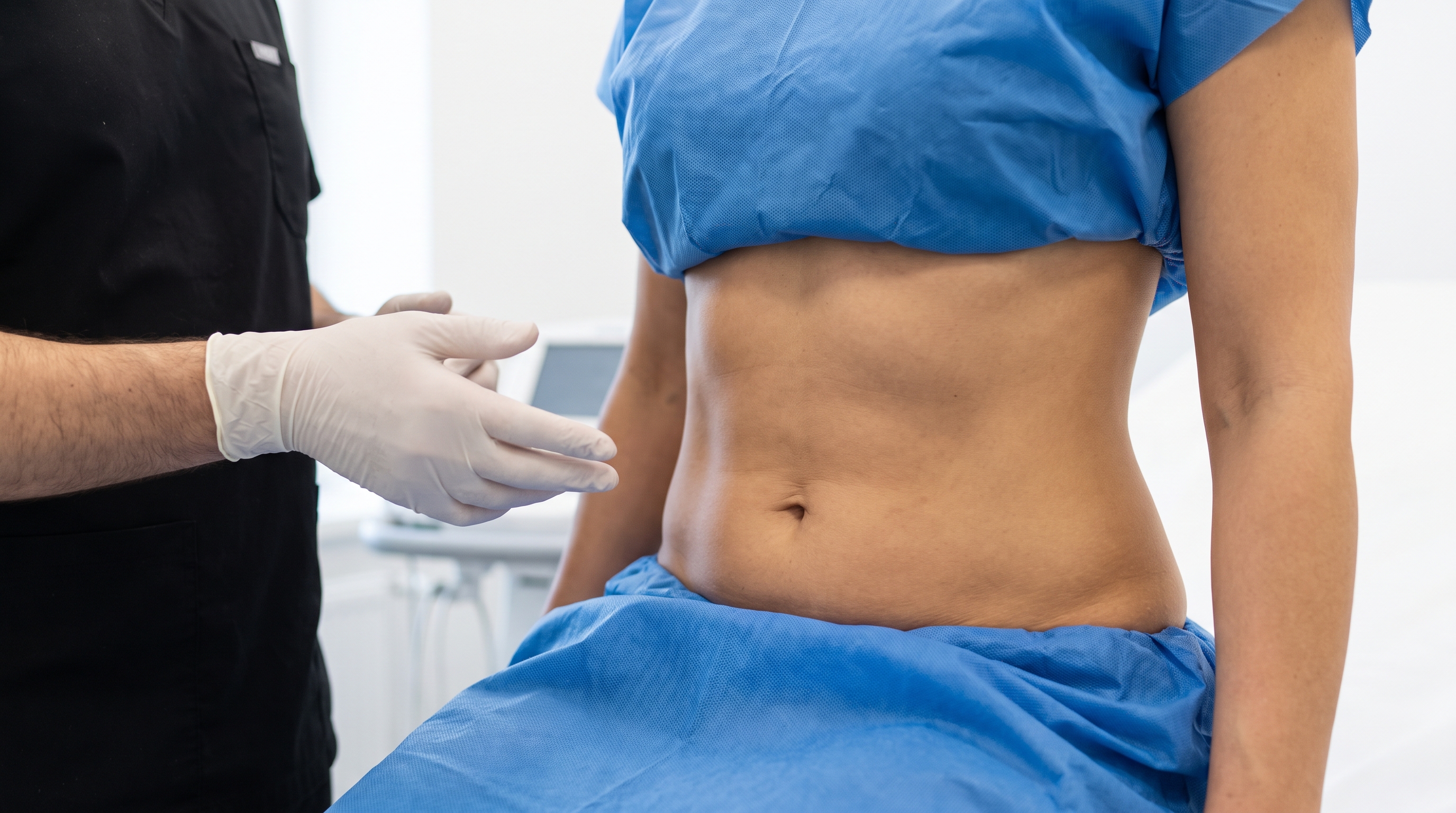
By restricting volume, restrictive surgeries, such as the laparoscopic sleeve gastrectomy, limit the mechanical ability of the digestive system to accept food without breaking the continuity of the digestive process between the upper and lower gastrointestinal tracts. The physician removes approximately 80% of the left side of the stomach, creating a narrow, almost pipe-shaped, highly controllable stomach. This major change in the structure restricts caloric intake fundamentally, as the stomach's very narrow mechanical restriction limits how much food can pass through, so the patient feels satiated quickly even with very minimal portions of food.
More than just an obstruction mechanism, the resection also removes the gastric fundus, a key hormonal production zone for ghrelin, the appetite hormone, primarily controlled by the stomach. This highly innovative two-step strategy combines the biomechanical restriction of feeding with significant neurological hunger suppression resulting from the blocking of the hypothalamic circuit. As a result, the person experiences very low cravings during their body fat loss, especially in the visceral region of the body, which is happening at a fast rate, while the fundamental ability to absorb nutrients has only been slightly affected.
How Malabsorption Surgery Reconfigures Metabolism
Patients with severely disturbed glucose metabolism or uncontrolled type 2 diabetes might benefit from such a comprehensive solution as Roux-en-Y gastric bypass. This surgery, one of the most effective types of weight-loss surgeries, works in multiple directions simultaneously by creating a small "pocket" (pouch) in the upper stomach and completely redirecting the jejunum, allowing food to bypass a large portion of the highly efficient upper small intestine. As this part plays an essential role in food breakdown and digestion, reducing the contact area between food and gut enzymes significantly restricts the body's capacity to extract and store dense calories, complex carbohydrates, and heavy lipids.
The major impact and success of gastric bypass operation lie in its ability to very quickly reestablish or reset the metabolic functions of the body. Even before any considerable weight loss has happened, the changes in gut hormones result in immediate improvement of insulin sensitivity and the correction of metabolic syndrome. Although there is no doubt that the operation will result in drastic and immediate changes in body mass, it will also require the patient to maintain strict medical supervision throughout life, with a focus on regular monitoring of vitamins to avoid deficiencies and the development of osteoporosis.
Protecting Organ Structures and Following Bariatric Guidelines
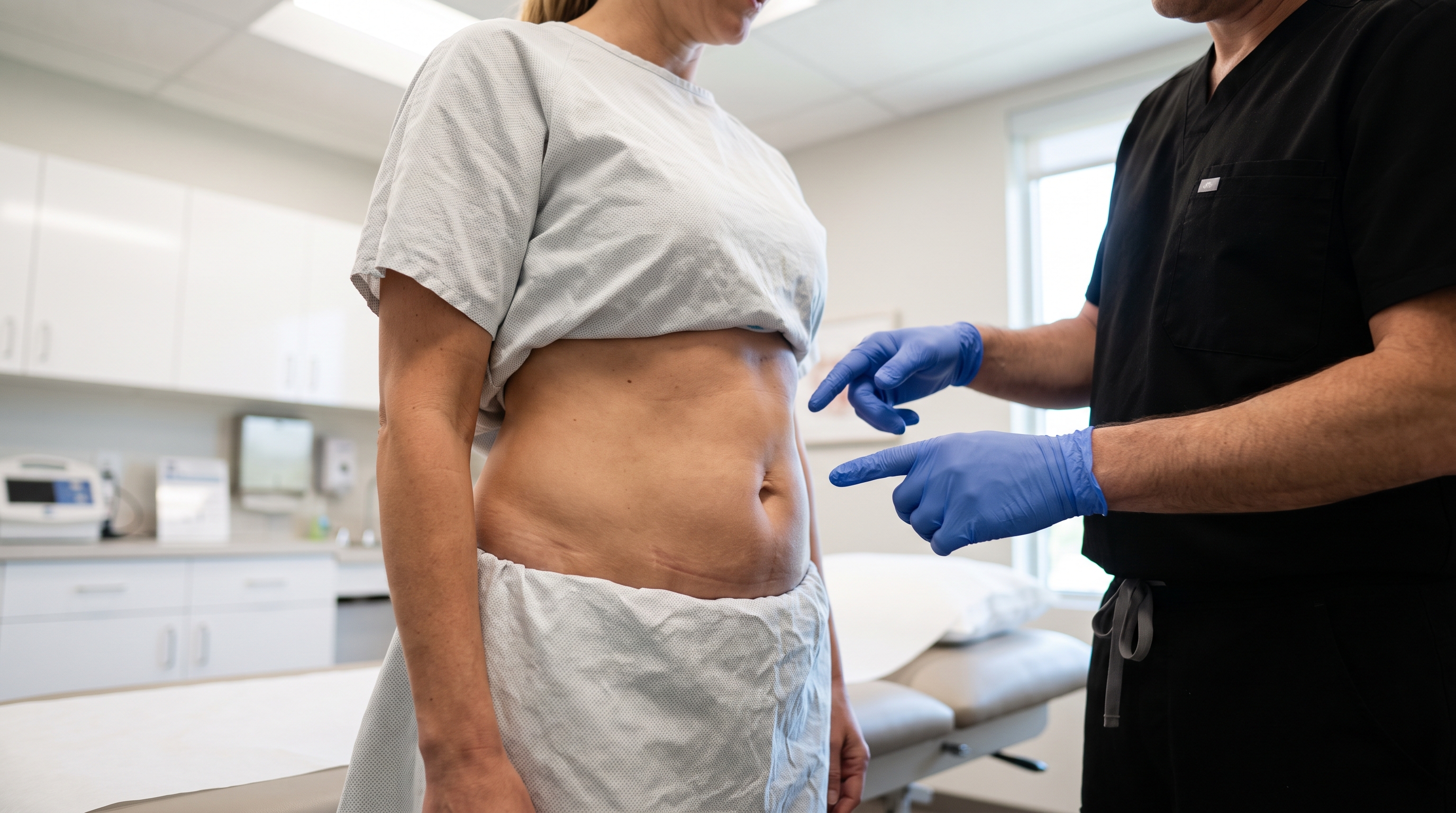
The integrity of the surgical staple lines, deep fascial closures, and delicate anastomotic connections of the digestive system requires strict mechanical support so that they can form strong, leakage-resistant collagen bonds over the next 6-8 critical healing weeks. If one does not respect the physical limitations, or if the patient continues consuming food not suited for the diet stage, mechanical strain due to internal friction and a large food bulk, which results from these, can severely distort the healing organs, leading to an inflammatory response and deterioration of clinical results.
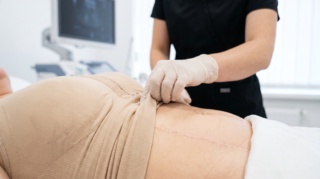
To ensure that your body can heal your surgical changes quickly and safely, you need to wear special medical-grade abdominal waist compression garments since they keep the abdominal wall under control from a mechanical point of view and also reduce the amount by which the soft tissues become loose after you rapidly lose fat. On another front, avoiding physically hard work and completely eliminating all the nicotine-containing products such as cigarettes or cigars remain essential to ensure vascular survival and avoid any of the major complications. Nicotine, one of the strongest systemwide vasoconstrictors, causes a sudden lack of oxygen supply to the surgically altered and healing gastrointestinal region of the body. Hence, not just the prevention of death of the surgical tissue due to anastomotic leak is hampered, but also the successful completion of healing itself, without which there cannot be a bariatric recovery.
Weight Loss Surgery in Turkey
Getting into a medical center that will address one's bariatric problems, advanced structural body contouring, as well as systemic health, with a high standard of medical excellence and compassionate care is a major advantage, not to mention life-changing, with LIN Europe Clinic. We fully understand that massive weight loss will require an exact nutritional reinforcement, physiological adaptation plan, as well as soft-tissue management that will take place in a very special, sophisticated, fully transparent, and very supportive setting where evidence-based medical practice comes first.
Placing total faith in us and handing over all surgical weight loss decision-making, bariatric planning, and lifestyle changes is just one step away from achieving health, fitness, and, above all, well-being. By choosing the highly skilled bariatric team at LIN Europe Clinic in Istanbul, your surgical changes will be followed with complete diagnostic accuracy. We offer all patients fully personalized pre-operative preparation with their own high-tech, detailed metabolic assessment reports as well as customized recovery checklists that will help you, step by step, to get a grip on your surgical weight loss journey and lifestyle changes.
Frequently asked questions
What is bariatric surgery?
Bariatric surgery radically changes the gastrointestinal area to control fat storage and correct neuroendocrine pathways. These procedures aim to significantly reduce body weight and correct major metabolic disturbances.
How does gastric sleeve surgery work?
Gastric sleeve surgery removes about 80% of the left side of the stomach, creating a narrow, pipe-shaped stomach. This restricts food intake and removes the gastric fundus, which reduces the production of ghrelin, the appetite hormone.
What is Roux-en-Y gastric bypass?
Roux-en-Y gastric bypass creates a small pouch in the upper stomach and redirects the jejunum. This allows food to bypass a large portion of the small intestine, limiting the body's capacity to absorb dense calories and lipids.
Does gastric bypass help with diabetes?
Yes, Roux-en-Y gastric bypass can significantly benefit patients with disturbed glucose metabolism or type 2 diabetes. Changes in gut hormones often lead to immediate improvement in insulin sensitivity and correction of metabolic syndrome.
Why avoid nicotine after weight loss surgery?
Avoiding nicotine is crucial for proper healing and preventing complications after surgery. Nicotine is a strong vasoconstrictor that reduces oxygen supply to the surgically altered and healing gastrointestinal region. This can hinder tissue survival and successful healing.
This article is general information, not medical advice, and does not replace a consultation. Every procedure carries risk and outcomes vary from person to person.
Last reviewed 10 September 2026