Cheek Implants: Are Cheek Implants Dangerous?
Medically reviewed by Op. Dr. Halil İbrahimPlastic, Reconstructive and Aesthetic Surgery
No, cheek implants are generally safe with proper technique.
The Biomechanics of Malar Augmentation and Patient Safety
Midface architecture functions as the foundation that supports the beauty of a face, relying mainly on a strong projection of the zygomatic bone and the right distribution of subcutaneous adipose tissue. However, due to a decrease in volume caused by age, trauma, or genetics, one may suffer midfacial hypoplasia, making the entire facial structure vulnerable and losing structural integrity. Eventually, the result is a collapsed dermal matrix and the aesthetic vectors, particularly lower face aspects, being pulled down. To restore the volumetric deficit in the area, a malar augmentation utilizing specially designed alloplastic cheek implants does more than just fill in—it restores the structural support by adding volume through the bone.
Accordingly, a clinical perspective confirms that cheek implants are safe if they are made of the right material and implanted by a top facial plastic surgeon with board certification. Malar and submalar implants are mostly composed of solid silicone or polyethylene, which are completely biologically inert but proven safe after many years of extensive use in medical applications. When implanted into a tightly dissected subperiosteal pocket, these implants lie directly on the supporting bones, deep within the fascial layer and thick muscle layer, thus remaining totally out of contact with surface nerves.
The Dermal Matrix and Alloplastic Integration
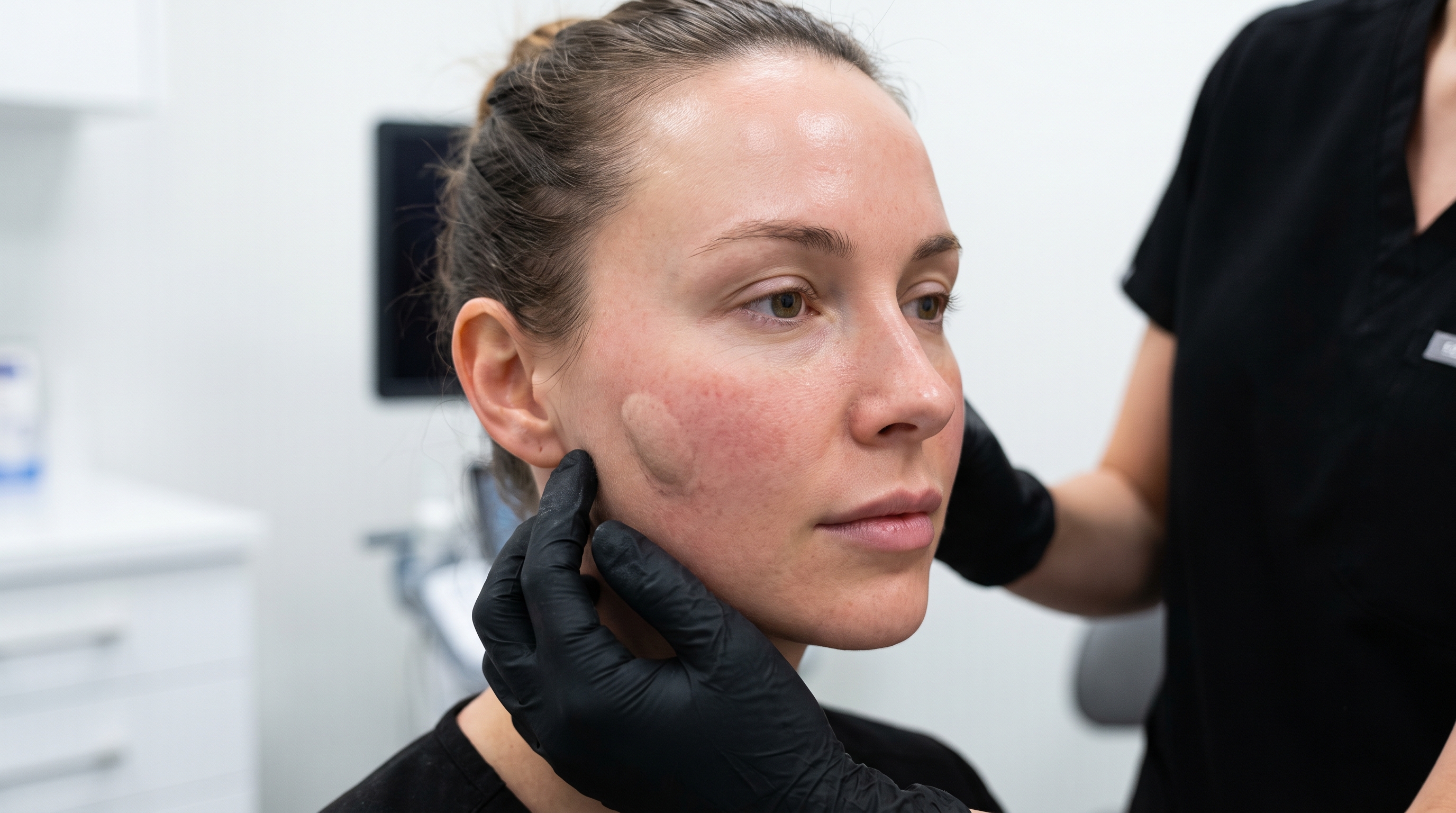
One of the keys to successfully and safely integrating a cheek implant into the facial anatomy lies in an in-depth understanding of facial biomechanics coupled with the knowledge of how the human body naturally heals itself. During the operation, a surgeon gently lifts the periosteum, a dense vascularized membrane covering the bones, to create a surgical pocket that accurately matches the shape and dimensions of the implant to be selected. It is of vital importance to place a cheek implant through subperiosteal dissection because it helps keep a cheek implant completely hidden by a dense fascia while still allowing normal skin movement. Thus, the implant remains unseen and feels quite natural to the touch. The body's immune reaction identifies the inert characteristics of the implant resulting not from rejection but from cell responses that will, ultimately, stabilize the new structure.
As healing progresses, a fibrous layer is generated right around the implant surface. This so-formed microcapsule, tightly covering the implant tissue, secures it in place along with its anatomical position. In the case of a porous implant, the body's tissue fibers actually grow into the pores of the implant, making it part of the body. With regard to such an integration of the tissues, cheek implant devices remain biologically active; thus, their safety and long-term stability is not questionable, and even after facial expressions, the movement will be physiological.
Mitigating Risks and Optimizing Aesthetic Vectors
Taking the right artistic step to reach a perfectly balanced look calls for thorough preparation and analysis in advance of surgery so that potential risk factors are taken into consideration. A patient who qualifies for a malar implant surgery has their clinical needs assessed with 3D imaging, and facial biomechanics is evaluated for a complete picture so that the implant would not interfere with, but work with an individual facial structure. The size of a cheek implant that covers all the face can apply abnormal tension on overlying skin and compress the infraorbital nerve, potentially causing sensory abnormalities. For that reason, the selection of implant size and shaping of contour is a prerequisite for a complex contouring facial surgery that enhances facial features without endangering nervous and circulatory structures.
Promoting aseptic conditions at the point of contact, the surgical process starts and continues through prophylactic intravenous antibiotics and thorough hemostasis while the use of antibiotic-impregnated surgical gels minimizes a chance of prosthetic infection, which is the biggest danger of such implant procedures. The incision is carefully made inside the patient's mouth, above the dental arch, which avoids a visible scar on the skin while at the same time, the external skin is kept untouched for a natural look. This operation, performed with exceptional attention to anatomical detail and with strict respect for aseptic principles, makes cheek implantation one of the least risky surgical procedures that permanently reshape facial anatomy with a great safety margin.
Preserving Structural Integrity and Postoperative Healing Rules
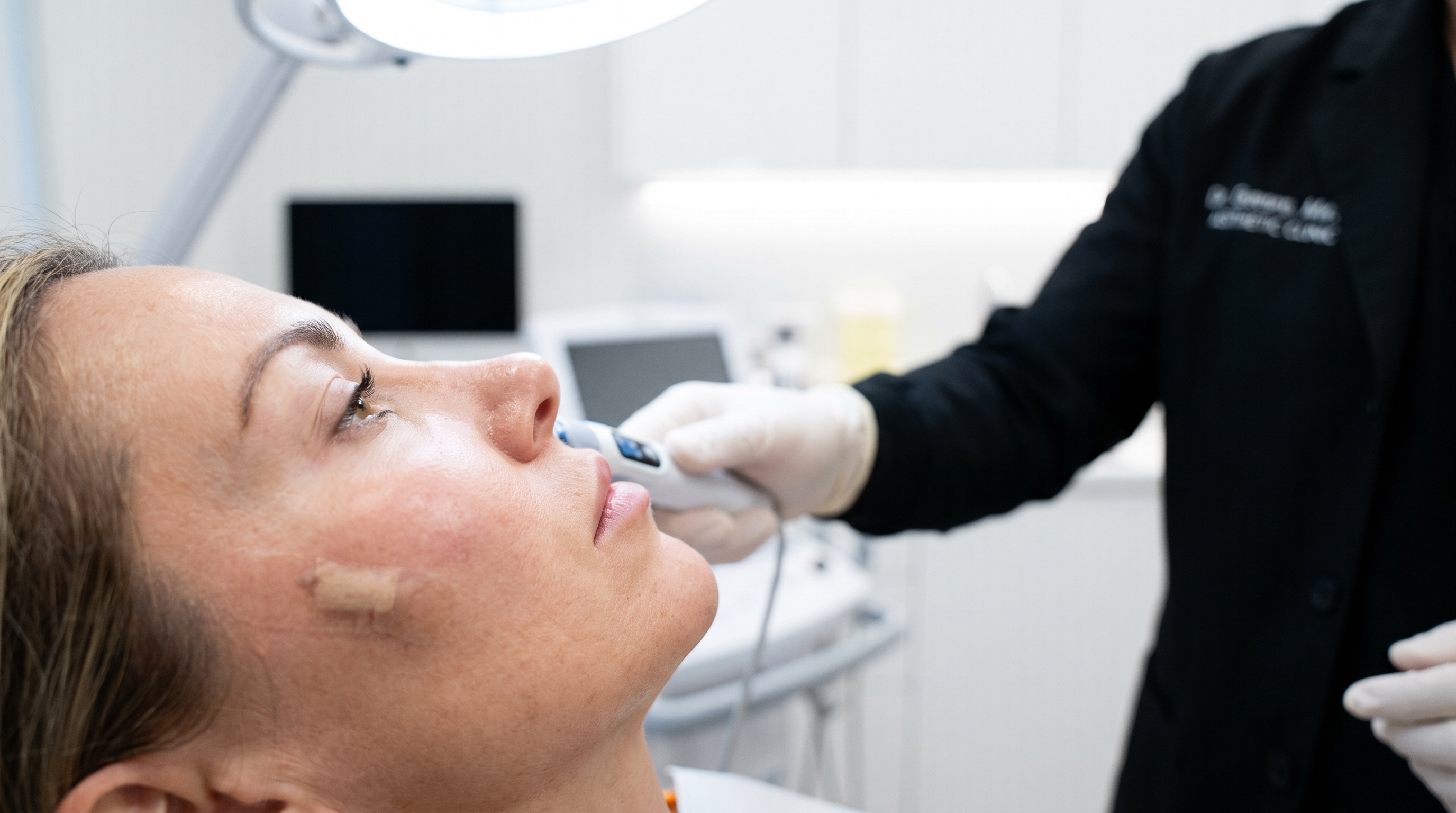
Patients who want a fast and complication-free postoperative recovery must keep themselves strictly under control and follow the set of rules and restrictions imposed during the recovery time. Deep fascial connections, re-epithelialization in tissues, and delicate vascular subdermal structures, which are so crucial for tissue development, will only be properly healed with complete mechanical protection for a span of six to eight weeks following your surgery. During this period, the healing tissue becomes stronger as the stabilizing layer, the capsule, is forming around the foreign object and, of course, any trauma or pressure will easily disrupt the position of an implant in a precisely created pocket. Therefore, only by a combination of strict physical protection, as well as behavioral constraints, one can get away from gravity and mechanical force that would otherwise greatly damage both the healing process and aesthetic results.
Your surgeon will prescribe that you use medical-grade compression garments or facial bands depending on the healing stage of your tissues and follow their recommendations with the utmost discipline. By doing so, any dead space that could have resulted in fluid accumulation (seroma) will be minimized, and your natural skin layer will tightly adhere to the newly constructed base. Apart from that, the total absence of nicotine and the use of products containing it both before and after your operation have to be considered non-negotiable matters for successful healing.
Cheek Implants in Turkey
By opting for your treatment at LIN Europe Clinic in Turkey, a top-tier global medical center, you ensure that your facial aesthetic enhancement, structural body shaping, and the path of various surgical interventions will all be handled with an outstanding level of clinical expertise and deep, caring compassion. We are aware that a patient who wants to achieve facial healing quickly and at the same time wants a thorough diet and hydration support, and that patient's tissues' natural adaptation require a highly transparent yet supportive environment, which prioritizes evidence-based medicine as the top value.
With your complete reliance on our dedicated specialist team at LIN Europe Clinic in Istanbul, not only can you trust that they keep the best interests of your structural health in mind but also that they have mastered the science behind cosmetic interventions and surgery in general. We take charge of your aesthetic and body composition goals along with your overall health, making sure both are protected perfectly, and this enables you to rest with peace of mind, knowing that you have already reached the finest version of yourself.
Frequently asked questions
Are cheek implants safe?
Cheek implants are generally safe when performed with proper surgical technique and appropriate materials. Their safety and long-term stability are well-established in medical applications.
What materials are cheek implants made of?
Cheek implants are typically composed of solid silicone or polyethylene. These materials are biologically inert and have been proven safe after many years of extensive medical use.
How are cheek implants placed?
Implants are placed deep within a subperiosteal pocket, directly on the supporting bones. The incision is usually made inside the patient's mouth, above the dental arch, to avoid visible scars.
How long is cheek implant recovery?
Complete mechanical protection is crucial for six to eight weeks following surgery. This period allows the healing tissue to strengthen and stabilize the implant in its precise position.
How are cheek implant risks minimized?
Risks are minimized through thorough pre-surgical analysis, including 3D imaging, and careful selection of implant size. Aseptic surgical conditions and prophylactic antibiotics also help reduce infection risk.
This article is general information, not medical advice, and does not replace a consultation. Every procedure carries risk and outcomes vary from person to person.
Last reviewed 9 September 2026