
Can a Hair Transplant Cause Facial Swelling or Infection?
Written by LIN Europe Clinic Editorial Team
Yes, temporary swelling and rare infections can occur.
The Physiology of Post-Operative Edema (Swelling)
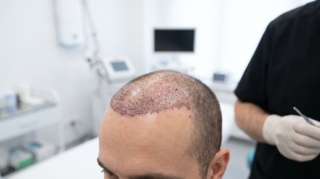
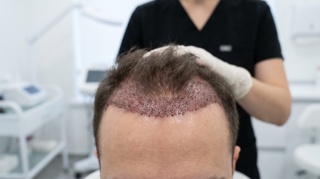
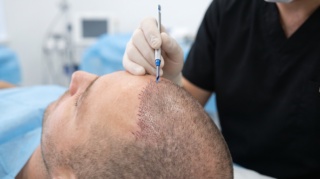
In the high-tech domain of surgical hair restoration, a major concern for the vast majority of patients at post-operative follow-up is the facial edema (swelling) seen for the first 3 to 5 days. In a medical sense, the surgeon infuses a large amount of a tumescent fluid—a specifically formulated mixture of saline, local anesthetics, and epinephrine into the scalp before cutting to raise the tissue to minimize bleeding and provide total patient comfort. After the procedure, the excess tumescent fluid is not evaporatively expelled by the body. Because of gravity and the lymphatic system’s effort to clear the surgical area of debris, gradually the fluid will flow downward from the scalp to the forehead, eyelids, and sometimes the nasal bridges.
This type of facial swelling is quite common, not dangerous, and most certainly not a sign of allergic reaction or surgical failure. Generally, such a kind of swelling will reach a peak in days and will eventually subside completely within the seven days following the surgery.
Understanding and Mitigating Infection Risks
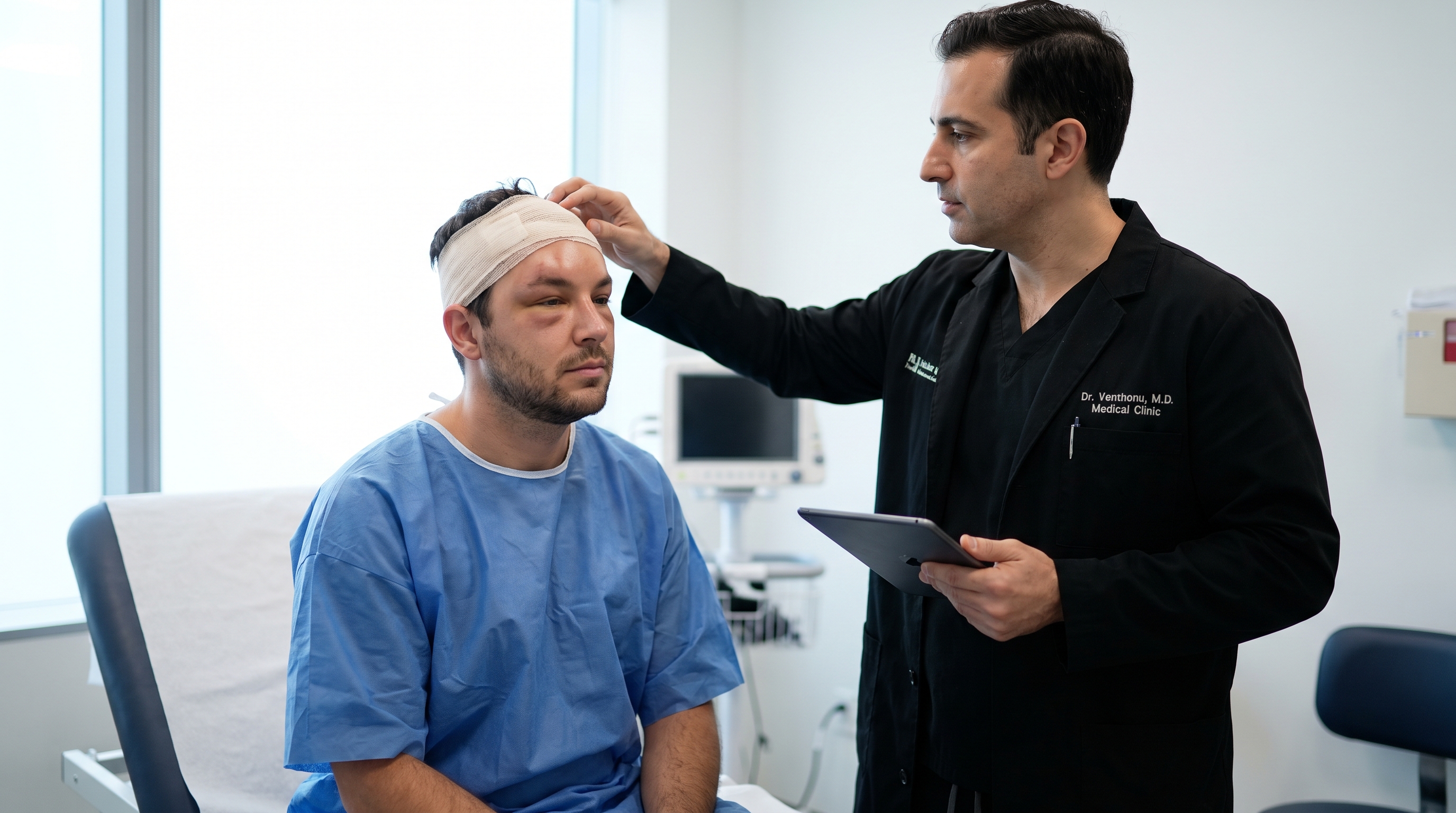
In clinical settings, the incidence of infection following a hair transplant is practically nonexistent (less than 1% of procedures in accredited facilities). The skin of our head is a very well-connected part with a dense network of vessels throughout the whole body. A very large blood supply gives exceptional immune defense and profound recovery ability, making scalps very resistant to bacterial growth. However, when you get a transplant, you are basically making thousands of microscopic incisions (recipient channels), which act as temporarily open sores until the natural fibrin network seals them.
Most of the time it is not the bacteria itself that causes infection but rather a breach of post-surgery cleanliness guidelines followed by the scratching of the recipient field with unwashed hands, or a transfer of contamination from contaminated pillows and head-covering materials. The clinical presentation of an infection involves severe pain with localized hot spots, pus discharge (purulence) coming out from the follicles, and also, a systemic fever. If these symptoms do show up, immediate and aggressive treatment in the form of a physician-prescribed oral antibiotic is essential to get rid of the bacteria before it is too late and the newly transplanted hair grafts become infected and lost forever.
Strategies to Avoid Complications
The best and fastest way to reduce post-surgery edema and infections at the same time is to keep your head elevated while you rest and carefully follow the surgeon’s instructions. To fight the effects of gravitation of the tumescent fluid, patients have to restrict themselves to sleeping only on their back for the first five nights with their head raised 45 degrees from the horizontal plane. Gently applying cold pack compresses over the upper part of the head and around the eyes—while taking great care to not touch the grafted areas—will cause the local blood vessels to constrict resulting in a very low risk of fluid pooling, which will lead to swelling.
At the same time, you can reduce the chances of infection by sticking to strictly medically guided hair washes. Patients have to use mild shampoo or use the anti-microbial foam given to them by their surgical team to wash their hair starting from the second or third day. While being very cautious not to remove the skin grafts, this washing removes all the dried blood, scabs, and the residues left by the surgery. You reduce the infection chance to almost nil by keeping a very clean healing environment and staying away from environments that are dusty, dirty, or heavily contaminated during the acute healing period.
Ensuring Post-operative Stability and Integrity of the Result
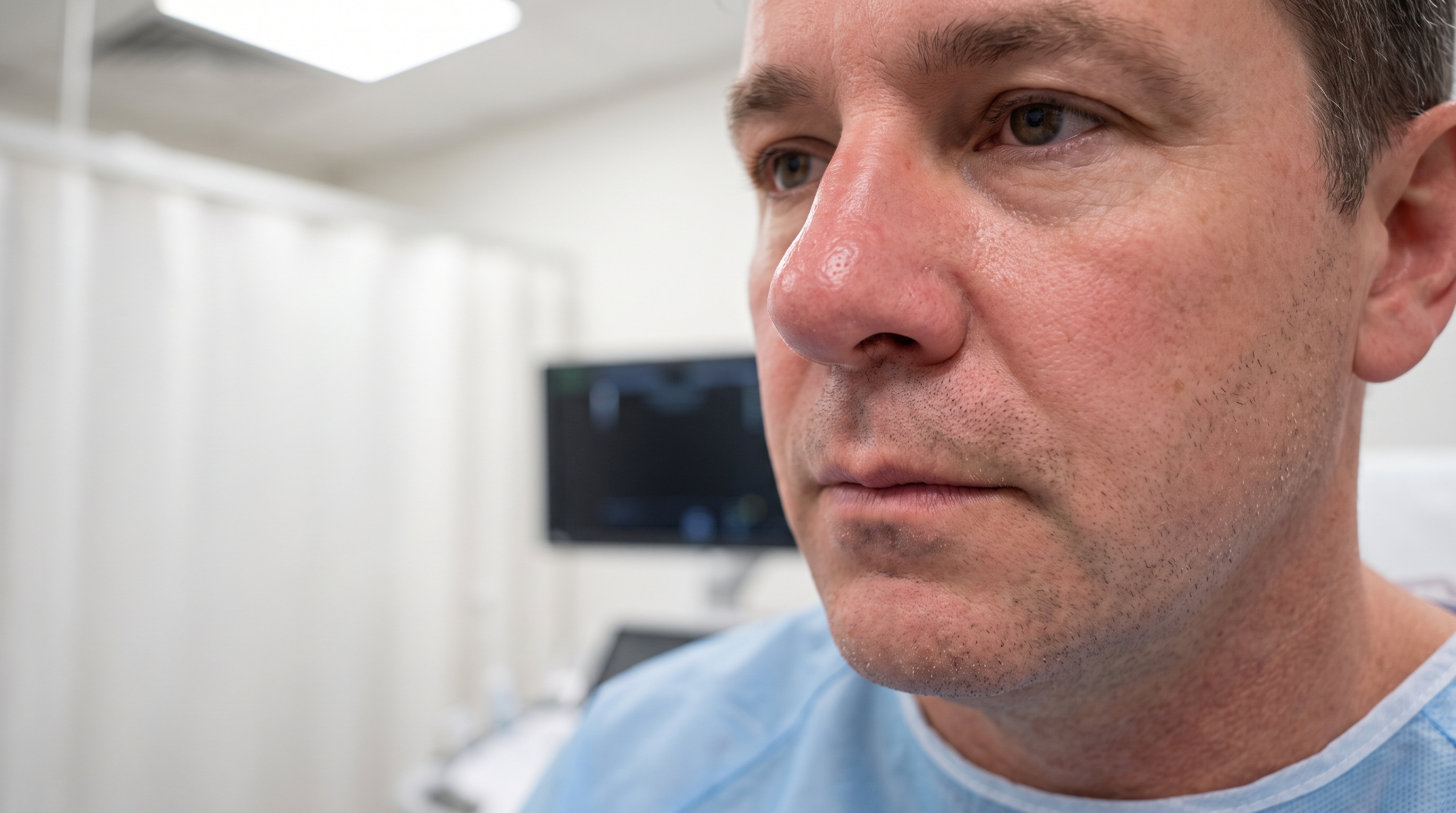
It is very essential to follow behavioral and protective rules very strictly during the phase of post-operative recovery for anyone who wants to get an aesthetically perfect outcome and is willing to pay the corresponding cost. New hair follicle grafts are extremely sensitive in the critical initial period immediately subsequent to the surgery. Any sort of mechanical friction, aggressive scratching or premature exposure to non-hygienic situations prior to the complete integration of hair grafts with the skin layers could mechanically displace the grafts or infect the area by introducing a serious pathogens.
As a rule of thumb, the newly implanted hair follicles must undergo a postoperative recovery with strict limitations in terms of exercise and sweat as these factors may contribute to bacteria accumulation in micro incisions over the skin. The use of tight caps or helmets has to be avoided, so as to remove any sources of graft mechanical pull. Furthermore, nicotine and tobacco products have to be completely abandoned as a matter of principle, not only before but also after the surgery. Vasoconstrictor, that is, nicotine would reduce the blood flow to a large extent through the scalp, the skin, which is already the main source of nourishment to the transplanted hair and the defense system against pathogens, leading to possible death of grafted hairs.
LIN Europe Clinic
We guarantee you that when you choose LIN Europe Clinic as your partner, you will be enjoying one of the best medical havens, where you will be getting your face beautification, surgical hair regeneration at a structural level, and your surgical journey will be handled with total clinical excellence that you can’t even imagine and with deep empathy and consideration. The surgical protocols, tumescent fluid management, and soft-tissue alterations are such highly technical requirements that they necessitate the kind of medical environment that is not only sophisticated, transparent, and very supportive, but also has patient safety as its central priority.
By placing the utmost trust to the specialists at LIN Europe Clinic in Istanbul, your anatomical dimensions will always be checked through precise diagnostics while our highly qualified staff makes sure all of your medical needs regarding the structural parameters of the new look, the health condition you are in will be well taken care of throughout the entire healing process. We are proud to make such personalized preoperative planning available to our clients, providing very in-depth tissue evaluation, customized checklists, and step-by-step guides to help you along every healing stage and lifestyle transition, all while protecting your cosmetic investment and keeping your body healthy. With our support, getting the most masculine, well-defined look has never looked so good.
Frequently asked questions
Is it normal for my face to swell after a hair transplant?
Definitely not. One of the most frequent, yet completely normal, post-operative reactions after a hair transplant is swollen face. It is due to the fact that the surgical procedures require the injecting of various fluids into the scalp, and these fluids then begin their journey due to gravity, going downwards, first to forehead and then to the eyelids.
How long does facial swelling last after a hair transplant?
The swollen area is going to increase from day two onwards, reaching the most swollen state on day three or four, and naturally disappearing totally by about the seventh day. The process gets accelerated if you sleep with your head raised at a 45-degree angle.
Can a hair transplant get infected?
Although it can happen, the risk for infection is quite low since the scalp has a rich blood vessel supply. Infections, when they occur, are most frequently as a result of patients touching the transplanted areas with dirty hands, thereby causing scratching.
How can I tell the difference between normal healing and an infection?
Healing process is characterized by some slight redness, formation of scabs, and very mild irritation of skin. An infection will manifest through intense throbbing sensation, significant radiating heat from the affected part, the presence of yellow or green pus (not just clear), and possibly fever.
Can I put an ice pack on my head to stop the swelling?
You can use a cold pack wrapped in the paper towel on forehead or eye area to reduce the swelling briefly. However, it is a very strict no-go for the hair transplant areas because an excessively cold environment instantly results in killing the delicate new follicles.
This article is general information, not medical advice, and does not replace a consultation. Every procedure carries risk and outcomes vary from person to person.
Last reviewed 1 September 2026