Breast Implants: Is Breast Augmentation a Major Surgery?

Medically reviewed by Op. Dr. EmrePlastic and Aesthetic Surgeon
Yes, breast augmentation is considered major surgery.
The Clinical Classification of Breast Augmentation
In the advanced art of aesthetic plastic surgery, it's common to think or say that a procedure is just a minor one only because it is cosmetic and optional, but the truth is quite different from a clinical standpoint. Breast enhancement is undoubtedly categorized as a major surgery from a very definite clinical perspective. This category is determined by the major structural change that one's body has to go through by means of a medical device placement. The surgeon will make deep surgical wounds, manipulate the main muscles permanently, and the patient will have a strong physiological reaction when his/her body recovers from the surgical injury.
As an experienced consultant surgeon, the surgeon is the one to perform the procedure; the patient is the one to get the result in a safe way. It's safe as well as regularly done, such that it's just a matter of routine to get a result of surgery, but it’s not like minor surgery just because it’s the same surgery; it can be considered to be one of these, but there are other major surgeries that the surgery also comes into. As a rule of thumb, a major operation is one where the patient is cut into deep tissues, and the surgery requires the anesthesiologist to keep an unconscious patient's breathing and circulation under his/her control.
General Anesthesia and Deep Tissue Dissection
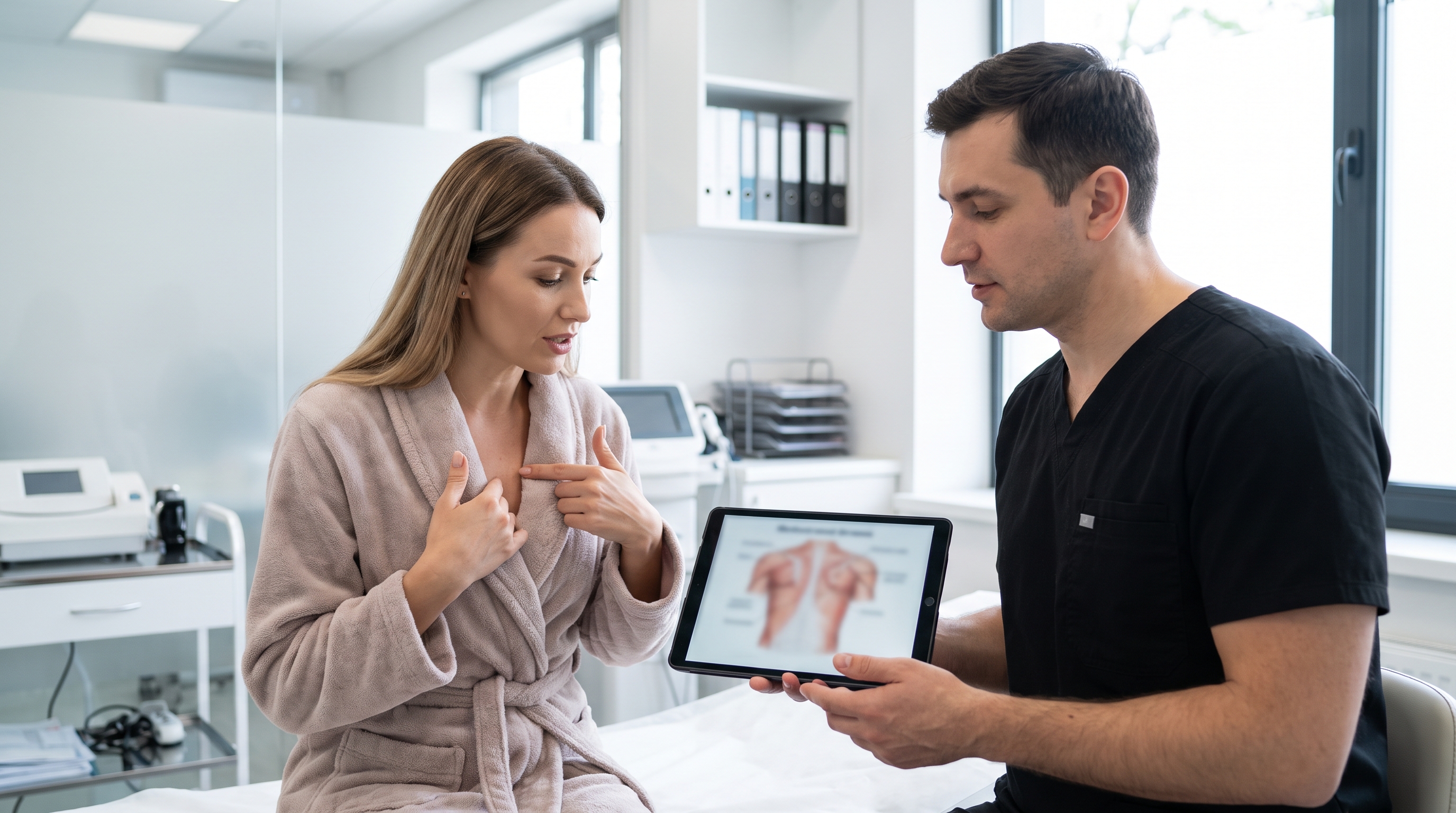
A demand for general anesthesia is a key feature that elevates breast augmentation from a minor surgery to a major one. In order to completely and painlessly create that pocket for the implant, the patient is put into a state of complete loss of consciousness while their respiratory and cardiovascular systems are strictly monitored and supported. A pre-operative health clearance is essential to confirm whether the patient’s body can endure physiological stress from deep sedation. This preoperative clearance involves tests like blood work-up and an electrocardiogram.
Regarding the physical dissection after anesthesia, it's a highly invasive method. When the surgeon decides on a technique that is known to give the most natural and common result—the dual-plane or submuscular—one has to actually open the dermal layers of the body and lift the pectoralis major directly off the rib cage. Before the implant is placed deep in the chest walls, the surgeon cauterises the bleeding blood vessels in order to have a completely bleeding-free (haemostasis) surgical field. The extensive and deep manipulation of the core muscle area creates an intense inflammation that can only be overcome through a highly focused and progressive biological healing process.
Medical Device Implantation and Biological Integration
Another crucial detail that makes breast augmentation a big surgical event is the implantation of a foreign medical device permanently into the body. The implantation changes the biological structure of the chest in one way or another, whether it is with the highly cohesive silicone gel or sterile saline. The body’s system of immunity responds to this foreign presence with its natural defensive mechanisms, such as wrapping the implant inside a biological scar tissue clinically called a capsule.
In effect, a decision to undergo breast augmentation is not only an aesthetic change to oneself on the outside but a long-standing medical commitment which includes the possibility of undergoing surgery in the future for revision, removal, or replacement. Besides, patients should continue to have regular medical follow-ups such as ultrasound or MRI (especially for silicone implants) that can detect the status of the implant. These medical check-ups show that breast augmentation is not only a surgical enhancement but also a clinical responsibility that has to be taken in the long run.
Preserving Structural Integrity and Post-Operative Boundaries
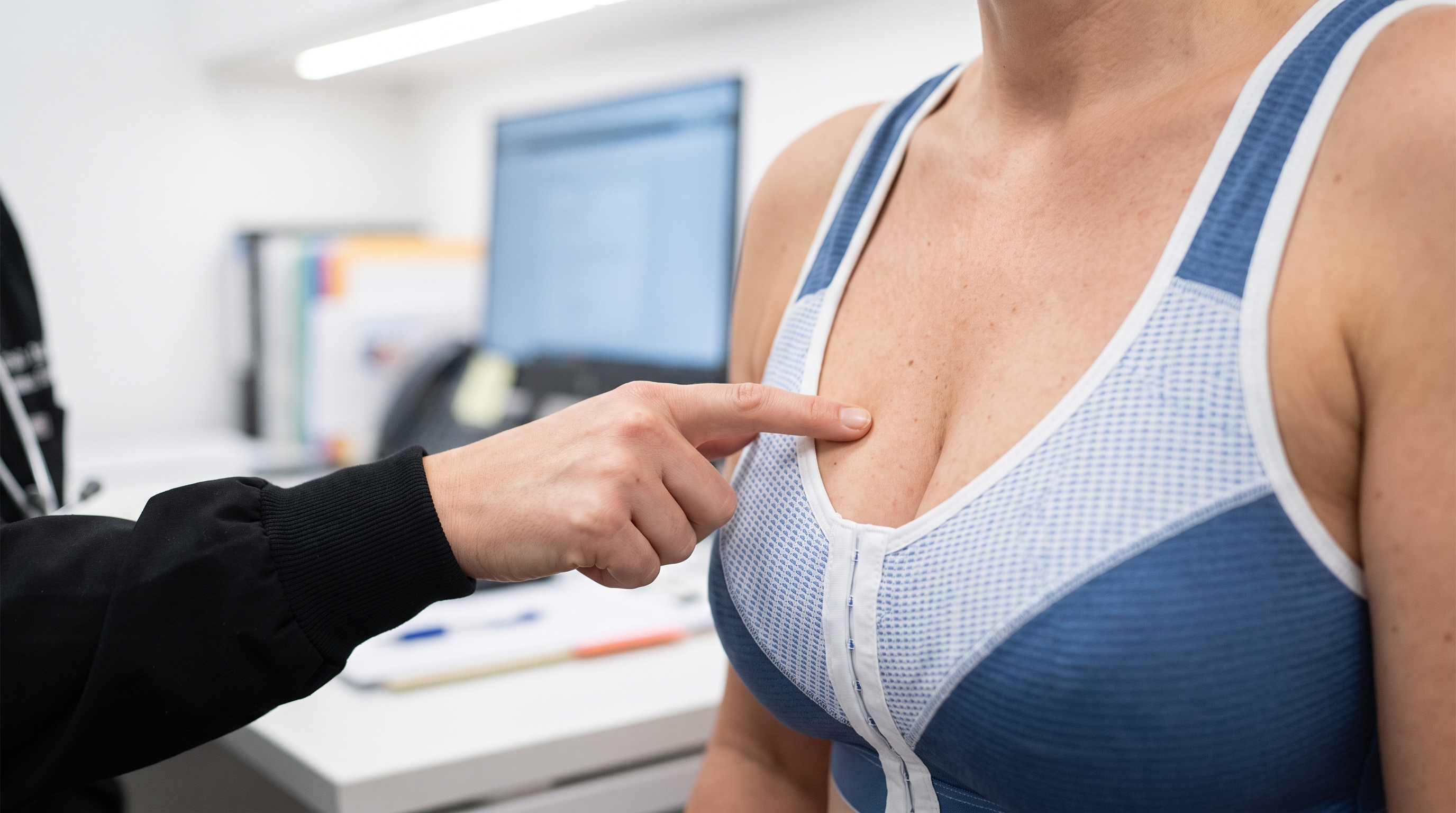
Following the strict rules and regulations of your recovery period as per your medical consultant is a necessity for persons who value their body shape and want total results for their effort. Since the surgery will lead to the cutting and spreading of the pectoral muscles in depth, it is the phase after the operation that has the key influence on healing. Strictly prohibited after surgery are heavy workloads, getting up from a lying position through forceful use of the muscles, or raising one's arms above one's body for the following weeks; otherwise, bleeding may result or the implant may be moved from its carefully made space.
So in order for your newly shaped breasts to maintain their position precisely and securely with minimal movements after your surgery, you'll need to wear specifically designed medical surgical underclothing that supports your chest. This is a requirement only during the four to six weeks after your surgery. The garment not only supports the internal incision, which is healing, but also eliminates the dragging effect of the skin and thus helps the tissue to bind together smoothly while the capsule is formed.
LIN Europe Clinic
At LIN Europe Clinic, We know from our own experience and also by the standards of our peers how challenging such a surgery can be, which calls for precise deep dissection of tissue, administration of various types of anesthesia to ensure patient comfort, and modification of the patient's skin and soft tissue to meet the surgical and cosmetic requirements without any compromise.
Therefore, LIN Europe Clinic is the right environment for a patient who wants a major plastic surgery with the guarantee that they are surrounded by clinical expertise at all times as well as empathetic care. Our clinic in Turkey has been one of the leading centers of medical aesthetics that specializes in surgical face and body lifts, laser treatments, and hair restoration, as well as all kinds of cosmetic procedures. We offer our patients a peaceful and quiet space where their recovery can be properly managed according to their needs and desires through personalized and top-notch care by a team of doctors and nurses who have received worldwide acclaim.
Frequently asked questions
Is breast augmentation considered a major surgery?
Yes. Because it requires general anesthesia, the cutting of deep tissues, the elevation of the chest muscle, and the insertion of a permanent medical device, it is clinically classified as a major surgical procedure.
Do you have to be put to sleep for breast implants?
Yes, in almost all modern, safe protocols. General anesthesia is required because the surgeon must lift the pectoralis muscle off the rib cage to create the implant pocket, a process that requires the patient to be completely unconscious and muscle-relaxed.
How long does it take to recover from this major surgery?
The acute recovery phase lasts about 1 to 2 weeks, during which you will experience significant muscle tightness and soreness. You can usually return to a desk job within 7 to 10 days, but you must strictly avoid heavy lifting and upper body exercise for a full 6 weeks.
Are breast implants a lifetime device?
No. While modern highly cohesive silicone implants are incredibly durable, they are not guaranteed to last a lifetime. Patients should expect that they may need a revision surgery or implant replacement 10 to 15 years down the line due to natural bodily changes or device wear.
Why is arm movement restricted after breast augmentation?
When implants are placed under the muscle, the pectoralis muscle acts as an internal bra holding the implant down. Raising your arms aggressively or lifting heavy weights forces that healing muscle to flex violently, which can cause bleeding or push the implant out of its proper position.
This article is general information, not medical advice, and does not replace a consultation. Every procedure carries risk and outcomes vary from person to person.
Last reviewed 2 September 2026