6 min read
Breaking down tattoo ink with pulses of laser light, allowing the body's own processes to clear the pigment from the skin.
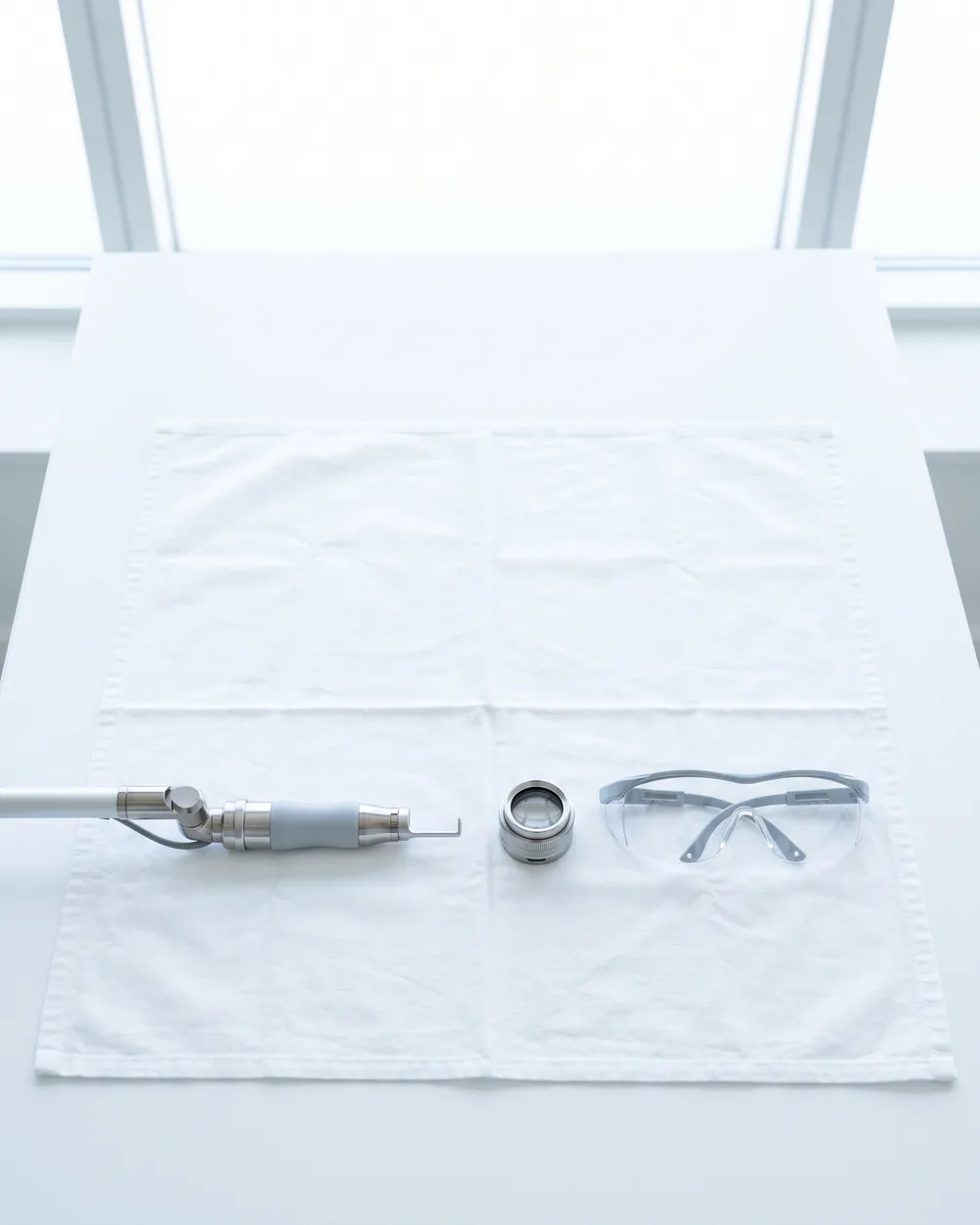
Tattoo removal uses a laser that delivers energy in extremely brief pulses. This energy is absorbed by the ink particles, shattering them into much smaller fragments that the body’s immune system can then clear away. The process is repeated over several sessions. The type of ink used, its specific colours, its depth within the skin, and the age of the tattoo all determine the course of treatment and the extent to which the design can be faded.
The same tattoo on two different people would be treated differently. The response to the laser depends on the person's skin type and their immune system's ability to process the ink fragments. It also depends on the tattoo itself: professional or amateur, its location on the body, how densely the ink was packed, and which colours were used. A treatment plan is therefore created for the individual tattoo, not for a general type, aiming to clear the ink with respect for the surrounding skin.
These are medical aesthetics cases performed here, not all of them this operation — some include an uplift, which is a different procedure. Every pair is on the results page with its own description.
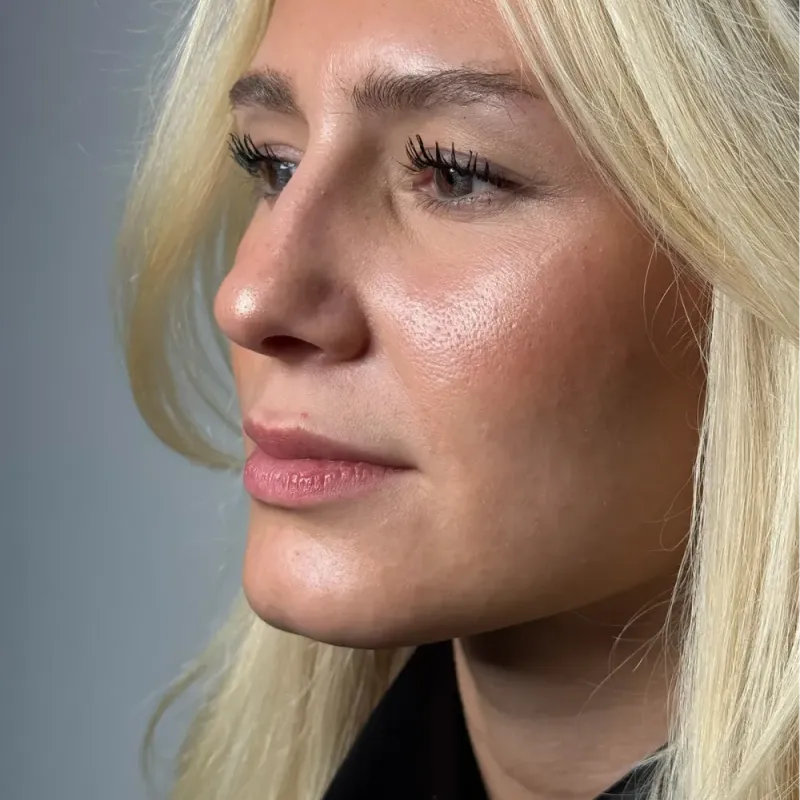
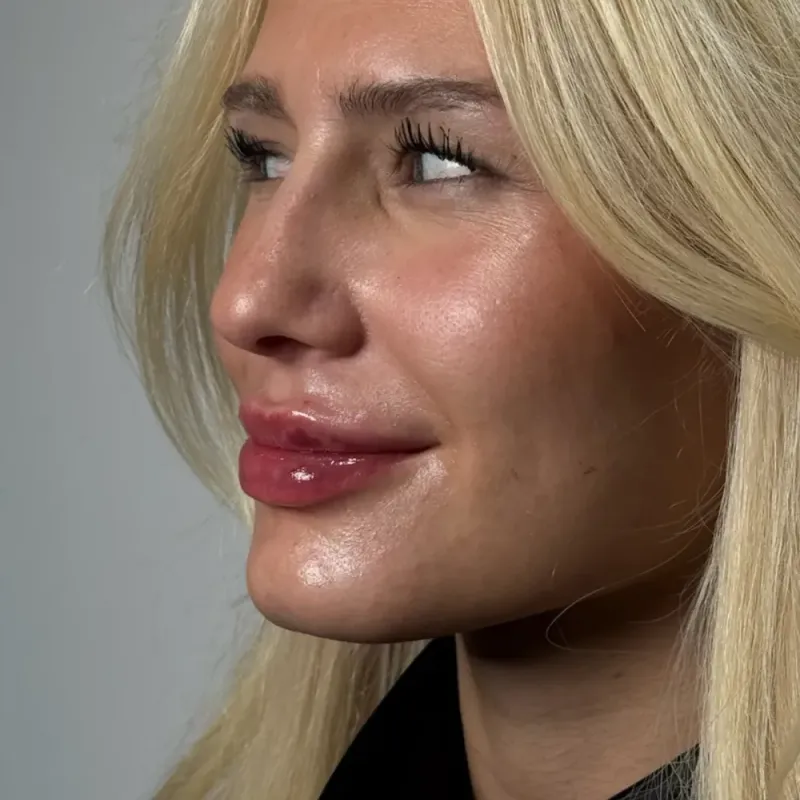
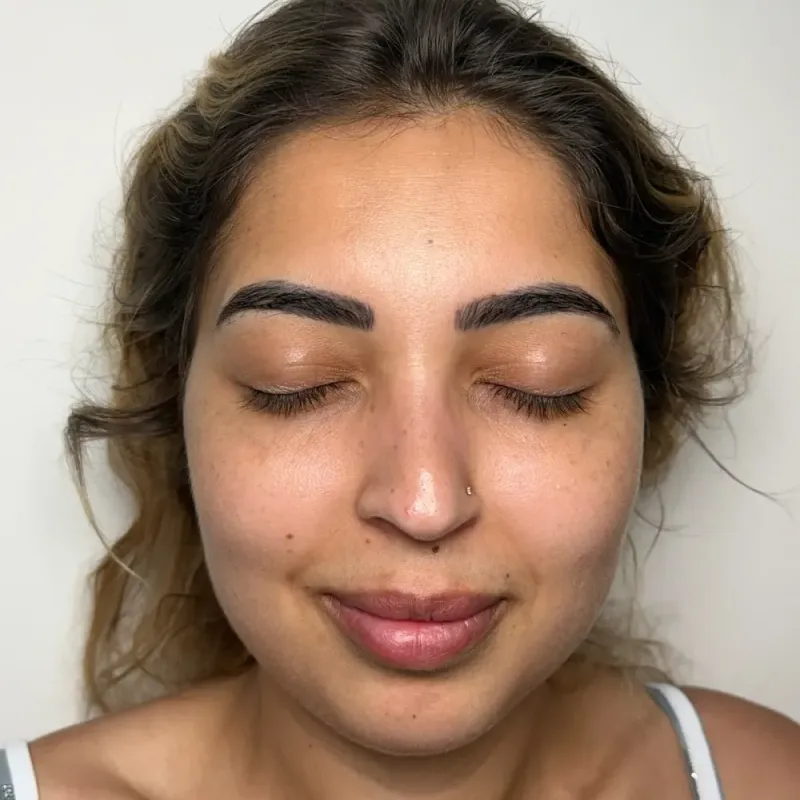
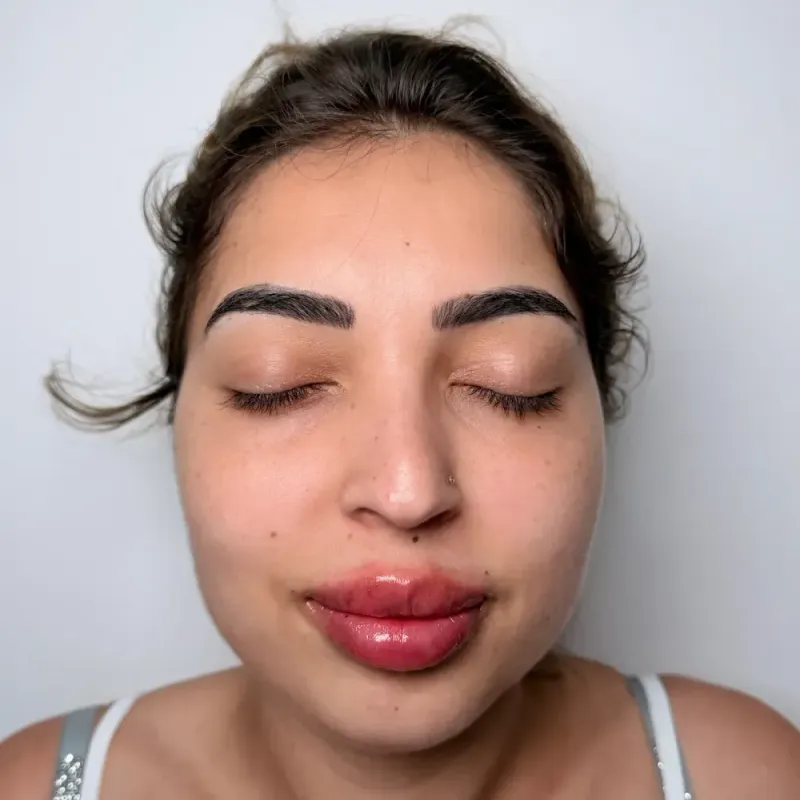
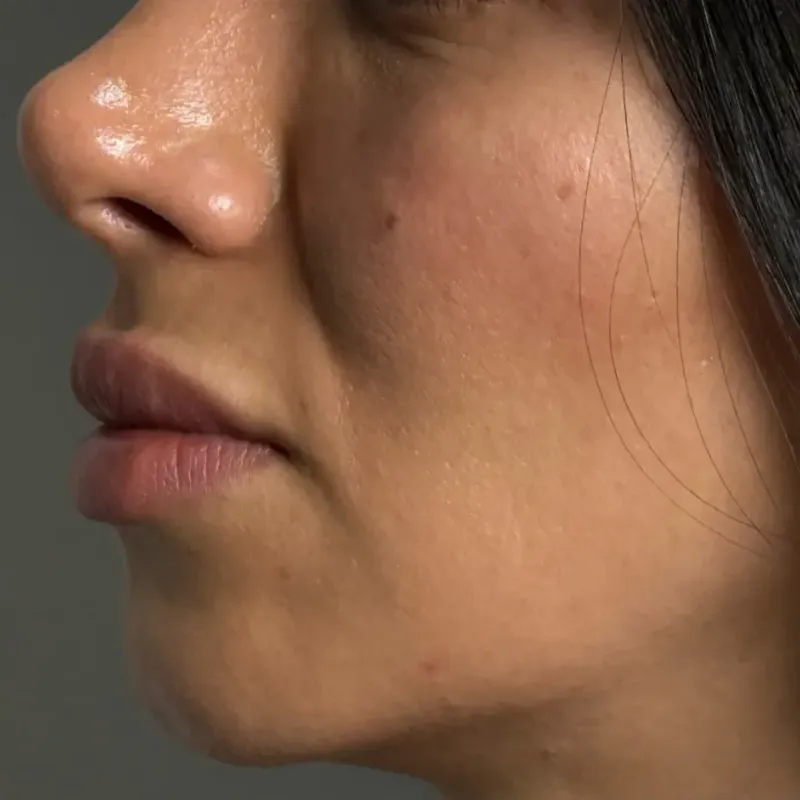
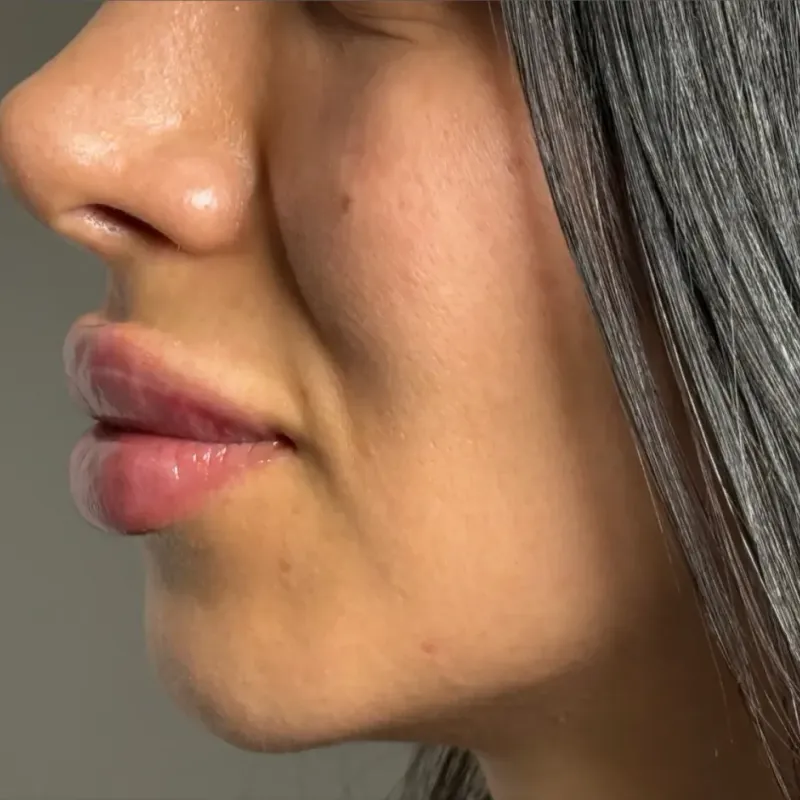
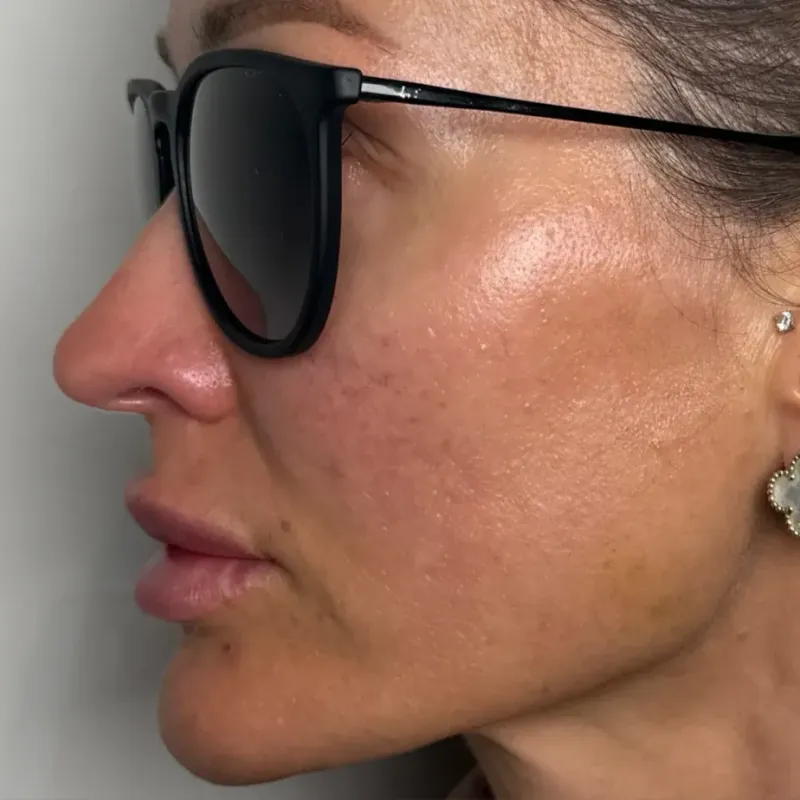
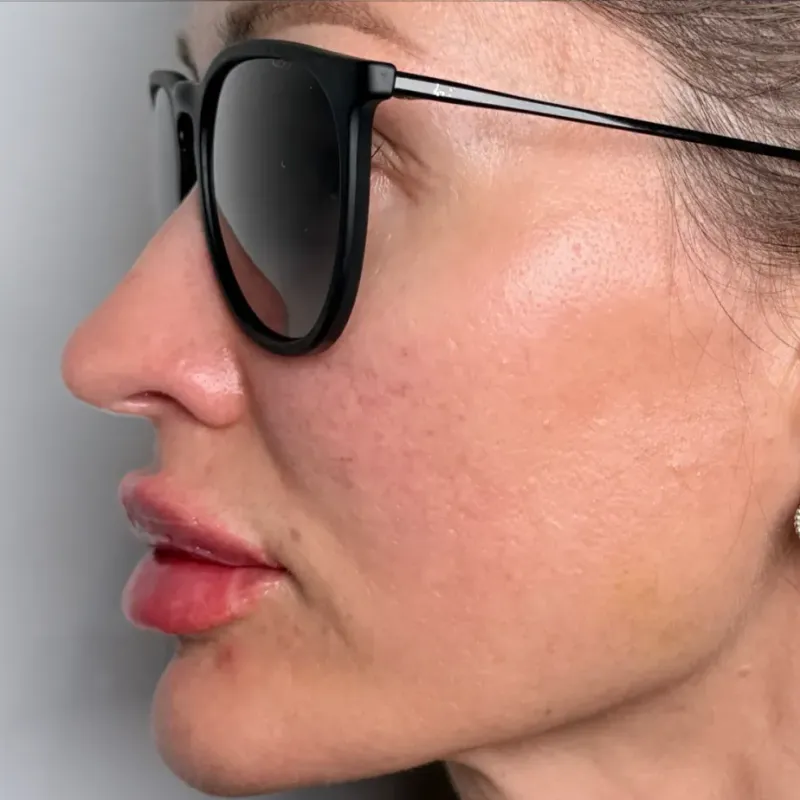
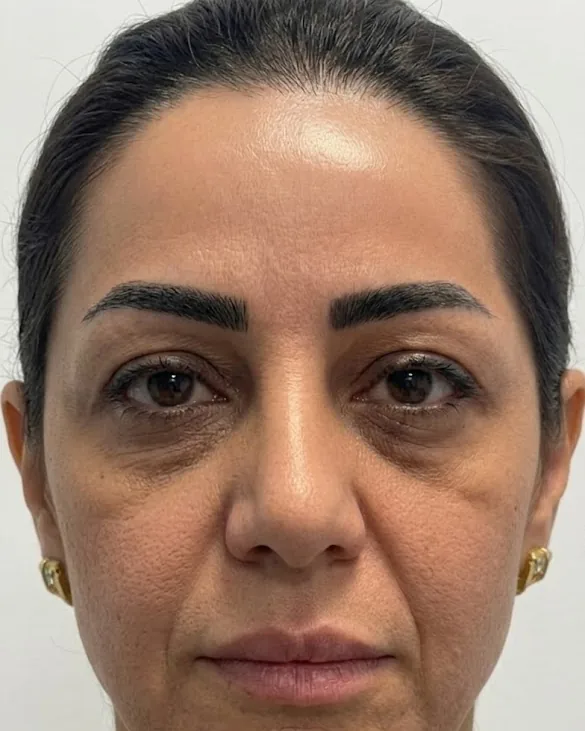
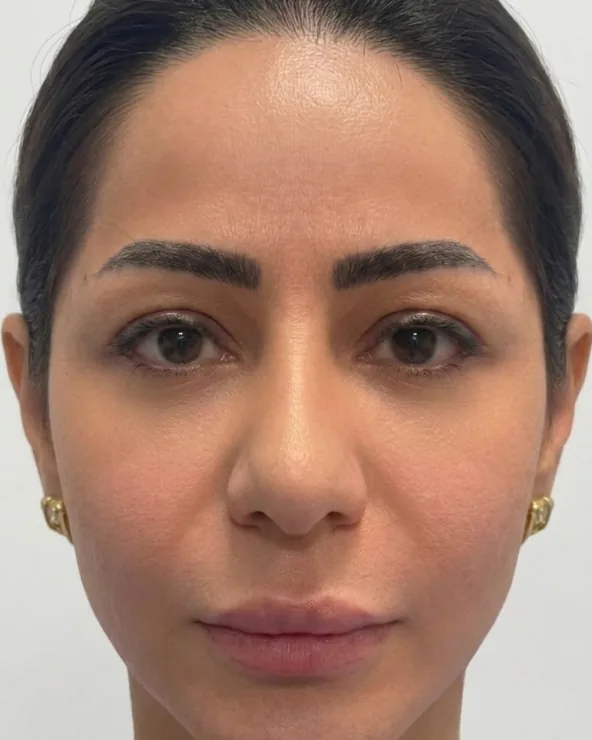
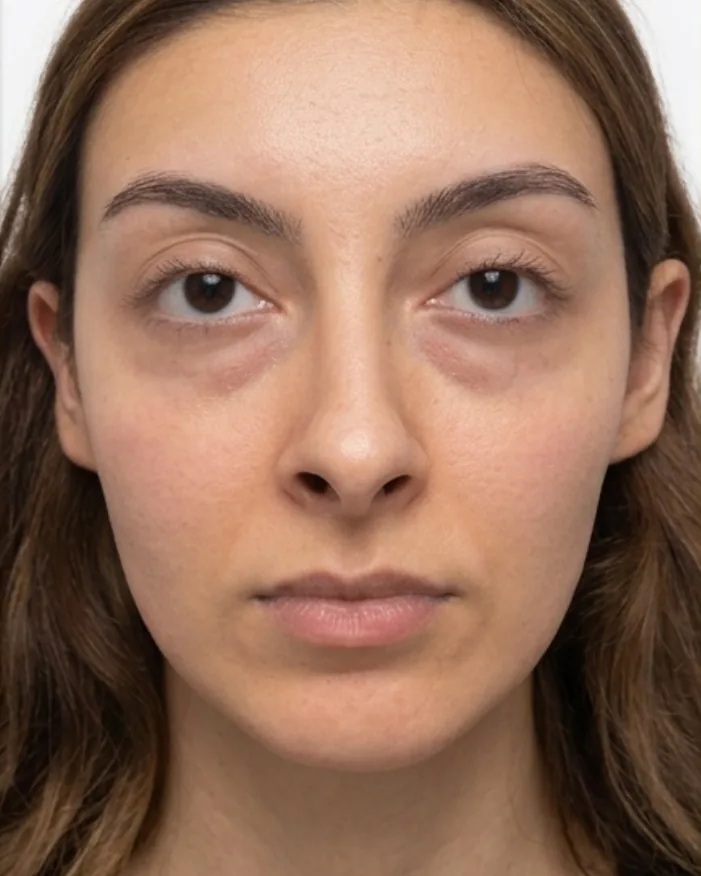
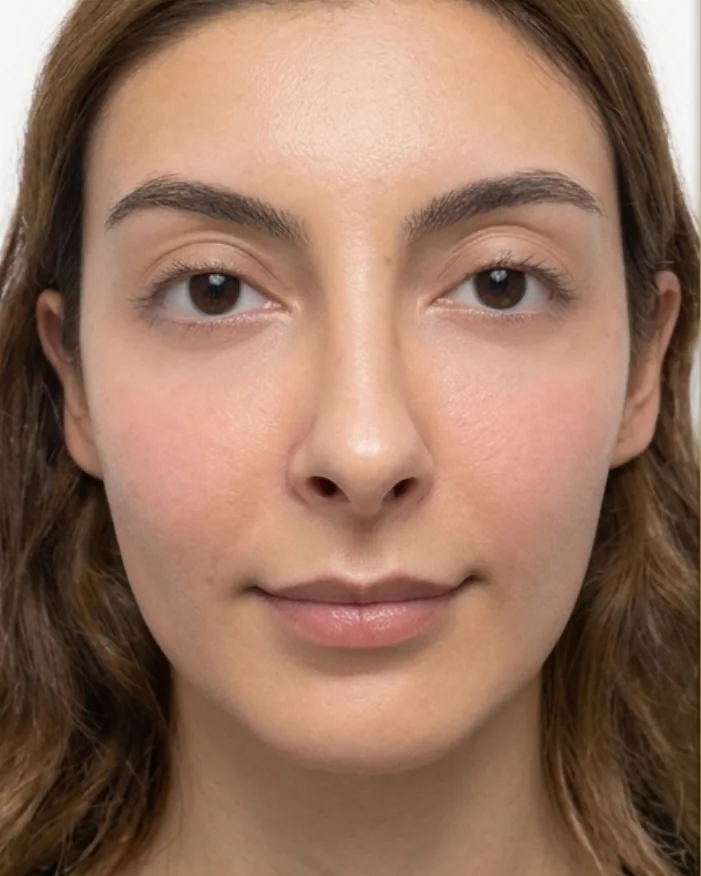
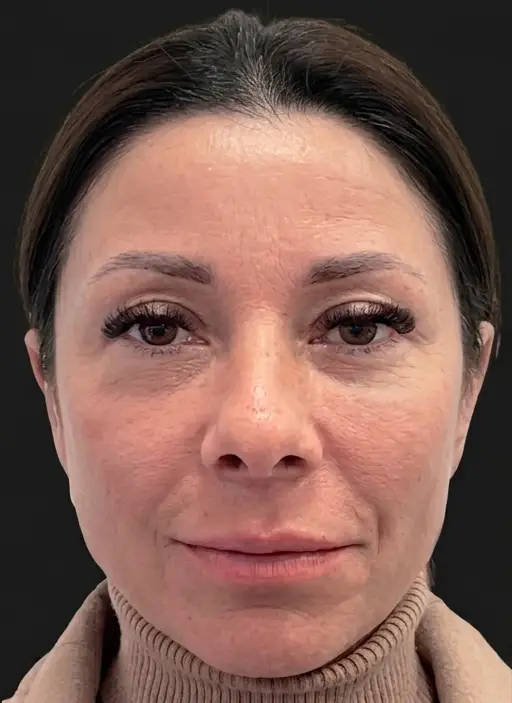
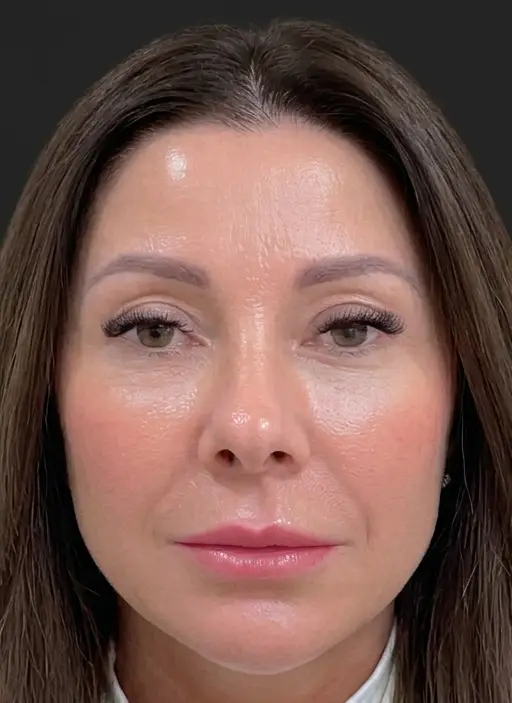
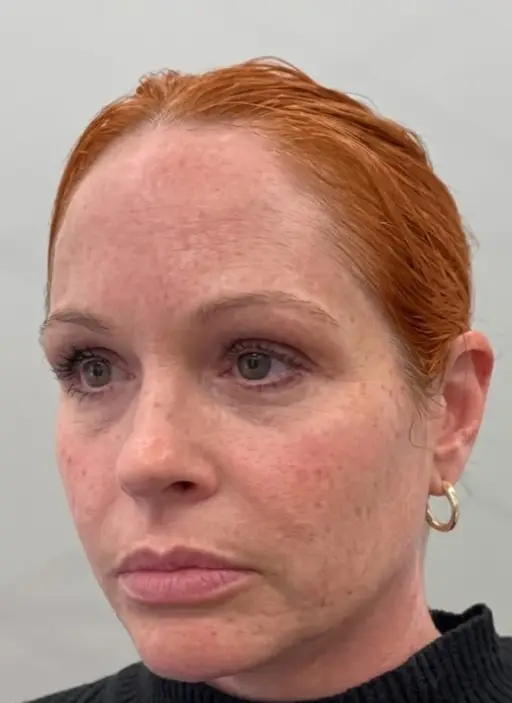
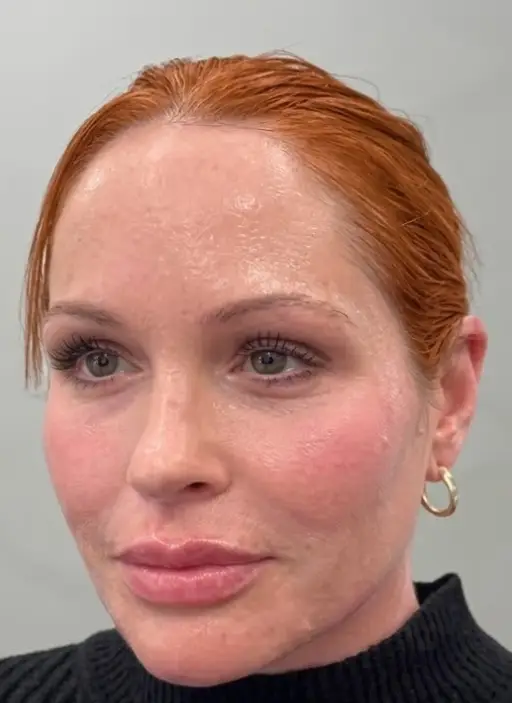
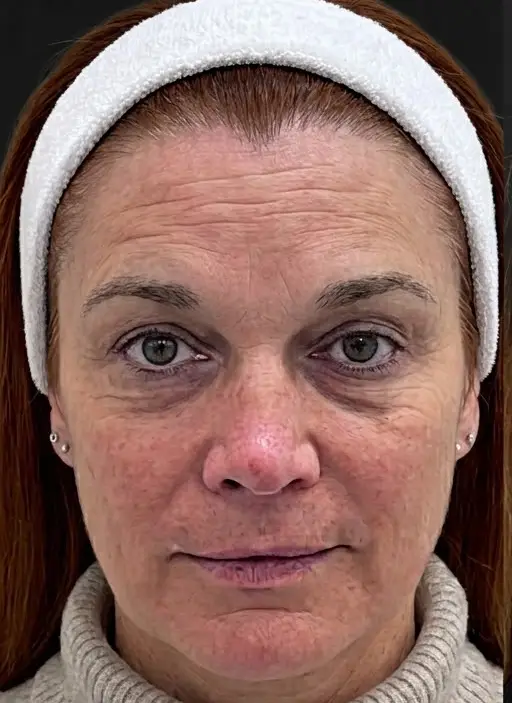
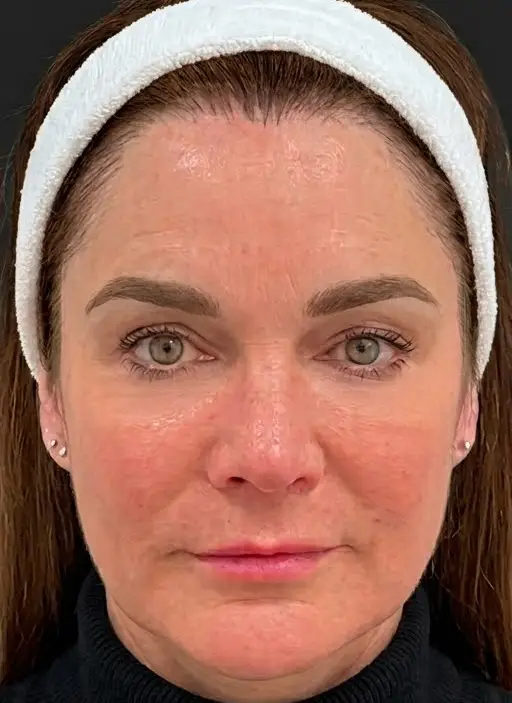
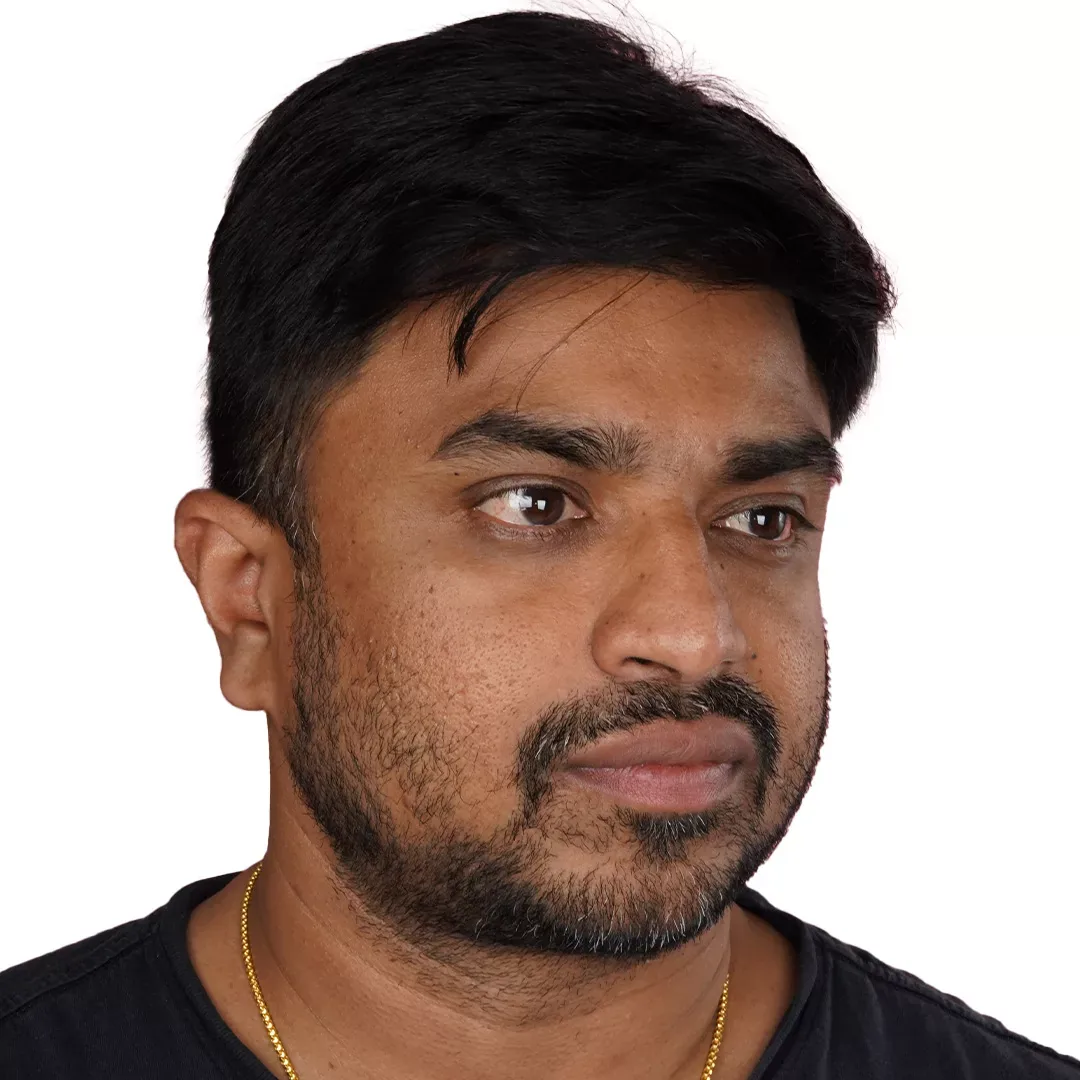
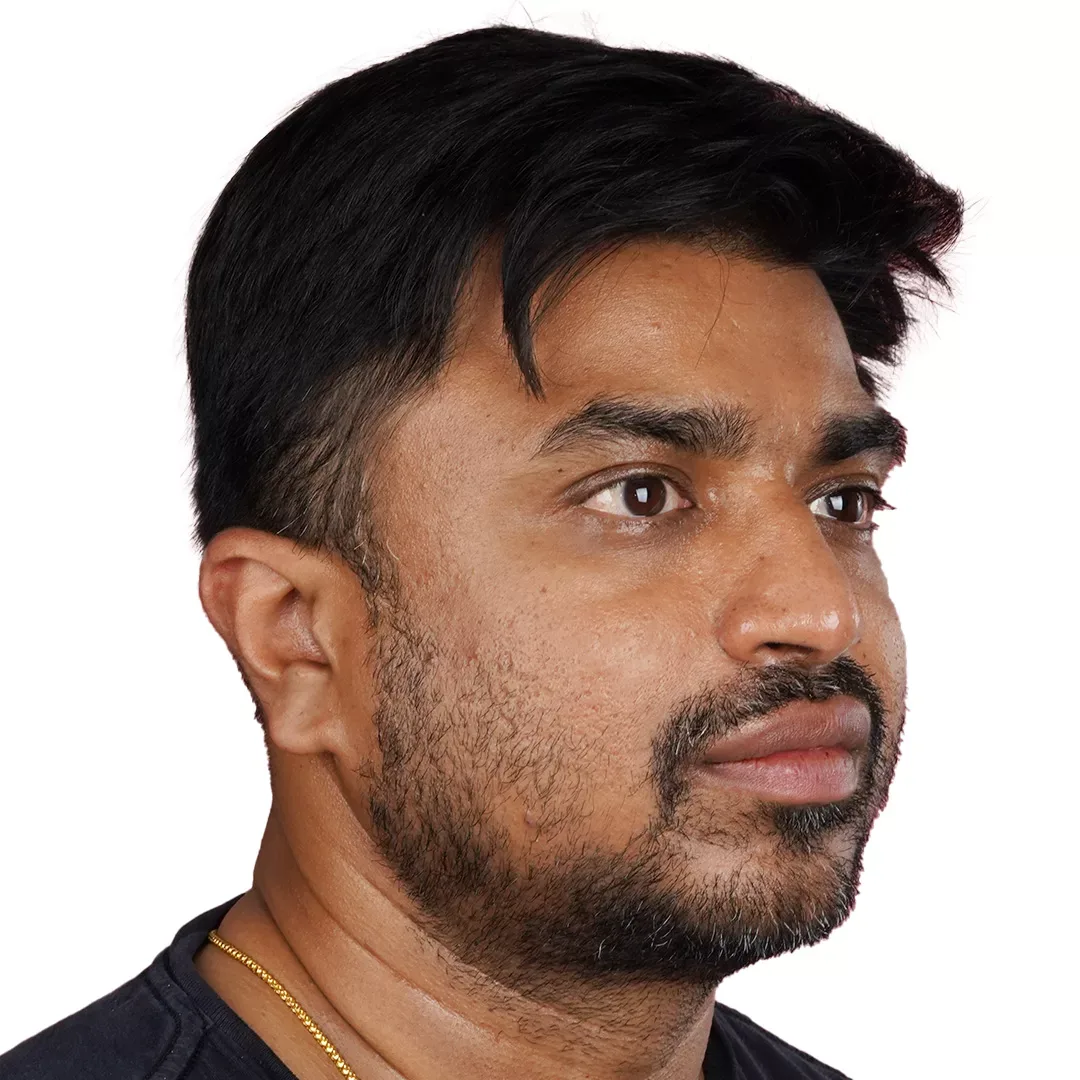
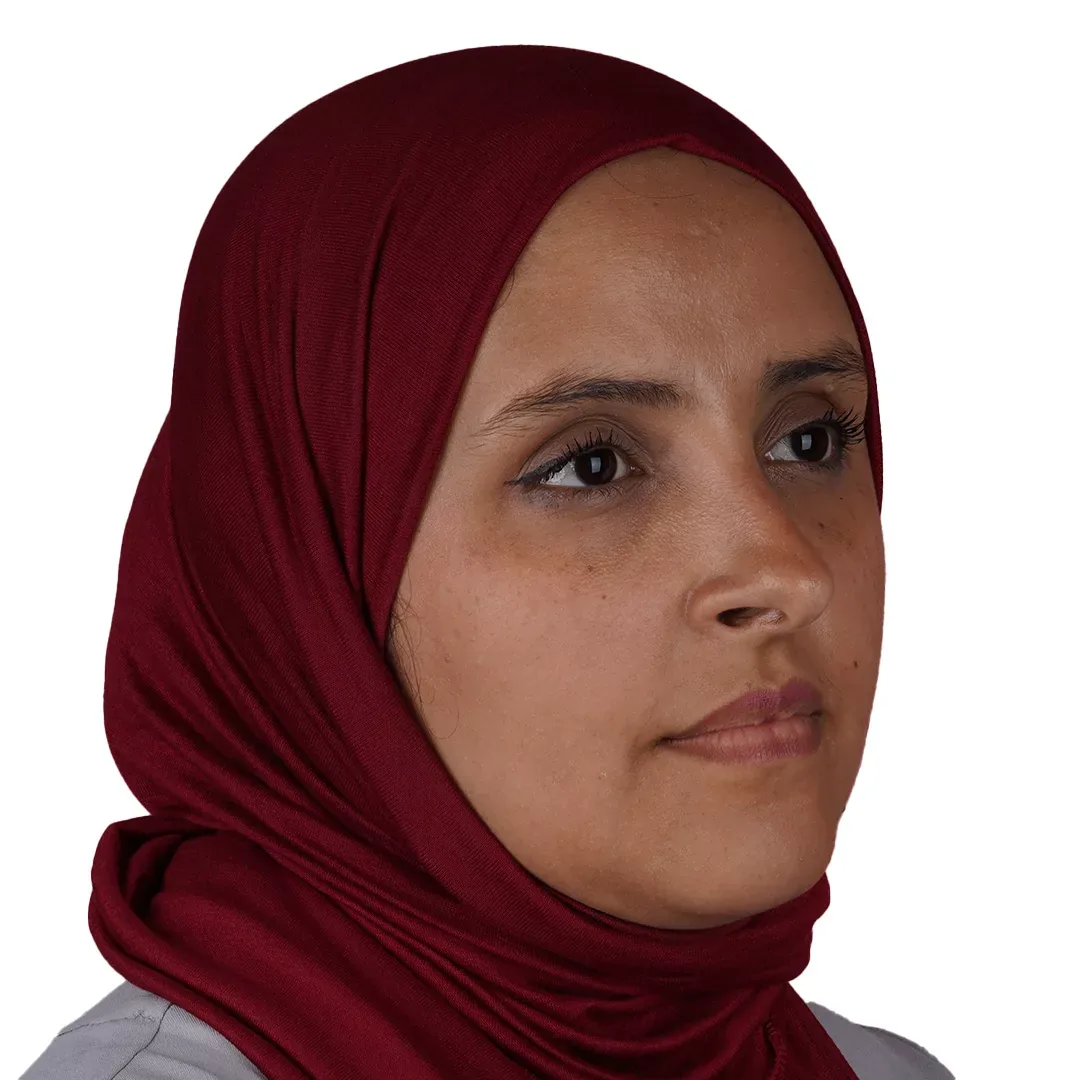
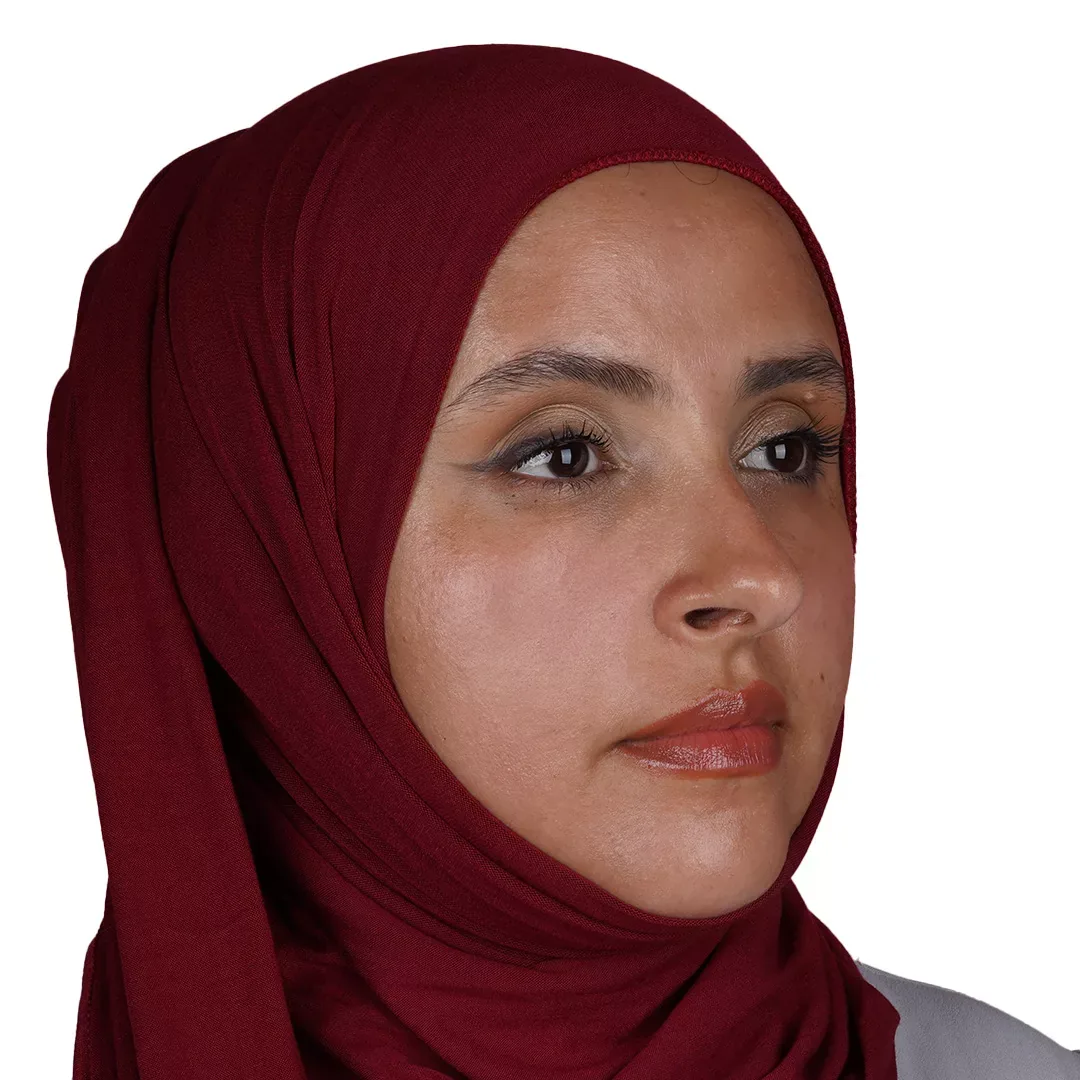
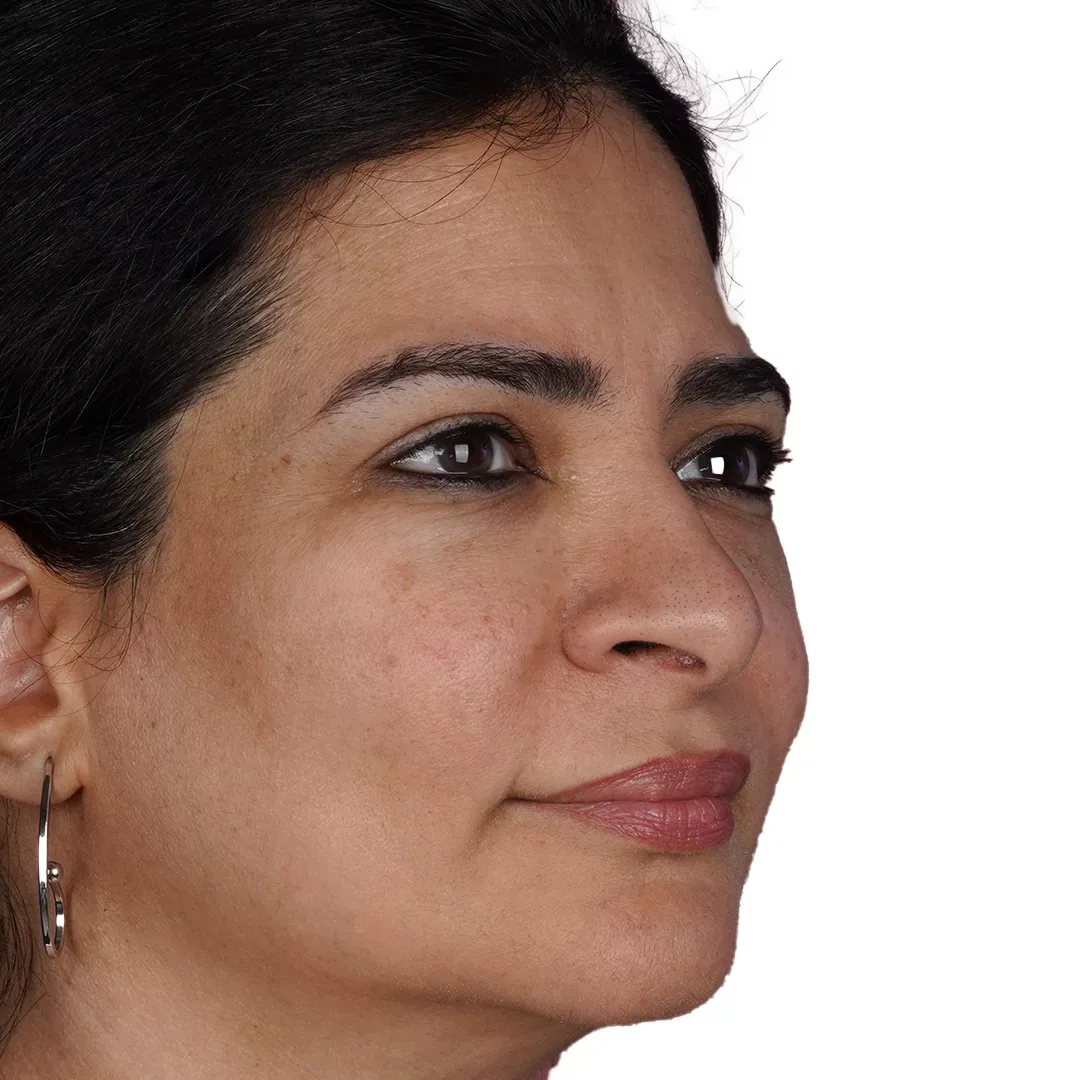
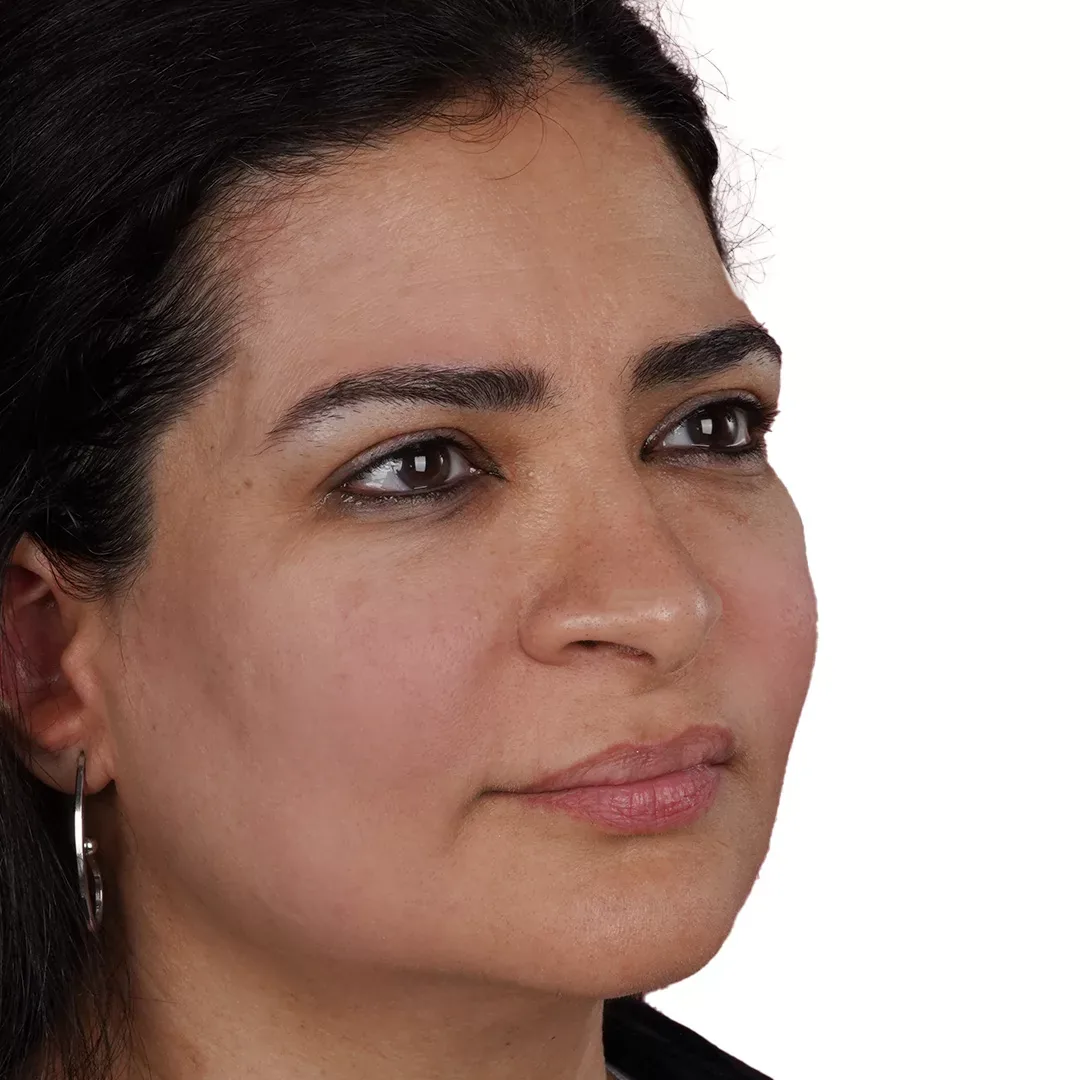
Lip Filler
A measured lip filler result, judged against the rest of the face rather than a trend.
Lip Filler · Front
Seen head-on: balanced volume and a clean lip border, left and right in agreement.
Lip Filler · Profile
In profile, volume that follows the line of the face instead of interrupting it.
Lip Filler · Side
A natural fullness and a graceful lip contour, seen from the side.
Under-Eye
The grey-violet shadow under the eye lifts; the gaze reads rested rather than tired.
Under-Eye · Hollow
The tear trough is supported gently; the dark ring opens and the tired look goes.
Skin · Hydration
Dryness and dullness recede; the skin looks hydrated and alive again.
Skin · Even Tone
Skin tone evens out; pigmentation and flatness give way to clarity.
Skin · Glow
A glow that comes from underneath — the kind makeup cannot imitate.
Hydrafacial
Skin photographed before and after a course of Hydrafacial treatment.
Hydrafacial
A closer view of the same treatment, where texture rather than tone is the change.
Ultherapy
Focused ultrasound, which works on the layer a surgeon would otherwise lift.
Removing the ink does not always return the skin to its original state. The process of tattooing itself can change the skin's texture, sometimes creating subtle scarring that becomes visible only after the pigment is gone. This is a trace of the tattoo needle, not the removal laser. In other cases, a faint outline or 'ghost' of the original design may remain. Protecting the treated area from the sun is fundamental, as sunlight affects both the healing process and the final appearance of the skin.
No price list. Every plan is quoted for one person and one anatomy, so a figure only means something once someone has looked at yours — you get one in writing before you commit to anything.
This article is general information, not medical advice, and does not replace a consultation. Every procedure carries risk and outcomes vary from person to person.
Filmed and published with our guests’ consent. Each speaks only for their own treatment — every face heals differently, and these are individual outcomes, not a promise of yours.
Answered as far as they can be answered in writing. Anything that depends on your own anatomy is answered by a surgeon looking at it.
PicoSure delivers energy in ultra-short picosecond pulses, creating a photomechanical effect that shatters ink into fine particles. Older Q-switched lasers use longer nanosecond pulses, which rely more on a photothermal (heat) effect. How a specific tattoo responds depends on its ink composition and colours. The choice of technology is based on these individual factors, not on a general rule of superiority.
Different laser wavelengths are absorbed by different ink colours. Black ink responds to a broad spectrum of light. Coloured inks, such as blues, greens, and purples, are more selective and require specific wavelengths for the energy to be absorbed efficiently. A multi-coloured tattoo may therefore require adjustments to the laser settings during treatment. The effectiveness is determined by the match between the laser light and the ink pigment.
The number of sessions required cannot be predicted. It is determined by the tattoo’s age, size, and location; the density and depth of the ink; and the specific colours used. The body's immune response in clearing the shattered ink particles also plays a crucial role and varies from person to person. The treatment plan is reassessed based on the progress seen after each session.
The sensation of the laser pulse is commonly compared to a rubber band snapping against the skin. A cooling device is used on the treatment area to manage this sensation. The intensity of the feeling depends on the location of the tattoo on the body, as some areas have more nerve endings than others, as well as the density of the ink being treated. The experience is individual.
All laser treatments are performed in an accredited hospital in Istanbul, which will be named in your written plan before you travel. A specialist doctor supervises the session, which is conducted by a technician certified on the PicoSure system. To ensure you are fully informed and comfortable, a dedicated interpreter is present for the entire duration of your appointment.
For your consultation, please provide clear photographs of the tattoo in good lighting. It is helpful to list all medications and supplements you take, as some can affect skin sensitivity. You should also be prepared to discuss your medical history, particularly any skin conditions or tendencies toward raised or keloid scarring, and detail any previous attempts to remove the tattoo.
Guest Stories
I had my hair transplant at Lin Europe Clinic, and my experience was excellent from start to finish. Everything was well organized, the procedure was smooth, and I didn't feel any pain during the treatment. The entire team was professional, friendly, and very caring. I really appreciated their attention to detail and the level of care they provided.I had the Baby Face Laser treatment at Lin Europe Clinic, and I had a great experience. The team was very professional, friendly, and made me feel comfortable throughout the entire process. They explained everything clearly and took the time to answer all of my questions. The clinic was clean, well-organized, and the treatment was carried out with great care.I had a great experience at LIN Clinic. The staff were welcoming, professional, and made me feel comfortable from the beginning. The clinic was clean and well-organized, and the whole process was smooth. I'm very happy with the care I received and the results.Linspired by you.
Tell us what you are considering. A coordinator who speaks your language will come back to you with an honest assessment of what is realistic — not a sales pitch.
Seven languages · No obligation
We measure how this site is used, and that needs your agreement before anything is stored on your device. Until you choose, nothing is. What is measured