What is the Safest Weight Loss Surgery Right Now?
Written by LIN Europe Clinic Editorial Team
Sleeve gastrectomy is generally considered very safe.
The Evolution of Bariatric Safety
The definition of surgical safety in the high-tech realms of metabolic medicine has been radically transformed over time. Previously, patients had no choice but to undergo operations involving long abdominal scars with intricate procedures like malabsorptive procedures such as gastric bypass where the patient's intestines were connected in a loop and rerouted; the risks were not just physical (infections, severe malabsorption, and long hospitalization), but they also changed their natural digestive process. Today, bariatric surgery has been completely revamped through the development of very high-resolution, state-of-the-art techniques and robotic surgeries for a safer and more effective surgical experience with very low blood loss and rapid patient recovery.
Purely from a clinical standpoint and considering the whole package. How common complications are, how long a patient stays after the operation, if the patient gets back to normal health after surgery, etc. Gastric Sleeve (Sleeve Gastrectomy) is now widely accepted by most of the surgical associations worldwide as, in all respects, the most appropriate and least risky weight loss operation.
The Gastric Sleeve as the Clinically Preferred Way
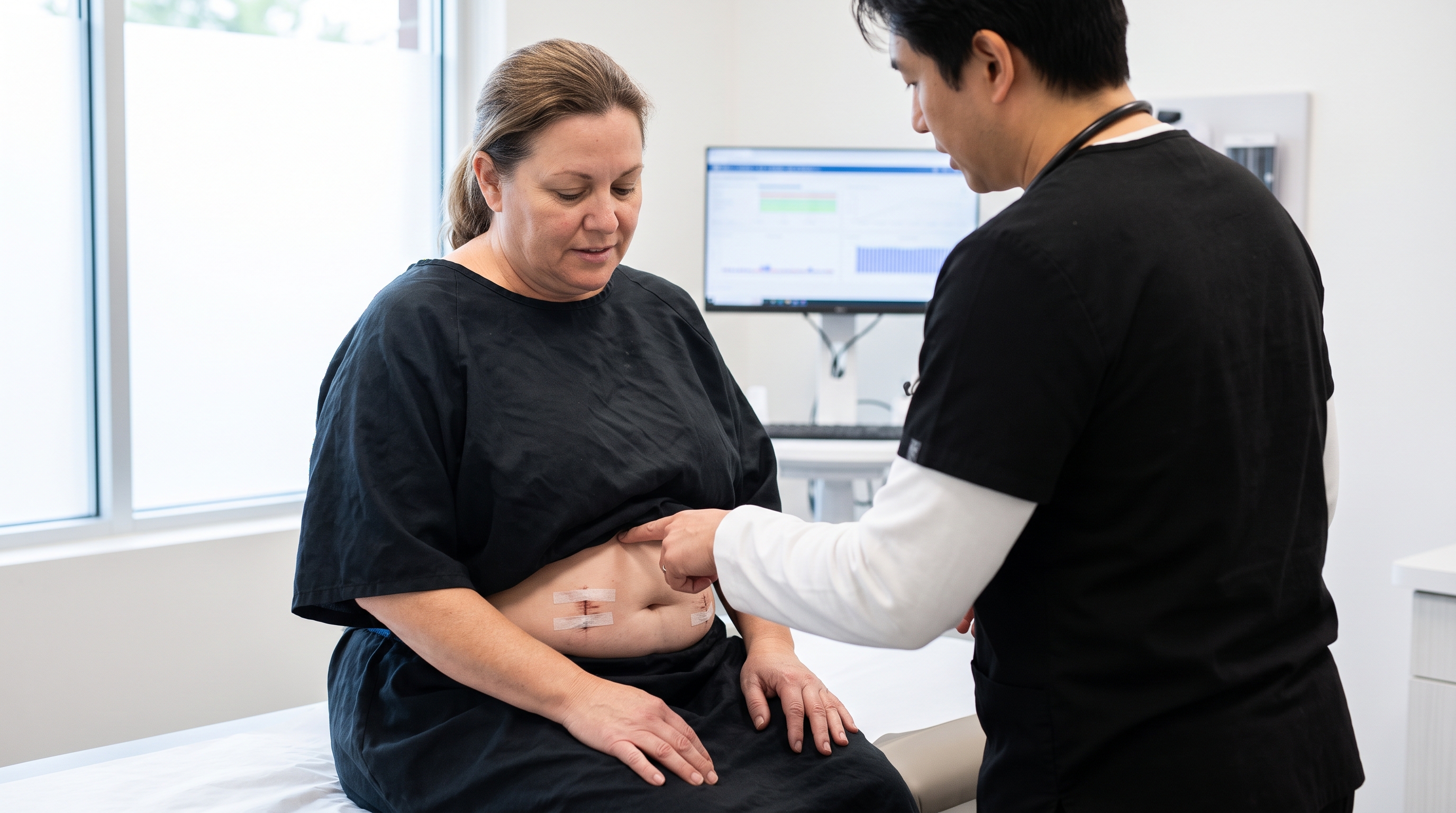
The reason why Gastric Sleeve is the safest procedure is very simple: it is a single-stage surgery which involves merely a vertical division of the stomach wall without disturbing the small intestine at all. To be specific, the surgeon cuts away about 80 percent of the stomach along one side, which leaves the stomach in the shape of a very narrow "sleeve". Since neither the pyloric valve, which allows emptying of food from the stomach to the intestine, nor the small intestine is affected by this operation, it is considered a normal digestive process.
The absence of intestinal rerouting is just another reason why Gastric Sleeve surgery is the least likely in all cases to result in postoperative complications. On the other hand, the more extensive surgeries like the Roux-en-Y Gastric Bypass will involve cutting up and rearranging of the intestines resulting in the possibility of internal hernias, marginal ulcers, and the severe case of dumping syndrome. The sleeve surgery totally eliminates risks of this nature. Furthermore, food is allowed to move along the gastrointestinal tract in normal fashion so that there is much less likelihood of major vitamin and mineral deficiencies. For this very reason, post-operative nutritional requirements become a lot more straightforward, and much safer, and even over a lifetime, the patients will find it easier to take proper care of their nutrition.
Metabolic Resetting and Hormonal Regulation
The reduction of the stomach physically restricts one of the reasons why people overeat: lack of satiety. However, the safety and effectiveness of the gastric sleeve are mainly dependent on the significant metabolic and endocrine advantages the surgery gives to the patient. The part of the stomach that is removed – the gastric fundus – is the principal location of the ghrelin hormone which signals the body that it is hungry. By physically removing this tissue through surgery, the body is practically "deprived" of these biochemical signals which result in food cravings and overeating.
This kind of endocrine reset enables the body to change into a new phase of a very fast, and still completely safe way of losing a lot of weight so that one does not have to endure the physical starvation usually encountered when the calorie intake is severely low in an extreme diet. The metabolic correction leads to complete and spontaneous recovery of all other health factors like Type 2 diabetes, high blood pressure, and sleep apnea (a condition you can hardly imagine without an artificial ventilator at night). These are all deadly conditions that have been completely turned around just after weight loss surgery.
Preserving Structural Integrity and Post-Operative Boundaries
Keeping strictly within the guidelines regarding protective and nutritious behaviors and diet changes in the immediate postoperative period is a vital factor for anyone who wants their bariatric operation to be the safest and most effective possible. The staple line (the new stomach wall created by suturing) of the new small stomach is very delicate during the first 4 to 6 weeks after surgery. If solid foods, dense proteins, or large amounts of liquids are consumed prematurely, pressure inside the stomach may cause the staple line to snap and start leaking, which is one of the most dangerous complications in bariatric surgery today.
In order for your new smaller stomach to heal with perfect structural design, you have to strictly follow a staged eating plan from liquids only to purees, and finally soft, easy-on-the-stomach, well-cooked proteins for two months. You must chew every bite to make it like liquid because a big amount of the stomach has been removed. Moreover, you must not drink when you are eating and keep a thirty-minute interval at least, as drinking and eating together might cause stomach discomfort and even a little stomach upset. Nicotine and tobacco in all forms are forbidden for good health reasons. Nicotine as a blood vessel constrictor, is so powerful that it would instantly decrease the availability of oxygenated blood that a small part of the body that is being repaired highly needs and hence impair healing of the staple line.
LIN Europe Clinic
Coming to LIN Europe Clinic means stepping into an oasis of world-famous medical care that combines high standards of clinical expertise with a great deal of empathy. We understand that to achieve a successful outcome and a very safe procedure for a Gastric Sleeve, you need to be in the right setting that is highly professional, well informed, and very supportive of the patient all the way. The reason is the precision involved in your surgery, the postoperative changes in your metabolism, and the whole nutritional adjustment, which can be challenging at first, that require us to be at the forefront of all this at LIN Europe Clinic while you are being treated in Turkey.
Entrusting the team here at LIN Europe Clinic, Istanbul, for your medical procedure will mean that your physical limits will be under the most precise diagnostic watch from day one. We will be there with you through the entire process, offering a wide range of services including thorough health assessments before the operation, custom-tailored diet plans, and lifestyle change recommendations to help you move gradually through each stage of weight loss. Our expert medical team ensures that you are protected at every stage of the physical transformation and that the changes of the whole body are kept on a safe and healthy path, so that when you are fully transformed, you can enjoy the best-looking and healthiest possible version of yourself.
Frequently asked questions
What is the safest weight loss surgery right now?
The Gastric Sleeve (Sleeve Gastrectomy) is widely considered the safest weight loss surgery today. It has a lower complication rate than a Gastric Bypass because it does not require cutting or rerouting the intestines.
Why is the Gastric Sleeve safer than a Gastric Bypass?
Gastric Bypass bypasses a section of the small intestine, which creates a higher risk for internal hernias, severe dumping syndrome, and long-term vitamin deficiencies. The Gastric Sleeve simply reduces the size of the stomach, keeping the natural digestive pathway completely intact.
Can the stomach stretch back out after a Gastric Sleeve?
While the stomach tissue can stretch slightly over several years if a patient consistently overeats, it will never stretch back to its original, pre-surgical size. The majority of the stomach is permanently amputated and removed from the body.
What is the biggest risk immediately after weight loss surgery?
The most significant acute risk is a staple line leak, which occurs when the surgical staples holding the newly shaped stomach together separate. This is why patients must strictly adhere to a liquid and puree diet for the first several weeks to avoid putting any pressure on the healing tissue.
How soon do medical conditions like diabetes improve after surgery?
Because the surgery removes the hormone-producing portion of the stomach and drastically alters your metabolism, many patients experience a rapid remission of Type 2 diabetes and high blood pressure within days or weeks of the procedure, long before significant physical weight loss has occurred.
This article is general information, not medical advice, and does not replace a consultation. Every procedure carries risk and outcomes vary from person to person.
Last reviewed 31 August 2026