How Long After a Thread Lift Will My Face Feel Normal?

Medically reviewed by Op. Dr. Halil İbrahimPlastic, Reconstructive and Aesthetic Surgery
Usually within two to four weeks.
The Biomechanics of Subcutaneous Tissue Integration
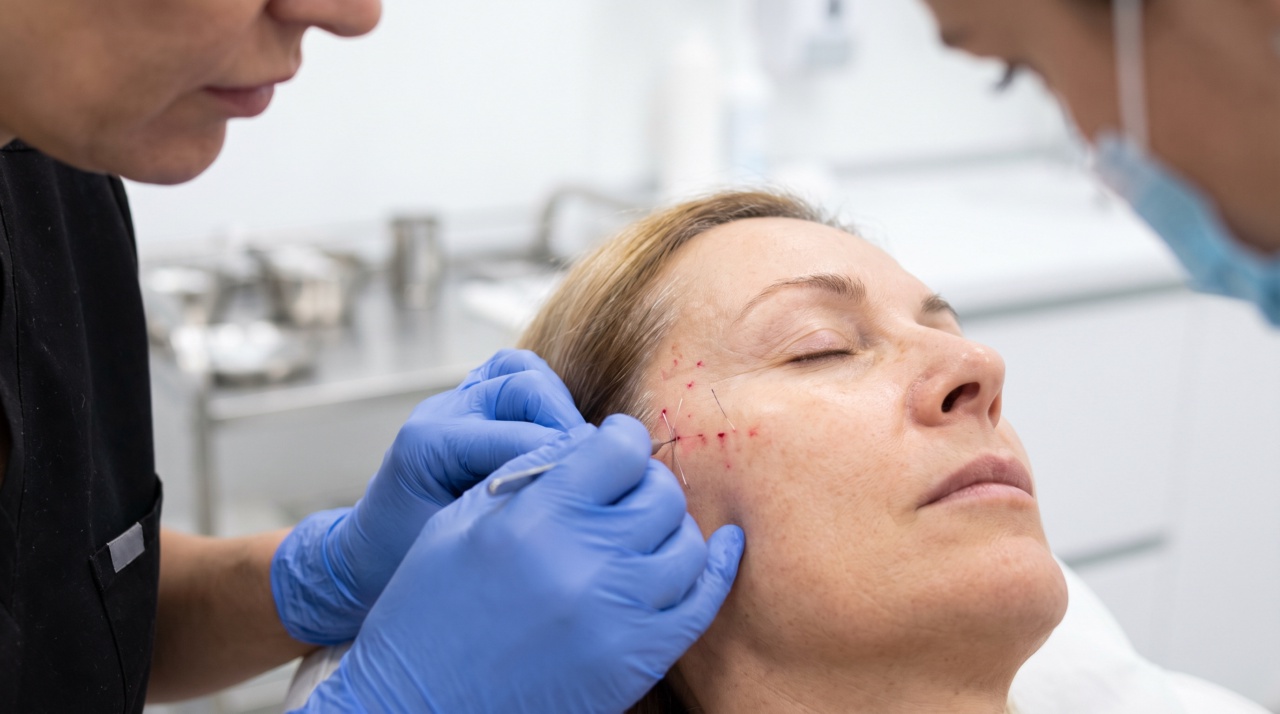
Subcutaneous fat tissue insertion of absorbable suspension sutures alters the architecture of the face in a significant way. By anchoring the superficial musculoaponeurotic system (SMAS) and moving the facial tissues that have drooped along higher aesthetic axes, the immediate and necessary mechanical tension is achieved. Since the fascial network is purposeful and the manipulation is gentle, it will usually cause transient sensory changes, which many patients experience mainly as sensations of extreme tightness, mild hyperesthesia, or localized pulling.
Clinical evidence states that the acute sensation of the face being overly tight or feeling mechanically restricted will usually be resolved in the next two to four weeks, but for the facial sensation to return to its previous state as well as complete physical integration, will take around six to eight weeks. Specifically within this timeframe, neocollagenesis is being stimulated within the deep dermis by means of the barbed threads so that the whole process of local inflammation is taking place, which is entirely responsible for these temporary aberrations of sensation. As collagen forms around the threads, your sensory cells slowly adjust to the baseline level so that the facial tissues regain their totally natural and uninterrupted sensitivity.
Nervous Regulation and Sensory Modification in Skin Layers
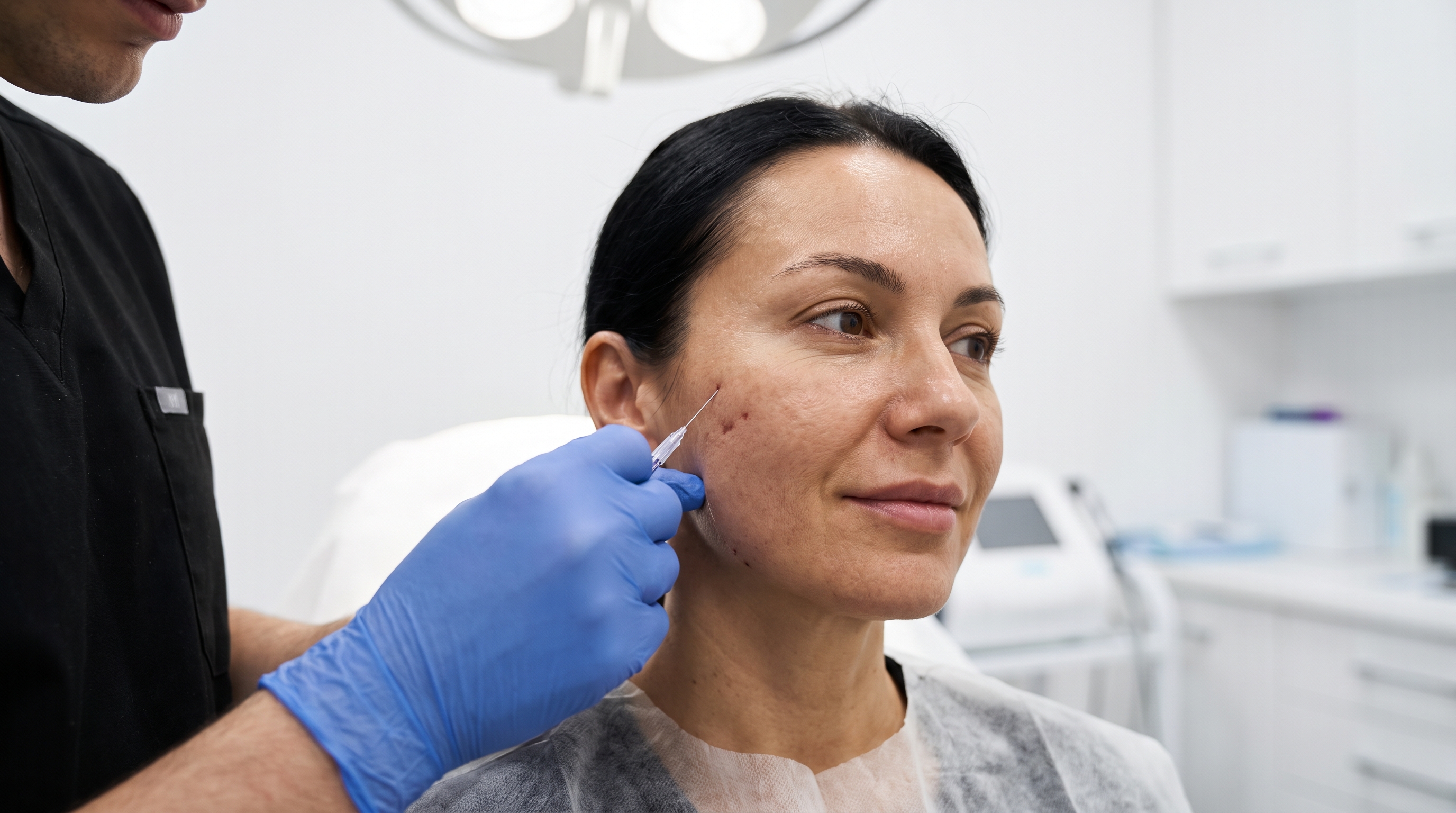
Micro-barbs or cones must be in direct contact with the fibrous septa of the subcutaneous layer to achieve a well-drawn facial lift. After lifting these lines and fixing them, the body starts a controlled response as it considers the inserted items a foreign body, and fibroblasts and macrophages are quickly sent towards the points of entry. This level of cell activity essentially restructures the deep epidermis, but it simultaneously swells the sensory nerves a little at the level of the insertion site, which leads patients to clinically report the occurrence of occasional tingling with sharp jolts or numbness at these points after recovery.
As the weeks go by, the degradation of the polydioxanone (PDO) or poly-L-lactic acid (PLLA) filaments will naturally loosen these thread materials, so their rigid presence becomes progressively less. This reduction will be perfectly harmonized with the substantial build-up of collagen of the body's own Type I and Type III along the newly defined aesthetic axes. Therefore, the sensation of hardness of a foreign thread will be totally gone, leaving a solid, natural, integrated sheet of fascia under the skin that moves in tandem with the facial muscle and skin contractions and relaxations.
Navigating Transient Edema and Tissue Retraction
The specific structural lifting and deep tissue anatomy of a patient is the biggest determinant of the duration from the time a patient stops feeling something in their face down to their skin and muscles having returned to normal. One can imagine that if a patient has a deep and strong skin layer, or if a thread lift that involves multi-vector lifting with bigger suspension lines has already been applied, a period of accommodation to this new situation within the tissues will be longer naturally.
In this early phase, it is completely normal to see mild depressions of the skin at the entry points and to feel that the skin is slightly pulled away, but this is nothing more than proof of optimal engagement of deep tissue and that there is no real cause for worry about the patient’s health. Strictly following a well-devised medical aftercare plan is an absolute necessity to fast-track recovery from these physical and sensory issues. Proper internal hydration will ensure the skin and subcutaneous tissue are constantly supplied with blood, which reduces the period of acute facial swelling after a procedure to a minimum.
Preserving Structural Integrity and Post-Procedural Boundaries
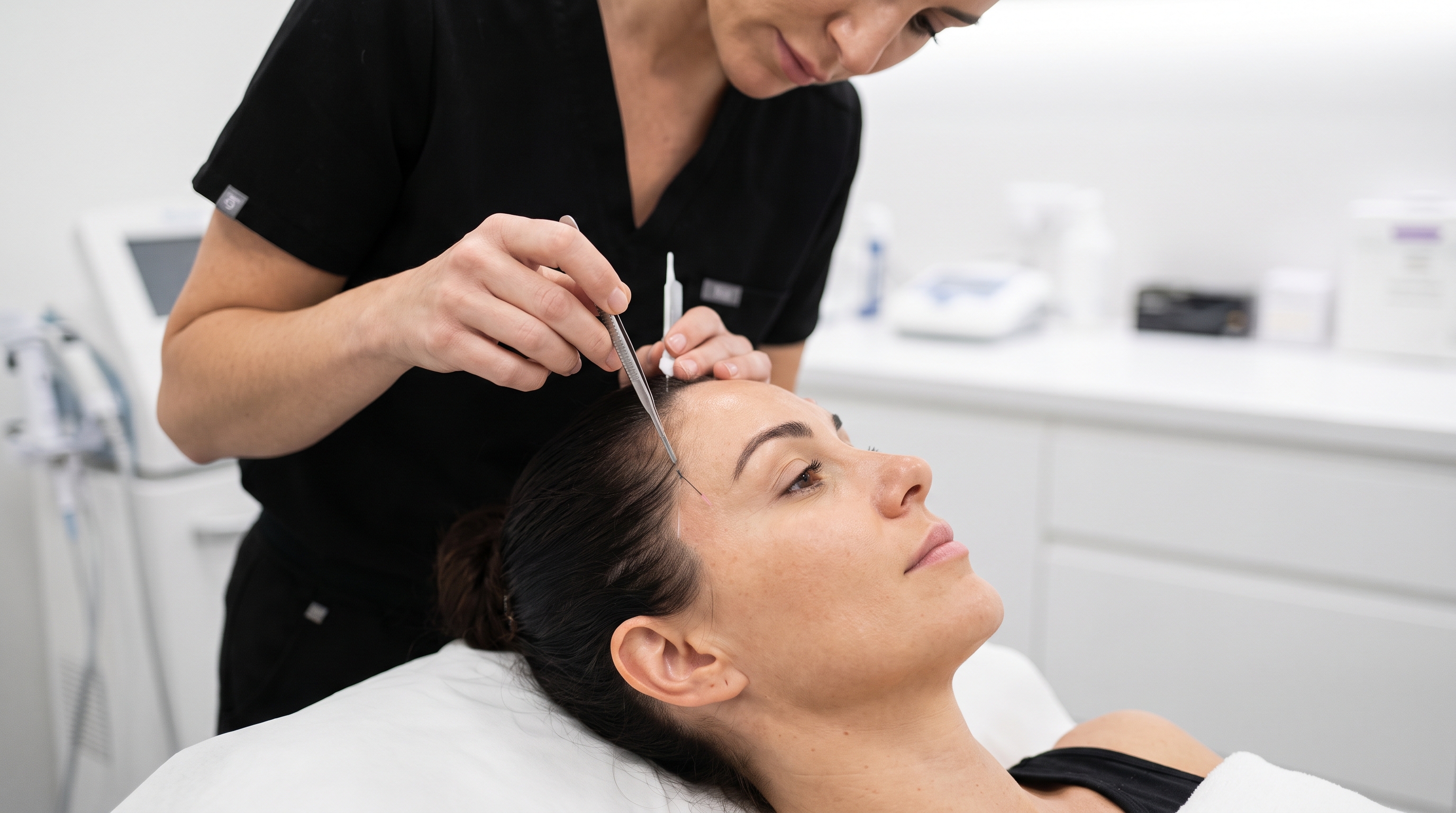
In order to have a really rapid and smooth recovery, one must be ready to commit fully to post-surgery restrictions and behaviors. The collagen fibers formed in deep facial layers have to be fully supported through the major period from your lifting until your six- to eight-week healing phase, as the new tissues in facial skin and underlying tissues are being held and stabilized by the lifted skin layer.
In fact, without any kind of resistance to body weight and mechanical friction, healing will be severely impaired, leading to an imbalance in lift that can compromise both its longevity and the appearance of the face. You can be assured that your face will remain a great result by strictly complying with the recommended protective measures during this period of healing. For instance, as advised by your medical team, you will apply specialized medical compression garments, such as a chin strap, at night to support the tissues properly. Besides preventing localized fluid accumulation by reducing dead spaces, targeted compression ensures the skin directly adheres to the underlying subcutaneous tissue during your resting time.
Thread Lift in Turkey
LIN Europe Clinic is an ideal medical destination where facial aesthetics, advanced structural contouring, and procedural management are all executed with outstanding clinical competence and deep emotional support. We are fully aware that the mastery of post-thread lift soft tissue adaptation, collagen regeneration techniques, and maintenance of structural stabilization over time will require a patient to work with a team having access to not only cutting-edge medical instruments but also the very latest patient care knowledge.
By entrusting specialists at LIN Europe Clinic, located in Istanbul, the changes in structure are monitored thoroughly through diagnostics. We offer post-procedural comprehensive guidance, detailed tissue reviews, and step-wise healing instructions that guide you through your tissue development and adjustment to lifestyle without skipping stages in this transition.
Frequently asked questions
How long does initial tightness after a thread lift last?
The acute sensation of tightness usually resolves within two to four weeks. This is part of the early healing process.
When does facial sensation return to normal after a thread lift?
Complete physical integration and normal facial sensation typically take six to eight weeks. During this time, collagen forms around the threads.
Why does my face feel tight after a thread lift?
Initial tightness results from the mechanical tension of the sutures. Local inflammation and nerve swelling contribute to these temporary sensations.
What helps improve recovery after a thread lift?
Following a well-devised medical aftercare plan is essential for faster recovery. This includes proper hydration and adhering to post-surgery restrictions.
Are mild skin depressions normal after a thread lift?
Yes, mild skin depressions at entry points are completely normal. They indicate optimal deep tissue engagement and are temporary.
This article is general information, not medical advice, and does not replace a consultation. Every procedure carries risk and outcomes vary from person to person.
Last reviewed 8 September 2026