Breastlift: Does a Breast Lift Get Rid of Stretch Marks?

Medically reviewed by Op. Dr. EmrePlastic and Aesthetic Surgeon
A breast lift may remove some, but not all, stretch marks.
Dermal Excision Boundaries and Surgical Realities
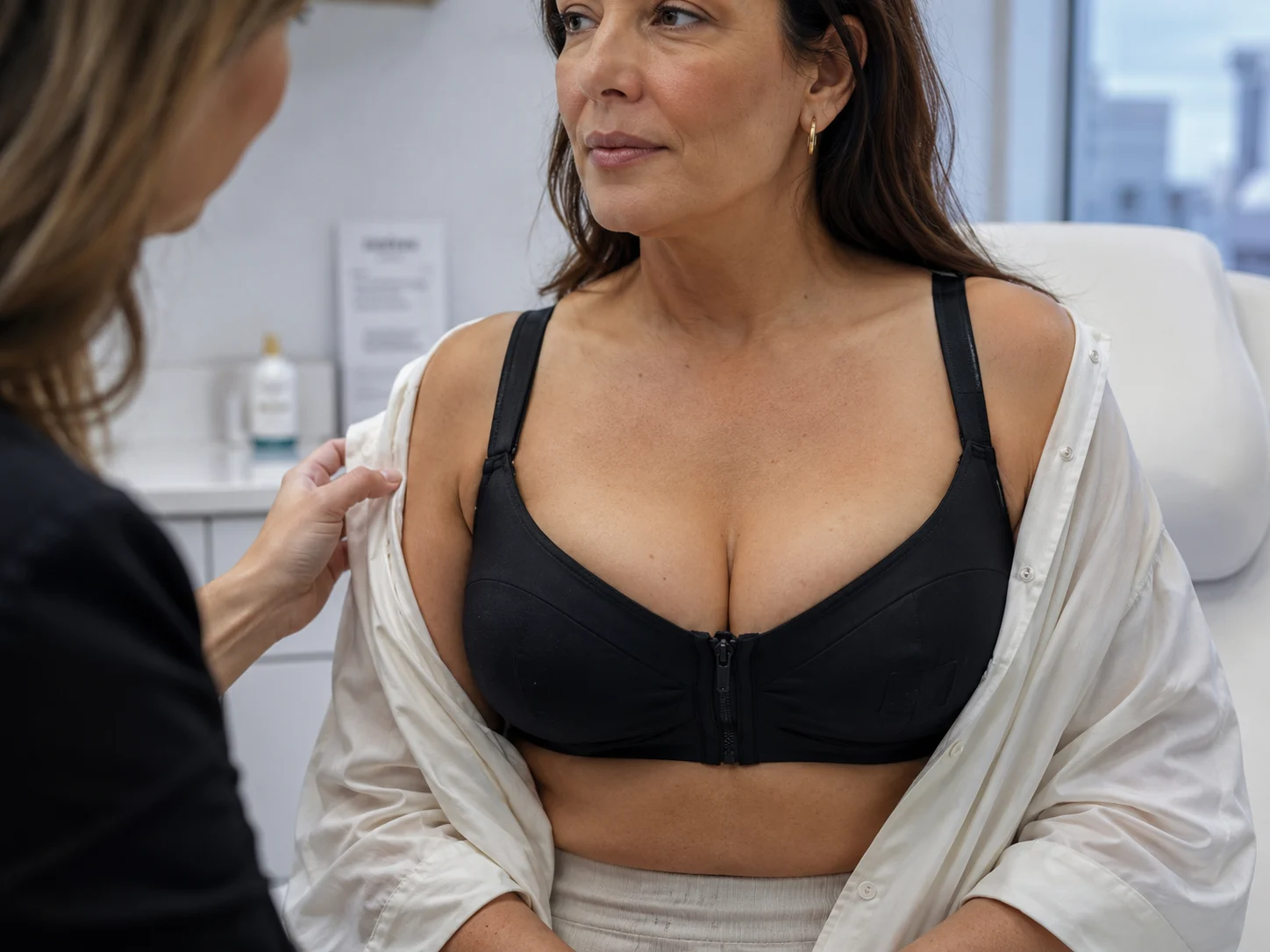
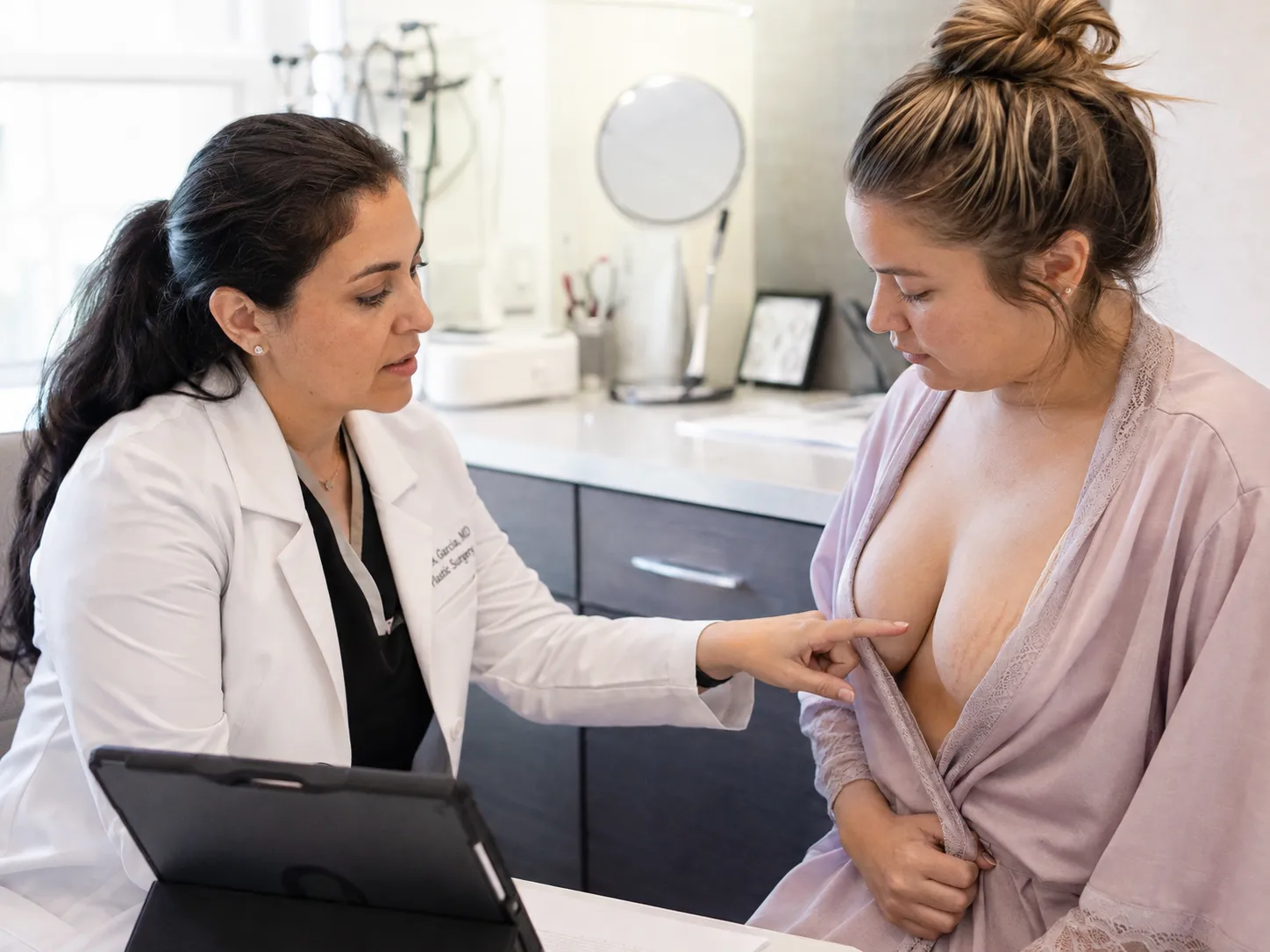
At the core of any discussion regarding whether a breast lift can remove stretch marks is the location of these marks with respect to the incision of the surgical procedure. Since mastopexy aims mainly at breast reshaping by cutting off redundant skin and raising it, all stretch marks that get cut off via this excised skin flap also disappear. If there are stretch marks in the area of skin you end up redraping and preserving, then they will show up, although you might not see them that clearly since they'll be covered over the whole breast.
From a strictly clinical point of view, a breast lift gets rid of stretch marks only if they are located on the lower portion of the breast skin that is physically excised during surgery. Because a mastopexy relies on removing excess, redundant skin to reshape and elevate the breast, any stretch marks within that trimmed skin flap are permanently eliminated. However, stretch marks located on the upper pole or sides of the breast that are preserved and redraped will remain, though their appearance may be visibly improved.
Anathomical Dynamics: Excised vs. Redraped Dermal Zones
To make sense of a breast lift changing the look of stretch marks, let's take the example of flaps of skin that are cut and then repositioned as part of a tissue elevation:
- Lower Pole Excision Zone: During the majority of techniques, such as mastopexy (such as the lollipop or Wise-pattern anchor lift), the biggest skin excision comes from the lower part of the breast located below the nipple. Those stretch marks that are mostly there get removed along with your skin flap, as the extra skin is the only material being discarded. This way, you remove those marks as you get rid of your skin flap.
- Upper Pole and Lateral Redraping Zone: Skin above your nipple-areola complex and skin of the upper chest wall are the remaining pieces, and they are the pieces used to cover your newly elevated breast. These remaining skin's stretch marks can't be cut off, but pulling of the skin when re-draping tends to make surface irregularities less pronounced. So, even if the stretch marks stay, they can become less noticeable due to smoothing of your skin.
Complementary Modalities for Remaining Dermal Scars
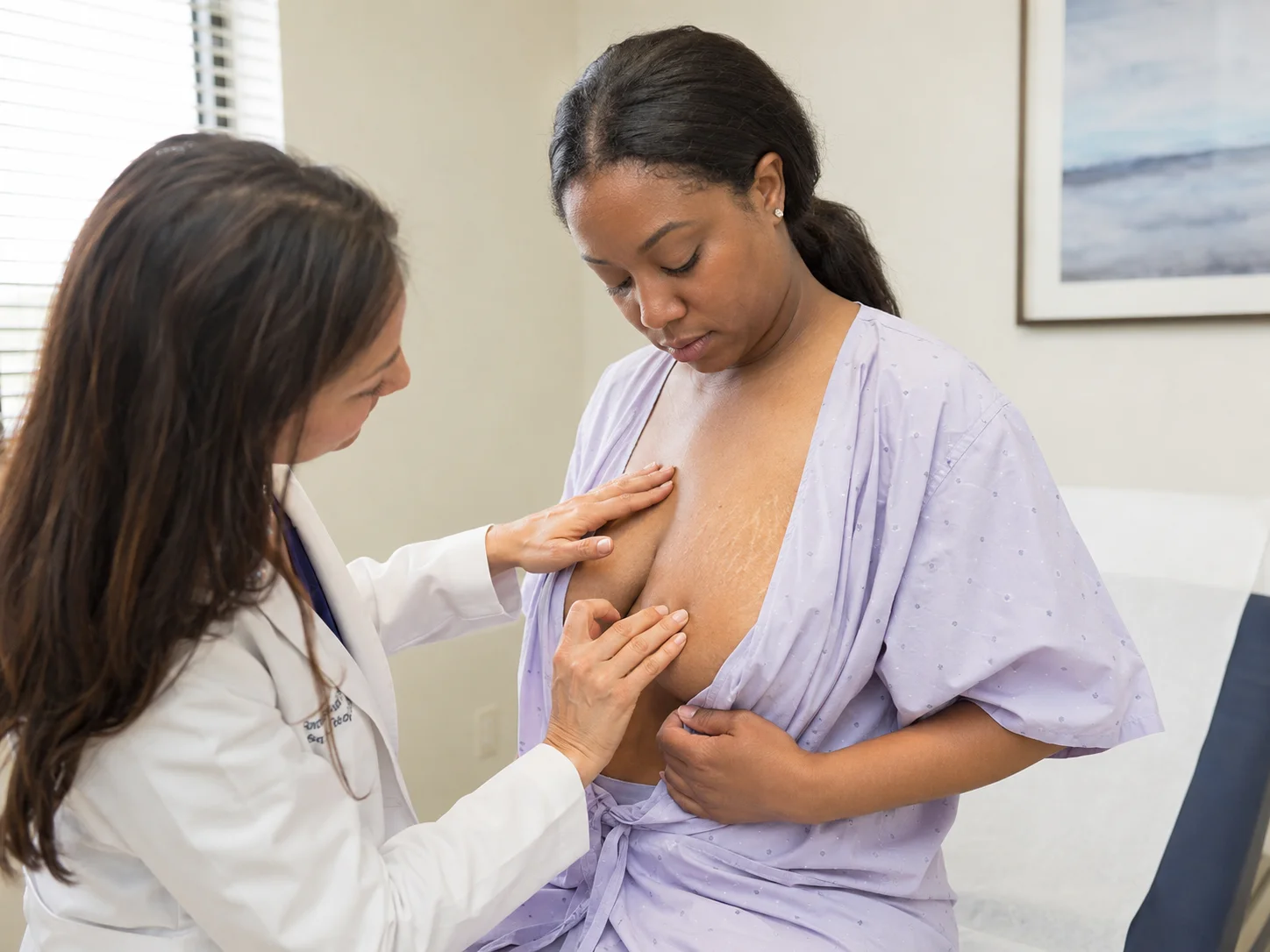
To patients whose stretch marks run towards or reach the upper breast or lateral chest wall area where surgical excision is not anatomically possible due to that location, surgery together with the most effective skin rejuvenation techniques can be the best of both worlds option:
- Energy-Based Skin Resurfacing: Radiofrequency fractional laser microneedling and non-ablative fractional therapies are performed several months after complete healing of surgery. They are ways of initiating a fresh layer of collagen within the existing striae. In addition to thickening the wound, these procedures result in blending the colour and texture of remaining stretch marks with the surrounding healthy skin.
- Topical Dermal Support Protocols: Retinoids, hyaluronic acid blends, and special scar gels in medical-grade topical application are used to enhance local hydration and the process of cellular change. They are a tool to help the surface of the remaining skin stay as smooth and as hard as possible, as well as look as smooth as possible to the human eye.
Preserving Structural Integrity and Post-Operative Boundaries
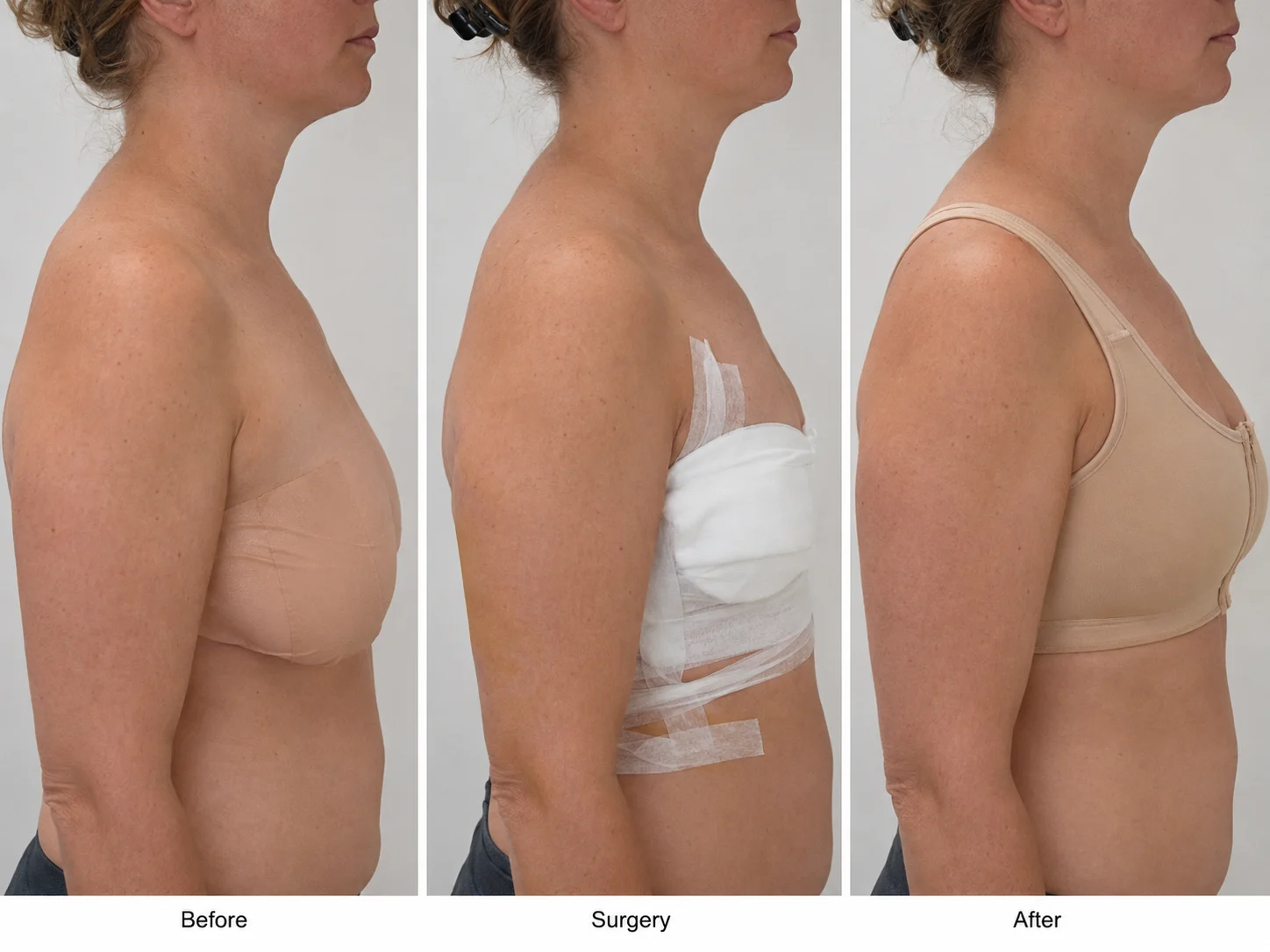
To ensure that you get the perfect result from your physical body profile through the process that you've dedicated most of your time to, you should strictly abide by the restrictions regarding lifestyle and the protection guidelines during your convalescent period. The newly elevated gland, the position of the nipple-areola, and the suture nodes depend heavily on the mechanical support from the outside to form the strongest and most stable collagen-bundle and fibrin-bond during the first crucial 6 to 8 weeks post surgery.
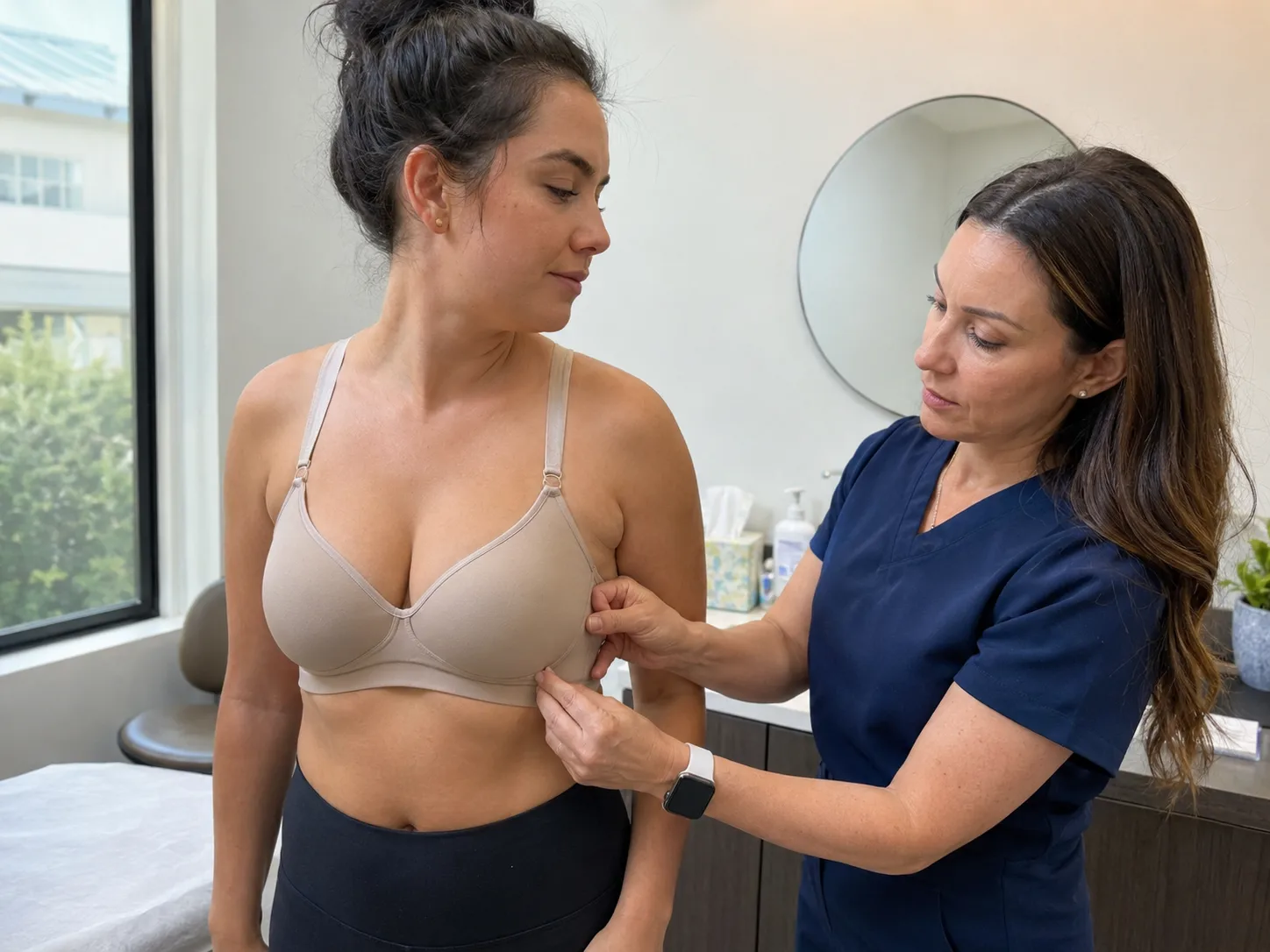
To keep the shape you are aiming for in your post-surgery breasts at the highest level of structural accuracy, you should stay away from activities causing strong movements from a large surface area, such as running, carrying heavy weights only with your upper body, or anything similar for quite some time during recovery. You have to sleep in a position on your back with your upper part of the whole body lifted to avoid laying any weight on the area where the tissues heal and also to limit deep post-operative fluids and swelling. Also, to avoid the dragging of the incision and promote incision healing, keep yourself comfortable and get support to the skin by wearing the medical-grade surgical compression garment during 1st 4 to 6 weeks only, without any pause.
Breastlift in Turkey
Opting for the LIN Europe Clinic means stepping into a leading world-class medical sanctuary where your facial enhancements, advanced structural body reshaping operations, as well as a number of surgeries, are handled and carried out through unparalleled clinical standards and deeply understanding care and sympathy. The whole team of LIN Europe Clinic knows that only by understanding in minute detail your parenchymal changes, different mastopexy lines, and the necessary adaptations of soft tissues for a remarkable breast lift can a sophisticated, transparent, and supportive environment that puts science first be created.
Placing a deep faith in our professional group at the LIN Europe Clinic, Istanbul, will monitor your physical structure changes with the utmost precision using medical diagnostic methods. Through us, you will receive your personal surgical planning, the detailed analysis of your skin tissue, and the postoperative plan for your tissue healing and lifestyle integration at each step of the way. Our surgical team, with an unparalleled clinical level, ensures that your physical appearance and your general health are best protected at the expense of cosmetic surgery. You will gradually develop your perfect body image with full peace of mind.
FAQ:
References
Gunter, J. P., & Rohrich, R. J. (1987). Management of tissue laxity, parenchymal reshaping, and dermal excision boundaries in mastopexy. Plastic and Reconstructive Surgery, 80(2), 161-173.
Toriumi, D. M. (2006). Structural body contouring: Maintaining long-term tissue projection, skin envelope tailoring, and scar management over extended follow-up periods. Facial Plastic Surgery Clinics of North America, 14(4), 289-301.
Rohrich, R. J., et al. (2014). Advanced postoperative care, deep parenchymal tissue elevation, and risk mitigation protocols in mastopexy. Aesthetic Surgery Journal, 34(5), 587-595.
Frequently asked questions
Does a breast lift get rid of stretch marks?
A breast lift can remove lower breast stretch marks that will be cut out along the skin at surgery. Upper breast stretch marks, however, will remain, but after the removal of the excess skin and the lifting of the breast, it is likely that your stretch marks will appear smoother.
Where do stretch marks get removed during a breast lift?
A breast lift usually results in a removal of the stretch marks that lie right beneath the nipple-areolar complex in the lower breast hemisphere along with the removal of the excess skin flap during an anchor or lollipop mastopexy.
Can a breast lift cause new stretch marks?
Generally speaking, breast lifting does not cause new scars because it removes the excess skin rather than stretching it outward. However, if you add an implant when you get a breast lift (an augmentation-mastopexy), then it is possible that a rapid expansion can lead to the formation of minor new lines on sensitive skin.
How can I fade stretch marks that remain after my breast lift?
You can still go on laser resurfacing, RF microneedling or even topical treatments of medical grade to the remaining stretch marks on the upper or outer part of breast once your surgical incisions have entirely healed.
Will my stretch marks look better even if they aren't removed?
Indeed. Stretch marks on your breast remaining skin after having done lifts will also be made to be tighter, so they will look thinner and less obvious as the rest of your skin will have been pulled together in the process.
This article is general information, not medical advice, and does not replace a consultation. Every procedure carries risk and outcomes vary from person to person.
Last reviewed 5 August 2026