
Breast Implants: What Is The Longest Saline Implant Has Lasted?

Medically reviewed by Op. Dr. EmrePlastic and Aesthetic Surgeon
Saline implants can last over 20 years.
Physical Characteristics of Saline Implant Longevity
In the field of breast reconstruction, the main factor that determines how long a saline implant will last is the integrity of its silicone elastomer shell. Usually, the average lifespan is said to be between 10 and 25 years; however, there have been reports of saline implants staying intact for more than 40 years. On a biometric level, the toughness of the shell depends on the fatigue life of the material — its ability to cope with repeated small foldings and mechanical stresses caused by everyday movements. Different from silicone gel, the saltwater in the implants does not get worse with time; hence, if the shell remains sealed, the implant can barely even function beyond its nominal age.
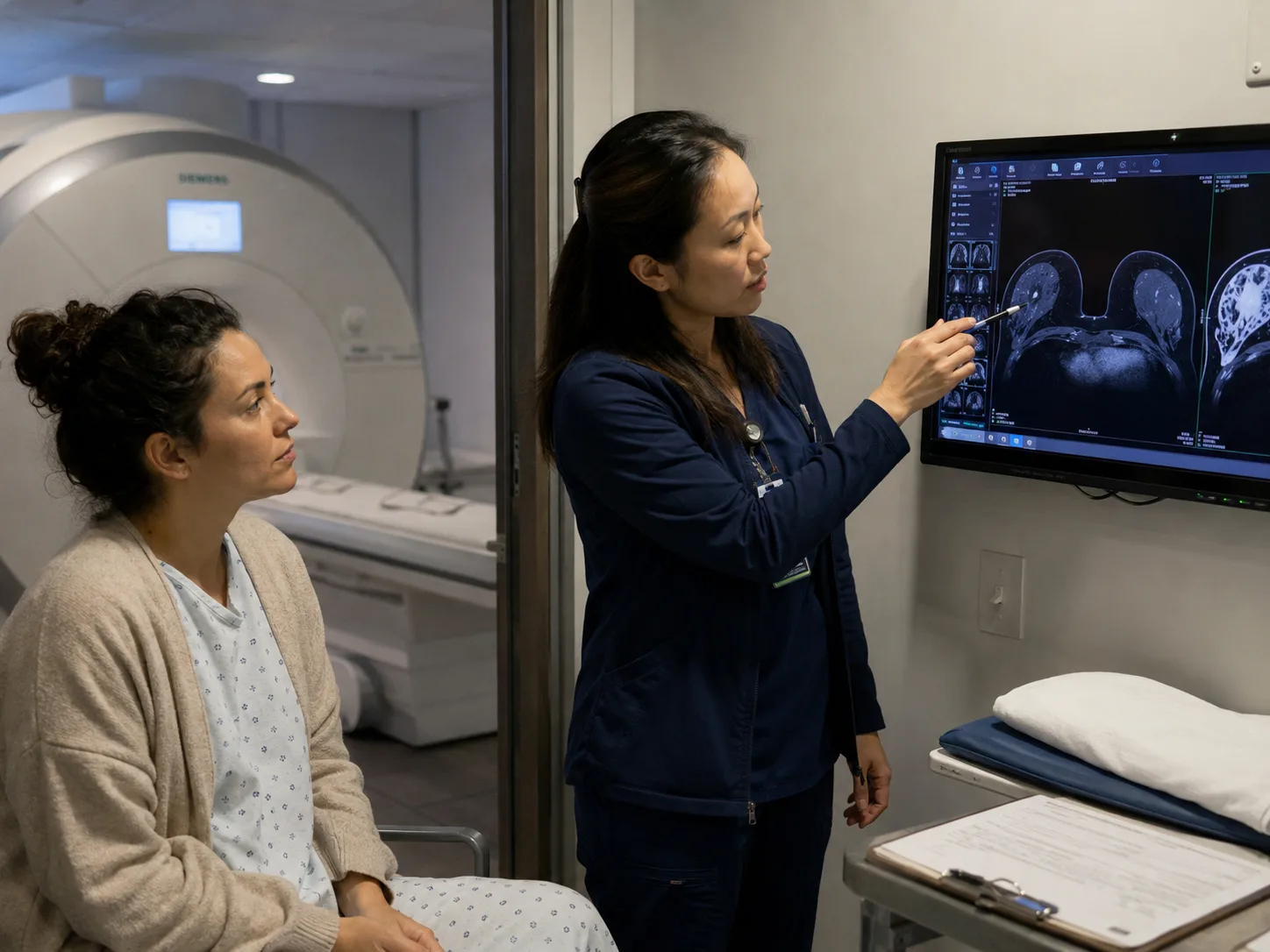
At Lin Health Europe Clinic, we deal with the monitoring of the long-term integrity of implants with a high level of clinical expertise. Our Istanbul-based specialists make use of high-resolution scans to identify the vulnerable spots in older implants and they also make sure that your well-being is the first priority. We consider that, although some implants can last up to 40 years, surgical excellence requires continuous monitoring of the shell's interaction with the tissue to avoid the risk of deflation.
Recorded Cases of Historical Outliers and the 40-Year Benchmark
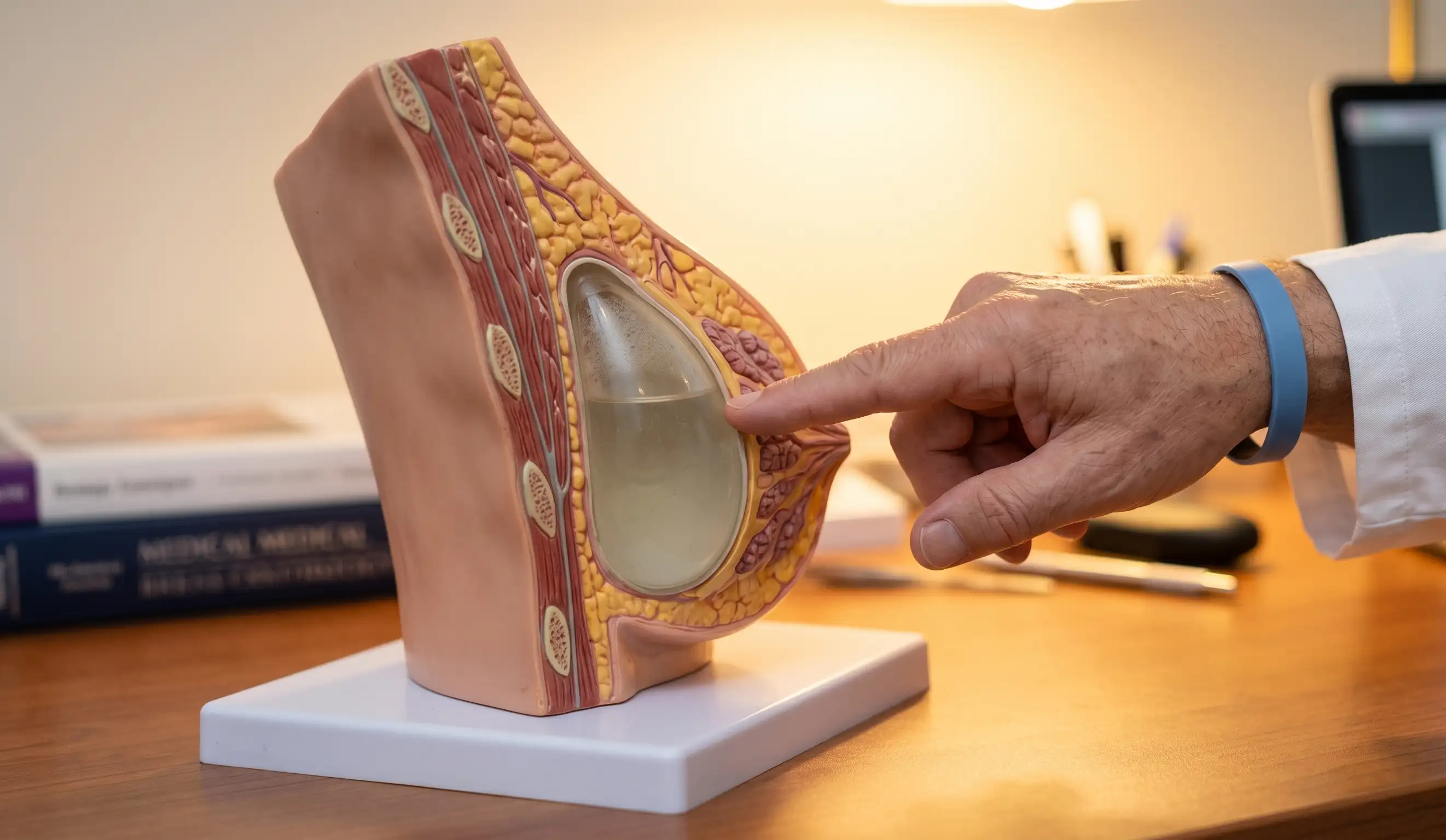
The earliest saline breast implants were introduced in 1965 by Dr. H.G. Arion and since then, a very limited number of "first-generation" patients have served as a source of Long-Term Study Data. Clinical reports commonly feature individuals who had breast enlargement surgery in the late 1970s and early 1980s and still have their first implants without disruptions or contractions. The 40-year survivors are usually those whose implants were inserted under the muscle that serves to cushion and protect the shell from external forces and folding. Even though on these occasions implants last that long is very rare, they show that with perfect structural support, saline implants can way outlast their regular lifetime.
We at Lin Health Europe Clinic, take it upon ourselves to thoroughly investigate these historic biometrics to help us with our present-day surgical methods. In Turkey, we carefully carry out every operation to obtain a lasting effect at a level of quality that corresponds to such cases as those mentioned. We offer our foreign patients technical skills that can assure their results will be as strong and as beautiful as possible.
Main Contributors to the Lifespan of The Saline Fill
One major biometric component that determines whether a saline implant will last ten years or almost half a century is shell creasing, which is considered the most dangerous factor. Underfilling an implant allows the shell to fold and these become points of weakness, leading to leaks when the foldings are subjected to continuous mechanical stress. On the other hand, when the fill is at the correct level, the shell lining is smooth and therefore it is less vulnerable to failure. In addition, the patient’s general condition and body weight stability play a role in preserving the tissue envelope, so that the anatomical relationship between the breast implant and breast pocket is not altered by gravity or major metabolic changes.
At Lin Health Europe Clinic, we take a comprehensive approach to accurate "fill-volume" in Istanbul. Our surgeons in Turkey hold the view that the main source of achieving the highest longevity is an operating room where we utilize high-definition calibration to ensure that your saline implants are perfectly pressurized for long-term stability. This dedicated approach ensures that your silhouette remains stable and your systemic health is uncompromised by preventable shell wear.
Proactive Monitoring Or Waiting For The Implant To Deflate

Theoretically, the ultimate longevity of implants results from a product of advanced material technology, but waiting for a "reactive" moment, such as a sudden deflation, in order to seek treatment, is far from being the only option for maintaining the high-quality results. The deflation of saline should be immediately detected by the patient due to significant breast volume loss within 24 to 48 hours, which can be accompanied by a sudden aesthetic imbalance and also psychological stress. A proactive cautiousness through yearly examinations and use of high definition imaging can help detect even very small modifications occurring in the capsule or the shell before a complete failure is reached. Patients who have had their implants for close to 30 years with their implants are regularly advised to have a scheduled replacement as the best marker of continuing professional diligence in ensuring structural harmony.
For us, surgical brilliance is a goal and it extends to every single patient in our Istanbul facilities, where high-definition surveillance protocols are strongly recommended. Keeping tissue biology healthy is our top priority. This ensures that any early signs of shell wear and tear are dealt with in a clinically expert manner before they change the patient's lifestyle. Deciding to be treated at Lin Health Europe Clinic means handing over your care to a highly skilled team that thoroughly understands the essential connection between preventive maintenance and the achievement of high aesthetic standards over the long term.
Breast Implants in Turkey
Lin Health Europe Clinic is the place where you develop an understanding of the longevity of your saline implants. It is a place where you regain your self-confidence, joy, and zeal, all of which emanate from the courageous decision to make a change. Our center in Turkey has become a point of reference worldwide for the convergence of surgical excellence and the highest standards of safety, as enshrined in the accreditation of JCI. This attracts people who want to maximize the life of their implants. Whether you decide to retain your 30-year-old implants or go in for an upgrade, we will be taking good care of your journey for survival.
When you pick Lin Health Europe Clinic, you get access to a medical network that is outclassing in terms of both the technical and biological aspects of ongoing breast care. Our top-notch personnel employ the latest medical developments to keep your implants as safe and as high-definition a part of your image as possible. Discover the advanced approaches developed at Lin Health Europe Clinic and enjoy results that represent the very height of medical innovation and professional diligence in the heart of Turkey.
FAQ:
References
Adams, W. P. (2011). Breast Augmentation: Professional Rigor in Implant Selection and Long-term Clinical Mastery. Saunders Elsevier.
Tebbetts, J. B. (2002). Systemic Vitality and Surgical Precision in Mammary Procedures. Saunders Elsevier.
Cunningham, B. L., et al. (2000). Saline-Filled Breast Implant Safety and Efficacy: A Multicenter Retrospective Review. Plastic and Reconstructive Surgery.
Janis, J. E., et al. (2005). Thoracic Anatomy and Structural Harmony: Implications for Diagnostic Monitoring. Plastic and Reconstructive Surgery.
Frequently asked questions
What is the longest a saline implant has lasted?
Although nobody keeps a Guinness record for breast implants, some patients have documented having their saline implants for over 40 years, especially those with perfect breast shape and implant under the muscle.
Why do some saline implants last 40 years while others last only 10?
The implant shell fatigue life is the main determinant of longevity; precise fill volume, submuscular placement, and minimal physical trauma are factors that help in preventing shell creasing and pinhole leaks.
Is it dangerous to keep saline implants for 30 years?
If the implants are still intact and there is no capsular contracture, they are not dangerous by themselves; however, the risk of sudden deflation rises by about 1% per year.
Should I wait for my saline implant to pop before replacing it?
Although some patients decide to wait until rupture to replace the implants, we always encourage a proactive exchange in the case of implants that are over 20-25 years old in order to avoid the emotional panicking of sudden asymmetry and allow for a period of psychological adjustment post controlled surgical outcome.
Does a 40-year-old implant feel different than a new one?
Due to the characteristics of first-generation materials or minor capsular changes, the older shells might feel a little firmer; new replacements are commonly characterized by a more finely textured, high-definition surface.
This article is general information, not medical advice, and does not replace a consultation. Every procedure carries risk and outcomes vary from person to person.
Last reviewed 20 April 2026