Which Is Better, Mesotherapy or Polynucleotides?

Medically reviewed by Dr. Yavuz SelimHair Transplantation and Aesthetic Medicine
Depends on skin needs and treatment goals.
Biomechanical Mechanisms: Cellular Nourishing vs. Nuclear Regeneration
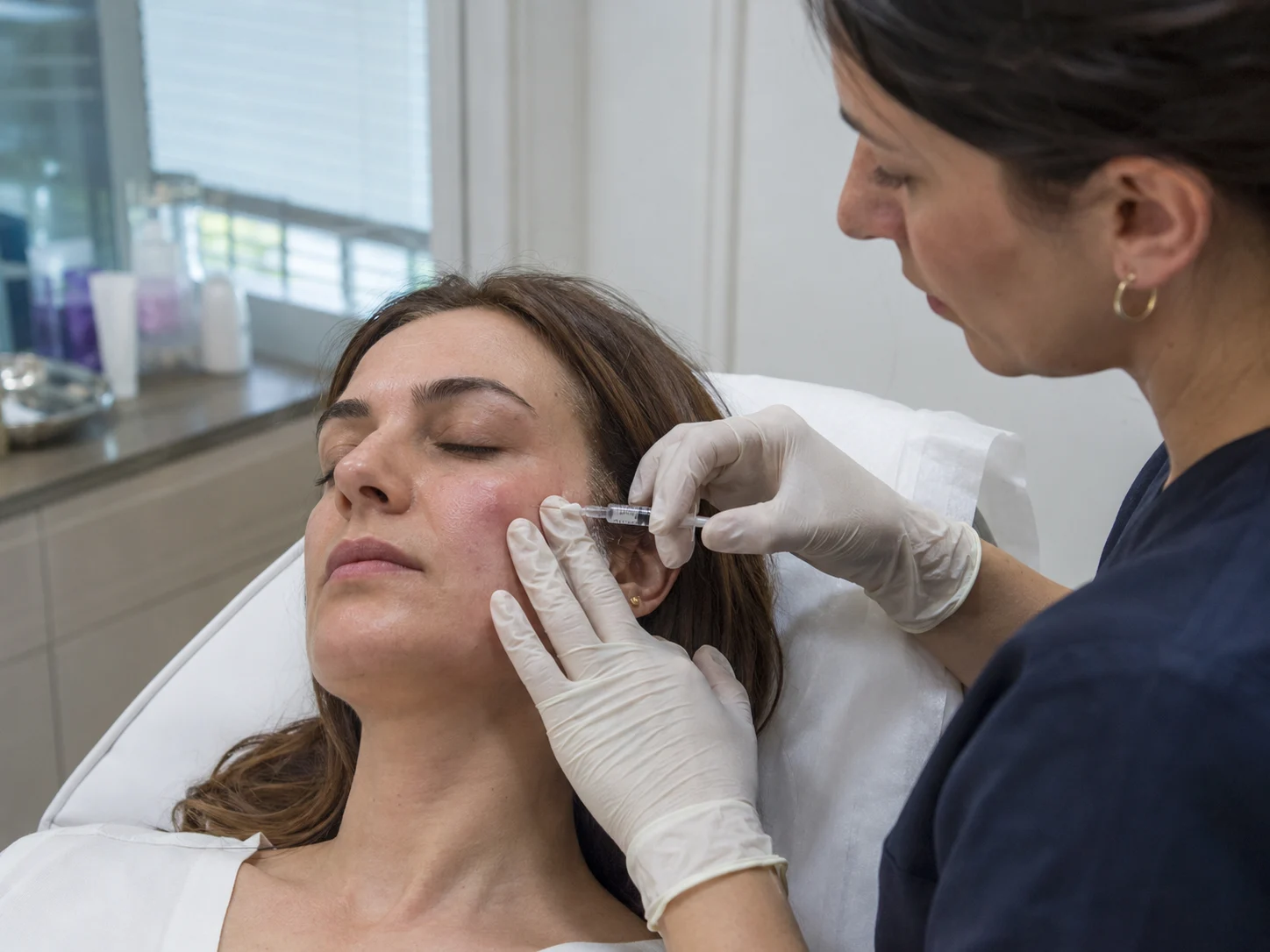
Transdermal dermatology and tissue engineering development are so advanced that the choice between mesotherapy and polynucleotides depends on careful cellular mechanics evaluation. They are both minimally invasive intradermal micro-infusions, but act through totally different physiological mechanisms. Mesotherapy can be seen as massive cellular feeding since a broad, customized mixture of non-crosslinked hyaluronic acid, vitamins, minerals, and amino acids is delivered into the extracellular matrix, which results in an immediate increase in localized cellular metabolism.
On the other hand, polynucleotides constitute a major breakthrough in true biostimulation and nuclear-level regeneration. Made from a highly purified form of DNA strands extracted from salmon trout gonads, polynucleotides do more than feed cells. Rather, by binding to certain cell receptors (A2A adenosine receptors) in the dermis, they send biochemical signals that awaken inactive fibroblasts. The nuclear activation caused by this leads to the body regenerating its own tissue framework from the beginning, producing more healthy and functioning cells instead of just providing nutrients to the existing ones.
Structural Dermal Effect: Outer Glow vs. Inner Tissue Restructuring
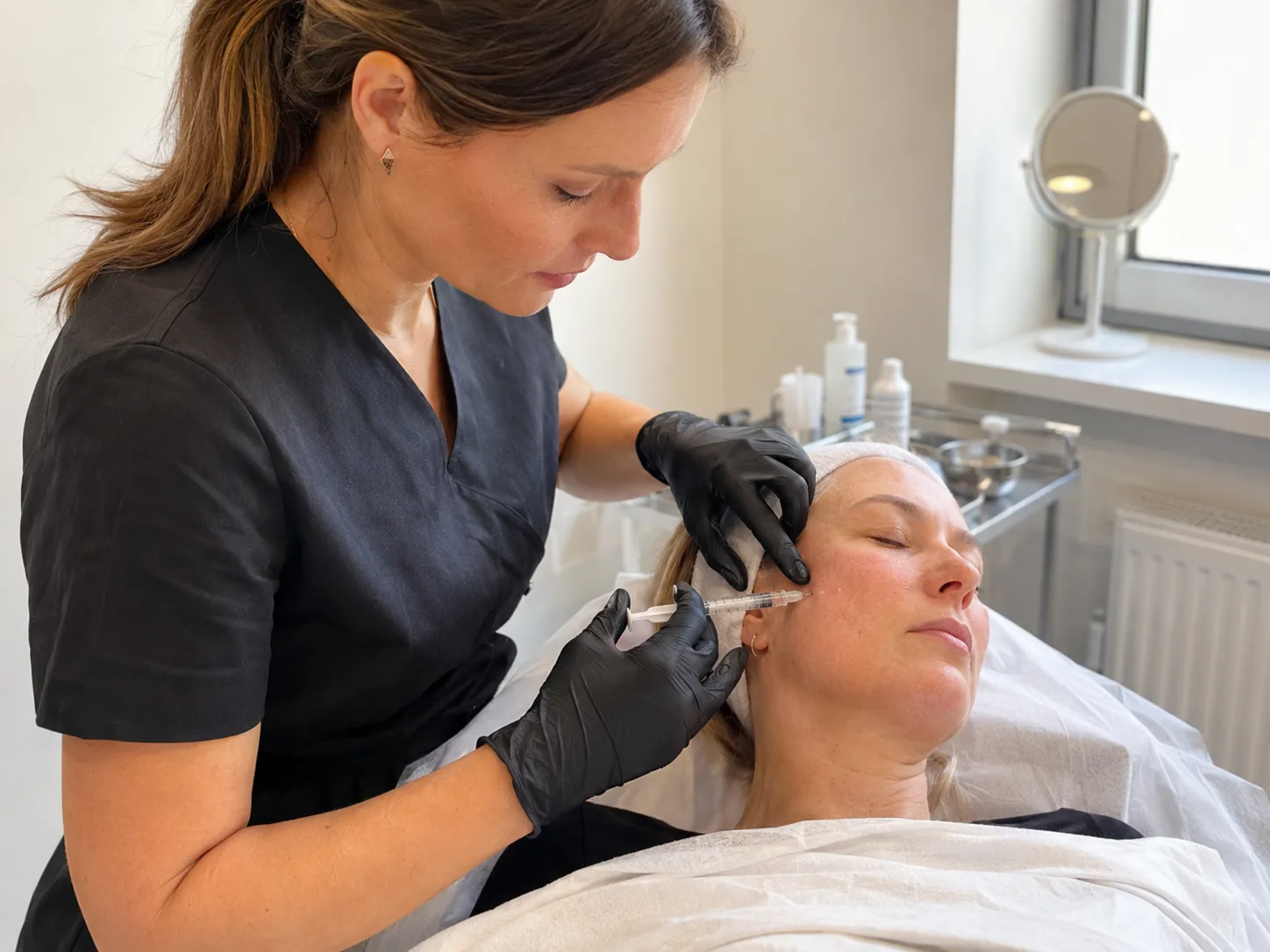
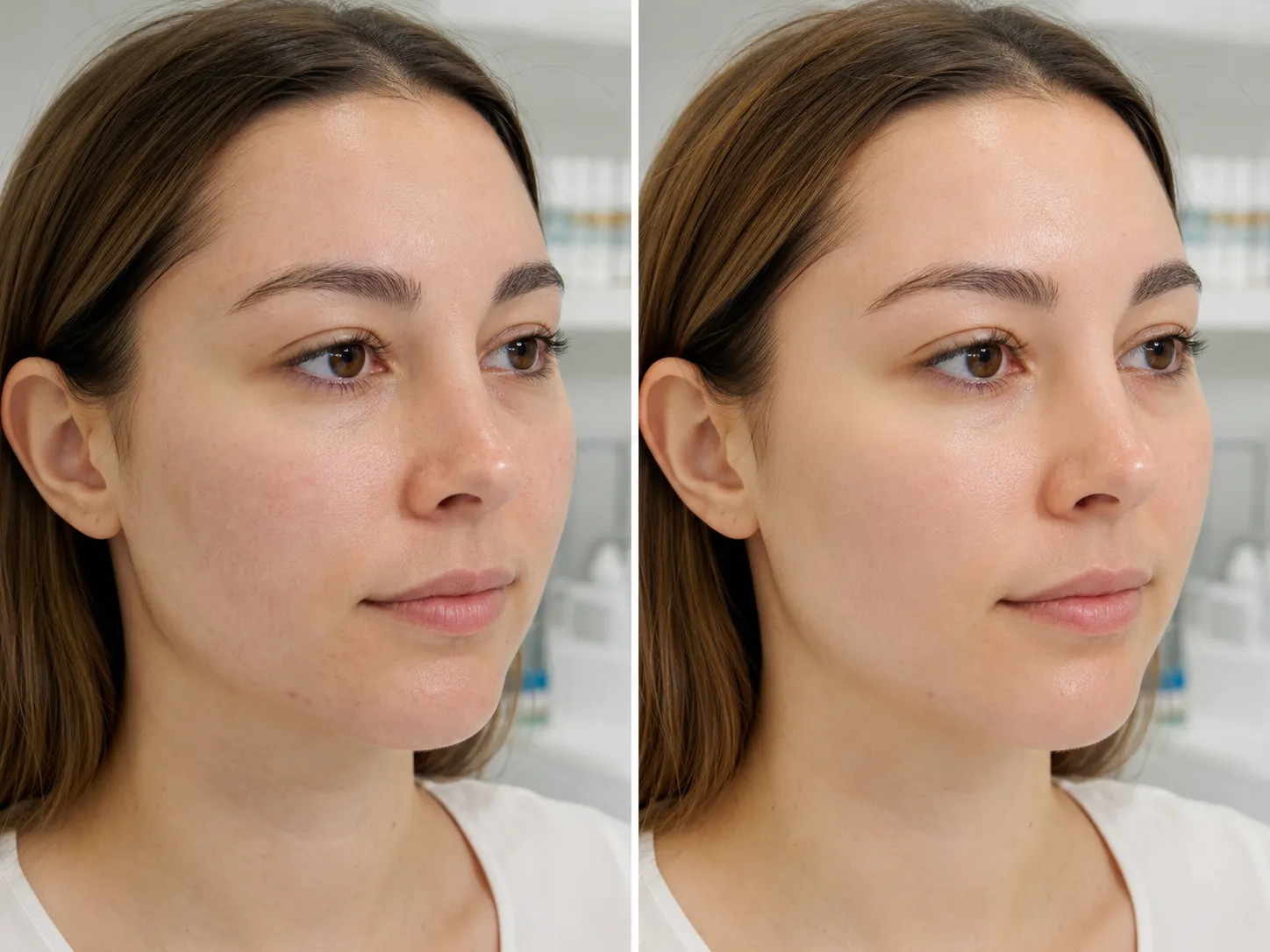
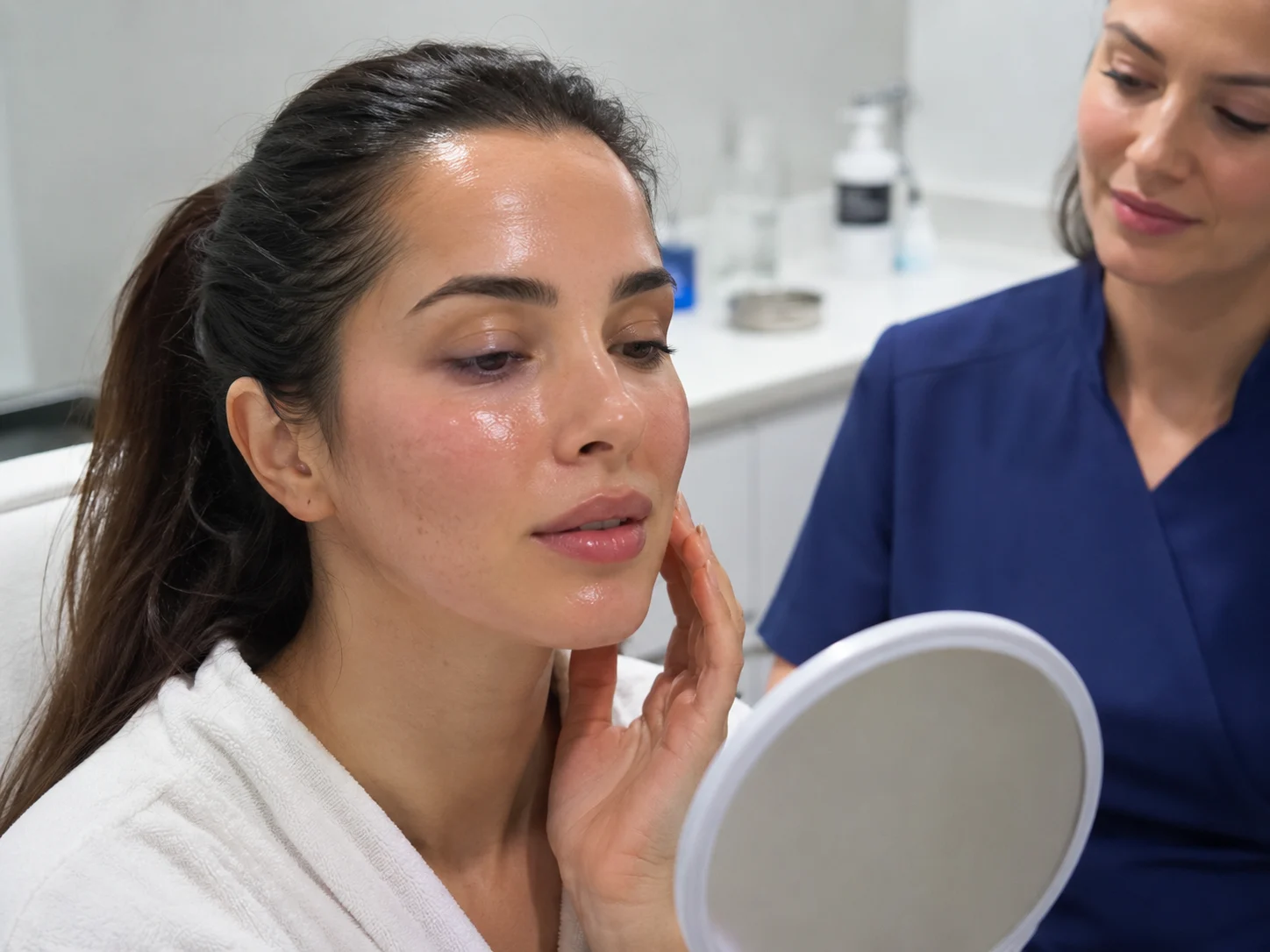
The very different methods of action of these two injectable treatments internally result in different patterns of changes in the skin that finally lead to different visible effects. To a large extent, mesotherapy focuses on the outer layers of skin, making it ideal for dealing with skin barrier abnormalities rapidly. It results in fast hydration, which removes the first signs of skin dryness and dehydration while it smooths skin texture. Most of the time, it leads to the appearance of a strong skin glow that lasts for a short period of time, which is known as "meso-glow."
Polynucleotides, on the other hand, are principally a structural skin remodeler. Hence, their main results in terms of structure come along after some time but are of a markedly higher quality and durability. They are able to produce the remodeling effects at a deep level mainly because of stimulating true cellular synthetic activities that result both in the synthesis of Type I collagen and elastin fibers, and in the neovascularization (angiogenesis) process. Due to this fundamental restructuring, polynucleotides are very well suited to situations involving the rebuilding of damaged dermal matrices, filling in the hollow tear troughs, deepening of acne scars, and loss of elasticity in the aging skin related to tissue thinning.
Maintaining Tissue Kinetics to Preserve an Elite Personal Presentation
Strictly adhering to treatment protocols and avoiding any compromise of the internal environment is highly important for those who follow a very disciplined lifestyle and expect flawless results from their aesthetic procedures. For active people who regularly keep a perfect, youthful facial matrix as a complement to their elite, very well-conditioned athletic figure, the selection of treatment that is in accord with body recovery kinetics is of utmost importance. Although both therapies entail minimal social downtime, the idiom "you are what you eat" really applies, as it is your lifestyle habits that control the life span of cellular changes.
If you want an unimpeded recovery and allow the newly-created collagen networks to mature without structural disturbances, it is a must for you to stop smoking/nicotine supply entirely. Being a very strong vasoconstrictor, nicotine causes an immediate narrowing of the microvessels that bring blood to the face and effectively deprives the reactivated fibroblasts of oxygenated blood support, which is essential for the completion of the tissue remodeling process. Along with a strict UV protection and a high protein diet regimen, keeping a clean system is the only way that your skin barrier heals to a maximum metabolic efficiency from any cellular feed (fueling) or DNA-level biostimulation angle.
Diagnostic Feasibility: How to Select Your Treatment Matrix
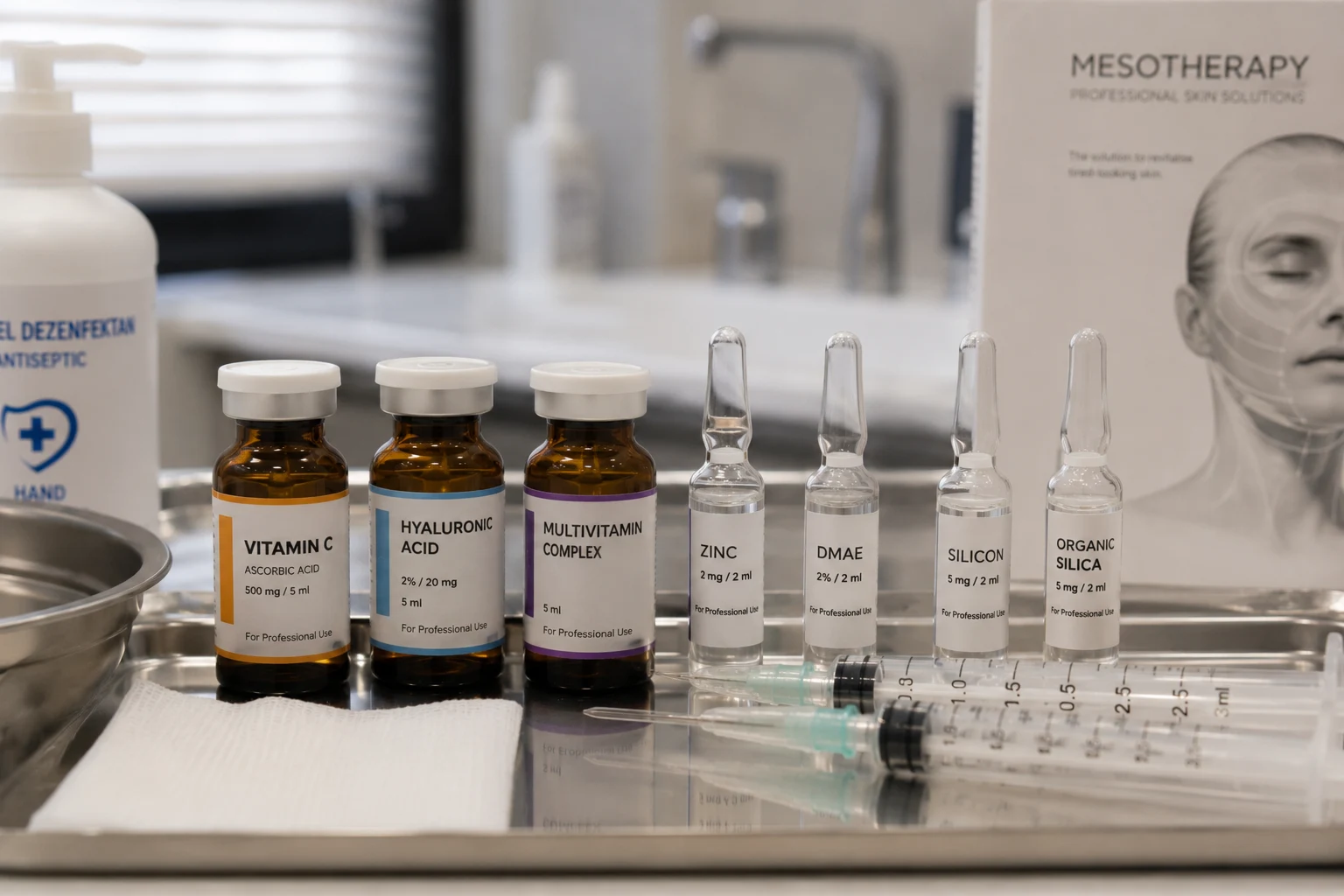
Choosing one or another injectable treatment depends entirely on the anatomical landmarks, initial skin condition, and desired long-term aesthetic results. Since neither of them is giving an immediate volume like a synthetic dermal filler, both can be used to complement the aging process phases:
- Use Mesotherapy if: Your main objectives are to brighten dull skin, hydrate skin intensely, fade pigmented spots like melasma, or perform skin preparation before an event.
- Use Polynucleotides if: You have thin skin and/or dark under-eye hollows, scarring, and are looking for a long-term solution to anti-aging that permanently results in thicker and more resilient skin.
Advanced Injectables
Attempting to choose LIN Europe Clinic is synonymous with stepping into a first-rate global medical haven where your skin health, non-surgical face changes, and metabolic processes are handled with absolute clinical excellence and deep humane care. We understand that making sense of the very complicated options between advanced biostimulators and nutrient infusions requires a very sophisticated, transparent, and extremely supportive environment where evidence-based medicine is paramount. LIN Europe Clinic in Turkey is foremost internationally in non-surgical face remodeling and advanced injectable treatments, and also offers a peaceful environment where your health is the main concern and governed by the highest global patient safety standards.
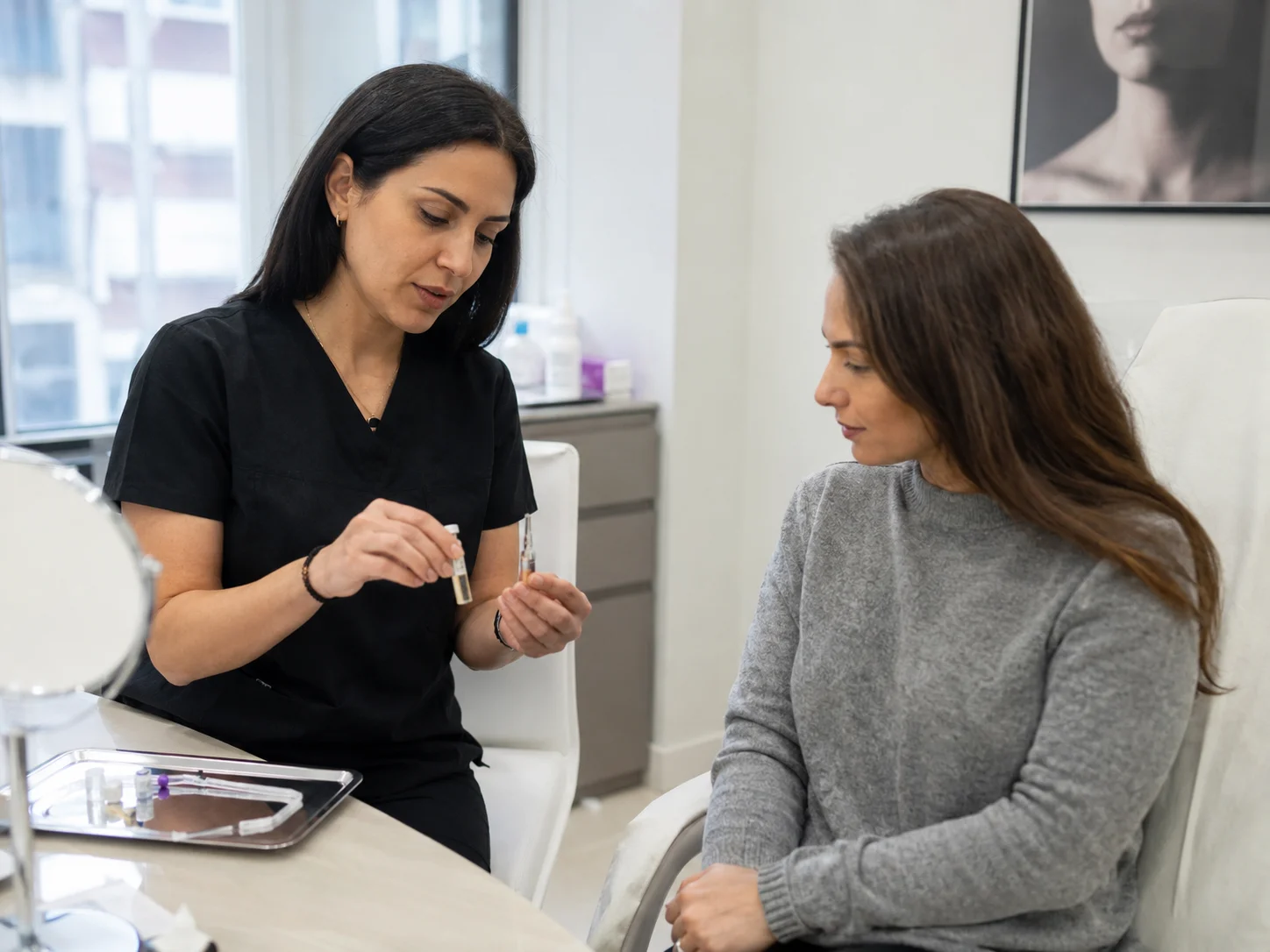
With the choice of putting your profound faith into our highly trained specialists at LIN Europe Clinic in Istanbul, your treatment parameters will be under constant observation with the highest diagnostic accuracy. We offer complete personal skin-thickness measurement, chemical compatibility lists, and personal longevity plans that allow you comprehensive guidance through all stages of cellular maturation and lifestyle integration. Our top medical professionals go far beyond to provide your cosmetic project and systemic health with full protection, so you can relax into the dream silhouette you have been envisioning with total confidence. Discover the refined, comprehensive care of LIN Europe Clinic and manifest a masterfully balanced canvas, safely and expertly delivered in the center of Turkey.
FAQ:
References
Pistor, M. (1976). What is mesotherapy? Injectable formulations and transdermal tissue dynamics. Chirurgie de France, 102(4), 235-241.
Colangelo, M. T., et al. (2021). Polynucleotide-based biostimulators: Mechanisms of action, fibroblast receptor activation, and tissue regeneration dynamics. Journal of Dermatological Treatment, 32(6), 589-597.
Amin, S. P., et al. (2007). Intradermal micro-infusions for facial rejuvenation: A comparative evaluation of cellular repair cascades. Journal of Cosmetic and Laser Therapy, 9(2), 79-84.
Frequently asked questions
Which is better, mesotherapy or polynucleotides?
Neither is better all-round; mesotherapy is perfect for instant hydration and radiance on the skin surface, whereas polynucleotides work better for deep skin regeneration, thickening, and hollow areas under the eyes.
Can you combine mesotherapy and polynucleotides?
Of course, combining these treatments is a very good idea since polynucleotides repair and increase the dermal cells, and mesotherapy supplies the raw nutrients these cells need to proliferate.
Are polynucleotides safer than mesotherapy?
Both methods are extremely safe and compatible with the body's biochemistry, however, polynucleotides have an almost zero chance of causing an allergic reaction because they are made of DNA fractions that are highly purified and natural.
How many sessions are required for polynucleotide treatments?
Typically, patients need the first batch of 3 to 4 polynucleotide treatments with intervals of 3 to 4 weeks, and then a maintenance treatment once every 6 months.
Do polynucleotides cause more swelling than mesotherapy?
Polynucleotides, due to their highly hydrophilic nature, can be the cause of a very slight and short-lasting puffiness, especially in the sensitive under-eye area which goes away completely within 24 to 48 hours.
This article is general information, not medical advice, and does not replace a consultation. Every procedure carries risk and outcomes vary from person to person.
Last reviewed 24 June 2026