How Long After Otoplasty Can You Wear Earrings?
Written by LIN Europe Clinic Editorial Team
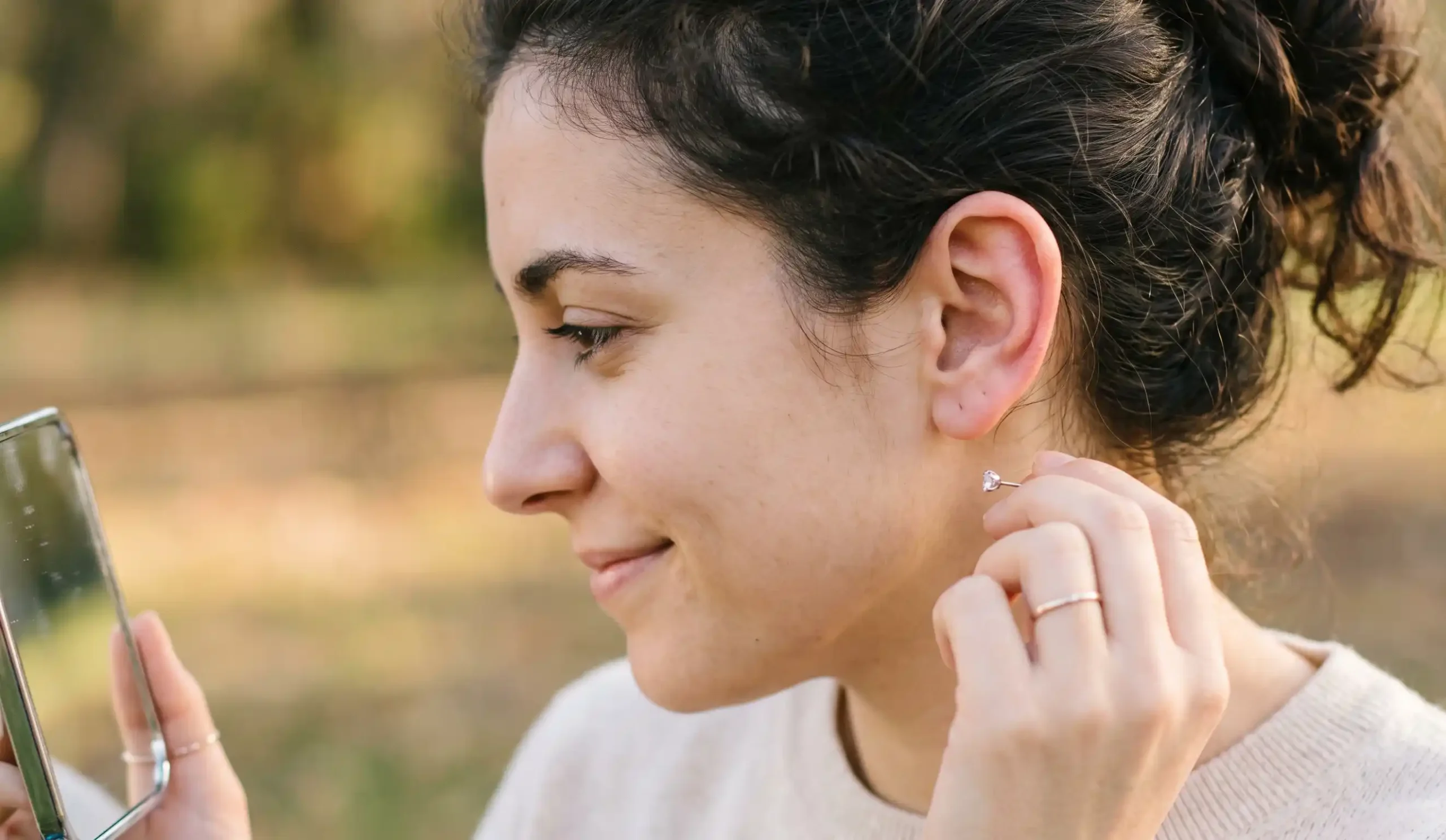
Earrings usually safe after six weeks.
The Biometrics of Tissue Healing and Neovascularization
Otoplasty is a delicate surgery that involves the ear's cartilage and skin. The body, during the first three days after surgery, starts a series of inflammatory responses and neovascularization (new blood vessel formation) aimed at sustaining the skin that has been remodeled and the newly shaped cartilage. This physiological action is crucial for the skin's vibrancy and health as it links with the newly remodeled cartilage.
At Lin Health Europe Clinic, we inform our patients that jewelry in the immediate post-operative period can harm the microcirculation of the earlobe and surrounding skin. Achieving structural harmony necessitates that the ear remain free of external stresses. Wearing earrings ahead of time might cause swelling or even jeopardize the surgical outcome of the reshaping. Staying completely still for the first two weeks is the best time to recover and let the ear regain its vitality after the surgery without interference.
Structural Harmony and Cartilage Anchorage
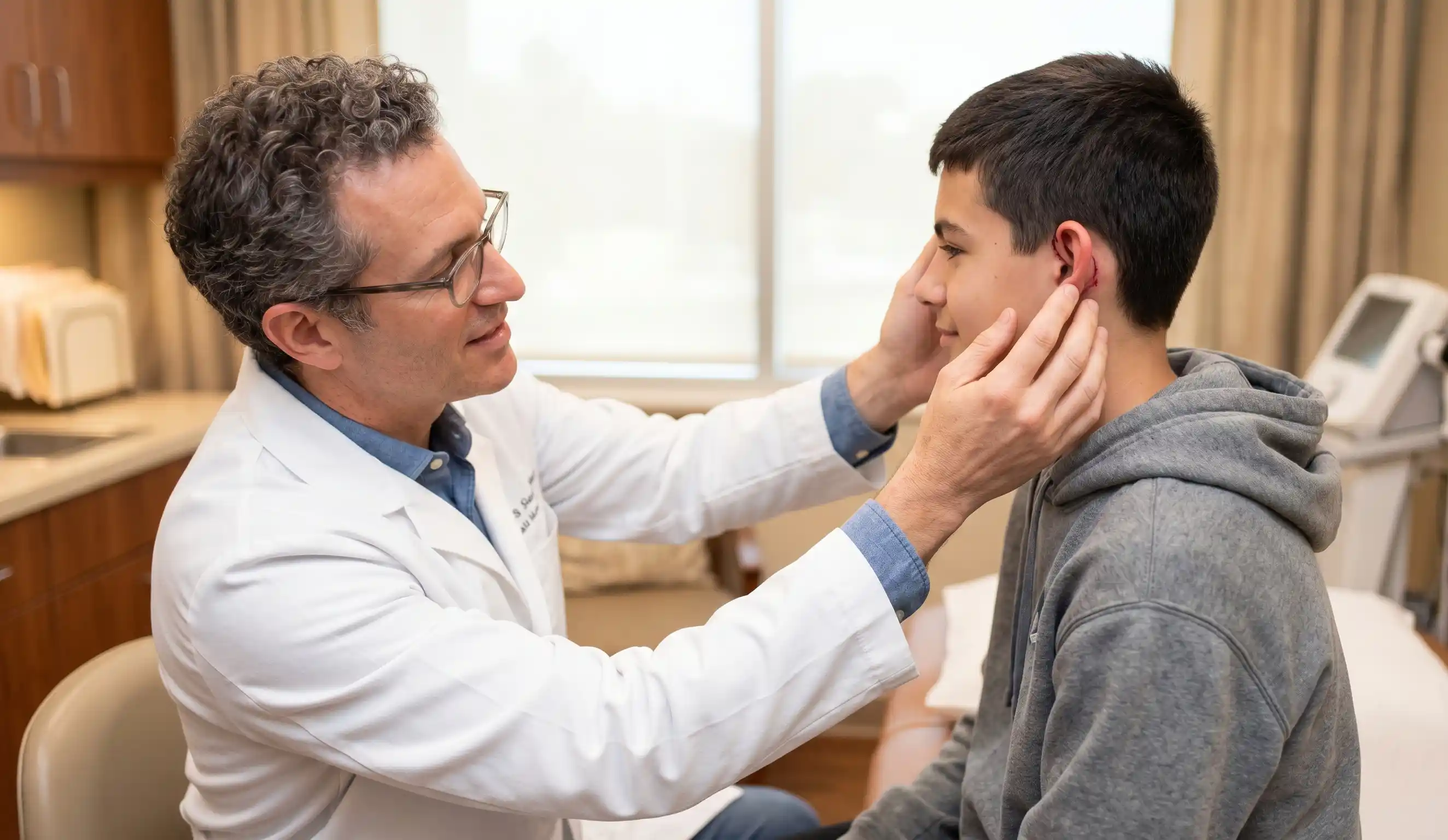
The durability of your otoplasty is contingent upon the permanent "setting" of the auricular cartilage. Typically, internal sutures are utilized to maintain the ear in its new, precise position until the body's collagen fibers can permanently fix the structure. This internal remodeling phase is vital as it helps to counter the natural inherent "memory" of the cartilage, which may attempt to revert to its original shape. Earrings, in fact, especially heavy or dangling types, can exert uneven mechanical tension on these internal support systems.
Obtaining the ultimate state of biological balance means waiting till the external and internal tissues have attained sufficient tensile strength. Most surgeons mark the first six weeks as the primary "anchoring" period. During this phase, the earlobe manipulation should be done only by a professional and with great care. At Lin Health Europe Clinic, we educate our clients about this phase so that the structural harmony of the ear is perfectly matured before the weight of the accessories is introduced again. Such management is necessary to preserve the chiseled edges and maintain the symmetry of the result throughout a lifetime.
Systemic Vitality: Preventing Localized Infection and Chondritis
One of the main clinical goals during the otoplasty recovery process is avoiding infectious complications. However, anatomically speaking, the cartilage of the ear is quite avascular, meaning that the blood supply is limited in comparison to other tissues. As a result, this area is prone to chondritis (which is an inflammation or infection of the cartilage) if bacteria have access to the tissue. Earrings, more so those that have not been medically sterilized, can provide a pathway for microorganisms during the healing phase.
Controlling the systemic health of the operative field is the utmost priority. Our recommendation is that if you have existing piercings, leave the jewelry out until the surgical wounds are completely covered with a new layer of skin and the tissue has subsided from being in an acute inflammatory state. This kind of professional care greatly reduces the chances of localized infection which is a common cause of permanent scarring and tissue damage. Being at biological balance ensures that the high-definition results of your transformation are not affected by systemic stressors, which could compromise the visual integration of the new ear shape.
Professional Rigor: The Timeline for Studs vs. Heavy Earrings
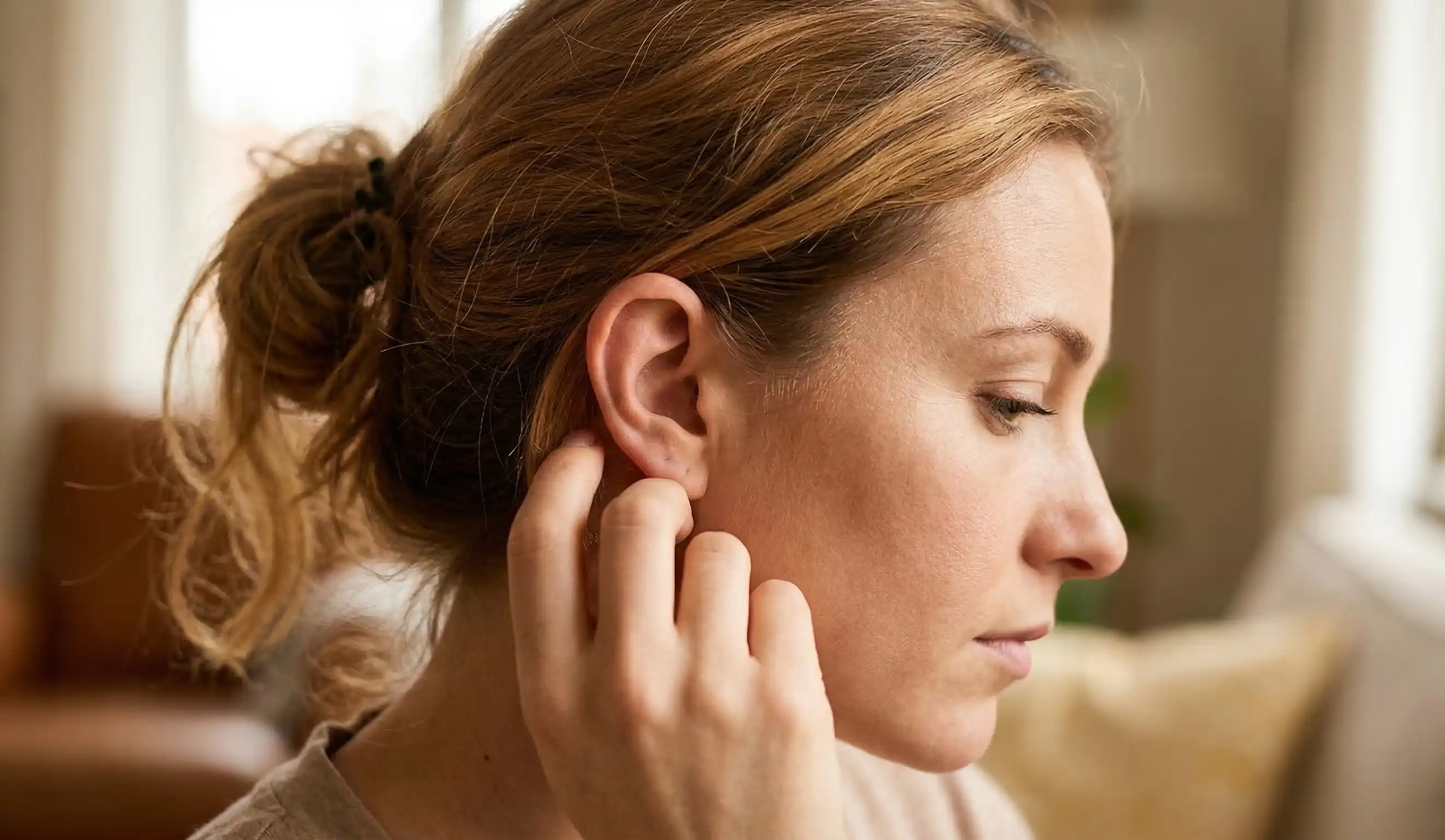
Before planning to resume the use of accessories after an otoplasty, a phased approach would be the best strategy. From a physiologic standpoint, the lobe, although usually not the main target of the operation, is significantly affected by the swelling as well as the wearing of the compression garment during the first few weeks. Typically, we give permission for small, lightweight, hypoallergenic ear studs to be worn starting at two to three weeks after the operation, provided that the cuts have fully healed and the vitality of the earlobe is stable.
On the other hand, the use of large, heavy earrings is strictly regulated. Such items can even stretch the tissues that are still healing and exert force in a downward direction to the newly carved auricular framework. In fact, fashion and structural harmony have been brought together in modern recovery planning by the use of medical innovation. What it means is that the structure of your ear will never be compromised by your fashion choices. At Lin Health Europe Clinic, we practice professional rigor in assessing each patient's specific healing biometrics before we give the green light for different types of accessories.
Otoplasty in Turkey
When you select Lin Health Europe Clinic, you are choosing a world-class sanctuary where the tiniest details of your recovery are treated with top-notch clinical mastery. We know that for our patients, accessories are a way of showcasing their new, sculpted identity. Our surgical excellence continues at a higher level by offering the patients a luxurious environment where they can be at one with their systemic vitality and aesthetic goals through high-definition diagnostic and aftercare protocols in Istanbul.
Trusting Lin Health Europe Clinic means that you entrust your medical care to a framework that is highly reliable at the intersection of anatomical science and patient safety. We supervise your passage towards a more confident profile with professional care, so that the results become perfectly symmetrical, stable, and in harmony with one another structurally. Discover Lin Health Europe Clinic’s sophisticated care and attain outcomes that represent the very highest level of biological balance. Your treatment is carried out with absolute accuracy in the center of Turkey, giving you confidence that your new appearance is supported by superior medical innovation and professional rigor.
FAQ:
References
Tebbetts, J. B. (2002). Systemic Vitality and Surgical Precision in Auricular Procedures. Saunders Elsevier.
Nahai, F. (2011). The Art of Aesthetic Surgery: Principles and Professional Rigor in Otoplasty. Quality Medical Publishing.
Janis, J. E., et al. (2005). Ear Anatomy and Biometrics: Implications for Post-Operative Recovery. Plastic and Reconstructive Surgery.
Thorne, C. H. (2007). Otoplasty and Auricular Reconstruction: Clinical Mastery and Structural Harmony. Grabb and Smith's Plastic Surgery.
Stuzin, J. M. (2008). Biological Balance and Medical Innovation in Facial Rejuvenation. Plastic and Reconstructive Surgery.
Frequently asked questions
How long after otoplasty can you wear earrings again?
You can typically wear small, light studs two to three weeks after your otoplasty surgery. The primary reason to wait is to allow the incisions to fully heal and to ensure that the tissue is strong enough to withstand any movement.
Is it safe to get a new ear piercing after otoplasty?
In order to be safe, you should wait at least six months after your otoplasty before getting new piercings so that the cartilage is entirely stable. This is important as it not only preserves the shape of the ear but also reduces the chance of having an inflammatory reaction at the site.
Can heavy earrings affect the results of my otoplasty?
Wearing heavy earrings will put a lot of physical pressure on the ear and may cause it to change its shape or get damaged. We strongly suggest that you refrain from wearing any heavy jewelry for at least two months to keep your surgery results intact.
Does wearing earrings cause pain during otoplasty recovery?
Jewelry that is worn very early may cause pain or worsen swelling by putting pressure on parts of the skin which are already quite sensitive after the procedure. Waiting for the ear to be fully healed is necessary step for you to enjoy your new earrings without risking your health or comfort.
What type of earrings should I use first after otoplasty?
Initially, it is important to go with top-quality, hypoallergenic stud earrings that will not pull the earlobe down during the healing process. They act as safe guideposts that allow you to gradually reintroduce yourself to your beauty-enhancing ritual without risking the well-being of your surgical wounds.
This article is general information, not medical advice, and does not replace a consultation. Every procedure carries risk and outcomes vary from person to person.
Last reviewed 7 May 2026