
You should avoid strenuous activity and heavy lifting for several weeks.
Liposuction is an amazing body contouring tool, but the final look of your body depends a lot on your behavior during recovery. Patients often think only about the positive actions they should take, however, it is equally important to understand “what can you NOT do after liposuction”. At Lin Europe Clinic, we stress that the post-op period is not a passive one; it is an active phase of healing during which you can alter your safety and silhouette through your choices.
Of course, you are not confined to the bed, but you can’t immediately resume your usual activities. Certain actions can result in problems such as bleeding, infection, or irregularities in the body shape. Knowing about these temporary bans will help you to protect your investment. In this post is a list of main “don’ts” that should be considered after liposuction in order to have a trouble-free recovery.
Do Not do High-Impact Exercises
Your main limitation in the physical area will be definitely the exercise. For instance, you should not do any vigorous activities like running, CrossFit or heavy weightlifting, not even once, during the first four to six weeks. Increasing your heart rate too much leads to an increase in your blood pressure. If healing is in its early stages, an increase in blood pressure may have the effect of reopening fragile blood vessels that result in the formation of a hematoma (a collection of blood under the skin) or swelling for a longer time.
Staying away from the gym doesn’t mean you can be a couch potato. You need, at the very least, to take gentle walks around your home or hotel room from day one. This minimal activity is essential to keep the blood circulating and prevent clot formation, but it is different from “exercise“. What you basically do when you walk is help the blood to circulate; you don’t actually do it to keep fit. Wait for your surgeon’s permission for calorie-breaking workouts.
Do Not Soak Your Incisions in Water
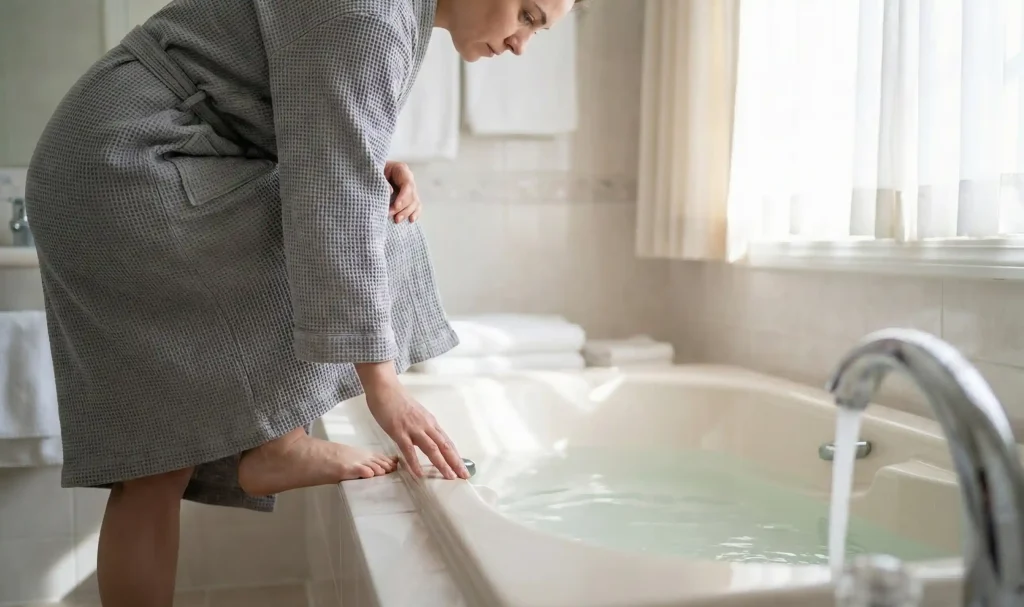
So, one thing you need to be very careful about is literally to not soak your incisions in water, i.e. no bathing in tubs, no swimming, no hot tubs, or going into the ocean until you have fully healed and there is no scab on your wounds. Most probably, this will take close to 3-4 weeks. The main reason why standing water is a problem is that it is very easy for bacteria to grow there. If you open or healing wounds are submerged, then the risk of getting a very serious infection that may spoil your cosmetic results and even endanger your health is greatly increased.
Showering is completely fine, and the earliest you can do it is usually 48 hours after your operation. The temperature of the water has to be warm and not hot. With hot water, your blood vessels get dilated, resulting in more swelling. Besides, it may cause you to feel dizzy. Don’t make your hygiene routine complicated: mild soap, running water, and patting (not rubbing) the area dry.
Do Not Take Off Your Compression Garment
The compression garment (faja) that you wear is your obligation and you can’t even dream about taking it off for more than a few minutes a day (usually when showering) during the first several weeks. A lot of patients get very uncomfortable with the garment, but if you ignore it, then the liquid will start to accumulate in areas where fat has been removed. Such a collection of fluid is called a seroma, and it might have to be drained using a needle.
Besides that, the garment serves as a mold. It presses the skin to the muscles, and thus, the reattachment is done more easily. If wearing it is something you avoid, then you are likely to end up with a skin that has waves, ripples, or simply is loose. Imagine the garment as the last step of the surgery; the whole procedure is not finished without it.
No Smoking or Alcohol Consumption
The use of nicotine is very detrimental to the healing process and you are not allowed to smoke and use nicotine patches at least for four weeks pre- and post-surgery. Nicotine narrows the blood vessels and therefore your skin is not sufficiently oxygenated for it to get repaired. If liposuction patients happen to be smokers, then one of the possible complications is the occurrence of skin necrosis (tissue death), which in turn results in permanent, ugly scars or open wounds.
Besides alcohol, you should keep away from it for at least one week after your operation, and if you are still using pain killers, then no alcohol for as long as you are on medication. Thus, the blood thinning caused by alcohol will lead to more bruises and a higher risk of bleeding. In addition to that, alcohol will also dehydrate you and suppress your immune system, therefore making your recovery from surgery longer and less pleasant.
Do Not Drive If You Are On Narcotics
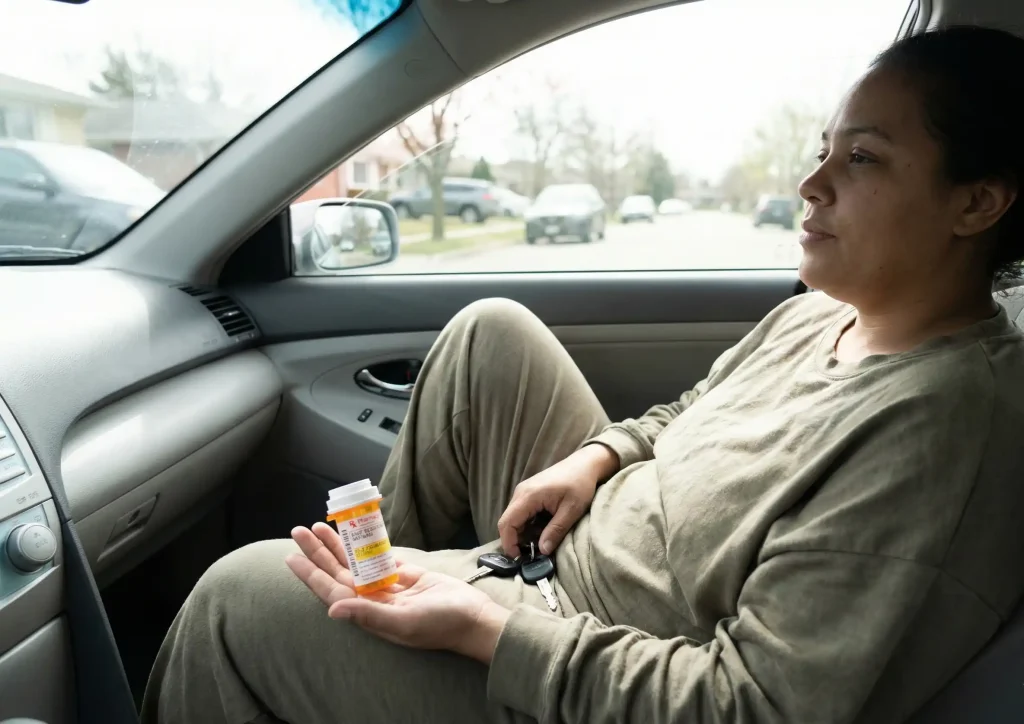
You should not get behind the wheel of a car if you are taking prescription pain killers. Such drugs slow down your reaction time and also your mental functions, so you become a risk for yourself as well as for other people. In case of an accident, even if you think you are alert, the insurance company probably will not cover you.
Another thing is that, physically, the actions of turning the steering wheel or looking in the blind spot might be very painful, and also your ability to move might be limited by the compression garment. Until you are off the painkillers and you can move without pain, you should get the help of a friend, family member, or a vehicle service specialized in patient transport.
Do Not Use Ice Or Heat Directly On Your Skin
Placing an ice pack on a swollen area or using a heating pad on a back that is sore is a very natural thing to do, but you should not do this after undergoing liposuction. You will experience some numbness which is the effect of the operation on the skin, and this means that you might not realize that an ice pack is causing frostbite or that a heating pad is causing a burn.
When the skin gets damaged from the extreme temperature, blisters and pigmentation changes may occur. Keep on using heat or cold the normal way, and rely on your prescription medication to alleviate the pain. Your body can heal effectively with its own temperature regulation function.
Liposuction Recovery in Turkey
When you recover in Turkey, you are automatically prevented from violating these rules. Here at Lin Europe Clinic in Istanbul, we make sure that you have no choice other than “taking it easy“. Our complete care packages include VIP transport, so you never have to worry about driving. The nurses will also assist you with your compression garment and make sure it is properly aligned at all times.
Thanks to the “all under one roof” approach of the clinic, you are under constant observation during your recovery. If you are not sure about something, the medical team is there to help you. We take care of your post-operative checkups and lymphatic drainage massages and, through the restrictions, with professional care. You can enjoy a stress-free recovery in Istanbul, while we take care of the details and you concentrate on healing safely.
Frequently Asked Questions About Liposuction Restrictions
You are not permitted to do high-impact exercises or swimming post-liposuction, also you should not smoke or drive if you are on pain medication. Additionally, you should not take off your compression garment for a long time.
After liposuction, you are advised to begin light walking immediately. Normally, you can go back to gym workouts and cardio around four to six weeks after liposuction when your surgeon gives you the green light.
Yes, it is possible to sit, but there is a chance of discomfort. After a BBL (Brazilian Butt Lift) alongside your liposuction, no sitting is allowed straight on your buttocks for a few weeks
On the contrary, you should not take alcohol for at least a week. Drinking alcohol will cause swelling and it will make the pain medication less effective.
Taking a bath or a hot tub is not allowed until your cuts are completely healed, which take around 3 to 4 weeks.
Chia, C. T., & Neinstein, R. M. (2016). Evidence-based medicine: Liposuction. Plastic and Reconstructive Surgery, 139(1), 267e-274e.
Kenkel, J. M. (2010). Liposuction: Principles and Practice. Springer.
Matarasso, A. (2013). Liposuction: The evidence and the art. Clinics in Plastic Surgery, 40(3), 321-330.
Rohrich, R. J., & Beran, S. J. (1999). Is liposuction safe? Plastic and Reconstructive Surgery, 104(3), 819-822.
Stephan, P. J., & Kenkel, J. M. (2010). Updates in liposuction safety and techniques. Aesthetic Surgery Journal, 30(1), 83-87.