Avoid hard, chewy, spicy, and salty foods.
Post-Surgical Nutritional Dynamics and Tissue Recovery
There is little question that proper nutrition and systemic microvascular protection are among the main factors that influence the outcome of nasal surgery recovery. After rhinoplasty, the nasal bones, osteotomy cuts, skin grafts, etc., as well as the overlying soft tissues and mucosal layers, undergo a major transition phase at the structural-molecular level, which is sensitive to any kind of mechanical influence. At that stage of healing, they may still be quite vulnerable to facial massage, mechanical pressure such as that caused by wearing contact lenses or spectacles with nasal pads, as well as to fluid retention or blood pressure fluctuations.
If you want to minimize facial edema and prevent post-operative bleeding, and protect the nose shape from the slightest displacement, the only thing you will have to do is change your diet. Certain foods can cause systemic inflammation and increase blood circulation at the facial level, so, in a word, all of it can be quite bad for the healing process.
Primary Foods and Ingredients to Strictly Avoid
For you to know that your nose, which is in its new shape and design, is healing correctly and without swelling, displacement, or other complications, it is essential that you follow these rules: Do not consume the following:
- High Sodium and Processed Foods: Eating high sodium content is a major factor in body retention of excess water and in face and nose swelling. You might not know it, but things like canned food, fast food, packaged chips, sausages, and salty sauce contain quite a lot or even too much sodium. If such food is consumed, you end up with more fluid gathered around your nose and it results in the nasal tip grafts and fracture areas not healing properly; therefore, your recovery time gets extended.
- Spicy/Hotly Seasoned Foods: Capsaicin, a substance responsible for giving chili spices their hotness, triggers the opening of blood vessels and also irritates the lining of mucosas which will not only cause the patient to have a congested nose, have red and watery eyes, also nose, but also cause excessive production of mucus. The action of nose clearing, which is necessary during these early postoperative days, can cause damage and pressure to nasal support systems by pulling them up or pushing them inside.
- Hard, Crunchy, and Chewy Foods: If you eat, for example, raw veggies, nuts, tough meats, apples and other kind of hard food, they will cause the patient to chew hard which in turn will strain the facial muscles and involve the whole facial mechanism which also includes the upper lip and columella, both of which are tightly related to the nasal base, in other words, the mechanical stress from the chewing is transferred directly into the lower septum region or even worse cause displacement of the nasal tip.
- Anti-Clotting Foods and Herbal Supplements: The natural clotting of your blood can be delayed if you consume high doses of the foods and herbs that have anticoagulant effects, such as garlic, ginger, ginkgo biloba, high-dose vitamin E, green tea extracts, black cocoa, and chocolate. Having any or all the above mentioned during the initial two weeks is a recipe for internal bleeding of the nose (epistaxis) as well as bruising (ecchymosis).
- Alcohol, Caffeine & Hot Beverages: As alcohol is a powerful blood vessel opener and a natural blood thinner, it heightens the chances of postoperative bleeding while also causing drying out of the healing tissues. Caffeine causes the blood pressure to spike, which in turn aggravates the swelling. Very hot soups or drinks will result in enlarged blood vessels and thus localised swelling of the nose area.
Preserving Structural Integrity and Post-Operative Boundaries
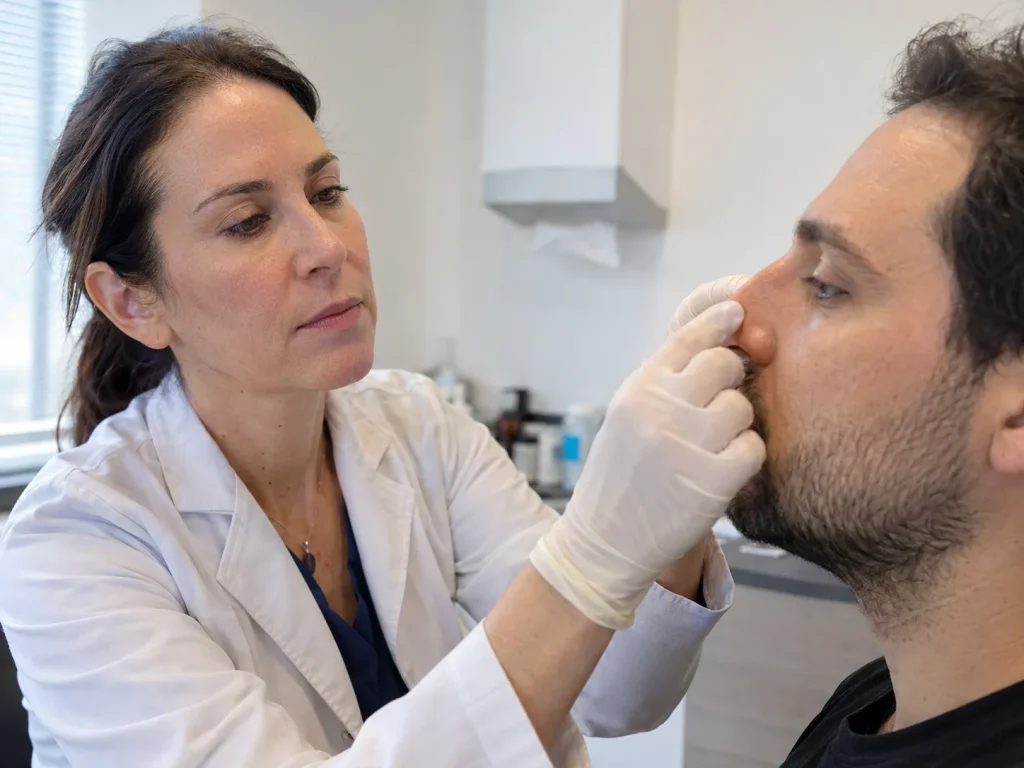
After any facial surgical procedure, the patient has to follow a specific set of rules and behaviors, the so-called protection protocols, to a T if they are to have their results be as close as the surgeons predicted to their ideal nose shape. The main reasons for this are that your nasal cartilage and nasal bones, which are the support framework of the face as well as mucous membranes, are being restored and therefore are all very susceptible to any form of mechanical force during the weeks they remain weak at the junction of two layers, as well as during the healing of the grafts, if any.
To have your nose be your new shape permanently, you will have to stay away from any physical impacts as well as avoid getting it wet during the recovery period, so it does not break your structure. At this time, you also have to stop resting your face on the nasal bridge, which could damage your newly operated bridge area since the area is still quite tender and sensitive to pressure. Moreover, you will need to lie completely flat on your back with two to three pillows to prop up your upper body so that swelling and accidental pressure on your face and nose are minimized.
Safe Nutritional Transition and Post-Op Meal Protocols
Knowing how to change your diet without risking your healing to mechanical and vascular strains is very crucial for the healing of wounds and to keep you comfortable:
- Days 1–3 (Soft, Cool, Bland Liquid Diet): Drink only cool or warm, soft food or liquid that requires no chewing at all such as blended smoothies, broths (not boiling), yogurt and other milk products, protein shakes, applesauce, and mashed potato will be your meals for these days, and the reason is, they do not disturb the delicate tissue around and on the nose.
- Days 4–7 (Soft Soluble Food Reintroduction): You can gradually start eating soft solid foods like scrambled eggs, well-fried pasta, oatmeal, poached, steamed, or grilled fish, and ripe fruits, such as soft avocado.
- Weeks 2–4 (Normalizing Diet with Caution): It is okay for you to slowly get back to a normal balanced diet with healthy protein and plenty of Vitamin C, but you are yet to get a go-ahead from the surgeon regarding eating raw carrots or hard and crunchy ones or heavy alcohol, etc.
Rhinoplasty in Turkey
Choosing to have rhinoplasty at LIN Europe Clinic, Turkey, gives you the guarantee that you are going to receive a top-notch facial surgery and care from start to finish. With regard to rhinoplasty in general, there are a lot of factors involved, such as deep-plane facial lifting, cartilage grafting, and soft-tissue adaptations. All of your concerns in facial aesthetics, structural facial rejuvenation, and surgical pathways will be carefully addressed and handled by a team of skilled professionals who are masters in their fields with a lot of experience in the matter.
Our team understands that the level of precision and the complexity in facial surgery demand a state-of-the-art, transparent, and highly supportive clinical environment that is centered around the latest scientific evidence and best practices in the medical field. We have created one of the most advanced international clinics for facial contouring and plastic aftercare by incorporating top facilities in Turkey alongside elite world-class patient health and safety standards with the latest technology in a peaceful setting, which allows the patient to fully recover with the support of experienced professionals.
FAQ:
It is best to abstain from foods with high sodium content, spicy foods, difficult to chew or bite crunchy items, and also alcohol, caffeine, hot beverages and ingredients that thin blood, for example, raw garlic and ginger during the first 1-2 weeks after surgery.
Agressive chewing that is necessary during the processing of tough foods such as nuts or raw vegetables will strain and possibly pull the upper lip muscles which are connected directly at nose tip level. Consequently, the movement that results from such activity would cause a disturbance in the healing tip graft and internal stitching.
Around 2 weeks after the nasal surgery you may eat spice again without any harm. Nevertheless, hot and irritant nature of spicy foods can provoke dilation of blood vessels and thus lead to swelling of the nasal area as a result of running nose or stuffed nose which are both symptoms of increased bleeding risk.
Your coffee should not be a hot one during the first 3 to 5 days postoperation, because heat and caffeine are two factors that your blood pressure will react negatively to, and therefore may cause your nose to swell more. You may drink lukewarm or ice coffee in amounts that are not too heavy after your doctor says it is okay.
If a large amount of salt is consumed, it causes your body to keep a significant amount of water and in the process facial tissues such as the nose bridge and tip will be swollen a lot. In this way, it will take you a lot time to get your final aesthetic result. This will make the recovery even slower, and therefore, the result won’t come to you at all.
Gunter, J. P., & Rohrich, R. J. (1987). Management of tissue elevation, osteotomy stability, and post-procedure nutritional protocols in rhinoplasty. Plastic and Reconstructive Surgery, 80(2), 161-173.
Toriumi, D. M. (2006). Structural facial contouring: Maintaining long-term nasal projection, cartilage graft stability, and tissue recovery over extended follow-up periods. Facial Plastic Surgery Clinics of North America, 14(4), 289-301.
Rohrich, R. J., et al. (2014). Advanced postoperative care, deep nasal tissue elevation, and risk mitigation protocols in rhinoplasty. Aesthetic Surgery Journal, 34(5), 587-595.