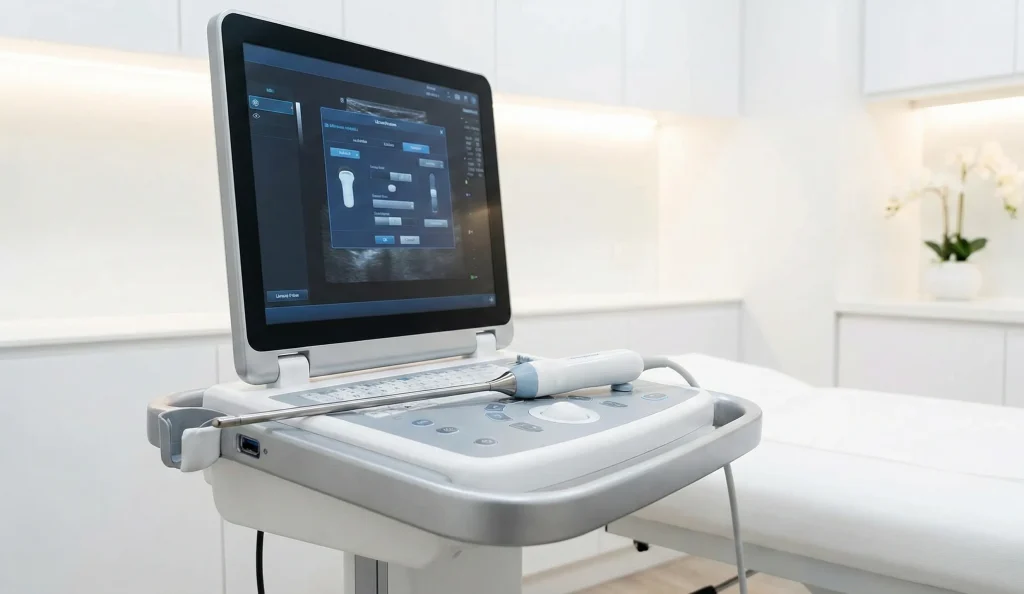
Yes, it is safe for internal organs.
In aesthetic plastic surgery, the shift from mechanical suction-assisted lipectomy to energy-based modalities has brought up major concerns about systemic and local safety. Ultrasound-assisted liposuction or UAL, which is sometimes synonymous with the clinical use of Vaser technology, makes use of ultrasound acoustic energy of a very high frequency to help eliminating adipose tissue. For many people, a significant concern is whether the ultrasound waves used internally in the procedure can harm the liver, intestines, or kidneys.
Lin Health Europe Clinic points out that the tissue-selective nature of UAL is what assures its safety. Traditional mechanical suction essentially causes tissue damage through the use of force, whereas UAL through the process of acoustic cavitation targets fat cells only, leaving the surrounding blood vessels, nerves, and connective tissue intact and unharmed. Such patients who might be going for surgery in Turkey ought to know the anatomical barriers that exist between the subcutaneous fat layer and the internal organs for them to appreciate the safety of this modern surgical methodology.
Anatomy Physical Barrier: Muscle and Fascia
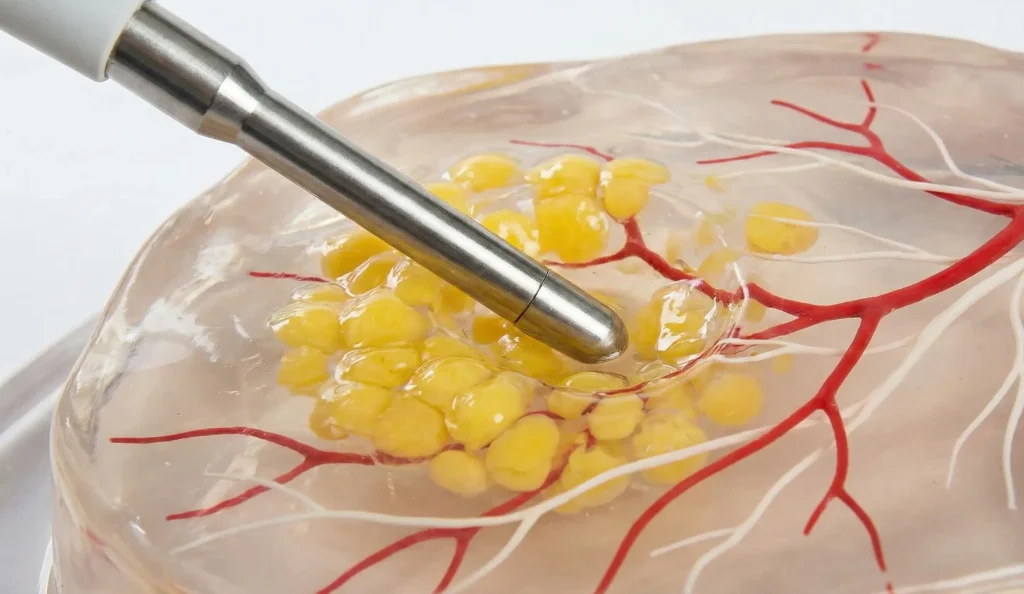
It is the muscle and connective tissue layer of the anterior abdominal wall that is the most important internal organ protection during liposuction. It is the muscle wall between the subcutaneous layer and the intra-abdominal cavity that provides the latter with the necessary safety. Lin Health Europe Clinic surgeons work strictly between the skin and this muscle wall. The ultrasound energy, in particular the one associated with vaser, that comes into the body during the procedure, penetrates only a couple of millimeters at most. Once the waves hit the muscle fascia like the one covering the rectus abdominis, they rapidly lose their energy.
So, the likelihood of getting energy “leakage” into the internal organs is very low if an experienced surgeon handles the case. Being in Turkey, our surgical protocol mandates our surgeons to be mindful always of the integrity of the abdominal wall and that both the ultrasound probe and the suction cannula must at all times be in the superficial compartment.
Ultrasound-Assisted Liposuction Mechanism
Ultrasound-assisted liposuction (UAL) mechanism essentially is cavitation. When the probe hits the fat tissue, it causes the tumescent solution (fluid that has been injected in the fat to prepare it for the procedure) to form tiny bubbles that burst and expand very quickly. The resulting shock waves mechanically loosen the fat cells from the surrounding tissues without damaging the cell membrane. Due to its high water content, the adipose tissue is more vulnerable to such energy.
On the other hand, deep organs are composed of denser tissues and are highly vascularized. The latter structures are not going to vibrate as much in response to the ultrasound frequency employed in UAL. This is also the reason for the term “selective tissue” in the description of the method. The cannula, if blindly used, can theoretically puncture the membrane but that does not happen with the ultrasound probe as it is purposely made to touch only the fatty tissue. UAL has been made very safe in Turkey, due to minimizing the use of mechanical power and, thus, the possibility of collateral damage to the biological framework of the surrounding tissues.
Thermal Risk and Ultrasound Heat Production
It is not the case that ultrasound is harmful to the organs. Instead, the main issue for surgeon safety is the proper heat-removal. The sound waves hitting the tissue generate heat. If the probe is left without moving, it can cause ‘end-hits’ or heat that may result in burns on the skin and/or muscles. The current Vaser systems in Turkey, however, are equipped with a feature of pulsed energy and a cooling sleeve, which cools the probe surface, hence no heat build-up occurs there
To protect the deeper tissues, surgeons at Lin Health Europe Clinic use a continuous motion technique. Moving the device and ensuring proper hydration of the tissue with tumescent anesthesia lowers the risk of thermal damage. The produced heat is actually a therapeutic agent; it promotes neocollagenesis in the subdermal layer, which ultimately leads to skin contraction. This controlled exposure to energy guarantees the patient gets the benefit of tighter skin without any risk to the deeper muscular or organ systems.
The Role of Tumescent Anesthesia in Ultrasound Liposuction

Tumescent anesthesia administration is an obligatory ultrasound-assisted liposuction (UAL) safety measure. This local anesthetic mixture of saline, epinephrine, and lidocaine has several functions in clinical practice. In addition to the conventional purposes of pain control and minimizing blood loss, it also plays the role of a ‘hydro-buffer’ to the ultrasound power. The fluid offers the extra layer of protection by increasing the distance between the ultrasound apparatus and the muscle fascia.
The saline serves as the conduction medium of the ultrasound waves as well. Denuded of this fluid, the energy would be less effective and would cause more skin overheating. Lin Health Europe Clinic emphasizes surface infiltration of tumescent solution to make sure that the subcutaneous fat layer is well saturated chemically. This, in turn, prevents the ultrasound energy from dissipating into tissues deep below. Such a careful manipulation of fluid dynamics is one of the features of the outstanding surgical care that we offer to foreigners coming to Turkey for medical purposes.
Lin Health Europe Clinic Surgical Safety Standards
The primary focus of Lin Health Europe Clinic is the safety of the patient. We acknowledge that international patients obtaining plastic surgery in Turkey expect high clinical transparency when it comes to the safety of ultrasound-assisted liposuction. Our plastic surgeons have undergone thorough training in the specifics of ergonomics and physics of Vaser technology, thus they can manage the ultrasound energy with high precision. We also track the tissue energy delivery constantly with sophisticated monitoring equipment to reduce any risks associated with over-treatment.
We ensure the highest level of medical care in terms of hygiene and safety at Lin Health Europe Clinic. Before surgery, each patient goes through a rigorous evaluation to ascertain the condition of the abdominal wall and general physical fitness. By combining the latest in ultrasound-assisted liposuction technology with a profound understanding of human anatomy, Lin Health Europe Clinic not only produces aesthetically pleasing results but also medically safe ones. Our patients can be confident that at no time during their body contouring procedure in Turkey will their internal health be compromised.
Frequently Asked Questions About Ultrasound Liposuction
The depth of penetration of the energy used in this procedure is very limited. It is intended to be completely absorbed by the fat layer before it reaches any internal organs.
This method is generally regarded as safer since it is more selective than mechanical suction. It leaves intact the surrounding nerves and blood vessels, and only the fat cells are specifically targeted.
The heat energy from the probe acts as a stimulus for the skin to generate fresh collagen. Hence the skin will be more tightened and smoother in the area where the fat has been taken out.
Currently, medical ultrasound used for liposuction has no known, long-term, systemic health risks. The energy is applied locally and the body naturally uses the metabolizes function for the released fat.
The incisions made for the probe are very tiny and usually measure only a few millimeters. These spots are chosen in concealed zones and the scars eventually become very faint marks.
Zocchi, M. L. (1992). Ultrasonic assisted lipoplasty. Advances in Plastic and Reconstructive Surgery.
Rohrich, R. J., et al. (1998). Comparative lipoplasty analysis: in vivo and in vitro. Plastic and Reconstructive Surgery.
Cimino, W. W. (1996). The physics of soft tissue fragmentation using ultrasonic energy of low frequency. Clinics in Plastic Surgery.
Jewell, M. L., et al. (2002). Ultrasound-assisted lipoplasty: an analysis of 348 cases. Aesthetic Surgery Journal.
Kenkel, J. M., et al. (2000). Tissue effects of ultrasound-assisted lipoplasty. Plastic and Reconstructive Surgery.