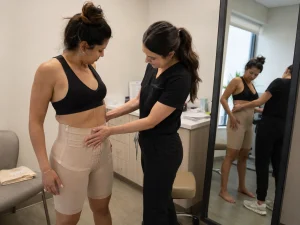
You’ve spent a lot of time, money, and physical effort on your body sculpting through liposuction. Now that you have got rid of the subcutaneous fat that was so stubbornly hanging on, patients most often want to know how to preserve these results and what foods speed up healing. Unfortunately, a lot of patients are going back to their old eating habits as if it didn’t matter because the fat cells have been removed permanently. This is a very dangerous myth that will put your results at risk.
In fact, nutrition is like the second part of your surgery. A proper diet after liposuction has two essential objectives: first, to limit inflammation and swelling during the immediate recovery phase, and second, to avoid the buildup of visceral fat over time. At Lin Europe Clinic, we consider food as medicine because the choice you make at the dining table can be the reason for your swelling to persist for three weeks or even three months.
Phase 1: The Anti-Inflammatory Recovery Diet
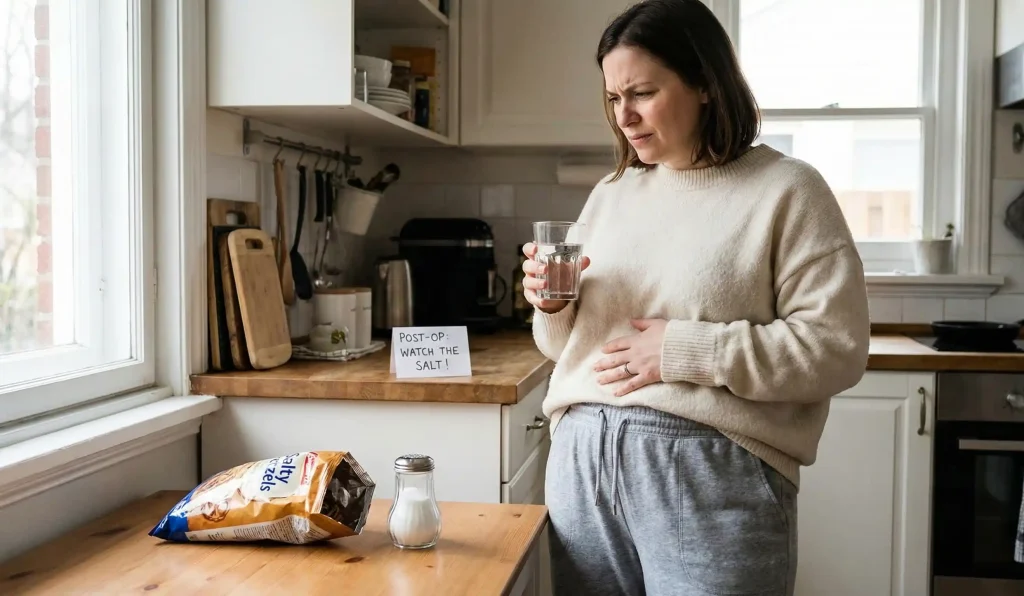
Right after the operation, your body is basically a battlefield where it retains water, your lymphatic system is overworked, and the levels of inflammation markers are high. Your most important dietary aim during this first month is to combat swelling by cutting down your sodium intake radically. Sodium is one of the causes of water retention. Therefore, when you consume salty foods like soups, processed crackers, or fast food during your recovery, your body will be very aggressive in holding onto the fluid, and what should be the usual post-op swelling will turn into severe, painful pressure. In our opinion, limiting sodium intake to less than 1500 mg per day and concentrating on natural diuretics that help the body get rid of water is the way to go.
Apart from reducing salt, you should also add certain healing foods to your diet. Pineapple and papaya are excellent sources for a post-op diet as they contain bromelain and papain which are enzymes that have been proven through clinical trials to have an effect on swelling. Moreover, they can break down the proteins in the bruised tissue and hence, accelerate wound healing. Leafy green vegetables such as spinach, kale, and chard are just as crucial since they contain a lot of magnesium that is a mineral which helps in balancing body fluids and thus, preventing water retention. Besides that, you should regularly consume berries, such as blueberries and strawberries, because they are loaded with antioxidants which fight off the oxidative damage caused by surgical trauma.
Phase 2: Protein for Tissue Repair and Skin Retraction
Liposuction is an operation that causes physical damage to the old connective tissue network under your skin so that it can be retracted tightly over the new frame of the smaller size your body has. For this to happen, you need to supply your body with high-quality proteins. Proteins are what your body uses to make collagen. Therefore, if you do not get enough protein during the recovery phase, your wounds may heal slowly and your skin will probably remain loose or “crepey” instead of returning to being tight. Consuming lean, high-quality protein regularly not only keeps your blood sugar stable but also provides you with the necessary fuel for your repair mechanisms.
The healthiest changes for this stage include making grilled chicken, turkey, white fish, eggs, and Greek yogurt your sources of protein. They provide a high amount of protein without adding an excessive amount of calories to your diet. For those who refrain from animal products, the choices of lentils, quinoa, and tofu are quite good, provided you keep an eye on canned beans since they are usually high in sodium; always rinse them well before using. By keeping your protein intake high, you are in effect supplying your skin with the essential nutrients to smooth the transition of the skin back to the muscle.
The “Visceral Fat” Defense
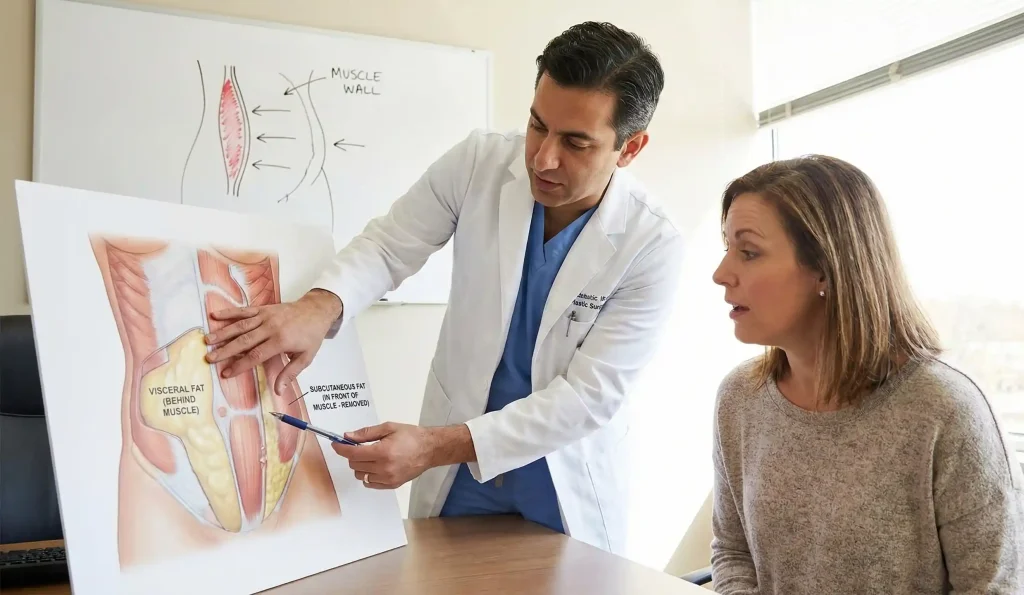
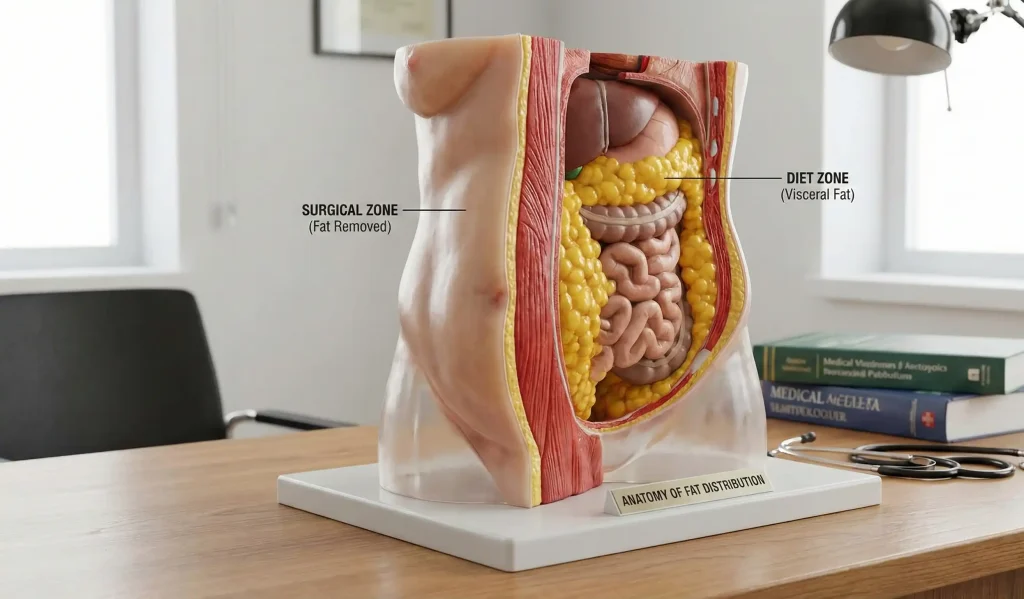
The ultimate attainment of the body’s healing process is when the individual can be able to prevent the gathering of visceral fat in the abdomen. Although liposuction can remove subcutaneous fat thus preventing regrowth in those treated areas, the body can still store the newly ingested energy as fat if the food intake is excessive. This new fat that is stored is known as visceral fat, and it is the type of fat that is considered risky because it accumulates in the abdominal area, in the spaces between the organs. Reverting to a diet high in sugar can cause a condition called “hard belly” or “the lipo shelf” where visually, one can be slim on the hips but disregarding this, he or she has a bloated and thick feeling through the torso.
Consequently, the long-term dietary plan has to be centered around Low-Glycemic Index (GI) foods which are complex carbohydrates that liberate energy gradually thereby preventing insulin spikes that lead to the storage of visceral fat. To illustrate this point, this entails giving up white rice, white bread, and soft drinks and substituting them with brown rice, quinoa, sweet potatoes, and water. By properly moderating your insulin level through the consumption of carbs that are complex you are shielding your new figure and making sure that your abdomen is going to be flat and well-defined rather than accumulating internal bulk.
Hydration: The Underrated Healer
However, it rarely disappoints when it is pointed out that water can help reduce swelling and even though one feels waterlogged and puffy, he is still encouraged to have his water intake increased. The body’s response to dehydration is that it seeks to save water through fluid retention. So when enough water is consumed, at least 2 to 3 liters a day, it sends the message to the kidneys that they can go on and get rid of the excess water thereby effectively reducing edema. Besides that, hydration is extremely important in the elimination of anesthesia and pain medication byproducts from your body, thus allowing you to get back to your normal state faster.
On top of that, blocking up which is a major side effect of the use of narcotic painkillers and dehydration can turn out to be quite harmful to a person’s recovery. An increase in intra-abdominal pressure that occurs as a result of straining when using the bathroom can lead to greater swelling and hence, it also causes a lot of discomfort in the treated areas. High fiber diets with foods that are rich in soluble fibers such as oats and apples, coupled with plenty of fluids, are the best strategies against post-op digestive discomfort and this will also make sure that the healing process is at the center of your recovery and not gastrointestinal discomfort.
The Lin Europe Clinic Approach: Holistic Aftercare
Lin Europe Clinic in Turkey practices the philosophy that only half of a good surgery is a technical skill whereas the other half is how you take care of your body after the operation. We are not those kind of people who just give patients a pamphlet and wish them luck; our recovery specialists are always giving you nutritional advice based on your operation. We know that it is hard to get out for shopping and cooking when you are sore, so our patient coordinators can be of great assistance if you need a grocery list that goes in line with the anti-inflammatory diet protocol.
During your follow-up appointments, we do more than just checking on your incisions; your hydration status and how well you are doing in general also matter to us because we want to be sure that you are not unknowingly sabotaging your results with hidden sodium or inadequate protein. We are dedicated to making sure that your internal health matches your external transformation. We will be with you every step of the way as you transition from surgical recovery to a lifetime of healthy maintenance.
Frequently Asked Questions About Post-Lipo Diet
You need to completely avoid alcohol for a minimum of 2 weeks post-surgery as it thins the blood, thus increasing the risk of bruising, and also dehydrates the body, which dramatically aggravates the swelling.
Indeed, fresh pineapple has bromelain in it which is a potent enzyme, that has been shown in clinical studies to decrease inflammation and help the body to resorb bruises more rapidly than rest alone.
This is not your body storing fat but a situation of a very high fluid retention caused by the tumescent fluid used in the operation, and also the body’s natural inflammatory response that can add a temporary water weight of 2-4 kg.
It would be best if you refrained from eating very spicy foods for the first week as they can irritate your stomach, which may already be sensitive due to antibiotics and anesthesia, resulting in unnecessary bloating.
Aim to consume around 1.2 to 1.5 grams of protein per kilogram of your body weight so that your body has enough material to create collagen and repair the damaged tissues properly.
Matarasso, A. (2014). Liposuction: The Syringe Technique and the Fat Re-injection. Plastic and Reconstructive Surgery.
Swanson, E. (2012). Prospective clinical study of 551 cases of liposuction and abdominoplasty alone and in combination. Plastic and Reconstructive Surgery.
Kantor, J. (2016). Nutrition in wound healing. Clinics in Dermatology.