
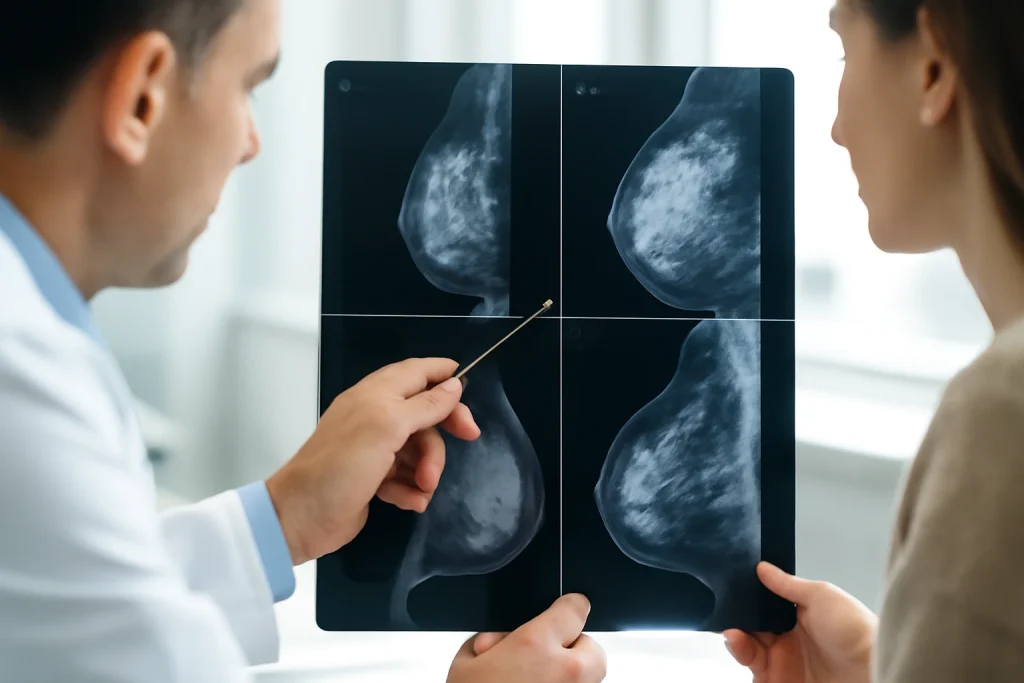
It is a rare cancer linked to implants.
Breast Implant Associated Lymphoma (BIA-ALCL) is a rare case situation of potential danger of a person living with breast implants. The good news is it is not cancer of the breast, however, patients with breast implants need to be aware of such a risk. BIA-ALCL is the lymphatic system, which is a very important part of the immune system, that gets affected and mostly it is only a case of association with the textured breast implants. BIA-ALCL occurrences are few, but properly educating oneself and being watchful can immensely bring about the detection of this disorder in its early stages and henceforth it is more likely to be cured. We at Lin Europe Clinic are committed to keeping our patients updated with the newest and the most reliable information for their safety and well-being.
Knowing about BIA-ALCL means also recognizing the symptoms, understanding risk factors and going through the procedures to lessen the chances of unpleasant consequences.Lin Europe Clinic provides a one-stop solution for breast implant surgery, starting from the preliminary consultation up to long-term follow-up. Patients informed about BIA-ALCL will decide wisely, communicate with their doctors, and follow the best practice of the regular checks. Our article serves as a guide to BIA-ALCL symptoms, strategies of early detection, and how to keep vigilant after breast implant surgery.
What Is Breast Implant Associated Lymphoma (BIA-ALCL)?
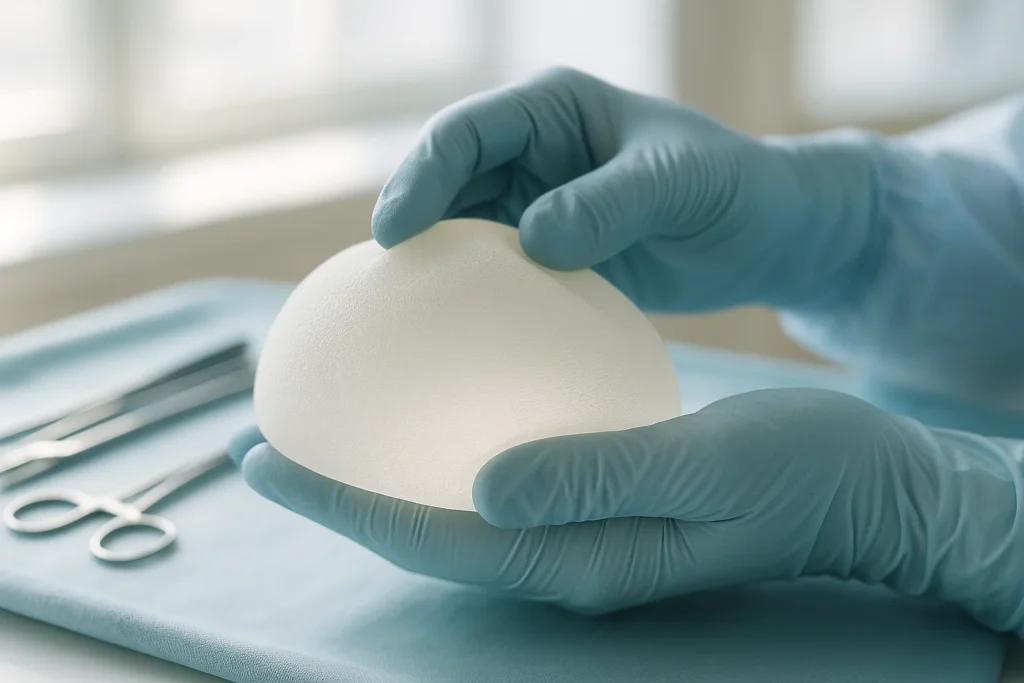
Breast Implant Associated Lymphoma (BIA-ALCL) is a type of cancer that affects the immune system, specifically the lymphatic system. In most cases, it is the tissue around a breast implant that is infected, usually in the capsule of the scar tissue that is there naturally and it has formed around the implant. We should be very clear – this is not breast cancer but a kind of non-Hodgkin lymphoma, i.e., cancer of the immune system.
Majorly, the source of BIA-ALCL is said to be textured breast implants which are those that have a rough surface and it is meant to facilitate the implant to stay in one place. Though the direct reason for BIA-ALCL is not fully clear yet, it is assumed that the chronic inflammation resulted by the textured surface might cause the body to produce antibodies, which eventually leads to lymphoma in some patients. The research shows that it is an extremely low occurrence and while textured implants have been linked to BIA-ALCL, it is important to emphasize that most patients with textured implants will never develop the disease. Nevertheless, it is imperative to know BIA-ALCL for that matter as it would put the patients in a position to weigh the pros and cons of their health care choice.
Symptoms and Early Detection of BIA-ALCL
The first symptoms of BIA-ALCL usually come up a good number of years after breast implant surgery. To speak of it generally, the most frequently observed symptoms of BIA-ALCL are the swelling of the breast, changes in breast shape, pain, lumps, or fluid accumulation around the implant. The mentioned symptoms can appear within a time interval of three to ten years after surgery. It is worth noting that many of the symptoms mentioned above are not directly related to BIA-ALCL and, in fact, they may be caused by some other conditions but still, it is good practice to take them seriously and have them checked regularly.
What makes the successful treatment of BIA-ALCL possible is the identification of the problem in its early stages. The earlier it is detected, the easier it is to treat, and the better the chance of recovery is. Doctors recommend patients frequently checking their breasts for any changes especially through self-examination. At your consultation with the surgeon, he or she will inform you about the pros and cons of each type of implant and therefore help you make a wise decision taking into account your preferences and your health condition. Patients who make the right choices of surgeon and implant type can lower the risk of complications such as BIA-ALCL and have the positive outcomes of their operations.
How to Monitor for BIA-ALCL After Breast Implant Surgery

You may think of it as an important chore that you have to do after the surgery, which is, attending to your breast implants. At Lin Europe Clinic, follow-up plans after the surgery that we tailor-fit to each of our patients, are the perfect answer for the problem of detecting any BIA-ALCL late; regular monitoring can be through physical exams, ultrasounds, and, in some extreme cases, a biopsy of any fluid or tissue that has built up around the implant. Patients should be going for check-ups with their doctor regularly, especially during the first few years after the surgery, as it is the period when side effects are most likely to happen.
On top of that, patients should take the initiative in monitoring their own condition. In case you come across any swelling, pain, or even irregularities in the look of your breast or implant, you ought to arrange a meeting with your surgeon as soon as possible. The very first step to successful treatment is at work when early intervention is possible, and regular check-ups are the best means for spotting BIA-ALCL in its initial phase. The skilled team at Lin Europe Clinic is there to cheer you along this journey and to make sure you get the best care at all times.
Risks of BIA-ALCL and How to Minimize Them
Although the probability of acquiring BIA-ALCL is very minimal, knowing what factors may push that probability higher is the first step to be able to make the right decisions about breast implant surgery. According to studies, BIA-ALCL has a higher chance of occurring in patients who have breast implants with textured surfaces than for those who have smooth surfaces. Besides the history-of-many-surgeries factor, during the surgical process, the contamination of the wound by bacteria may also cause a slight increase of risk. Emphasizing that the largest percentage of patients with textured implants will not be the ones that end up with BIA-ALCL, and this is an extremely rare side effect, is, indeed, very important.
Minimizing the chance of BIA-ALCL can be accomplished through making good choices of the surgeon who should be very skillful and experienced and use of the safest surgical techniques and the best implant technologies for the job. We at Lin Europe Clinic provide you with the possibilities for implant choices with the likes of smooth implants and the likes which are of lower risk BIA-ALCL-wise. When you meet with the surgeon, he or she will discuss with you the benefits and drawbacks of each implant, and thus assist you in making a wise decision by taking into account your tastes and medical condition. By choosing the right doctor and the right type of implant, patients are able to lower the risk of getting complications like BIA-ALCL and to have the positive outcomes of their operations.
Remaining Educated: Sources and Routine Check-Ups

Continuous education about BIA-ALCL and breast implants is imperative its being inflected with the use of dependable sources and in this category are the U.S. Food and Drug Administration (FDA) and the American Society of Plastic Surgeons (ASPS). These authorities provide authentic and current guidance on breast implants, BIA-ALCL, and the related problems. To top it all, you being in constant communication with your surgeon and doctor is of utmost importance to be kept in the loop with the recent research and safety instructions.
At Lin Europe Clinic, we don’t stop at educating our patients about BIA-ALCL and breast implant safety, but we also make sure that they have easy access to all the necessary resources. We advise patients to avail themselves of our services regularly to have their implants checked and, if any, the signs of the problem be caught at an early stage. There is no question that our experienced team is always at your disposal to handle, no matter what they may be, and to provide you with the highest level of professionalism throughout your journey with us. If you keep up with the proactive approach and are well-informed, you are able to considerably lessen the chance of trouble arising and, at the same time, make sure of your safety and good health after breast implant surgery.
References
- American Society of Plastic Surgeons: BIA-ALCL
- U.S. Food and Drug Administration (FDA): Breast Implant-Associated Anaplastic Large Cell Lymphoma
Frequently Asked Questions About BIA-ALCL and Breast Implants
BIA-ALCL is a rare form of cancer of the immune system that can develop around breast implants, especially textured implants. It is not breast cancer but a lymphoma of the lymphatic system.
Common symptoms of BIA-ALCL include swelling, changes in breast shape, pain, lumps, and fluid buildup around the implant. These symptoms typically appear several years after implant surgery.
Regular monitoring, including physical exams and ultrasound, is essential for early detection of BIA-ALCL. You should also perform self-exams and report any changes in your breasts to your surgeon.
There is no guaranteed prevention, but opting for smooth implants may lower the risk of BIA-ALCL. Additionally, selecting an experienced surgeon and following proper aftercare can help reduce complications.
It is recommended to have annual check-ups to monitor the condition of your implants. If you experience any changes in your breasts, seek immediate consultation with your surgeon. Regular follow-ups are essential for early detection and peace of mind.