High calories and poor habits.
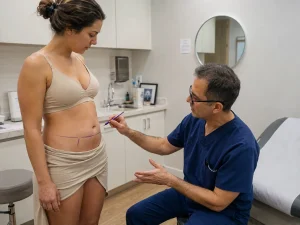
Sleeve gastrectomy (gastric sleeve) is a form of metabolic and bariatric surgery that not only reshapes your body but also resets the way your body thinks about surgery and food in terms of calories. Some people mistakenly think if you just cut down the size of the stomach, it is a “permanent fix” that doesn’t depend on the patient’s behavior. When patients wonder how it’s possible to gain weight after surgery that removes 80% of the stomach, the answer includes continuing interactions between anatomical changes, hormonal adjustments, and the weakening of surgical restriction through psychology. Weight regain is hardly ever a single “failure”; it is usually a slow process where patients either stretch their gastric pouch or switch to high-calorie “liquid” eating patterns that evade the surgery’s physical limits.
Here at Lin Health Europe Clinic, we see bariatric success as a lifelong metabolic collaboration. We especially remind our international patients coming to do surgery in Turkey that surgery only gives them the initial push and the “honeymoon phase”—first 12-18 months after surgery—should be used for solidifying permanent behavioral changes. We are known as the best place in the world for both primary bariatric surgery and complicated revision surgery. We also emphasize the importance of long-term nutritional education to equip you with the necessary tools to resist the biological forces of weight regain.
Understanding Gastric Dilation (The Expansion of the “Pouch”)
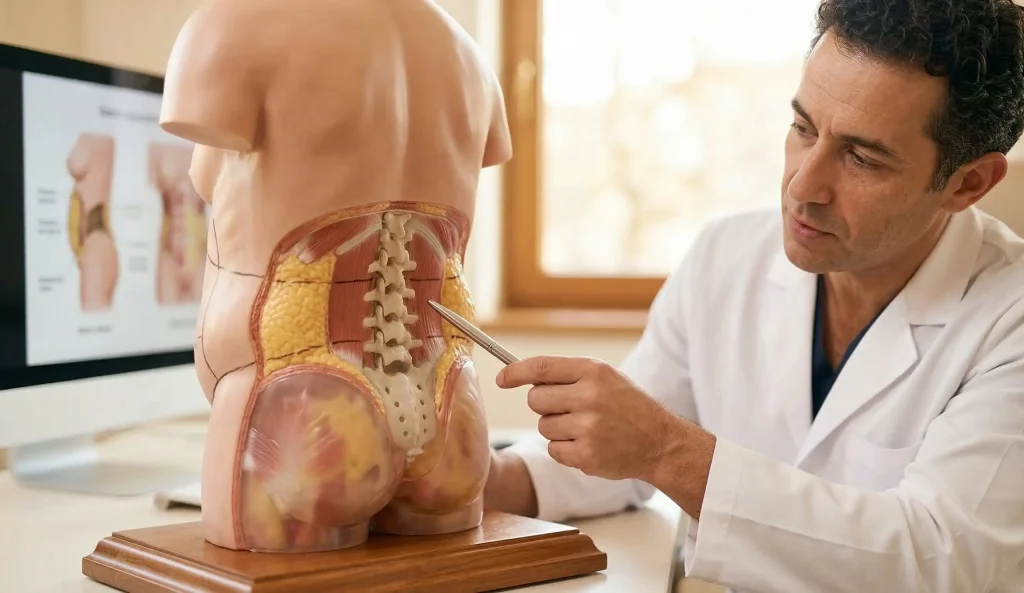
Our stomach is a muscle and an organ that can stretch a lot. In a sleeve gastrectomy, the surgeon cuts out the gastric fundus which is the most stretchable part and leaves a thin, banana-shaped sleeve or tube which has its own muscle fibers that are biologically programmed to stretch over time even though the sleeve itself is initially more or less rigid muscle-wise.
One of the foremost reasons why someone can start to regain the weight after surgery can be the gradual “stretching” of the pouch. It can also be that the patient is regularly overeating by going beyond their normal limits or drinking liquids with their meal which pushes up the pressure inside the stomach. Once this happens, a person has to eat more food simply to feel the same level of stomach fullness. In fact, the stomach can be stretched to contain twice the volume of the food that the patient was limited to right after the surgery.
Psychological Subversion: The Phenomenon of “Grazing”
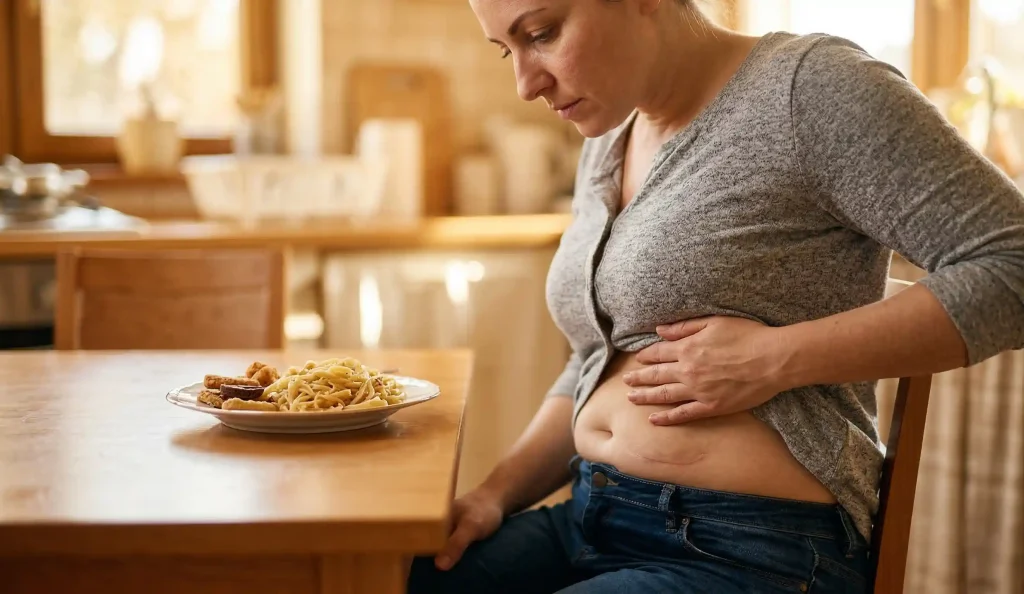
The most frequent cause of weight gain post a gastric sleeve is not stomach failing but the patient’s mind finds a way around the surgical restriction through “grazing“. Since the sleeve restricts the amount of food that can be eaten during one meal only, the natural survival instinct of the body is to find ways of eating more calories over a longer period.
Grazing refers to eating very small amounts of high-calorie, highly processed “slider foods“—such as crackers, chips, or sweets—every 30 to 60 minutes throughout the day. Such foods dissolve quickly, and since they pass through the stomach without stimulating the stretch receptors, a patient can eat thousands of hidden calories despite having a tiny stomach. Our clinic experience ensures that you go away with a good understanding that the gastric sleeve is a volume-restriction tool, and not a calorie-filter. If you graze, you will bypass the primary mechanism of the surgery, and will likely end up with the weight you lost returning very slowly but most surely.
Liquid Calories: The Easiest Way to Out
Grazing aside, the intake of high-calorie liquids remains one of the main causes of weight regain after bariatric surgery. The idea behind the operation of gastric sleeve is that solid protein foods keep you full by staying in the stomach longer, while the rest can be eliminated quickly. On the other hand, liquids drain off from the sleeve in no time.
One reason why people face difficulties with weight regain is that they might have unconsciously switched from solid food to drinking “liquid calories” such as coffee drinks with a lot of sugar, sodas, juices, or even consuming excessive alcohol. The liquids do not require mechanical digestion and therefore, satiety signals cannot be generated by consuming them. “In Istanbul,” the team at Lin Health Europe Clinic’s meticulous provision of nutritional counseling is to remind our patients of this “liquid trap.” We explain that every liquid-form calorie is one less moment to make satiety hormones that help keep your weight stable.
Hormonal Compensation and Metabolic Adaptation
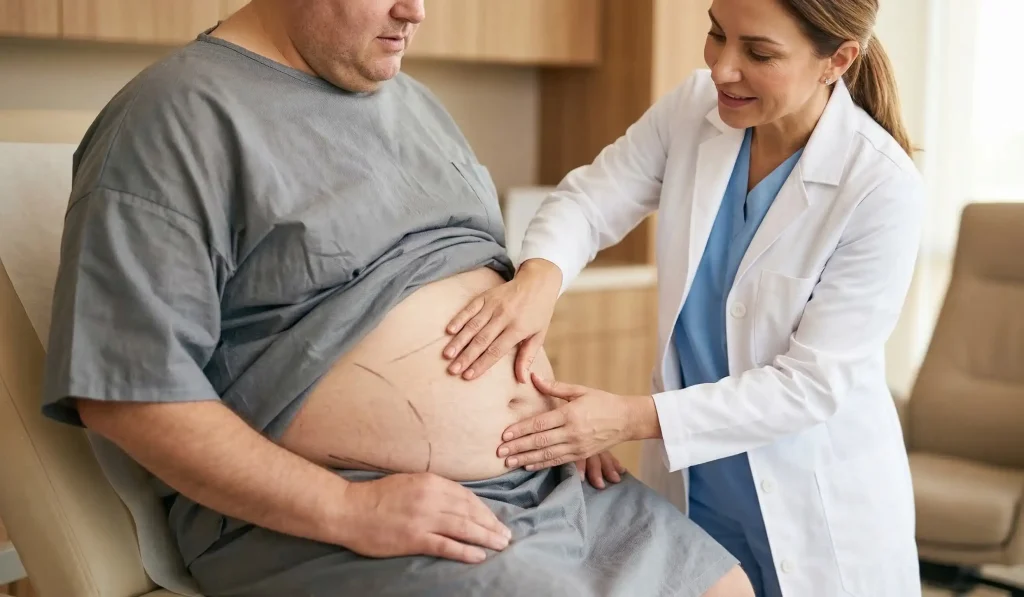
The human body has evolved to protect its maximum weight. This is the very sad situation that we physically live through as a result of a big bariatric weight loss. The body may react to prolonged dieting and weight loss by lowering metabolism, increasing feelings of hunger and reducing feelings of fullness – by changing levels of hormones like ghrelin and leptin in the brain (ghrelin can still be produced in small amounts outside the stomach).
At Lin Health Europe Clinic, we anticipate this physical change which we call ‘metabolic adaptation’. Our recommendations include a diet rich in protein and regular resistance exercise (lifting weights), as a loss of lean muscle mass not only wanes metabolism but also results in increased hunger
Emotional Component and “Honeymoon” Phase
To put it simply, bariatric surgery changes your anatomy, but the mind will remain the same. For many patients, obesity is a symptom of complex emotional eating patterns or food addiction. During the first 12 to 18 months—the “honeymoon phase”—the rapid weight loss is caused mainly by the intense restriction and the hormonal reset provided by the surgery.
When this phase finishes, the patient is left biologically exposed, and their old emotional eating habits can come back. Many go back to food for comfort, without strong psychological foundations and support. At Lin Health Europe Clinic, our team feels mental health, in addition to physical health, should be the primary focus when working with you to overcome emotional eating and related problems.
FAQ:
Very often people regain weight by a mix of “grazing” on high-calorie foods, using “liquid calories” that don’t go through the stomach where the restriction is, and the physical stretching of the gastric pouch because of constant overeating in Turkey.
Usually, you may notice a slight “bounce back” of 5 to 10 pounds when you exit the lowest weight phase and switch to a long-term maintenance diet. Nevertheless, continued or fast weight gain could hint at problems and should be checked by our team in Istanbul who can determine if it is due to the stretching of the anatomy.
You can have revision surgery if the pouch has stretched to an extreme extent. Revise surgeries may include “re-sleeve” or switching to Gastric Bypass. Lin Health Europe Clinic conducts in-depth anatomy assessments to identify the safest and most potent way for a revision surgery.
Once the “honeymoon phase” is over, the body’s hormones get back to normal, and the brain may send increased hunger signals in order to regain the lost weight. A diet rich in protein that is properly balanced and stress relief are some of the steps that can effectively manage the typical biological “food noise” in Istanbul.
The best way to prevent regain is to strictly follow the “protein-first” rule, refrain from drinking with your meals, and kill grazing habits. Regularly seeing our bariatric dietitians in Turkey will keep you in the right metabolic direction for your entire life.
ASMBS (American Society for Metabolic and Bariatric Surgery). (2021). Long-term weight regain after bariatric surgery.
Felsenreich, D. M., et al. (2016). Weight loss, weight regain, and complications after sleeve gastrectomy: 5-year results. Surgical Endoscopy.
Freire, R. H., et al. (2012). Dietary and lifestyle factors associated with weight regain after bariatric surgery. Obesity Surgery.
Courcoulas, A. P., et al. (2013). Seven-year weight trajectories and health outcomes after bariatric surgery. JAMA Surgery.
Odom, J., et al. (2010). Behavioral predictors of weight regain after bariatric surgery. Obesity Surgery.