No, you can continue exercises after augmentation.
How CrossFit Affects Breast Implants
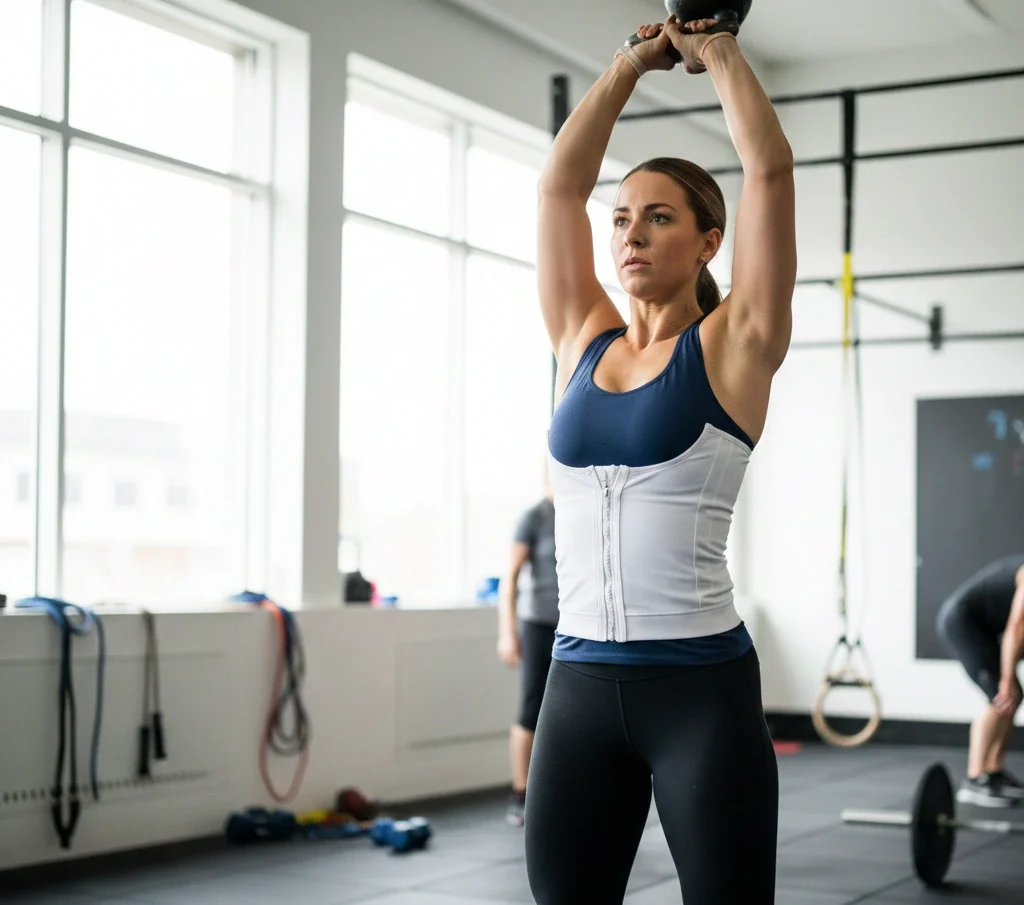
CrossFit is a physically demanding workout of short duration that involves fast, reactive movements, weightlifting, and aerobics. People with breast implants should be aware of the possible changes in the breasts and implants due to the CrossFit. The chest area is the one that can be affected most since it is the place where the body is physically stressed with the most intense movements. Although today’s implants are made with strong materials to withstand wear for a long time, it is always possible that some movements will cause discomfort, strain on the chest muscles, or even shifting of the implants. It is very important to take the right measures and change your CrossFit workout so that the implants do not get to be pressed unnecessarily.
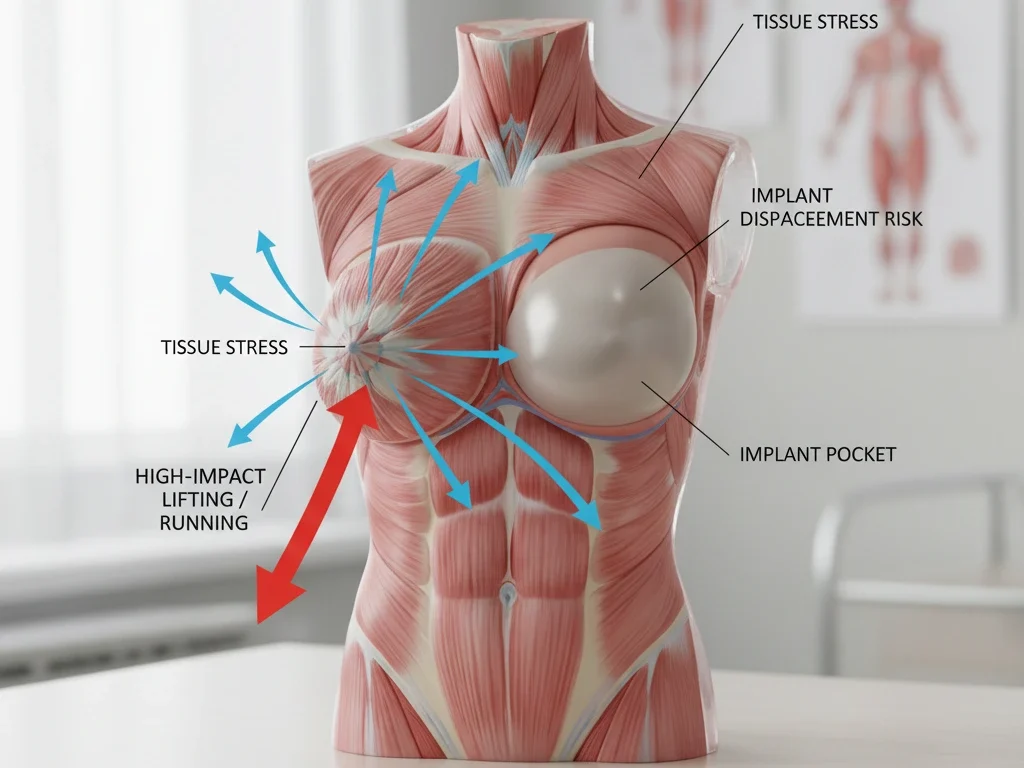
Depending upon the CrossFit intensity and the different kinds of implants you may have, the gym program can alter breast implants in various manners. For instance, the activities that incorporate heavy lifting and/or thorough body movement might at times bring about a situation where pressure is exerted onto the breast tissue or the displacement of the implants. It is very important to make sure that your implants are fully healed and your body is fit for a hard physical workout. A visit to the surgeon is a very important step before you start CrossFit in order to prevent any complications with implants.
Exercises to Avoid with Breast Implants
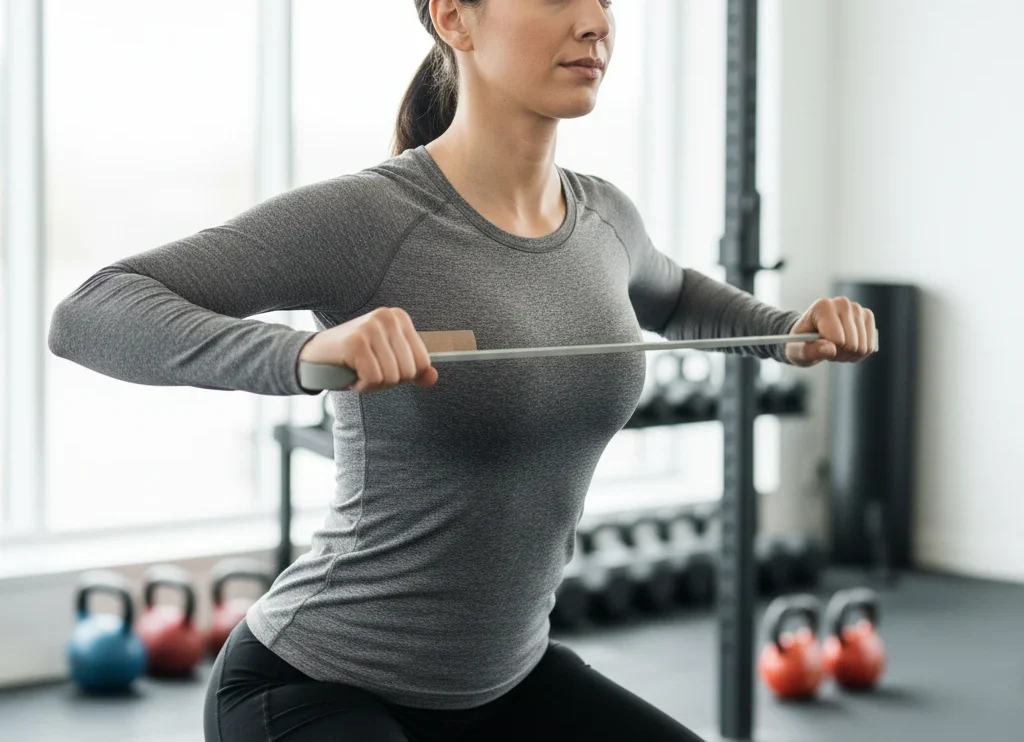
Some exercises can overly press your implants, so it is better to avoid them or modify them during your CrossFit workout. It is better to avoid performing deep push-ups, heavy chest presses, and exercises which involve abrupt or jarring movements. Such activities contribute to the loading of the breast tissue and the displacement of the rupture risk of the implant increases. Intensely lifting the chest in an area such as when done incorrectly can also cause the stress to the implants and result in discomfort or injury.
Moreover, exercises that involve fast bouncing movements such as jump squats or high-intensity running should also be performed with caution. The abrupt impact part of such exercise can move the implants and may even cause the extension of the tissue around them. Focusing on controlled, slow movements and getting advice from your surgeon about the necessary changes will protect you from harm and let you keep taking part in CrossFit. Paying attention to the signs that come from your body is essential and if you happen to be in a situation where you are not comfortable, stop the work you are doing right away and seek a professional’s opinion.
How to Protect Your Implants During High-Impact Movements
One very essential way of protecting the implants from high-impact motions in the course of the CrossFit training is the provision of extra support to the breasts. The implantation can be shielded through the use of a top-notch sports bra explicitly designed for high-impact workouts. Such a bra is capable of giving the necessary support and compression, thus moderating the chest’s movement and fixing it into place. The right bra can go a long way in minimizing the strain and pressure on your implants, thus allowing you to perform a wide range of exercises without risking your safety.
Moreover, apart from limiting the impact of the movements, the use of correct technique can be very instrumental in the prevention of an implant displacement or injury. Such activities should be taken up lightly and with caution, if not at all. Introducing proper form into your workout may prevent sudden movements and, in turn, an unwarranted load being placed on your chest. Always keep a close eye on your body’s reaction to each activity and if you happen to feel pain or discomfort, terminate the exercise immediately. Giving your body a chance to recover through the inclusion of rest days in your regime is also a very smart decision.
Tips for Preventing Implant Displacement or Injury During CrossFit
In a nutshell, the thought-out plan that mixes exercise modifications, the use of appropriate equipment, and a gradual transition to high-intensity workouts will help you shield your implants from displacement or injury during CrossFit. First of all, it is a great idea to strengthen the muscle surrounding your chest by doing core and back exercises. It will not only make the chest and the implants more stable but also the muscles will be strengthened which will absorb some of the pressure of the moves. These muscles become stronger, and some of the intensity of the movements will be taken off the chest, thus lowering the chances of implant displacement or damage.
Initially, one should refrain from performing exercises which involve quick or extreme movements not only during the recovery stage but the entire recovery period as well. As an example, heavy chest presses and exaggerated push-ups might not only lead to excessive strain of your breast tissue but also make implant-related problems more likely to occur. Instead of so much effort, concentrate on low-impact exercises and intensify your training under your surgeon’s supervision. If you feel uncomfortable or even painful then stop immediately and talk to your surgeon.
When to Consult Your Surgeon Before Starting CrossFit
Right before you perform CrossFit and other training sessions of a demanding nature, a talk with your surgeon is the very first thing to consider. Individual healing times vary, and it is very important to abide by your surgeon’s instructions as to when one can safely engage in vigorous physical activity. As a rule, most surgeons will give the green light for activities like CrossFit only 6 to 8 weeks after the operation. During this time, the body will still be healing the implant site and the risk of side effects caused by the operation will decrease substantially.
Moreover, discussing with your surgeon about any possible restrictions in terms of your exercises is a great benefit of the consultation. It would be great if your provider could help you come up with a personalized routine that not only keeps your health as the main focus but also makes it possible for you to safely do CrossFit. While you are there, don’t hesitate to ask about the symptoms of complications. This way you will be able to spot situations of trouble at an early stage and take precautions.
Post-Workout Breast Implant Care
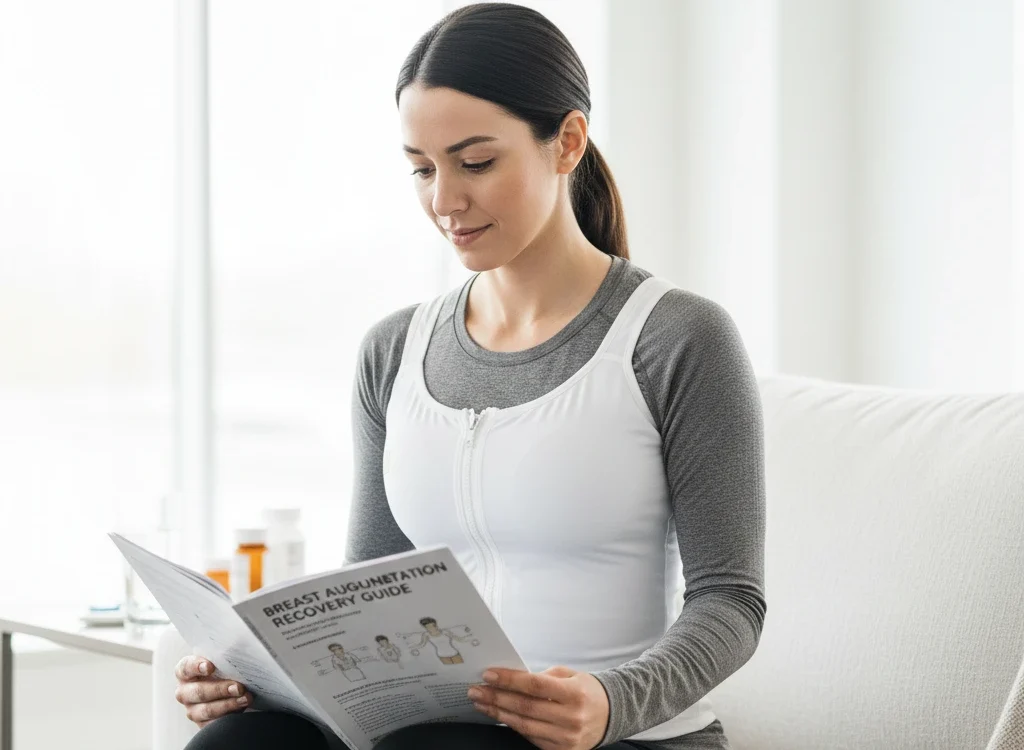
After CrossFit, a good breast-implant-related hygiene routine is just as important as the protection during the workout. The recovery period after the effort is a time to evaluate the impact of the body to the exercises, and also it is the time to take some steps that can ease the swelling as well as the discomfort. The use of ice can also be very helpful in eliminating any slight swelling or pain that may have been brought about by quick, intensive movements. So, this will be the solution to offer aid to the healing process and to lessen the risk of side effects.
You must give your body some time off, after a vigorous CrossFit session to recuperate and regain its strength. Do not forget to drink enough water throughout the day, eat healthy to make the recovery faster, and if need be set some appointments with the doctor to check on the health of your implants. The phase between workouts is a vital part of a healthy lifestyle and the first step towards the long-term success of your fitness journey with breast implants.
Breast Implants in Turkey
With the help of clinics that use cutting-edge surgical techniques and provide affordable rates, Turkey has become a preferred location for breast augmentations. A wide variety of clean and modern clinics with the best surgeons in the field, including Lin Europe Clinic, are the main reasons why Istanbul is regarded as the global hub for high-quality medical tourism. By adopting the latest technologies in their operations, these medical centers, together with the competent surgeons, guarantee that each and every procedure is based on the patient’s personalized requirements. Combined with thorough care and good aftercare, the patient can realize the best, longest-lasting results along with a comfortable recovery.
References
- Sahlstrand, L., & Persson, A. (2020). Breast Implant Surgery and Postoperative Care: Guidelines for Safe Practice. Journal of Aesthetic Surgery, 15(3), 67-74.
- Miller, J. T., & Carlson, D. (2019). The Impact of Physical Activity on Breast Implant Longevity: A Comprehensive Study. International Journal of Cosmetic Surgery, 28(5), 142-151.
- Patel, R., & Wood, R. L. (2021). Managing High-Impact Sports After Breast Augmentation: A Clinical Perspective. Journal of Reconstructive Surgery, 32(2), 98-103.
- Harris, M. D., & Lee, C. M. (2018). Exercise Modifications and Implant Safety: Protecting Breast Implants During High-Intensity Workouts. Journal of Plastic and Reconstructive Surgery, 42(1), 58-64.
Frequently Asked Questions About CrossFit and Breast Implants
Yes. You can perform a CrossFit workout even if you have breast implants, but it is very important to be cautious with certain exercises. Change your workout to prevent exercises that will cause too much pressure on your chest and check with your doctor to be sure your implants are ready.
Yes. It is advisable to refrain from highly dynamic activities that involve deep push-ups and heavy chest pressing as these may lead to excessive loading of the chest area and consequently increase the chances of implant displacement. Your doctor can help you with safe alternatives for the exercises and guide you through modifications.
Using a sports bra with high support that is specifically made for high-intensity activities will help to minimize breast implant movement. Keep your workout controlled and focus on doing the right movements; this way, you will not put extra pressure on your chest area that could come from the wrong movements.
Among the risks are the displacement of the implant, injury to the breast tissue, and pain. It is very important that you do CrossFit slowly and progressively, paying attention to what your body is telling you, and changing exercises whenever necessary in order to avoid such problems.
Definitely after your plastic surgeon gives you a provisional clearance which is normally after 6 to 8 weeks following the operation. You can start working out with gentle exercises and then, as your body recovers, you can elevate the level of your training.