It is usually performed at least six months after radiation.
How Radiotherapy Affects Breast Tissue
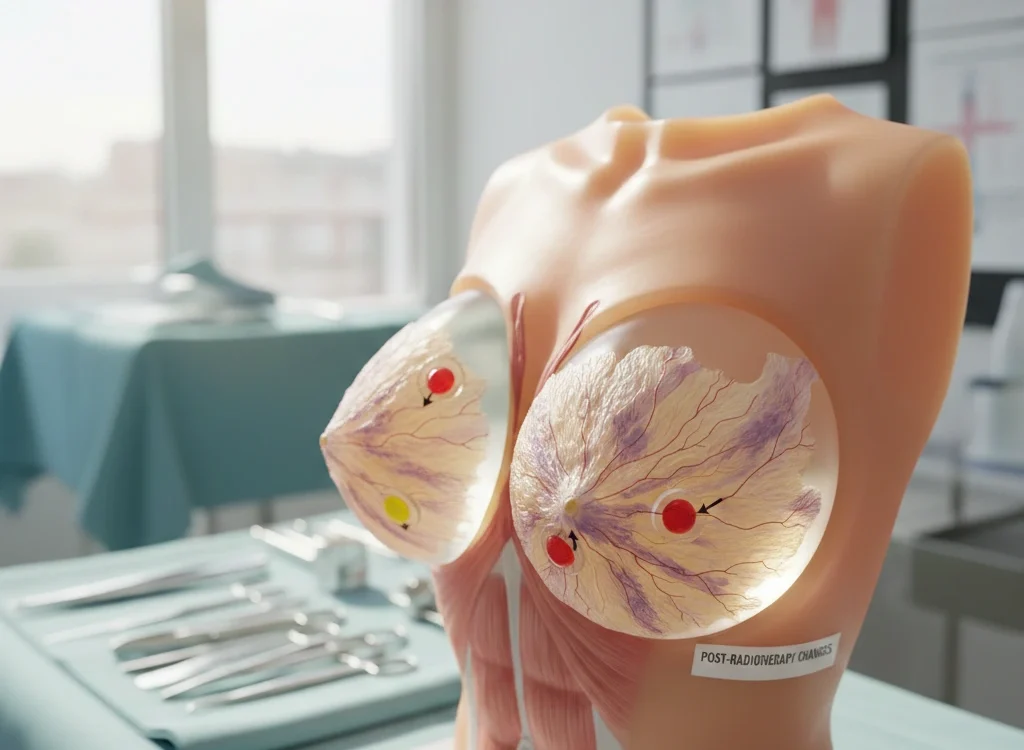
Radiotherapy is a vital part of cancer treatment, but it can deteriorate the quality of breast tissue to a large extent. Along with the cancer cells, the radiation that is directed to the tumor also injures the healthy breast tissue, which is, in most cases, made less elastic and thinner. This can make the tissue that supports the breast implants insufficient resulting in the occurrence of possible complications during and after surgery. Moreover, the damage to the tissue’s structure may even affect its capacity to repair itself, thus slower recovery periods and increased chances of skin breakdown or delayed healing may occur.
When deciding to have breast implants, the effect of radiotherapy on the breast tissue should be taken into account. Cancer may be treated with radiation, but the reconstructive surgery has to deal with the changes left in the tissue. Hence the condition of the tissue before going ahead with implant surgery must be determined beyond doubt. The surgeons at Lin Europe Clinic know how to evaluate the integrity of the breast tissue after the radiotherapy to assure the right and successful placement of implants.
The Impact of Radiation on Skin and Implant Placement
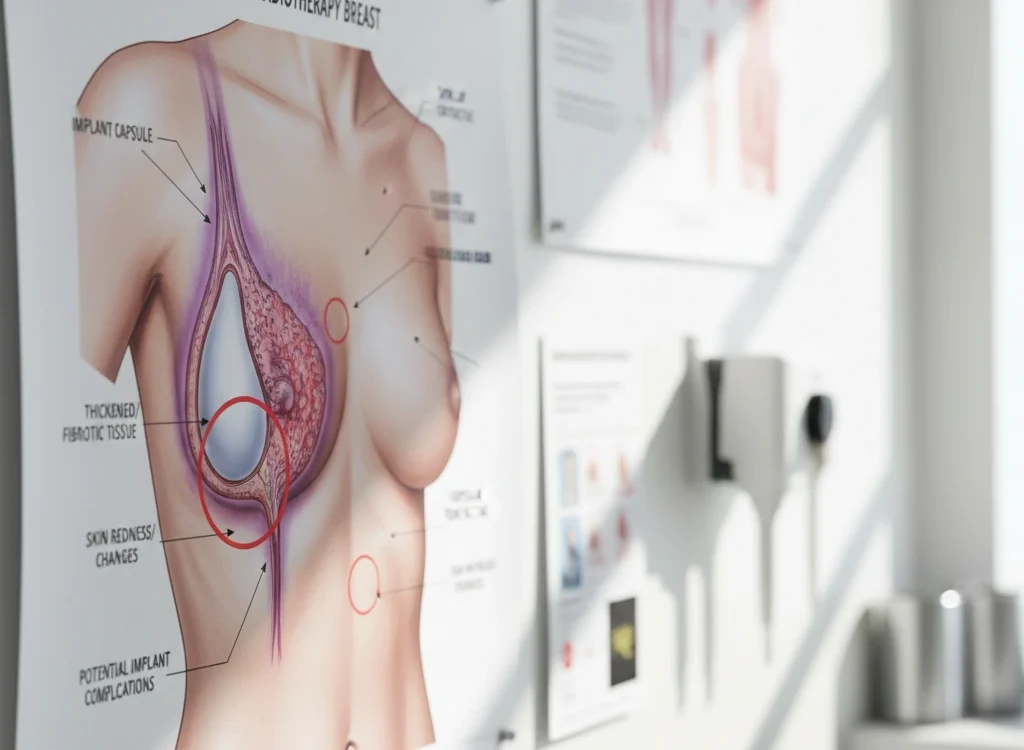
Radiation therapy not only impairs the internal breast tissue but also influences the skin considerably. The skin can become thinner, more delicate, and less elastic, thus, less able to carry the weight of breast implants. As a result, complications such as skin breakdown or thinning may develop with time. Sometimes, the skin may lose its capacity to stretch and, therefore, the problem of implant placement or the implant’s shifting or settling may arise.
Moreover, breast implant placement is a procedure that can become more difficult in tissues that have been exposed to radiation. The lack of elasticity of the skin and its weakened condition may obstruct the surgeon’s ability to securely position the implant. By employing advanced measures, such as tissue expanders, to both increase the skin’s elasticity and allow it to provide support to the implant, surgeons at Lin Europe Clinic manage these worries effectively. These techniques not only help the device to be secured but also to look natural.
Risks of Complications After Breast Implants Post-Radiotherapy
After a breast implant operation, the chances of suffering from complications are increased to a great extent in patients who have been irradiated. The changes that the radiation leads to in the tissue around may cause that tissue to trouble such as capsular contracture, implant rupture, and delayed healing. For instance, capsular contracture is the most common concern where the tissue that surrounds the implant becomes hard and might cause pain as well as the change of the breast’s shape. Moreover, some of the risks are infection, fluid accumulation, and implant displacement.
Patients who have been through radiotherapy must take good care of themselves and closely watch for any signs of trouble after the implant surgery. The tissue that has been weakened may not be able to support the implant as well as healthy tissue, and hence, it will be more vulnerable to complications. Surgeons at Lin Europe Clinic know well how to detect the early signs of such issues and undertake preventive actions to lessen their effect. Thus, it is very important that these patients should follow their doctor’s orders and attend their post-operative checkups, too, to safely accomplish their outcome and guarantee that the implant will be functioning properly and secure.
Why Implant Surgery After Radiotherapy Requires Extra Care
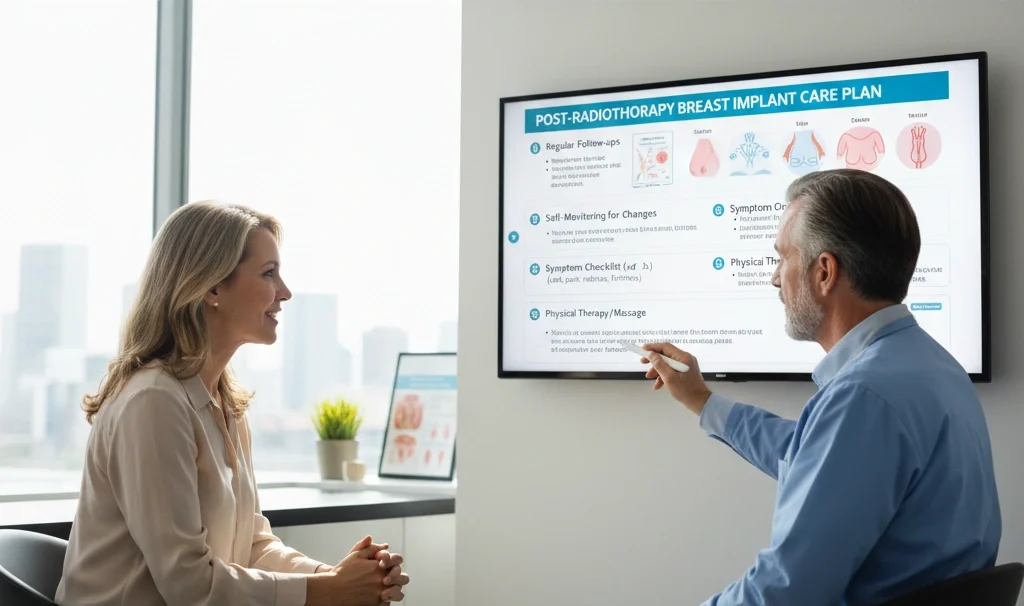
After a radiation therapy, an implant surgery demands a higher level of attention because most likely the breast tissue has been deprived of its normal quality due to the treatment. The entire procedure can cause a decrease in the tissues resulting in a more complicated healing process. Surgeons attempting to do this operation have to be very cautious, they need to not only implant the device in the right position but also make sure the tissue is able to support it. It could be by performing a tissue expander that helps the area get ready for the implant or by choosing a certain type of implant that is compatible with the damaged tissue.
The post-radiotherapy surgical plan depends heavily on the individual’s body recovery and the condition of their breast tissue. It is very important to take a cautious and well-thought-out approach in order to prevent risks and get the maximum possible results. The Lin Europe Clinic team not only acknowledges but also thoroughly considers these factors when they tailor a patient’s treatment plan. This thorough approach guarantees that patients get the best possible care and results after radiotherapy and breast implant surgery.
Considerations for Choosing Implant Type After Radiotherapy
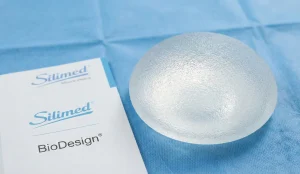
The decision regarding which type of breast implant is the best after a patient has undergone radiotherapy comes as an important step in the whole process. The tissue that has been exposed to radiation becomes very sensitive, therefore, the choice of material for the implant can make or break the surgery. The main reason that silicone implants are chosen is that they have more extensibility and can better simulate the natural feeling of the breast tissue, thus they are more skin irradiated-friendly. Whereas the saline implants are less comfortable and less attractive giving results especially in the case of tissue that is weak.
The doctor needs to determine the condition of the breast tissue and the intentions of the patient to be able to guide her to the suitable implant. Generally, the silicone implant will be the right choice for its long life and the ability to give the most natural look, but the decision has to be made with the surgeon’s consent. At Lin Europe Clinic, we put the patient’s safety and comfort first by giving expert guidance for implant selection and by providing individual solutions for every case.
How Surgeons Minimize Risks and Ensure Safe Outcomes
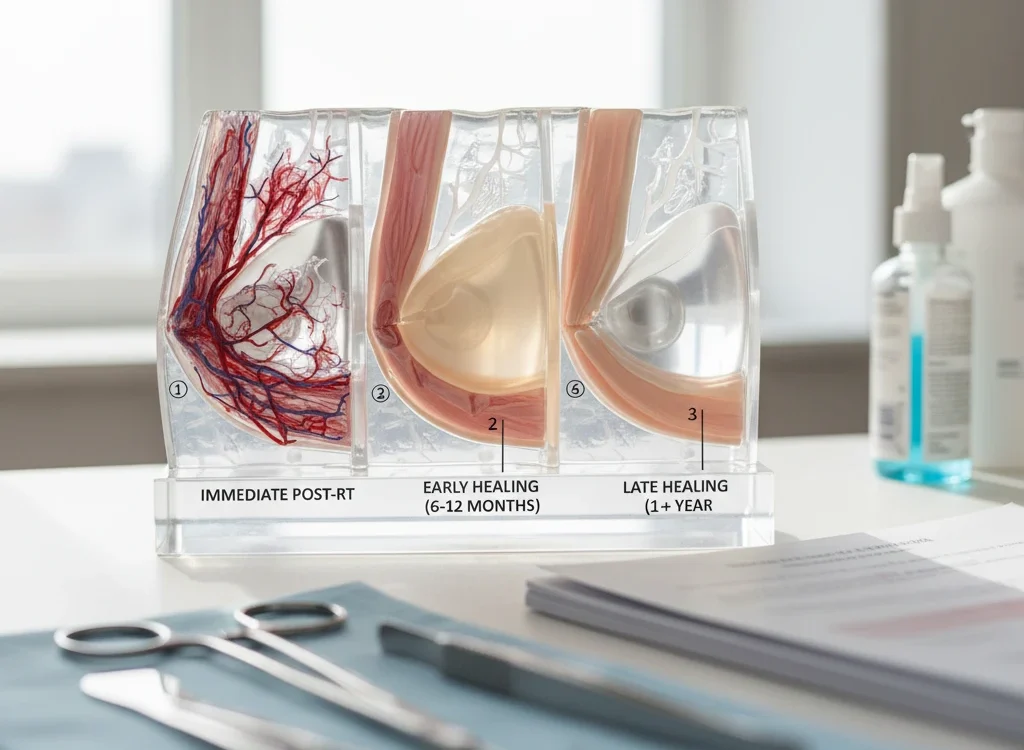
Lin Europe Clinic surgeons employ different tactics to lessen the danger related to post-radiotherapy breast implants. Among these methods is the introduction of tissue expanders designed to stretch the skin along with the tissue beneath it and hence result in creating a more fitting place for the implant. This technique is particularly appropriate for individuals whose tissues have been profoundly changed due to radiation. By slowly widening the tissue, the surgeons can be sure that there is enough room for the implant to be accommodated securely thus the possibility of implant displacement or skin breakdown can be avoided.
Another safe measure that surgeons employ to bring about positive results is the diligence in monitoring the patient after the operation. Follow-up visits are very important for patients who have gone through a radiotherapy as they ensure the implant’s being in the right place and the proper healing of the tissues. At Lin Europe Clinic, surgeons are diligent in their approach to aftercare and work hand-in-hand with the patients to ensure a smooth recovery and to respond promptly to any concerns. This proactive approach minimizes the risk of complications and maximizes the chances of best results after surgery.
What to Expect During Recovery After Implant Surgery Post-Radiotherapy

The time of recuperation is the hardest moment of breast implant surgery after radiotherapy and it is likely to take longer than usual tissue recovery due to the fact that the breast tissue has been changed and is no longer in its natural state. Patients during the recovery’s beginning stages are likely to endure swelling and pain; however, these symptoms will gradually lessen if the right treatment is followed. Along with the use of compression garments, a pain relief plan will also be provided to each patient to make sure the recovery process goes smoothly.
The time after the operation is of great importance if one wants a successful outcome. Patients should strictly adhere to every piece of advice that their doctor gives them, e.g. they might be instructed not to do certain physical activities and to attend regular follow-up appointments to allow the healing progress to be monitored. Surgeons at Lin Europe Clinic give very thorough instructions and explain in detail how to recover in a safe and comfortable way, thus putting an emphasis on the prevention of complications and the promotion of long-term implant success.
Breast Implants in Turkey
Turkey has become one of the top choices for breast implant surgeries, the main reason behind this being what the patients can benefit from after undergoing radiotherapy. The well-trained surgeons in the country and the state-of-the-art technology in the field of medicine make the country an excellent option for those who seek affordable quality care. We, at Lin Europe Clinic in Istanbul, blend local and international expertise in breast reconstruction and aesthetic surgery to deliver safe and effective breast implant surgeries to patients from all over the world.
If you are thinking of breast implants as a part of your post-radiotherapy recovery plan or if you simply want an aesthetic procedure that will fundamentally transform your look, then consider lining up your comprehensive care needs with what Lin Europe Clinic has to offer. Our expert team commitment ensures the highest level of patient attention and care, with an emphasis on achieving the best outcomes and maintaining the patients’ safety all the way through the process.
References
- Breast Implants After Radiotherapy: Current Clinical Guidelines.
- Effects of Radiotherapy on Breast Tissue and Implants: A Comprehensive Review.
- Surgical Approaches to Breast Reconstruction Post-Radiotherapy.
Frequently Asked Questions About Breast Implants After Radiotherapy
Implants for breast can be put after radiation therapy, but it is important to note that it will require thorough planning and consideration of how much radiation has affected the breast tissue.
The radiation therapy may weaken the skin and tissue of the breast, and thus these parts become more exposed to complications such as capsular contracture and slow healing.
Yes, the risks are such as implant displacement, capsular contracture, infection, and skin thinning. These risks are elevated because of the radiation effects, and this is the reason the post-radiotherapy implant excision needs extra precaution and care.
Usually, the breast implant surgery will be done six to twelve months after the radiotherapy is finished. This time period is left for the tissue to repair itself and for any radiation-related issues to subside.
In most cases, silicone implants are suggested to be used after a patient has received radiotherapy as they are more likely to give the patient a natural feeling and less chance of leading to any complications in the irradiated tissue compared to saline implants.