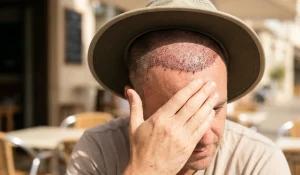
Yes, if grafts are fully healed.
The Biometrics Of Follicular Anchoring And Graft Stability
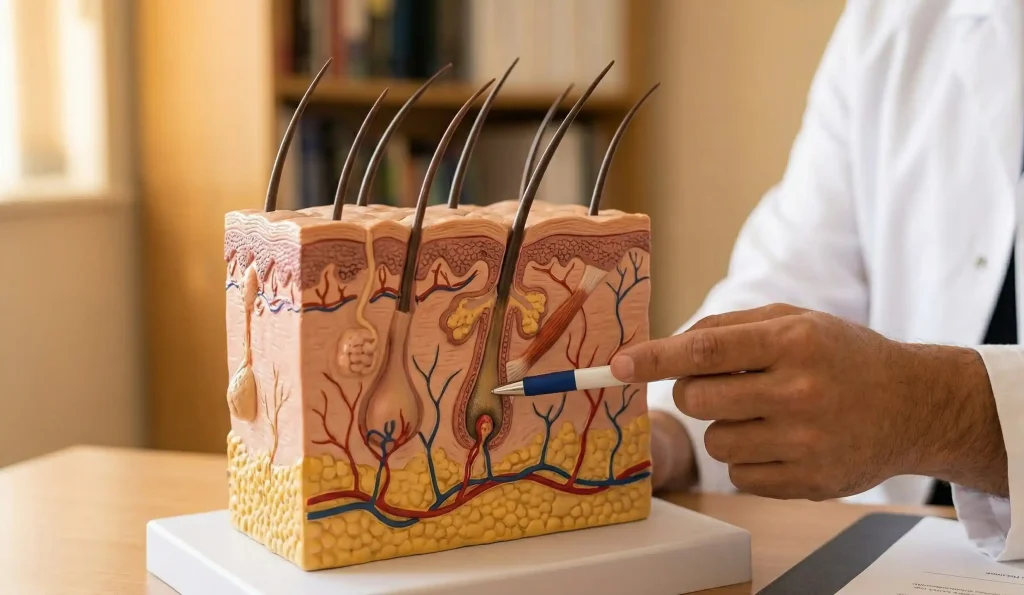
In the field of follicular unit extraction and high-definition hair restoration, this initial 30-day post-surgery period is extremely important for the survival of the grafts and harmonious structure. In terms of biometrics, during this period, the transplanted hair follicles go through a very complicated process of attaching themselves as they not only have to get integrated with the blood vessels around them, but also with the matrix of the tissue. Usually, the grafts are “locked in” at the earliest around 10 to 14 days, but the culprit for continuing remodeling of the scalp is the outer tissue of the skin that remains in the active state of repair for several weeks, quite possibly after 30 days as well. At this final stage, the follicles should have laid down a biologically stable foundation; however, the top skin layers might still show slight sensitivity or minor inflammation that needs to be handled with care.
At the Lin Health Europe Clinic, we treat monitoring of follicular stability as one of the highest clinical skills. Our professionals in Istanbul make use of high-definition evaluations to double-check that patients’ recipient areas have already reached the required biometric stage before allowing them to wear headgear like helmets again. We are of the opinion that a surgical masterpiece should not be limited to the operation alone, but include sustaining systemic vitality of the grafts through this period of delicate transition as well.
Mechanical Pressure And The Risk Of Surface Friction
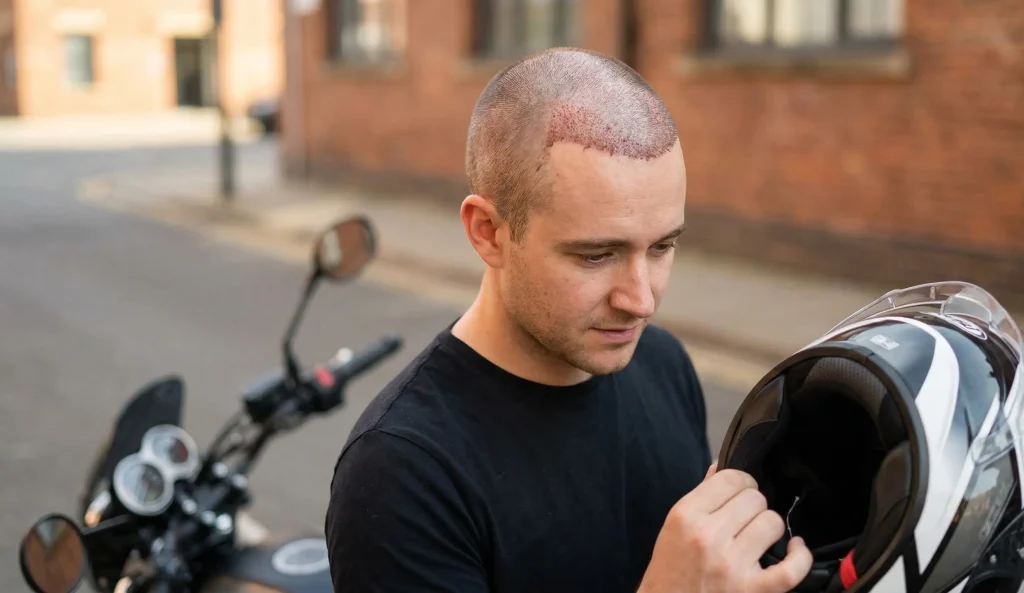
Among the main concerns from a clinical point of view when it comes to helmet wearing—the kind that fits snugly around the area of your head—are a) continuous mechanical force on your scalp tissue and b) friction hanging going-on between the donor and recipient regions of your head. The removal or putting-on action of a helmet can exert the so-called “pulling” force which will result in the minor injury of the outermost layer of your scalp, even if it’s 30 days since the operation. Besides, constant pressure of the headwear can lessen the blood circulation in the area, a blood flow that is crucial for the systemic vitality of the newly transplanted follicles. Knowing about these mechanical hazards is a prerequisite for successful surgery with a good structural result at the end of it.
What goes on behind the lines at Lin Health Europe Clinic is a few days at most bio-postural … you understand, such a therapeutic science … on how to safely return to the old habit of wearing headgear while at the same time ensuring that the kind of pressure/force exerted by the helmet doesn’t negatively affect the excellent outcome of your transplant.
Managing Sweat, Heat, And The Risk Of Folliculitis
The confines of a helmet that you wear will create a relatively isolated environment characterized by higher temperature and moisture that could become a threat to the biological health of your scalp. The possibility of graft disruption after 30 days is pretty much zero, but at the same time, the possibility of folliculitis, which is an inflammation of the hair follicles, a primary concern for clinicians, can still exist. Sweat and bacteria that get trapped beneath a helmet’s padding will lead to the clogging of the pores and cause a localized infection which will, in turn, negatively affect the healthy growth of the transplanted hair. Making sure that the scalp is clean and loose is the condition for maintaining the systemic vitality of the hair follicles and preventing inflammatory complications which could spoil the final appearance.
We, at Lin Health Europe Clinic, advocate a holistic approach to scalp hygiene in Istanbul. As our surgeons in Turkey always say, the best growth results are obtained through the maintenance of a stable and healthy internal environment. When it comes to helmets, we offer our international guests specialized antiseptic protocols to follow in case, on a professional or recreational basis, they have to wear them shortly after a 30-day recovery.
Individual Healing Variables And Helmet Types
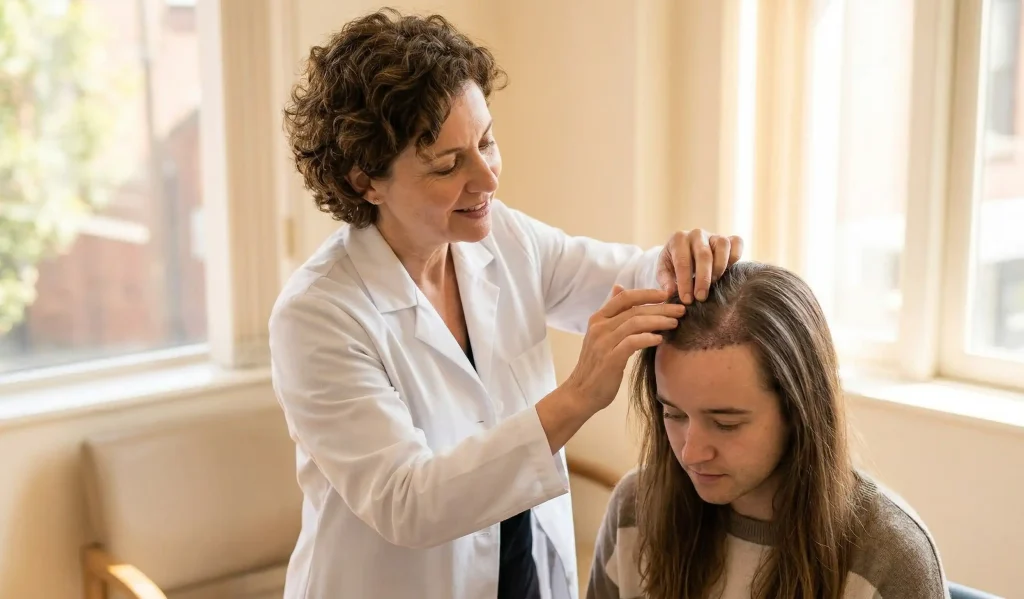
The question of whether or not to wear a helmet should not be simply addressed by a blanket yes or no, as it highly depends on the biometric rate of healing of a patient, as well as the type of helmet one plans to wear. For instance, a loose-fitting bicycle helmet with a lot of ventilation may be permissible earlier than the heavy, full-face motorcycle helmet that needs a tight “squeeze” to get it on. Personal aspects like skin sensitivity, residual crusts, if any, and the overall transplant density should be assessed with proper clinical rigor. In fact, these factors should be identified to prevent a patient from unintentionally hurting the surgical site before the tissue has achieved full structural harmony.
Because we are committed to surgical excellence, every patient at Lin Health Europe Clinic is given a tailored healing schedule. Our top priority is high-definition monitoring to confirm that your particular condition is capable of withstanding the stresses of helmet use, thereby reflecting our proficiency not only in surgery but also in post-operative hair restoration in the heart of Turkey.
Elite Post-Operative Safety At Lin Health Europe Clinic
Making the choice to go ahead with actively living your life, such as riding or racing, at Lin Health Europe Clinic is a method driven by the highest tier of medical expertise and a focus on long-term results. Lin Health Europe Clinic in Turkey is an international refuge where surgical artistry is combined with the utmost standards of JCI-accredited safety, which ensures that your follicular units are safeguarded way beyond the initial operation. We realize that your hair transplant is a high-definition investment in your confidence, and our mission is to coordinate your aesthetic desires with the biological necessities of healthy recovery. By offering you a smooth, all-inclusive environment, we make sure every milestone—including the 30-day one—is done with absolute clinical mastery.
When you choose Lin Health Europe Clinic, you are entrusting yourself with a medical system that recognizes the essential connection between scalp health and the durability of the follicles. Our high-level team employs the newest medical techniques to keep an eye on your progress, thereby guaranteeing that your results are preserved, and your systemic vitality remains intact when you finally put your helmet on again. Discover the advanced methods and professionalism of Lin Health Europe Clinic and find your most confident self with lasting excellent results.
FAQ:
In general, yes. Grafts at the 30-day mark are biologically stable; however, safety also depends on what kind of helmet you use and how much it will rub against your hair transplant area.
Although it is probably not going to “pull out” the grafts at the 30 day point, mechanical pressure and friction could lead to localized inflammation or folliculitis if the helmet is too tight or worn for a long time.
Watch your scalp for any warning signs such as a rise in redness, localized heat or the appearance of pimple-like bumps (folliculitis), which could mean that the helmet is irritating the healing area.
Most of the time, we suggest that users don a thin, breathable silk or surgical cap underneath the helmet to reduce direct rubbing and keep the scalp less sweaty and structurally balanced.
Generally, cycling helmets or loosely fitting hard hats are safer because they have better ventilation and less surface contact as compared to the full face motorcycle or racing helmets.
Unger, W. P., and Shapiro, R. (2010). Hair Restoration Surgery: Biometrics and Follicular Integrity. Informa Healthcare.
Bernstein, R. M., and Rassman, W. R. (2002). Follicular Unit Extraction: Surgical Brilliance and Graft Security. Dermatologic Surgery.
Tebbetts, J. B. (2002). Systemic Vitality and Surgical Precision in Soft Tissue Management. Saunders Elsevier.
Janis, J. E., et al. (2005). Cervical and Scalp Anatomy: Implications for Structural Harmony. Plastic and Reconstructive Surgery.