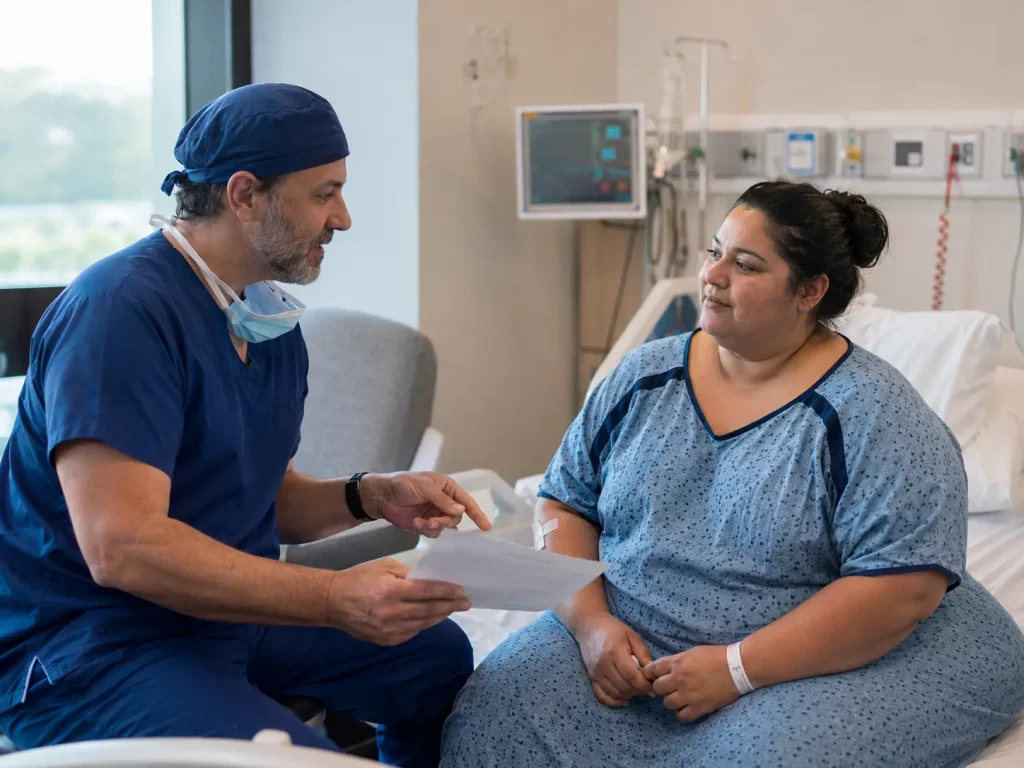
High-protein, low-carbohydrate preoperative diet.
The Preoperative Low-Calorie, High-Protein Nutritional Matrix
By availing the advanced techniques in bariatric surgery and metabolic remodeling, one who is preparing for a procedure doesn’t just have to obey a pre-surgical nutritional protocol, but strictly. The main point is not just weight loss, but a rapid reduction in the liver in size by means of a low-calorie bariatric diet. This is the most important goal that the clinical pre-bariatric diet aims at. Located just above the upper stomach, the human liver is a fairly large organ.
Minimally invasive techniques, plus laparoscopic cameras and delicate laparoscopic instruments, are what are used to carry out the bariatric procedures. In addition, a big, fatty, and heavy liver can completely block the surgeon’s field of vision, which is quite a big problem. To have access to the stomach, the patients should strictly be on a low-calorie, high-protein, and carbohydrate-restricted diet for 2 to 4 weeks ahead of surgery. By this specific metabolic change, the liver will have to use up its glycogen and fats; thus, it will be significantly reduced in size and will allow for a safe operative route.
The Structured Pre-Surgical Liquid Diet Portfolio
This transition to a complete liquid diet happens in the very last 1 to 2 weeks leading up to the day of your metabolic operation. The main reason for switching to a liquid diet is to make the GI tract empty, and this is the clearest biological point that the surgery risk is minimized and post-operative healing is sped up.
- Medical-Grade Protein Shakes: Vital components in your daily nutrient intake, these shakes are meticulously designed to offer around 70 to 100 grams of top-notch whey or plant-derived protein, all the while maintaining energy intake at a very low level.
- Clear Broths: To keep sodium levels normal and avoid sudden dehydration, fat-free chicken, beef, or vegetable broths are the ones used.
- Hydration Fluids: There are some zero-calorie, non-carbonated liquids that a person can drink, including water, decaf coffee, and sugar-free electrolyte drinks; these beverages must be sipped frequently in small amounts throughout the day.
- Sugar-Free Gelatin: Very small quantities of this are permitted to give a tiny bit of texture, yet without breaking clear liquid limits.
Preserving Systemic Homeostasis and Metabolic Integrity
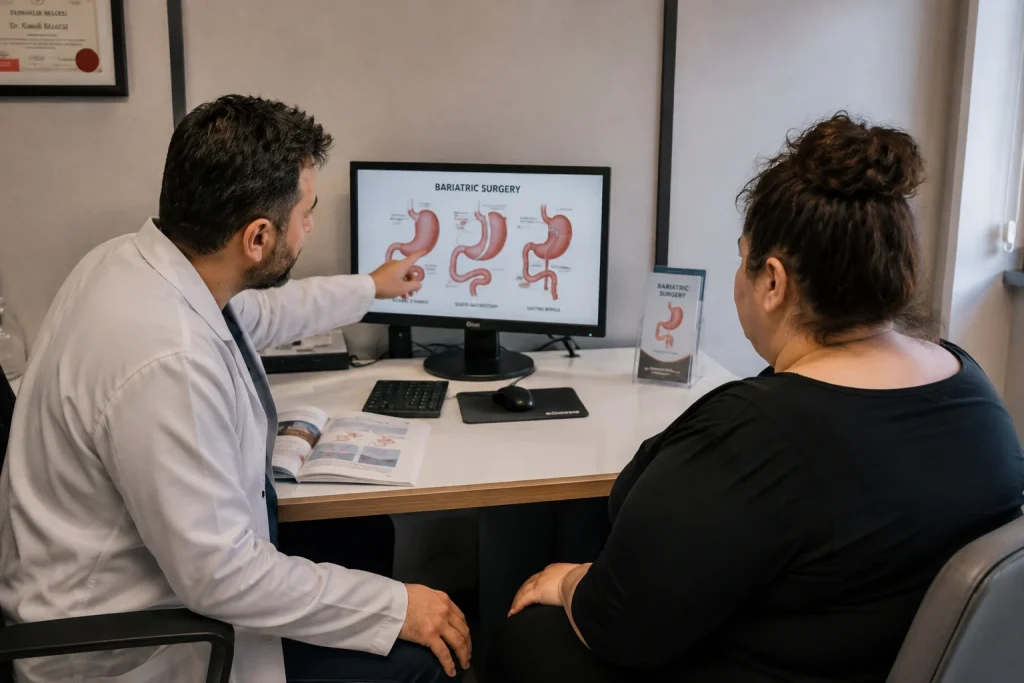
Complying with strict biochemical limits and removing all solid carbohydrates is very important for those people who lead a very strict lifestyle and look for perfection in their metabolic transformations. Such individuals who focus intensively on engineering the lower body at an advanced level, defining the core, and maintaining a physically lean and well-balanced state with mastery would find that getting ready for bariatric surgery leads to a change in their focus entirely. When you totally cut down the intake of simple sugars and processed foods, your body will very rapidly start to draw on the visceral fat stores.
In order to shield the muscle matrix beneath and to round off the metabolic routes in a smooth manner, you should give up using nicotine and tobacco during the preoperative phase entirely. Being a strong systemic vasoconstrictor, nicotine causes the microvessels to narrow very quickly, and it immediately leads to the starvation of the gastric tissue planes that are in a state of struggle for vital oxygenated blood. Healing of the staple lines, therefore, cannot take place properly. Making sure that your internal system is clean is what allows your body to handle the surgical transition in the most biologically efficient way.
Banning Prohibited Compounds to Prevent Operative Complications
Breaking the pre-bariatric liquid diet parameters leads to severe biological penalties and thus it is a way of directly jeopardizing your intraoperative safety. The replenishing of glycogen stores in your liver, which results in the organ swelling back to its original oversized dimensions, is what happens immediately after you eat solid foods, simple sugars, or high-carbohydrate foods in the days leading up to surgery.
If the surgical team sees an engorged liver that is heavy and blocking access to the upper stomach, they might have to change the minimally invasive laparoscopic operation into a very open one, which is invasive. Such an operation change will not only increase your social downtime drastically, but it will also seriously raise the risks of your recovery. Besides that, you should quit the use of all non-steroidal anti-inflammatory drugs (NSAIDs) and high-sugar energy drinks for a period of two weeks before the operation, so as to protect your blood clotting capabilities and to stabilize your metabolic state before the anesthesia.
Bariatric Surgery in Turkey
By opting for LIN Europe Clinic, you are entering a premier global medical oasis where not only your metabolic health is taken care of, but your advanced bariatric transformations and systemic safety are also managed with uncompromising clinical mastery and profound empathetic care. We understand that meeting the exact liquid regimens and physical changes required leading up to an advanced weight-loss surgery is a very complex matter, so a highly sophisticated, transparent, and supportive environment that prioritizes evidence-based medicine above all else is necessary. LIN Europe Clinic in Turkey is an international leader in advanced metabolic surgery and bariatric aftercare, offering a peaceful environment where your health roadmap is strictly controlled by the highest patient safety standards worldwide.
By deeply trusting our highly committed experts at LIN Europe Clinic Istanbul, your metabolic parameters will be kept under strict diagnostic monitoring. We issue total, tailored preoperative liquid guides, liver-shrinking monitoring, as well as patient safety checklists that will assist you every step of the way in your cellular maturation and lifestyle integration. Your body contour investment and systemic health will be our top priority, and in the end, you will be able to enjoy your dream silhouette with complete peace of mind. Discover the elegant, all-inclusive care of LIN Europe Clinic‘s masterfully balanced canvas, safely and excellently presented to you in the heart of Turkey.
FAQ:
You need to consume a low-calorie, high-protein diet for 2 to 4 weeks and then go on a very strict all-liquid diet for the last 1 to 2 weeks to shrink your liver in safely before the surgery.
This liquid diet is a way to make your liver use up its fat and glycogen stores so it can shrink quite a lot. The surgeon then has good visibility and easy access to your stomach during the laparoscopic operation.
No, you must completely refrain from eating solid food in order to have an empty gastrointestinal tract. This doesn’t only ensure that the operation goes smoothly but also that you don’t have any digestive complications afterward.
If you break the diet rules, your liver will enlarge again. This may make it impossible for the surgeon to perform the surgery laparoscopically, and the alternative would be to make a large, open incision. Needless to say, this will greatly increase the risk of your recovery.
On average, patients lose about 5 to 15 pounds in a short period of time during the pre-surgical liquid diet phase, which is a great way to start their overall metabolic change.
Mechanick, J. I., et al. (2013). Clinical practice guidelines for the perioperative nutritional, metabolic, and nonsurgical support of the bariatric surgery patient. Obesity Surgery, 23(6), 735-772.
Schauer, P. R., et al. (2012). Bariatric surgery and metabolic remodeling: Analyzing the pre-surgical liver-shrinking liquid diet. New England Journal of Medicine, 366(17), 1567-1576.
Buchwald, H., et al. (2004). Weight loss and metabolic parameters following bariatric intervention: The necessity of rigorous preoperative liquid regimens. JAMA, 292(14), 1724-1737.