Will My Breasts Look Deformed After Removing Implants?

Medically reviewed by Op. Dr. EmrePlastic and Aesthetic Surgeon
Temporarly yes, but breasts usually settle over time.
On deciding to remove breast implants you experience a mix of relief and anxiety. Although you may be physically and mentally ready to let go of the burden of implants or potential health scares it is common to have concerns about the outcome of the procedure. One of the most prevalent concerns is that the breasts will be left looking "deformed", wrinkled, or totally unrecognizable after losing the volume. At Lin Europe Clinic we respond to such concerns with a sincere and expert clinical approach. We recognize your concern and at the same time provide you with the biological perspective that will help you understand the healing capability of your body.
Generally, the answer to "Will my breasts look deformed?" is no; however, they will definitely look different. "Deformity" is a term that denotes a permanent, abnormal distortion. In fact, what most patients end up with is a de-flation and ptosis (i.e. sagging) of breasts. The degree to which this change will take place wholly depends on your body and how your skin responds to the situation. We prepare you for what to expect based on your history so that you can have a realistic plan for your post-explant journey.
The Immediate "Deflated" Appearance
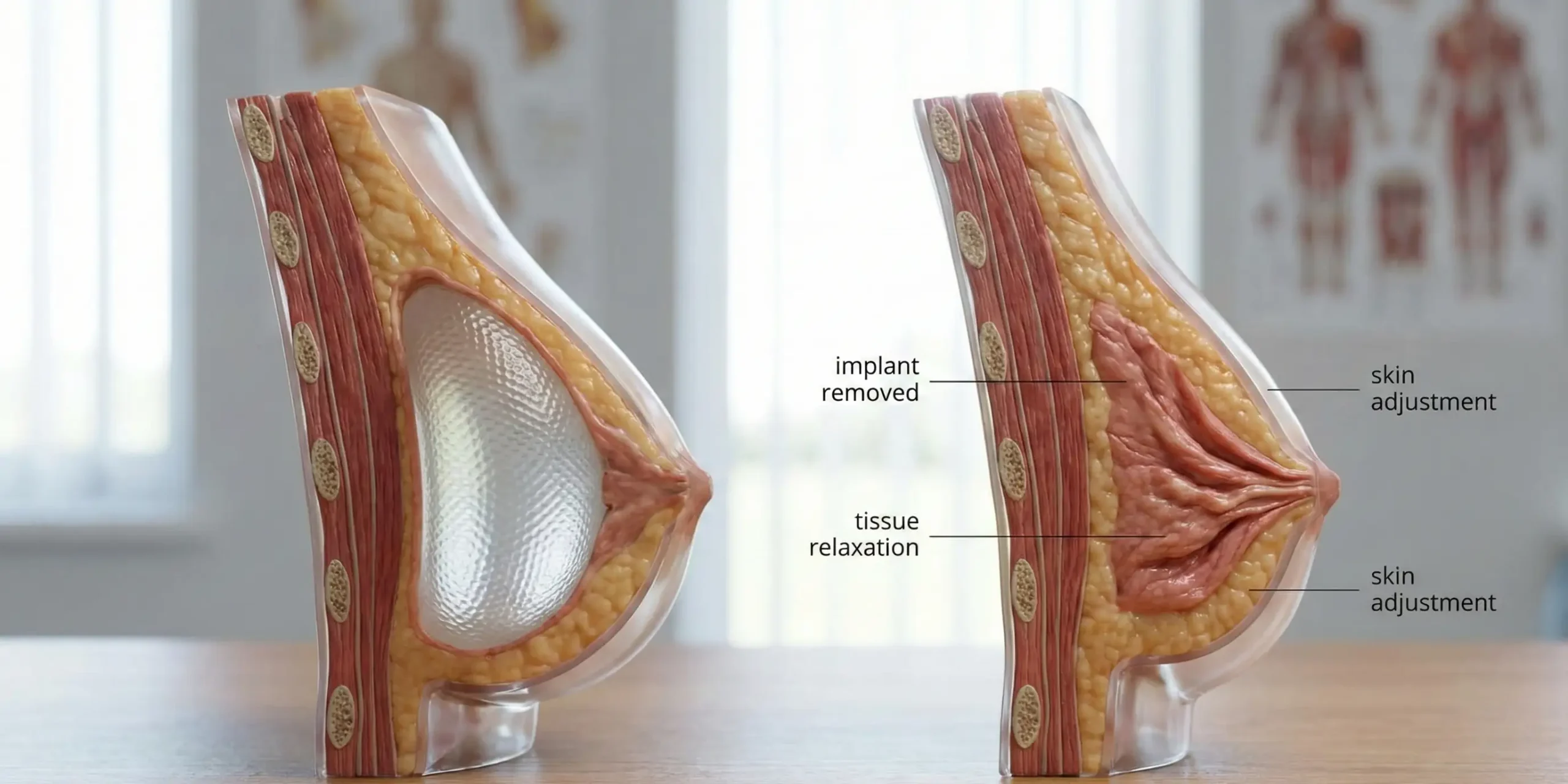
It is very important for you to brace yourself for the visual situation within the first few weeks after surgery. When the surgeons take out the implants the skin that was stretched to accommodate them does not contract immediately. As a result, your breasts may at first look flat, wrinkled, or even concave hence the "empty sac" metaphor. Most importantly, know that this is only the first stage appearance and it will not be your outcome.
It takes some time for your body to recognize that the implant's internal pressure has disappeared. In the first three to six months, tissue retraction happens, which is a biological process. The skin fibers will contract and get tighter around the natural breast tissue that is left after surgery. Just like the abdominal skin hFrequently Asked Questions About Explant Aestheticseals after pregnancy, the breast skin will reduce its size substantially. Being patient during this "waiting period" is very important since the shape you see on day one is very different from that at month six.
Factors Influencing Skin Elasticity
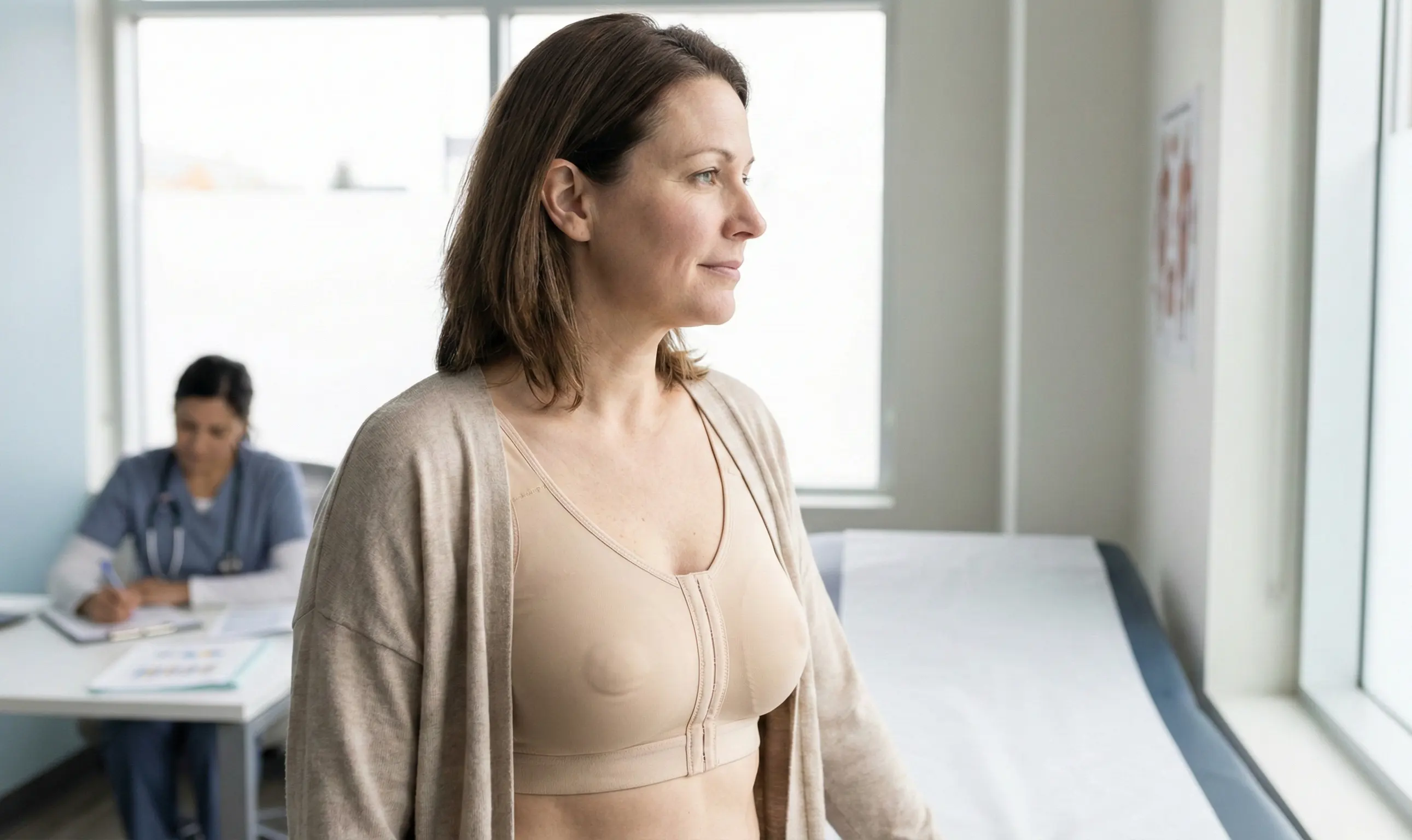
The major factor that determines the extent to which your breasts will regain their original shape is the quality of your collagen and elastin. Young patients with thick and highly resilient skin are usually able to experience a great retraction and often their breasts end up very close in shape to their pre-augmentation baseline. People who have been good at wound healing and getting less stretch marks pose a lower risk of experiencing disfiguring effects.
On the other hand, there are a number of factors that might result in limitation of natural retraction. The weight of very large implants, which have been stored for years, may have led to skin thinning and also stiffening beyond the elastic threshold of the skin. In the same way, losing a lot of weight, smoking, and having a lot of exposure to the sun can all contribute to making the skin less tight. The breasts may be droopy or flat in such cases after removal. If you are aware of your risk factors, you and your surgeon can come up with an appropriate plan to address them together with treatment to avoid future disappointment.
The Role of Mastopexy (Breast Lift)
If the elasticity of your skin is compromised, then simply taking out the implant may leave you with a shape that is not very pleasing to your eyes. Here, we ask you to seriously consider performing a mastopexy or a breast lift simultaneously with the explant surgery. Breast lift removes the excess, overly stretched skin and then reshapes the natural tissue to a higher and tighter mound. Therefore, this operation not only eliminates the problem but also results in a beautiful, attractive curve.
Sometimes it is feasible and the patients usually prefer to do both removal and lift (one-stage procedure) at the same time as they want to have a good shape right after waking up. However, in very large implant or thin tissue cases your surgeon still may want to do a two-stage. First, the implants are taken out and the skin is allowed to retract naturally for a few months and the lift is done afterwards when the tissues are at the right stage. This procedure has been found to give the best and safest results from a beauty perspective in most cases.
Fat Transfer for Volume Restoration
Some patients worry that by taking out the implants they'll end up with a chest that is concave or "dished-out," especially if they had very little breast tissue naturally. To solve this problem, we can use fat transfer grafting. Fat is taken from other body parts such as stomach or thigh and put into the breast area. Adding fat cannot be the substitute for an implant of a huge size but it can offer a level of natural softness and it can fill localized depressions.
Fat transfer works best when the "step-off" defect, where the transition appears abrupt or even skeletal, to the breast is corrected. By adding layers of your own natural tissue to the problem area, we can make the slope much smoother and more natural. Besides improving the contour this procedure also benefits the quality of the skin which is superficially by the fact that stem cells in fat can enhance regeneration.
Managing the Capsule and Shape

How the surgeon deals with the internal scar capsule can also have an impact on the breast shape at the end of the day. During the "Total En Bloc Capsulectomy," the surgeon removes the complete capsule of scar tissue along with the implant. While this is regarded as the best method of getting rid of foreign material, the downside is that a large internal cavity is left for healing. The internal tissues may be depressed or concave at the chest wall for some period until the deep tissues gradually fill in.
On the other hand, a thin and healthy capsule may be left partially in place or just the part that is being used to provide the breast with some support of its structure can be left behind. Usually, health matters outweigh a minor aesthetic gain. Your surgeon will thoroughly discuss with you the advantages and disadvantages of various ways of dealing with capsule removal. Whatever the method, the body is very proficient at generating new connective tissue to fill these potential spaces over time.
Breast Explant in Turkey
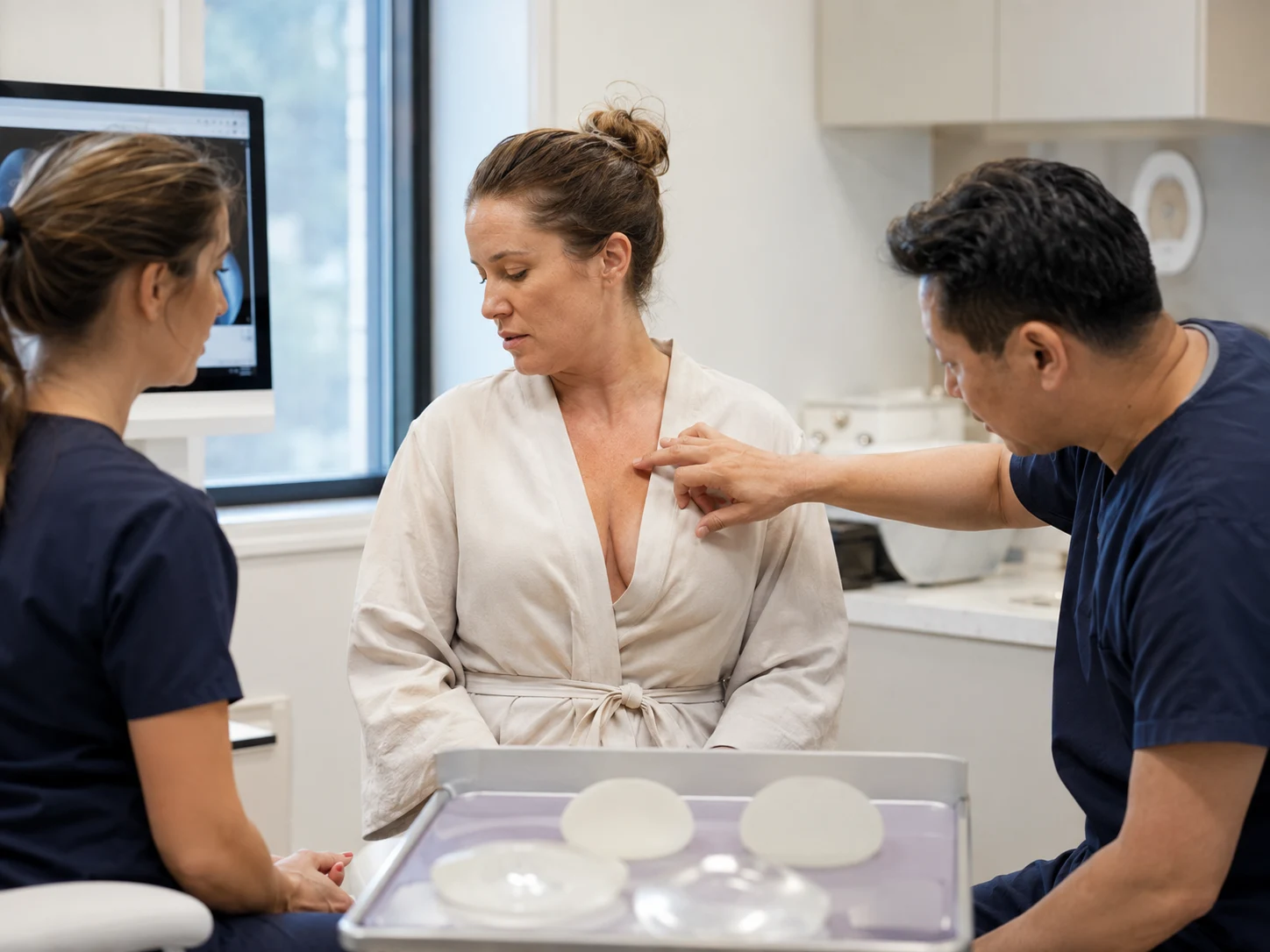
You picked Lin Europe Clinic for your breast implant removal in Turkey because you needed a surgeon who understands removal as a form of reconstruction rather than just reversal. Our team of doctors in Istanbul is fully aware that this is a highly emotional procedure. We make use of high technology assessment methods in order to predict the behavior of your skin so that we can make an accurate decision on whether a lift or a fat transfer is necessary for a result that will give you back your feeling of confidence and "normality."
Besides, you coming to Istanbul for your recovery will be under the care of a competent and stress-free raising environment. We provide private VIP transfers and lovely, comfortable, and high-standard accommodation for you to have proper rest and privacy during your initial deflation phase. Our nurses give detailed instructions on using compression garments which are very important for proper skin retraction. At Lin Europe Clinic, we are all for you during this transition and will do our best to make you go home at peace with your original body.
Frequently Asked Questions About Explant Aesthetics
References
Maxwell, G. P., & Gabriel, A. (2016). Breast implant removal: The role of en bloc capsulectomy. Aesthetic Surgery Journal.
Rohrich, R. J., et al. (2004). The tear trough and lid/cheek junction: Anatomy and implications for surgical correction. Plastic and Reconstructive Surgery. (Note: General principles of tissue retraction apply).
Spear, S. L., & Rottman, S. J. (2012). The correction of breast implant complications. Plastic and Reconstructive Surgery.
Frequently asked questions
Will my boobs look like empty bags after taking the implants out?
Your breasts might look deflated and crinkly right after the operation, but the skin will naturally tighten and become much smoother in the following months.
Is a breast lift always necessary when taking implants out?
If you have excellent skin elasticity and the implants are small, a lift might not be necessary; however, for patients with severe sagging or stretched skin, a lift is the best option.
Can fat transfer fix the shape after removing implants?
Sure, fat transfer to the breast can provide natural volume and repair the hollow areas so that the chest does not look too flat or bony.
How long does it take for breast skin to tighten after explant?
Most skin tightening occurs within the first three months; however, the final shape can continue to get better for up to a year.
Does removing the capsule make the breast look worse?
It can cause a temporary hollowness, but the body will eventually fill this space with healthy tissue, which will feel soft and natural.
This article is general information, not medical advice, and does not replace a consultation. Every procedure carries risk and outcomes vary from person to person.
Last reviewed 14 January 2026